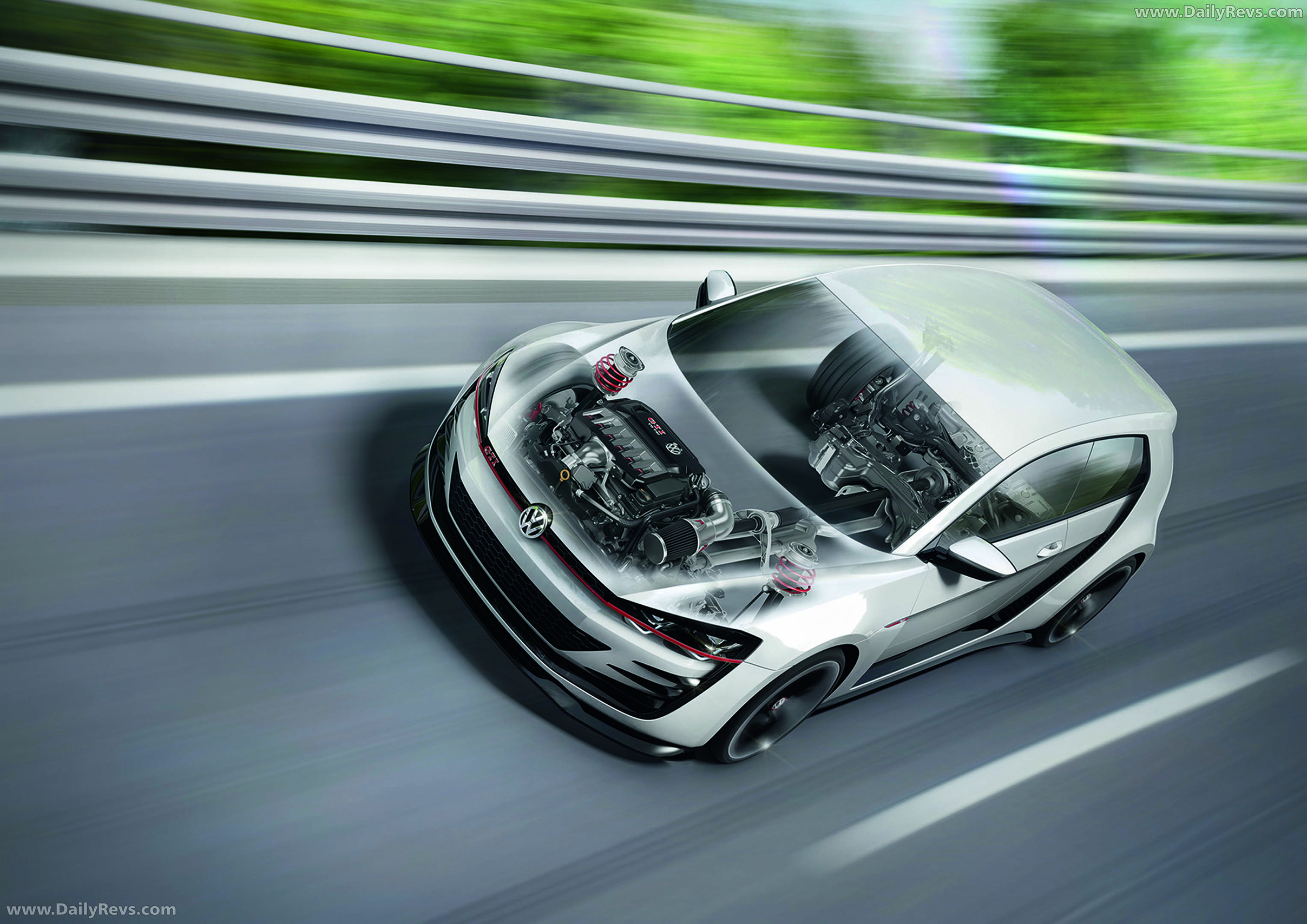
2013 Volkswagen Design Vision GTI Concept
By Lorenzo Bianchi February 23, 2013
503 PS twin-turbocharged 3.0-litre V6 with 4MOTION all-wheel drive.
0–100 km/h in 3.9 seconds and 300 km/h top speed.
Radically widened body based on Golf VII GTI proportions.
503 PS V6 and All Wheel Drive Layout
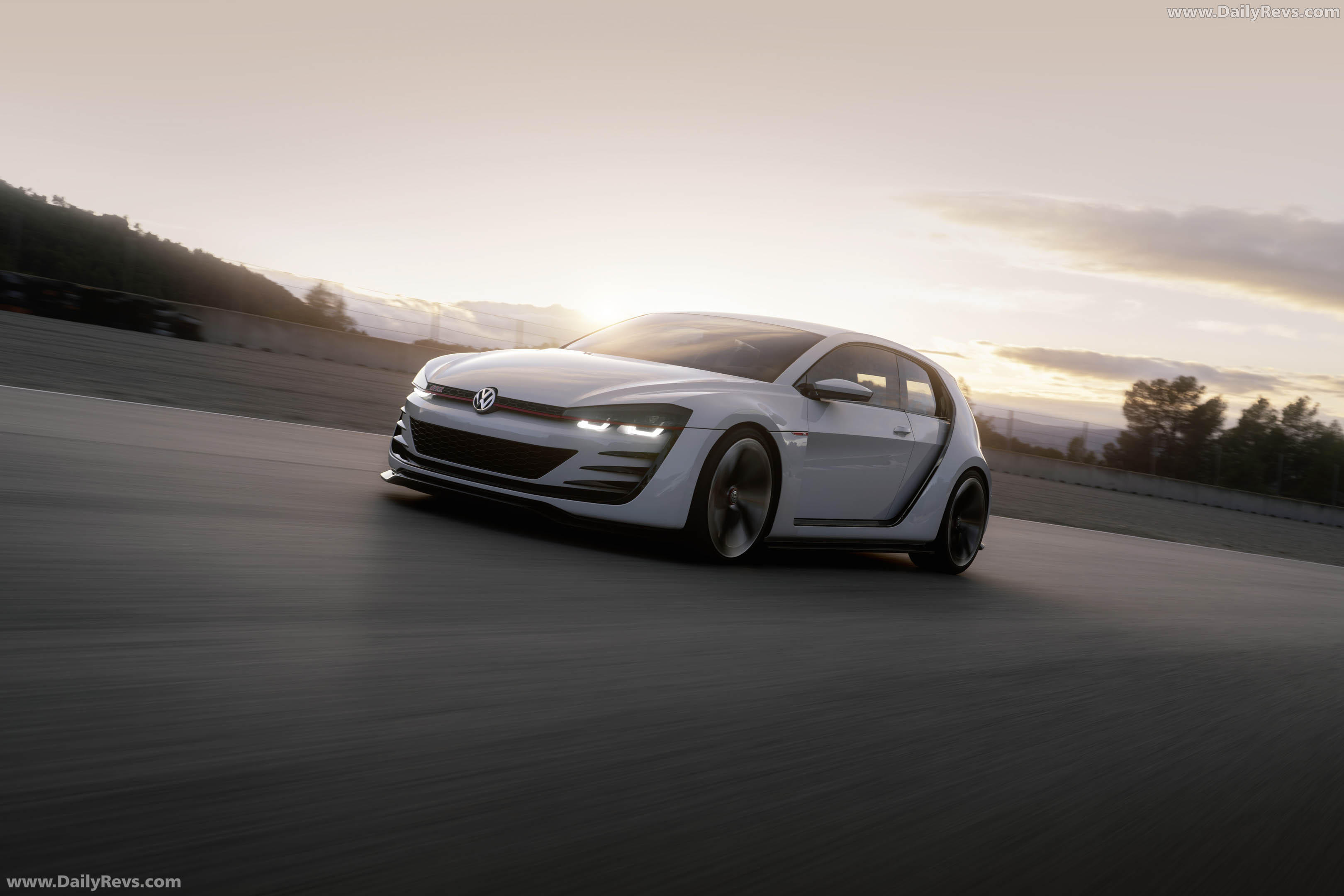
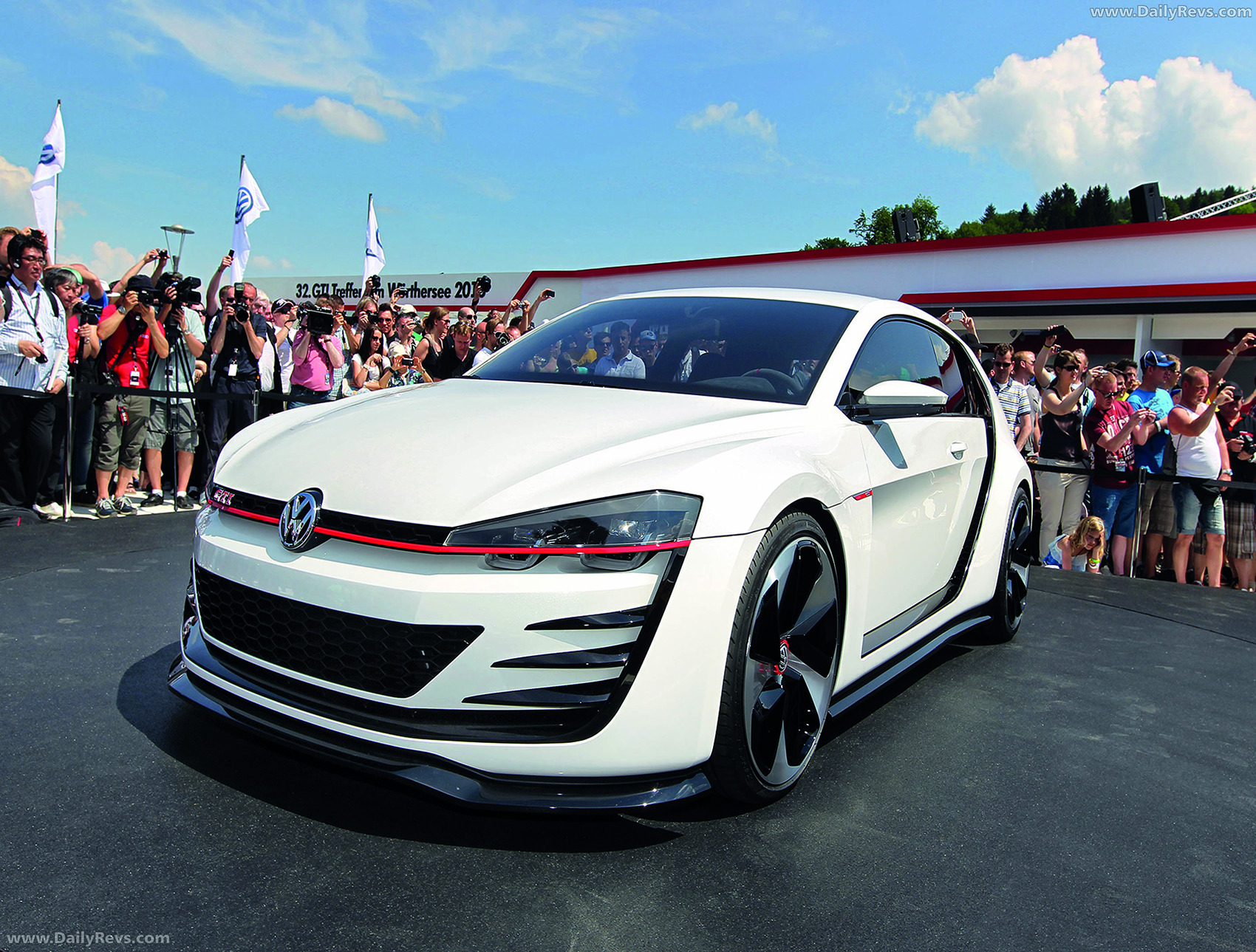
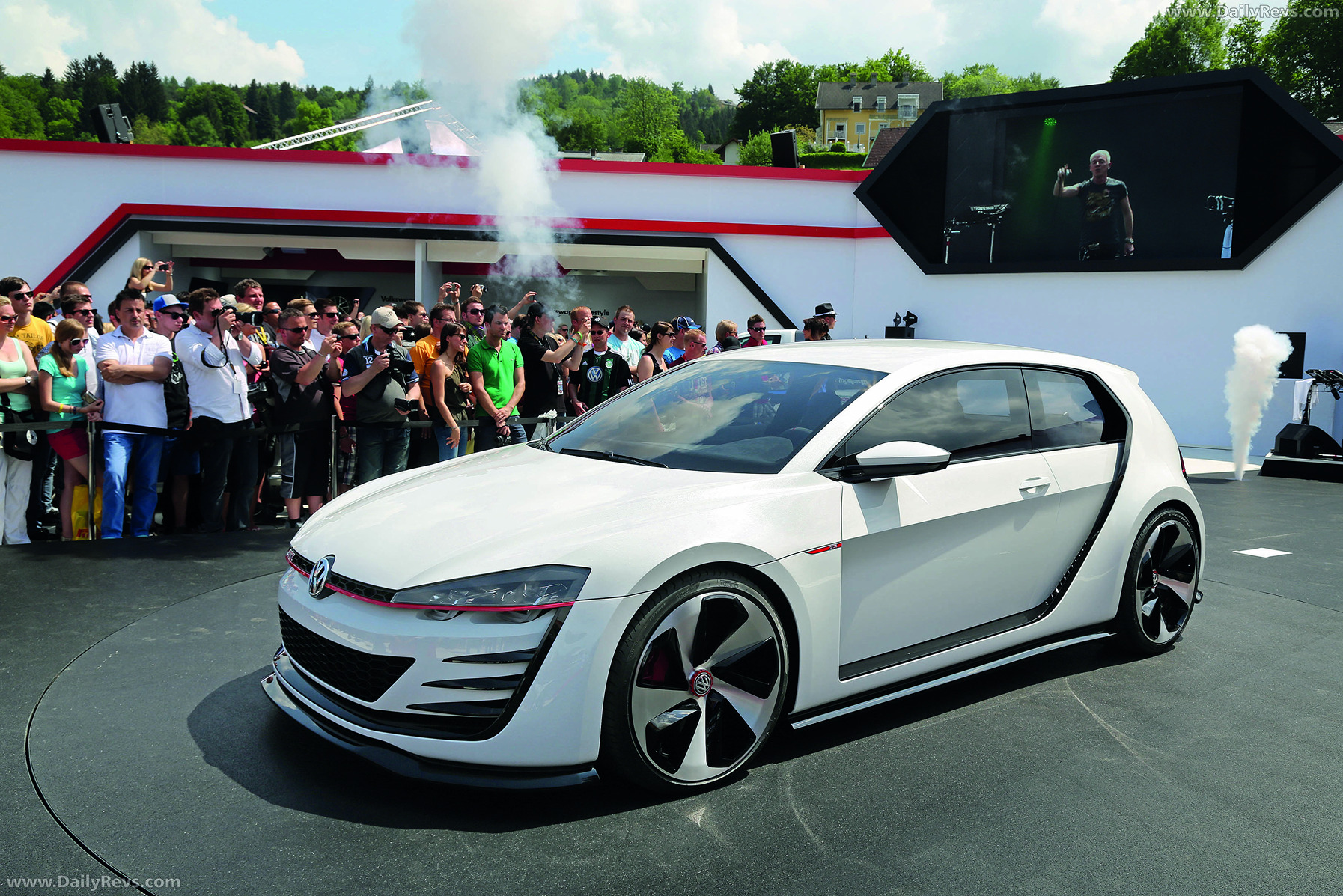
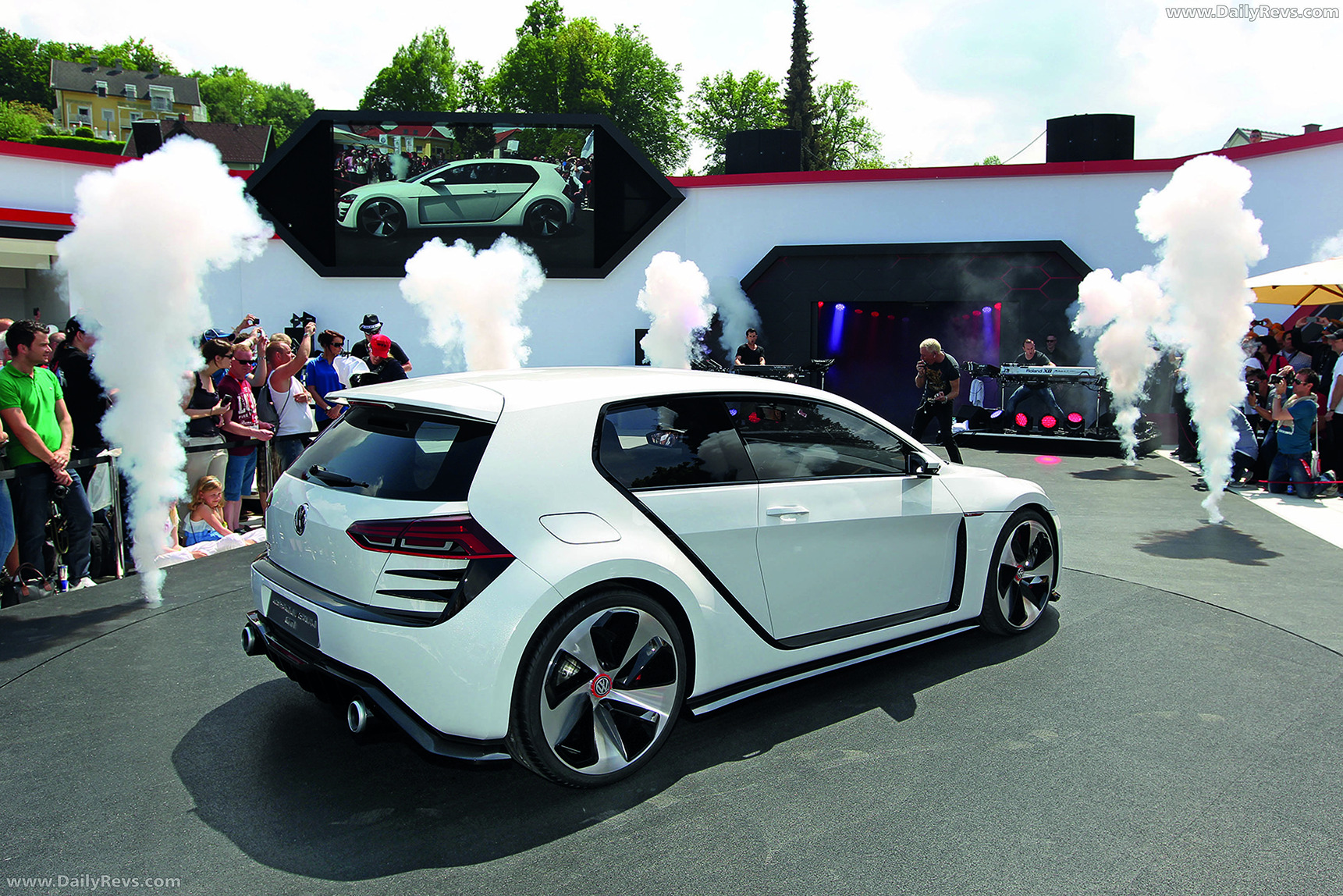
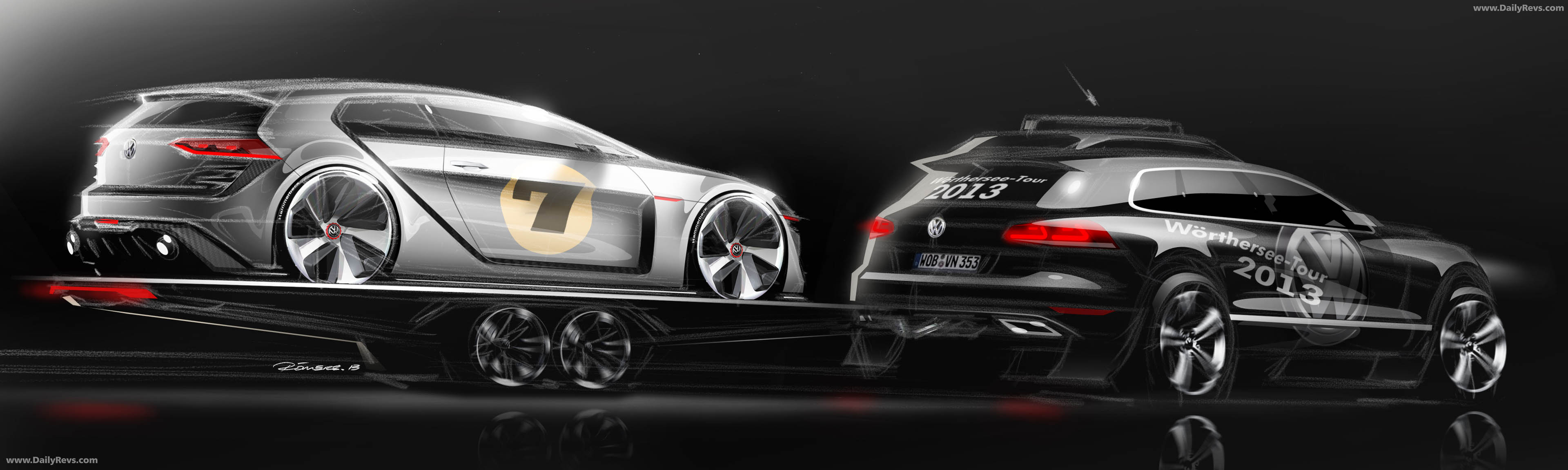
Revealed at the 2013 GTI Meeting at Wörthersee, the 2013 Volkswagen Design Vision GTI Concept was conceived as a race-focused interpretation of the seventh-generation Golf GTI. Power output stands at 370 kW / 503 PS at 6,500 rpm, more than double that of the production GTI at the time.
Under the bonnet sits a 3.0-litre V6 TSI engine with twin turbochargers. Peak torque reaches 560 Nm between 4,000 and 6,000 rpm, with 500 Nm available from as low as 2,000 rpm. Drive is channelled through a dual-clutch DSG transmission to all four wheels.
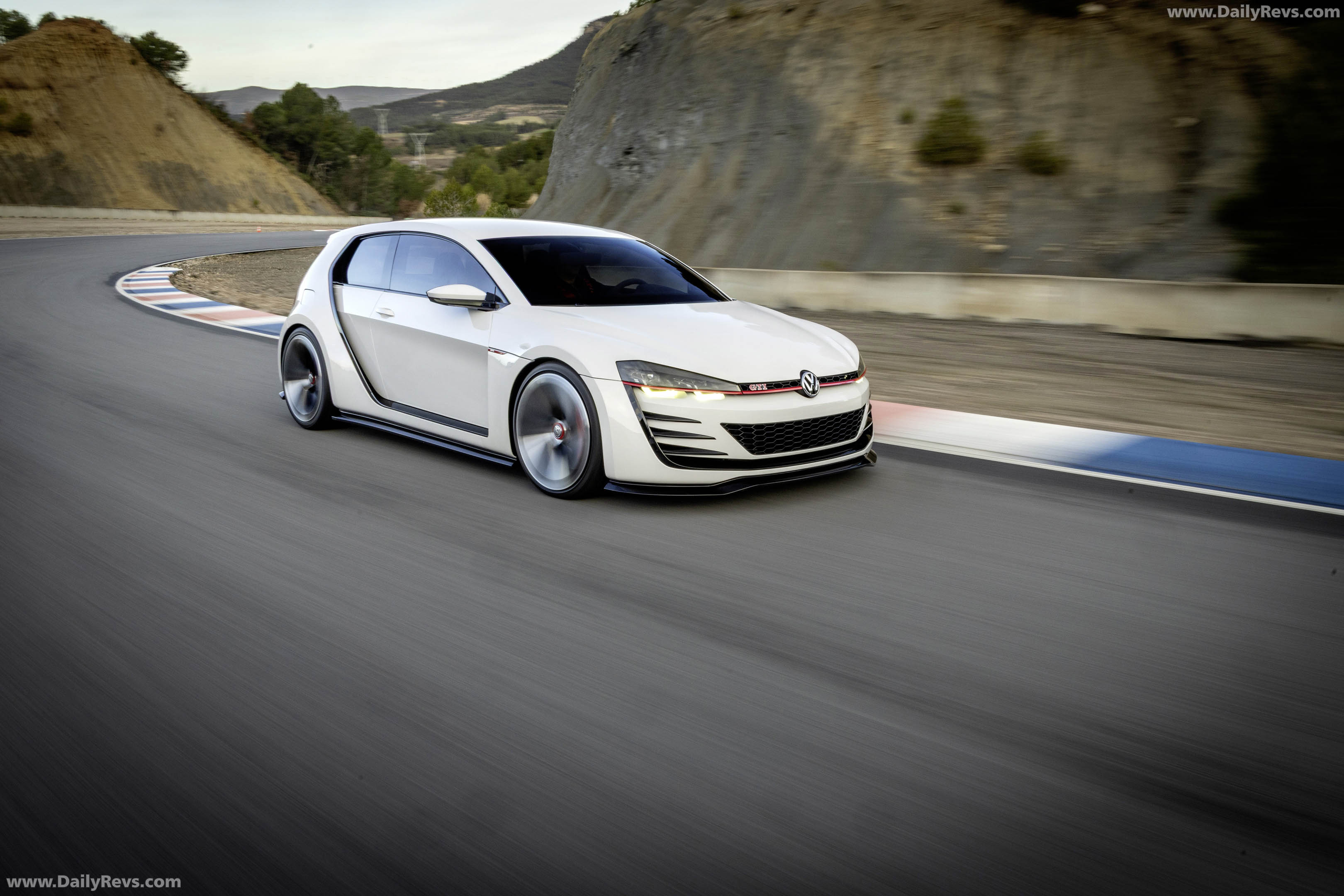
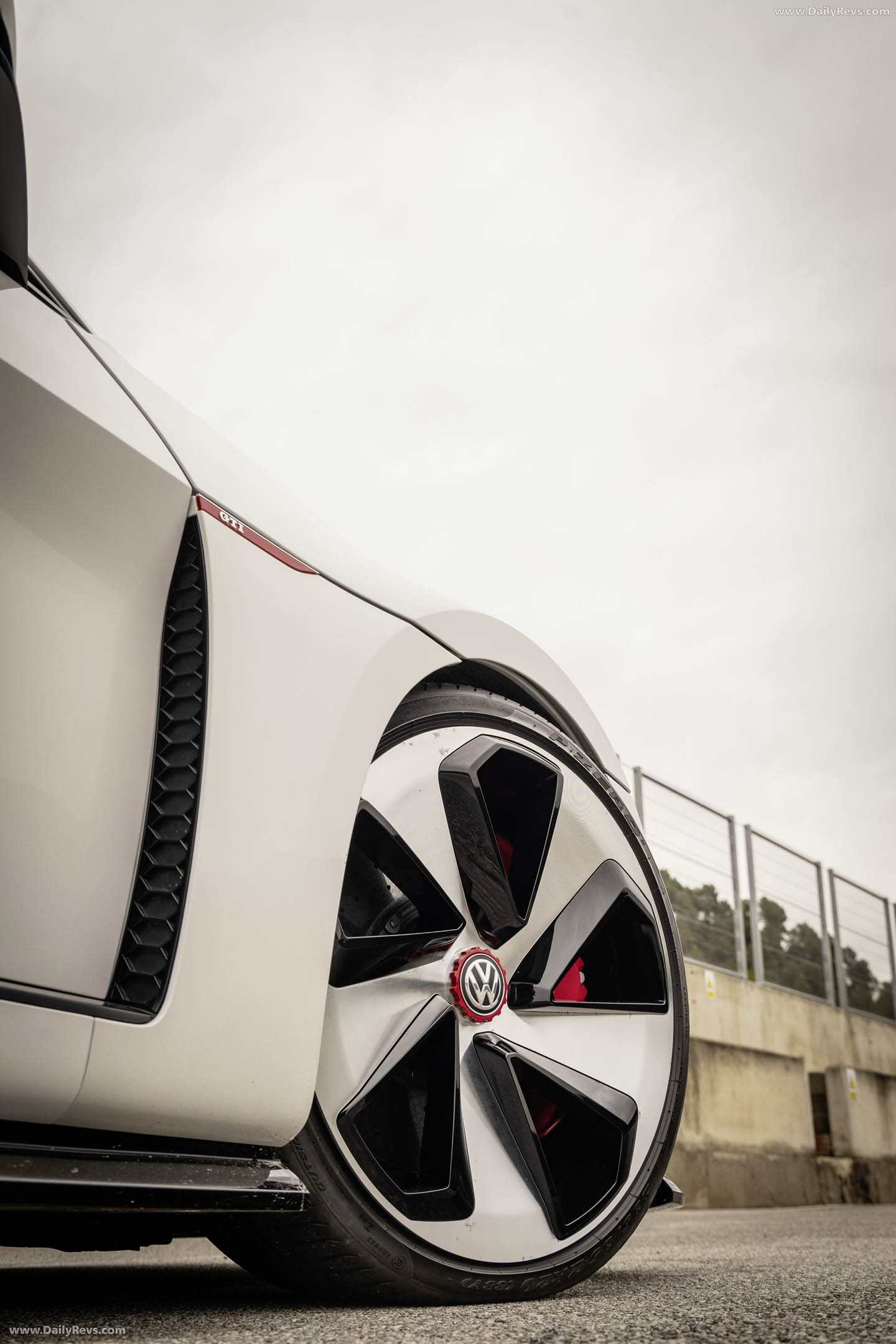
Volkswagen quotes 0–100 km/h in 3.9 seconds and a top speed of 300 km/h. Braking is handled by ceramic discs measuring 380 mm at the front and 356 mm at the rear, visible behind bespoke 20-inch alloy wheels.
This was not a styling mock-up. The drivetrain specification placed the Design Vision GTI firmly in supercar territory, albeit wrapped in a familiar hatchback silhouette.
Proportions and Exterior Architecture
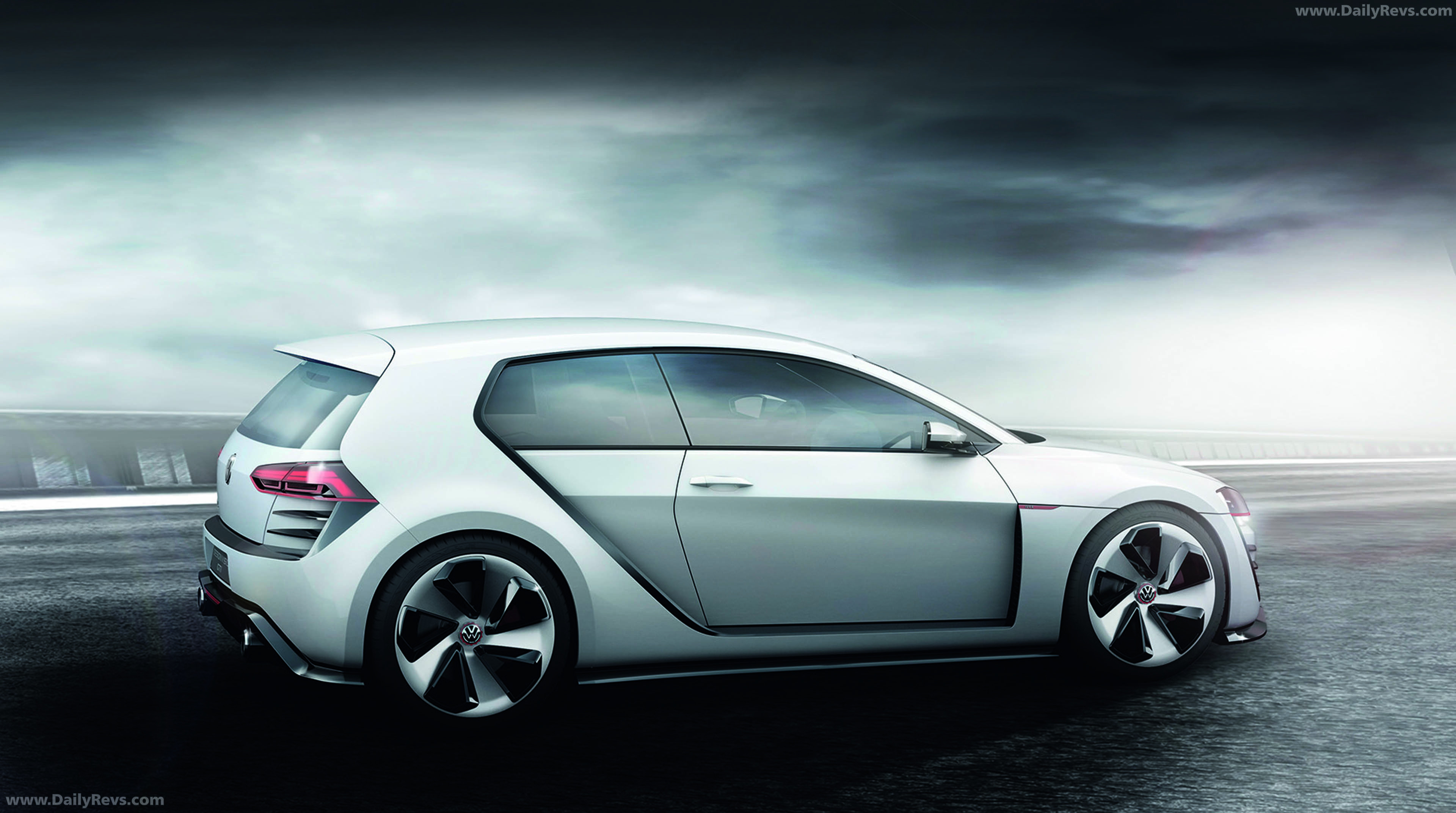
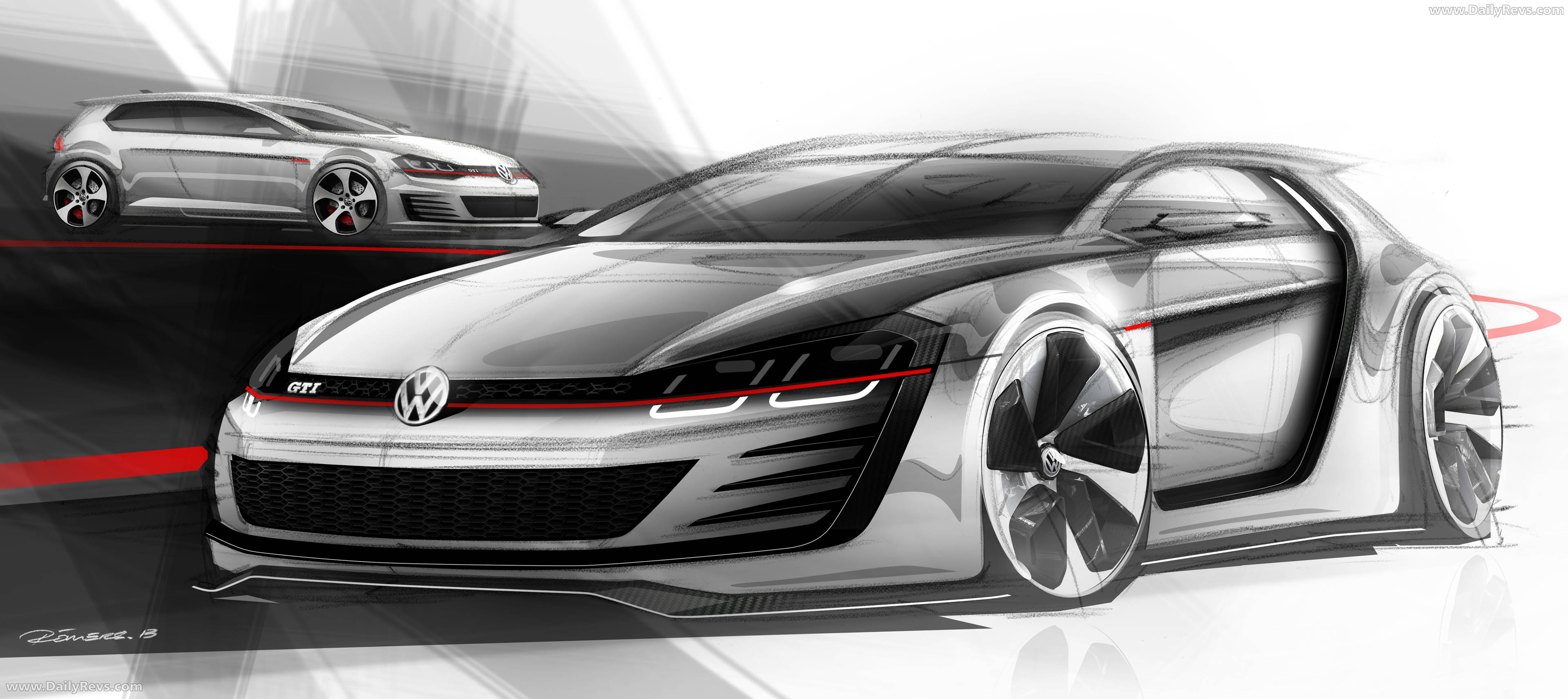
Visually, the 2013 Volkswagen Design Vision GTI Concept retains clear Golf DNA. That was deliberate. The project brief called for a vehicle instantly recognisable as a Volkswagen and unmistakably a GTI.
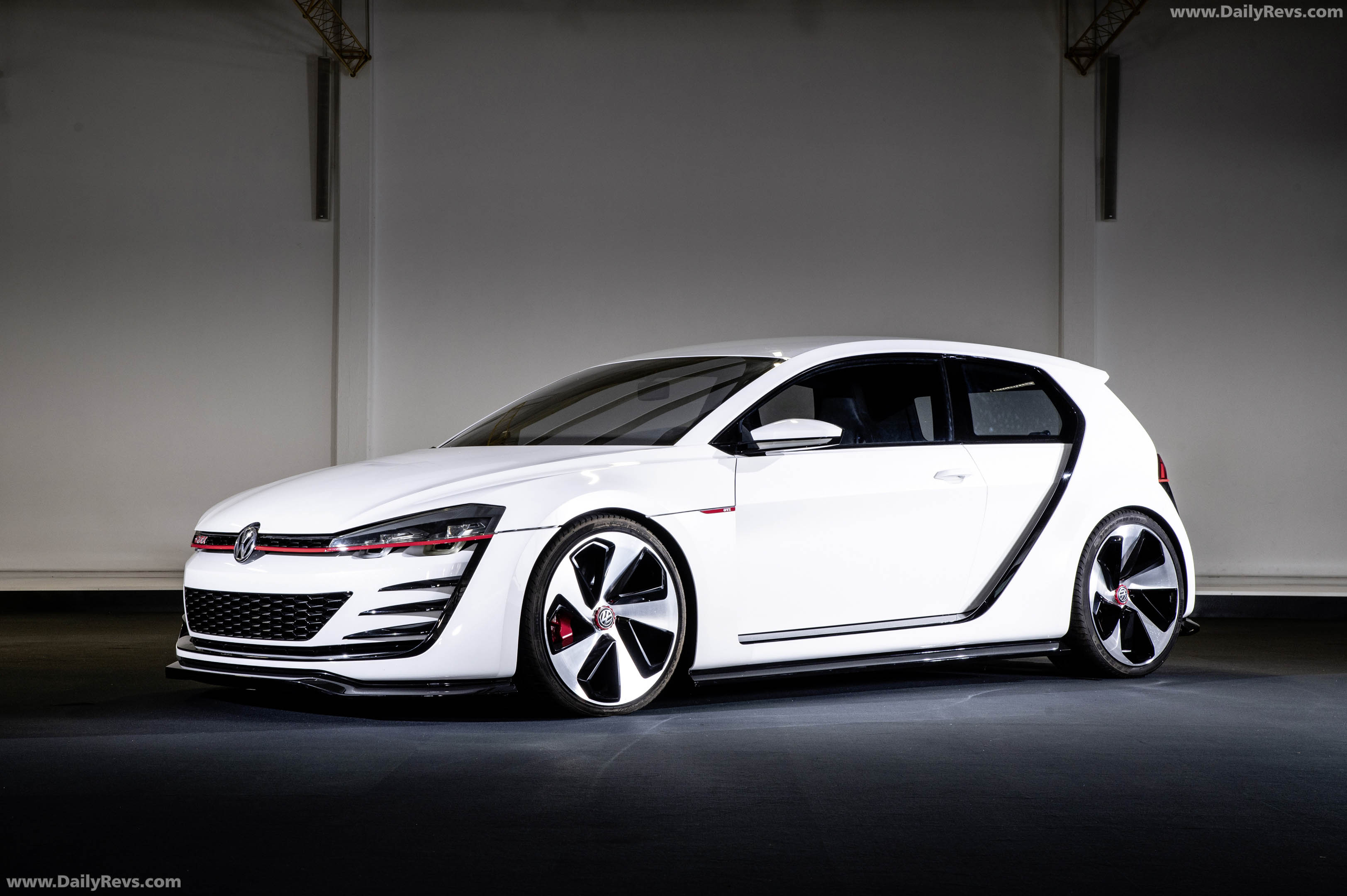
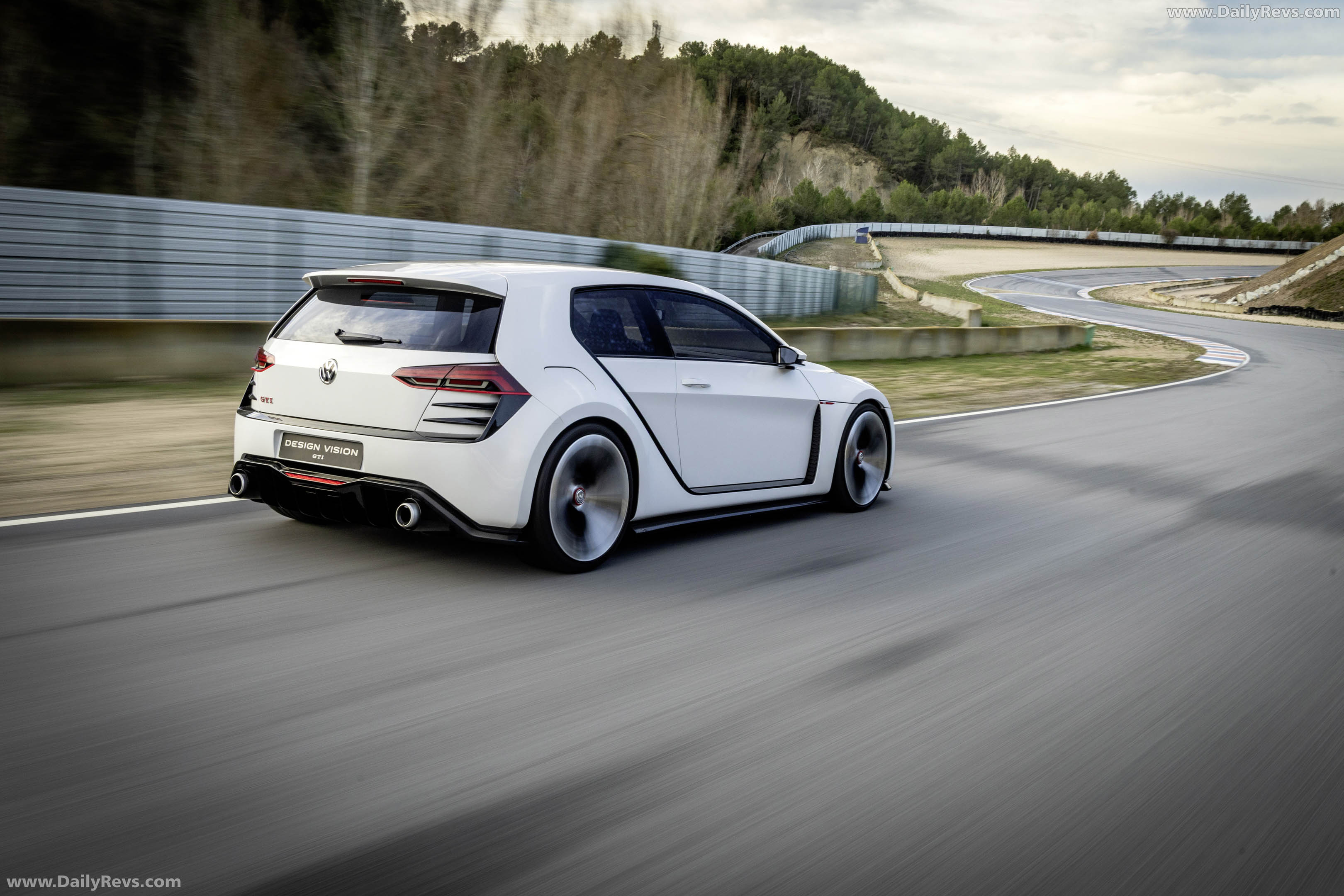
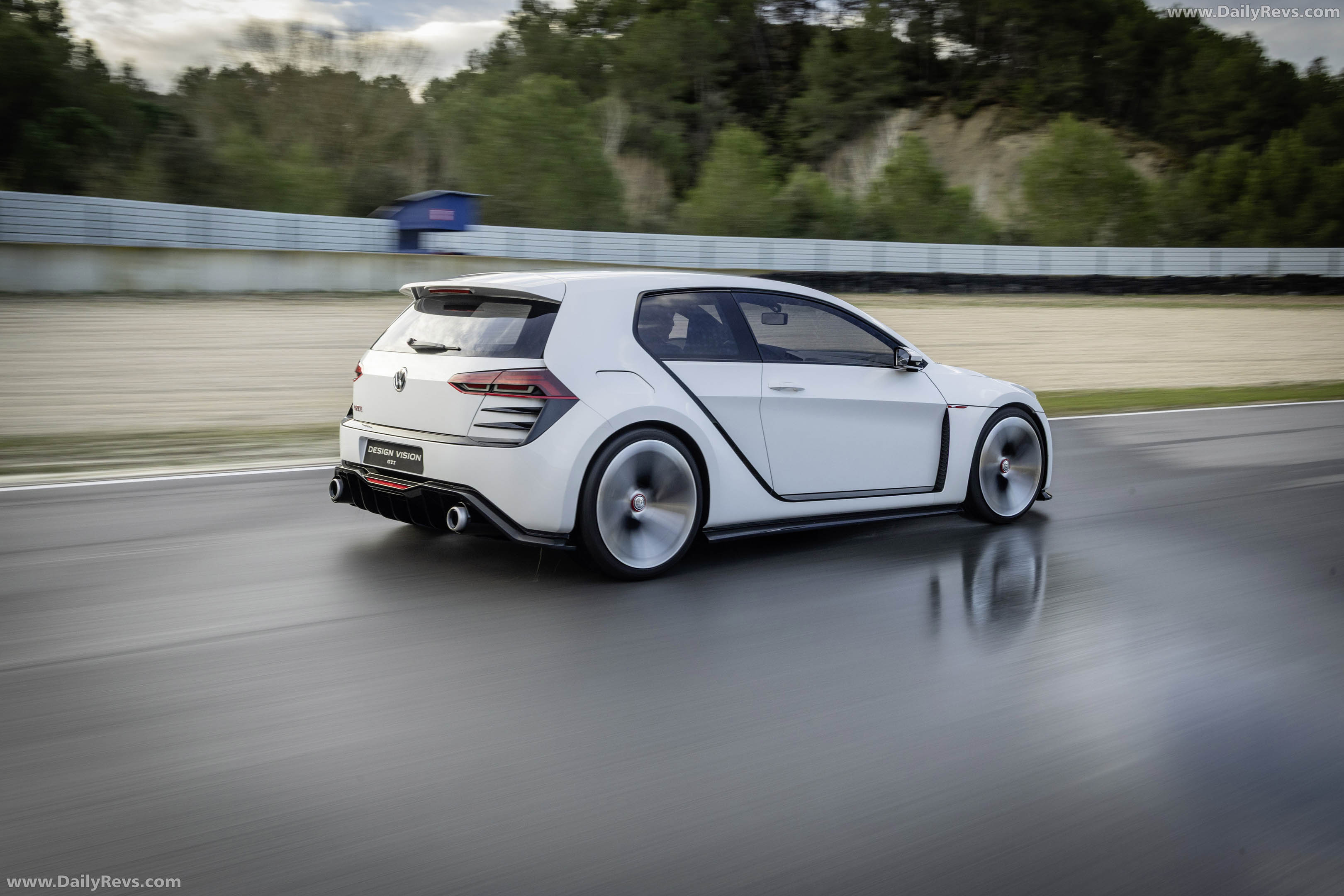
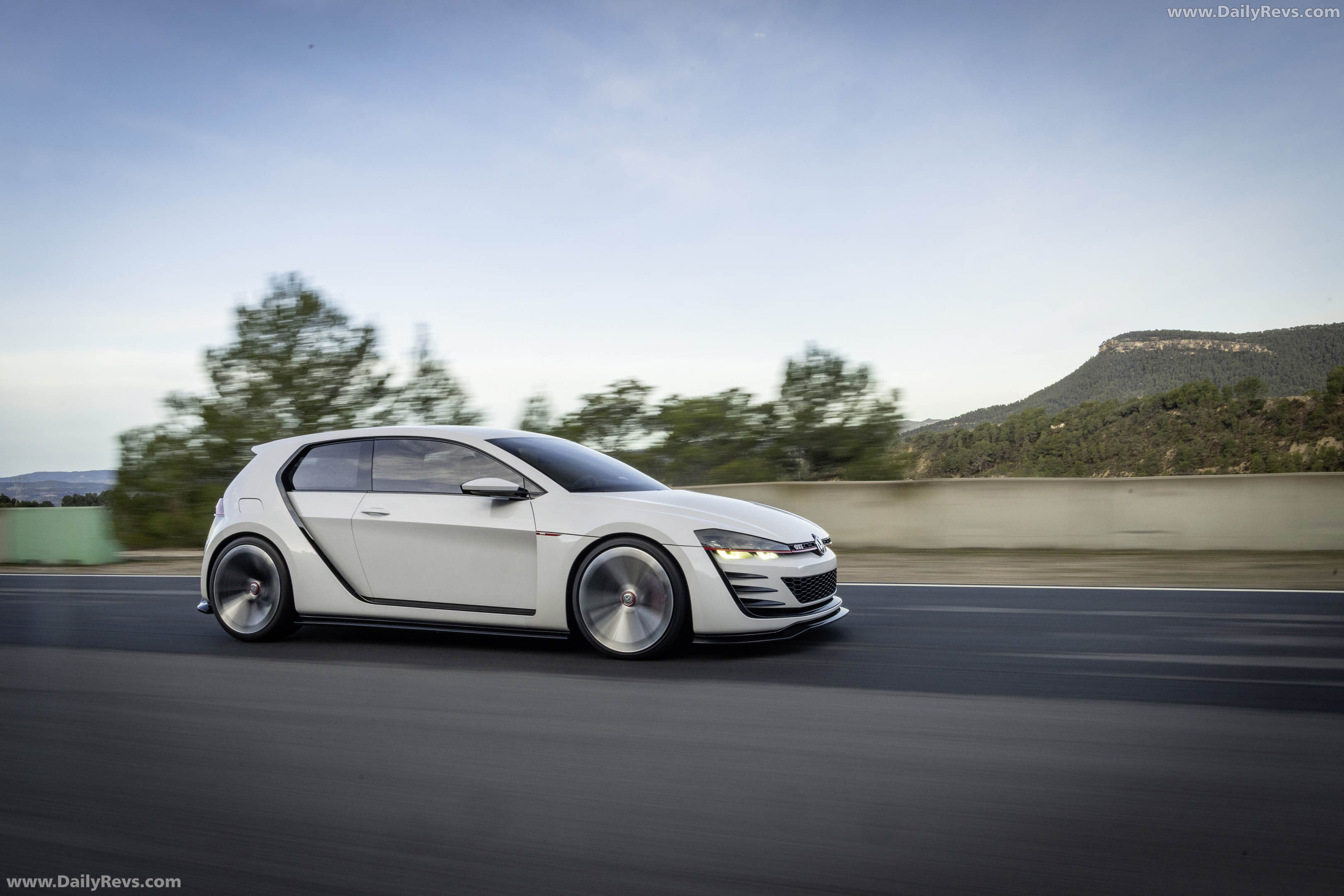
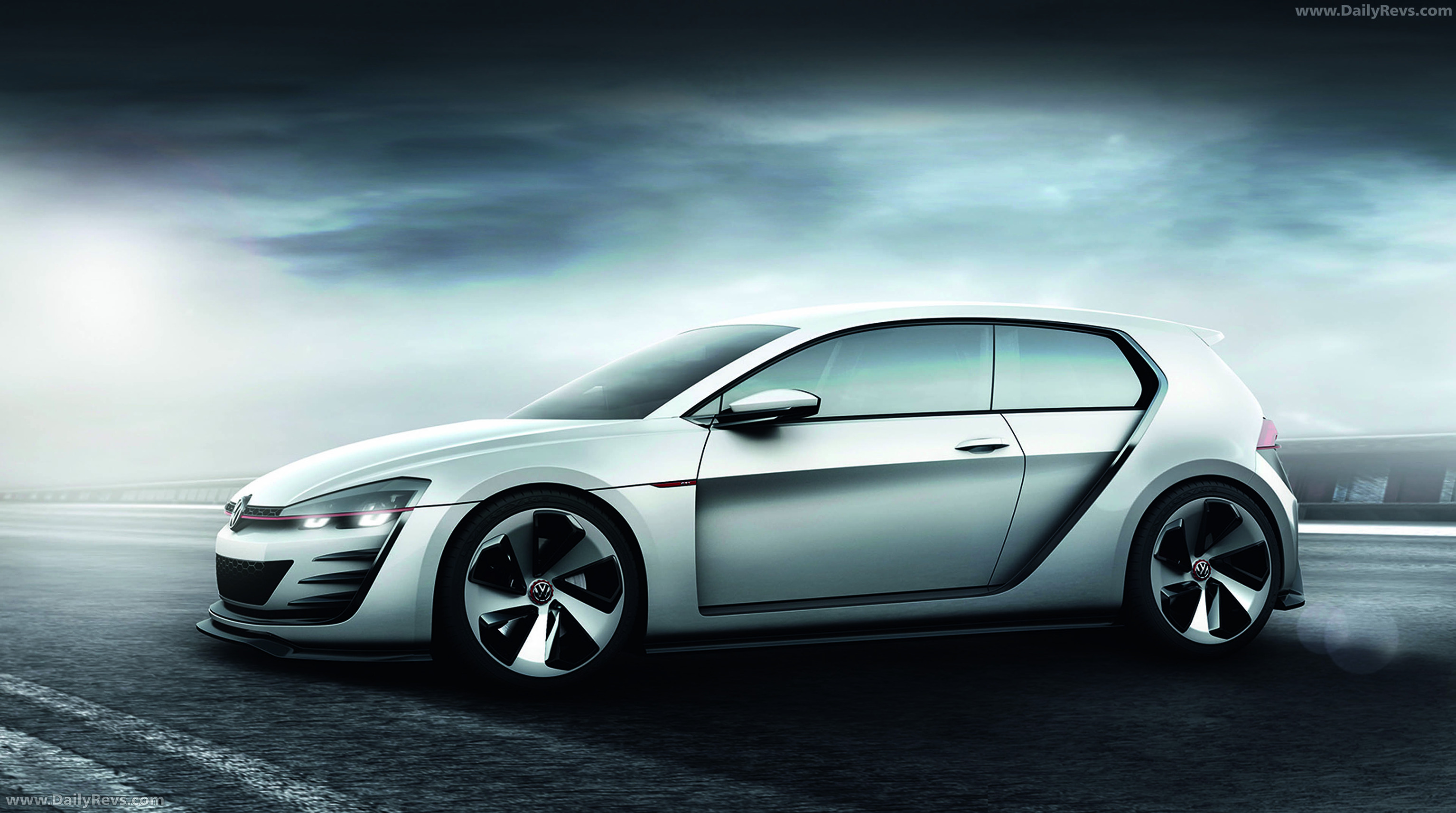
The body is 4,253 mm long, 1,870 mm wide and just 1,385 mm tall. Compared with the production GTI, it is significantly wider and 57 mm lower, with track widths extended to 1,595 mm at the front and 1,579 mm at the rear.
The stance is squat and planted, the height-to-width ratio clearly oriented toward circuit performance.
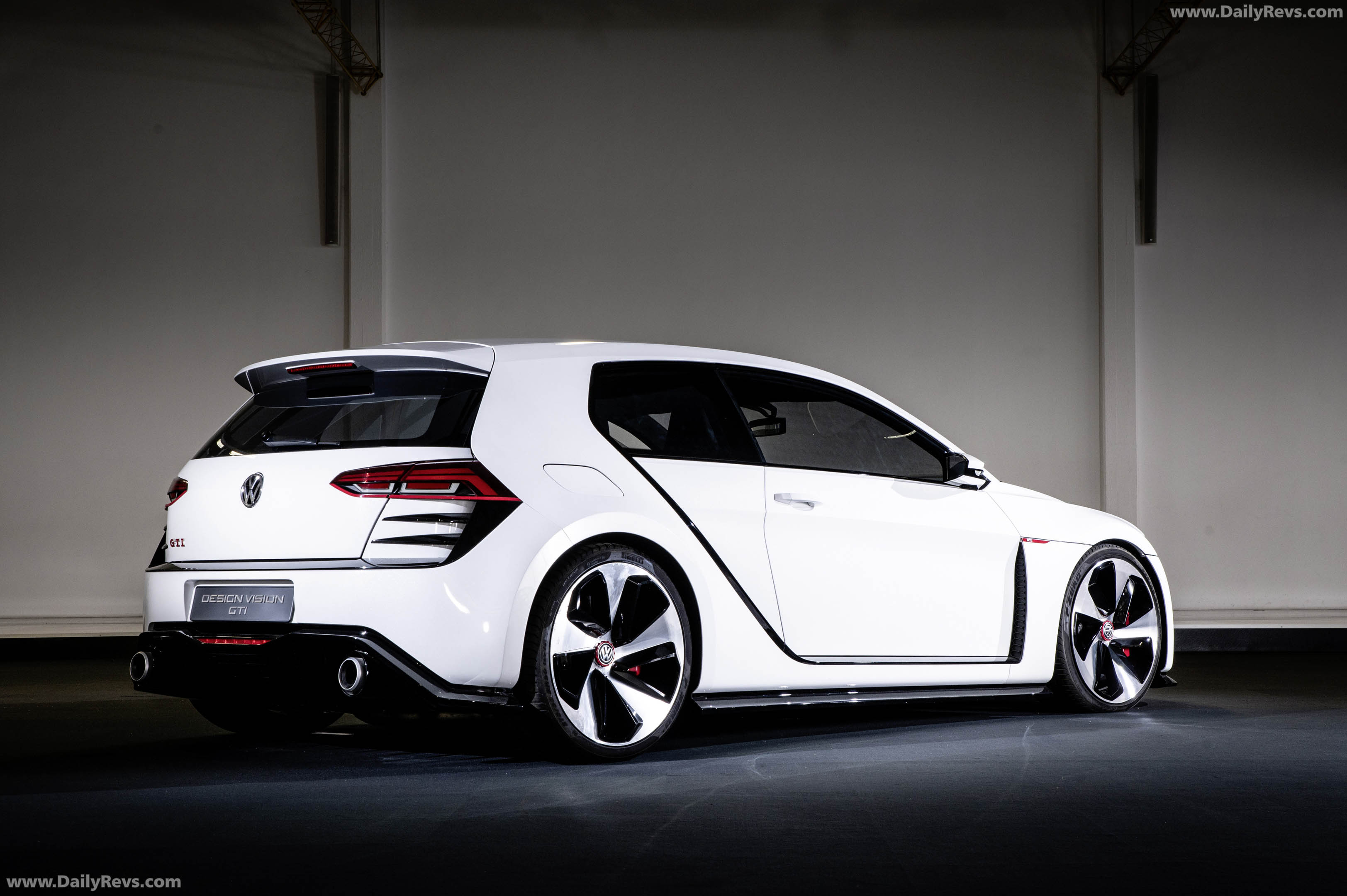
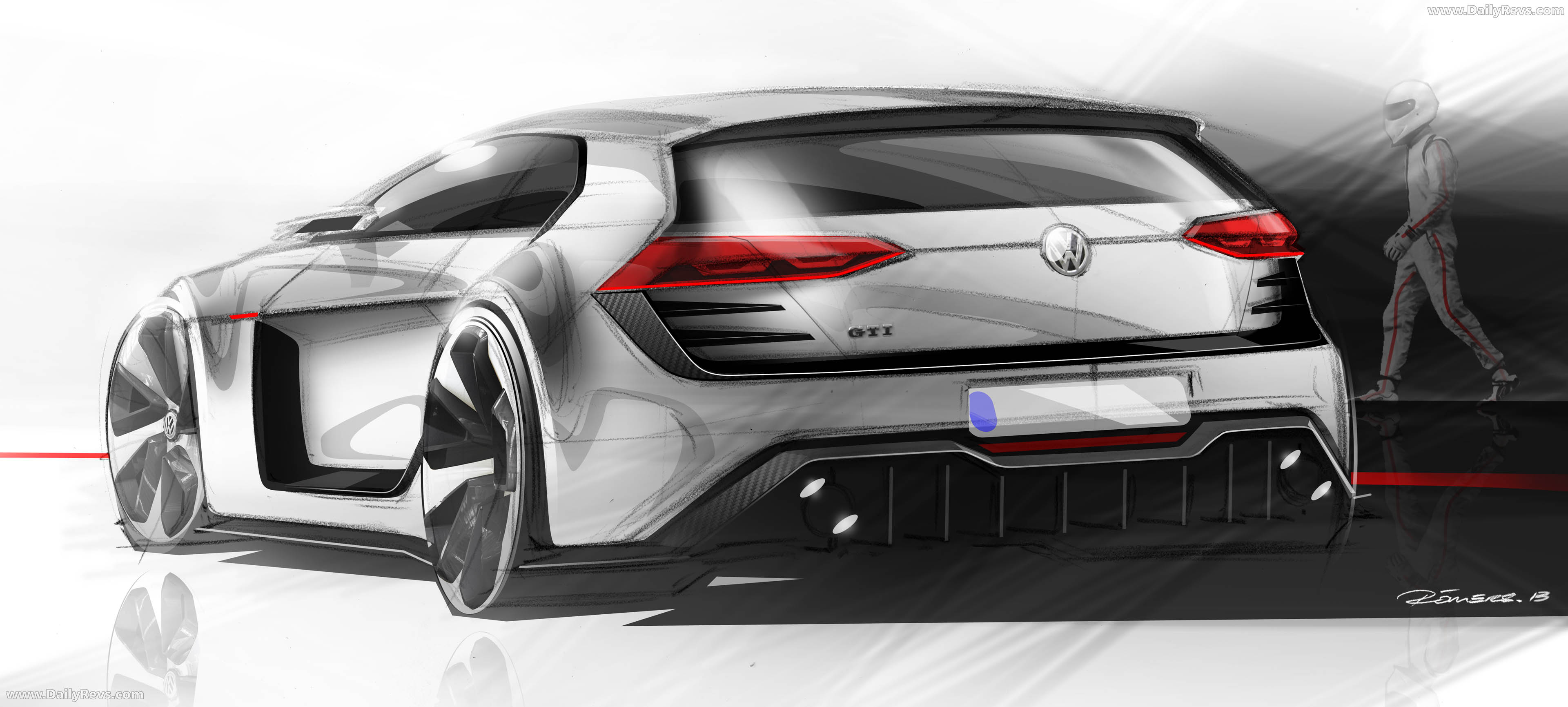
A defining feature is the treatment of the C-pillar and side sills. The roof pillar is drawn outward as a detached design element, creating space for dramatically wider track and rear tyres. Honeycomb mesh fills the exposed areas between widened bodywork and the core structure.
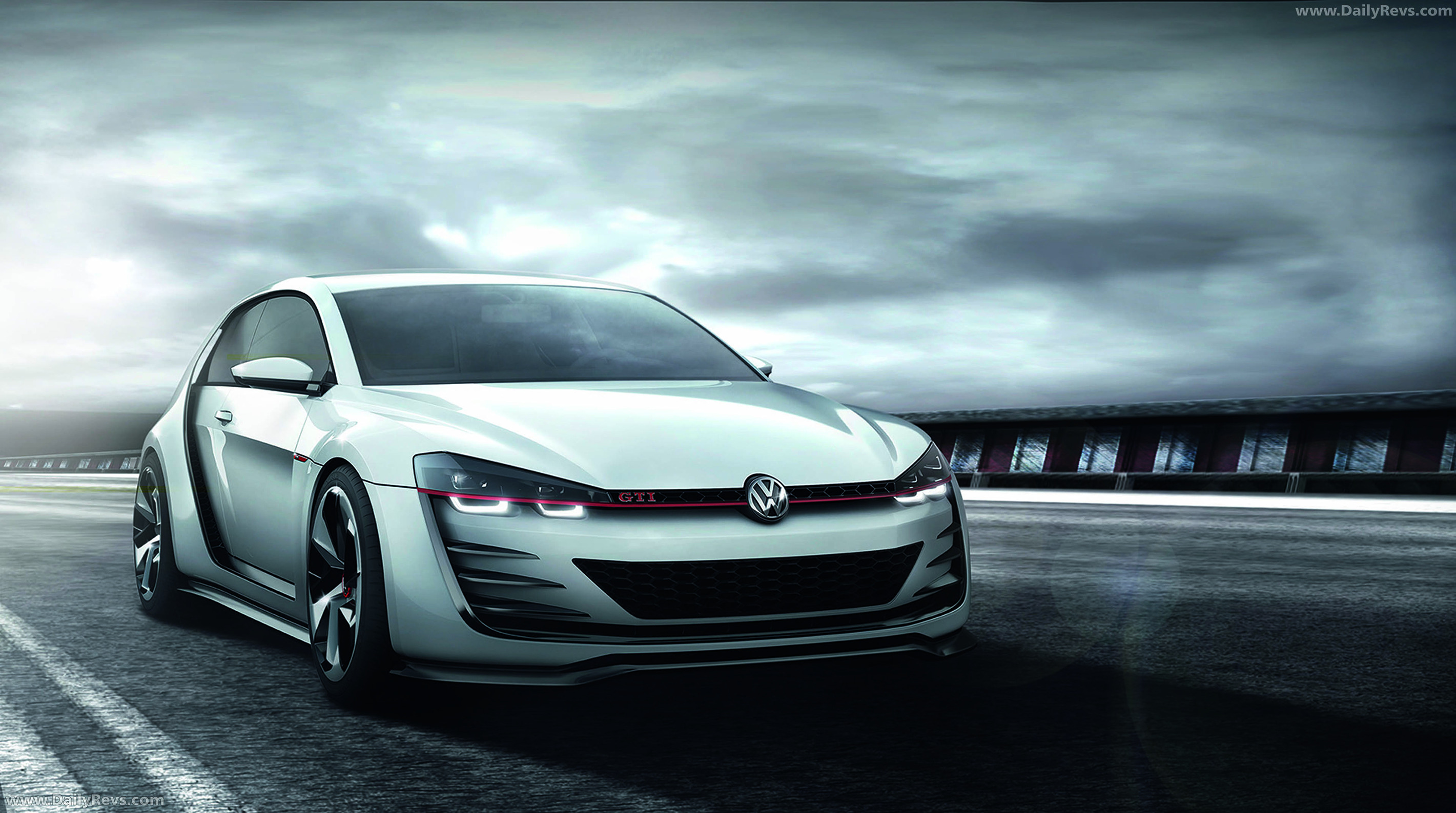
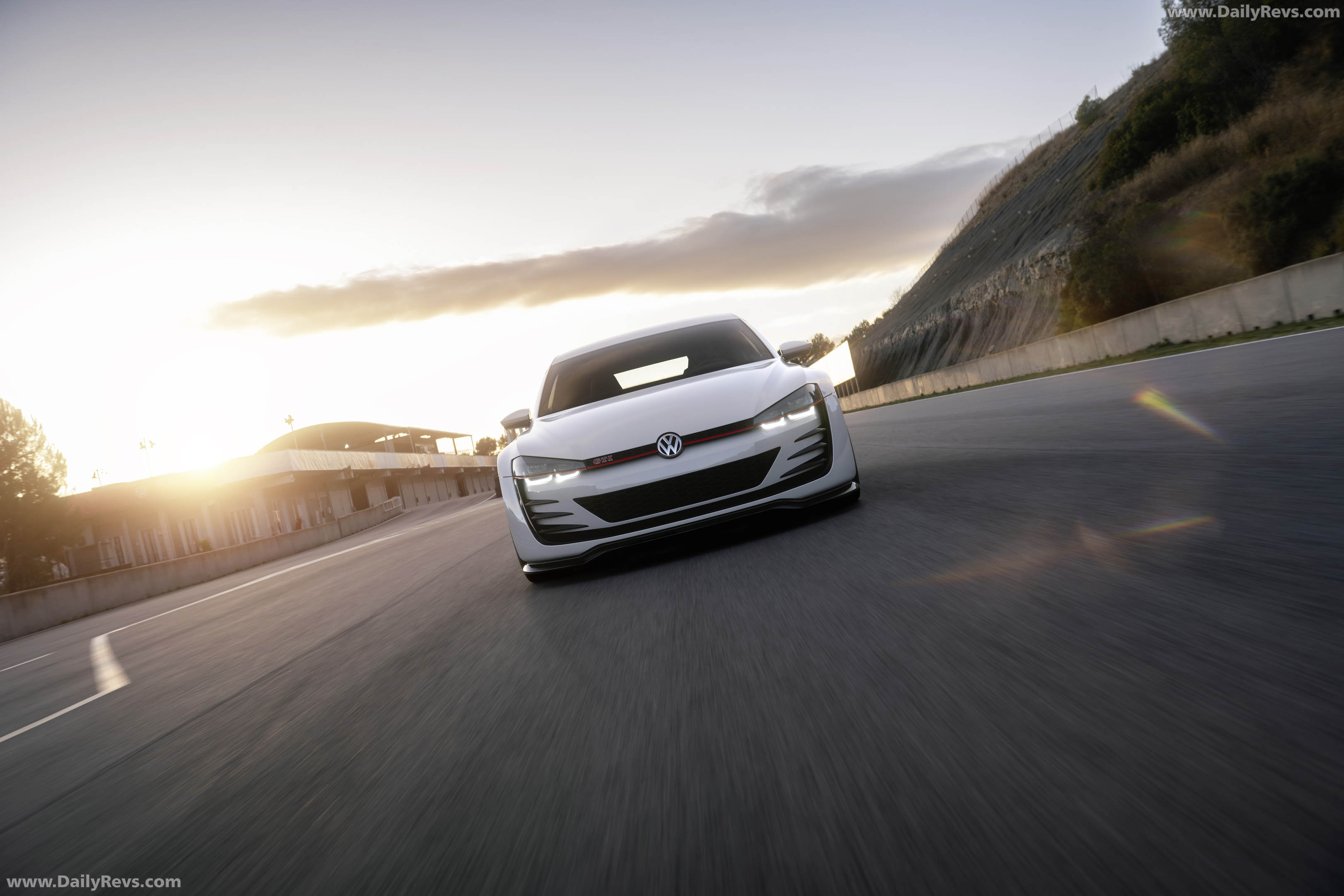
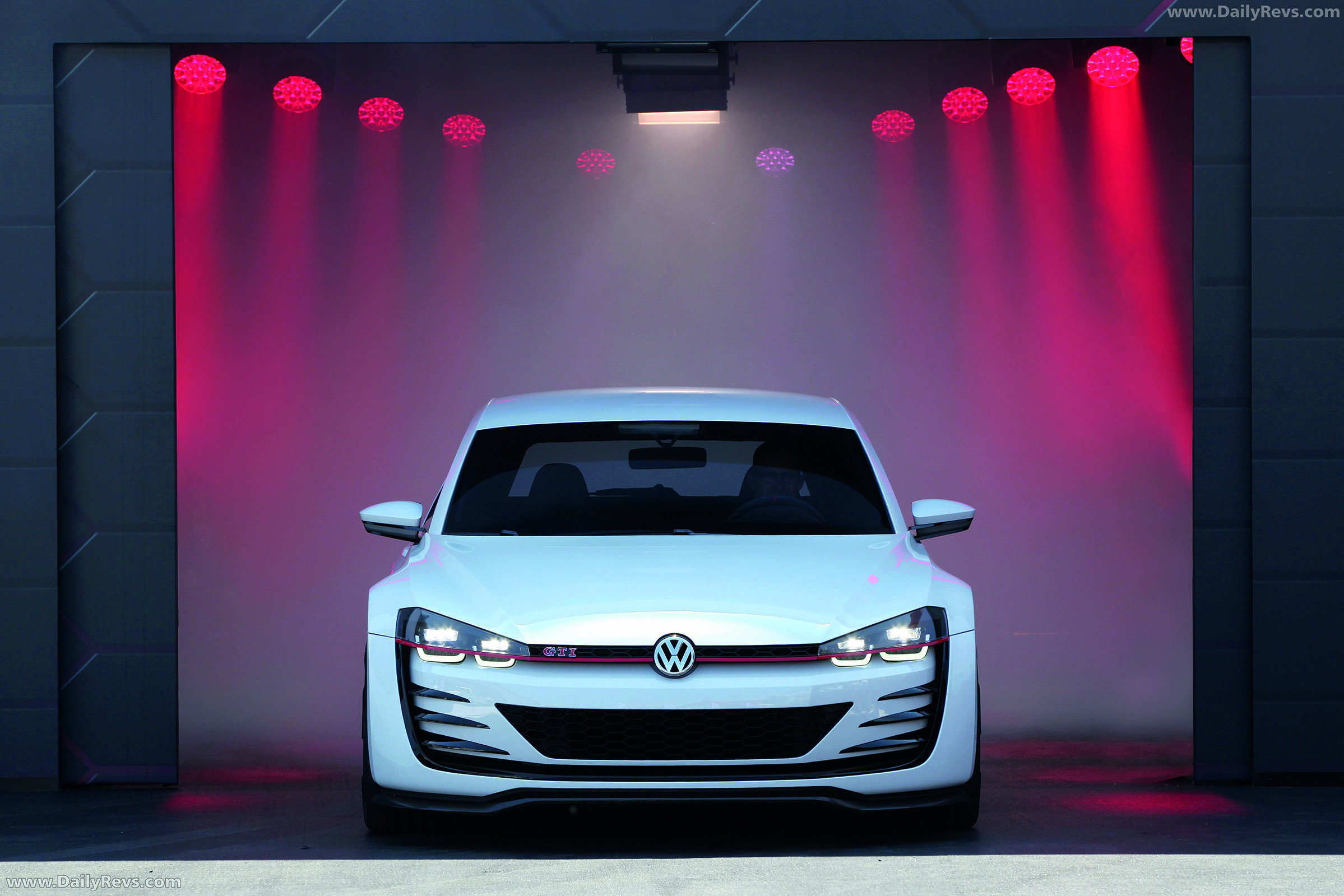
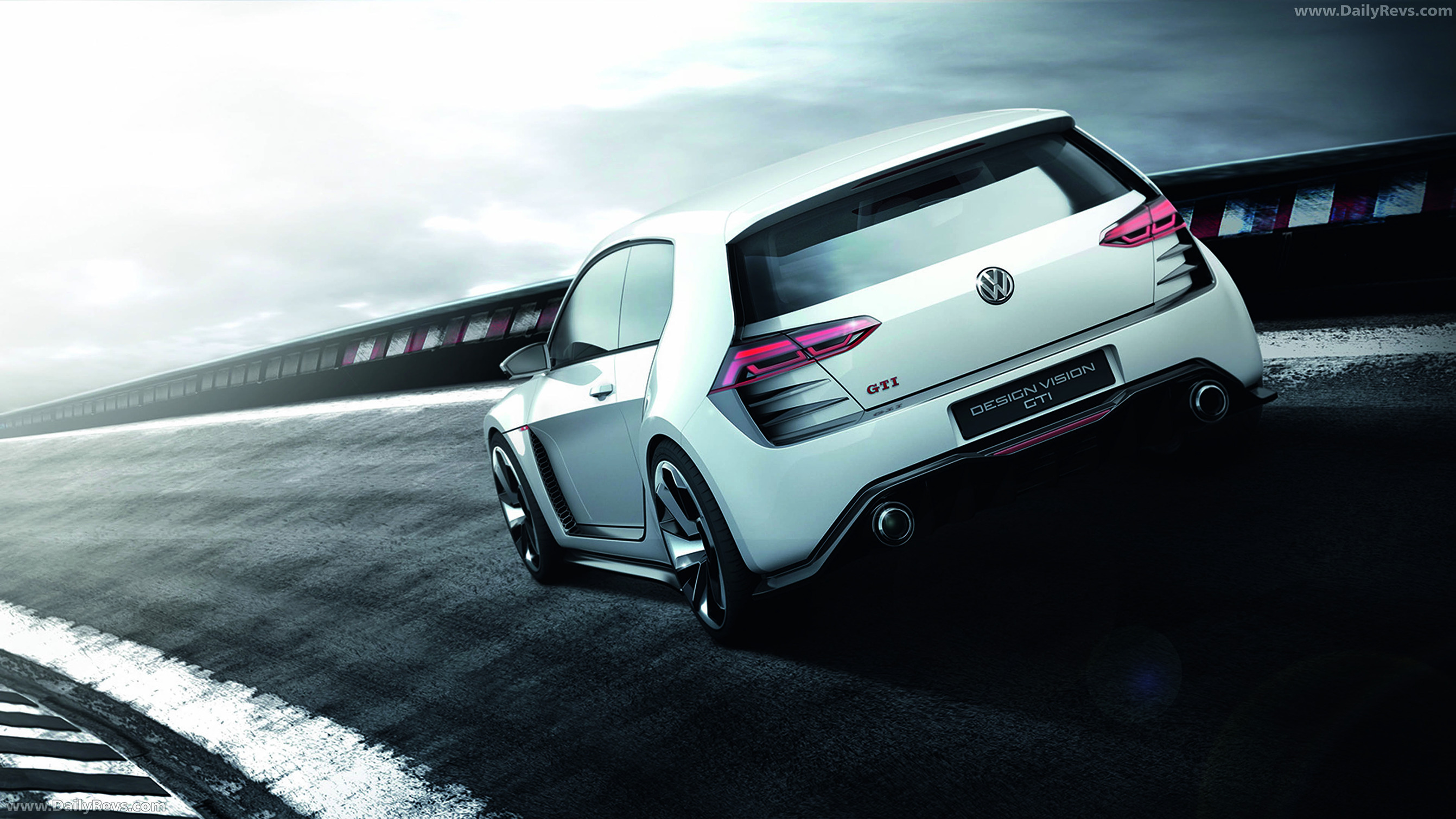
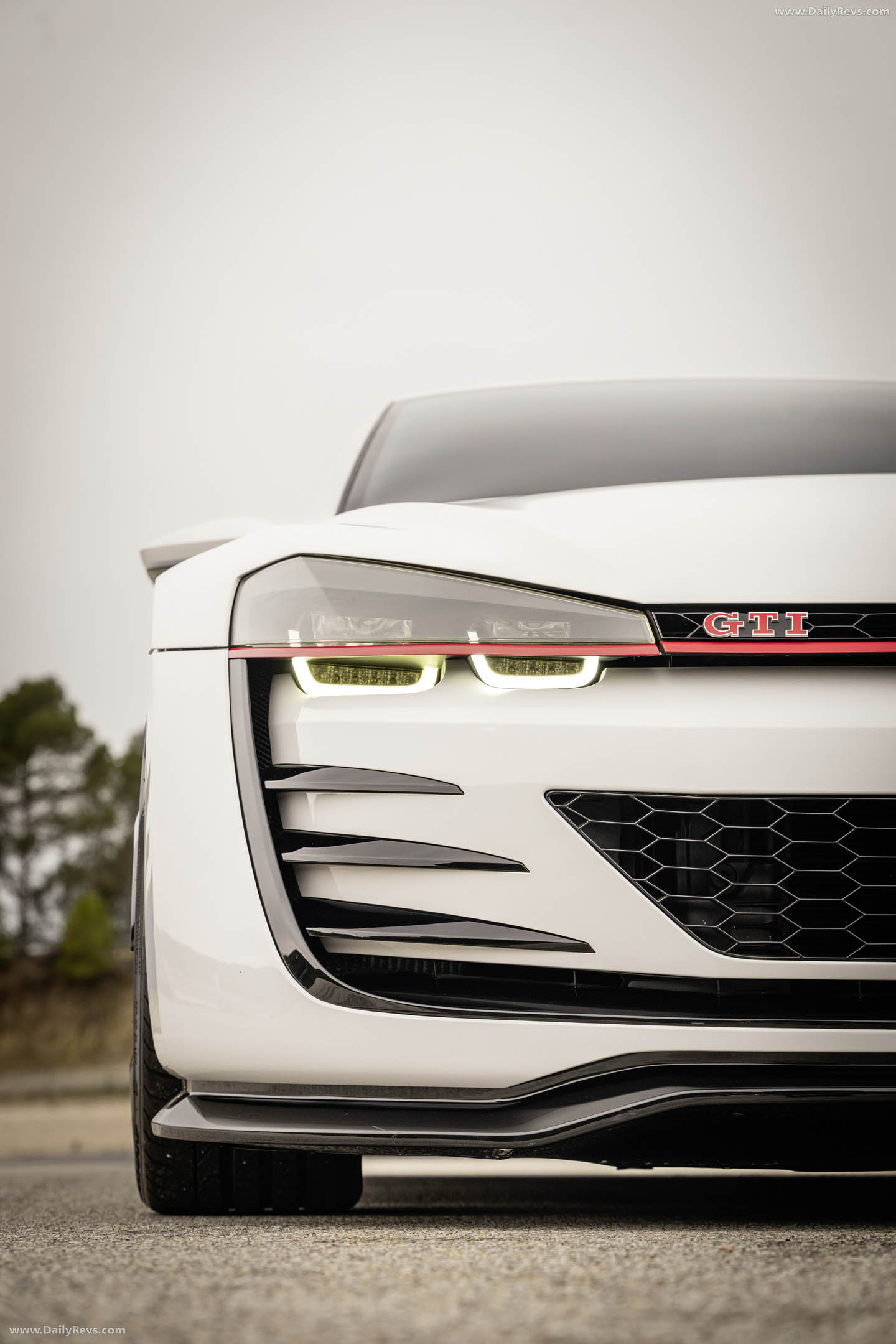
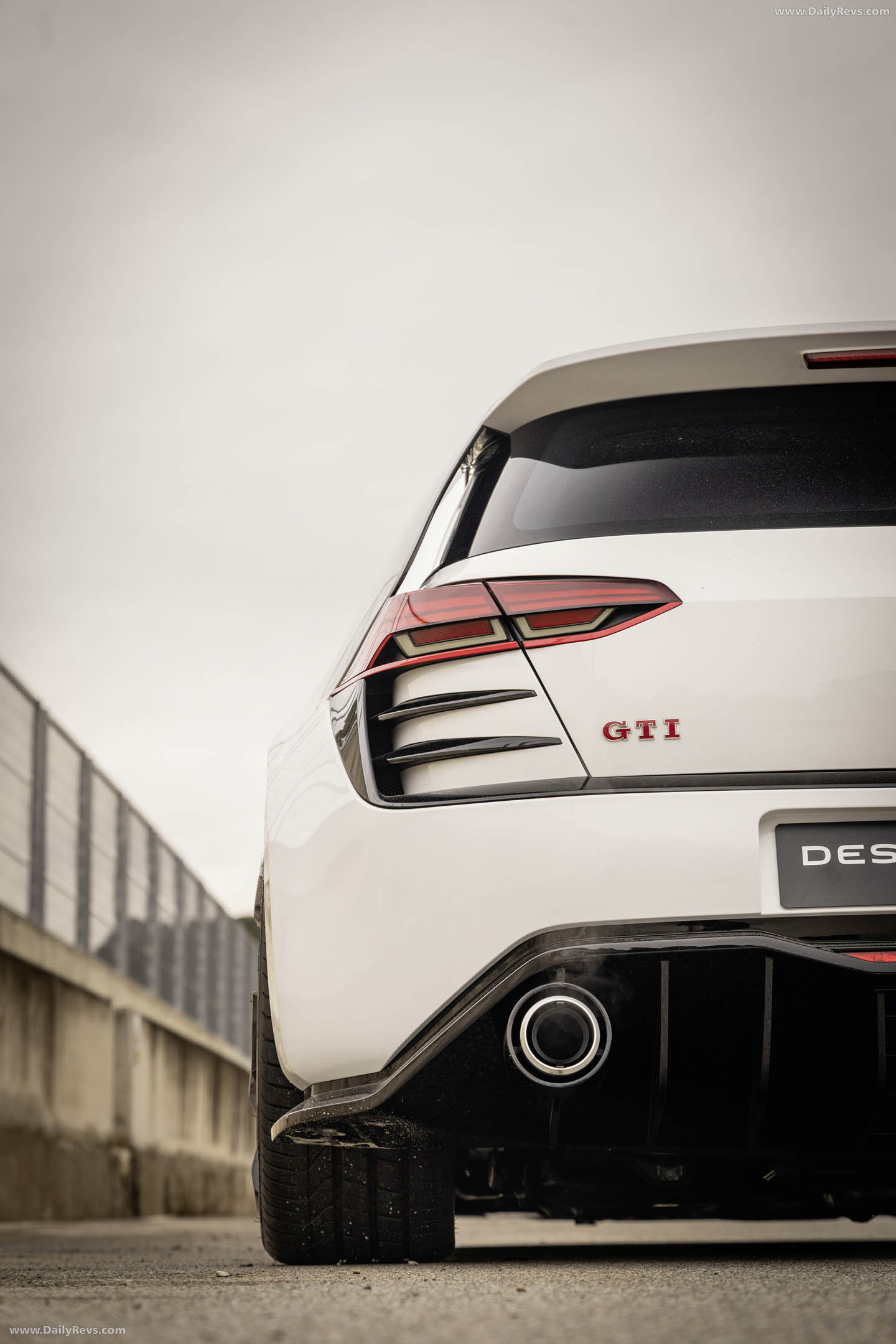
At the front, the grille and air inlets form a unified frame with the headlamps, separated by the GTI’s signature red line. The bonnet stretches low and wide, extending visually into the side window graphics. At the rear, a diffuser with aerodynamic ribs is integrated beneath a familiar Golf light signature.
The colour scheme follows classic GTI tradition: white body, black add-ons and red detailing.
Chassis, Wheels and Brake Engineering
The concept rides on 20-inch wheels measuring 8.5J at the front and 9.5J at the rear, wrapped in 235/35 and 275/30 tyres respectively. The rim design references the “Austin” GTI wheel, itself derived from the earlier “Denver” design, but incorporates integrated blades to evacuate brake heat.
A specially developed sports chassis supports the drivetrain and widened geometry. Ceramic brake hardware and red callipers underline the car’s track intent.
Driver Focused Interior Concept
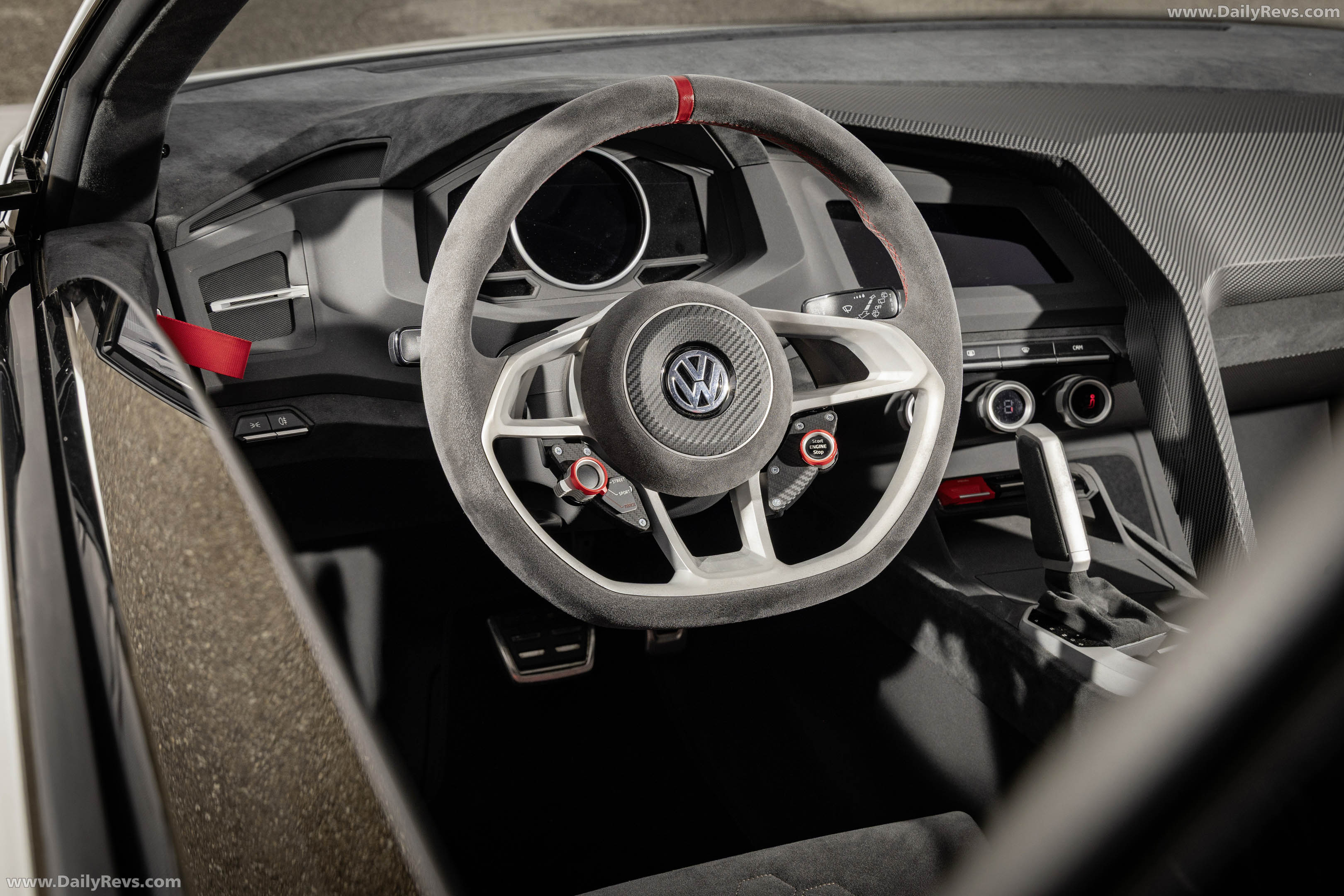
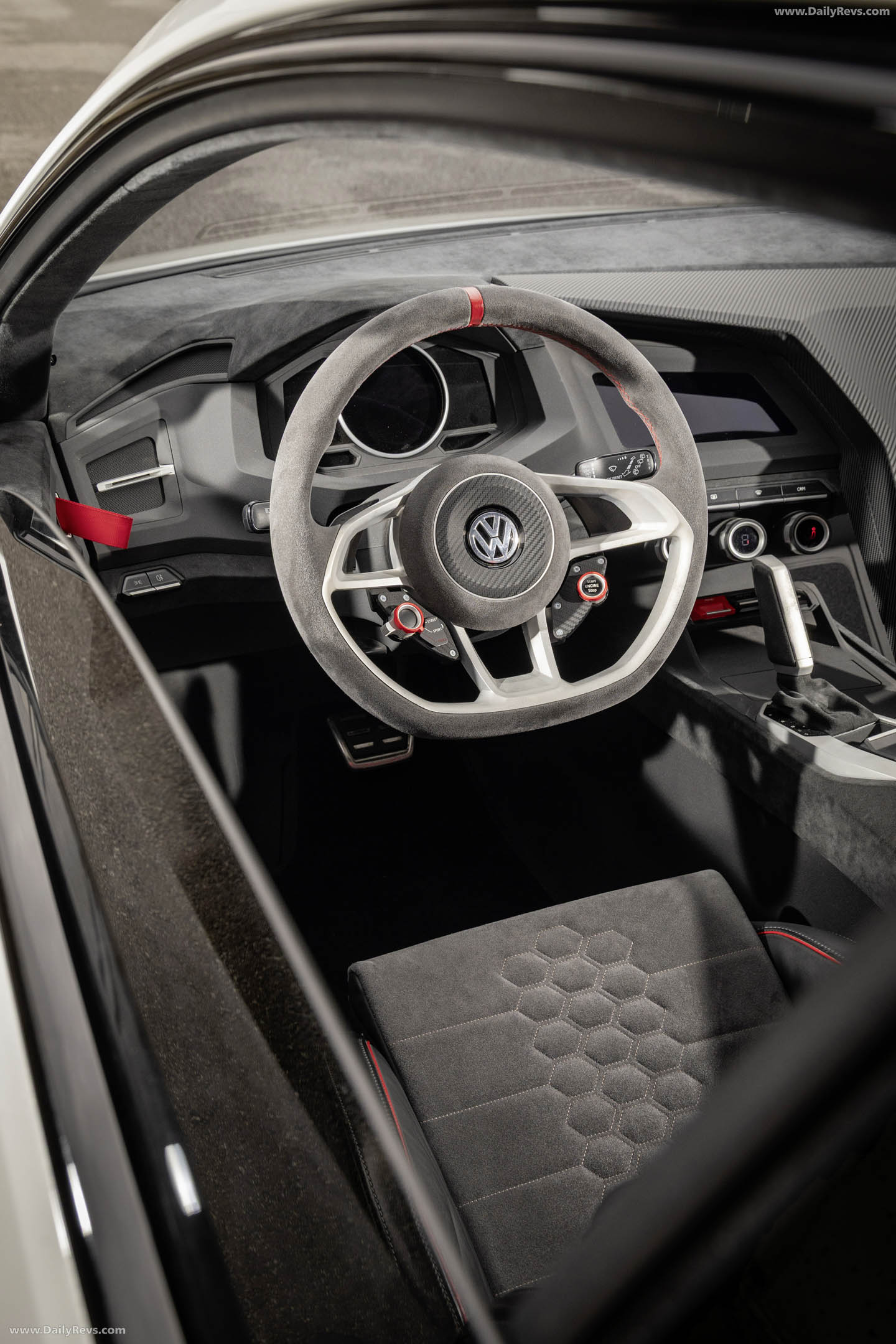
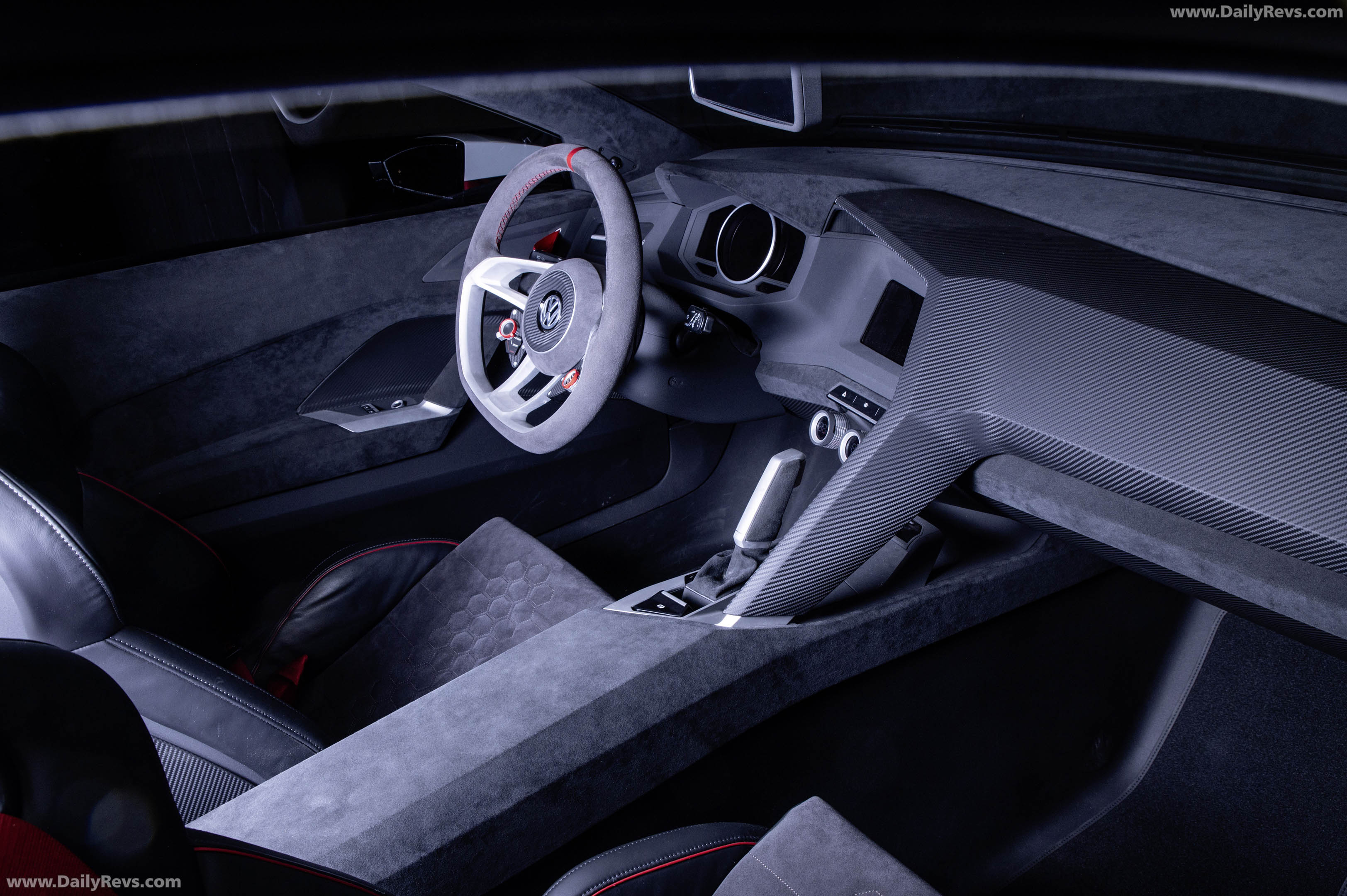
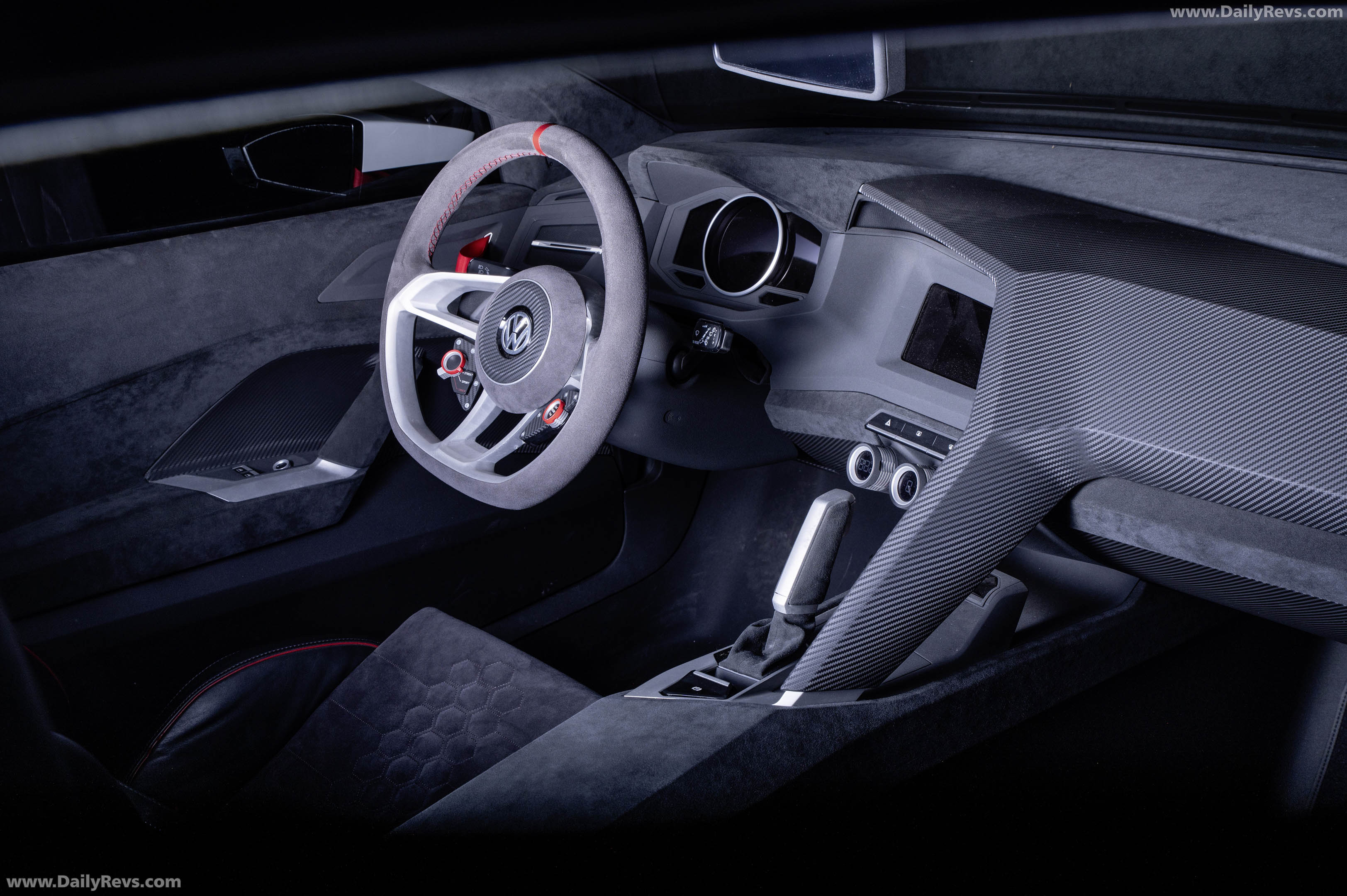
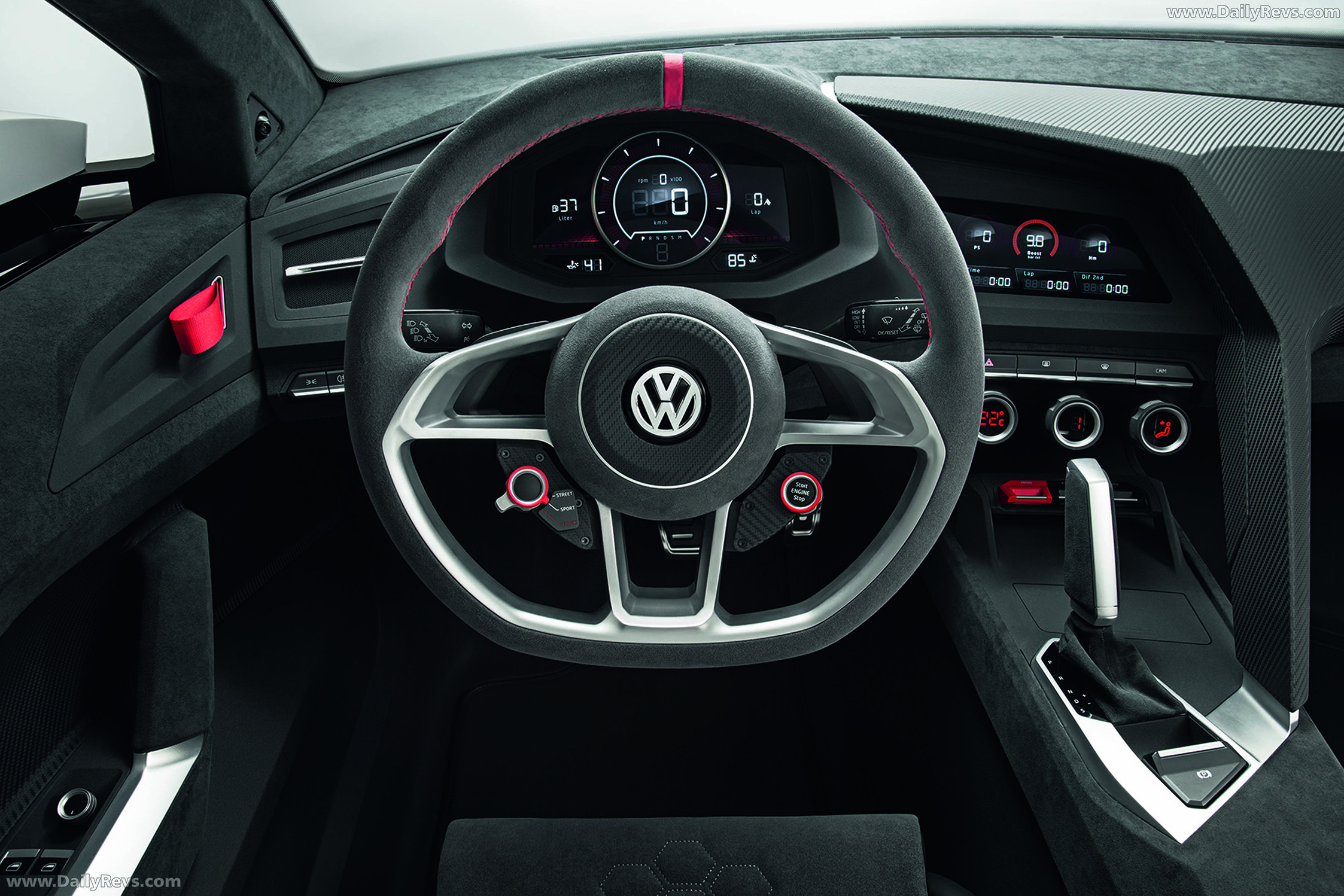
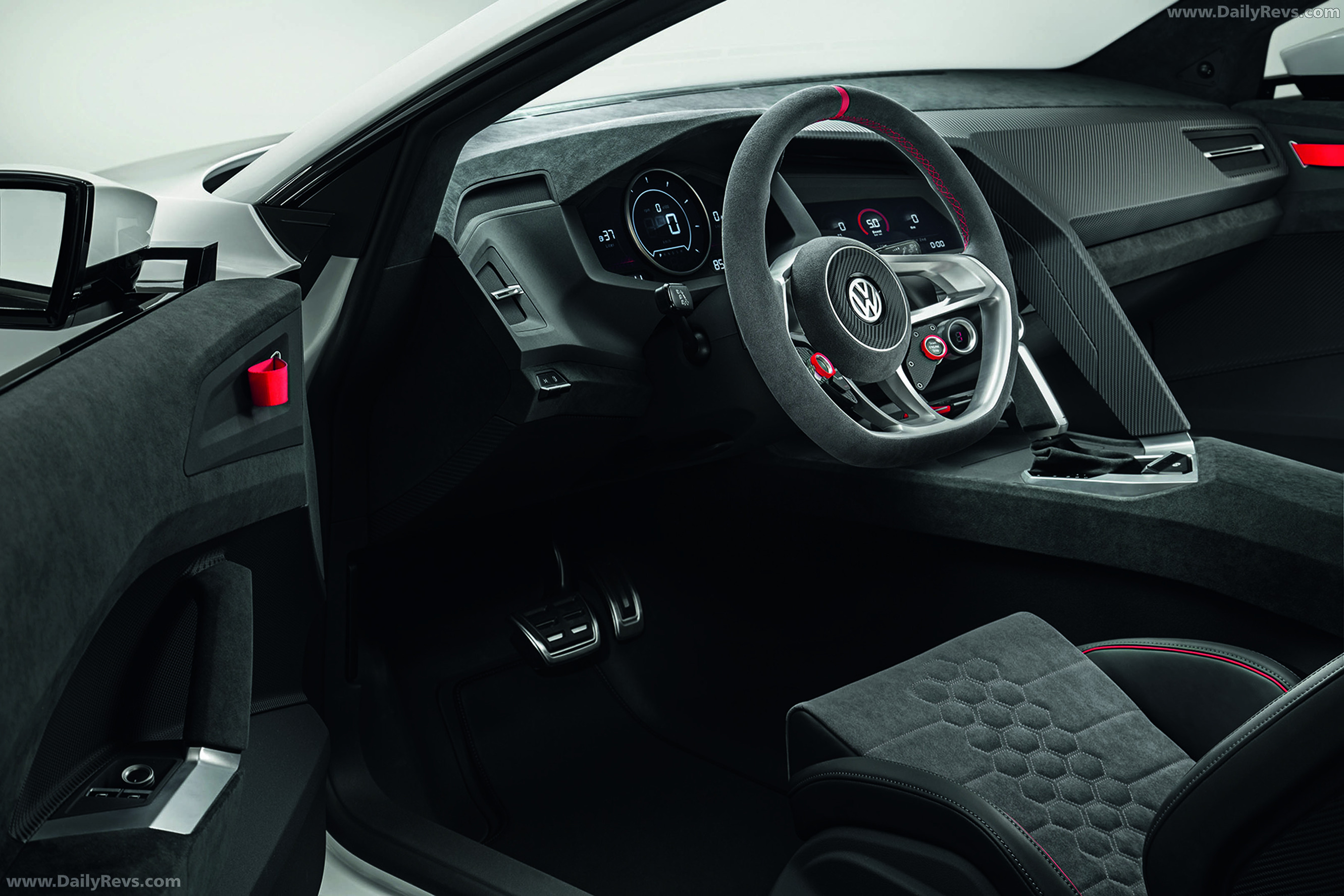
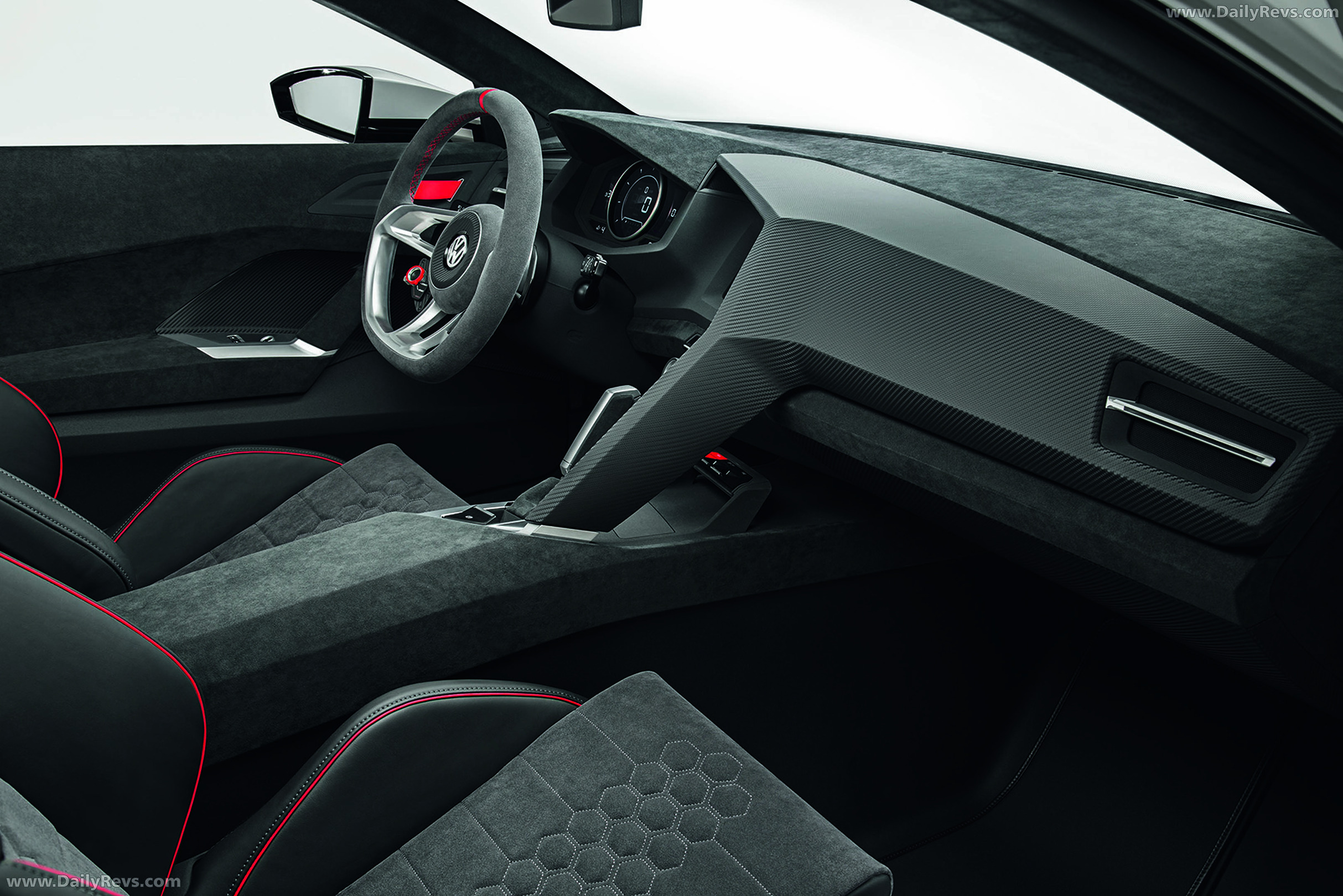
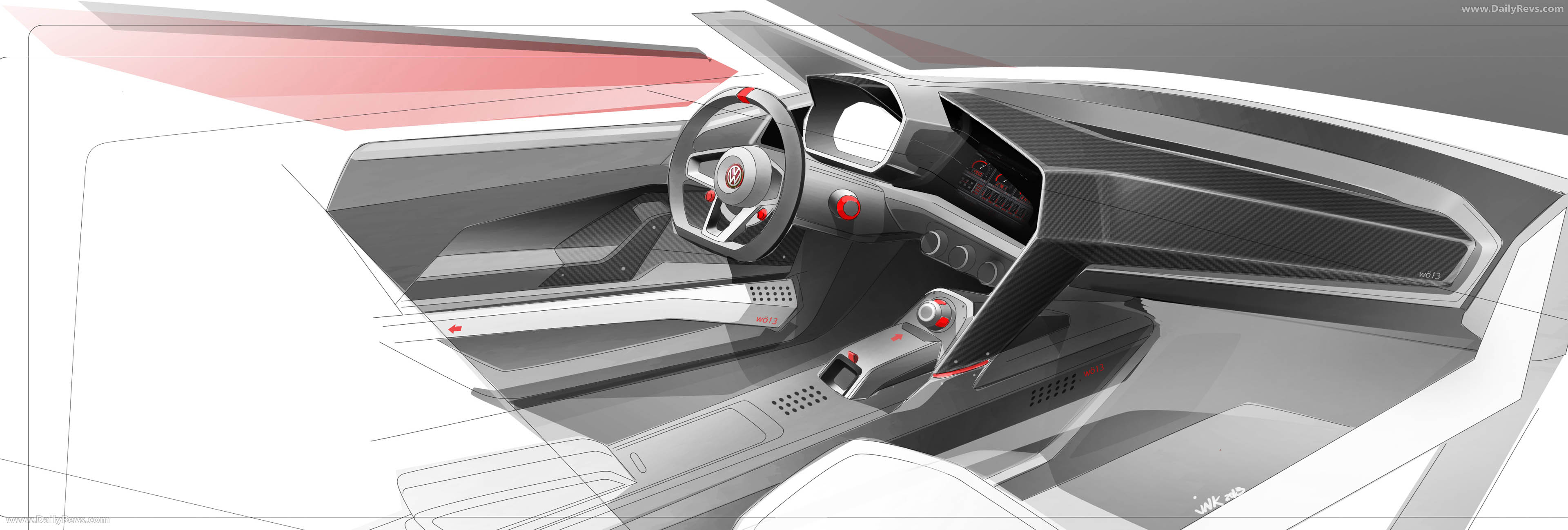
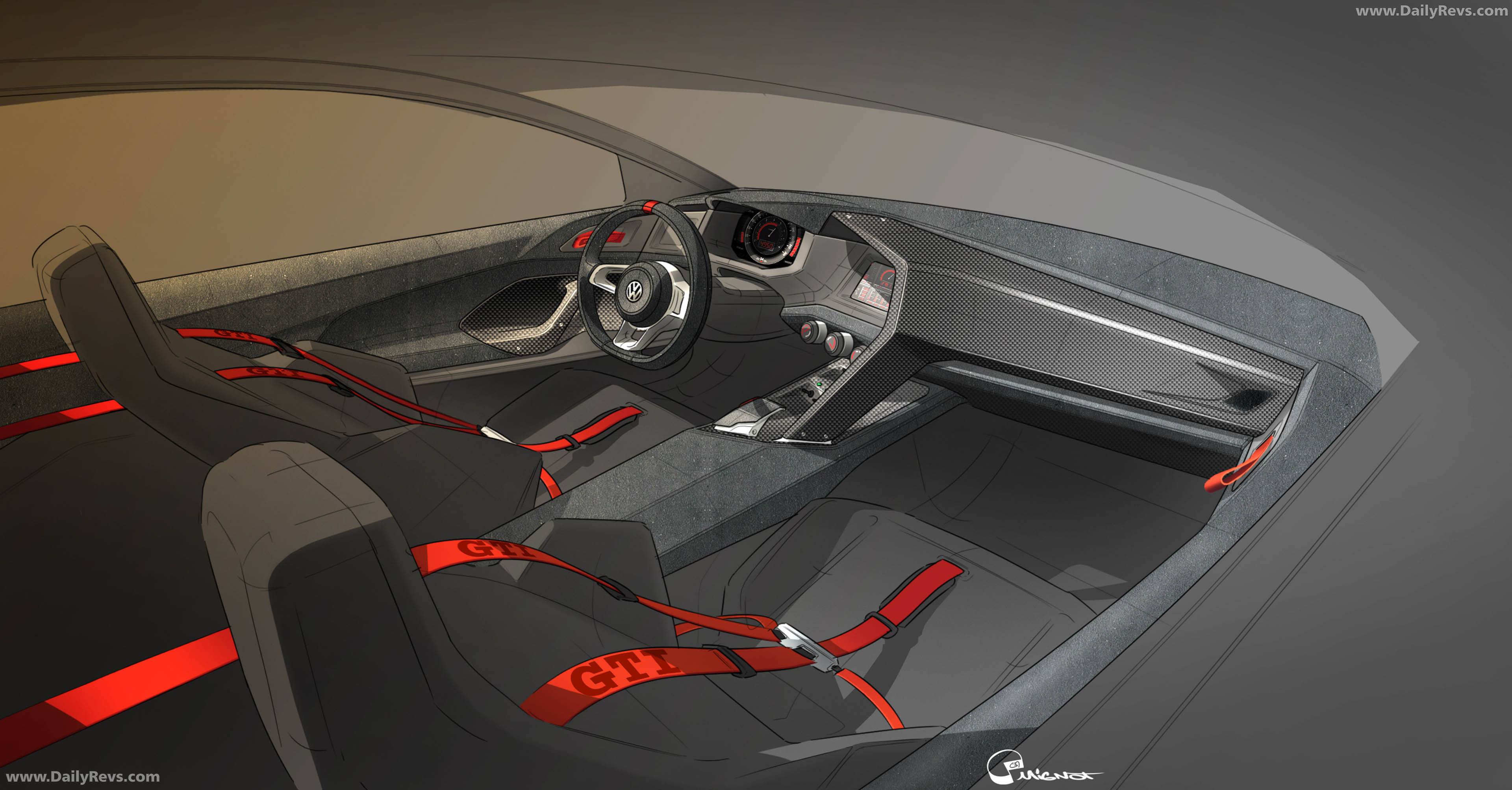
Inside, the design theme shifts toward purposeful minimalism. Switchgear is reduced and repositioned for intuitive operation at speed. The steering wheel integrates DSG paddles, while drive modes—Street, Sport and Track—are positioned beneath cross panels.
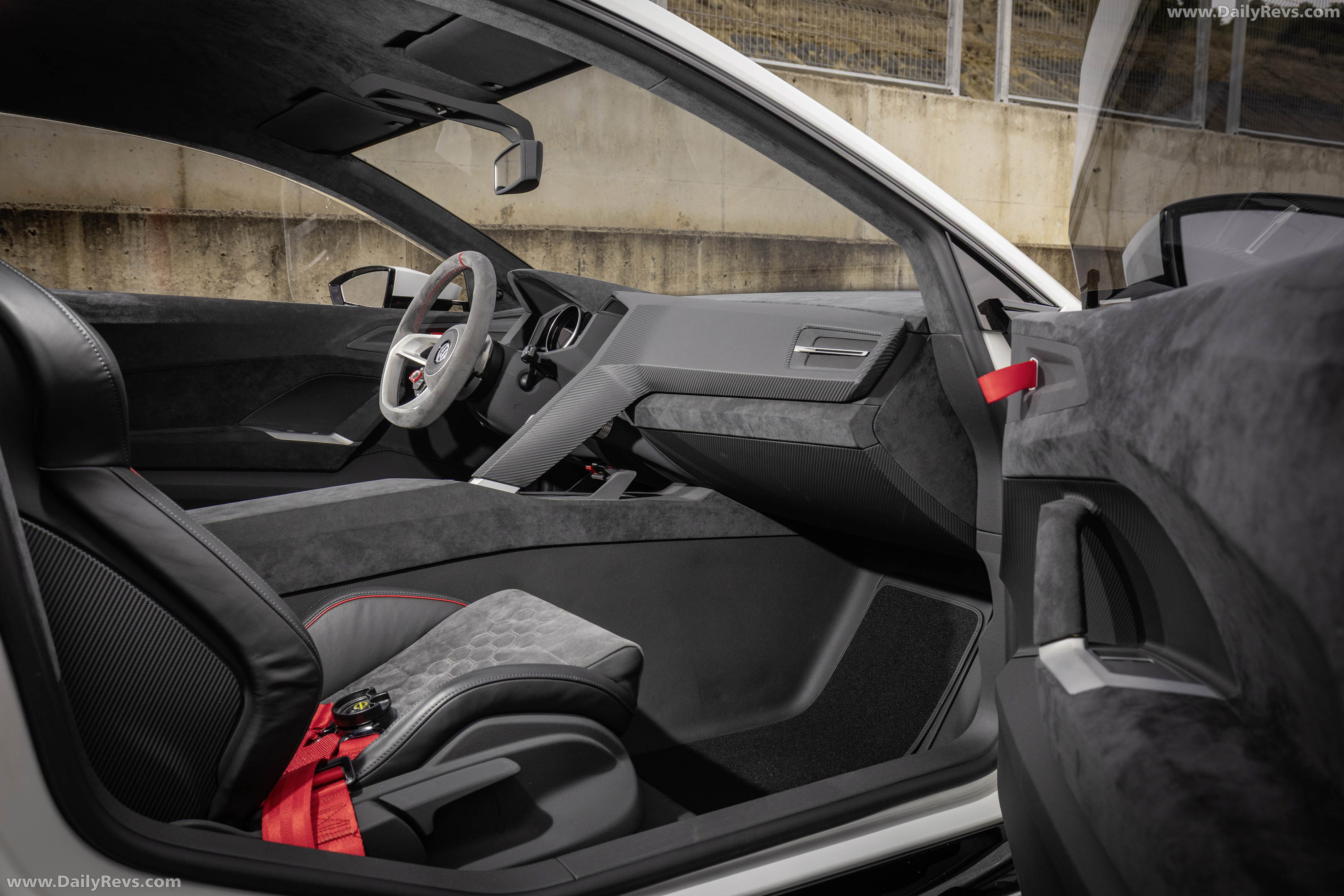
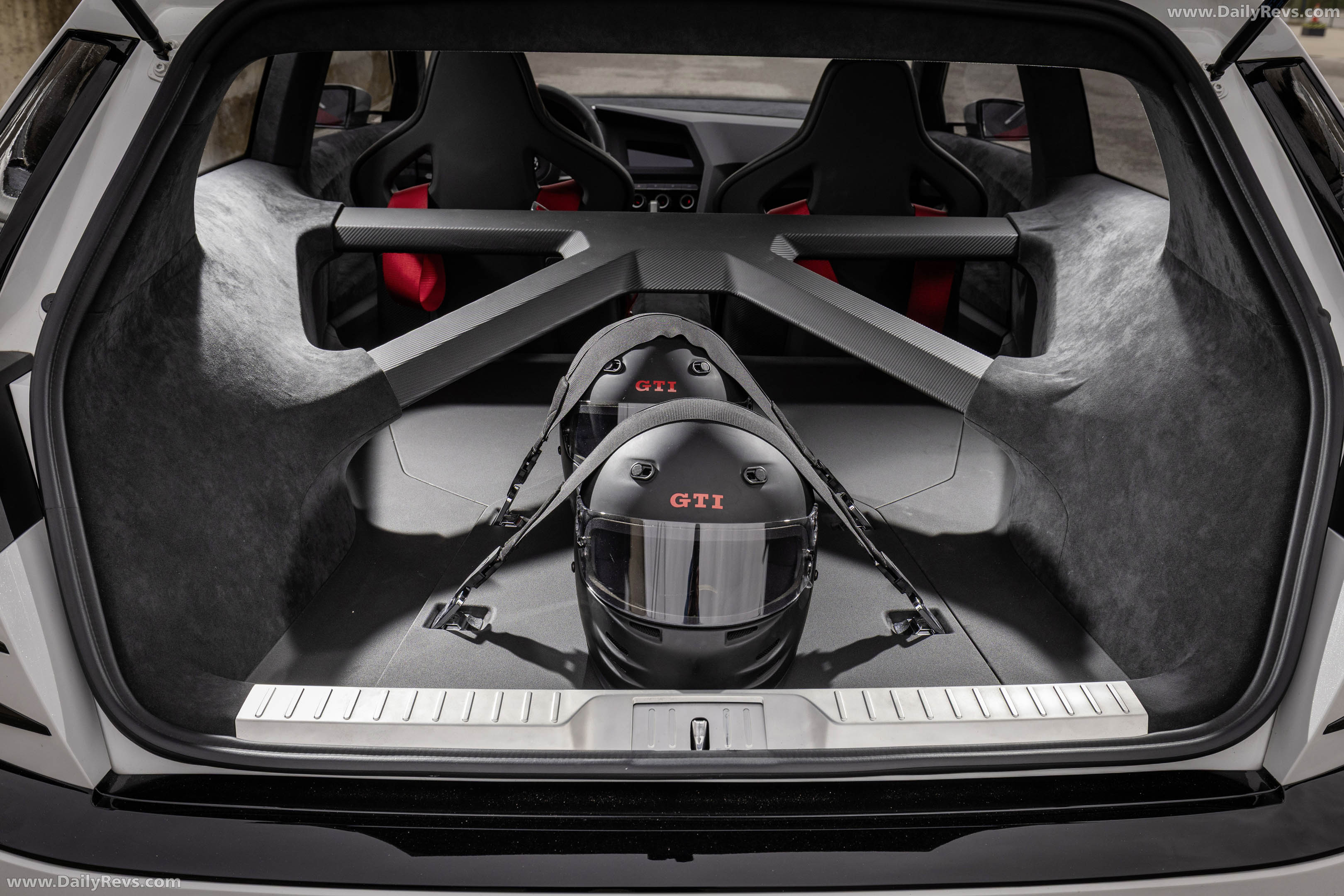
Carbon elements, Alcantara in Anthracite and Titan Black, and nappa leather with Flash Red accents dominate the cabin. The rear seats are removed, replaced by an X-shaped cross member to increase rigidity, with red harness belts integrated into the structure.