2012 Lamborghini Urus Concept
By Lorenzo Bianchi October 6, 2012
Lamborghini’s 2012 Urus Concept introduced a 600-horsepower twin-turbo V8 in a carbon-fiber SUV body.
The concept fused dramatic design, supercar dynamics, and everyday usability — a rare mix at the time.
It laid the groundwork for the production Urus, which would go on to become Lamborghini’s global best-seller.
The Beginning of a Bold New Era
When the Urus Concept rolled onto the stage in Beijing back in 2012, it immediately drew gasps. Here was Lamborghini — the same brand behind the Countach and Aventador — unveiling an SUV. It felt radical, even heretical. Yet, the more you looked at it, the more it made sense.
The world’s appetite for high-performance SUVs was just starting to surge. Porsche had already tested the waters with the Cayenne, but Lamborghini wasn’t simply following a trend. The Urus was a statement: that the brand could blend raw performance with usability, without diluting the drama that defined its cars.
Then-CEO Stephan Winkelmann called it “the most versatile supercar ever made.” Coming from Lamborghini, that was no small claim.
Supercar Design, SUV Proportions
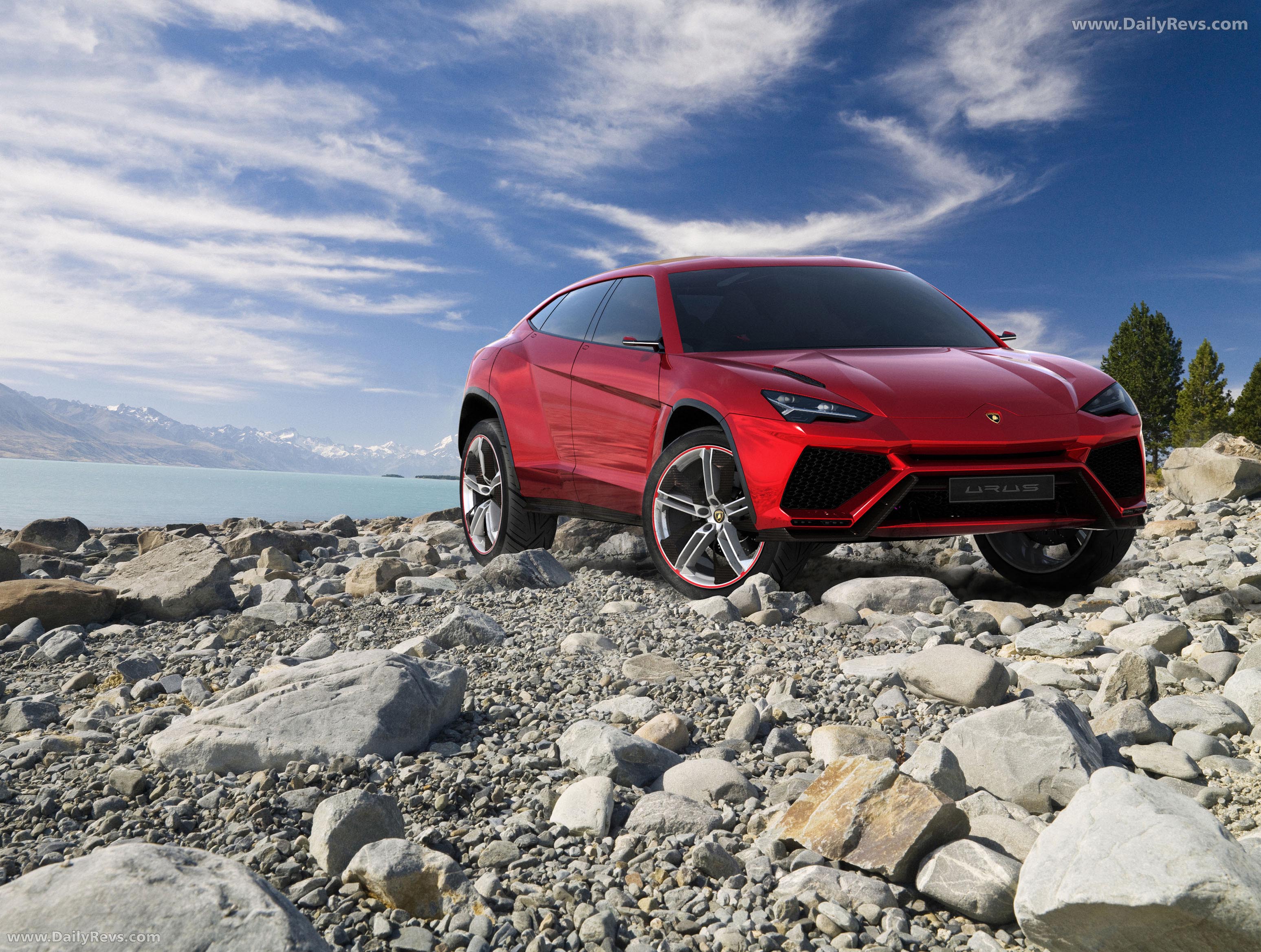
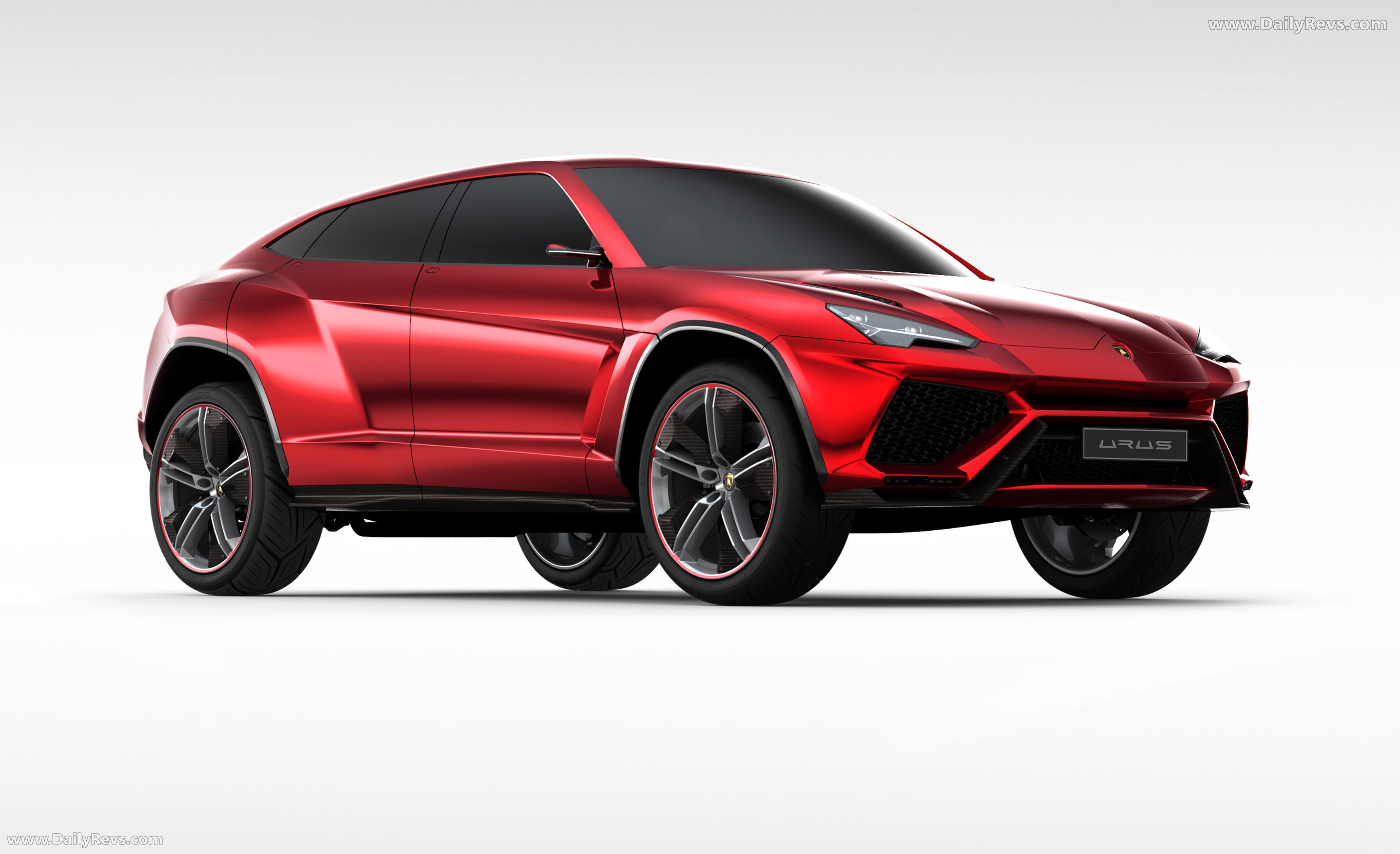
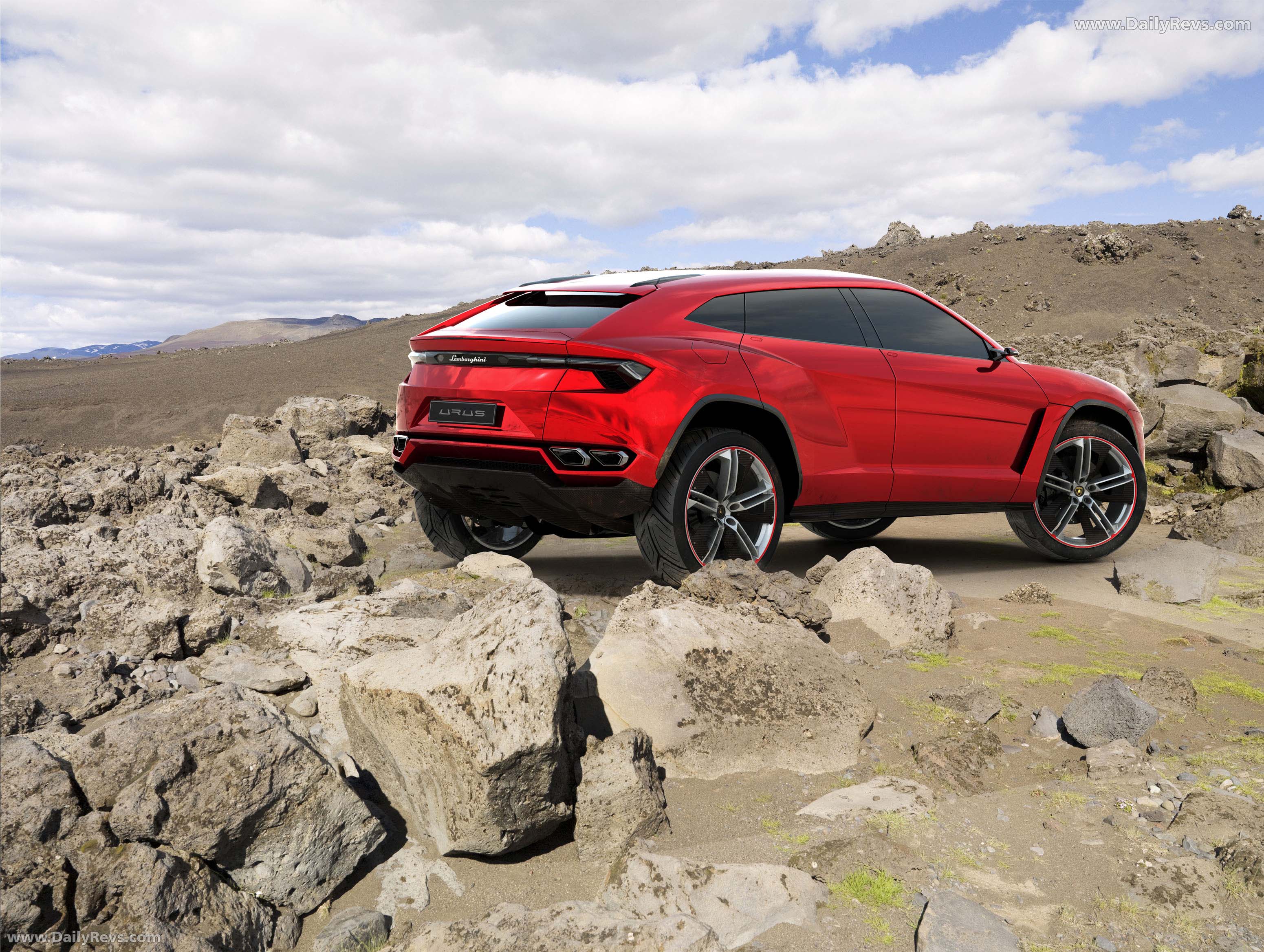
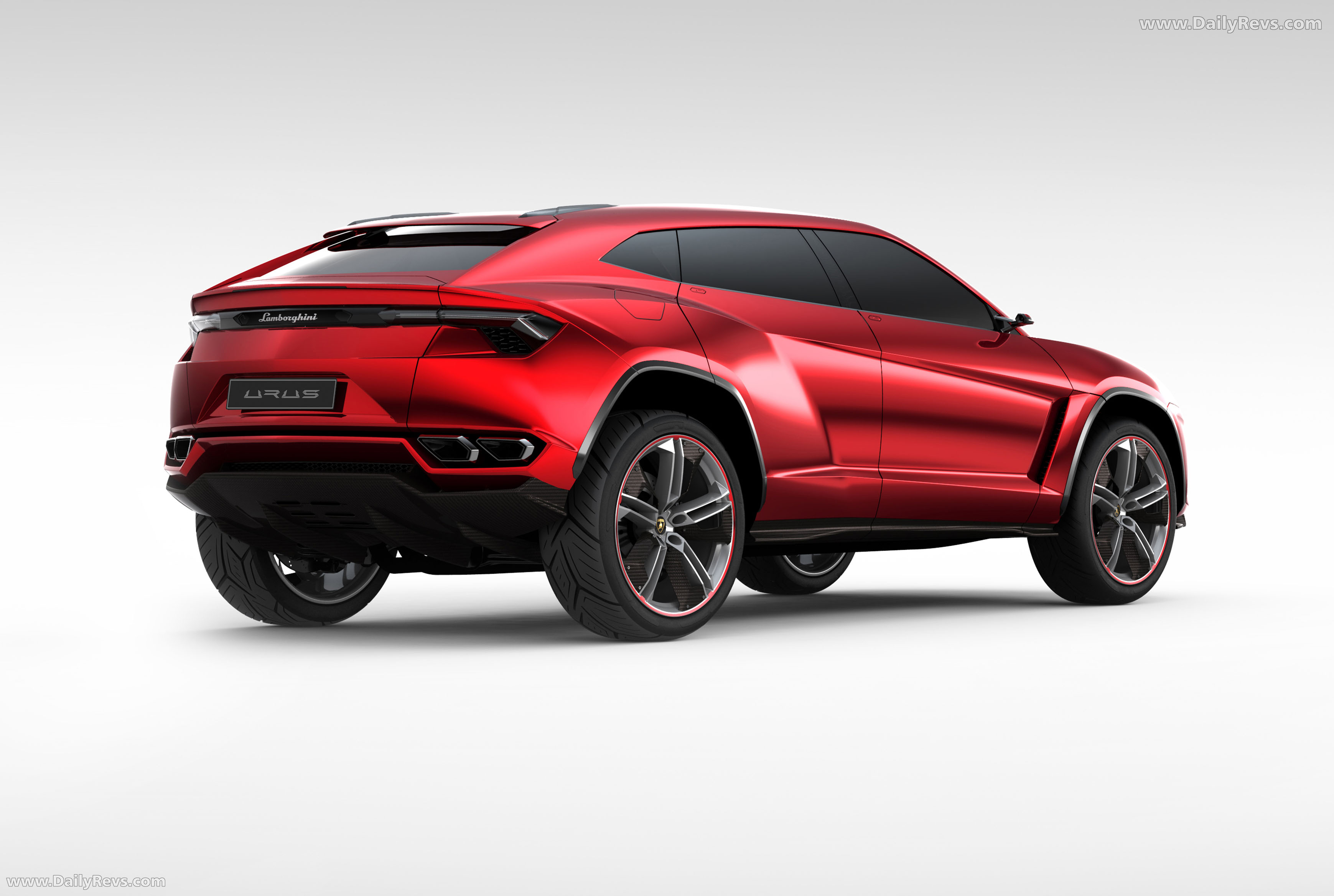
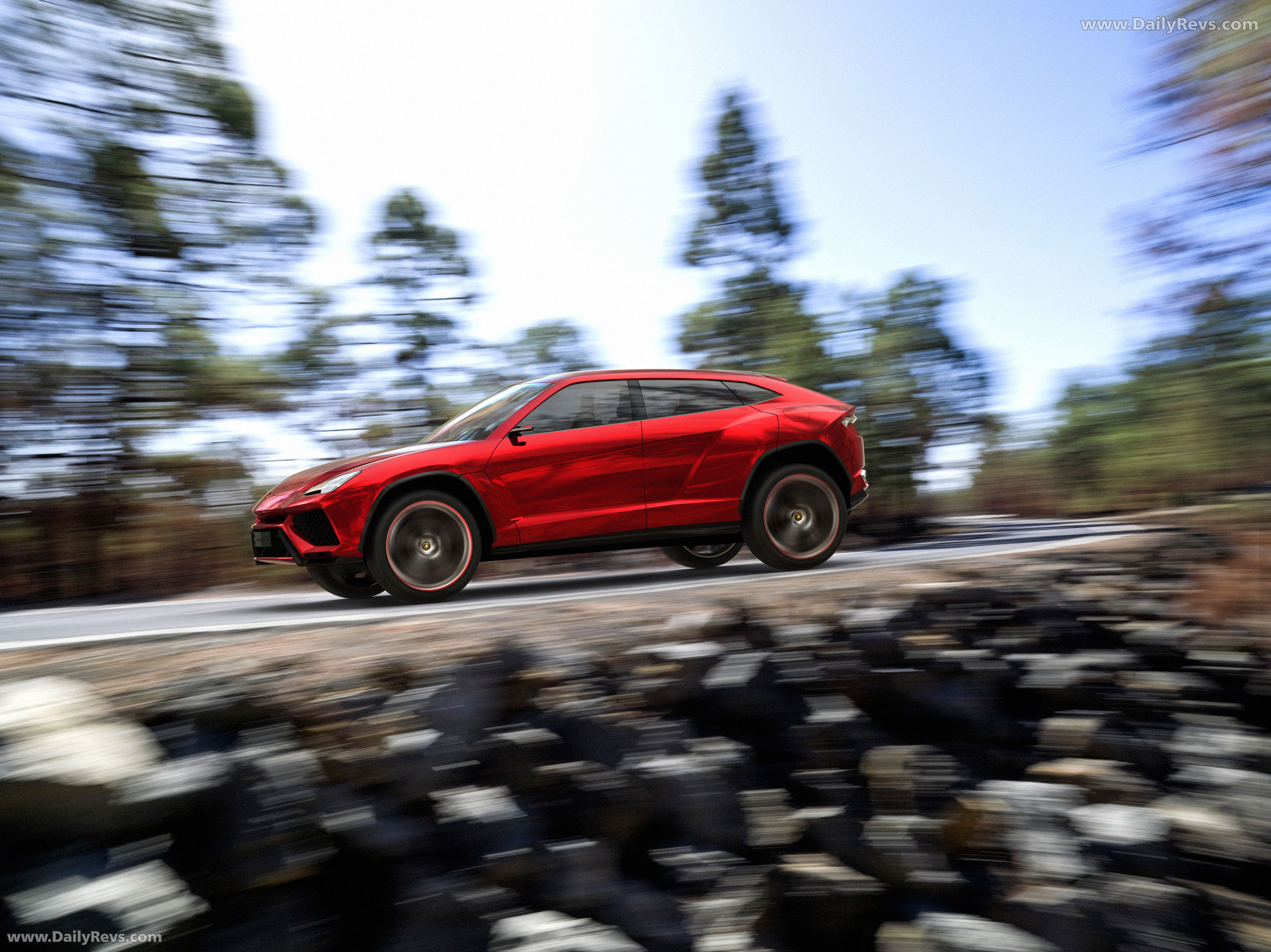
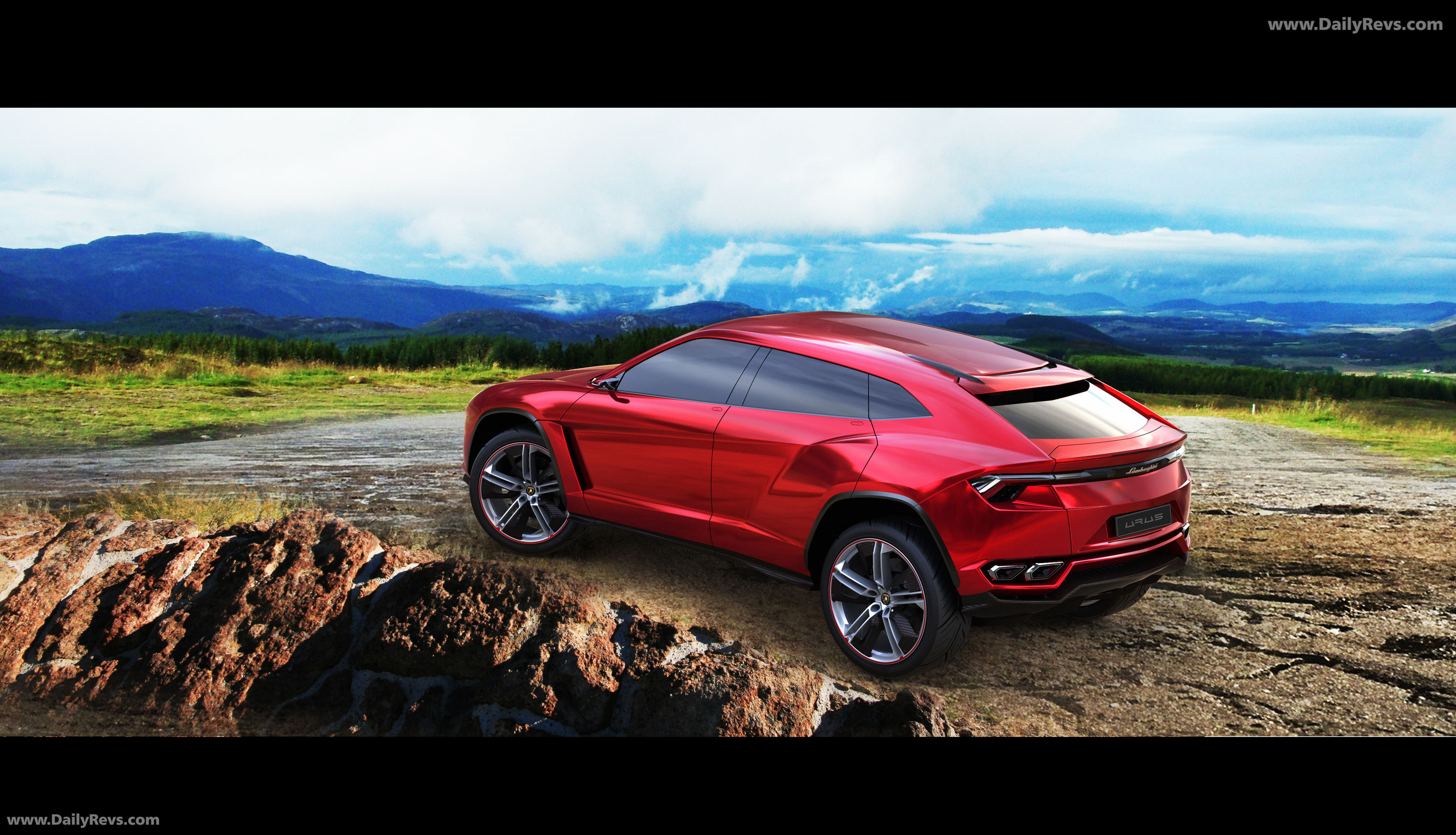
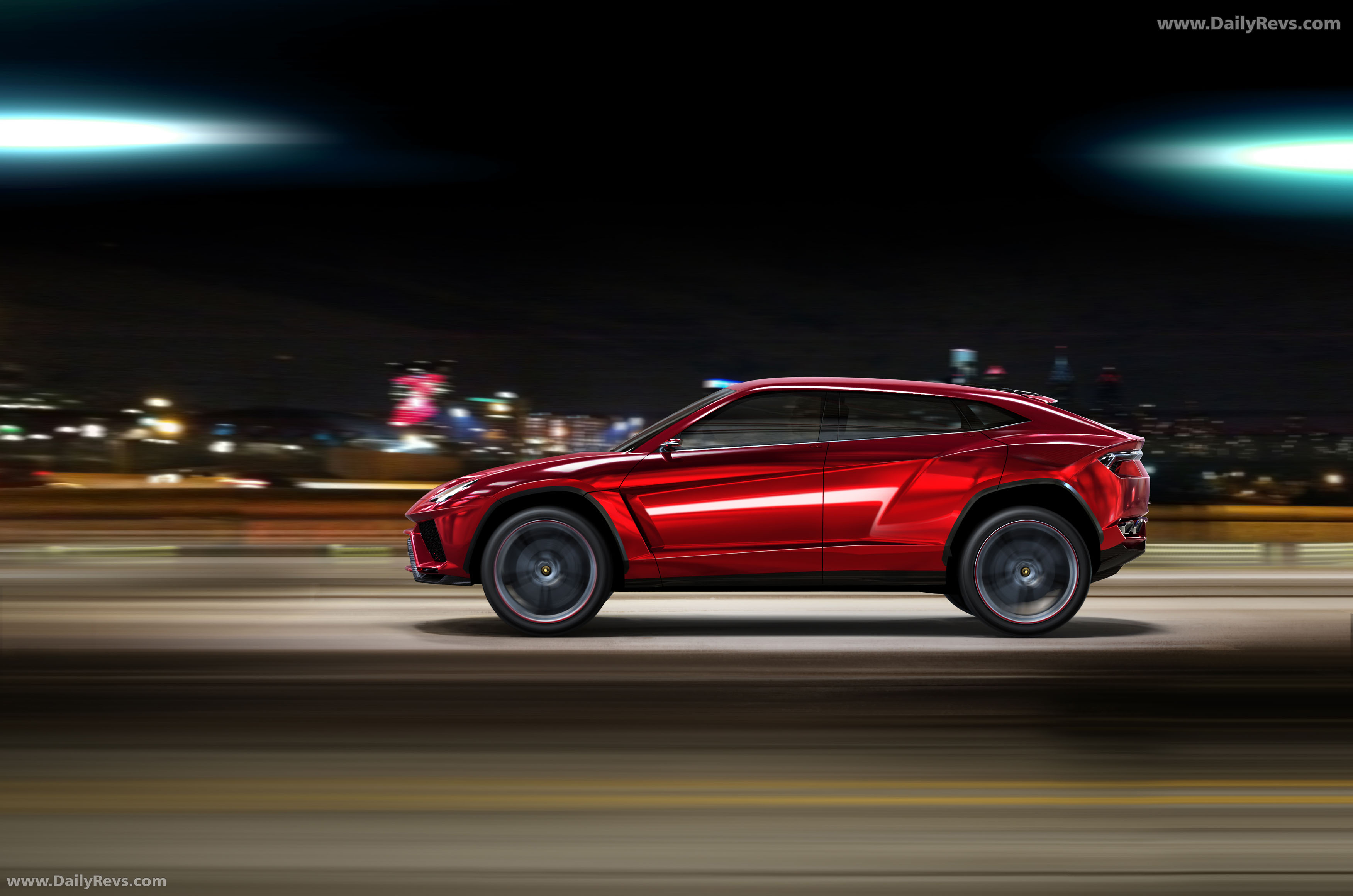
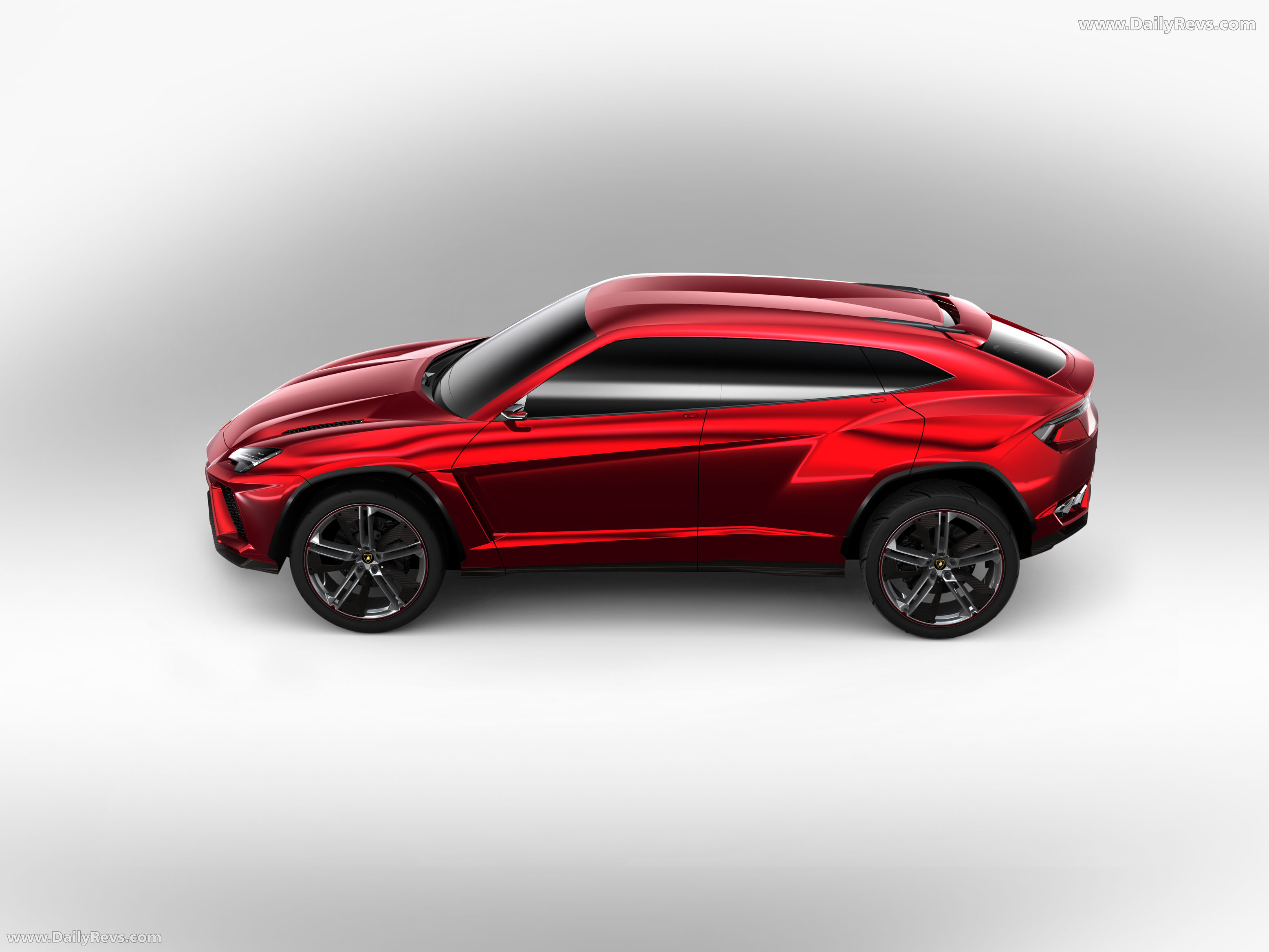
At first glance, the Urus Concept didn’t look like an SUV trying to fit in. It looked like it wanted to lead the pack. Measuring nearly five meters long and just under two meters wide, it carried the proportions of a grand tourer on stilts — muscular, poised, and distinctly Lamborghini.
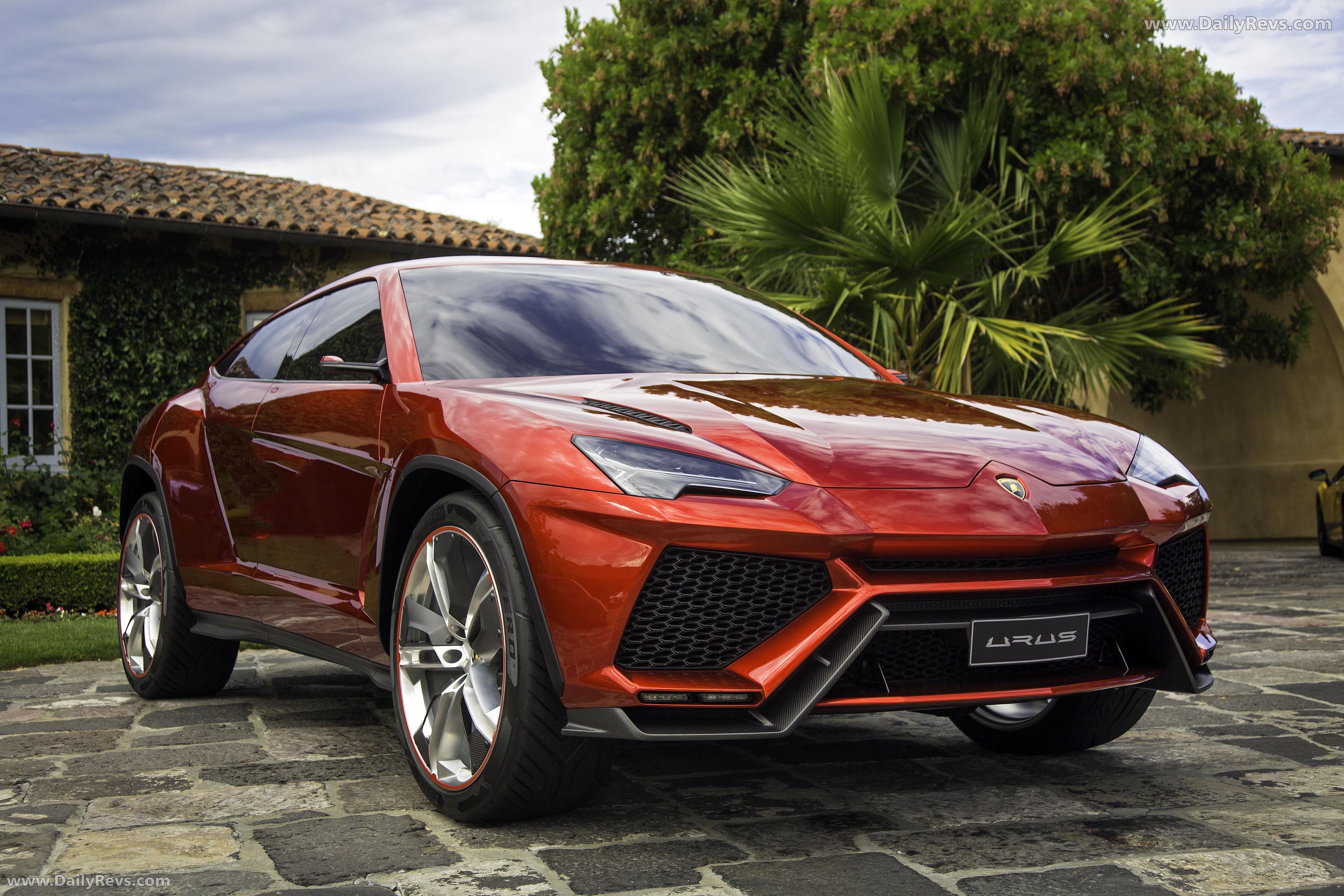
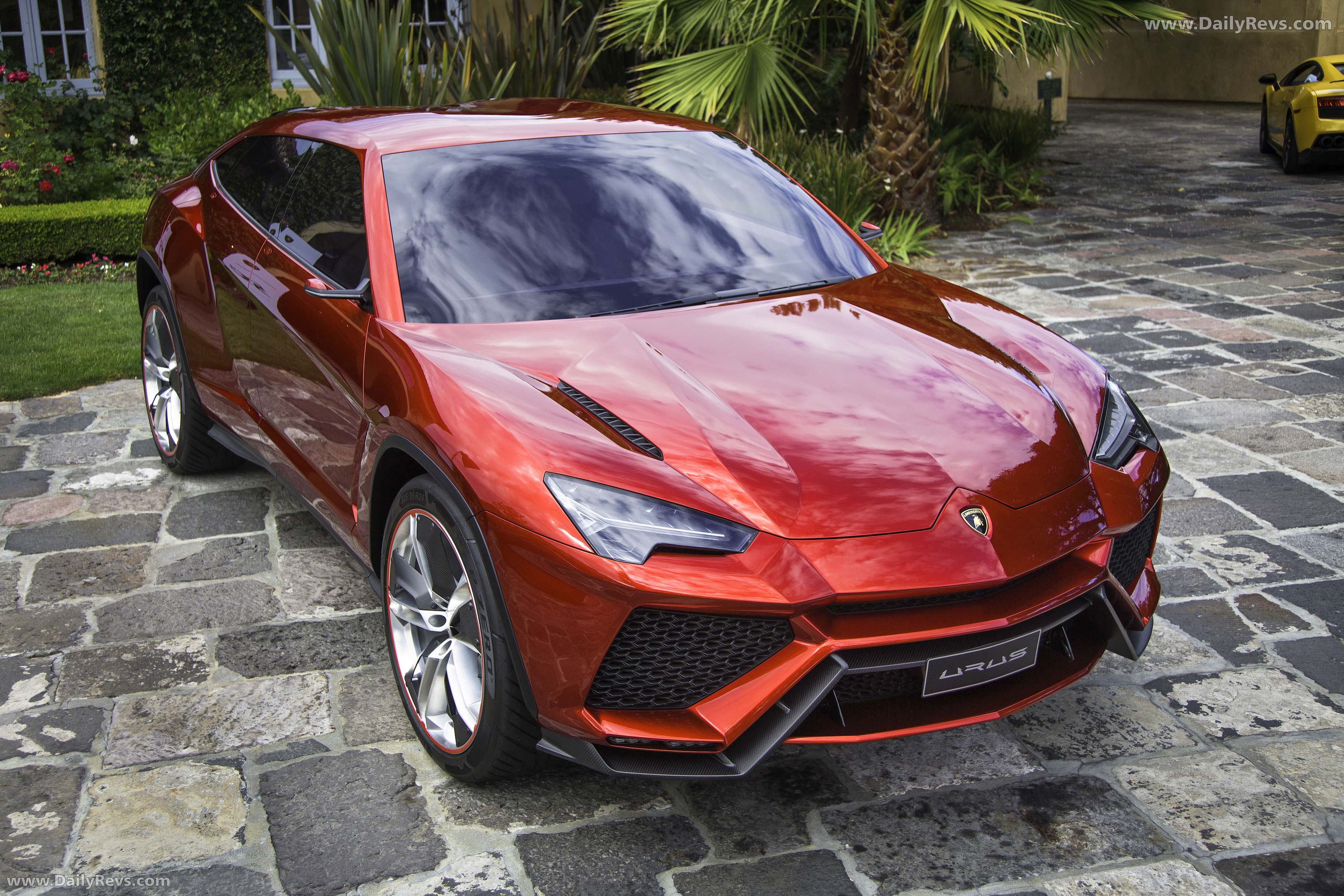
The front fascia was unmistakably from Sant’Agata Bolognese: Y-shaped LED headlights, sharp edges, and vast air intakes that looked capable of swallowing small hatchbacks. The surfaces were sculpted, taut, and aggressive, while the roofline dropped low enough to give it a coupe-like stance.
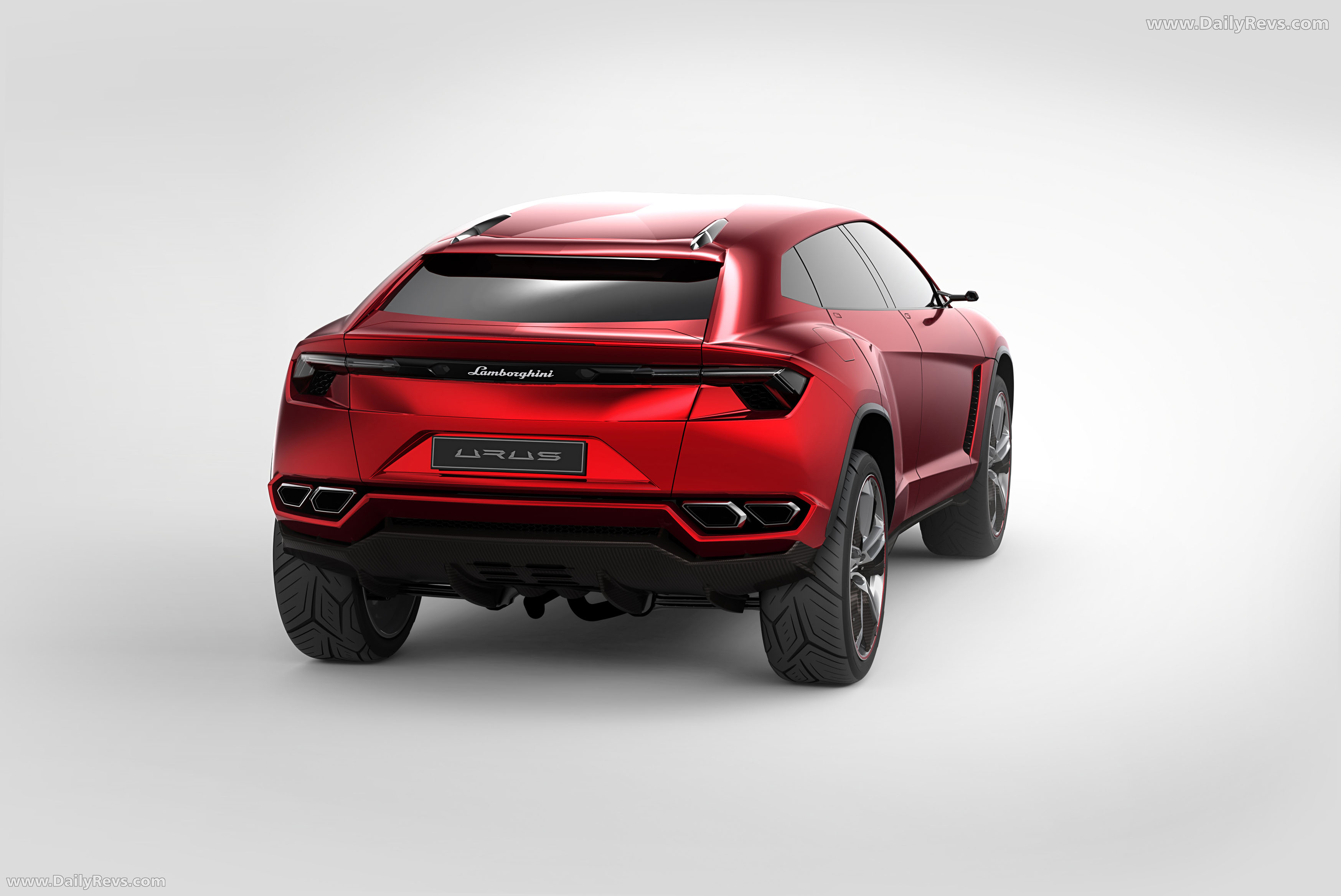
Down the sides, the lines were clean yet assertive, with massive 24-inch wheels filling out the arches — each featuring carbon-fiber cooling fins, because of course they did. Around the back, slim LED taillights stretched across a wide tailgate, sitting above a functional diffuser and twin exhausts. It wasn’t just an SUV that borrowed styling cues from Lamborghini’s supercars; it looked like one of them, just slightly taller and angrier.
Even the paint — a deep metallic Rosso Mars — shimmered like molten glass under the show lights. It wasn’t subtle, and it wasn’t meant to be.
Performance: 600 Horses, All Four Wheels
Lamborghini didn’t go into exhaustive technical detail about the concept’s internals, but what it did reveal was enough to turn heads. Under the hood sat a twin-turbo V8 producing roughly 600 horsepower — an unheard-of figure for an SUV at the time. Power was sent to all four wheels through an advanced all-wheel-drive system tuned for agility as much as traction.
Weight was kept in check through extensive use of carbon fiber reinforced polymer (CFRP), a material Lamborghini had been experimenting with for years in its racing and road programs. The goal was simple: deliver the feel and response of a supercar, even with the practicality of an SUV.
No official acceleration figures were quoted, but the intent was clear. Lamborghini wanted to build the fastest SUV on the planet — one that could handle like a Huracán while hauling luggage and passengers.
The Cabin: Minimalist Luxury, Lamborghini-Style
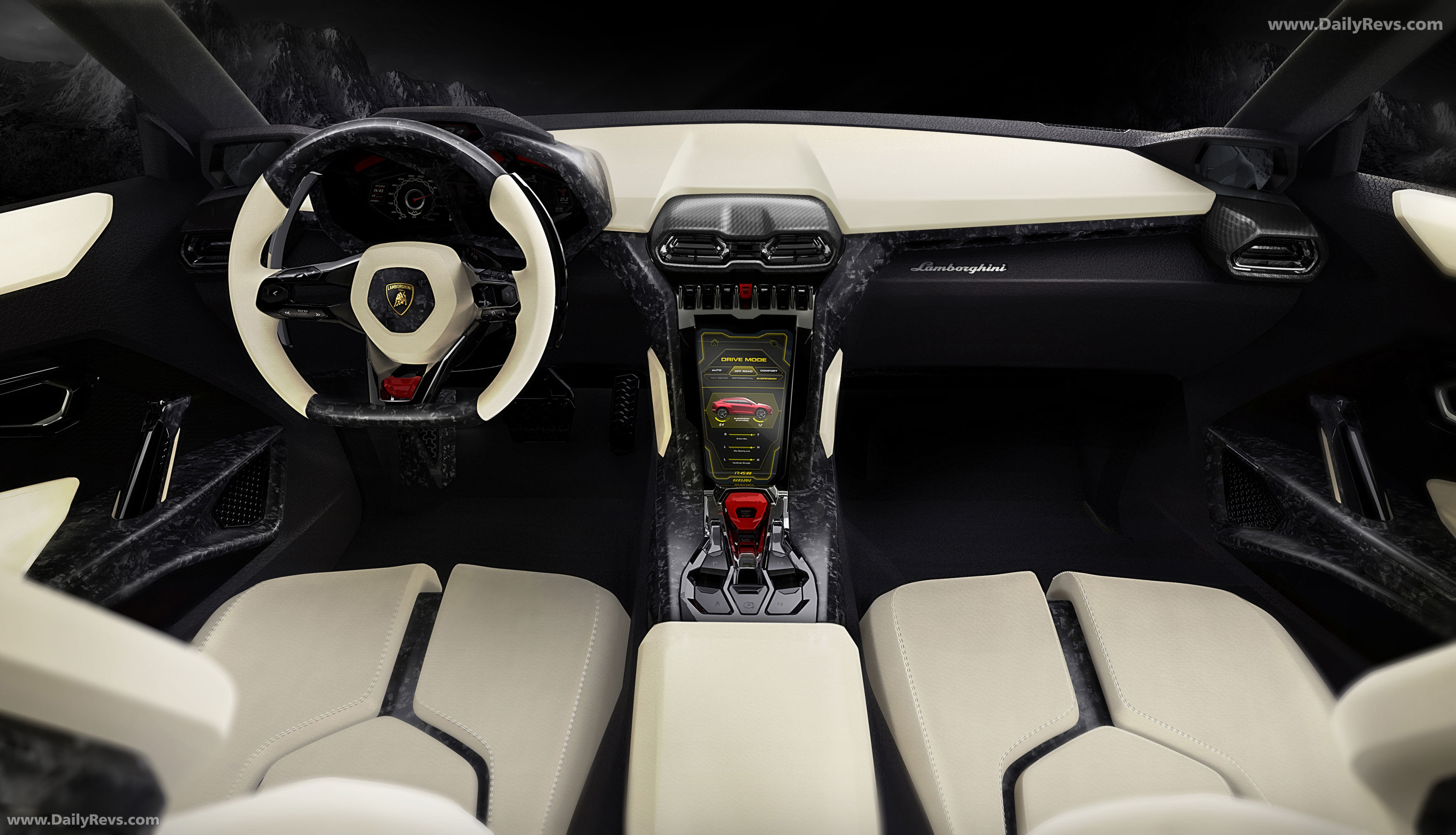
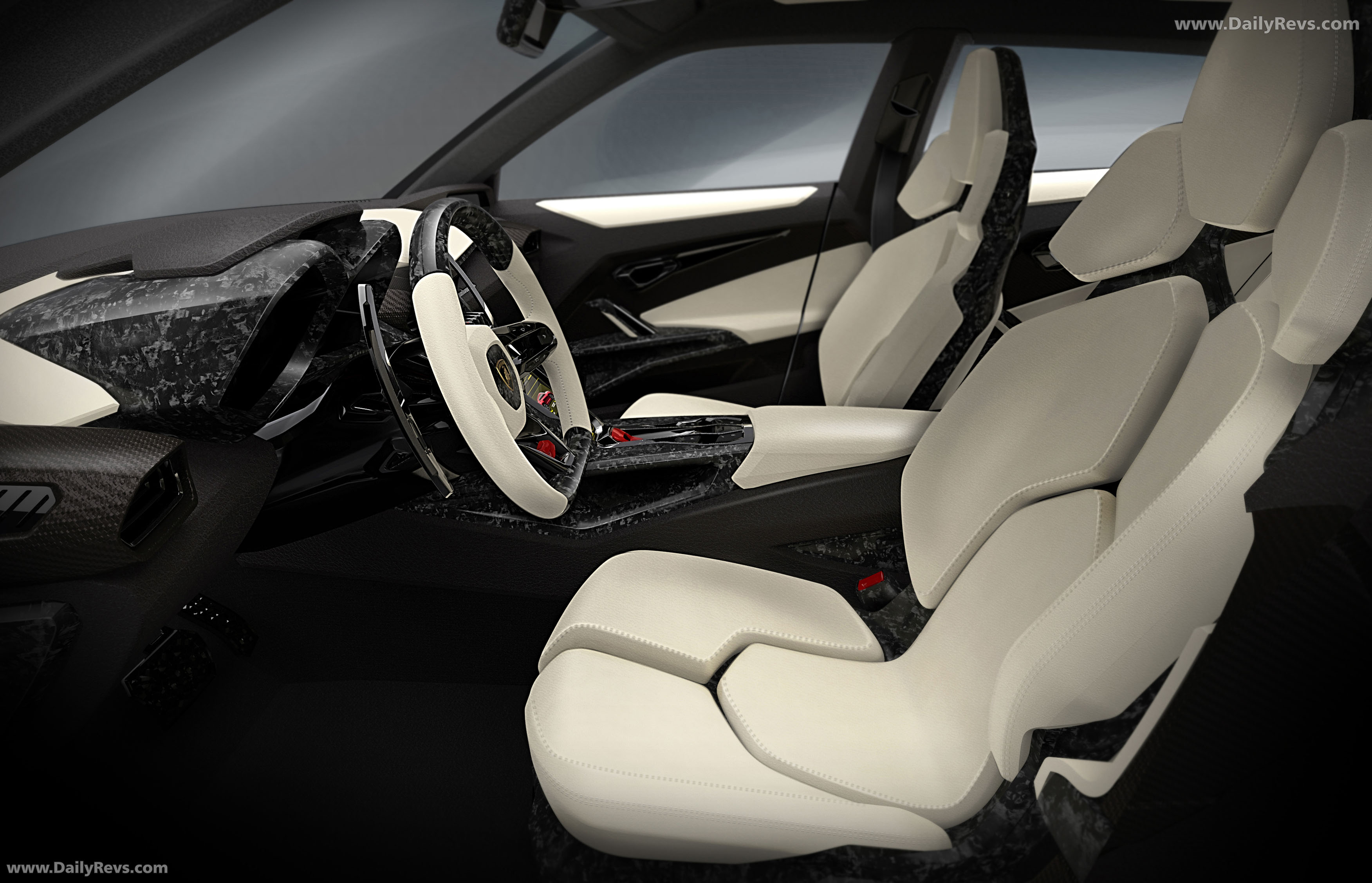
Step inside the Urus Concept and you were greeted by an interior that was both futuristic and unmistakably Lamborghini. The dashboard wrapped tightly around the driver, its angular forms echoing the exterior lines. Instead of conventional switches, touch panels replaced almost every button. It looked clean, high-tech, and a bit intimidating — exactly how a Lamborghini should feel.
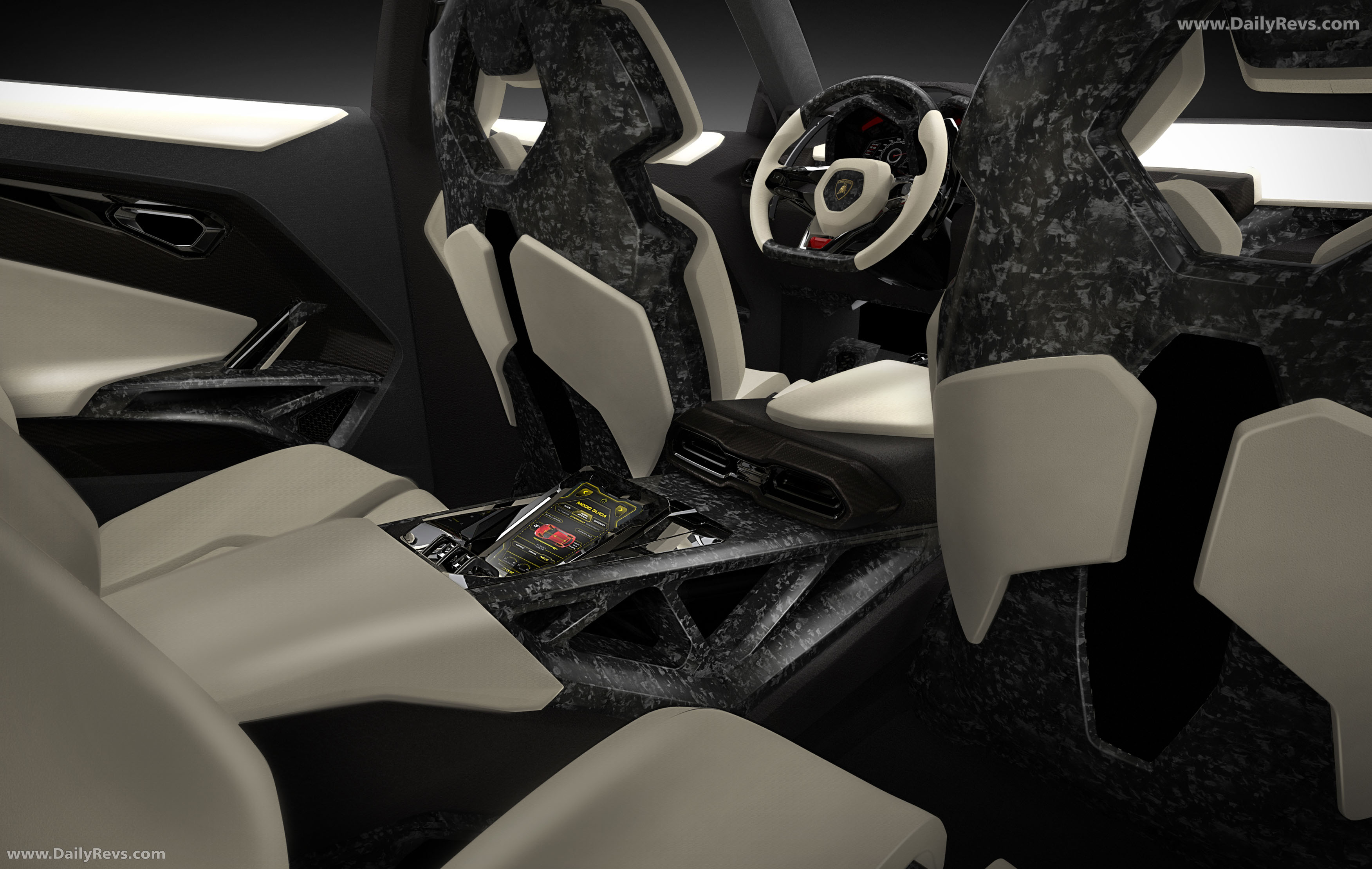
The four-seat layout emphasized individual comfort rather than maximum capacity. The carbon-fiber-backed sport seats were trimmed in fine leather and Alcantara, holding their occupants like racing shells. The rear seats mimicked the front’s shape, divided by a prominent center console that housed additional controls and storage.
Even the gear selector was designed as a centerpiece — more aircraft control than car lever. Screens displayed real-time performance data, navigation, and system information, while the driving modes could be toggled directly from the steering wheel.
The whole setup wasn’t about luxury in the traditional sense. It was about precision — a cockpit engineered for both control and occasion.
Technical Specification
- Engine: Twin-turbocharged V8
- Power Output: 600 hp (447 kW)
- Transmission: Automatic
- Drive System: Permanent all-wheel drive
- Length: 4,990 mm
- Width: 1,990 mm
- Height: 1,660 mm
- Chassis: Carbon fiber reinforced polymer
- Wheels: 24-inch alloy wheels with carbon cooling fins
- Seating: 2+2 configuration with carbon-fiber sport seats
- Estimated Top Speed: Above 300 km/h