



2011 Saab PhoeniX Concept
By Lorenzo Bianchi January 26, 2011
The PhoeniX Concept introduced Saab’s “aeromotional” design language inspired by Ursaab and aviation.
A hybrid eXWD drivetrain paired a 200 hp turbo engine with an electric rear axle.
The concept previewed the architecture, infotainment, and design direction planned for the next Saab 9-3.
A Concept Designed as a Statement of Intent
Unveiled in 2011, the Saab PhoeniX Concept was never presented as a styling exercise alone. It was framed as a directional car, intended to establish a new reference point for Saab product design and engineering. Based on a new architecture developed to underpin the next-generation Saab 9-3, the PhoeniX was positioned as a bridge between the brand’s past and its intended future. Its name, deliberately chosen, reflected rebirth and continuity at a moment when Saab’s identity was under scrutiny.
Aeromotional Design and Aviation Roots
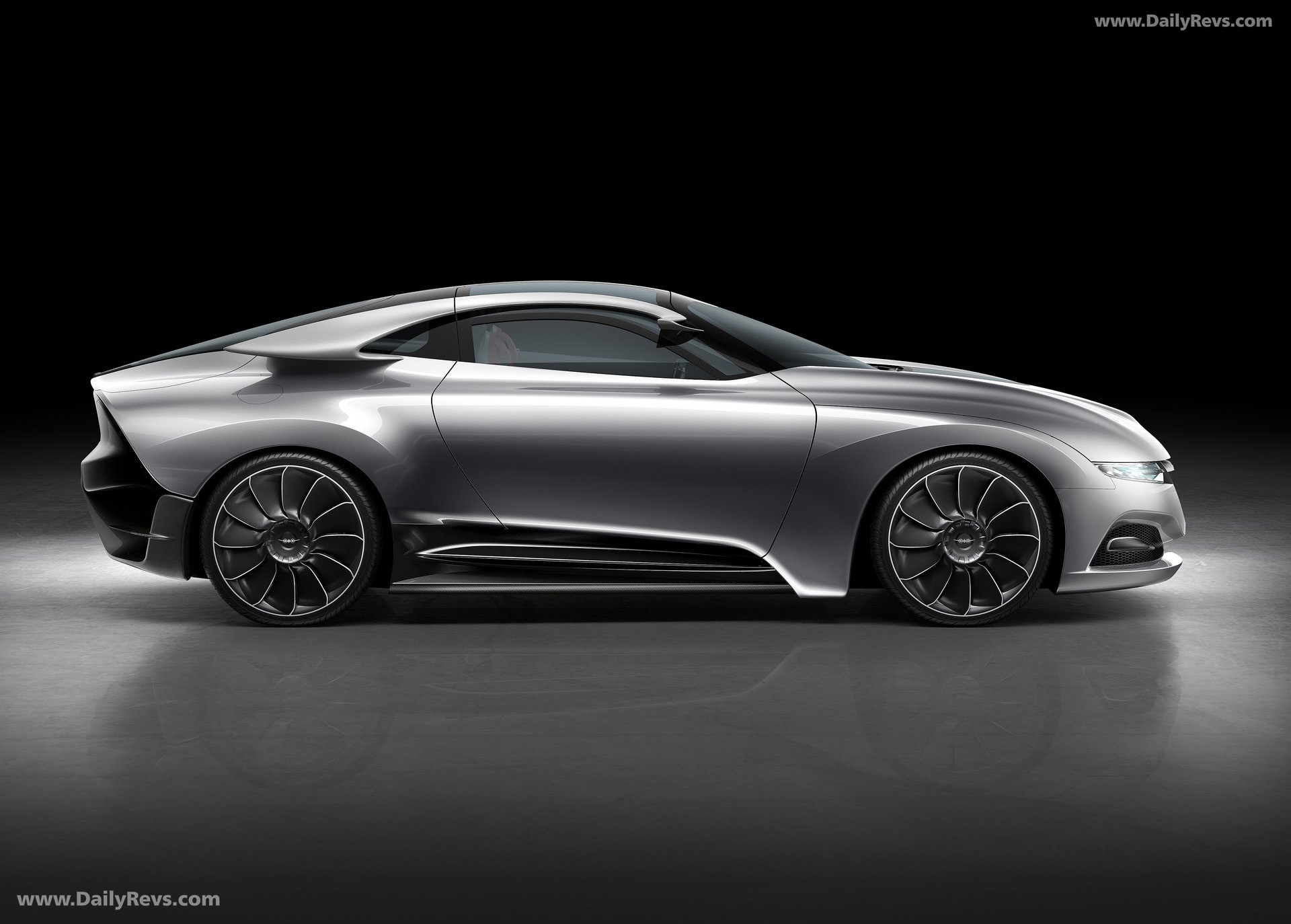
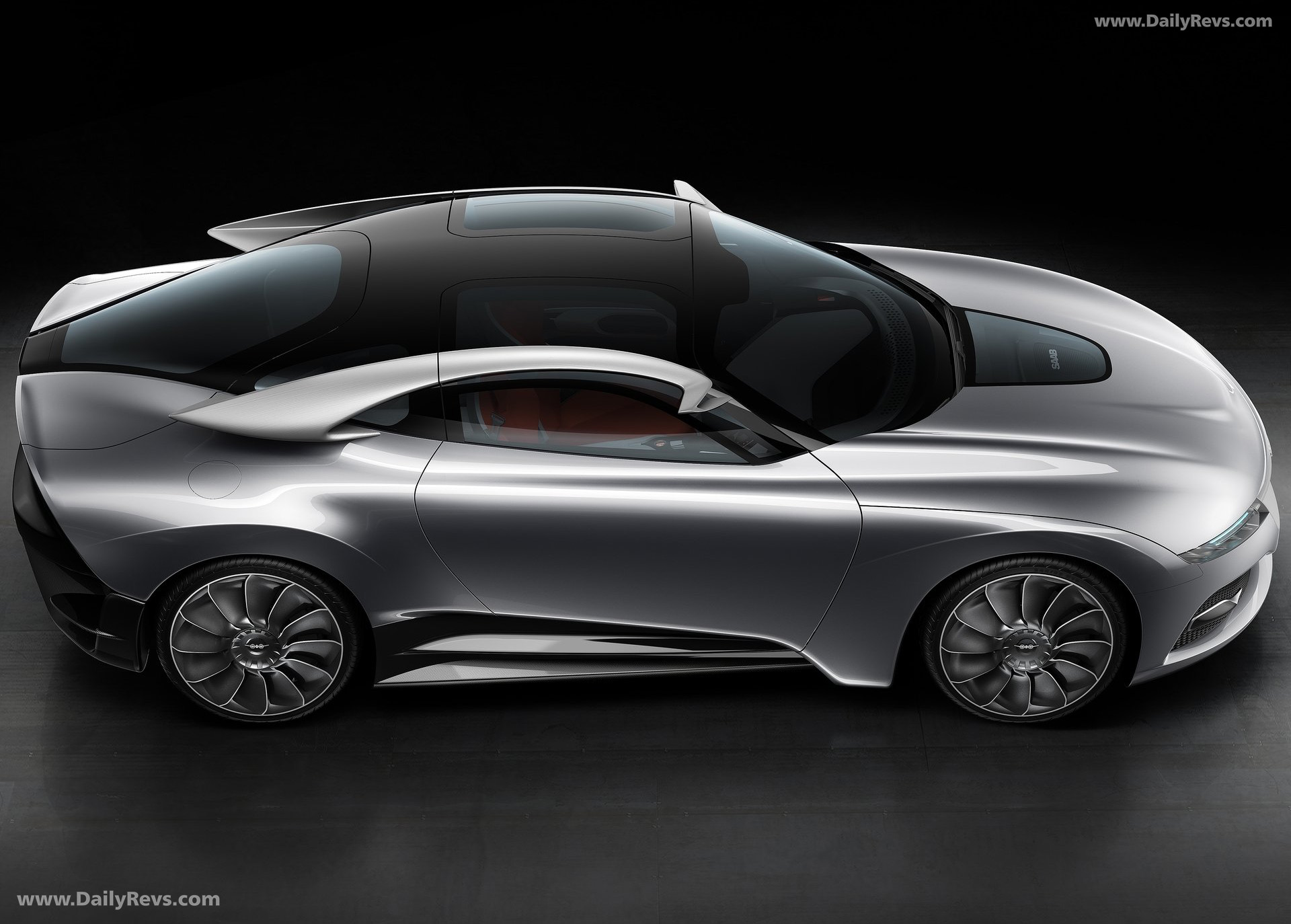
The defining theme of the PhoeniX Concept was what Saab described as “aeromotional” design. Drawing directly from Saab’s aviation heritage and the original Ursaab prototype, the exterior appears shaped by airflow rather than ornament. Teardrop proportions, liquid-metal surfacing, and a dramatic jet canopy-inspired glasshouse give fresh expression to Saab’s wraparound windscreen and ice-block design cues.
Details are both visual and functional. Side-mounted winglets and roof-mounted airflow guides manage air along the body, reducing lift without increasing drag. The result is an exceptionally low drag coefficient of 0.25, remarkable for a compact 2+2 coupe. Butterfly-opening doors eliminate visible handles and mirrors, preserving clean surfaces and uninterrupted airflow.
Compact Proportions With Practical Intent
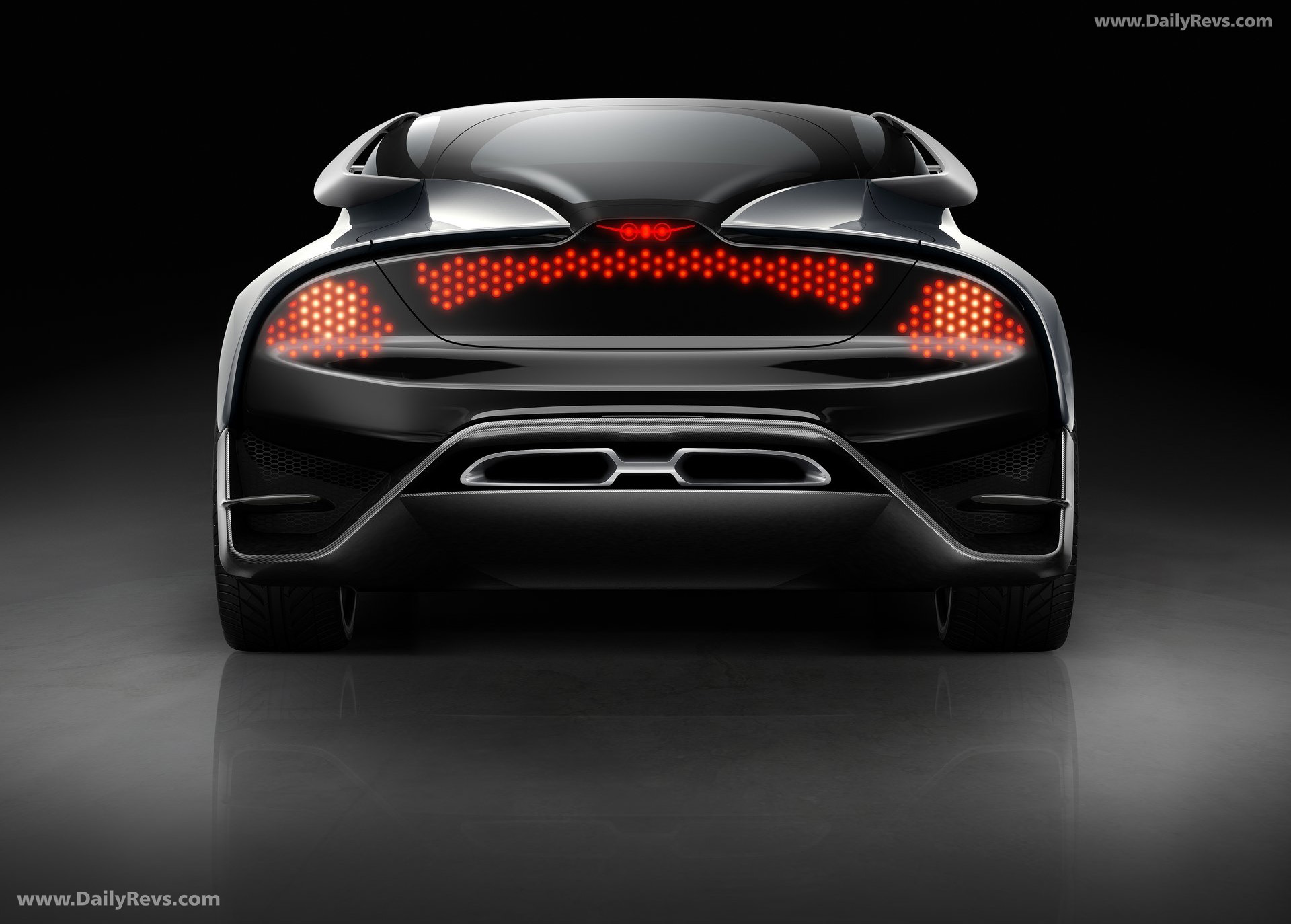
Despite its dramatic form, the PhoeniX retained Saab’s focus on usability. The rear features a curvaceous deck that conceals a deep-opening tailgate, revealing a flat cargo floor with fold-flat rear seats and an adaptable load system. While maintaining a distinctively modern execution, the proportions allude to vintage Saab coupes, such as the Sonett.
A Driver-Centered, Minimalist Cabin
The PhoeniX Concept had a minimalist Scandinavian style inside. The 2+2 interior emphasizes the driver, with exposed metallic elements modeled after a rollover cage, and shell-like chairs.
Instrumentation is housed in a circular pod ahead of the driver, echoing the afterburner of a jet engine, and works in tandem with a head-up display.
At the center sits the debut of Saab’s IQon infotainment system, angled at 45 degrees toward the driver. Built on Google’s Android operating system, IQon was conceived as an open, connected platform, enabling navigation, streaming, downloadable apps, and continuous internet access once the ignition was switched on. Red ambient lighting throughout the cabin introduced Saab’s “fire and ice” theme, adding warmth to the otherwise minimalist environment.
Hybrid Performance With All-Wheel Drive
Beneath its sculpted bodywork, the PhoeniX Concept showcased Saab’s rightsizing strategy. The power came from a 1.6-liter turbocharged gasoline engine with 200 horsepower and a 25 kW electrically powered rear axle. This eXWD technology enabled torque vectoring, intelligent hybrid all-wheel drive, and regenerative braking.
Eco, Sport, and Traction were the three modes that could be chosen. Saab's emphasis on efficiency without sacrificing driver engagement was evident in the estimated combined-cycle fuel consumption of 5.0 l/100 km and CO2 emissions of 119 g/km.