
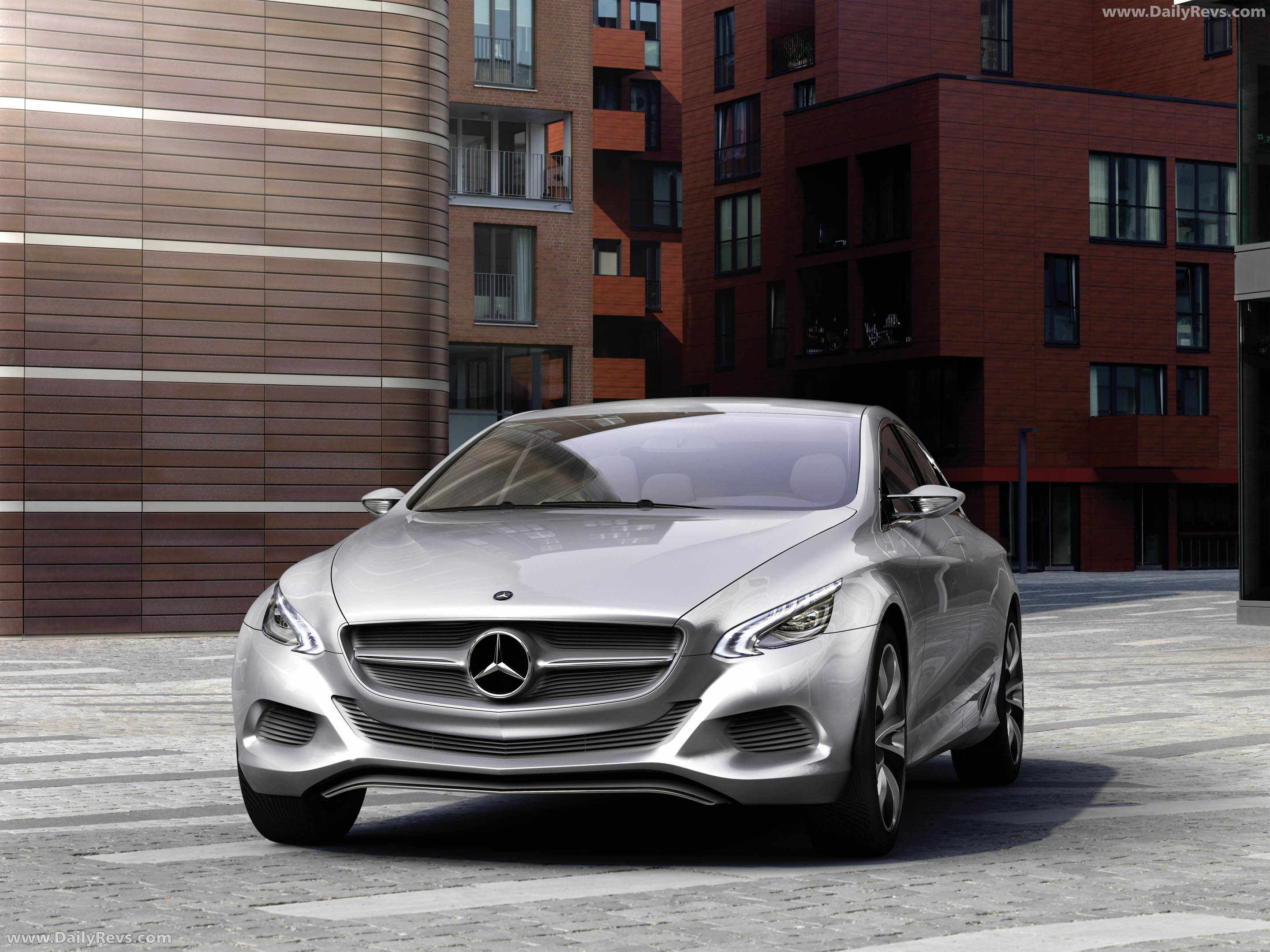
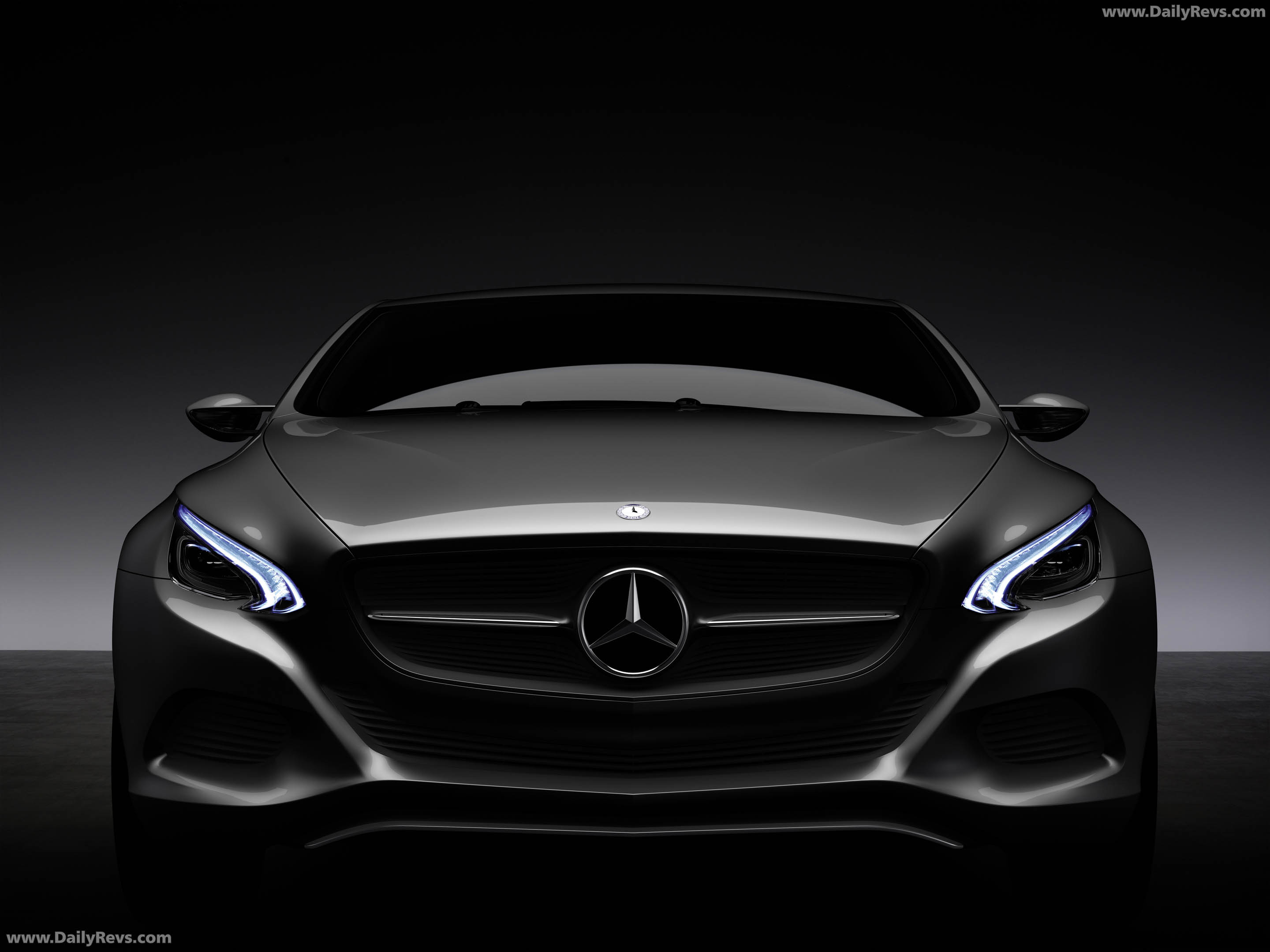
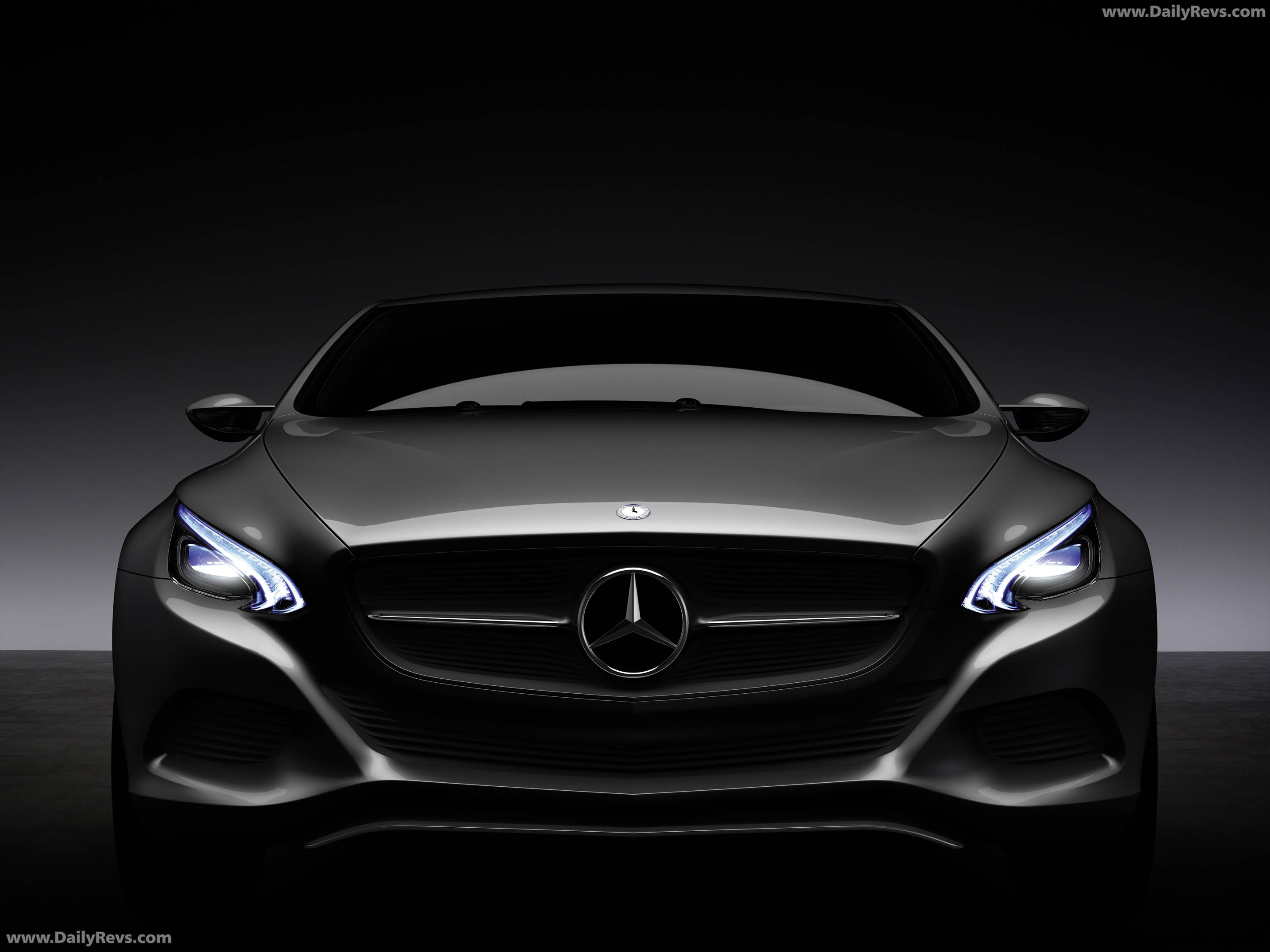
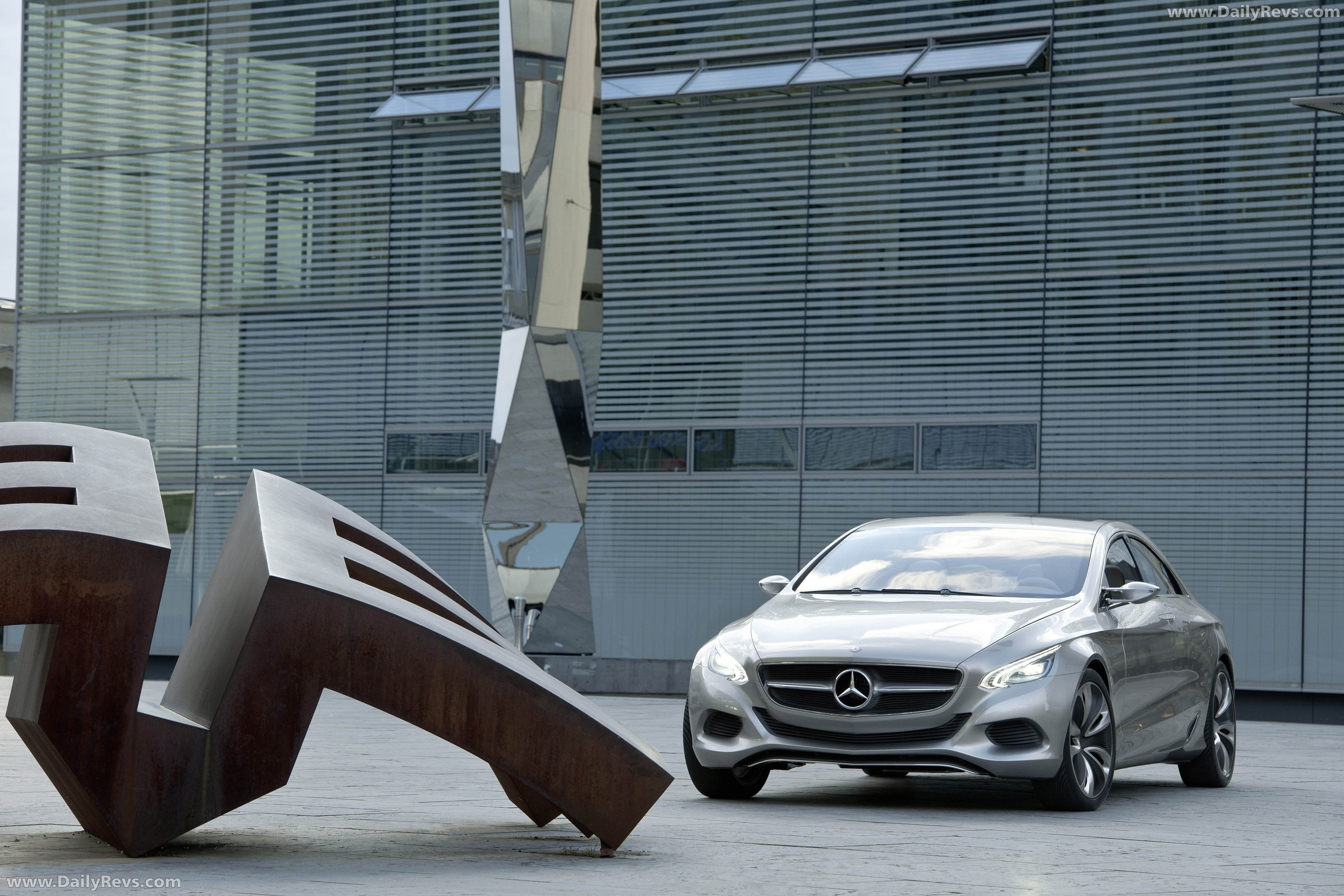
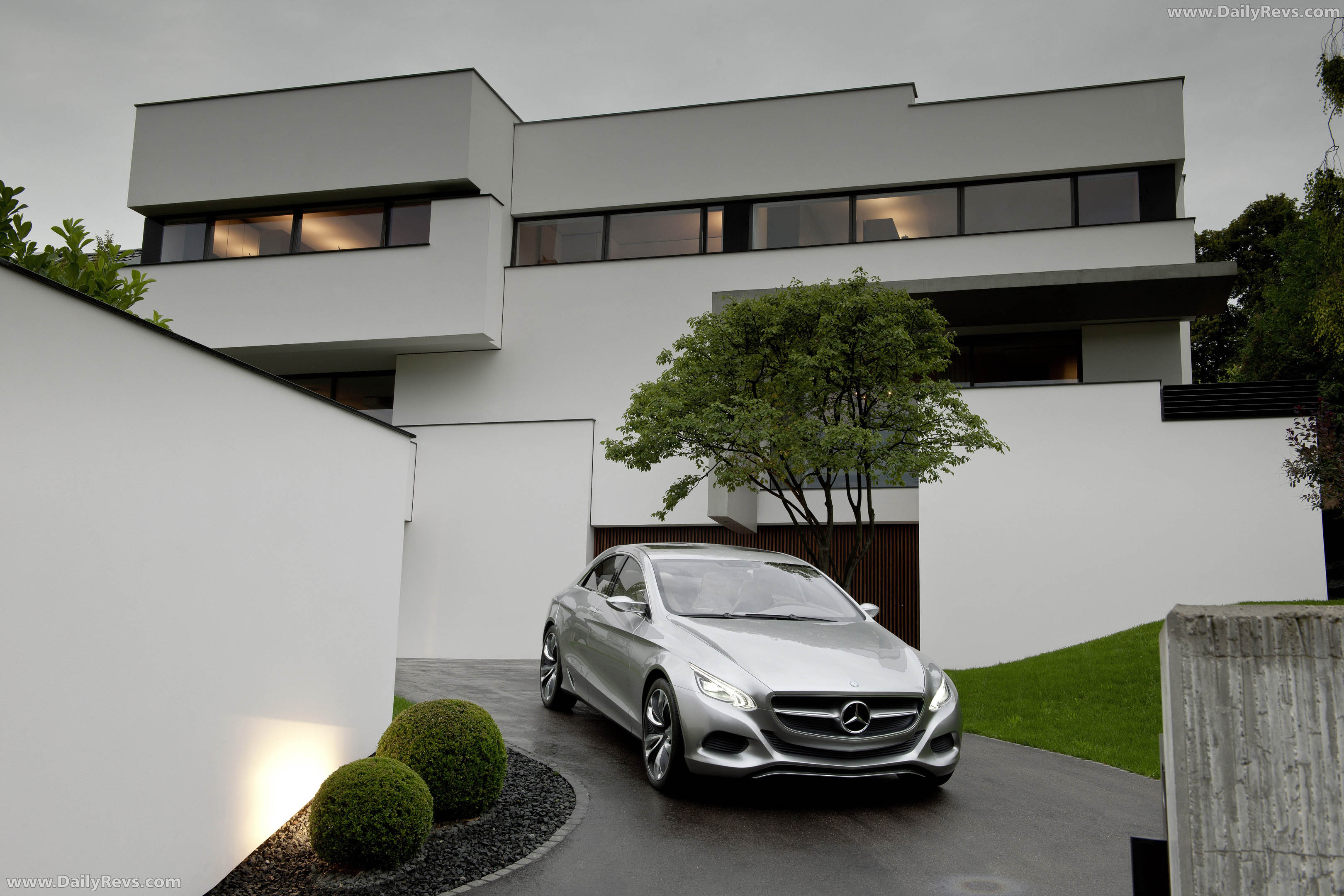
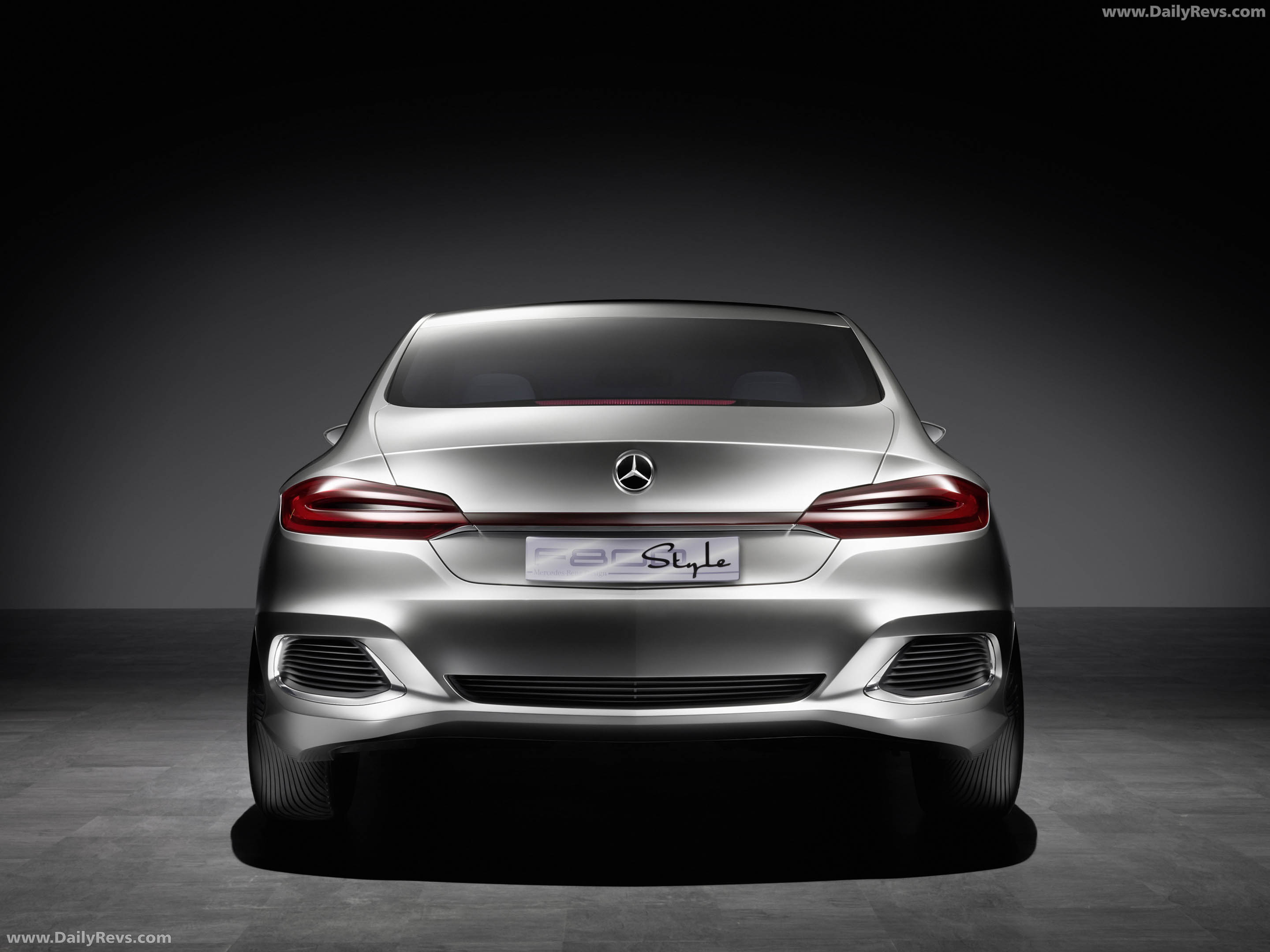
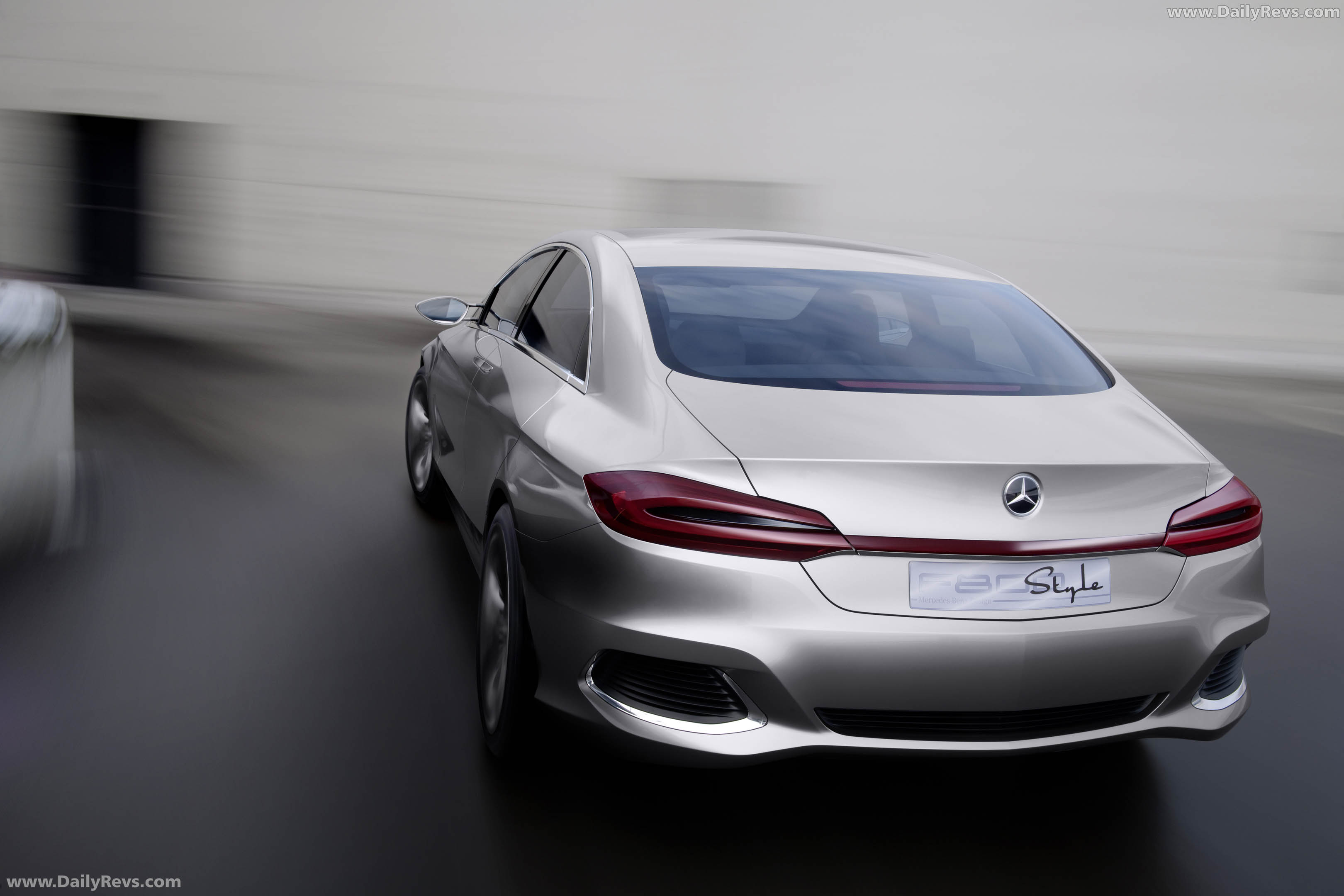
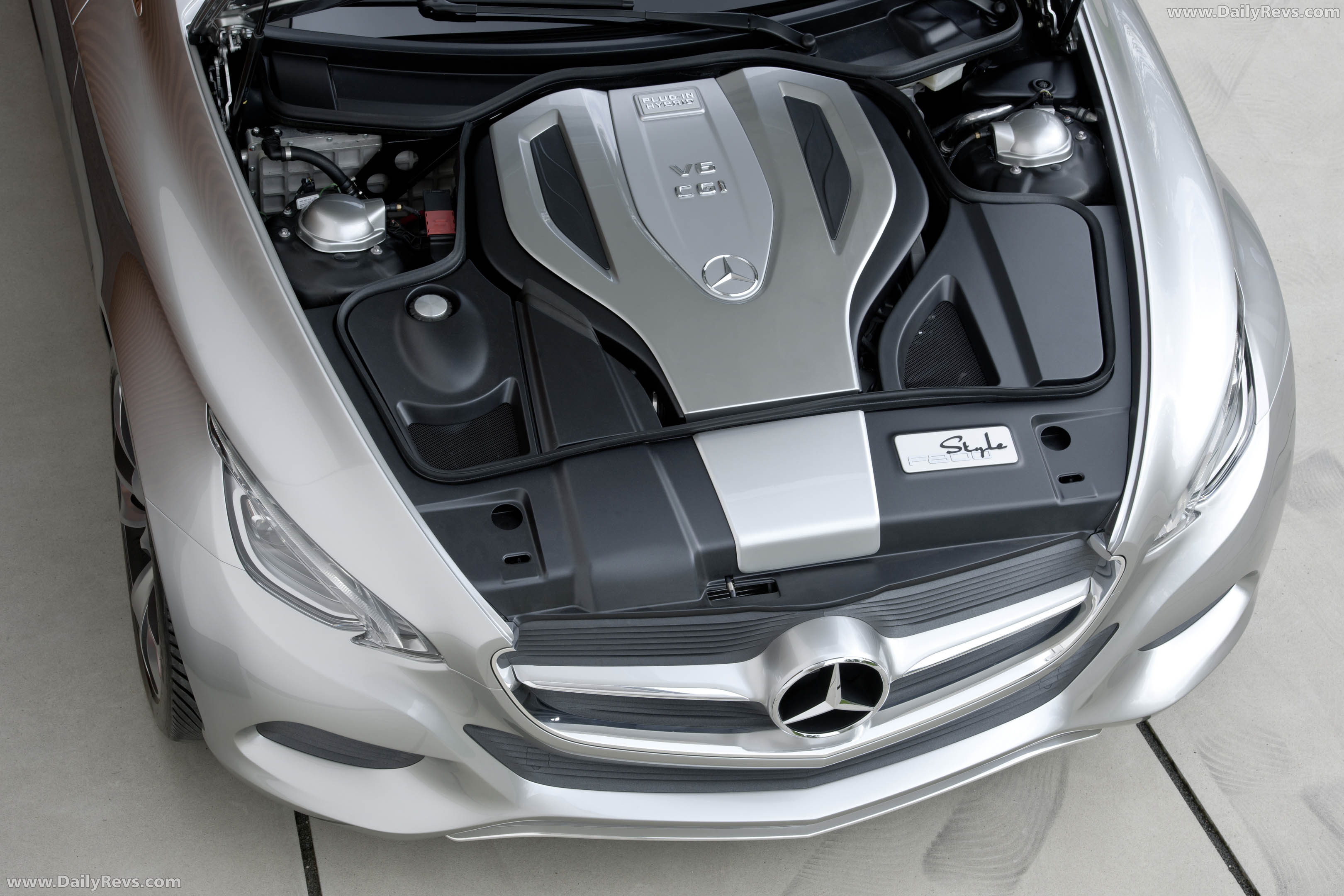
2010 Mercedes-Benz F800 Style Concept
By Lorenzo Bianchi July 24, 2010
The F800 Style introduced a flexible platform supporting both plug-in hybrid and fuel-cell powertrains.
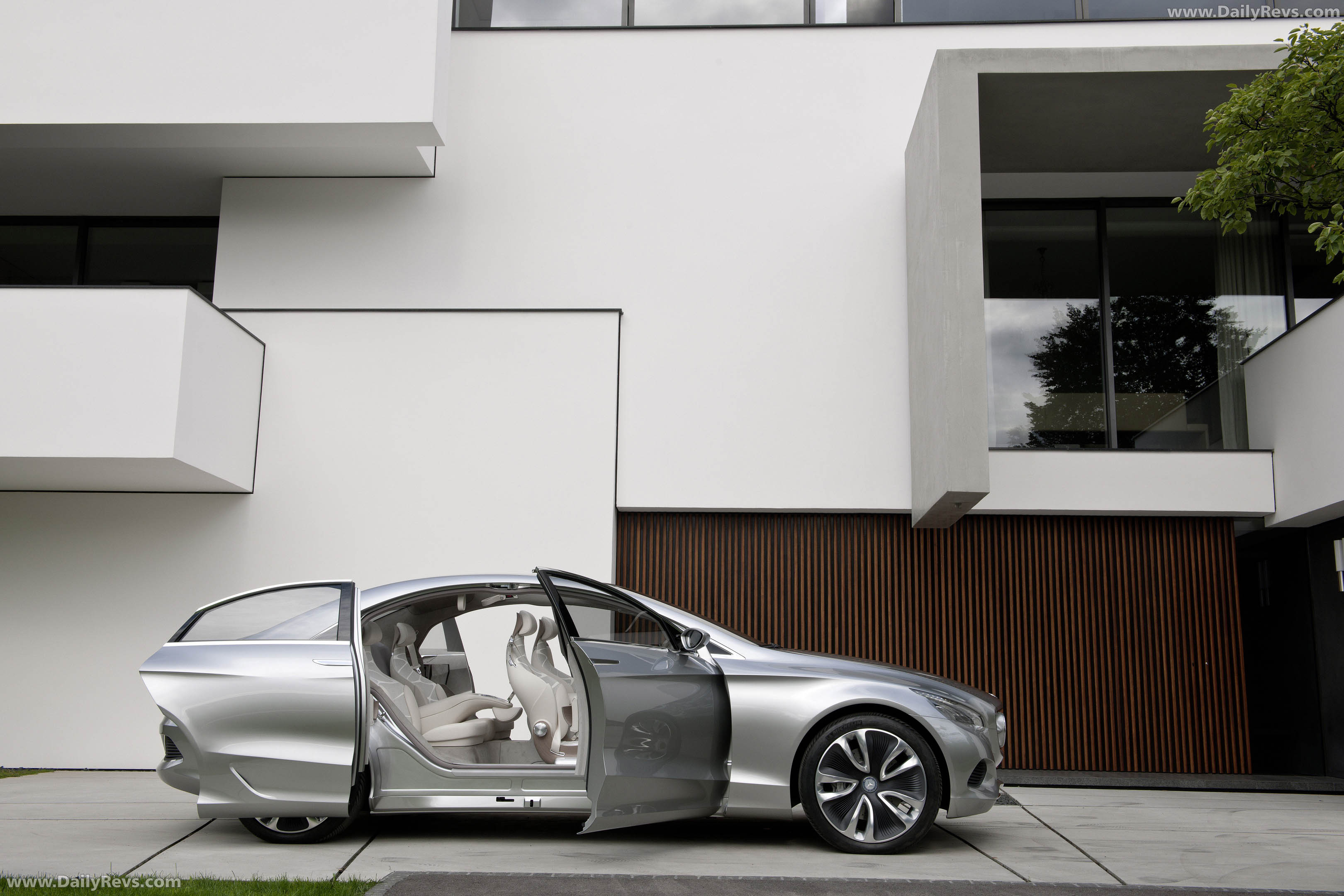
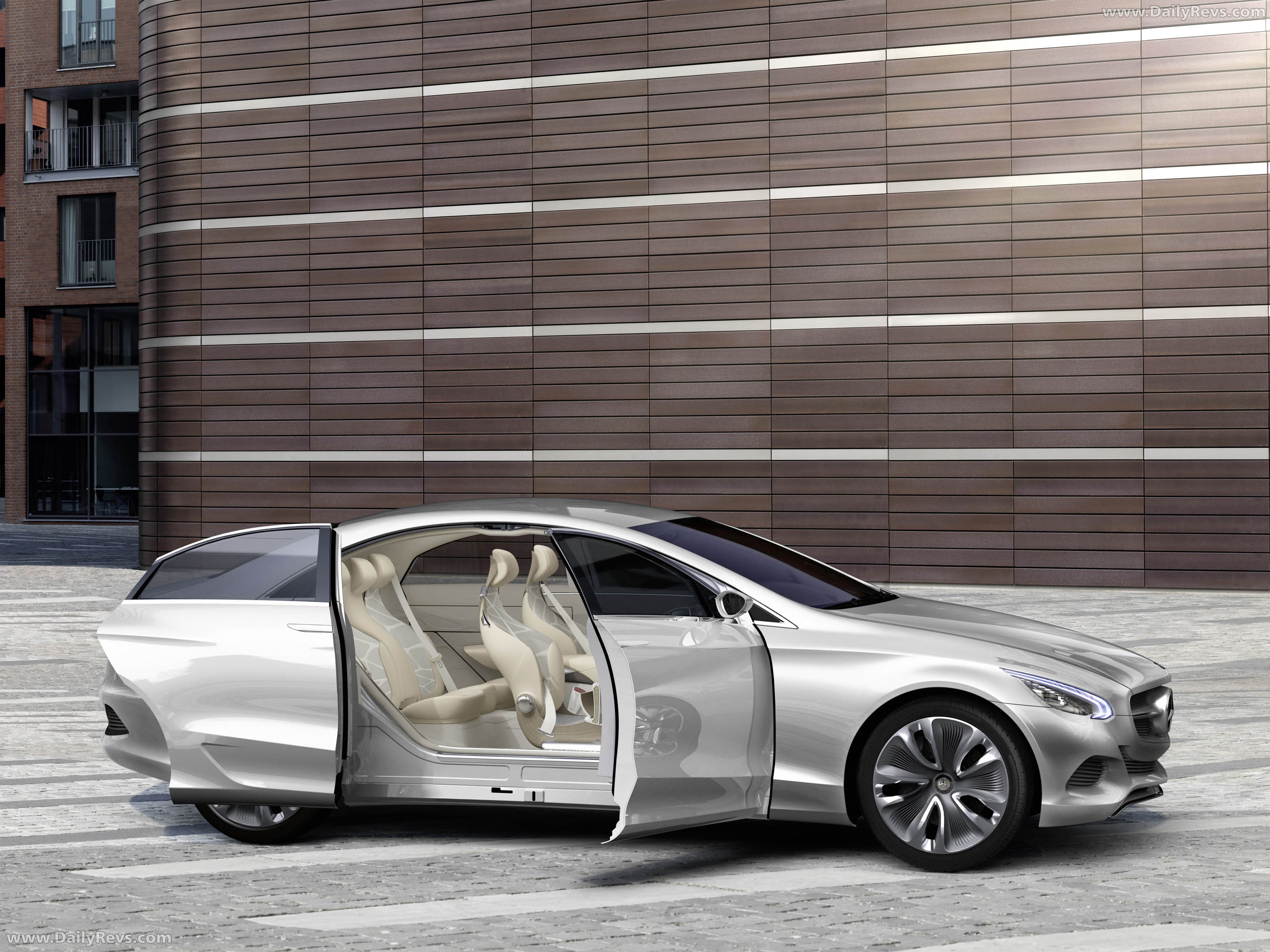
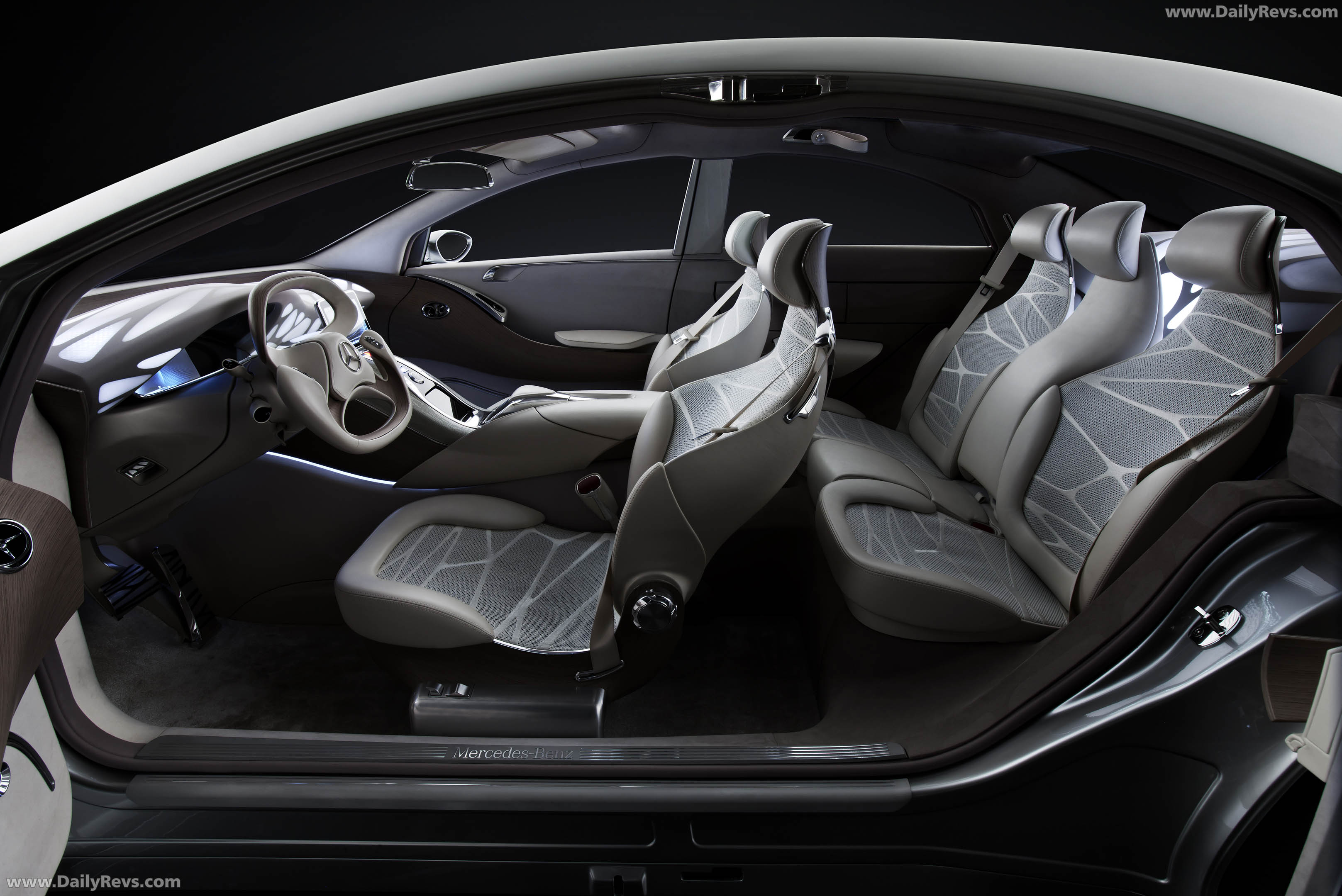
The concept combined a spacious five-seat cabin with compact exterior dimensions and innovative sliding rear doors.
Mercedes-Benz showcased future technologies including Cam Touch Pad, Traffic Jam Assist and PRE-SAFE 360°.
Concept cars often promise a glimpse of tomorrow, but many never influence production vehicles. The 2010 Mercedes-Benz F800 Style Concept took a different approach. It wasn't simply a dramatic design exercise. Mercedes-Benz used it to explore technologies that were already approaching production readiness, while also rethinking what a premium luxury sedan could become in the years ahead.
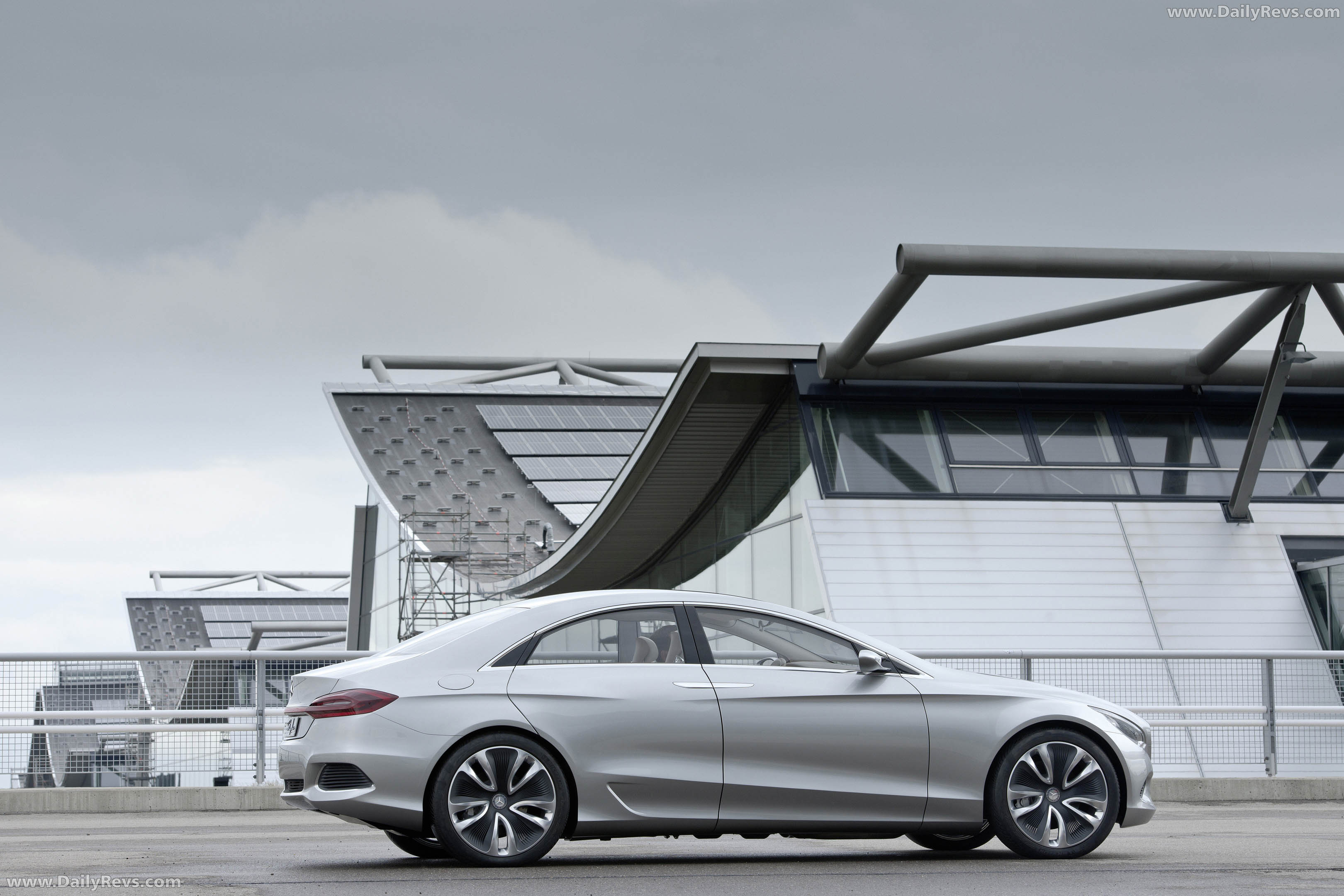
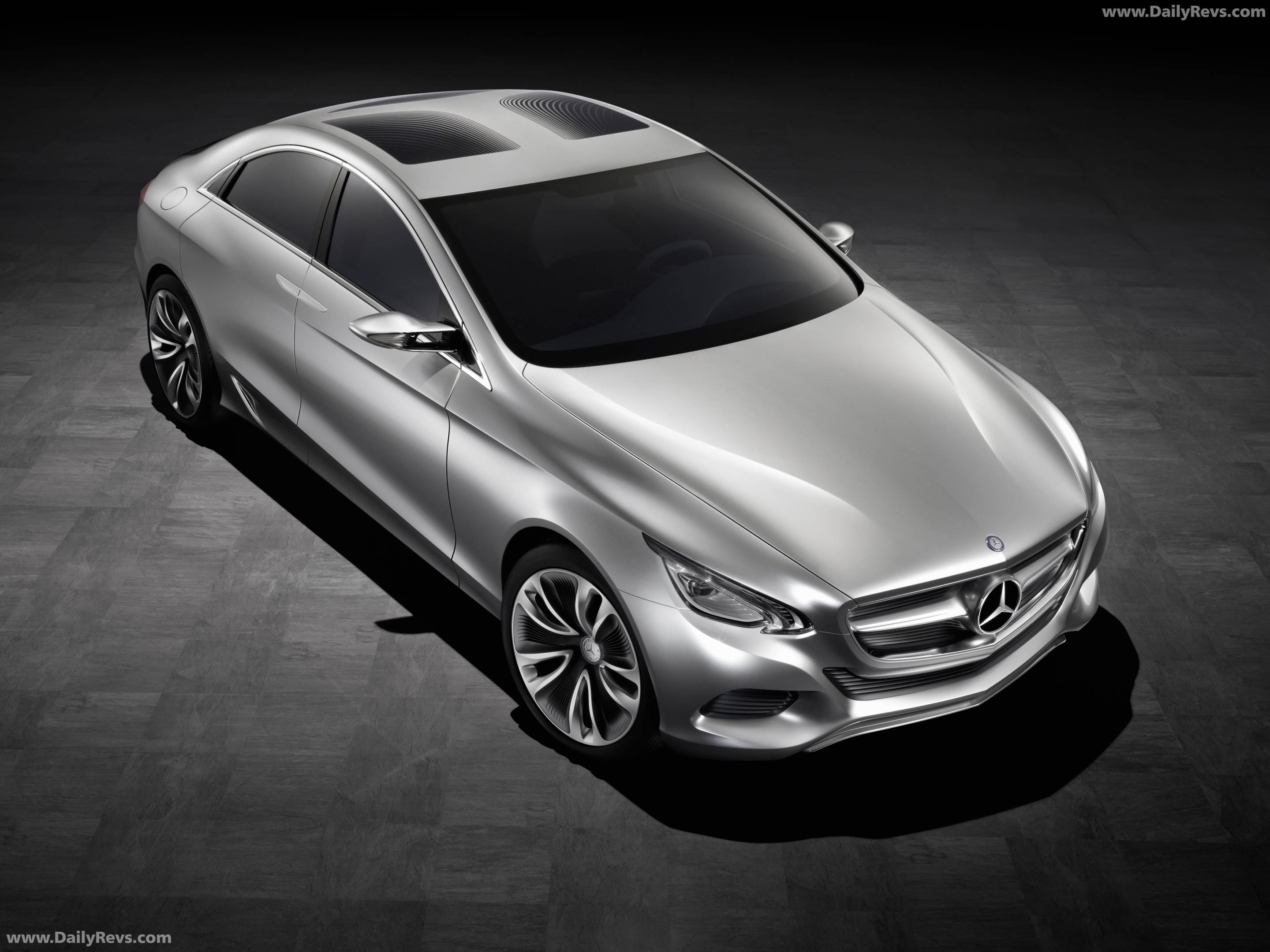
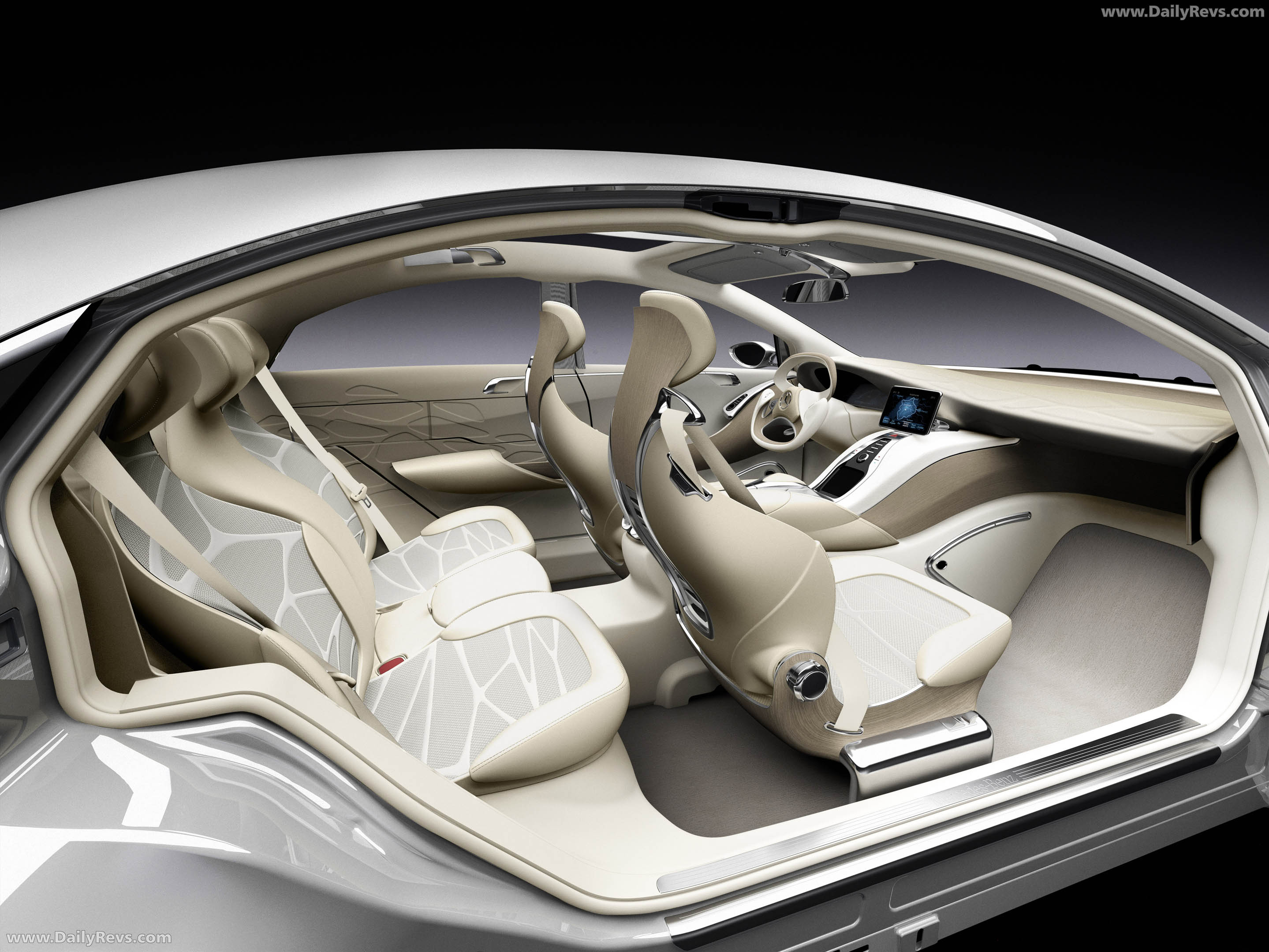
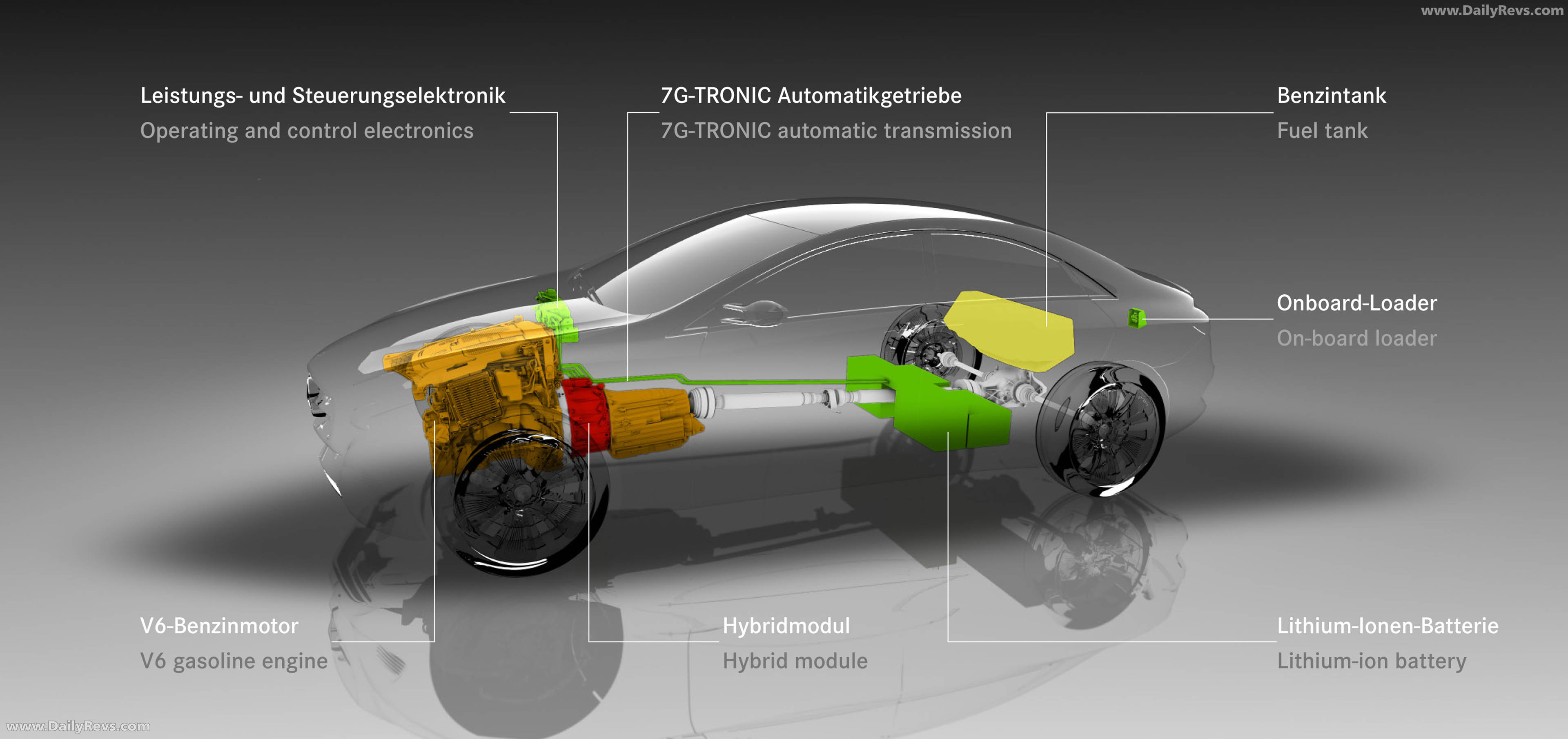
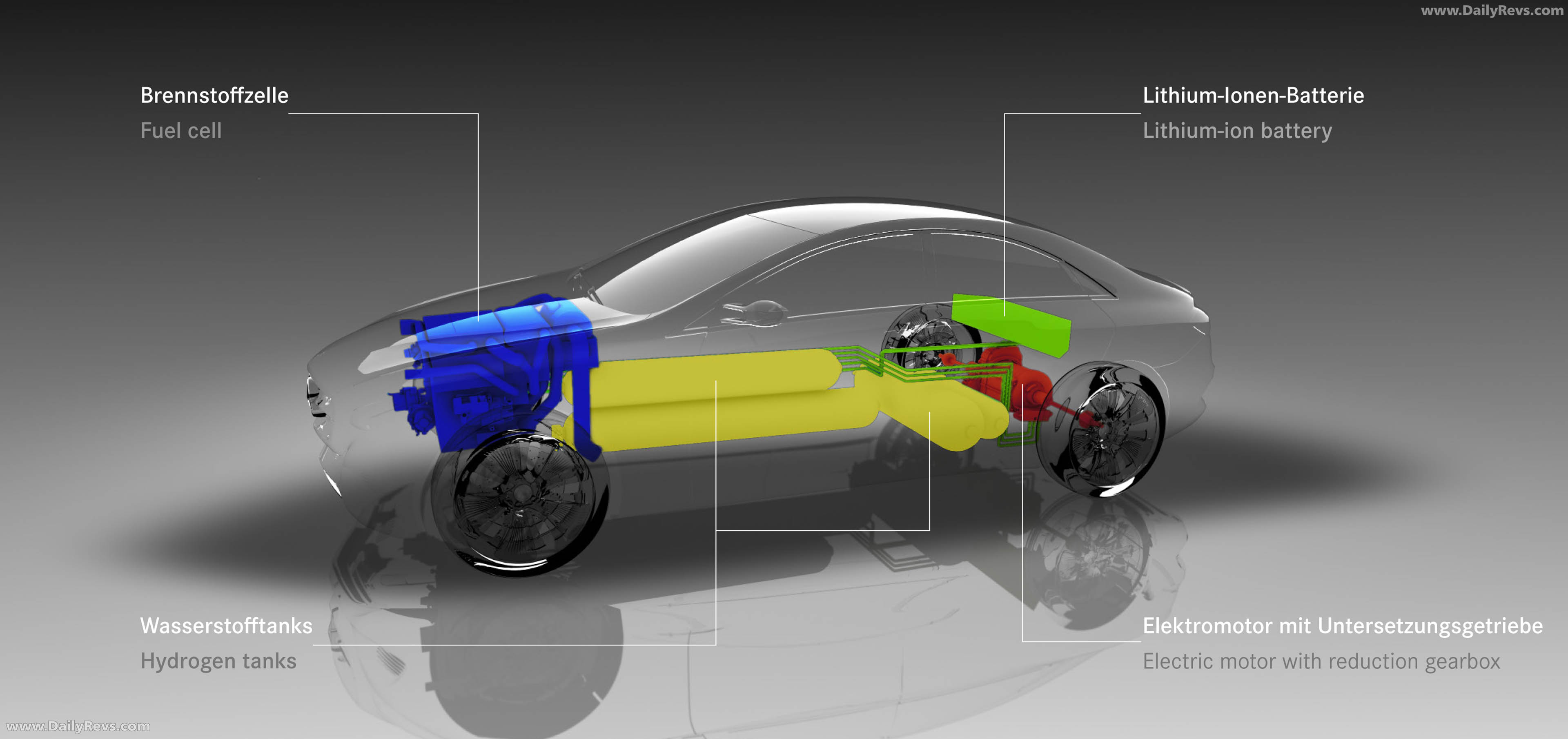
Measuring 4.75 metres long, the F800 Style combined the proportions of a large executive sedan with an unusually spacious five-seat cabin. Much of that was made possible by an entirely new multi-drive architecture, developed to support either a plug-in hybrid or a hydrogen fuel-cell drivetrain without sacrificing interior space.
A Coupe Inspired Sedan With Practical Thinking
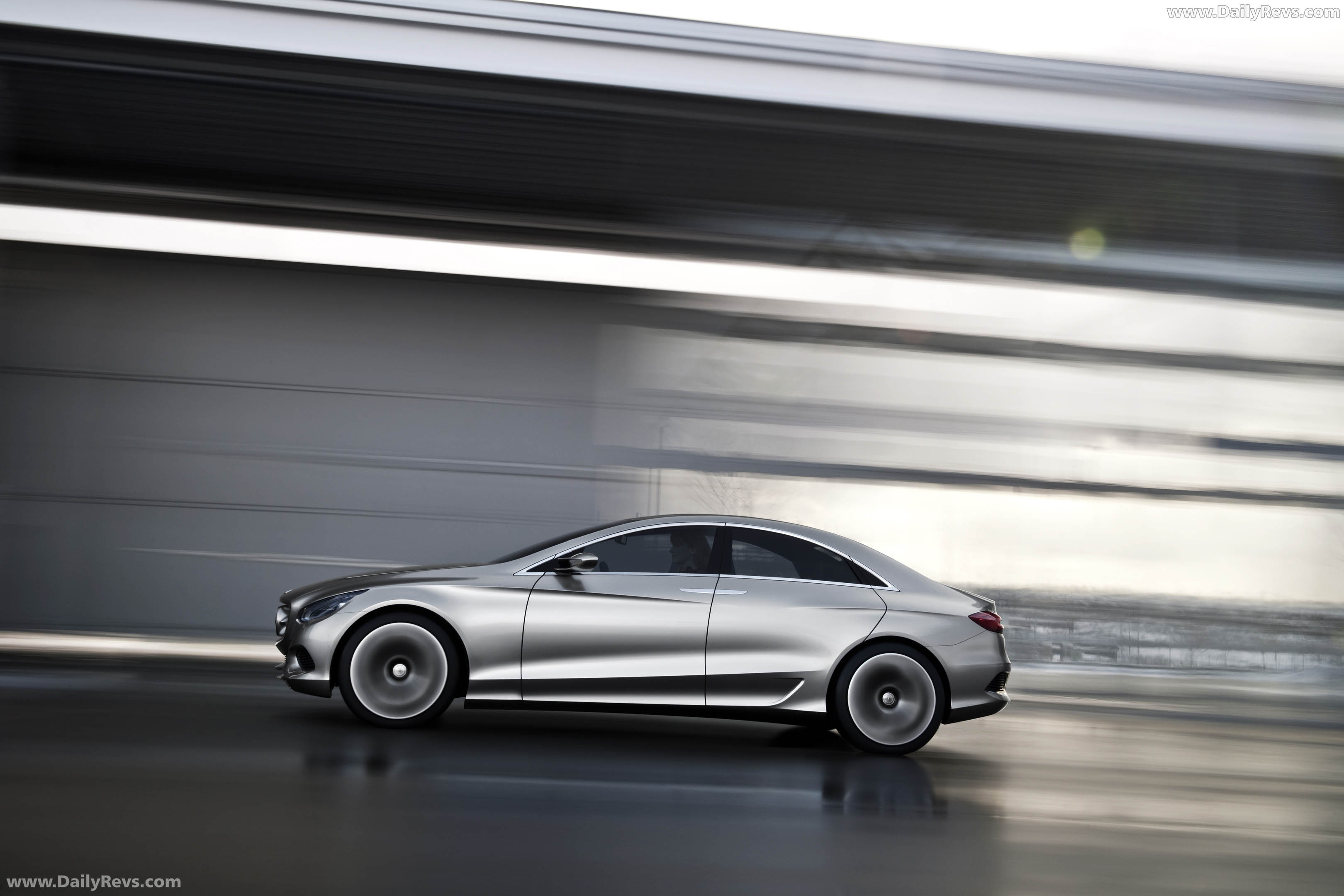
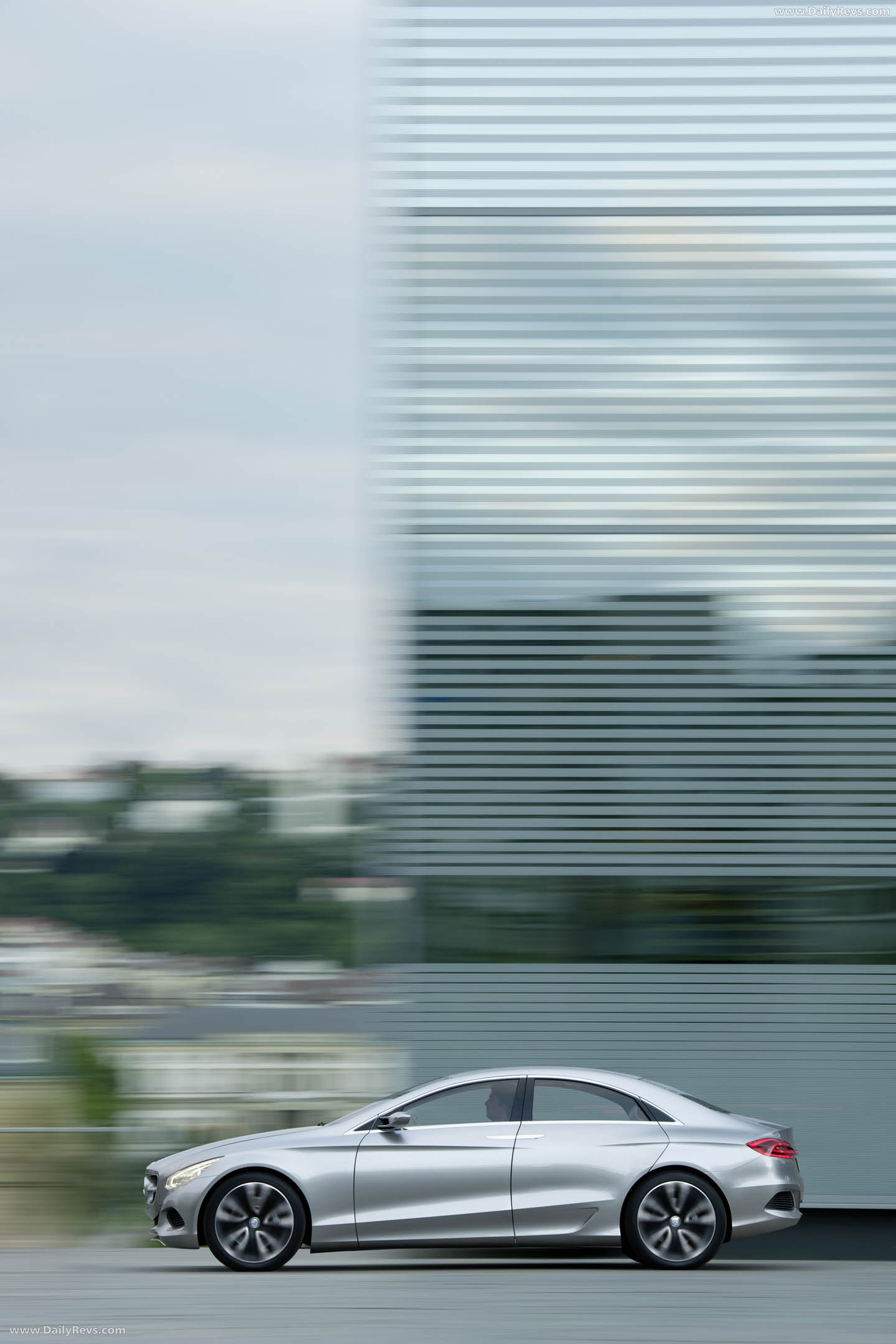
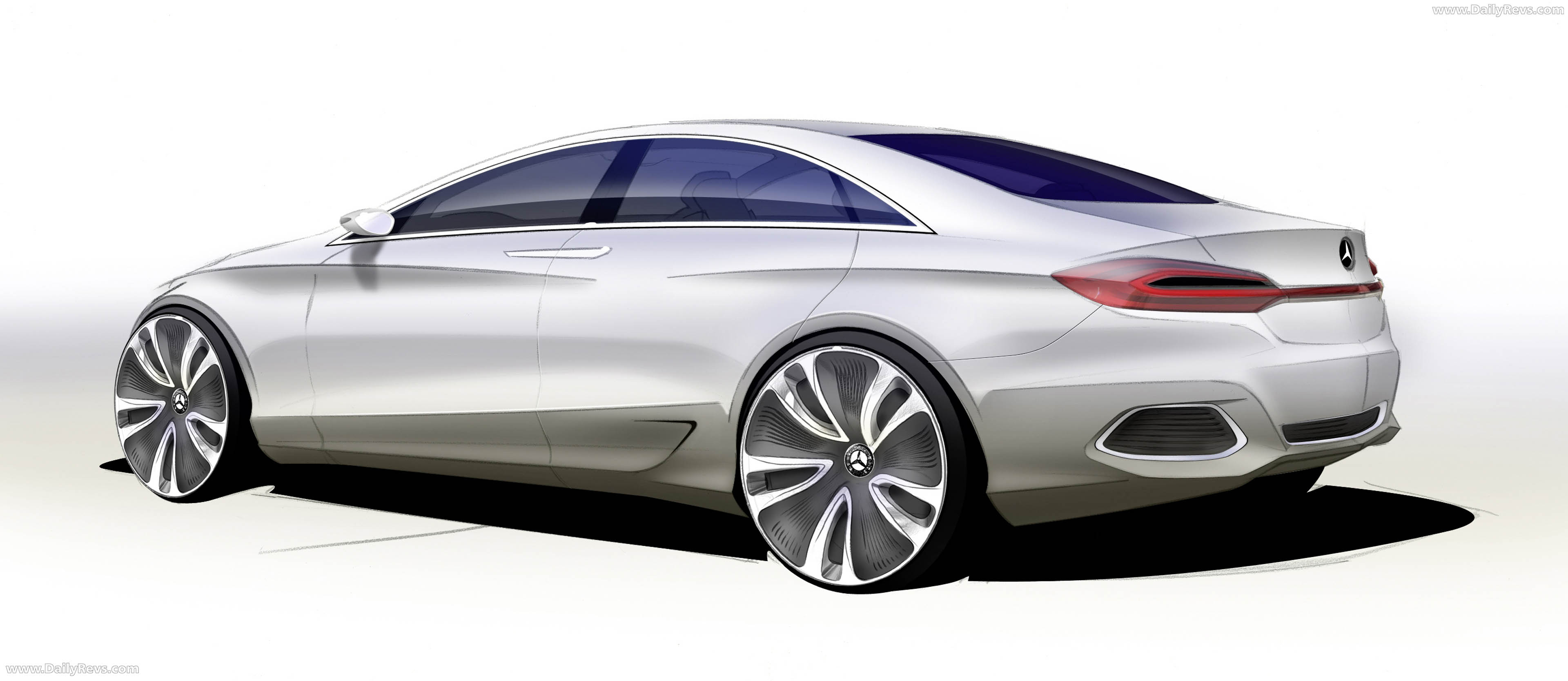
Even by today's standards, the F800 Style still looks remarkably modern.
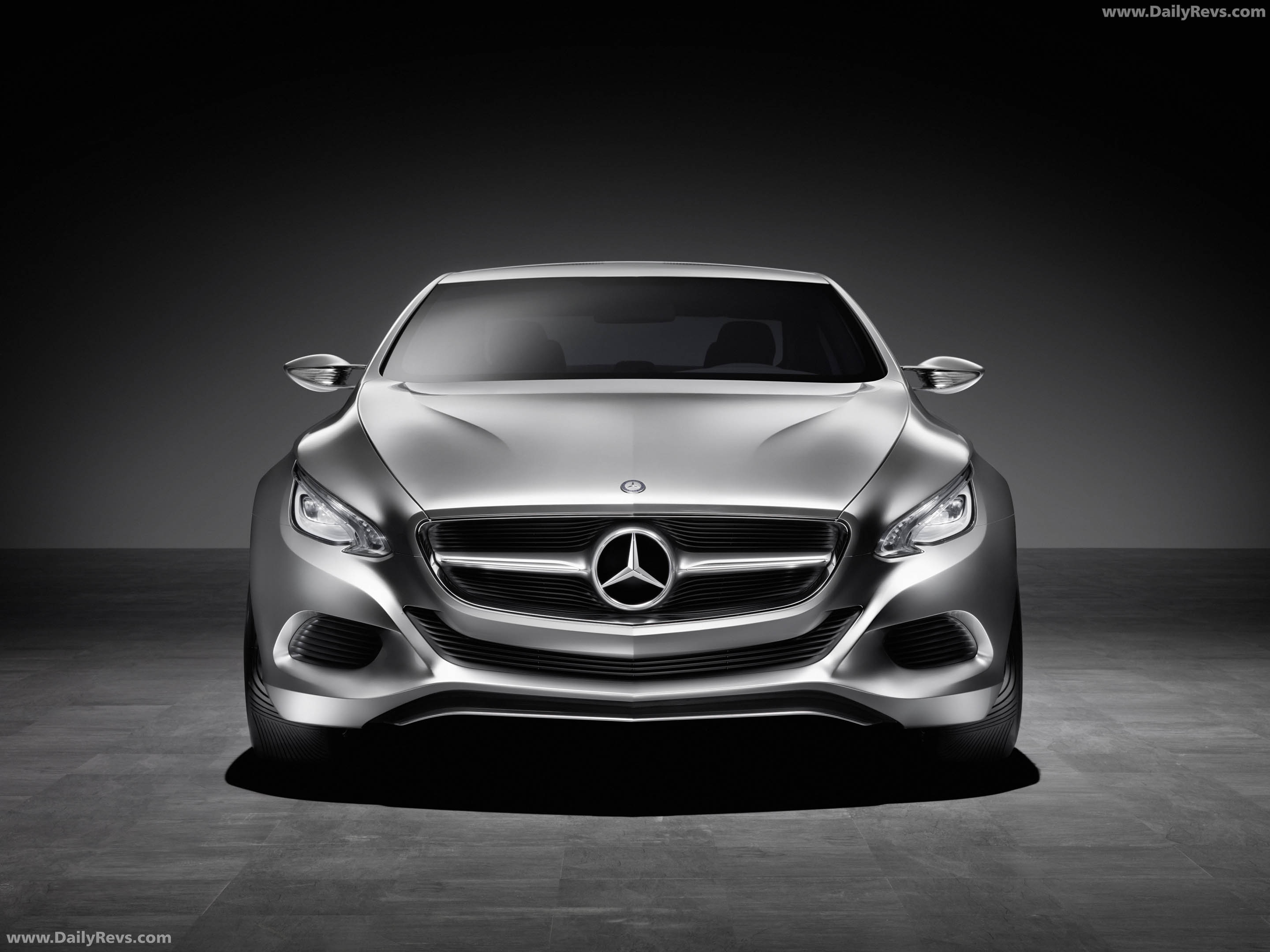
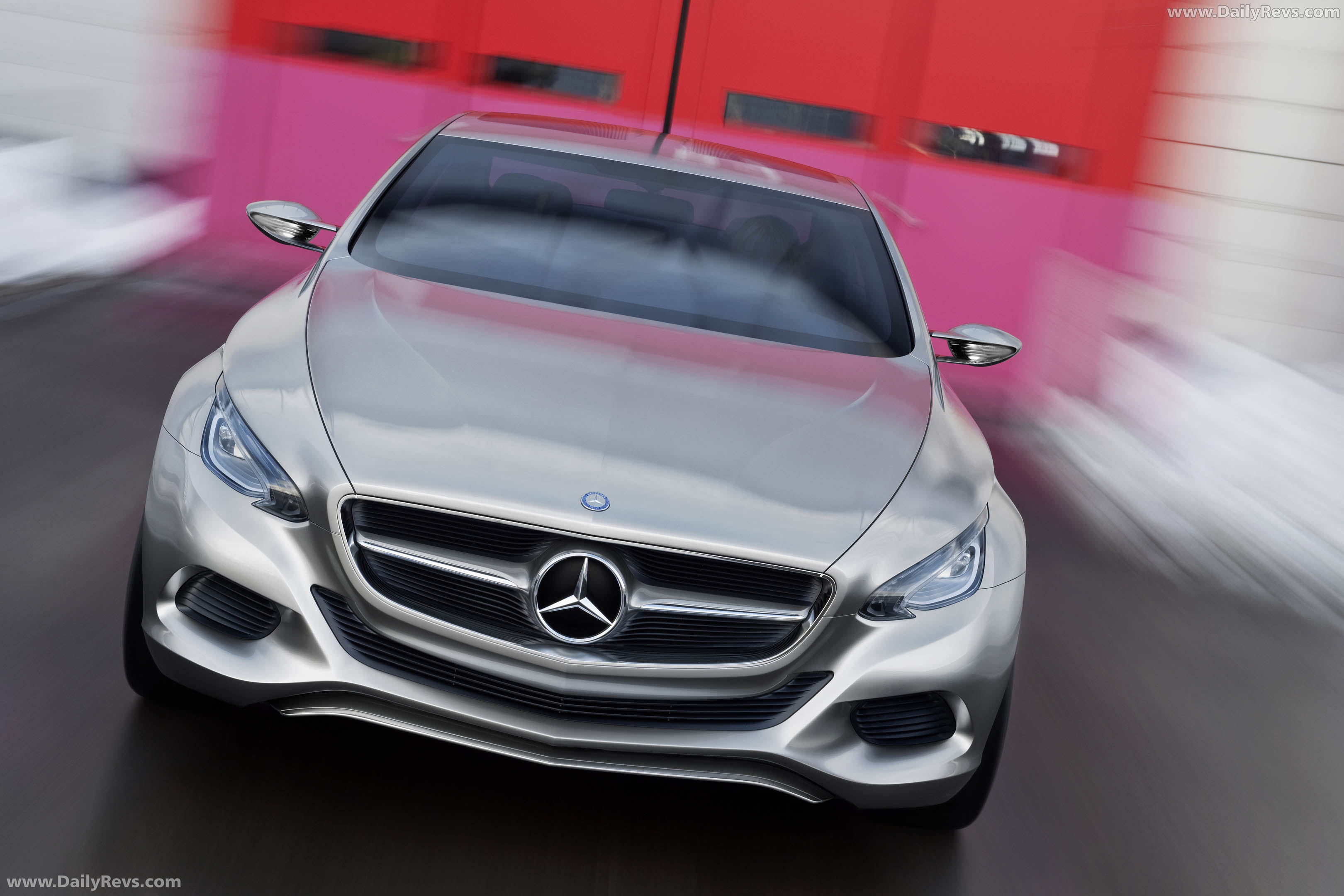
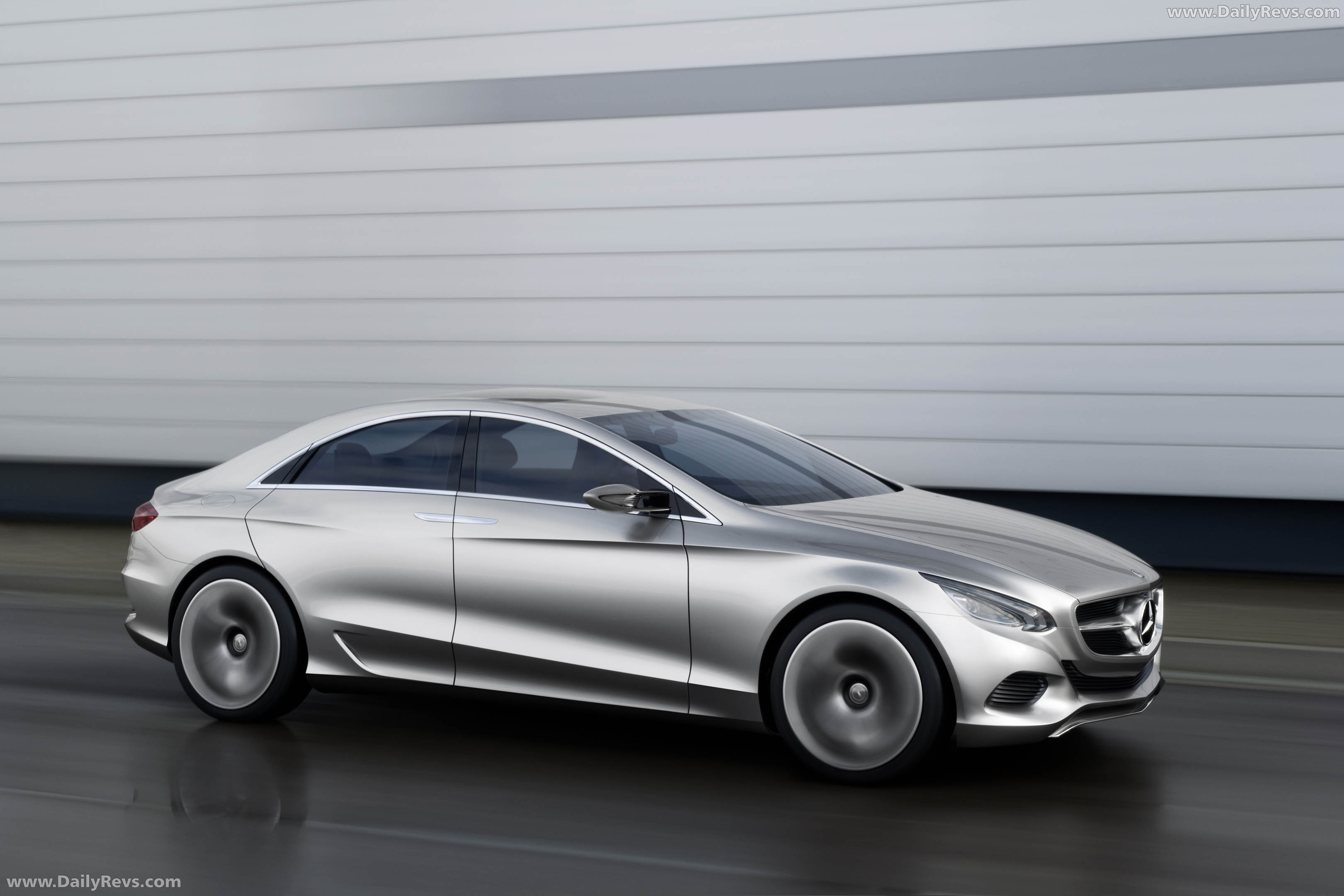
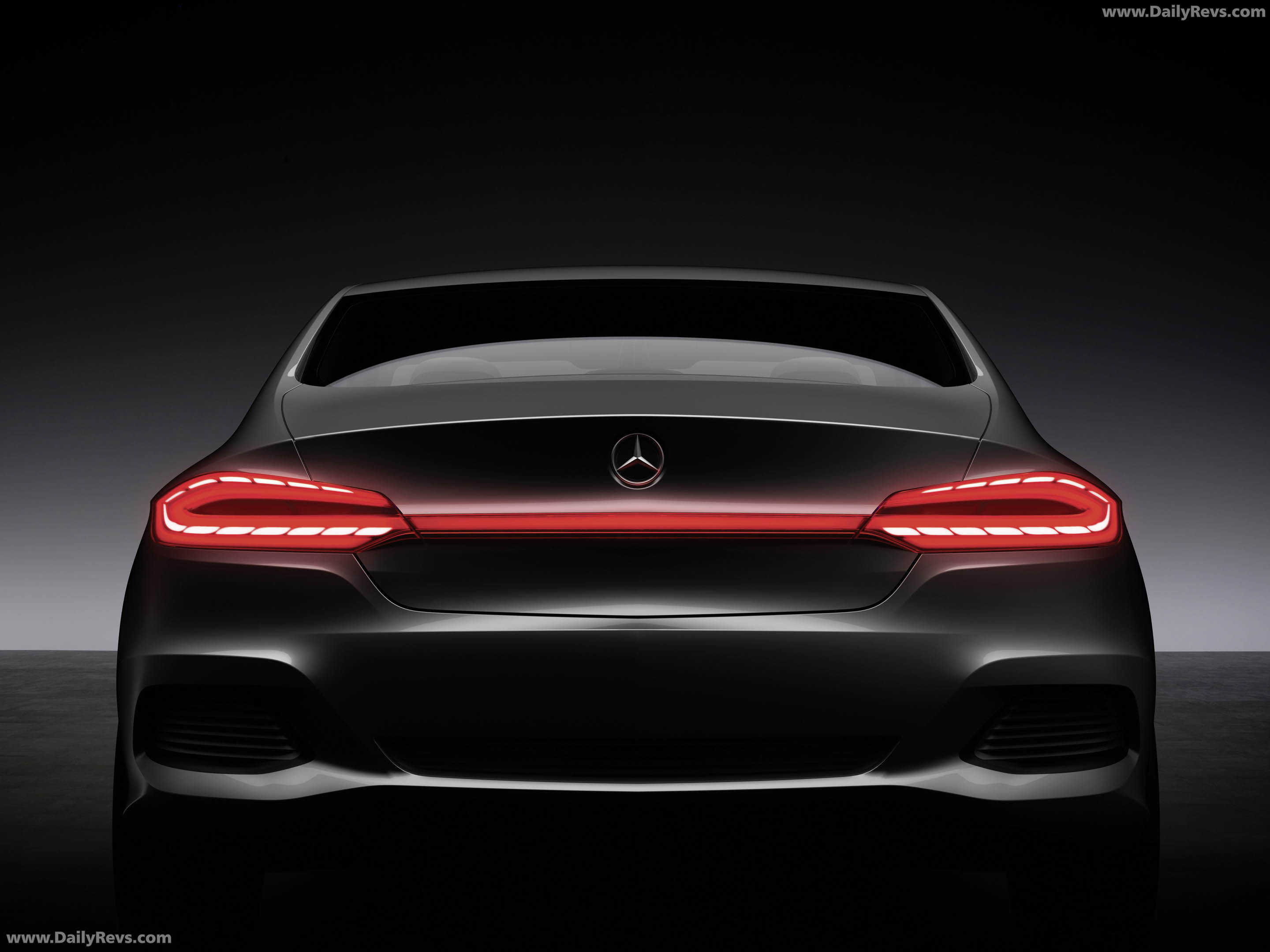
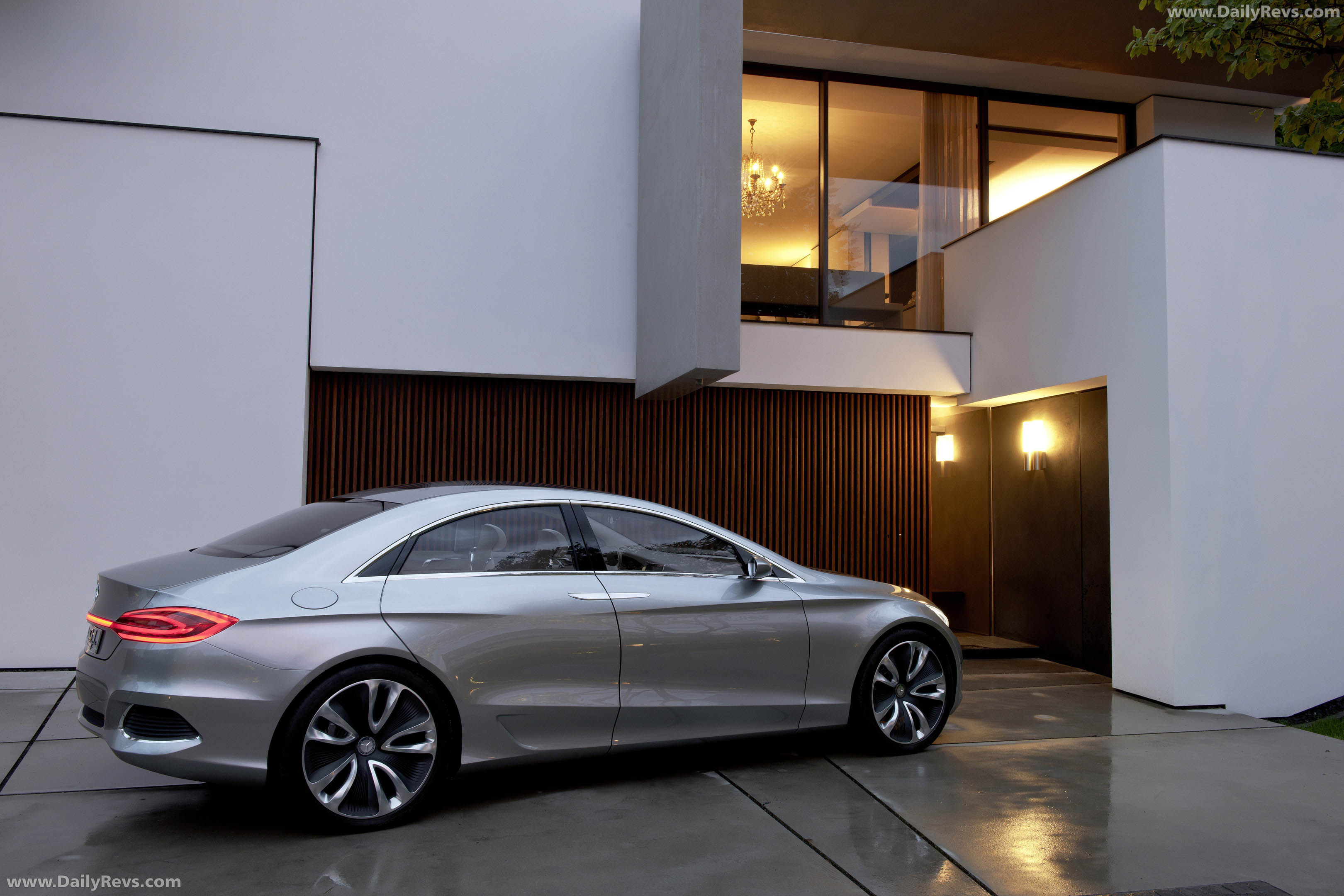
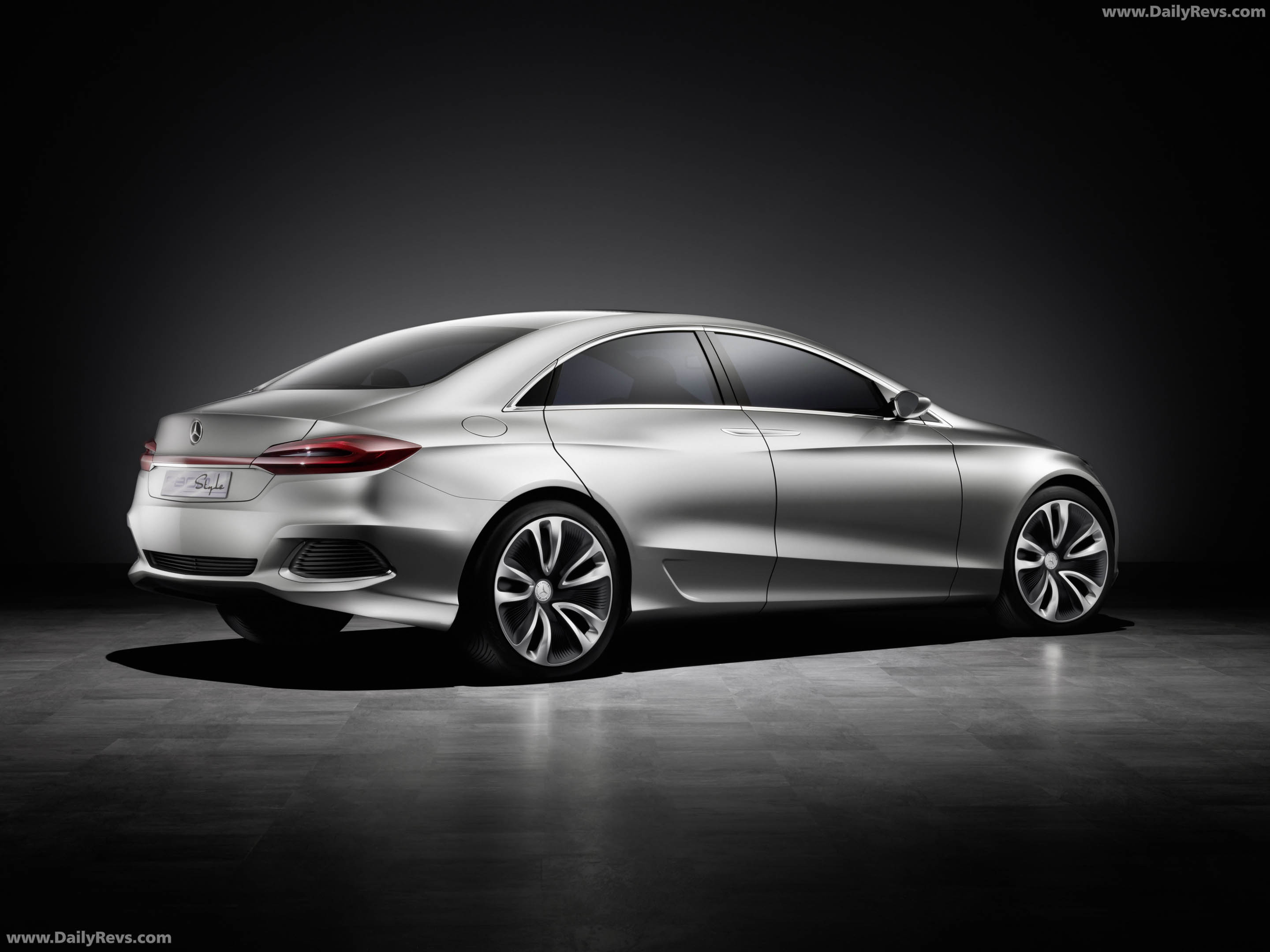
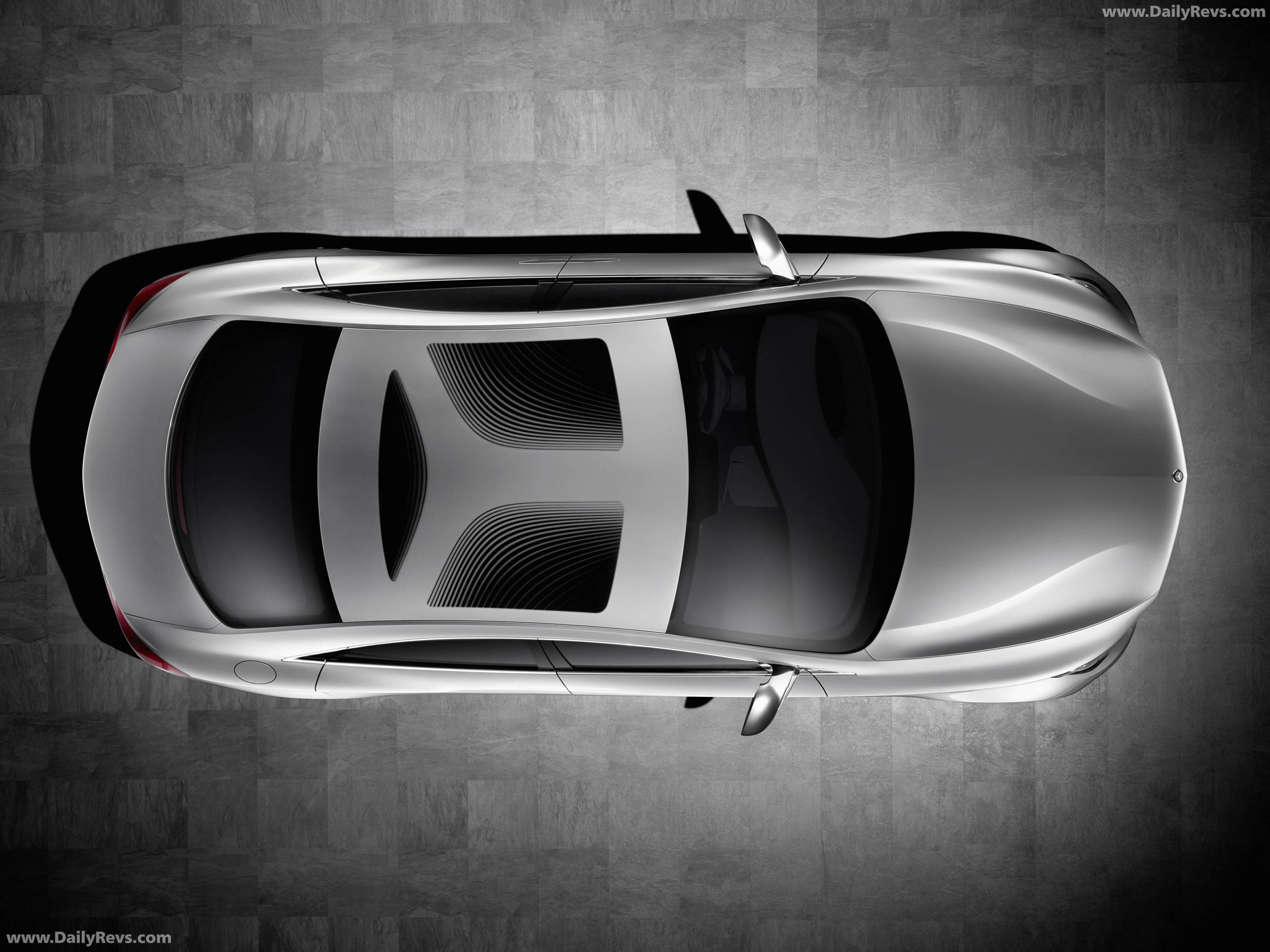
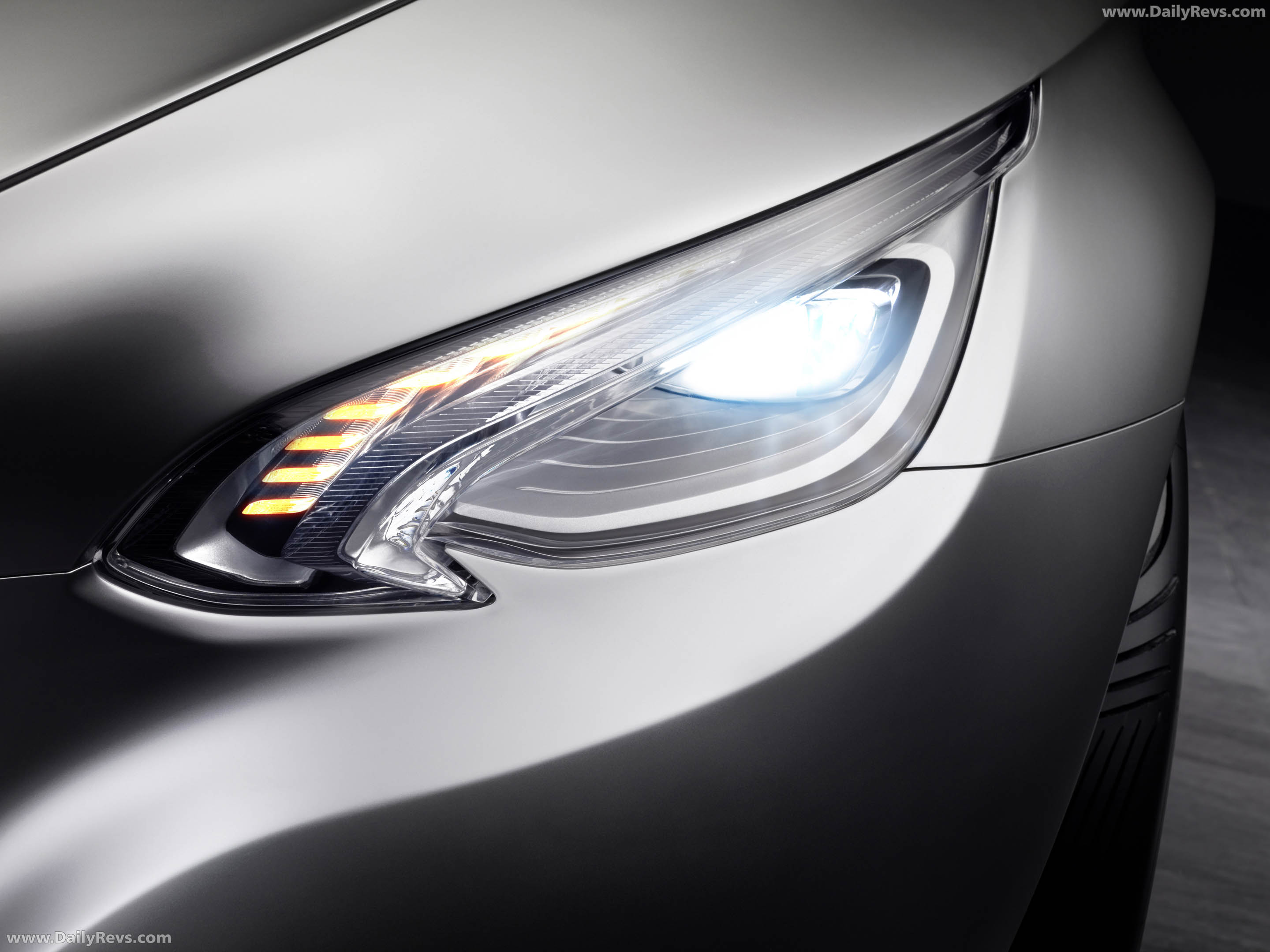
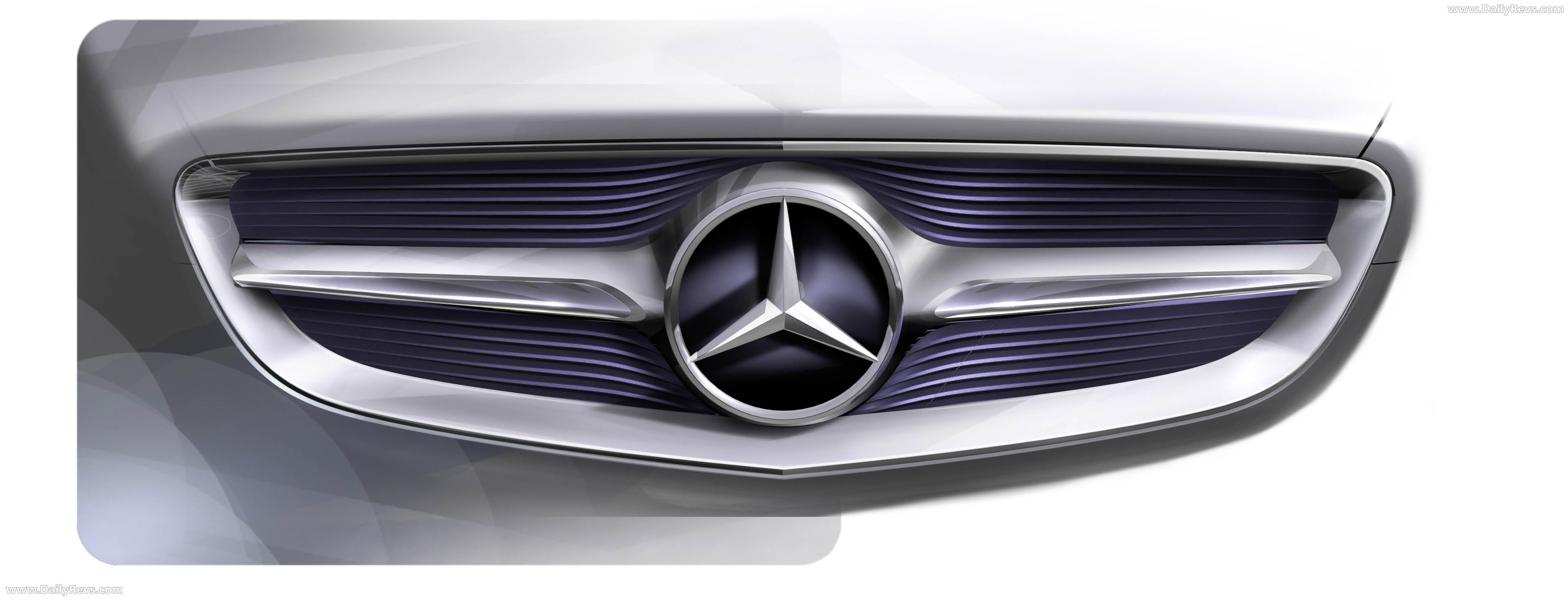
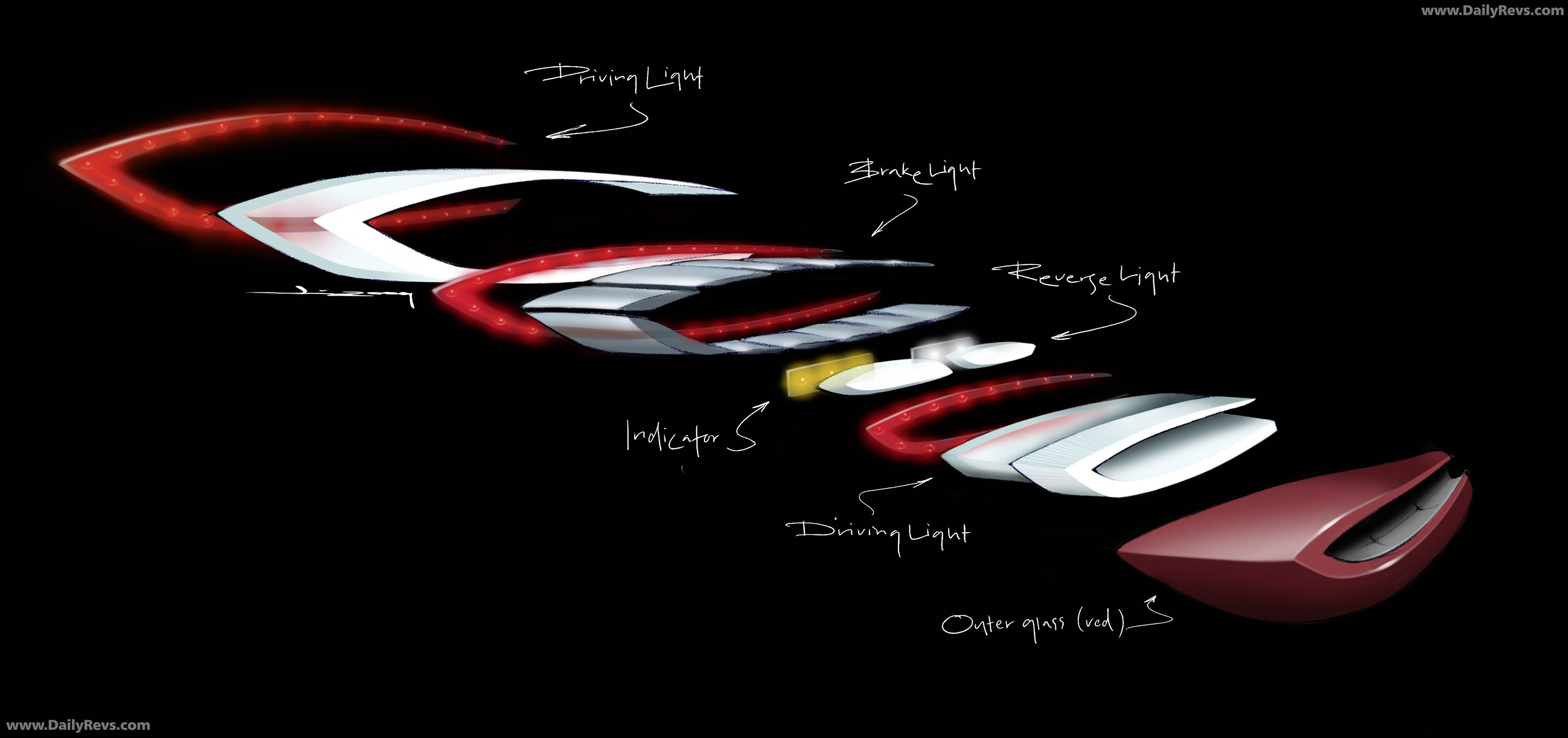
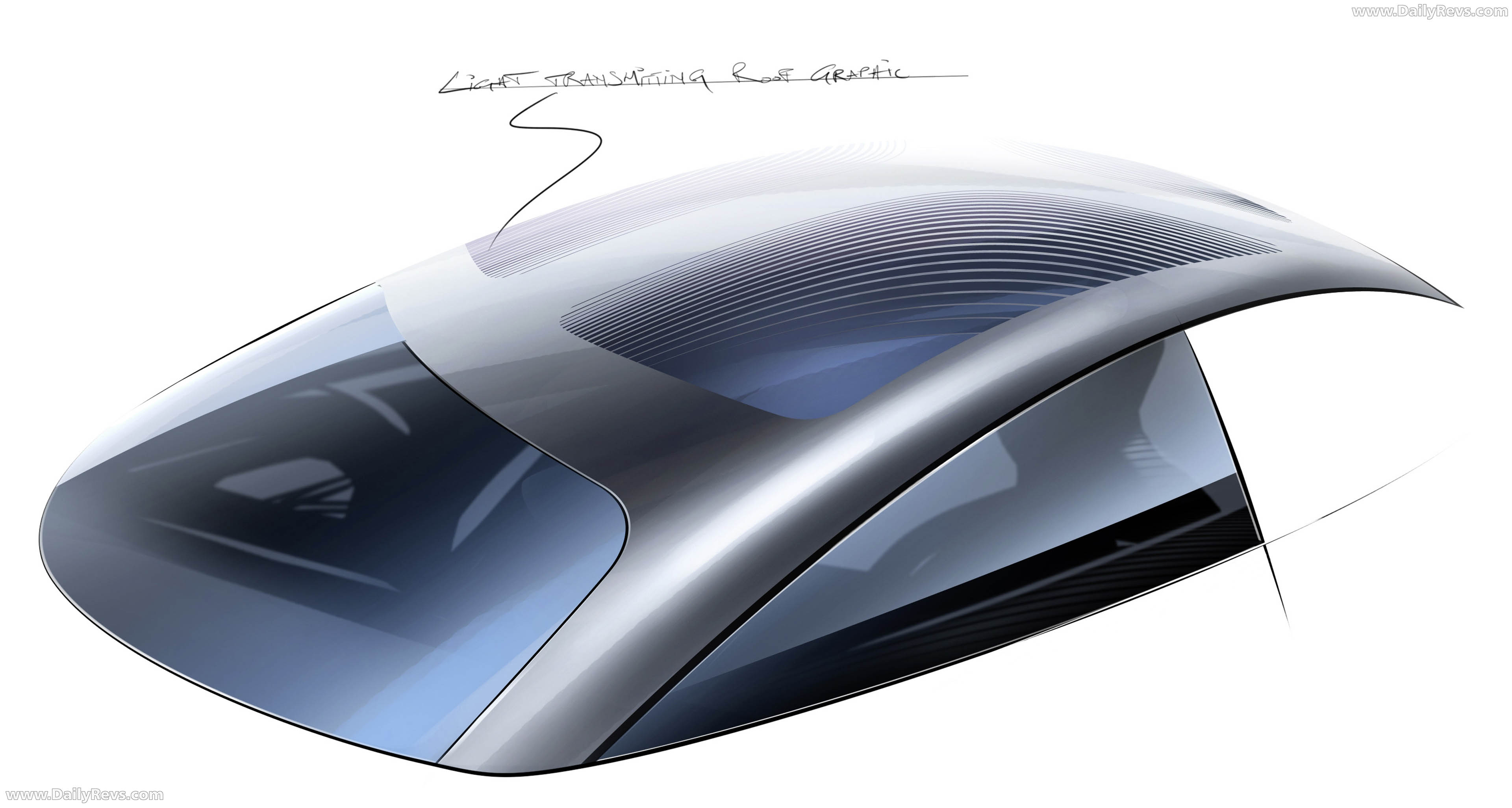
Its long wheelbase, short overhangs and flowing coupe-like roofline established proportions that would later influence several Mercedes-Benz production models. At the front, a wide grille with the large central star sat between distinctive LED headlamps, while slim rear lighting carried the same LED technology. The overall design balanced elegance with athleticism rather than chasing exaggerated concept-car styling.
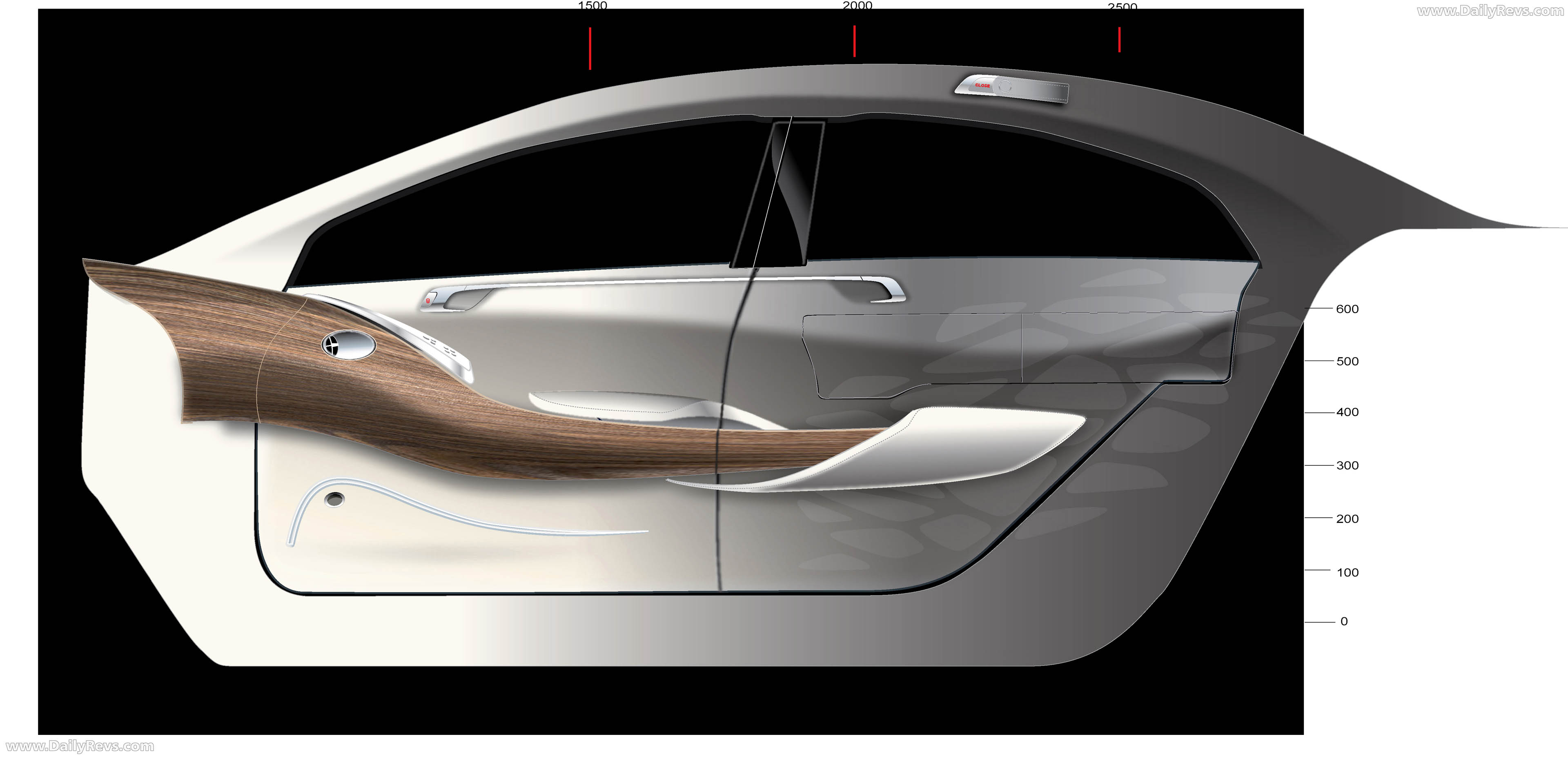
One of the most unusual features appeared along the sides. Conventional front doors were paired with rear sliding doors that glided backwards instead of swinging open. Without a B-pillar, passengers gained a wide, unobstructed opening that made entering and exiting the cabin noticeably easier, especially in confined parking spaces.
A Cabin Focused On Future Interaction
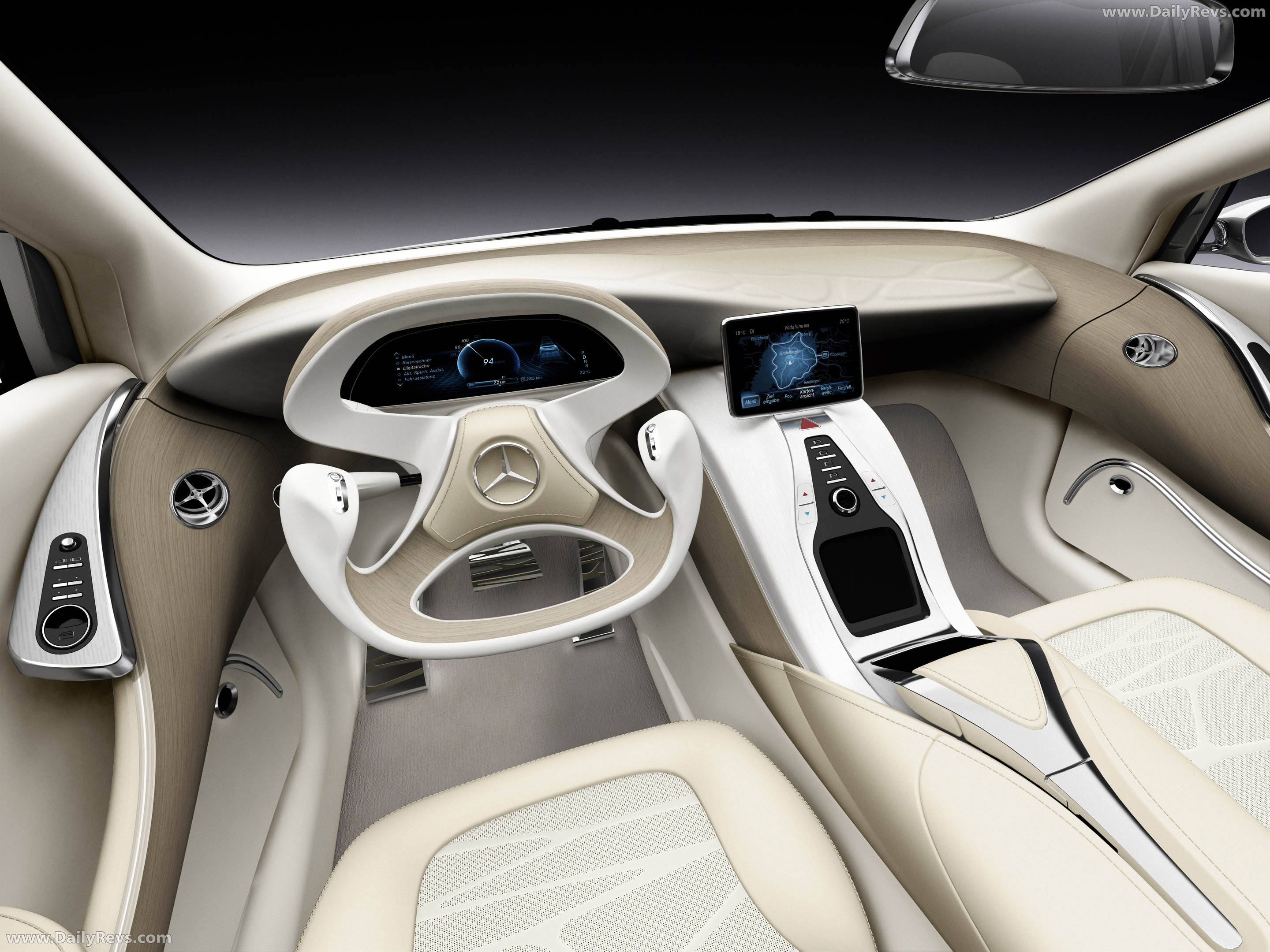
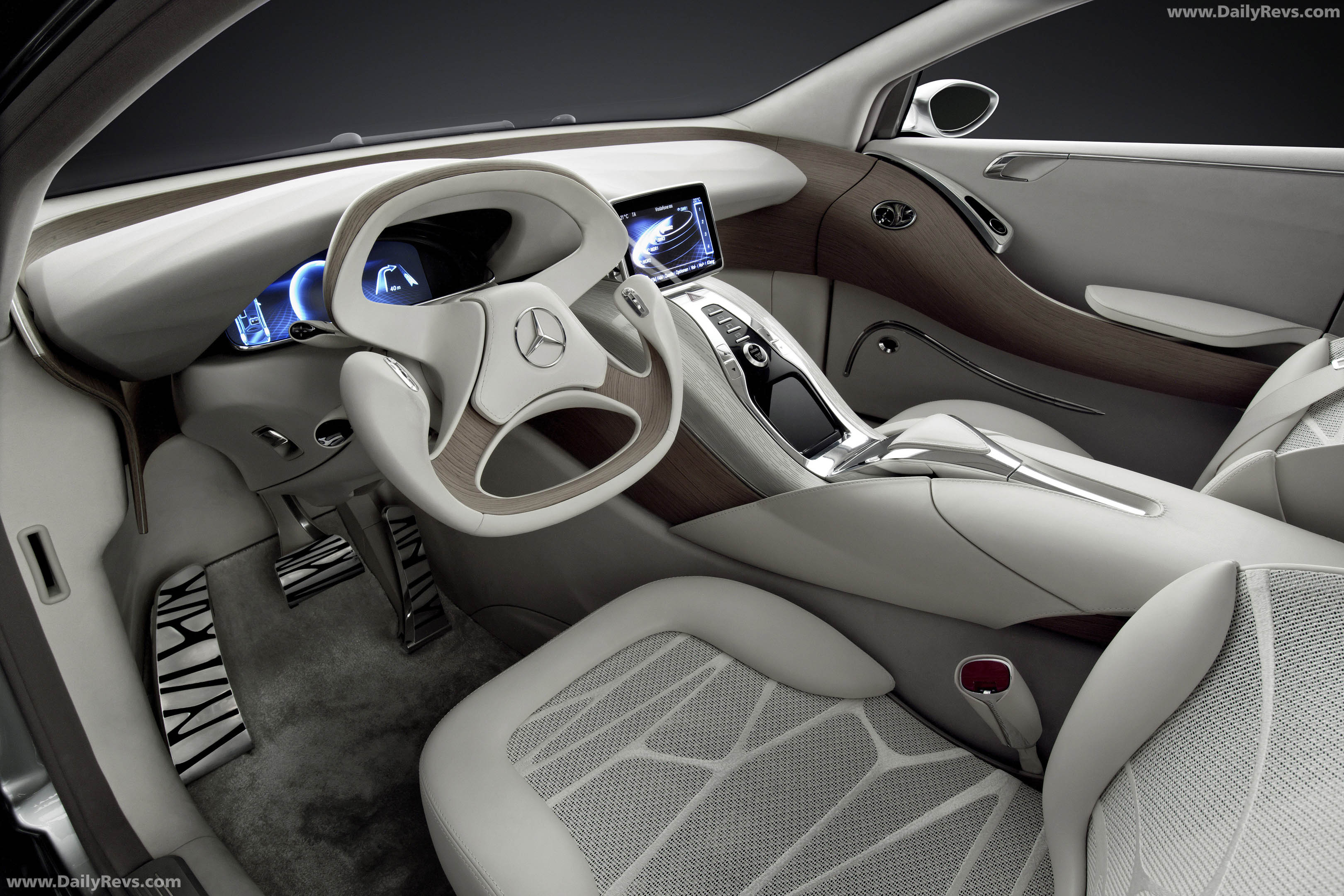
Mercedes-Benz spent just as much effort inside the car.
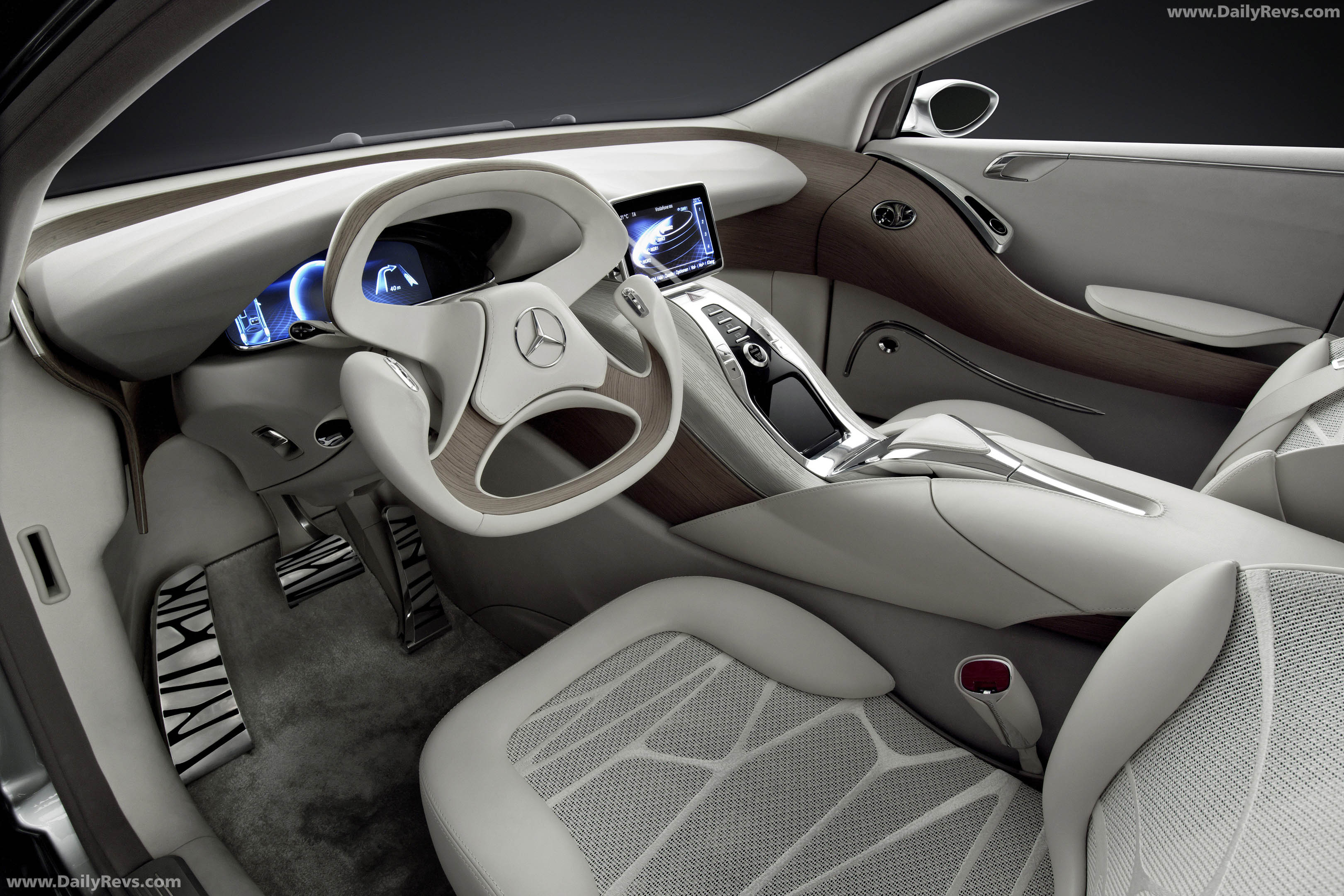
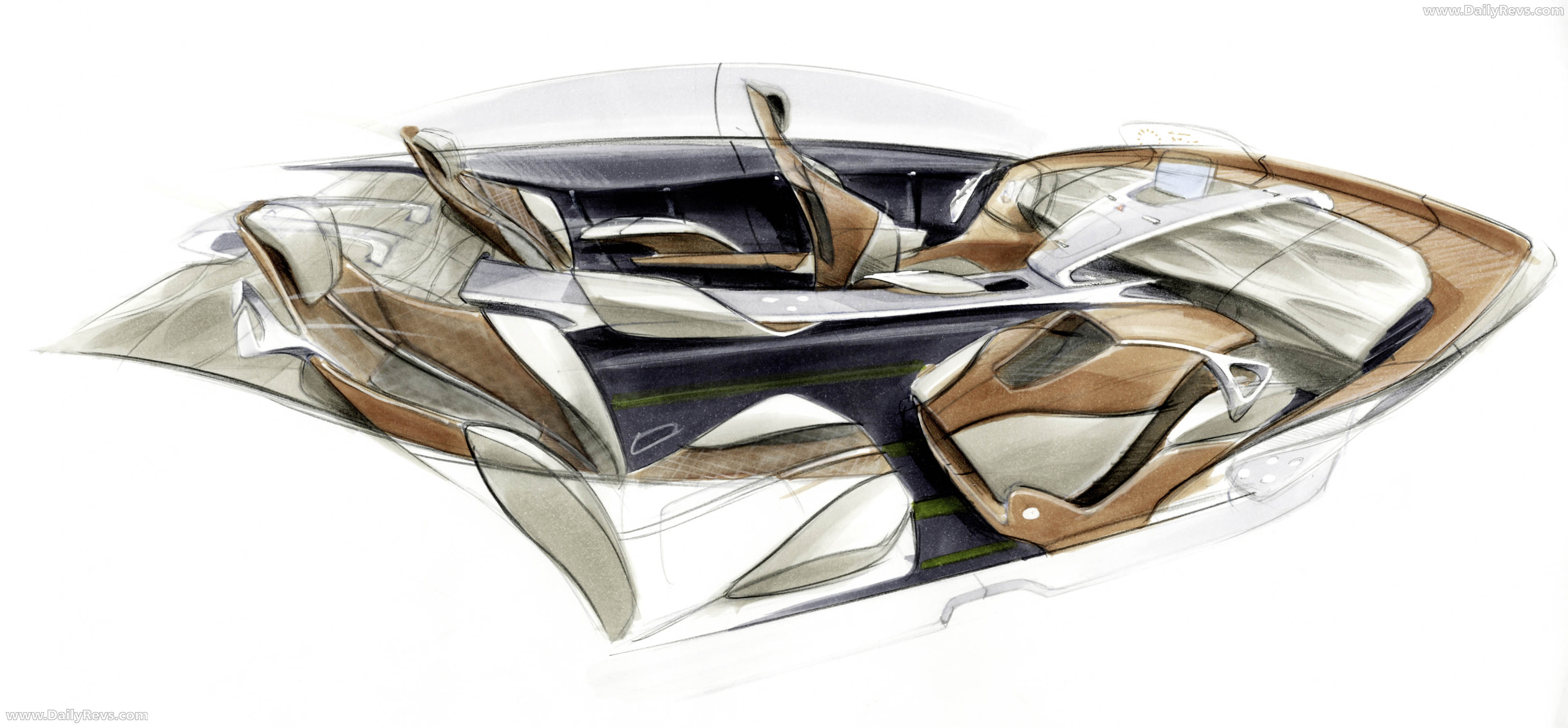
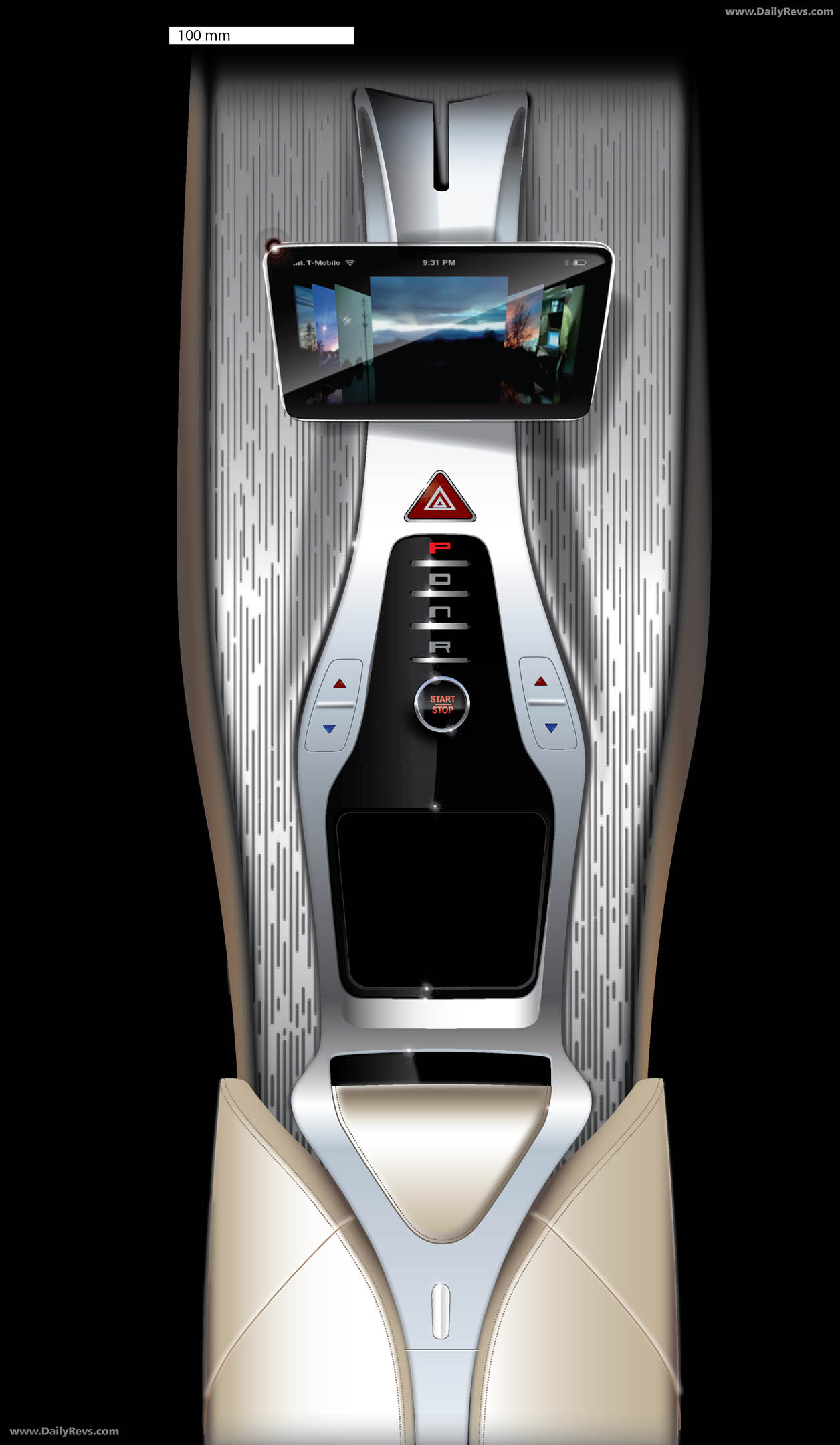
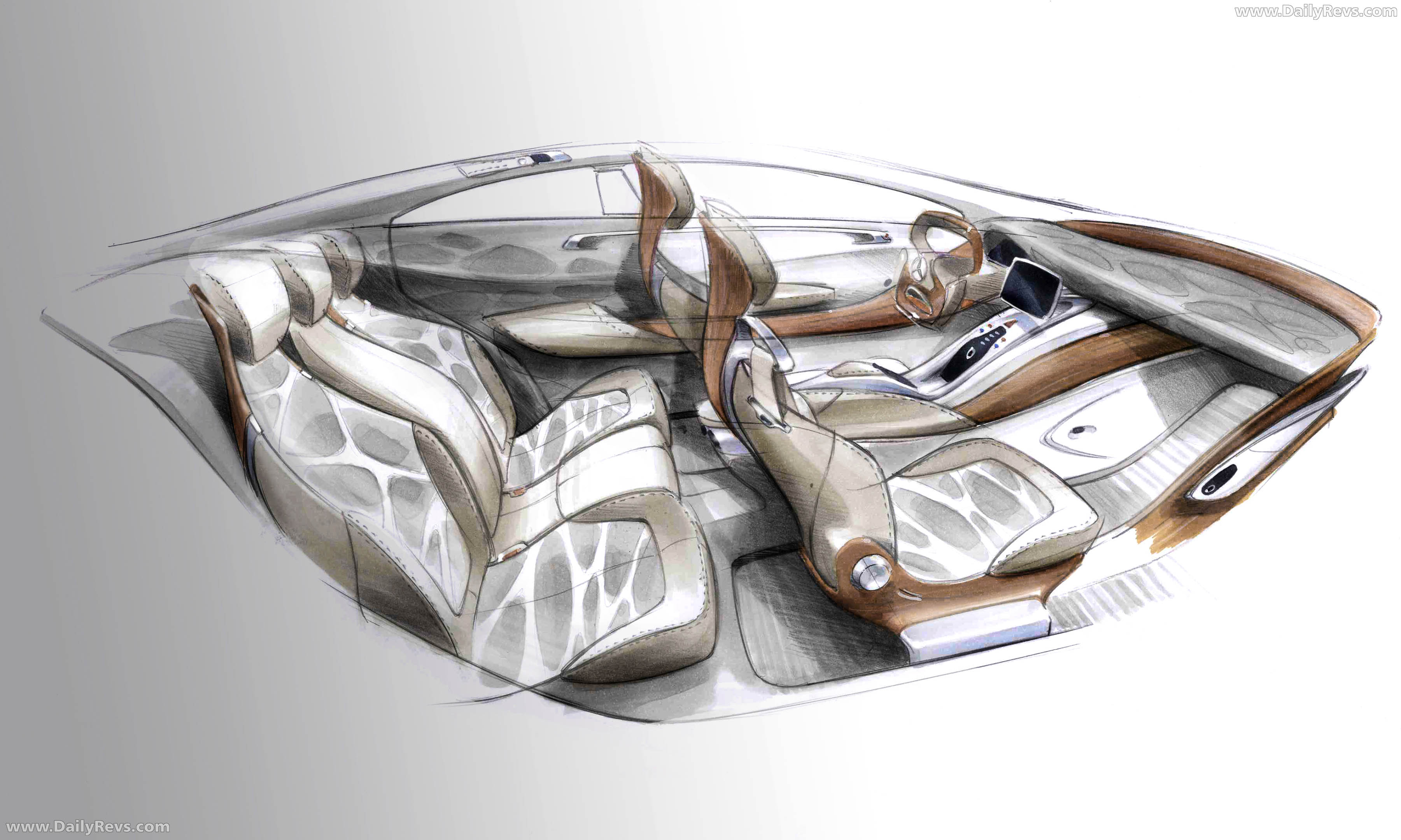
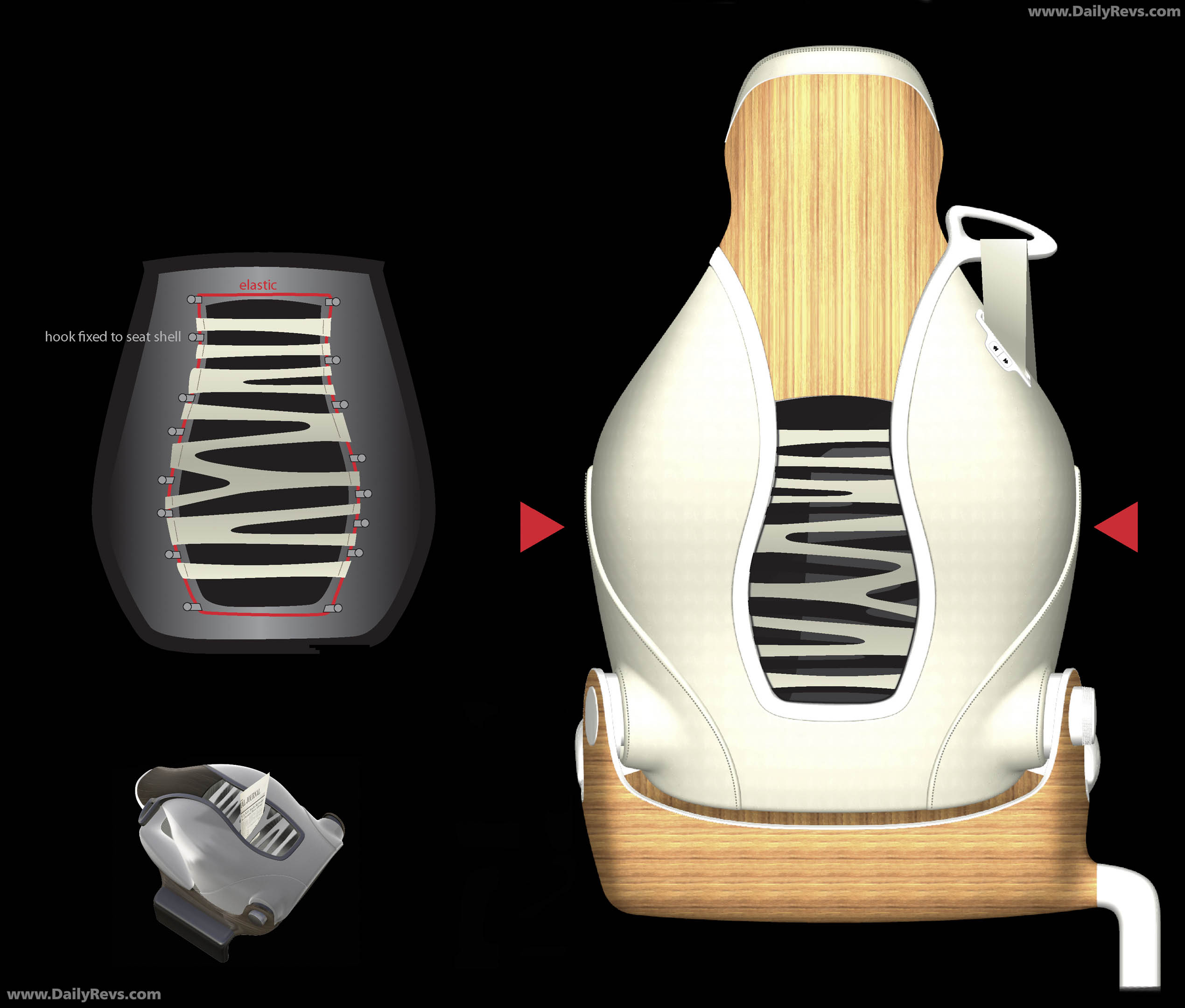
Wood trim, lightweight magnesium-framed seats and generous glass areas created an open atmosphere, but it was the technology that attracted the most attention. The new Cam Touch Pad projected a live image of the driver's hand onto the central display, allowing menus to be controlled with gestures while reducing the need to reach for the screen. The system recognised swiping, rotating and zooming movements, and was designed to minimise distraction while driving.
Another feature, called Range on Map, displayed the vehicle's available electric driving radius directly on the navigation map, an idea that has since become common in modern electric vehicles.
Two Alternative Powertrains
Mercedes-Benz engineered the concept around two very different electrified drivetrains.
The plug-in hybrid paired a 272 PS V6 petrol engine with an 80 kW electric motor, delivering up to 30 kilometres of electric driving while producing certified emissions of 68 g/km of CO₂. Performance remained impressive, with 0–100 km/h in 4.8 seconds and a top speed of 250 km/h.
The second version replaced the combustion engine with a hydrogen fuel-cell system. Producing around 136 PS and 290 Nm, it offered an estimated driving range approaching 600 kilometres, emitting only water vapour from the tailpipe.
A Preview Of Mercedes Technology
Beyond its powertrains, the 2010 Mercedes-Benz F800 Style Concept introduced several technologies that foreshadowed later Mercedes-Benz production models. Traffic Jam Assist could automatically steer and control speed in slow-moving traffic, while PRE-SAFE 360° expanded occupant protection by monitoring traffic approaching from behind before a collision. Looking back more than a decade later, the concept stands as one of Mercedes-Benz's clearest demonstrations of how advanced research can evolve into everyday automotive technology.