

2010 Ferrari 599XX
By Lorenzo Bianchi November 7, 2010
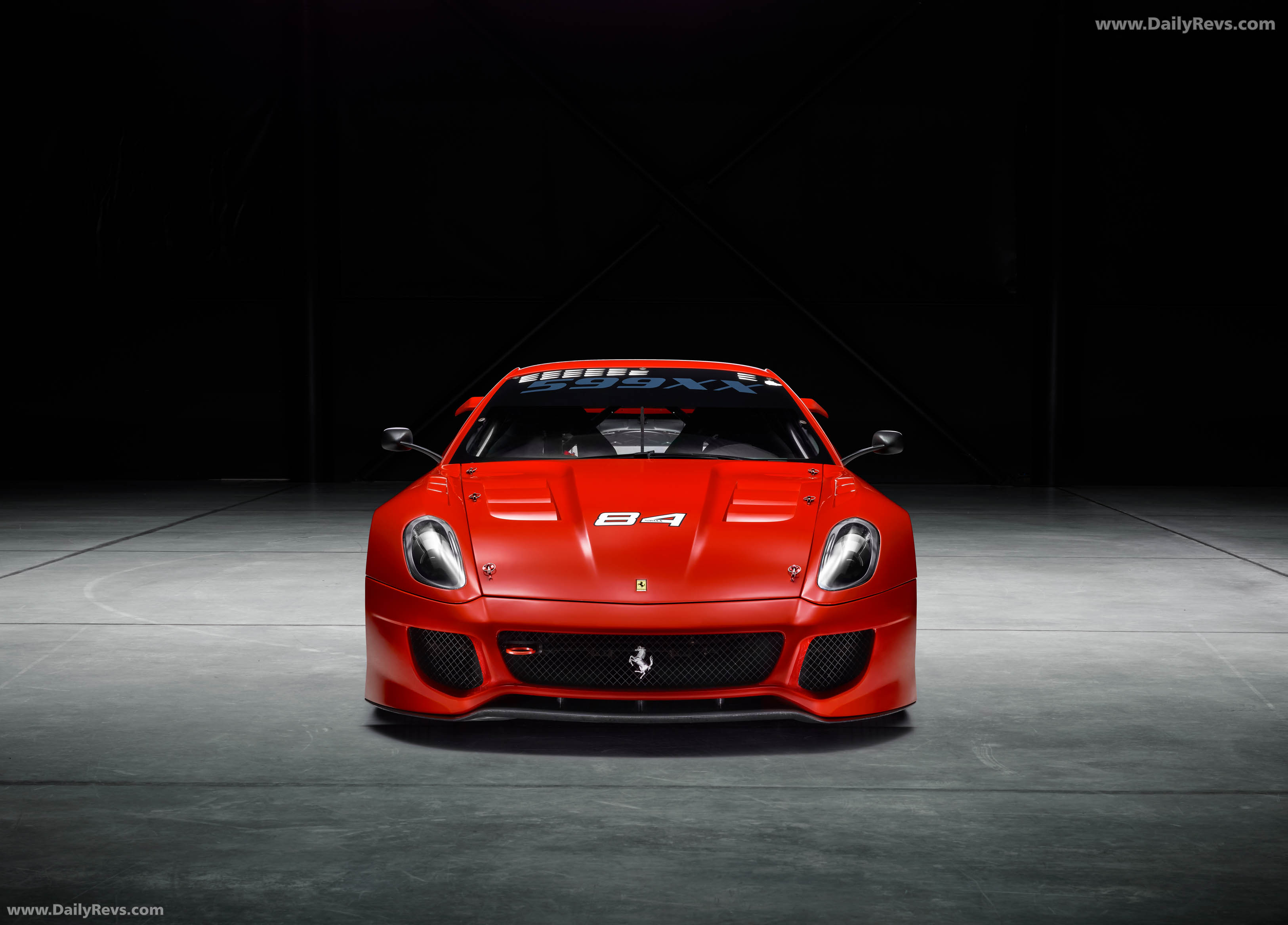
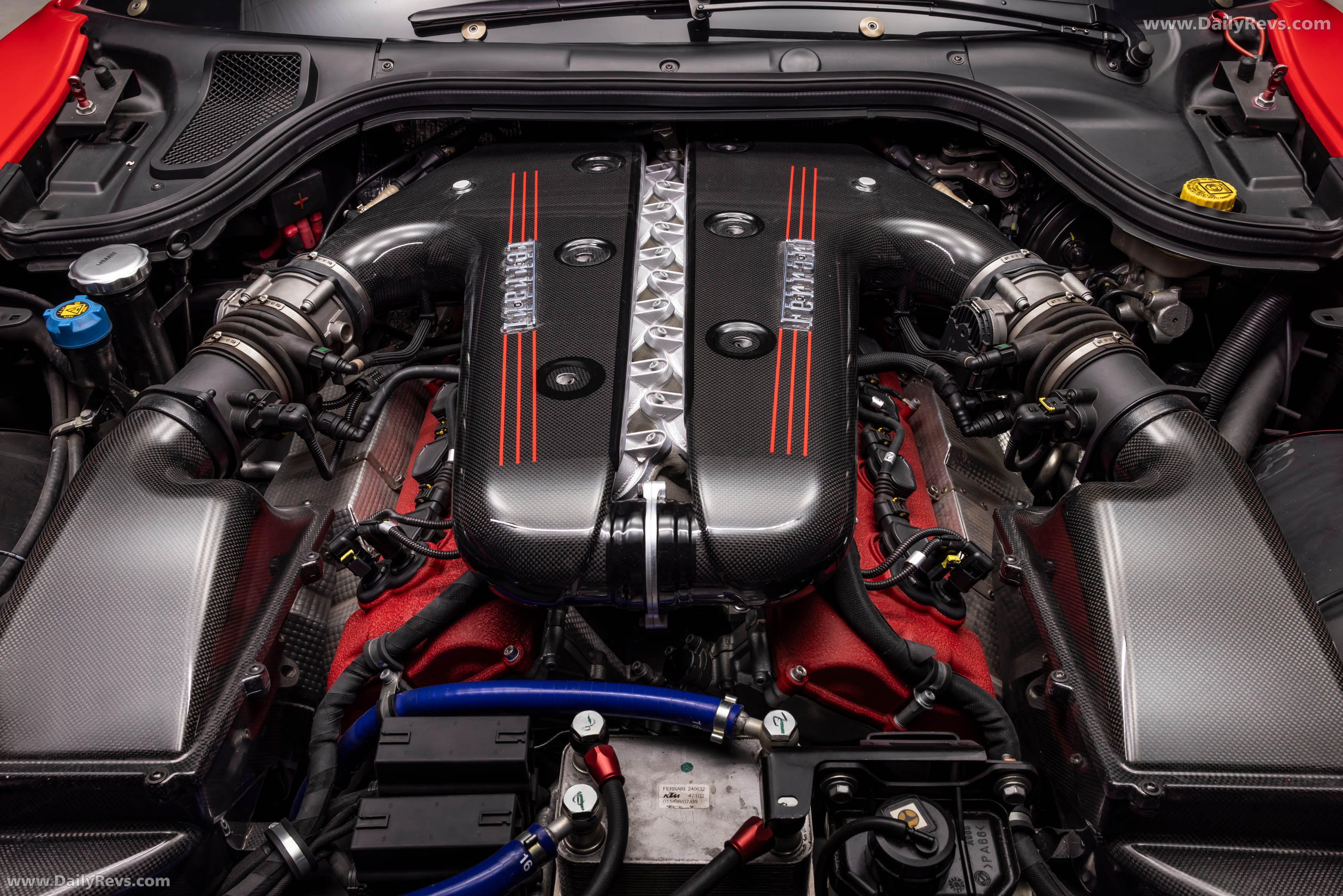
The 2010 Ferrari 599XX featured a 730 hp front-mounted V12.
Introduced Ferrari’s High Performance Dynamic Concept and Actiflow System.
Set a 6:58.16 Nürburgring lap, the first production-derived car under seven minutes.
A Different Kind of Ferrari Experiment
When Ferrari unveiled the 599XX in 2010, it wasn’t just another evolution of the 599 GTB. It was a technological experiment in motion — the first front-engine model in Ferrari’s XX Programme, an initiative that allowed select clients to experience the brand’s most extreme prototypes under factory supervision.
Born from the 599 GTB Fiorano, the XX was stripped of all road-going compromise. The car was designed exclusively for track use, built not to race competitively but to explore the outer limits of Ferrari’s engineering. Every session, every lap, was an experiment — data collected and relayed back to Maranello for future development.
Design with Function at Its Core
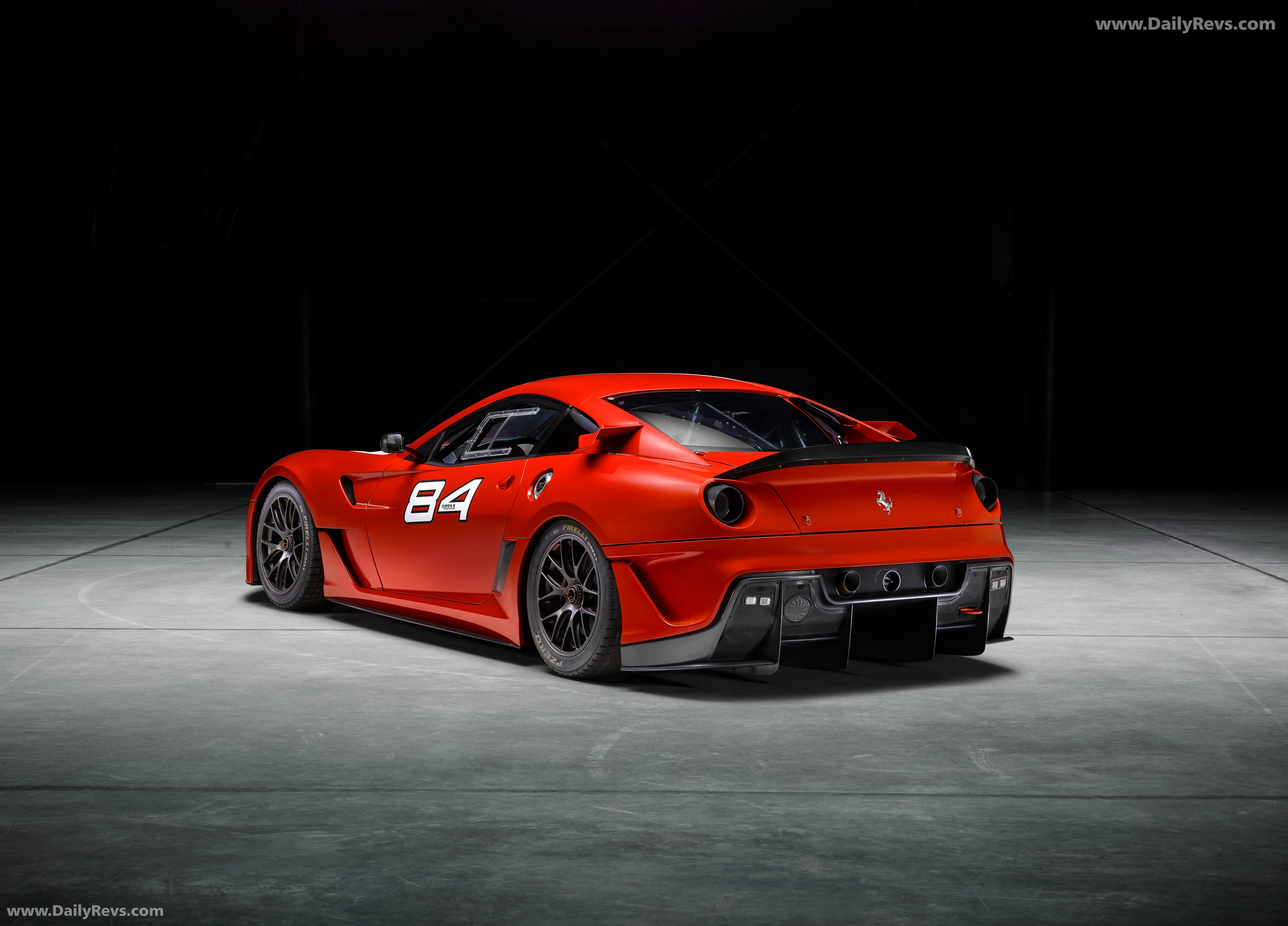
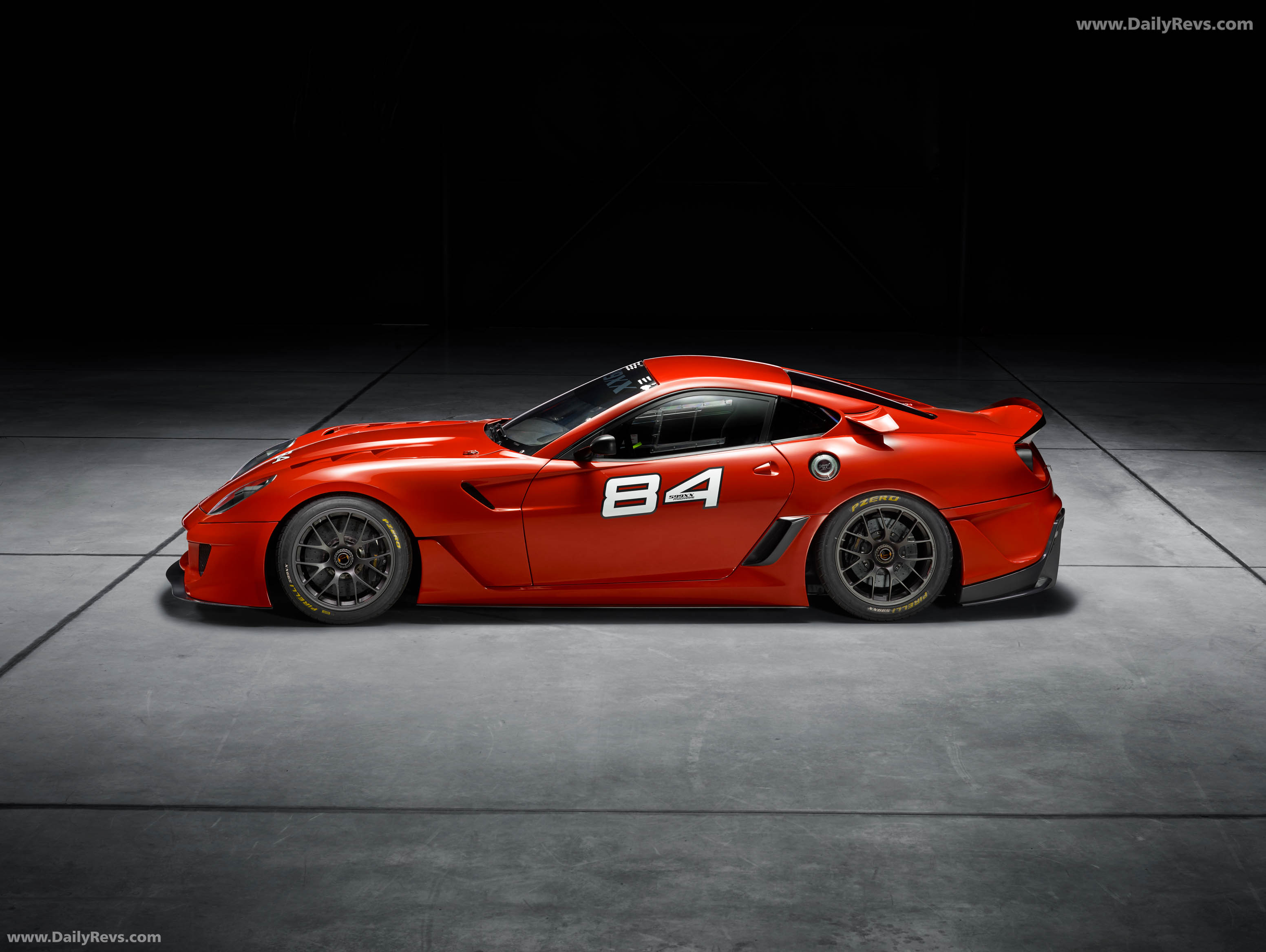
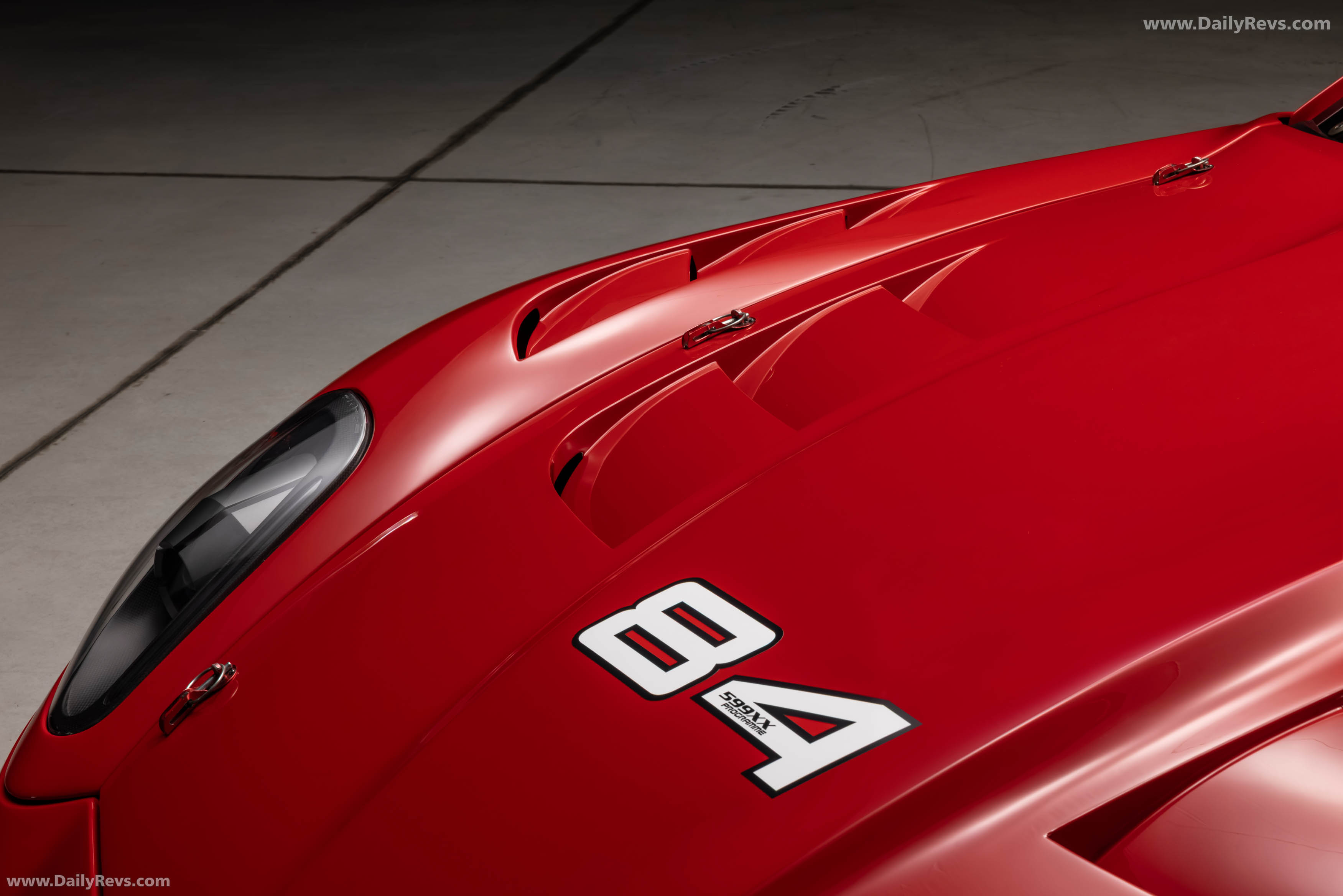
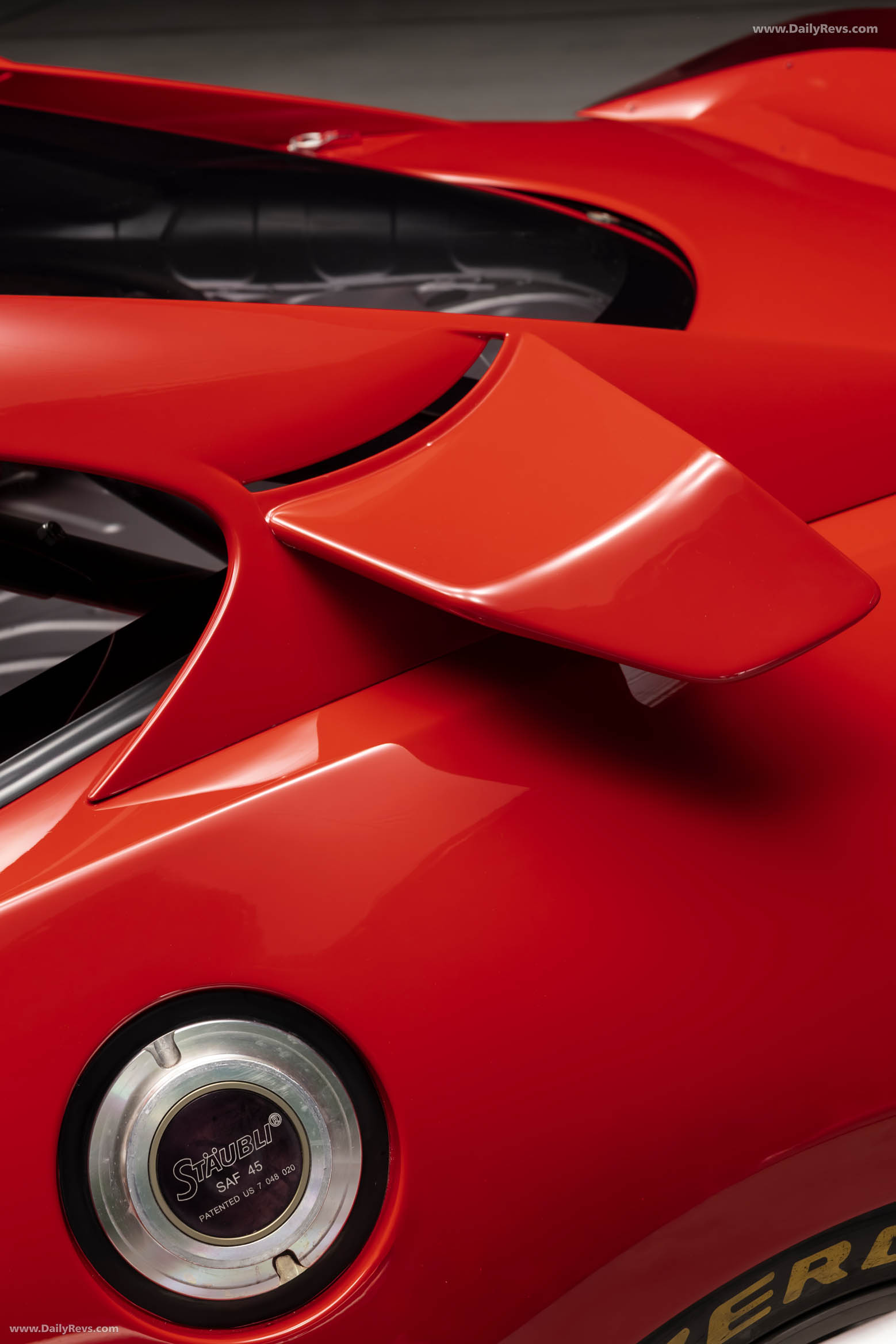
The 599XX’s exterior didn’t simply look aggressive; it was engineered for measurable aerodynamic performance. Ferrari introduced the Actiflow System, a new approach to airflow management that increased downforce while reducing drag. With composite body panels, extensive use of carbon fiber, and the deletion of unnecessary weight, the XX achieved levels of grip and stability rarely seen in front-engine cars at the time.
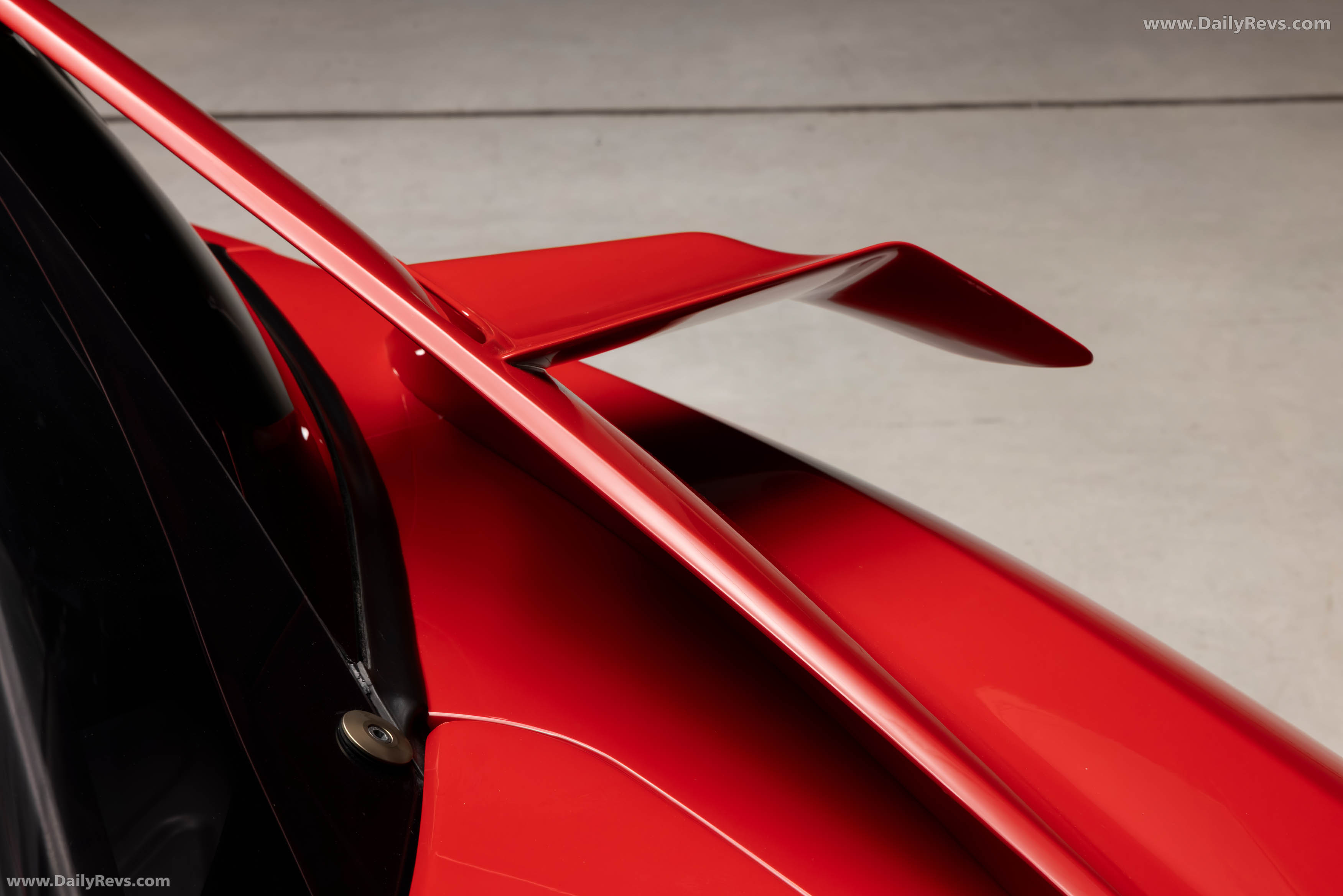
The car’s stance was pure purpose — squat, hunkered down, and balanced despite its front-mounted powertrain. A large fixed rear wing and race-derived underbody channels generated around 220 kg of downforce at 200 km/h, later increased to 440 kg in the 599XX Evo update.
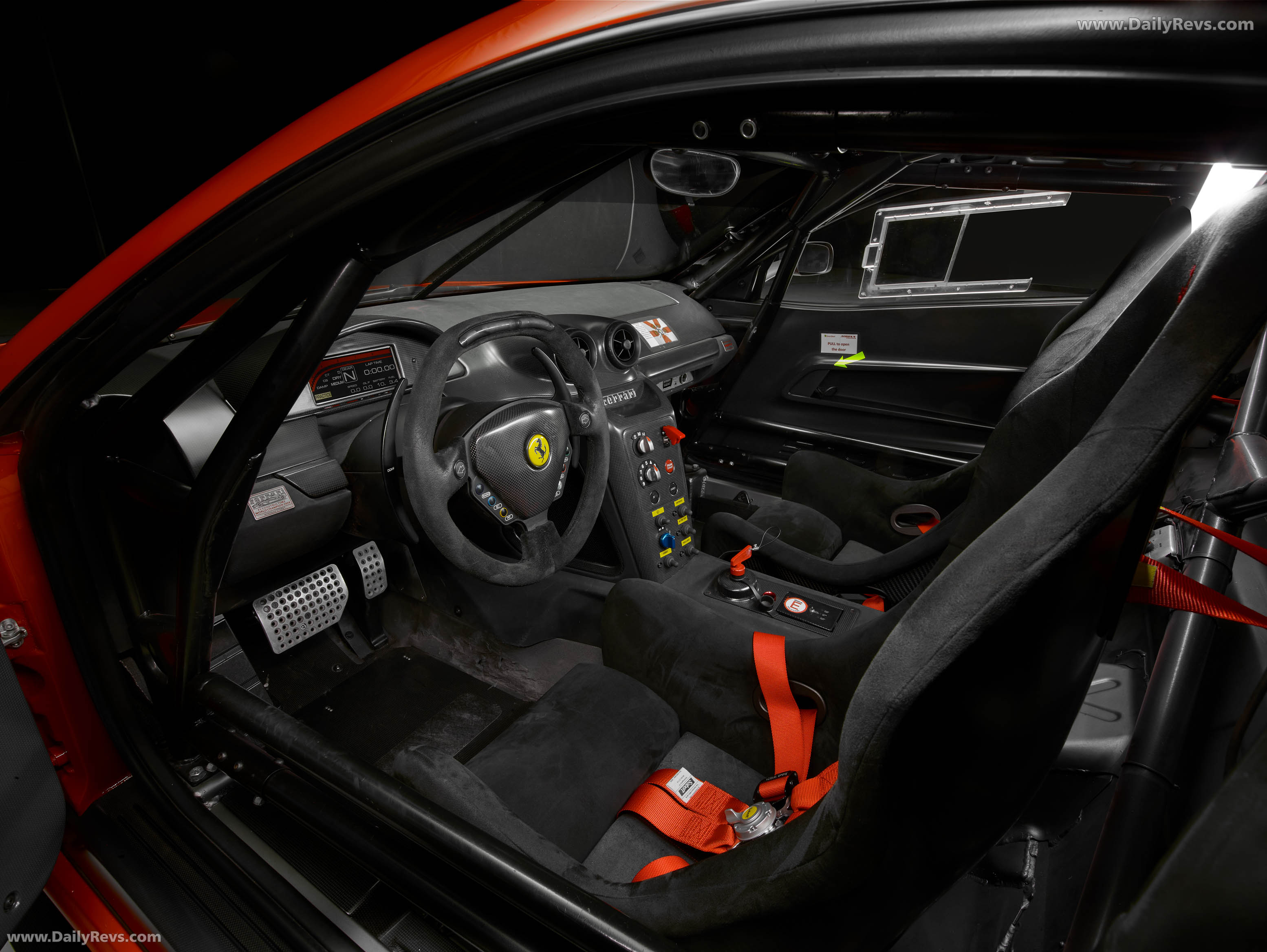
Inside, it was as close to a race car as Ferrari’s client programs would allow: stripped cabin, integrated telemetry, and a multifunction display designed for real-time performance feedback.
Power and Precision
At its heart lay a 6.0-liter naturally aspirated V12, producing 730 hp, paired with a high-speed F1-derived gearbox. The High Performance Dynamic Concept controlled the interaction of power, suspension, and traction on the circuit, while the engine was tuned for rapid throttle response and continuous high-rpm operation.
Ferrari referred to this system as a "virtual race engineer"—a digital assistant that evaluated vehicle behavior and provided drivers with real-time feedback to help them optimize performance. It served as a prelude to how data-driven intelligence would influence Ferrari dynamics today.
The result was staggering. In 2010, the 599XX became the fastest production-derived car to lap the Nürburgring Nordschleife, posting a 6:58.16 — the first time a non-racing car broke the seven-minute barrier.
Legacy of the XX Programme
More than a decade later, the 599XX stands as a turning point for Ferrari’s experimental division. It demonstrated how front-engine cars could achieve race-level dynamics, influencing both the F12tdf and later 812 Competizione.
The XX Programme itself has evolved, adding hybrid and active-aero models like the FXX K and FXX-K Evo, but the 599XX remains the bridge between mechanical purity and modern sophistication — a test bed that became a legend in its own right.
Technical Specifications
Engine and Powertrain
- Type: Naturally aspirated V12, 65° configuration
- Displacement: 5,999 cc
- Maximum Power: 730 hp (537 kW) at 9,000 rpm
- Transmission: 6-speed F1-style sequential gearbox
- Drive Type: Rear-wheel drive (RWD)
- Redline: 9,000 rpm
- Power-to-Weight Ratio: Approximately 2.1 kg/hp
Performance
- Lap Record: 6:58.16 at Nürburgring Nordschleife (2010) — fastest production-derived car at the time
- XX Evo Update: Increased downforce and further optimized gear ratios for improved track times
Chassis and Dimensions
- Chassis: Aluminum spaceframe derived from 599 GTB Fiorano
- Body: Extensive use of carbon-fiber panels and composite materials
- Front Track: 1,710 mm
- Rear Track: 1,610 mm
- Dry Weight: 1,430 kg
- Weight Distribution: 48% front / 52% rear
Aerodynamics
Downforce:
- 220 kg at 200 km/h (standard 599XX)
- 440 kg at 200 km/h (Evo version)
Aero Systems:
- “Actiflow” system for drag reduction and optimized airflow
- Carbon-fiber undertray and diffuser
- Large fixed rear wing and redesigned front splitter
Brakes, Suspension, and Tyres
- Brakes: Brembo carbon-ceramic discs
- Suspension: Magnetorheological dampers with adaptive track calibration
- Tyres: Pirelli racing slicks developed for the 599XX program
- Wheels: Lightweight forged aluminum race-spec
Interior and Electronics
- Cockpit: Single-seat configuration with integrated roll cage
- Dashboard: Race-spec digital display with telemetry integration
- Data System: Ferrari’s “Virtual Race Engineer” for live performance analysis
- Steering Wheel: F1-derived with integrated mode selectors
Production and Programme
- Production Period: 2009–2012
- Units Built: 29
- Availability: Exclusive to Ferrari Corse Clienti XX Programme; non-road legal
- Successor: Ferrari FXX-K (2014)