2008 Mazda Furai Concept
By Lorenzo Bianchi June 19, 2008
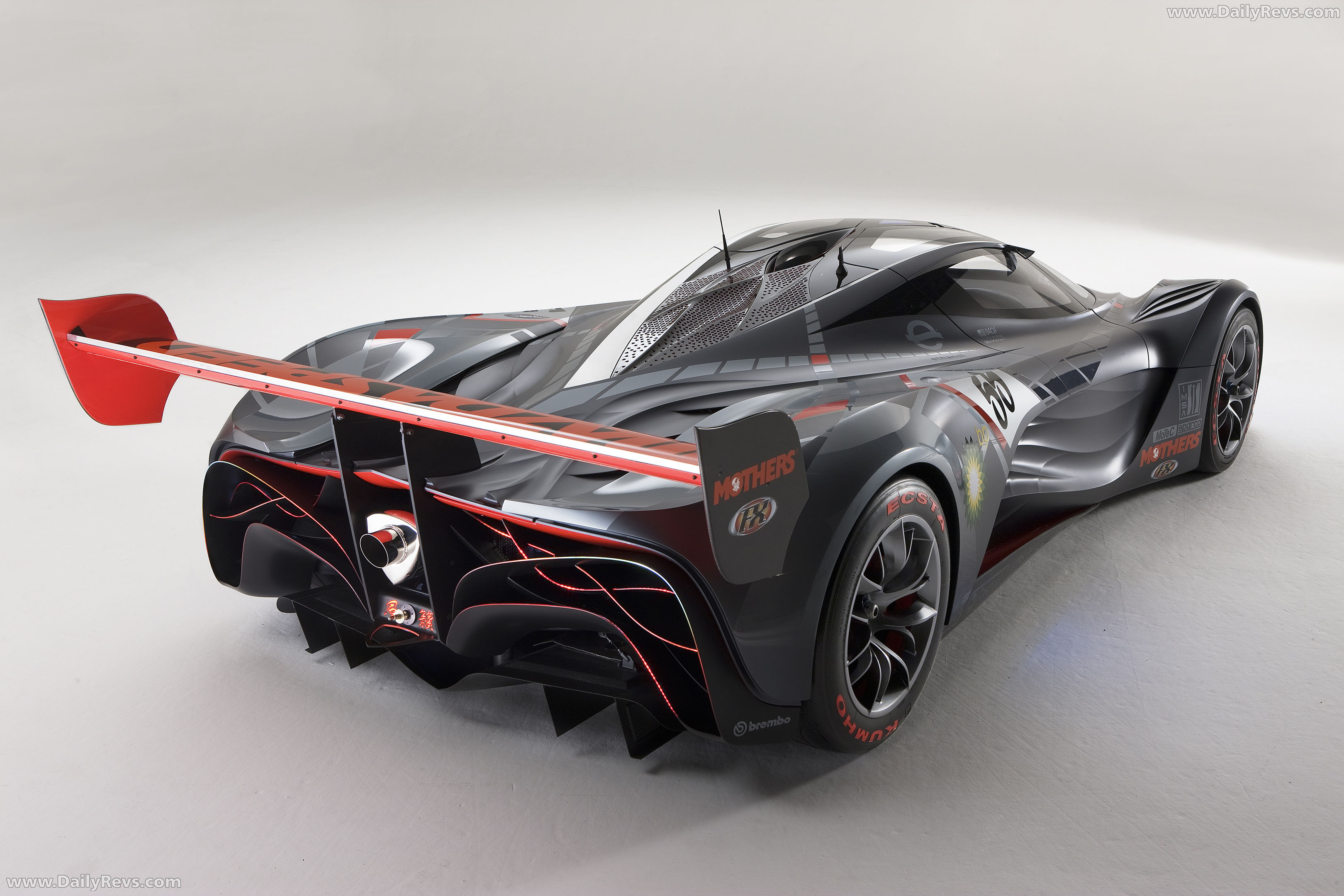
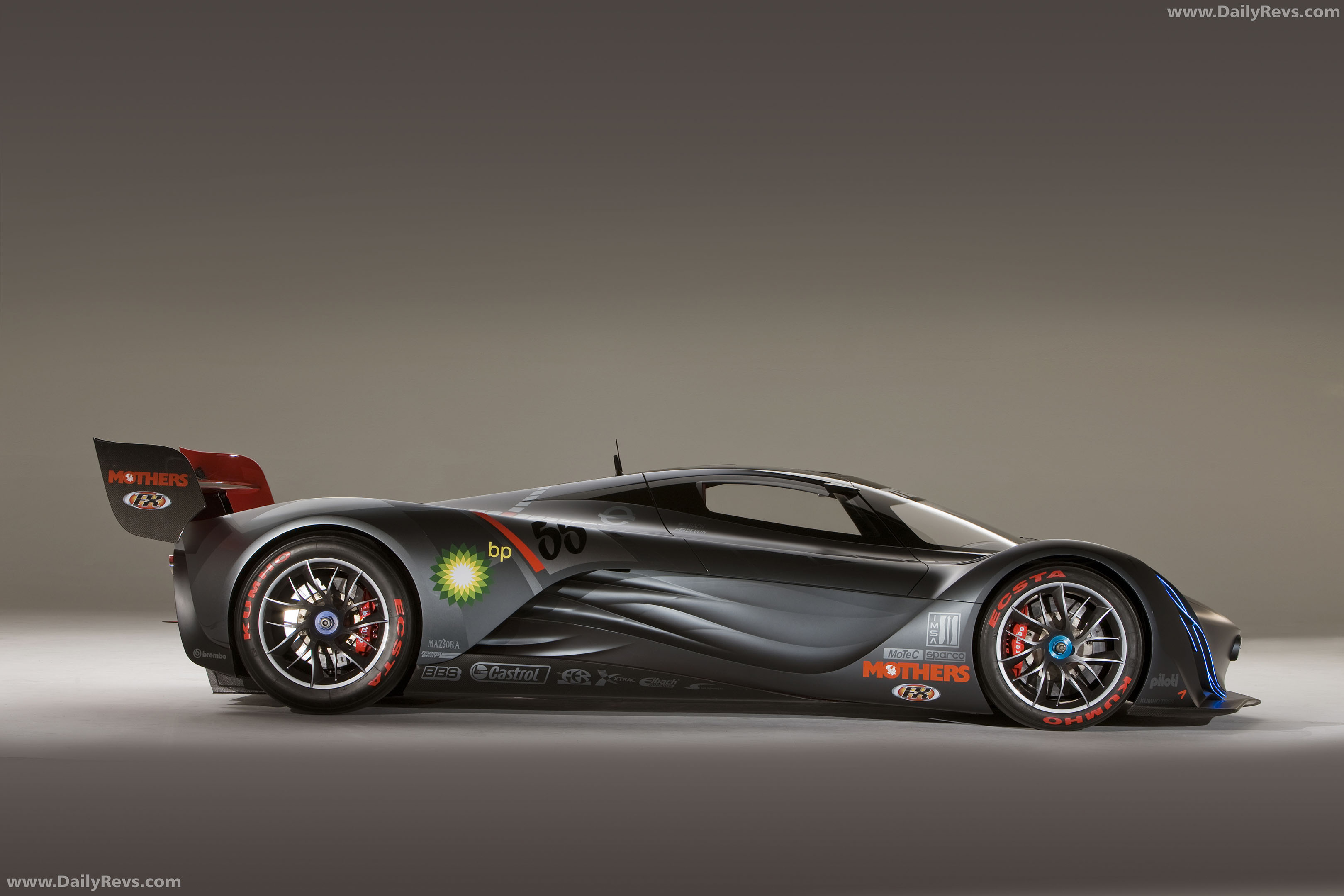
Furai was based on a former American Le Mans Series Courage C65 race car.
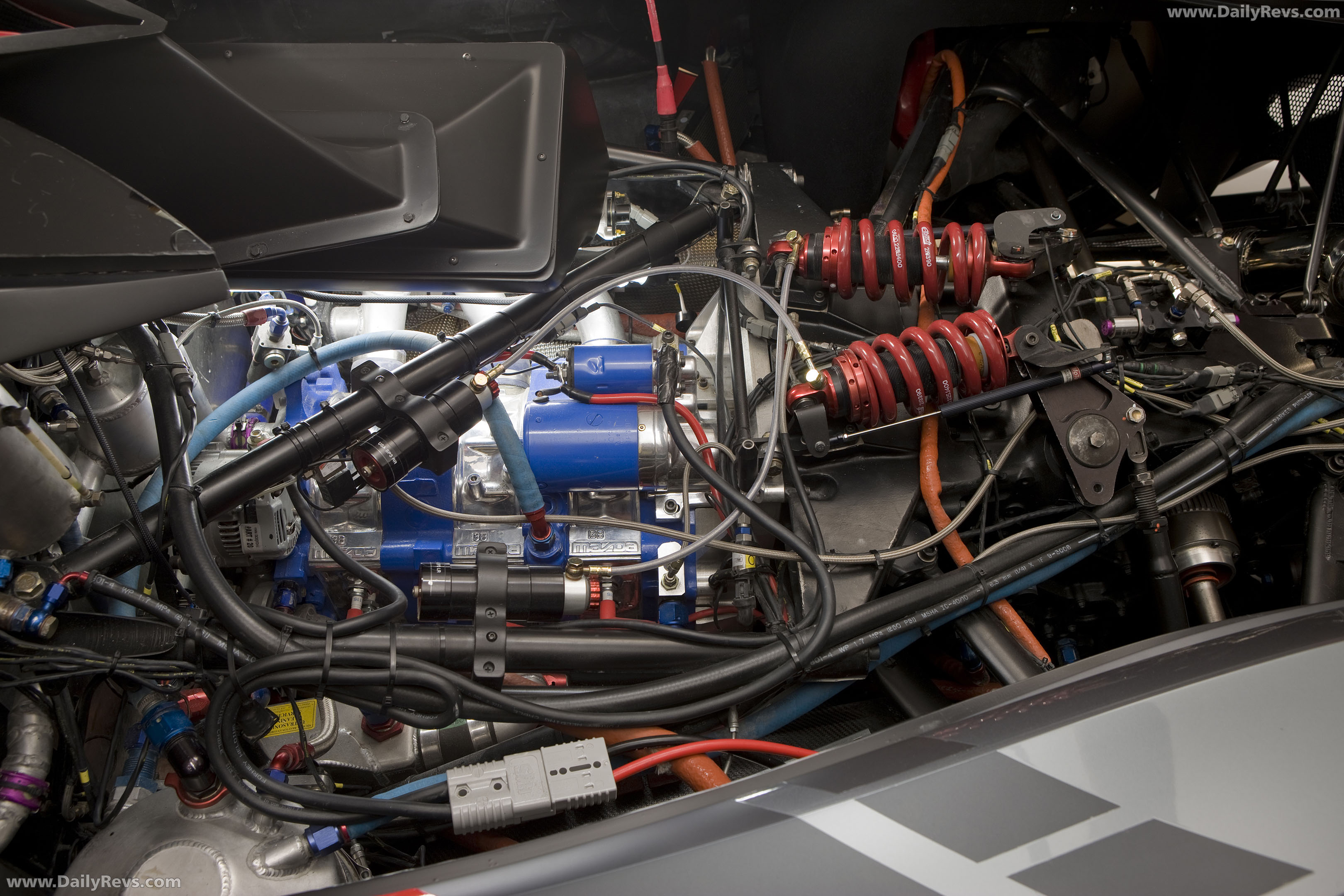
A 450-horsepower three-rotor rotary engine was developed to run on ethanol fuel.
The concept explored how Mazda could connect racing technology with future road-car design.
2008 Mazda Furai Concept Still Feels Ahead of Its Time
Some concept cars fade from memory almost as quickly as they appear. The Mazda Furai wasn't one of them.
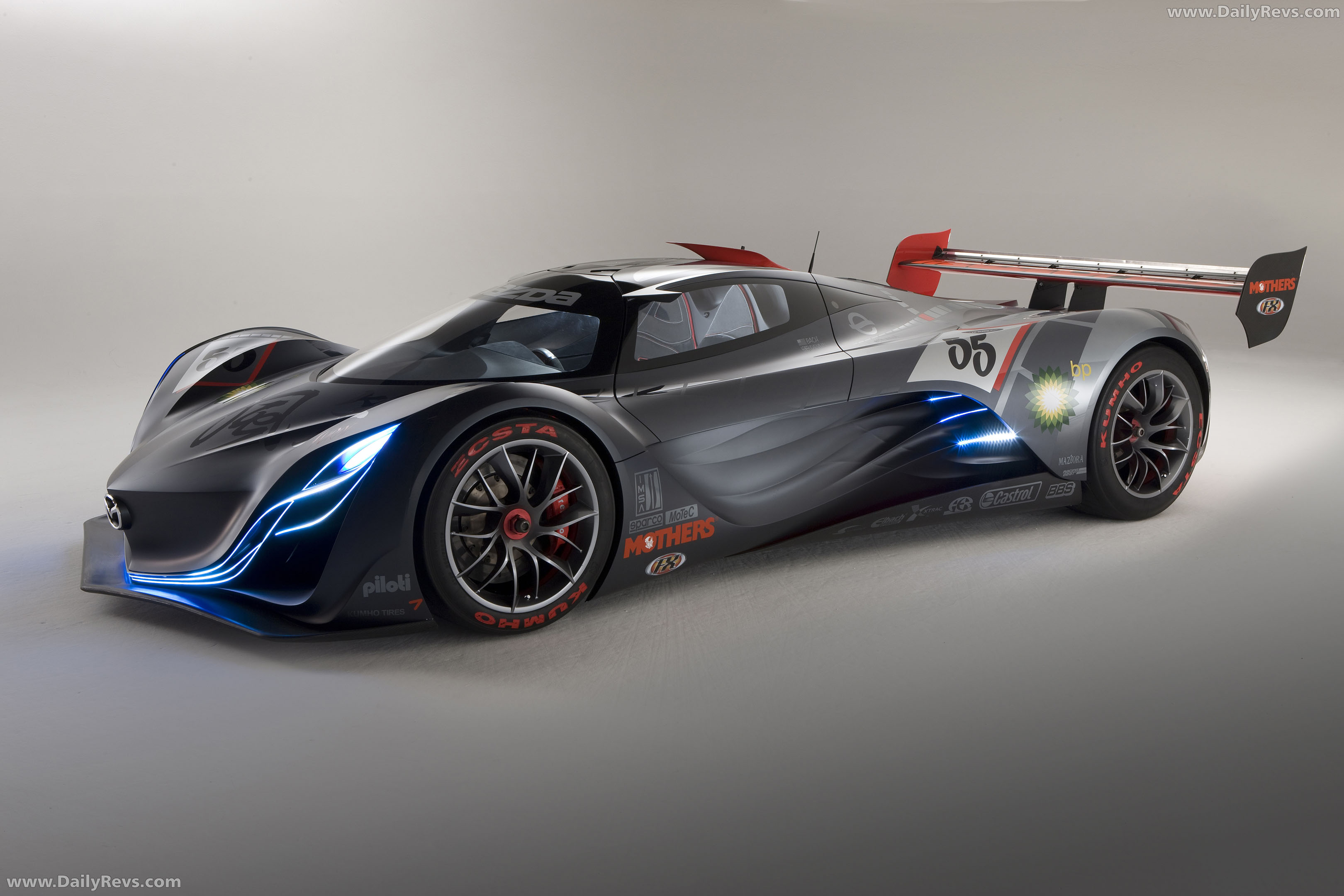
When it debuted in 2008, the Furai looked unlike anything else on the show floor. It wasn't trying to imitate a race car. It essentially was one. Yet Mazda wasn't presenting it as a future Le Mans contender or a limited-production supercar. The company described it as something that lived between those two worlds.
Looking back, that may be what made the Furai so fascinating.
Built From A Real Racing Machine
Many concept cars begin as design sketches and gradually evolve into display models. Furai followed a different path.
Mazda started with a Courage C65 chassis that had already spent two seasons competing in the American Le Mans Series. The car had earned podium finishes and a race victory before being transformed into what would become the Furai.
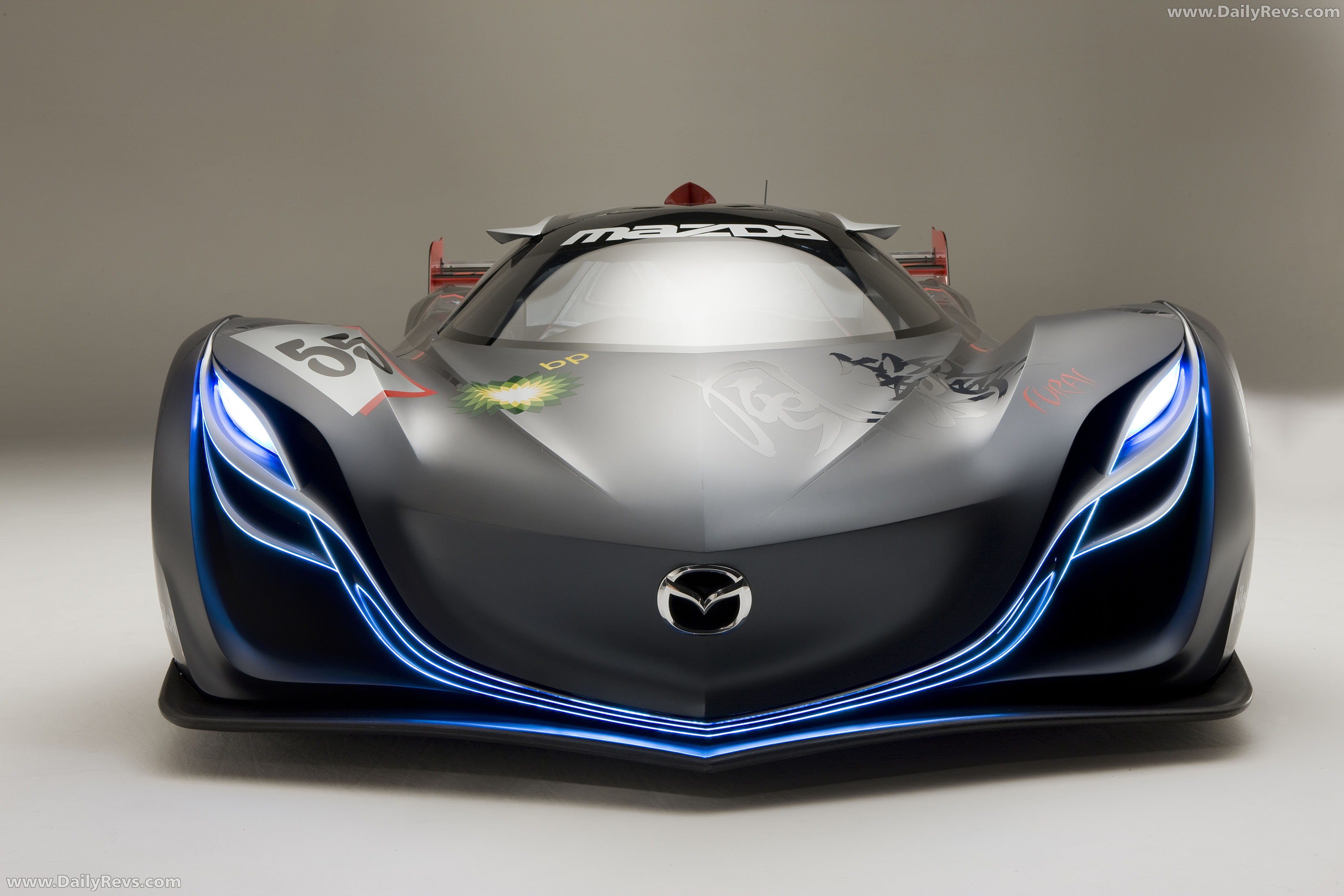
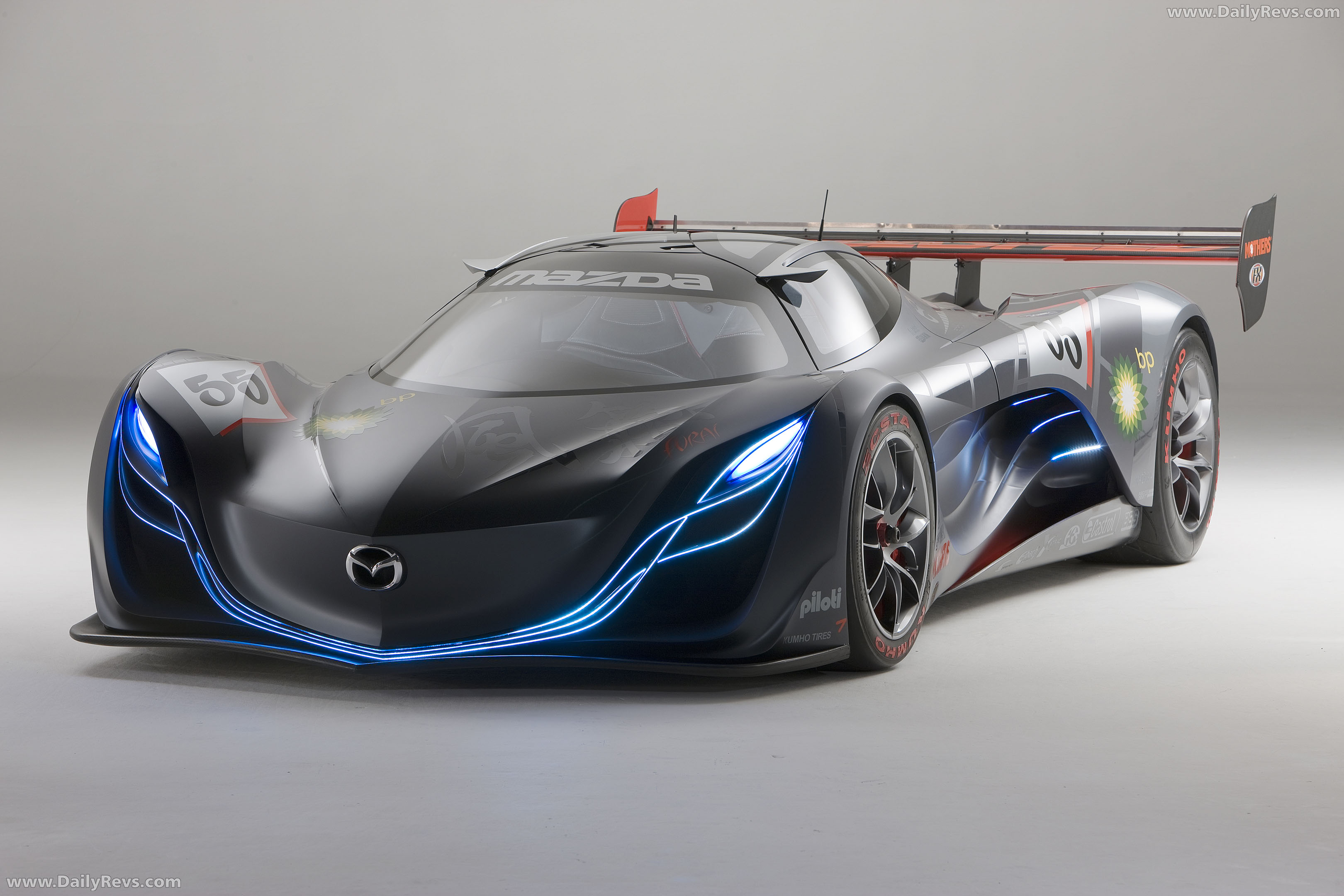
That racing background explains its dramatic proportions. Furai sat incredibly low, stretched wide across the road, and carried the visual presence of an endurance prototype rather than a traditional concept vehicle. According to Mazda's design team, the goal was to narrow the gap between dedicated race cars and the performance cars enthusiasts drive every day.
Nagare Design Meets Real Aerodynamics
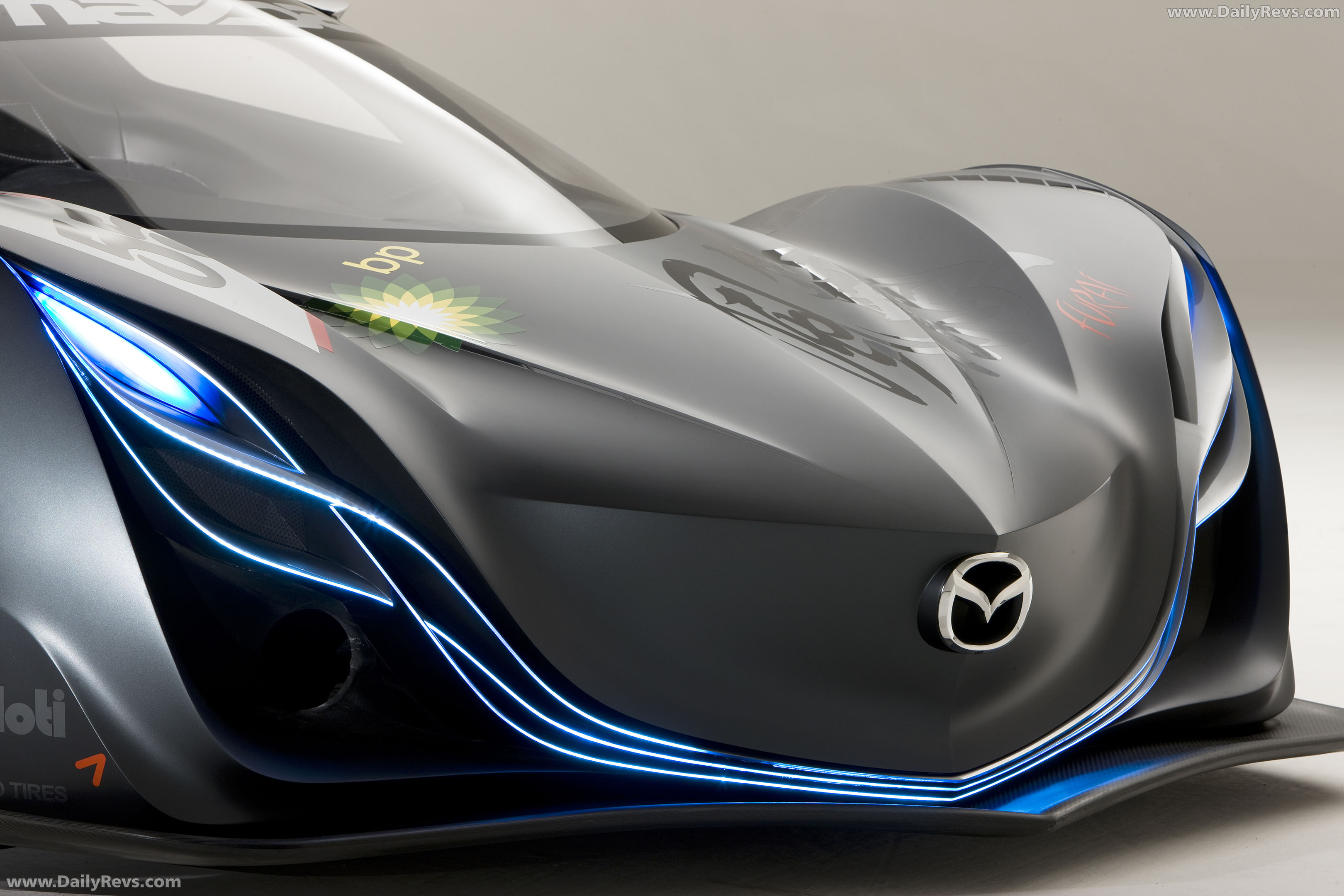
The Furai arrived during Mazda's Nagare design era, a period when the company explored shapes inspired by natural movement and flowing air.
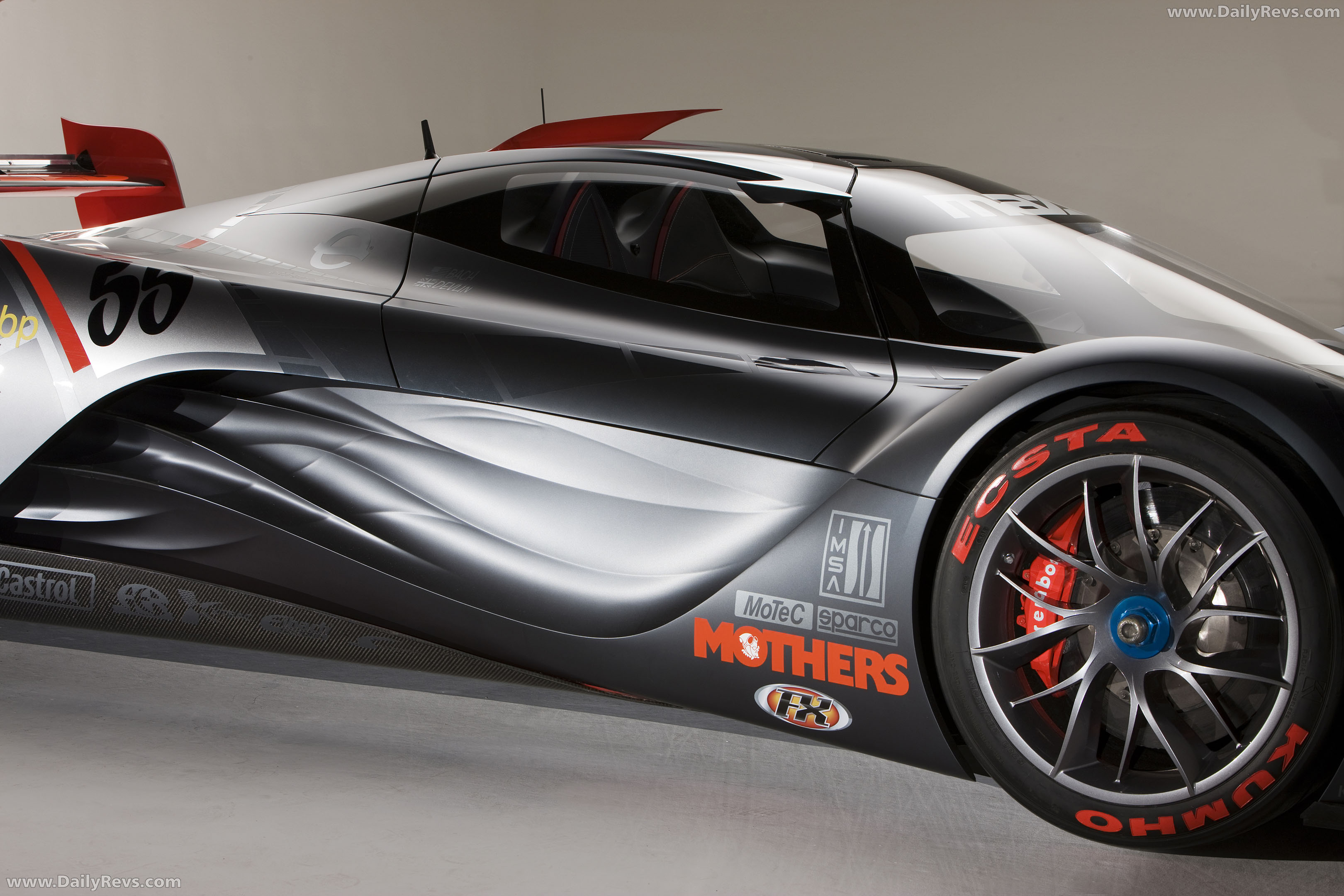
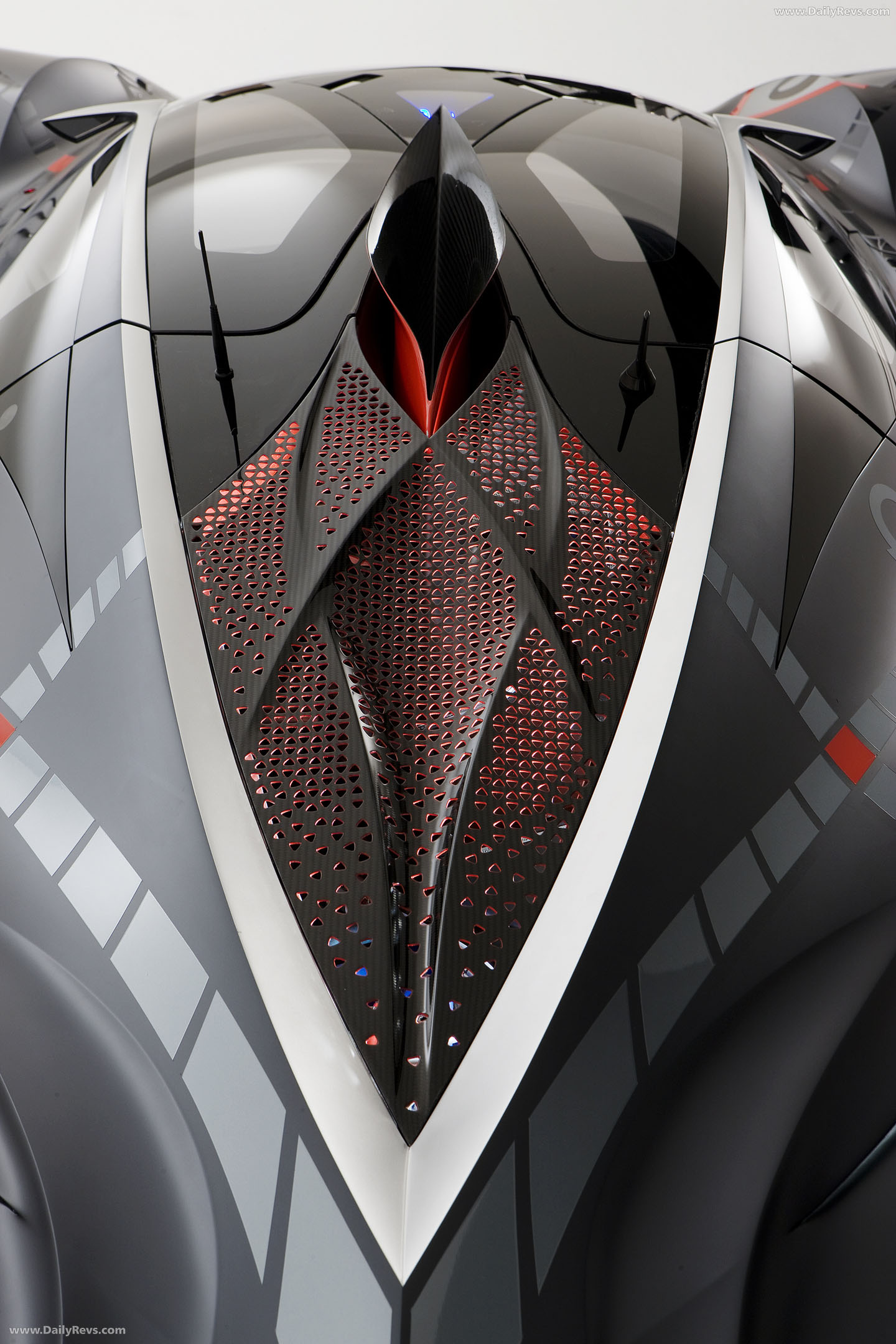
Unlike some of the earlier Nagare concepts, though, Furai wasn't simply about appearance. Nearly every surface had a purpose.
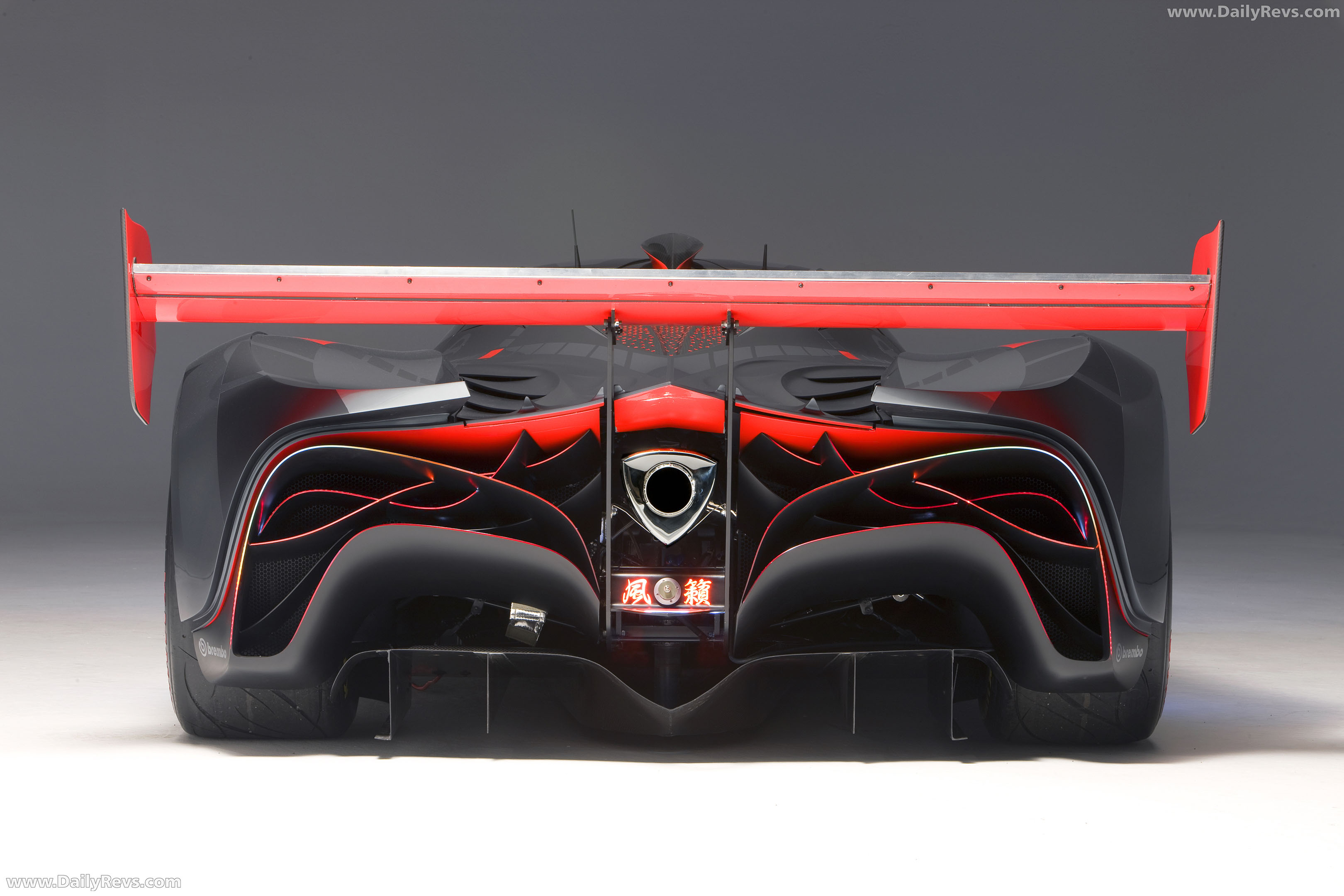
Air was directed through and around the body to improve cooling, stability, and aerodynamic efficiency. Designers worked closely with engineers and aerodynamic specialists to ensure the shapes weren't just visually dramatic but functional at speed. Furai became a rolling test bed capable of demonstrating those ideas in the real world rather than merely displaying them under show lights.
A Rotary Engine With A Different Future In Mind
The engine was equally significant.
Power came from a RENESIS-based three-rotor rotary producing around 450 horsepower. For Mazda, keeping rotary power in the project was almost non-negotiable. The technology had become one of the company's defining characteristics.
What stood out even more was the fuel. Furai was tuned to operate on ethanol, making it the first racing three-rotor rotary developed specifically for renewable fuel applications. Mazda and BP used the project to explore how future fuels could work alongside high-performance engines without abandoning driving excitement.
More Than Just A Design Study
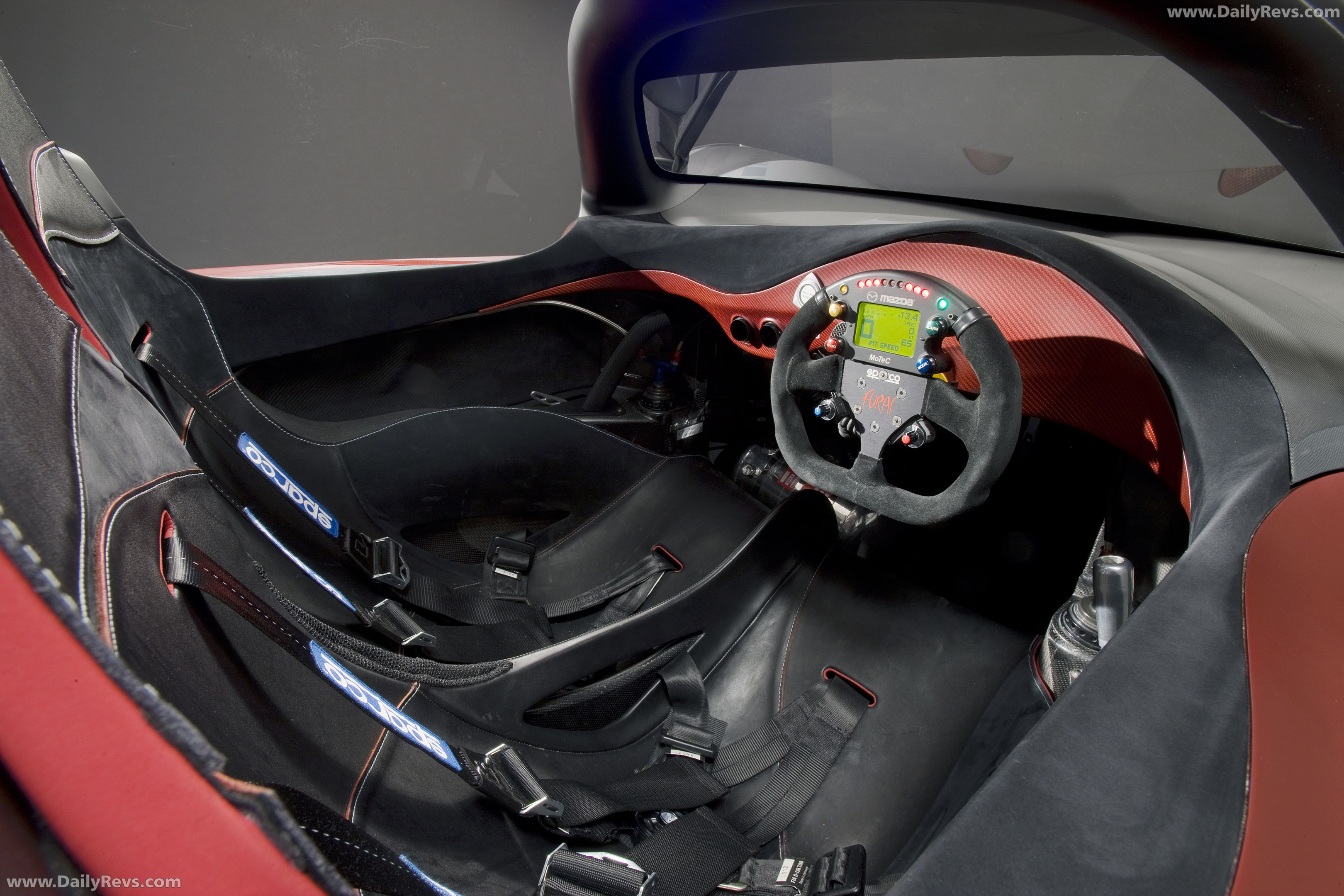
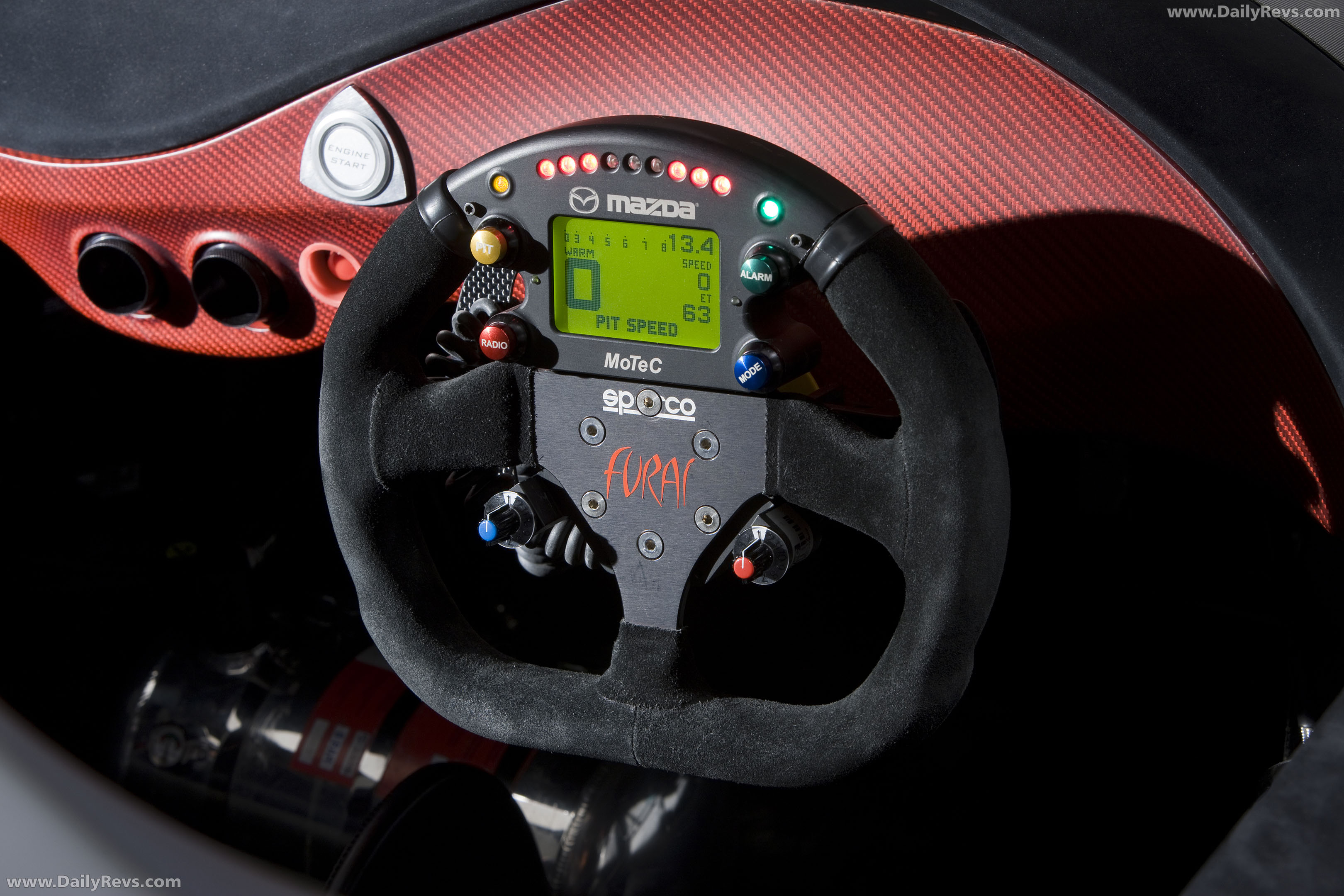
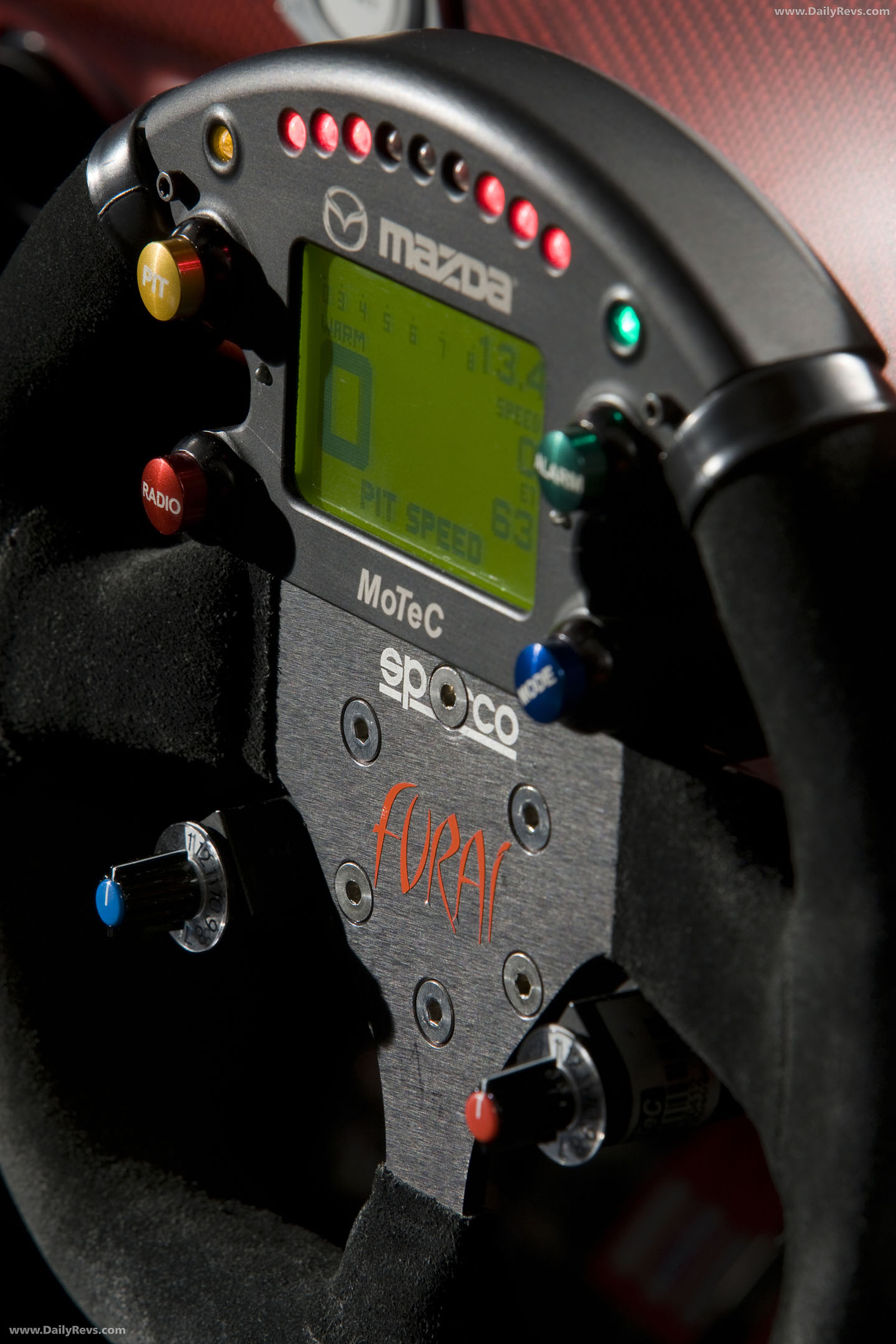
Inside, the Furai remained unmistakably motorsport-inspired, yet Mazda made practical changes to accommodate two occupants and improve usability. It hinted at how racing technology might influence future production vehicles without attempting to become one itself.
The 2008 Mazda Furai Concept ultimately served a different purpose than most show cars. It wasn't previewing a specific model. It wasn't chasing production approval.
Instead, it captured a moment when Mazda was experimenting with design, sustainability, and motorsport engineering all at once. Nearly two decades later, it remains one of the most distinctive concepts the company has ever created.