2008 Jeep Renegade Concept
By Lorenzo Bianchi September 26, 2008
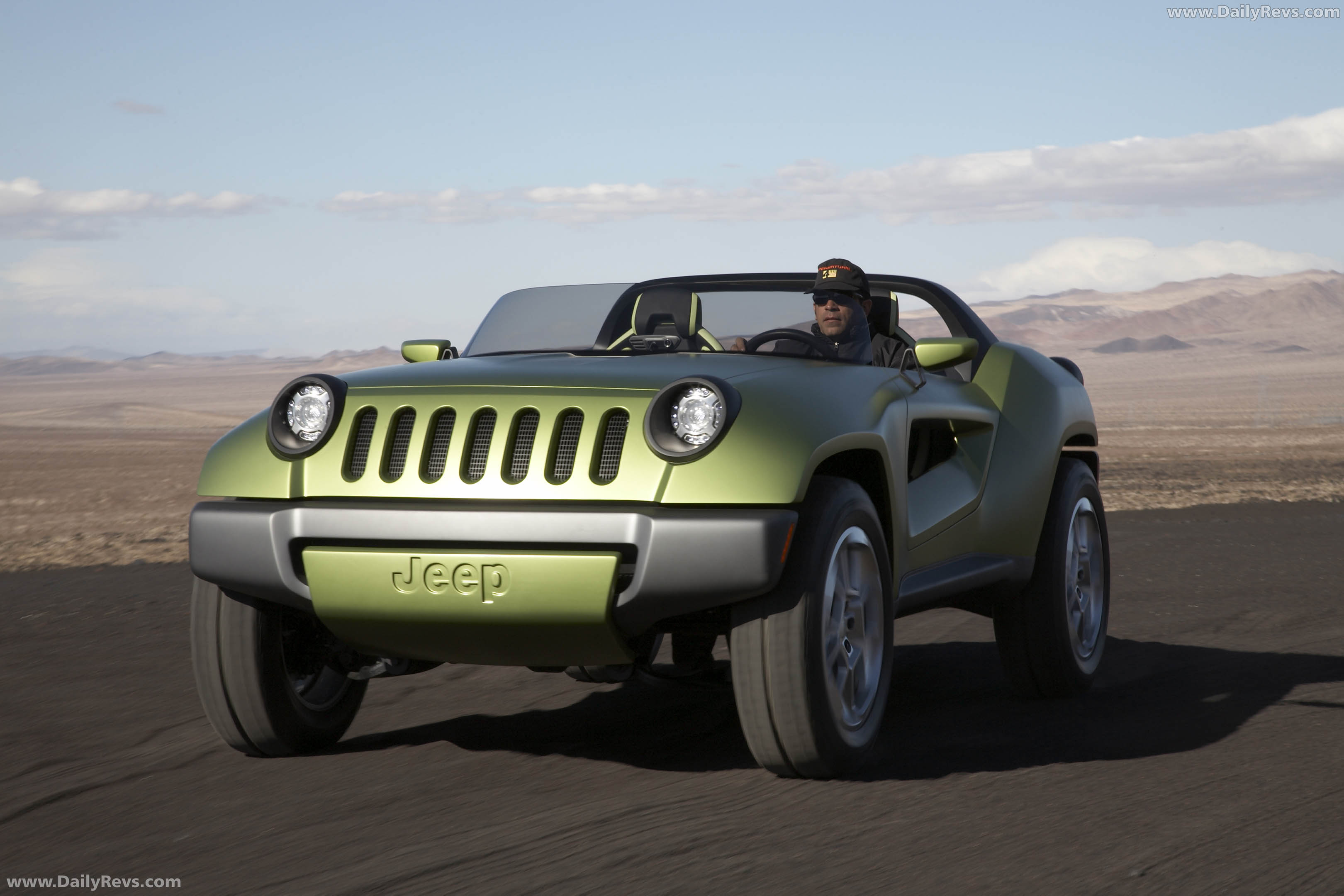
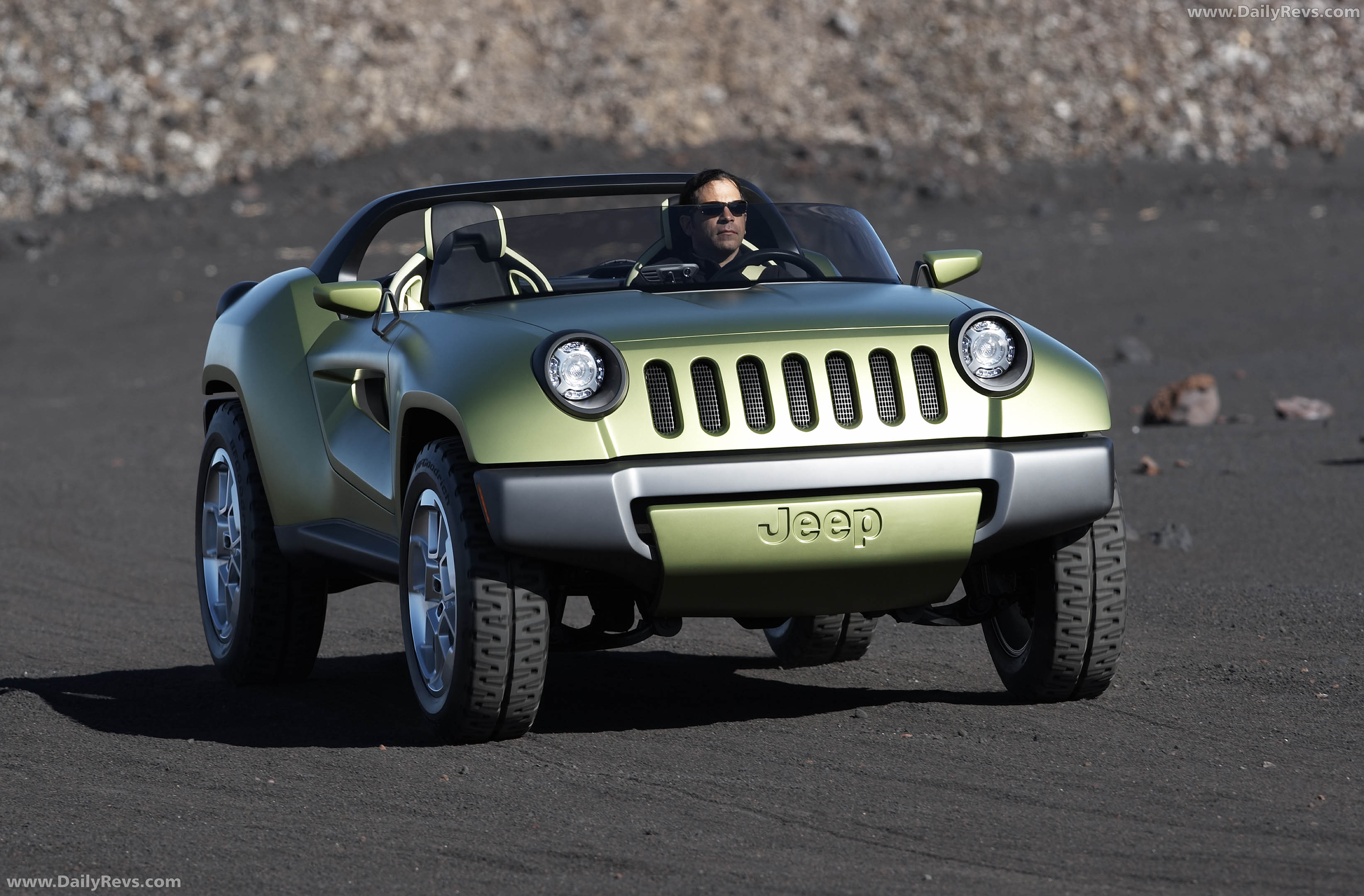
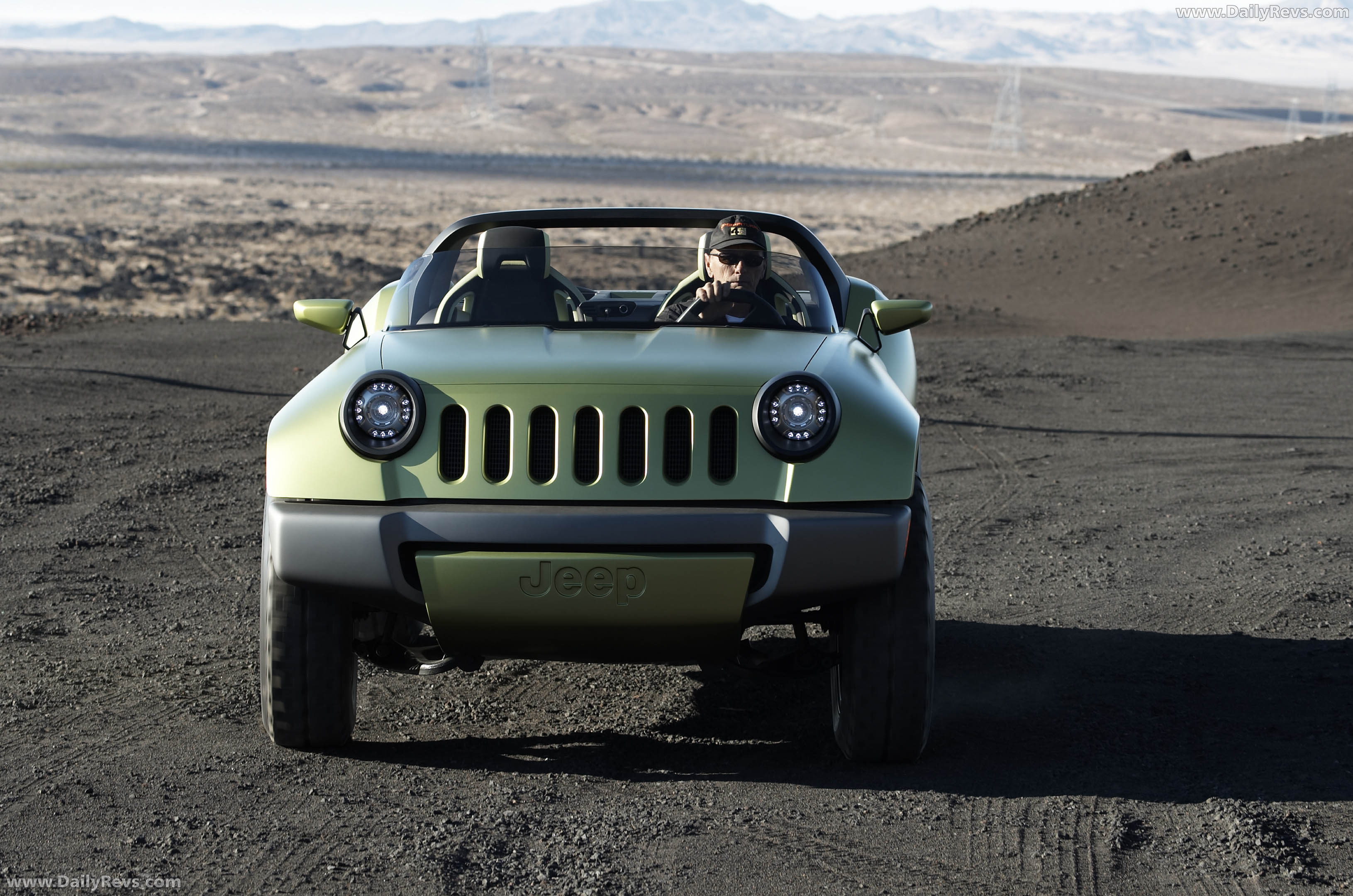
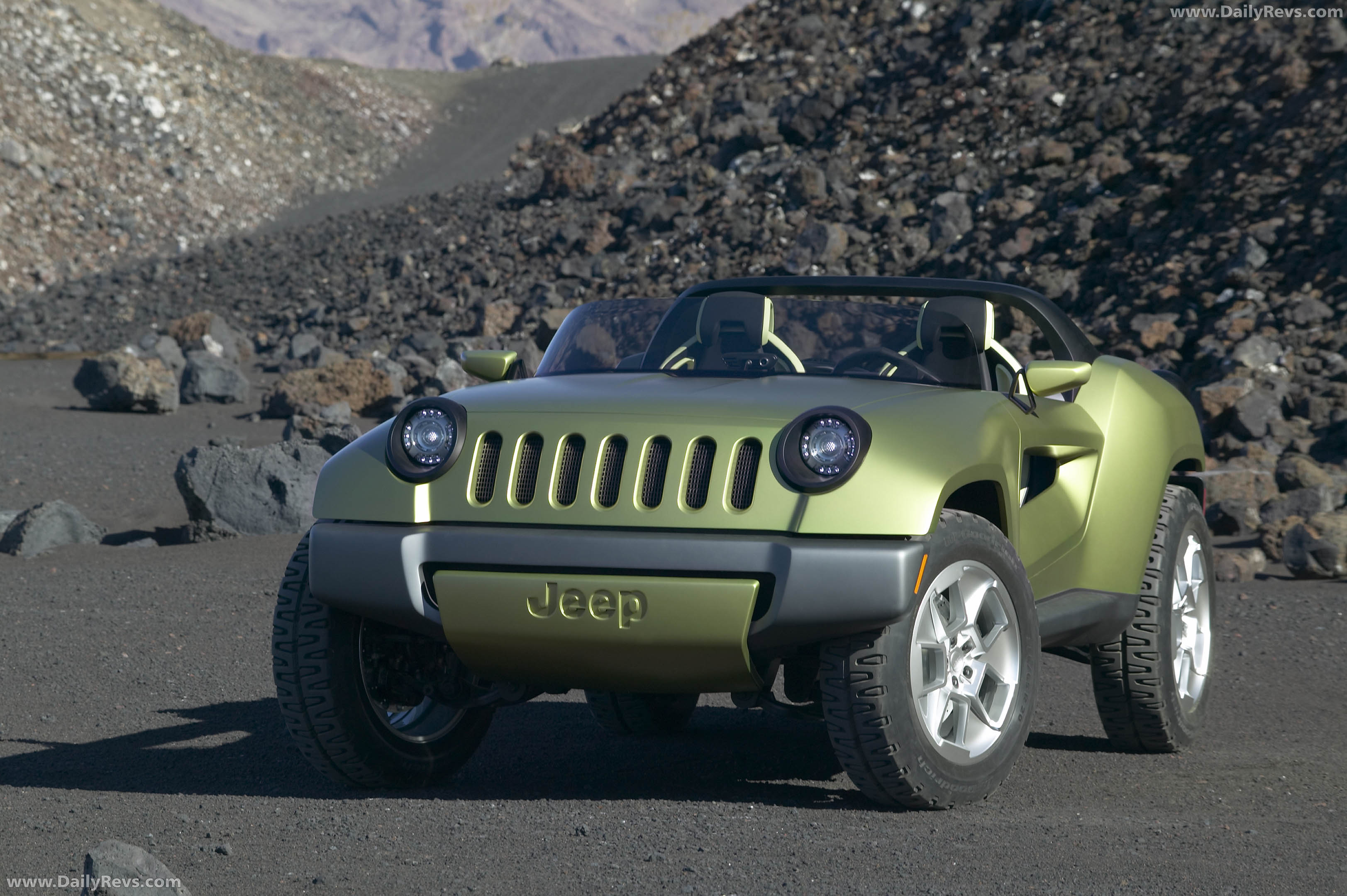
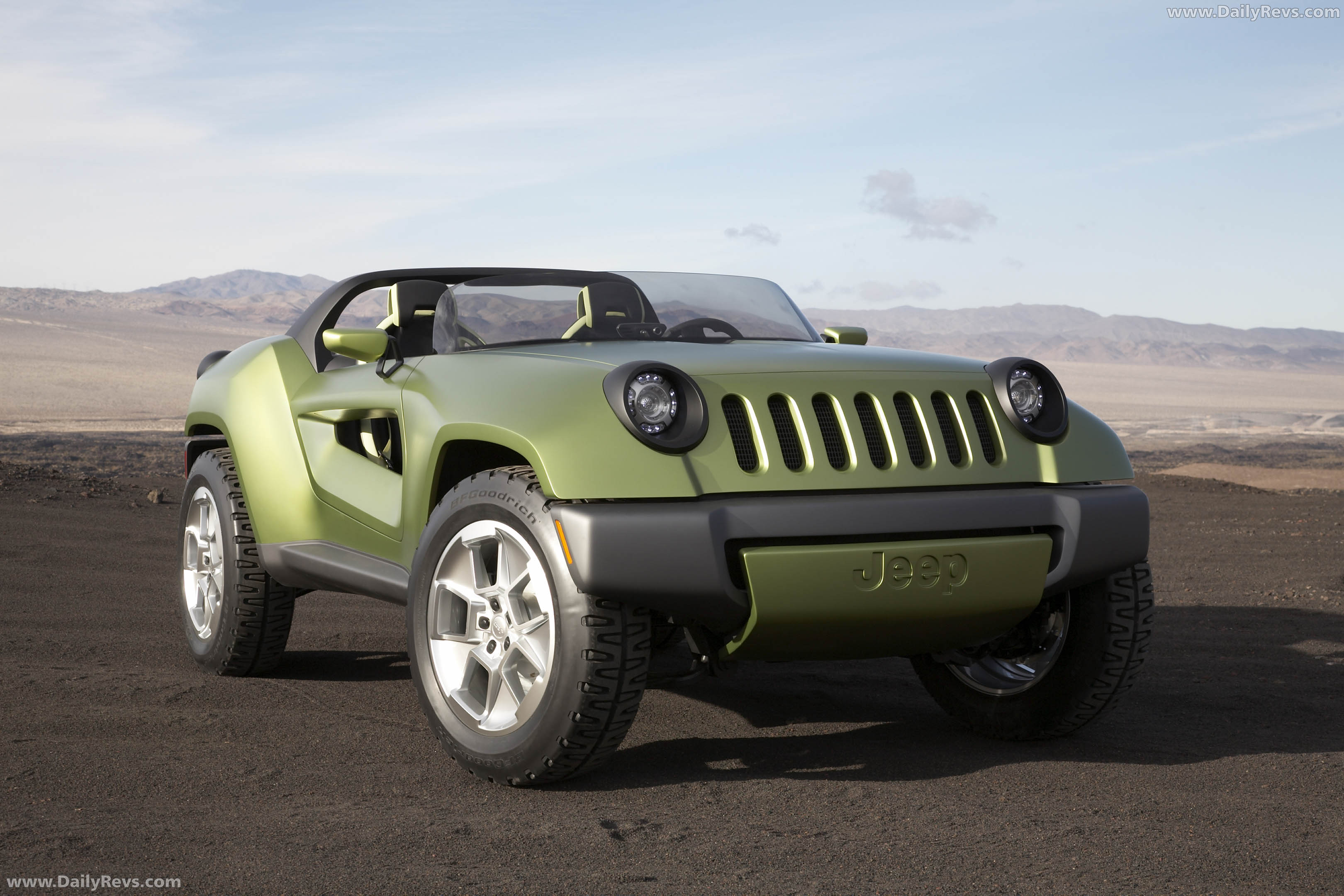
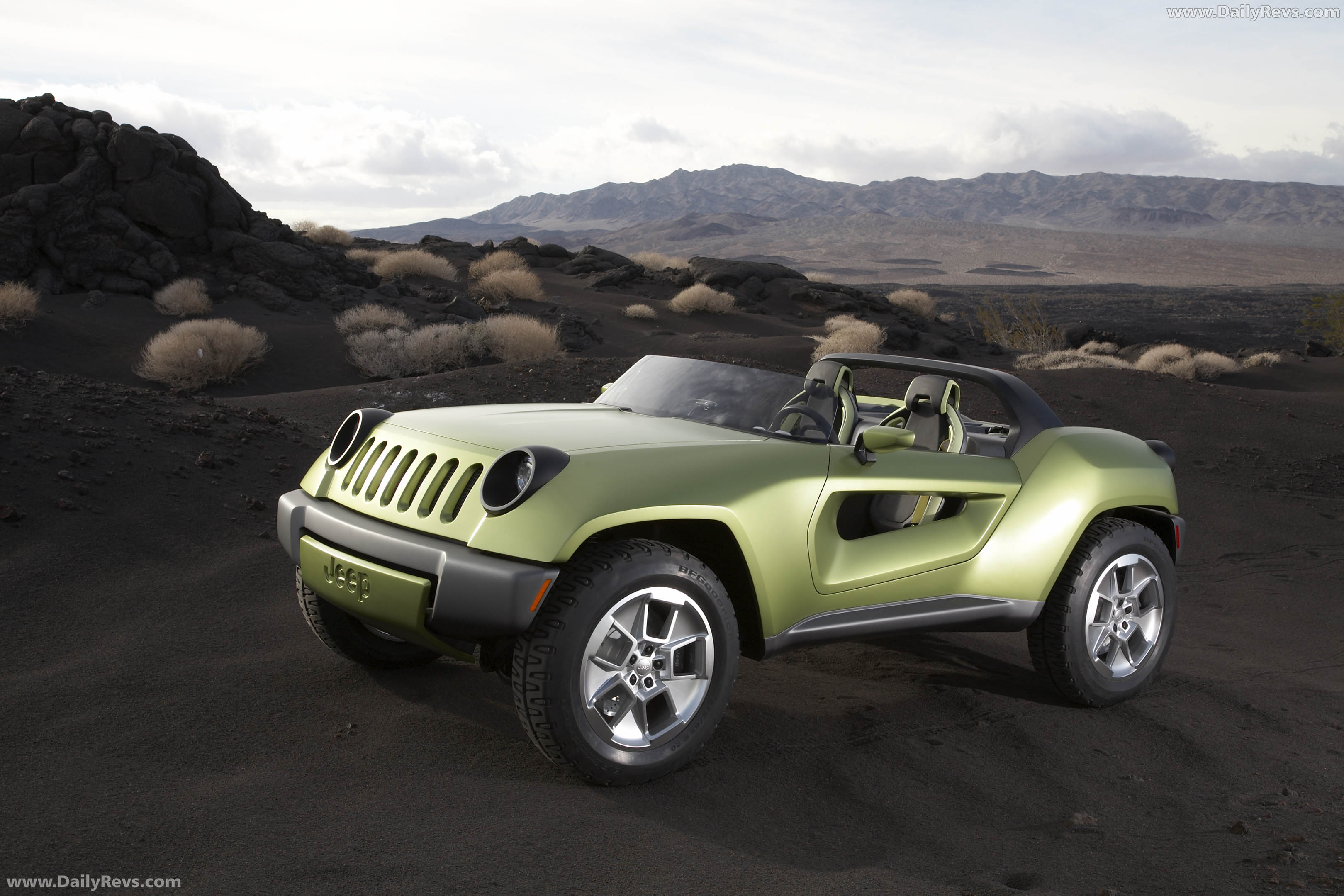
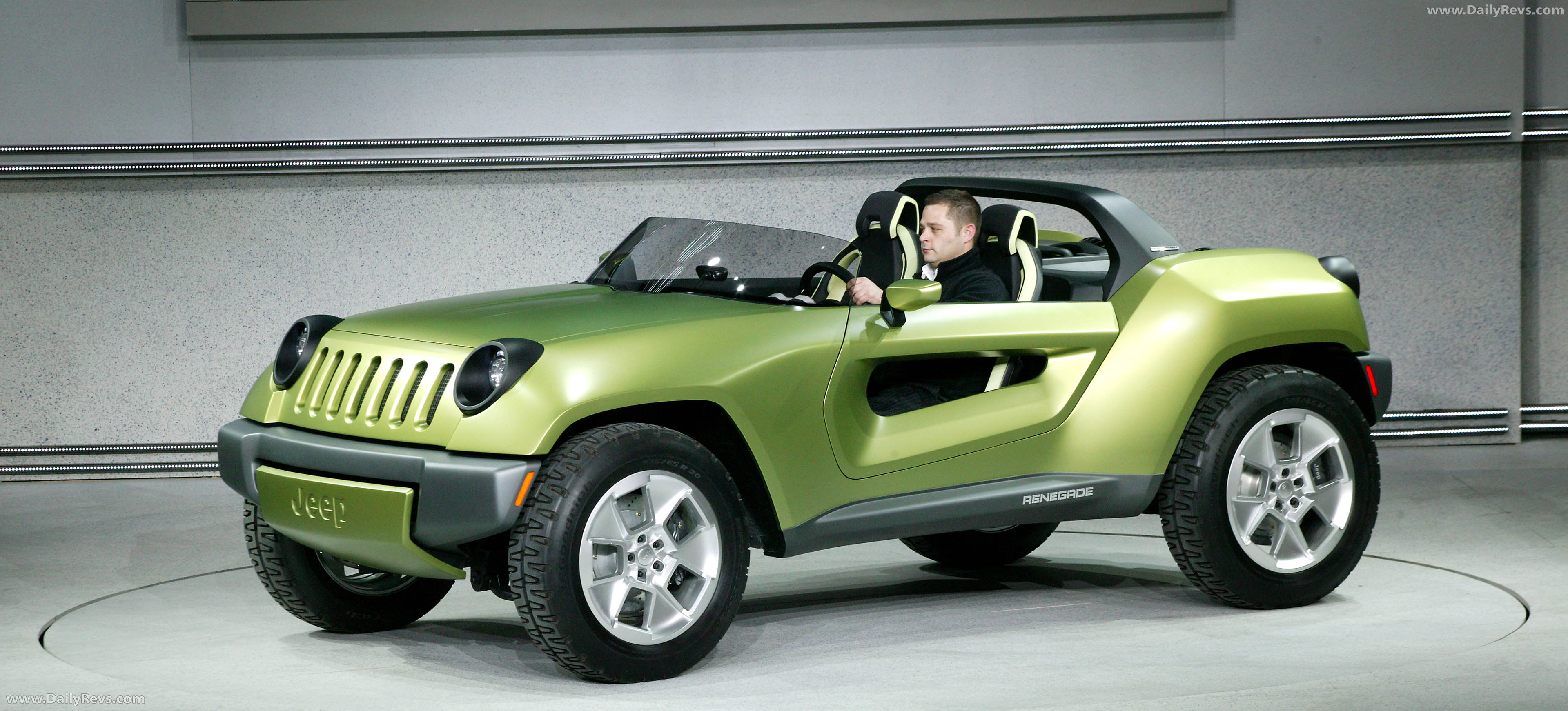
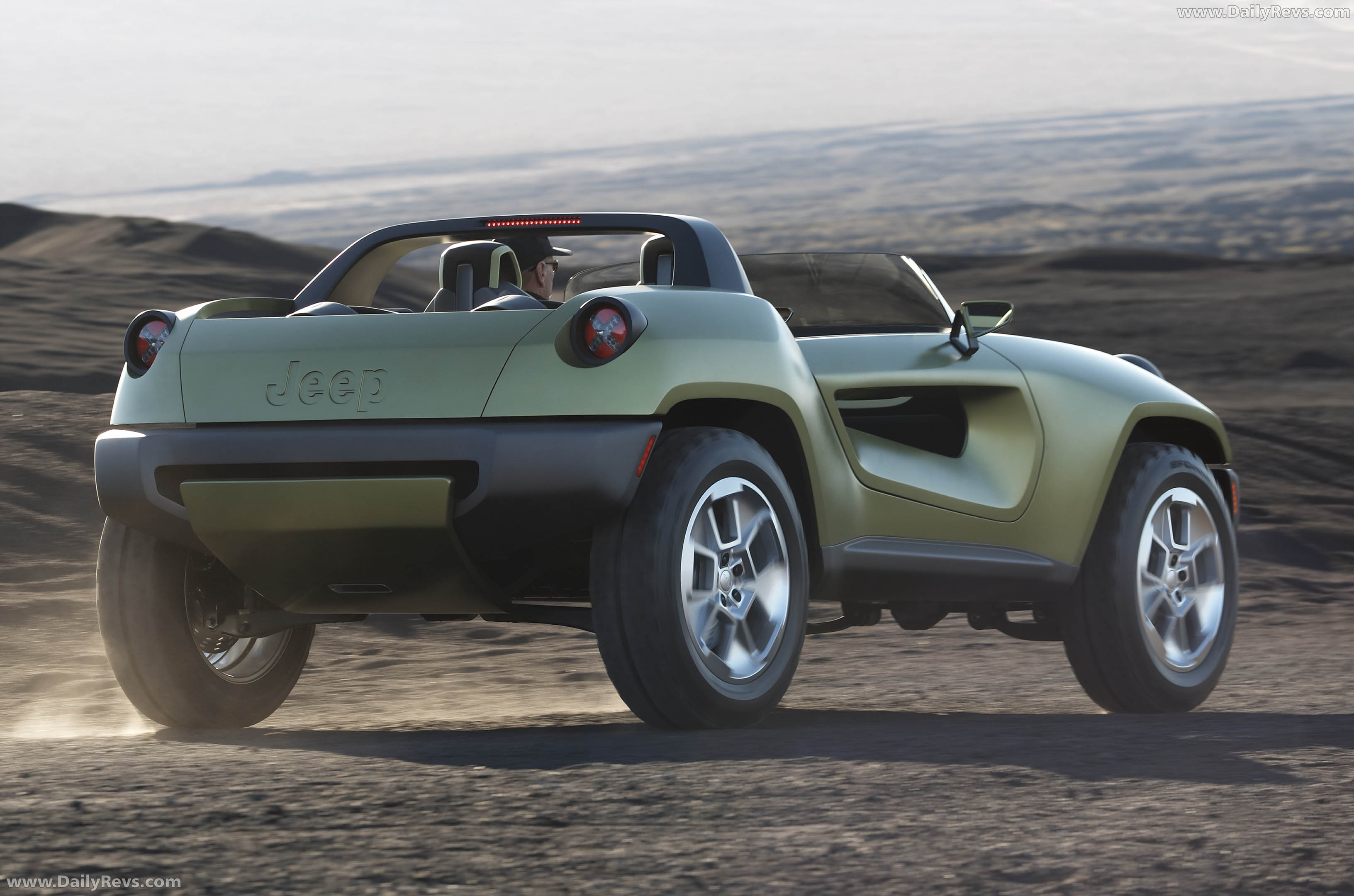
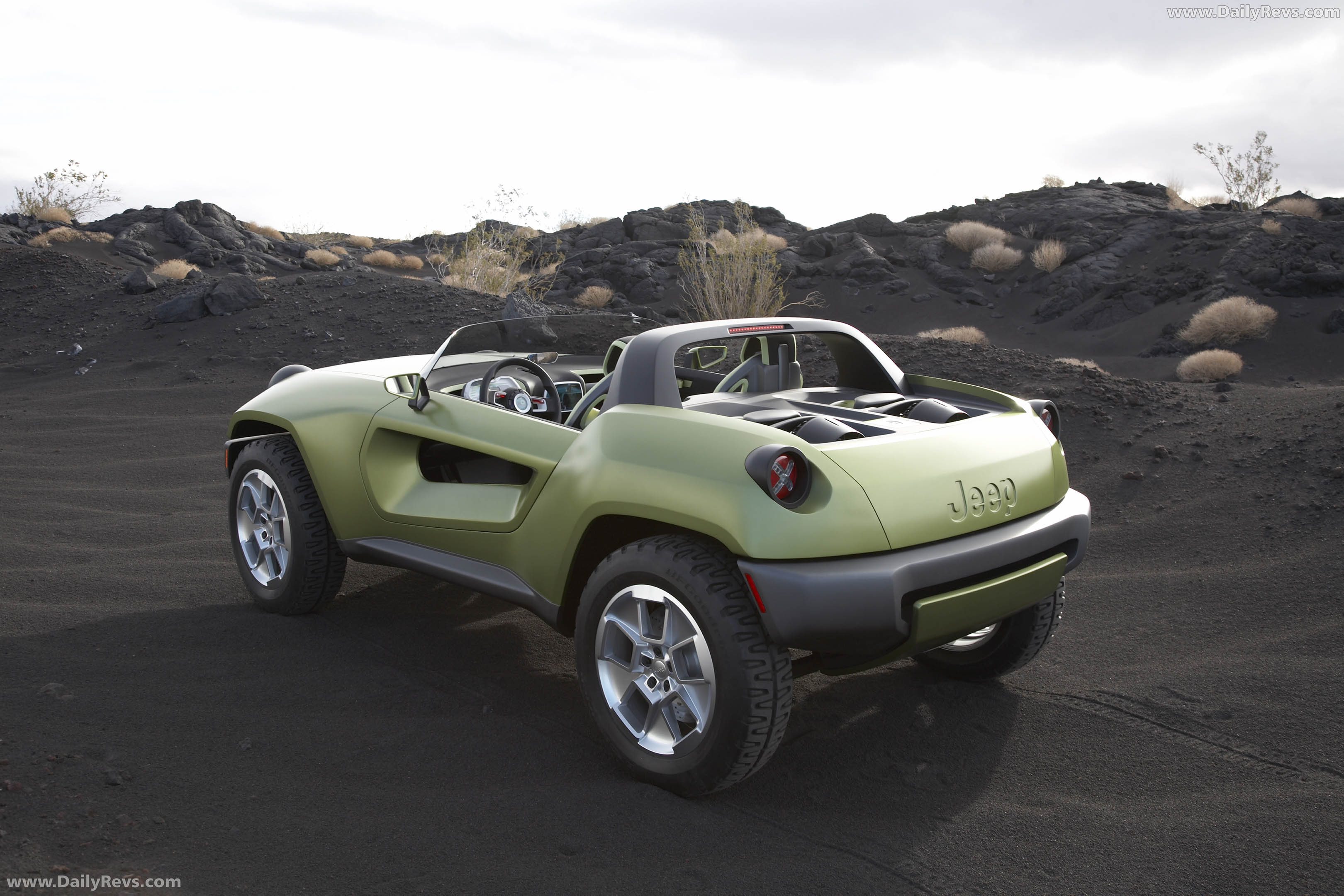
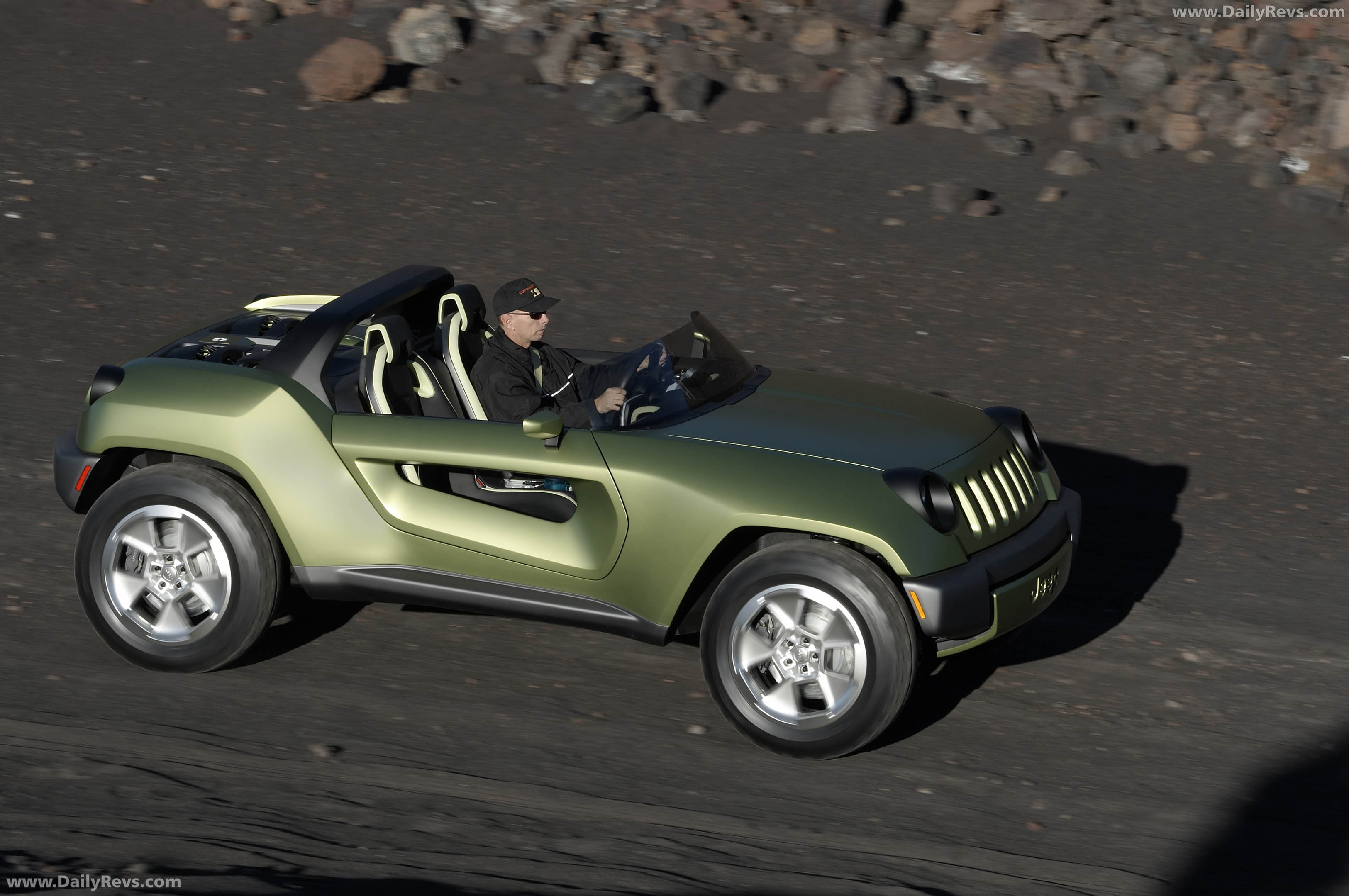
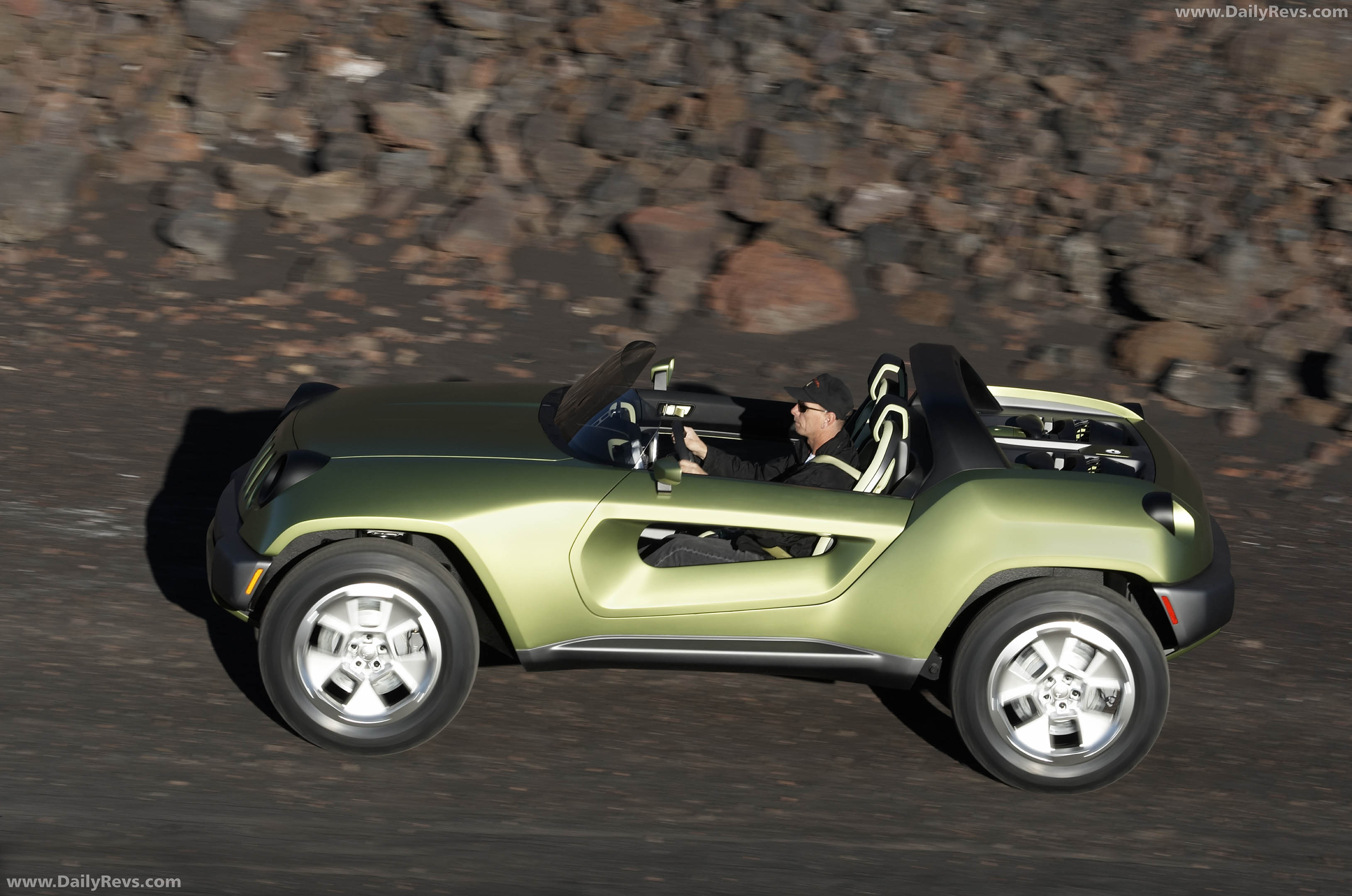
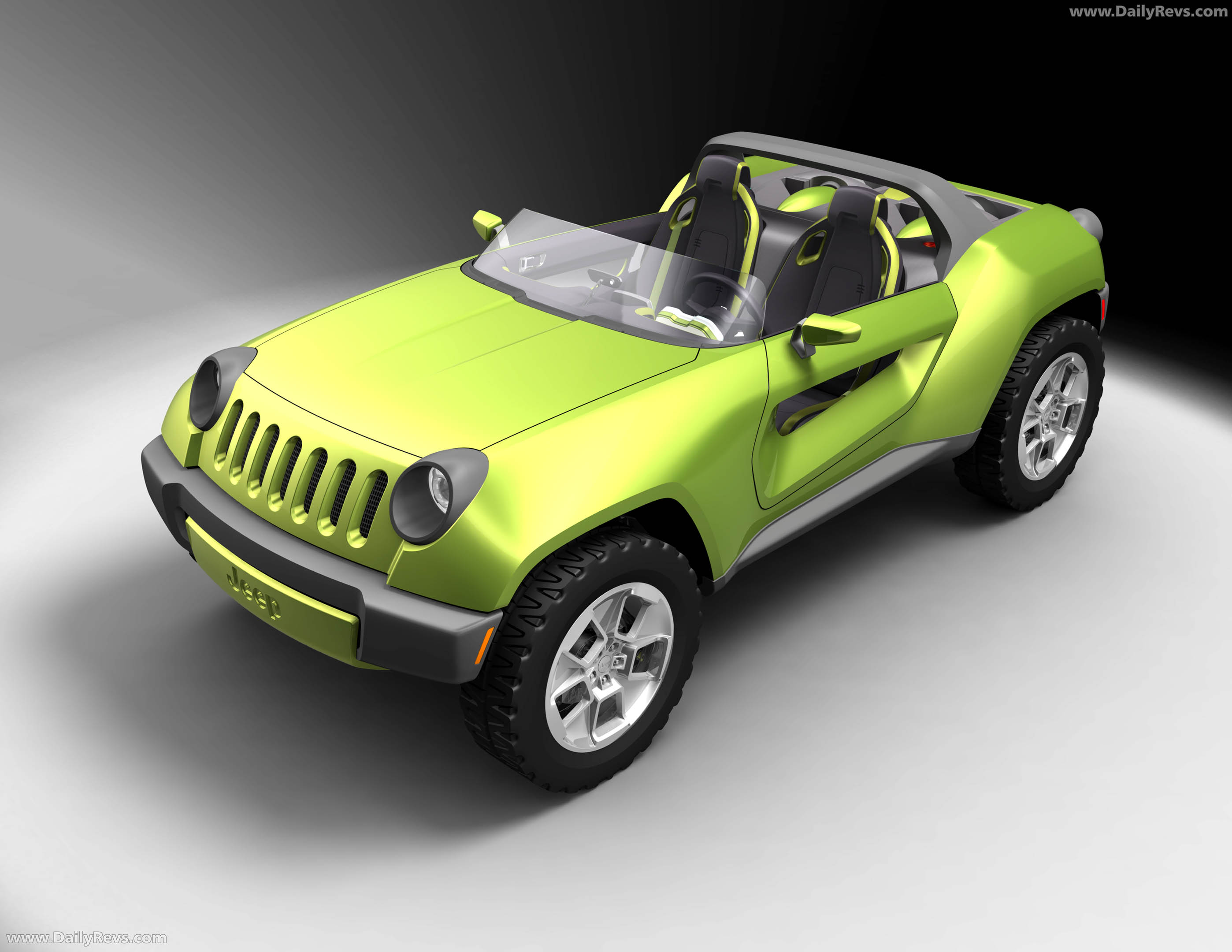
The Renegade was a compact two seat, open air concept designed around off road use, with oversized wheels and a cut down windshield.
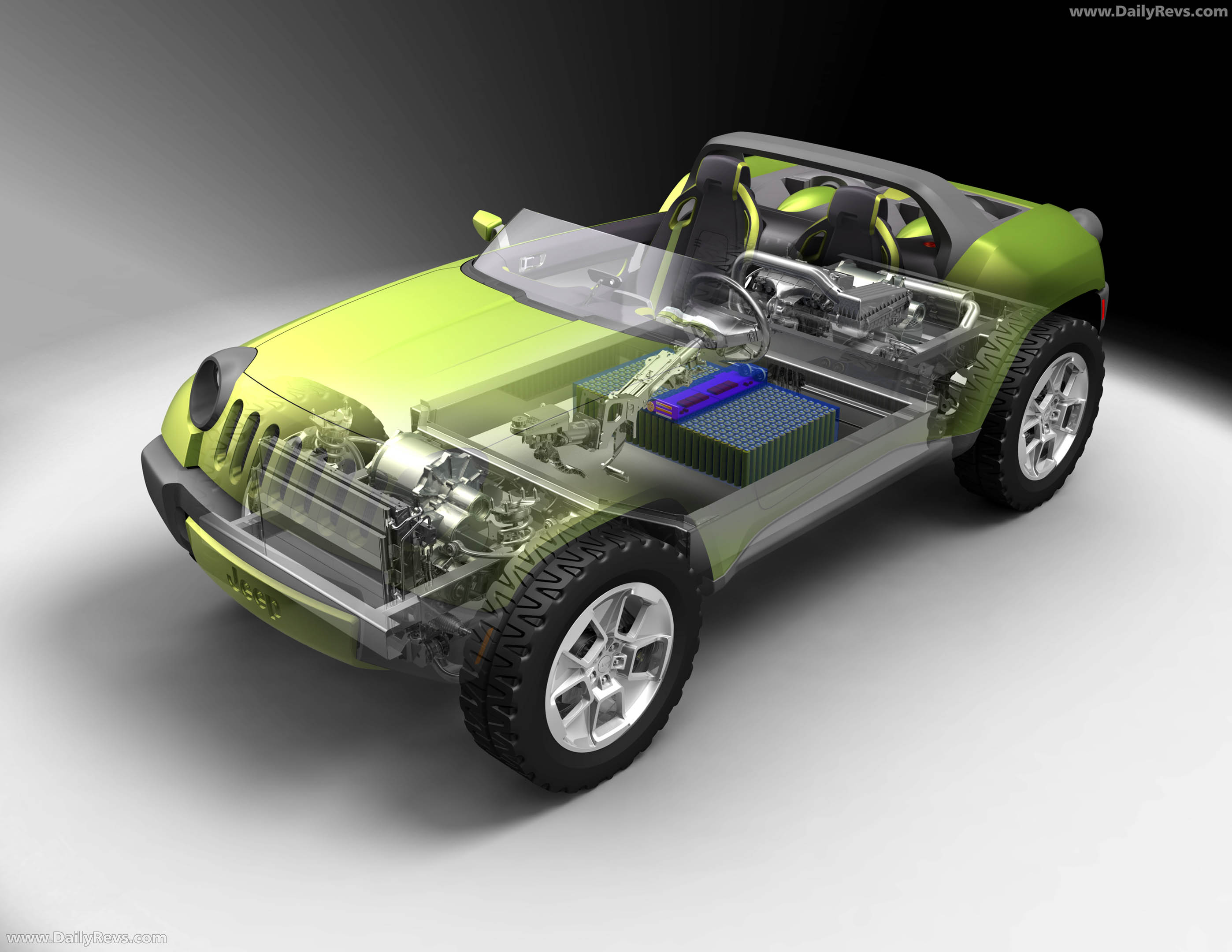
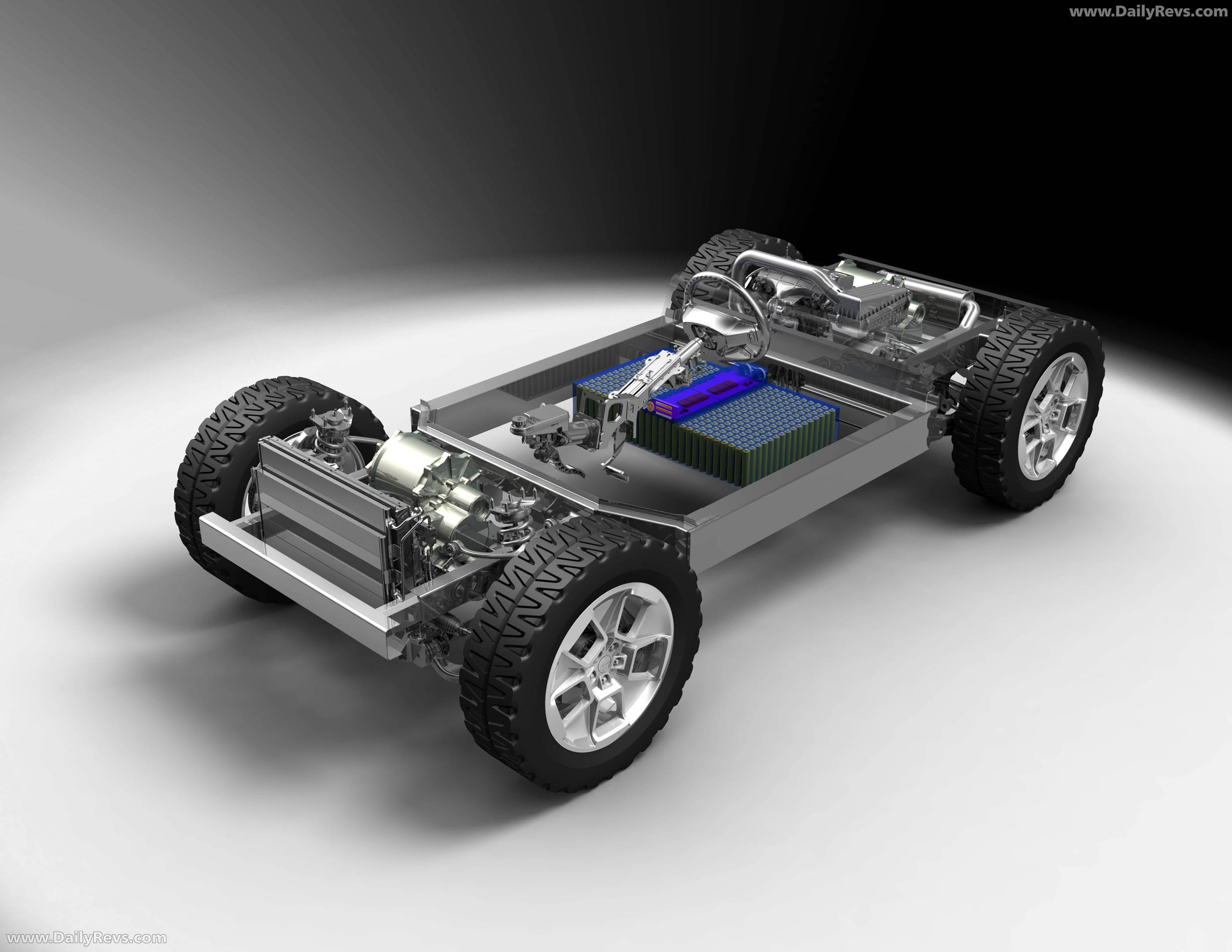
Two 200 kW electric motors powered a four wheel drive system with low range and locking differentials.
A 40 mile lithium ion battery system was supported by a 115 hp, 1.5 liter three cylinder BLUETEC diesel range extender.
The 2008 Jeep Renegade Concept approached electrification from a very different angle. Revealed in Detroit on January 13, 2008, the B segment two seater combined an open air body with a range extended electric drivetrain and hardware intended for dune running and rock crawling.
Jeep also made sustainability a central part of the project, using recyclable and lower impact materials throughout the body and cabin.
Open Body Puts The Wheels On Display
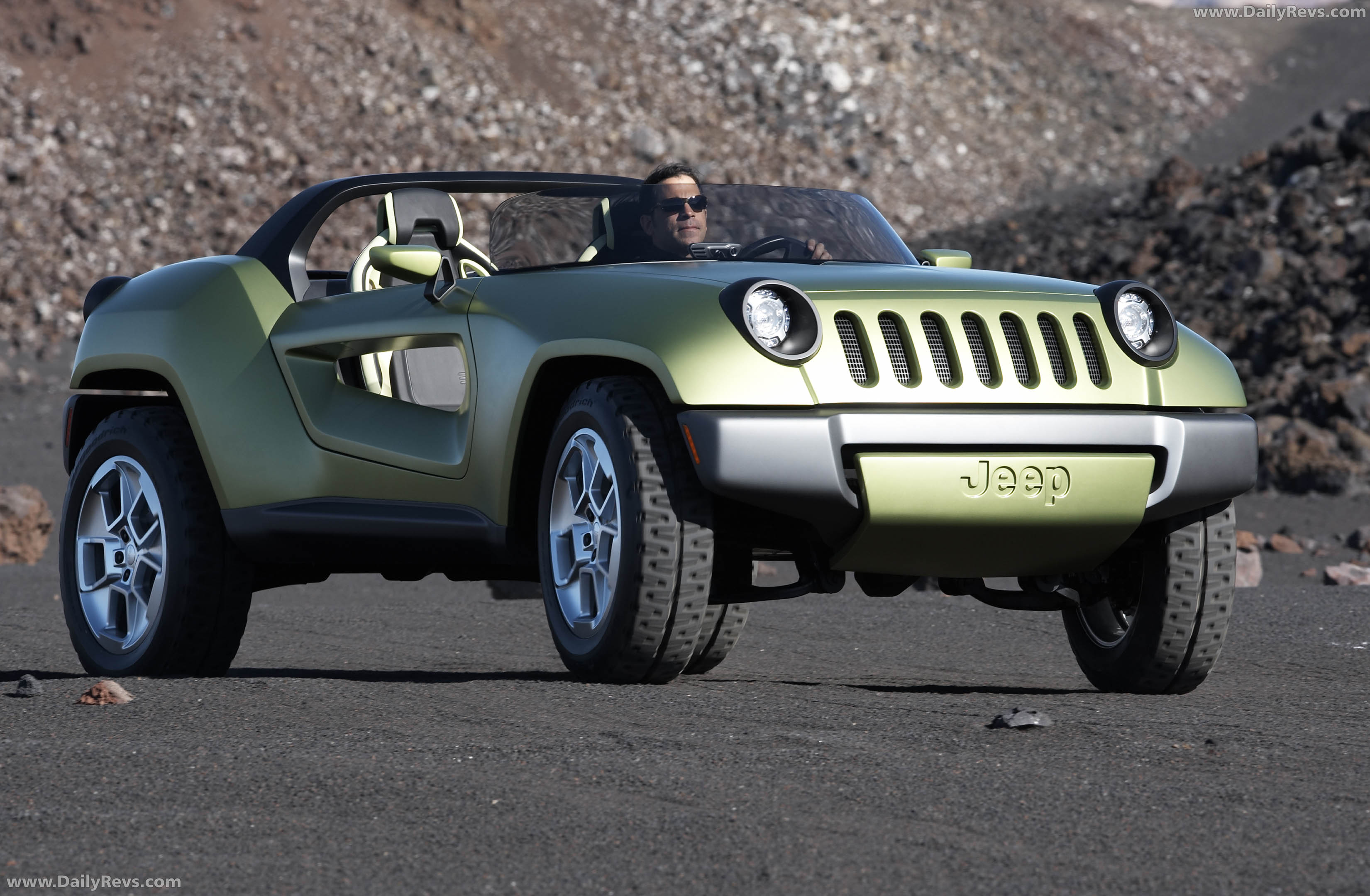
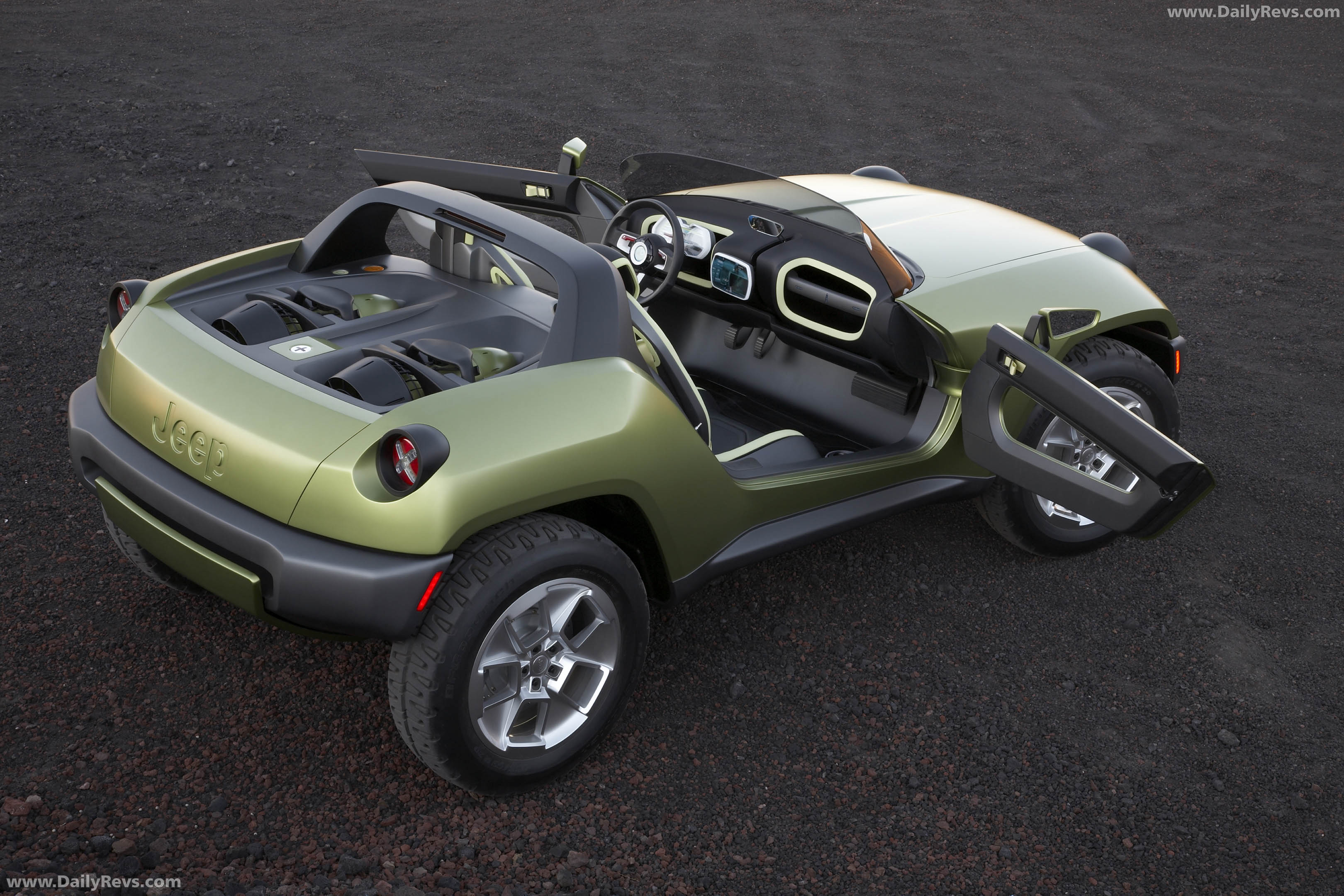
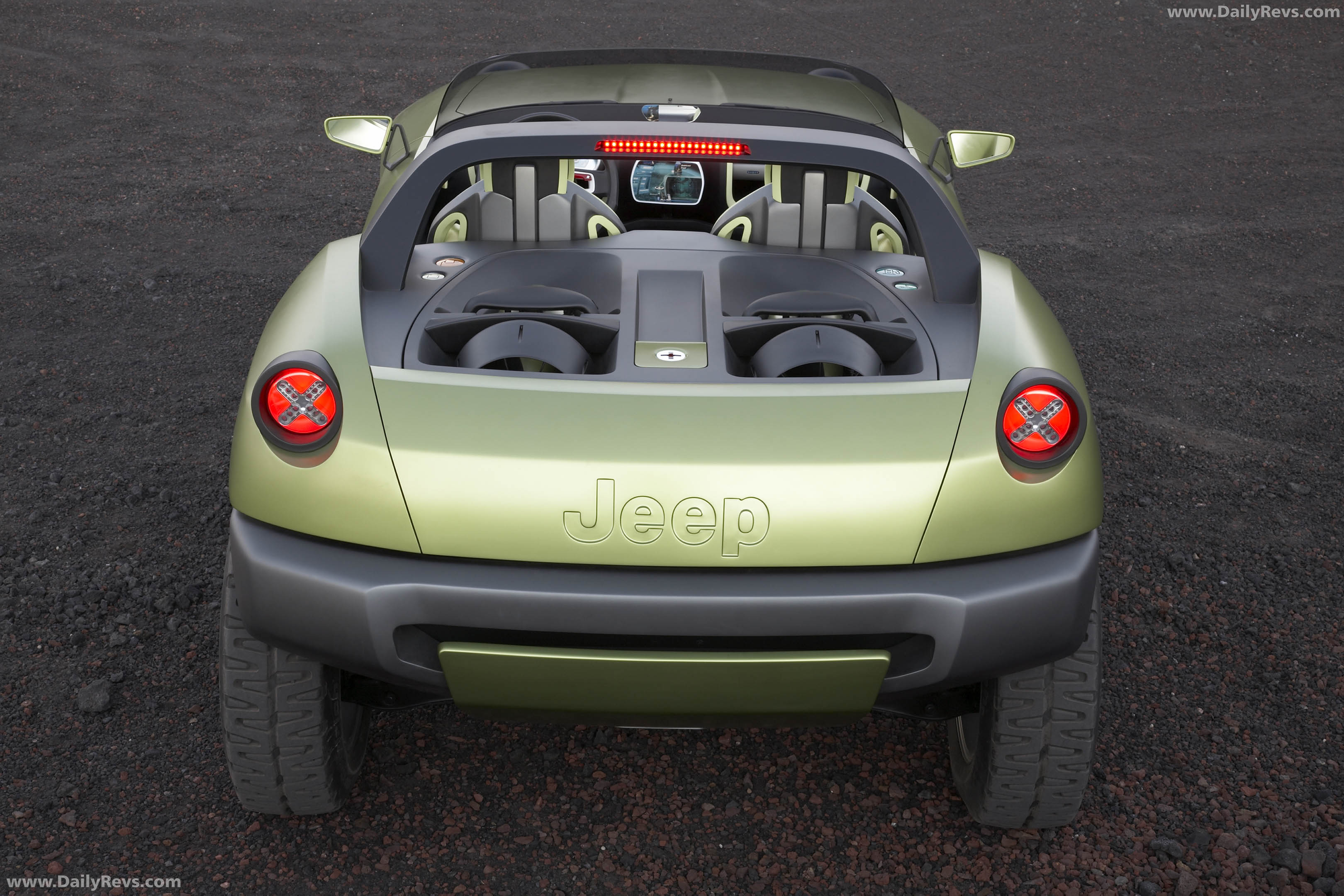
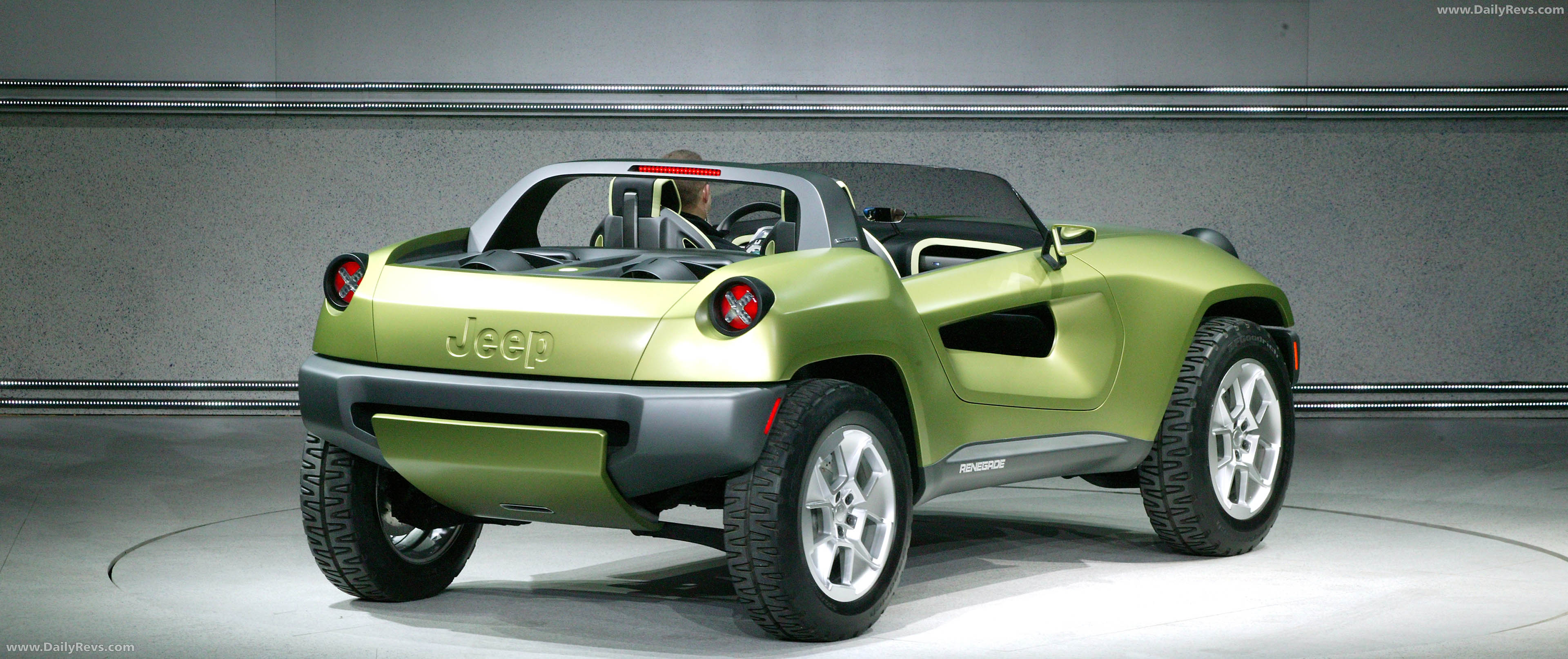
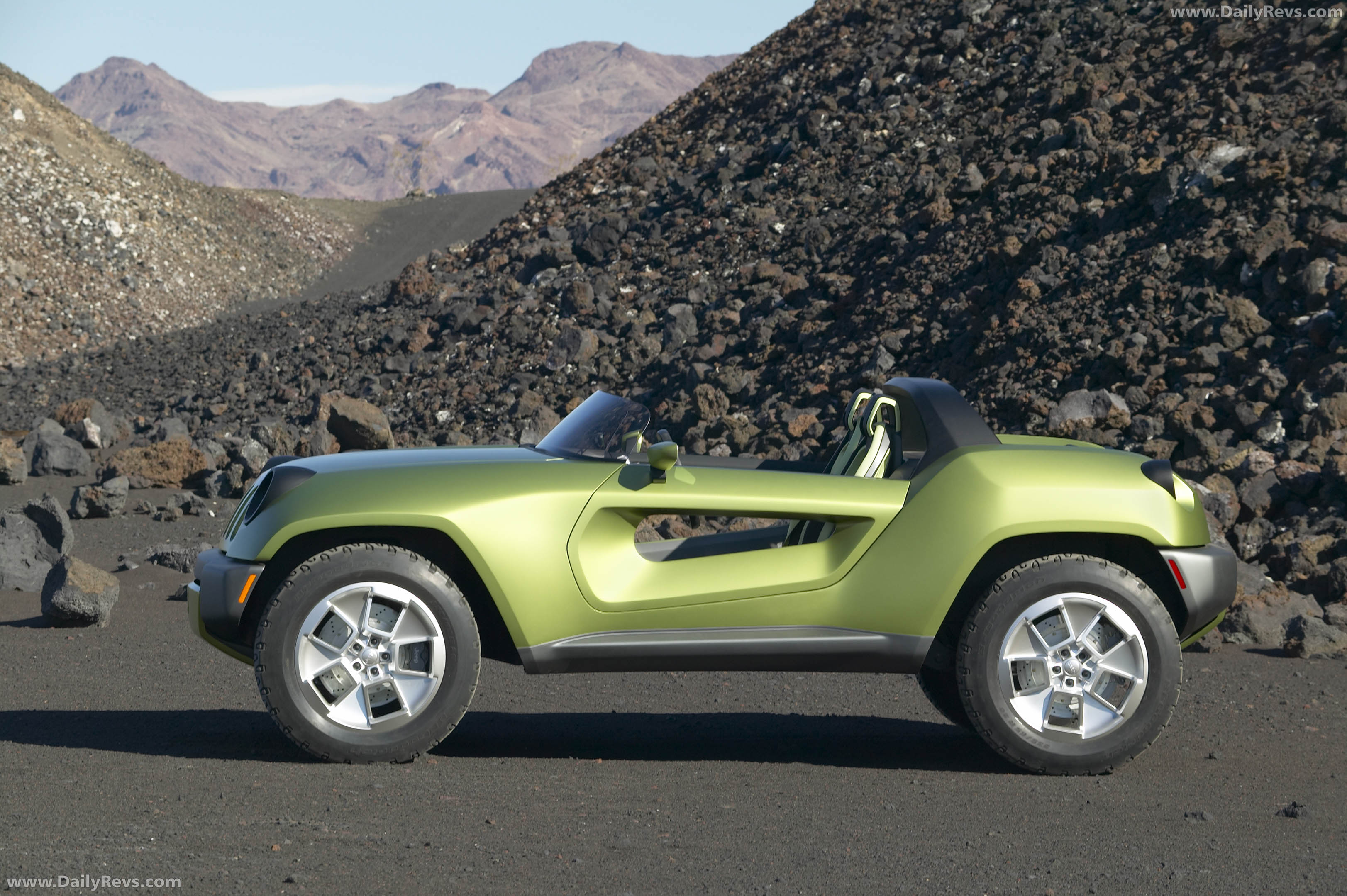
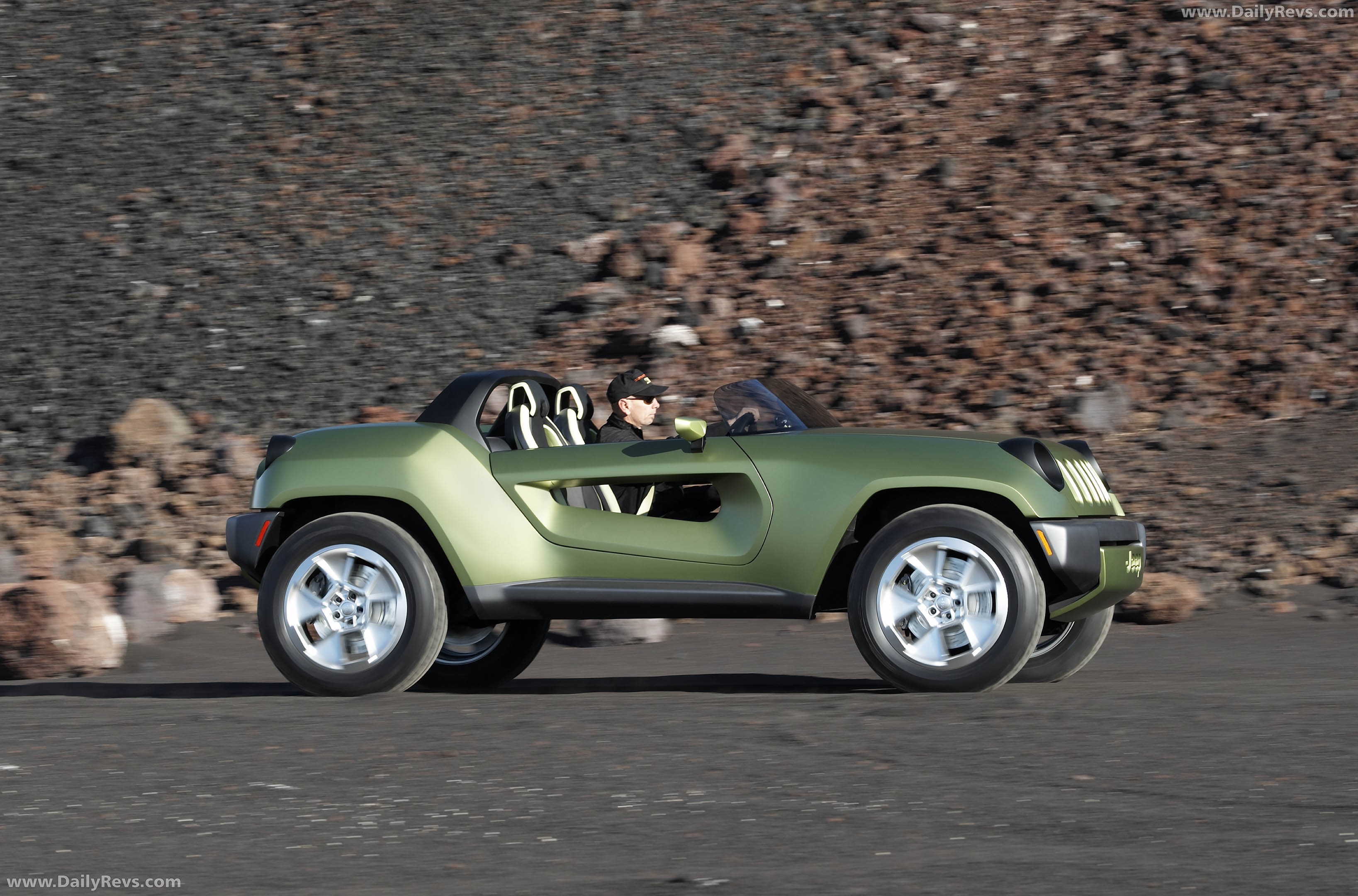
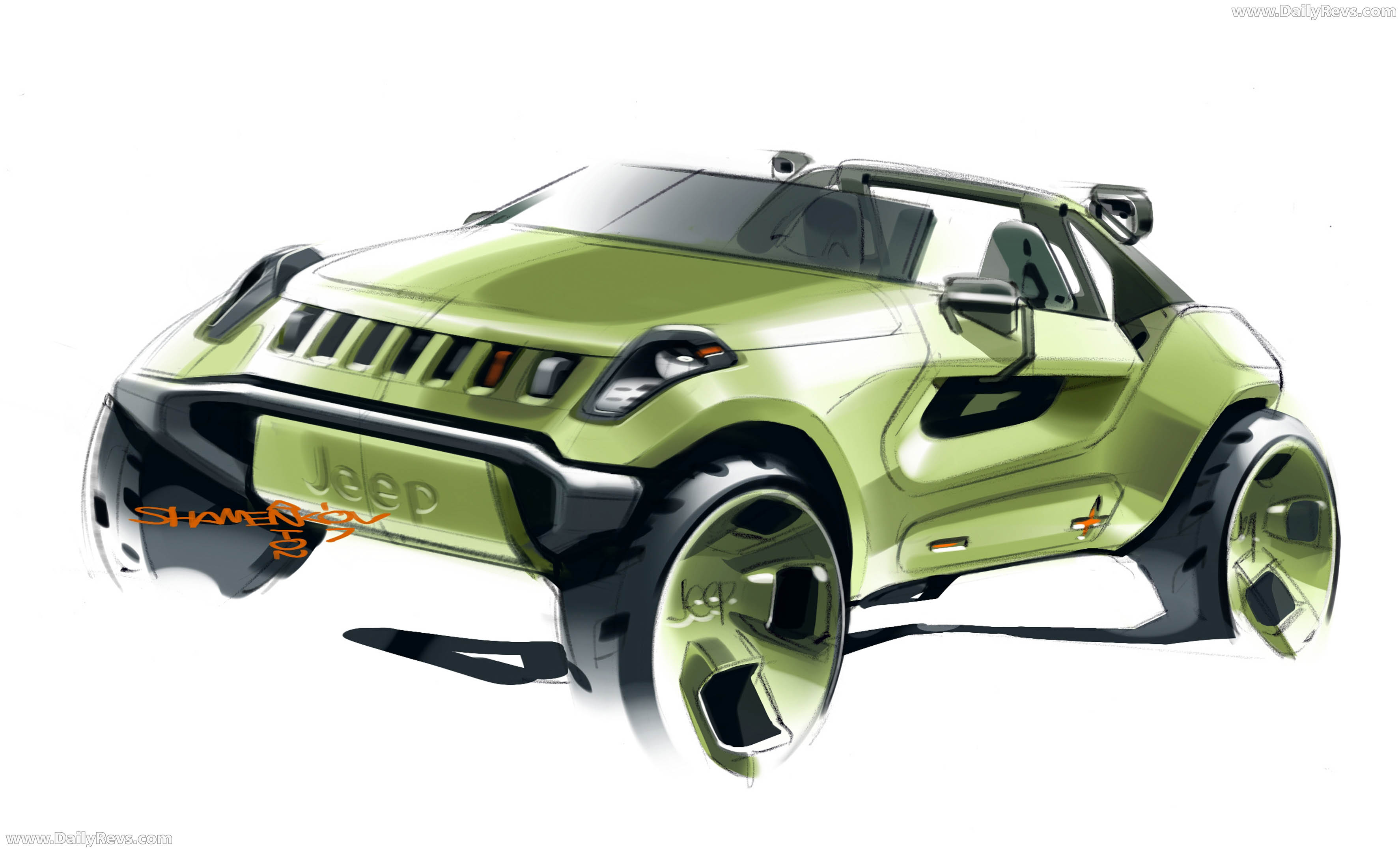
The Renegade was designed around large, flared wheel openings filled by oversized wheels and tires. A cut down speedster style windshield kept the upper body visually low, while the short open cockpit gave the concept proportions closer to a recreational off roader than a conventional compact SUV.
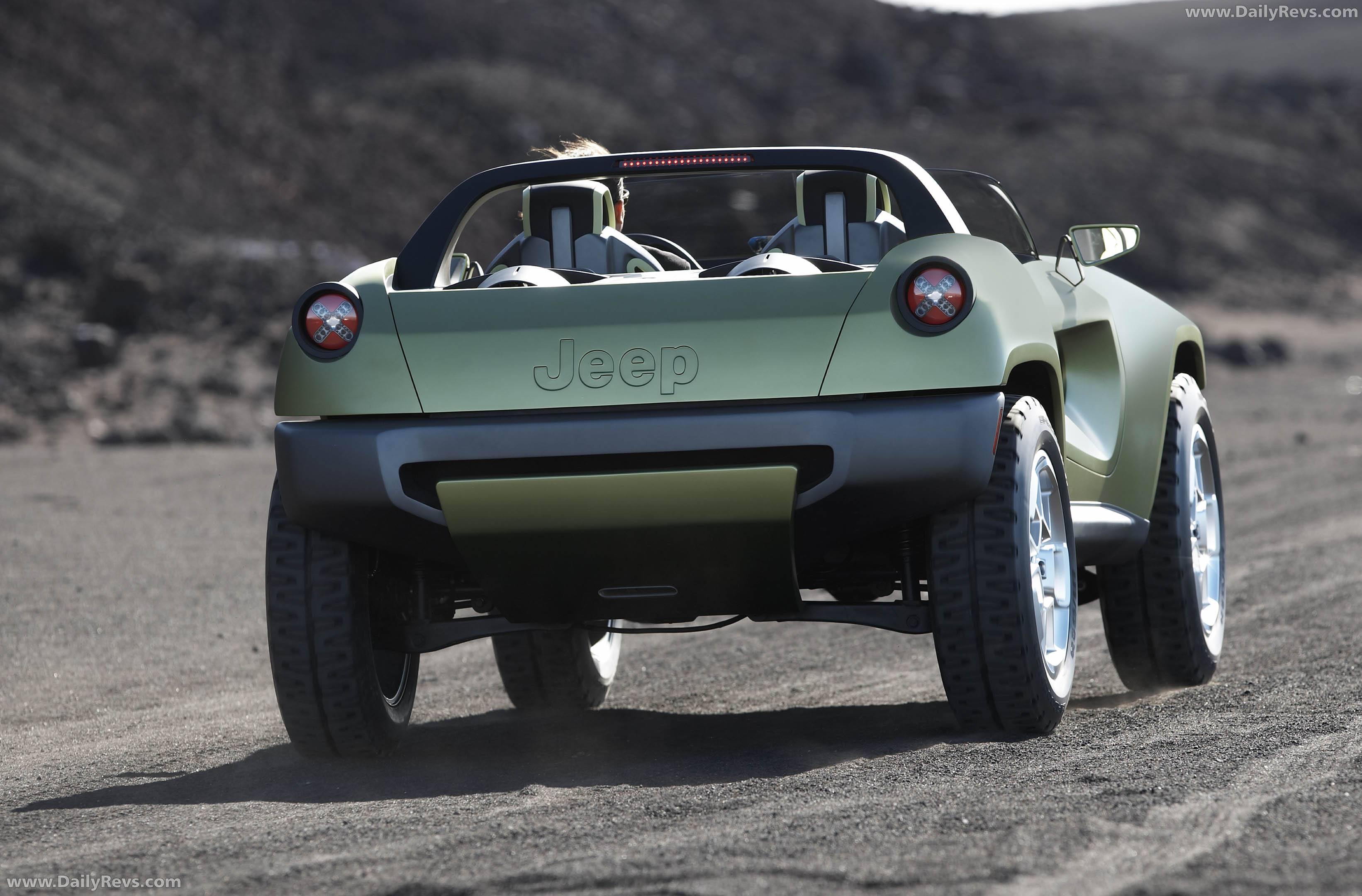
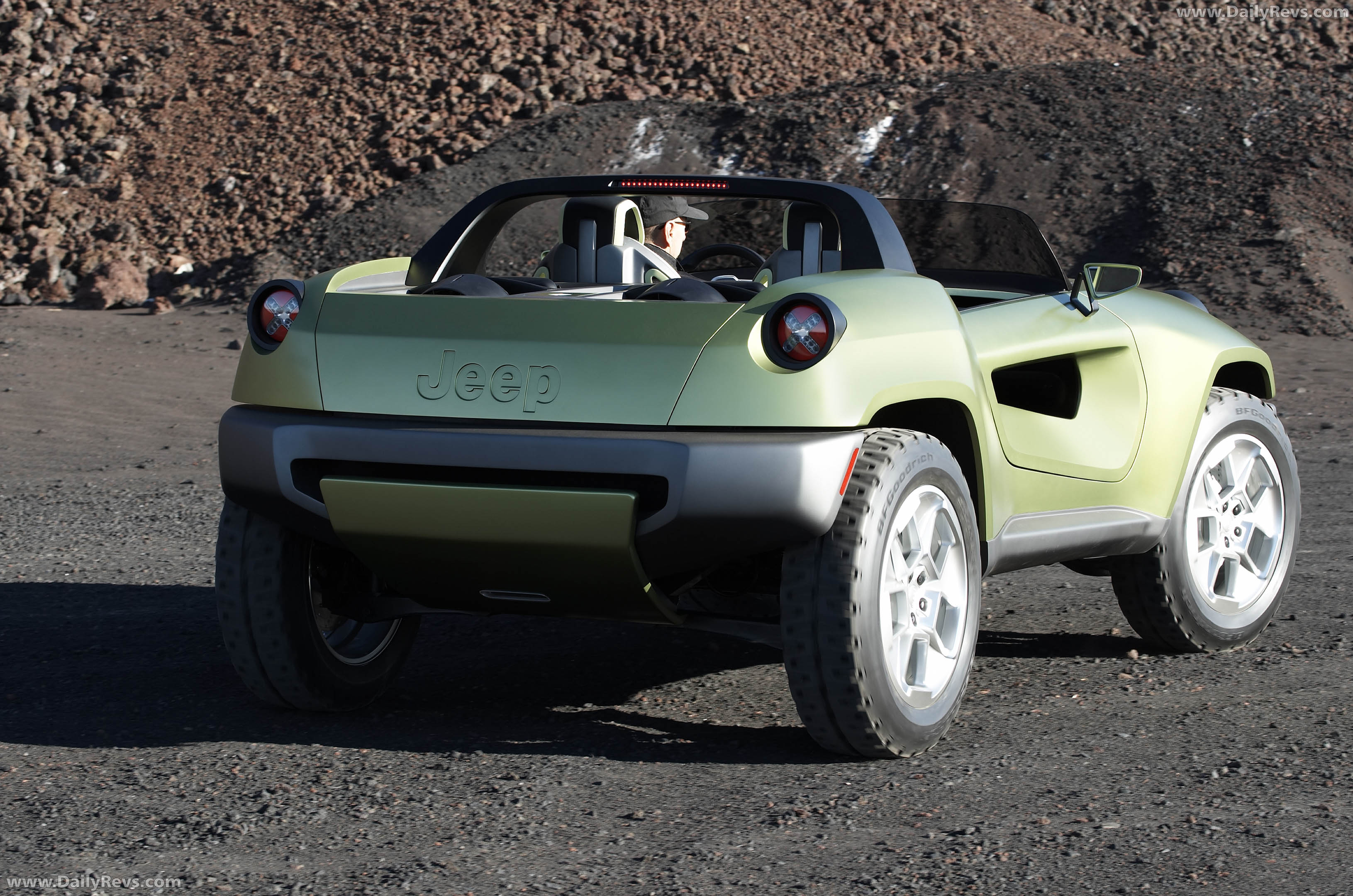
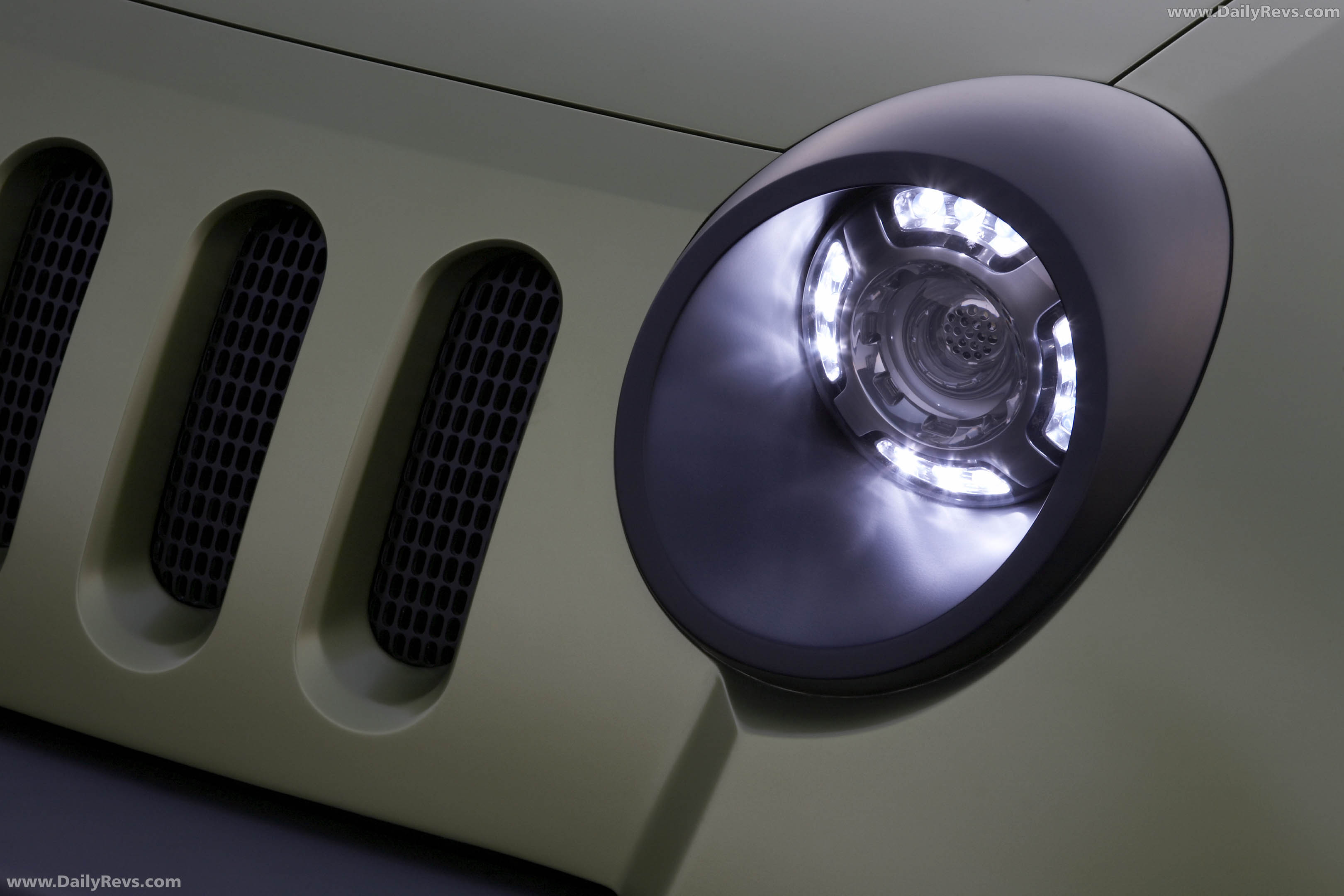
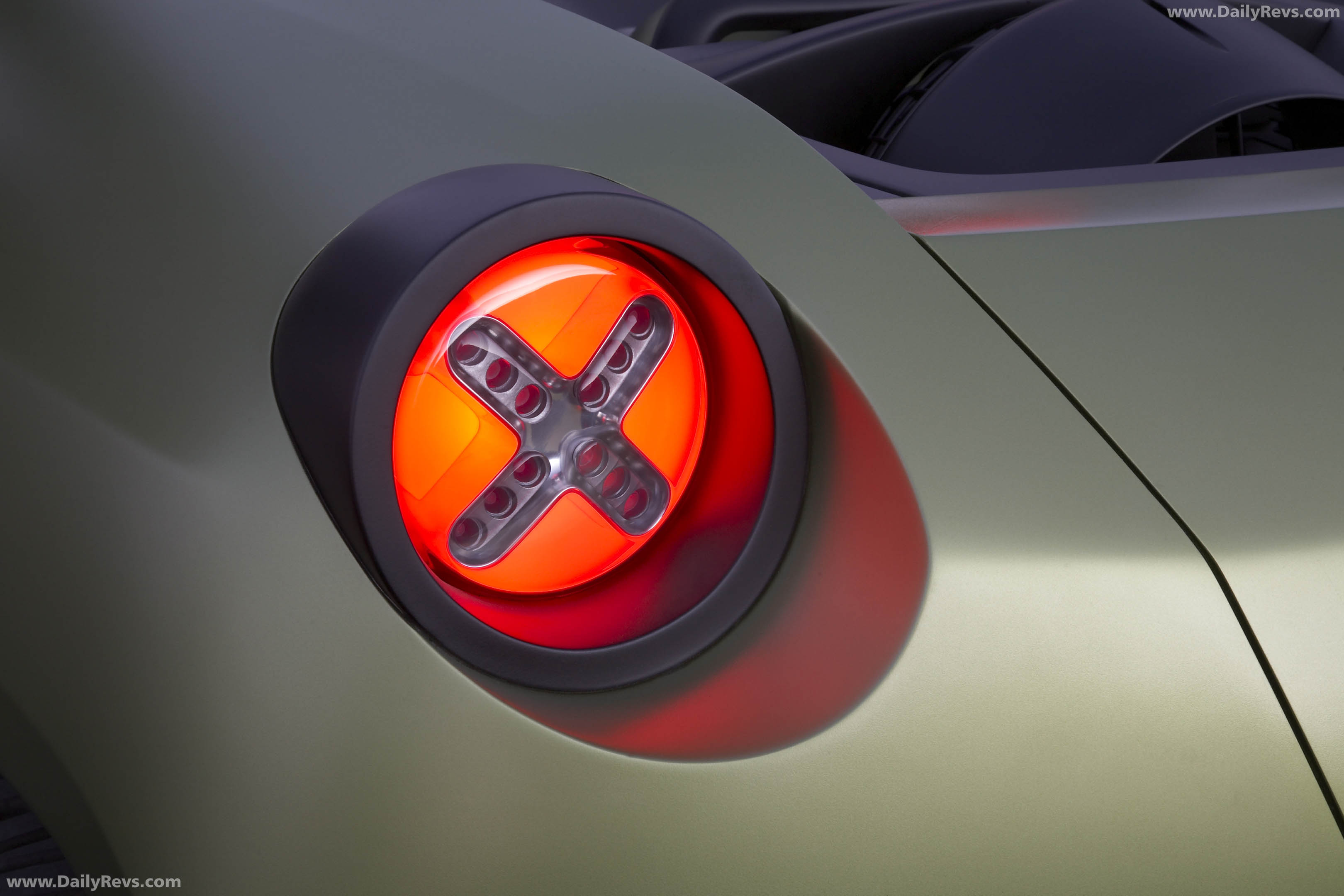
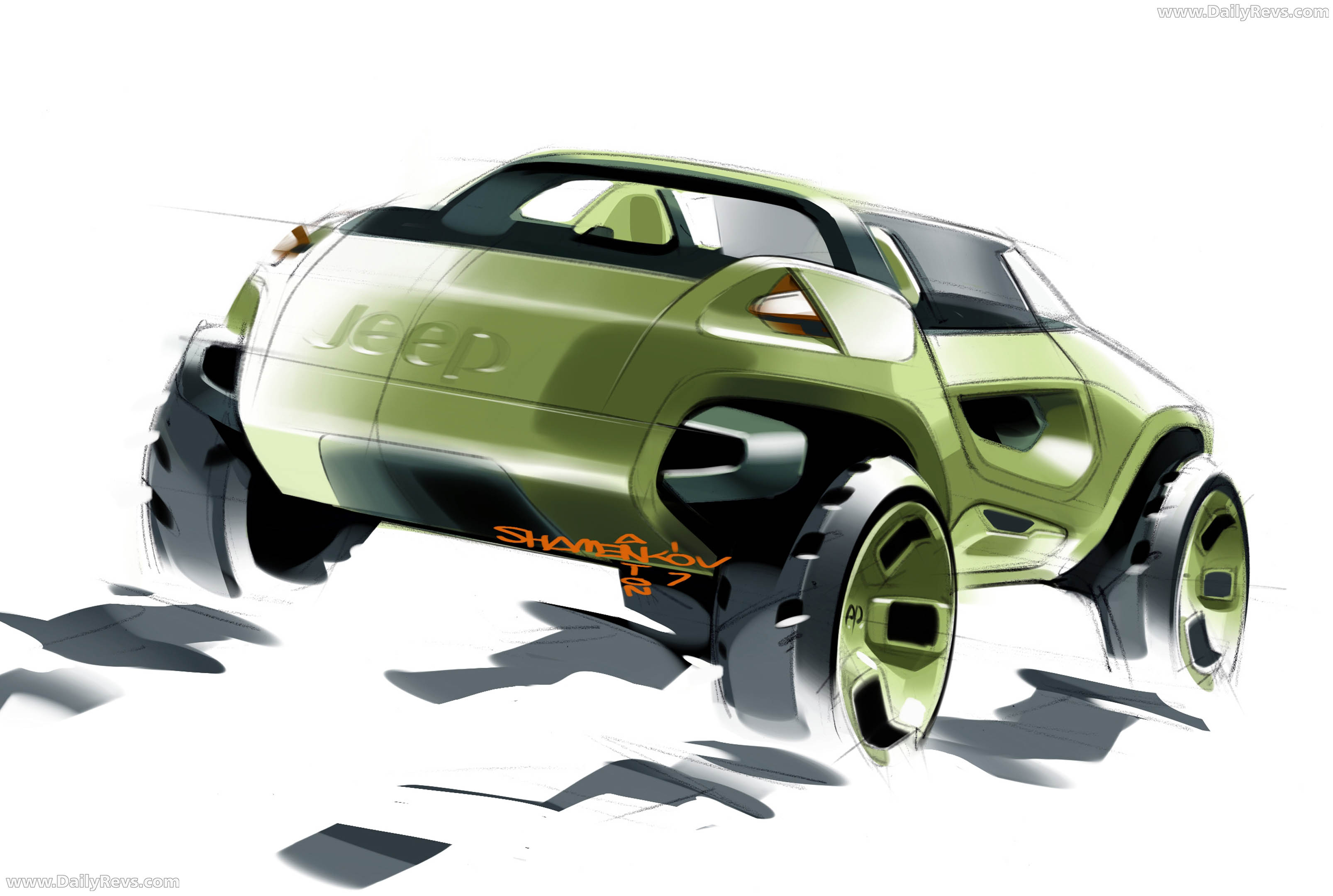
Its lighting was equally unusual. Rubber clad headlamps and taillamps were deliberately deconstructed in appearance, while each sculpted door incorporated a long triangular opening.
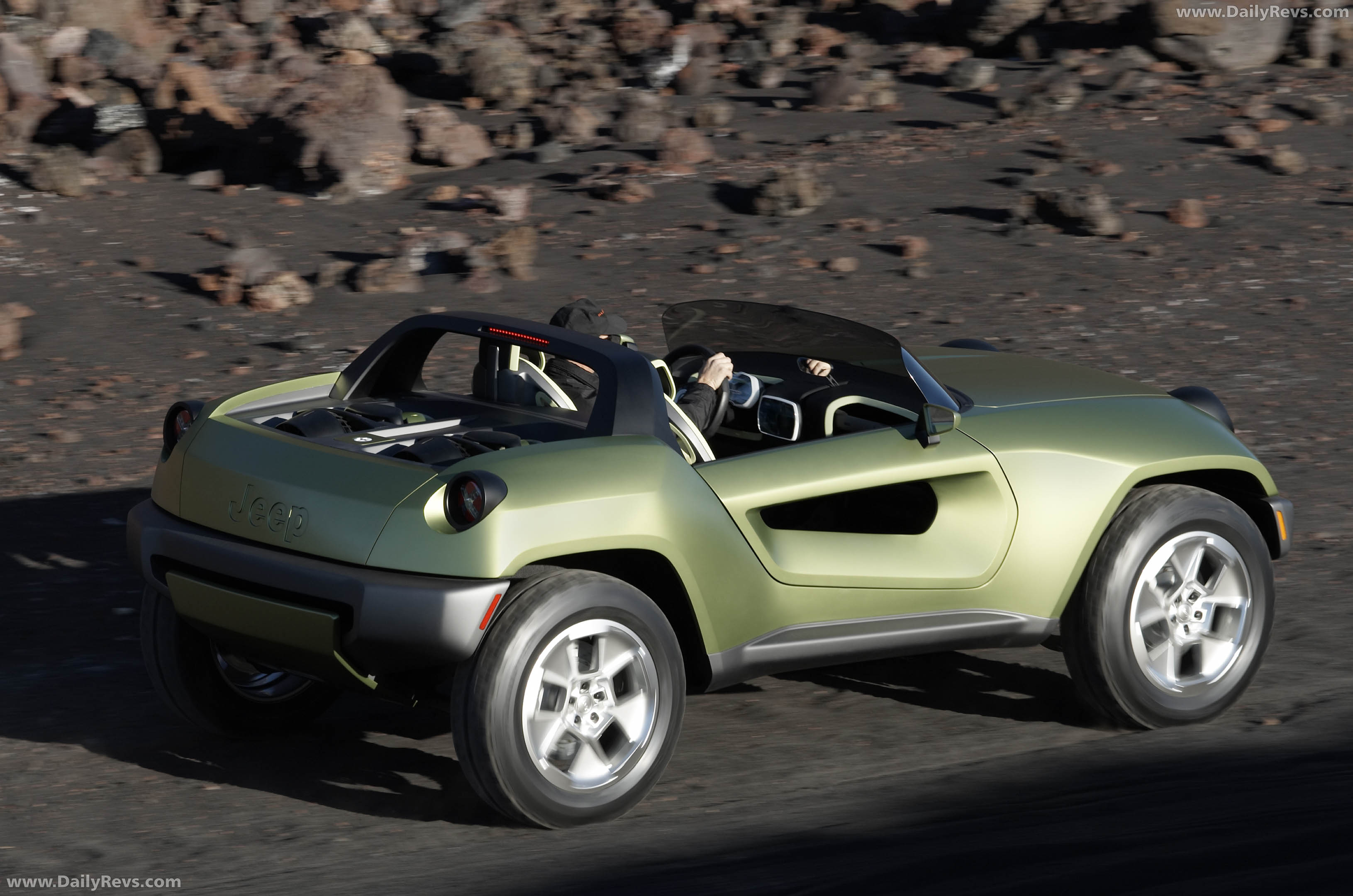
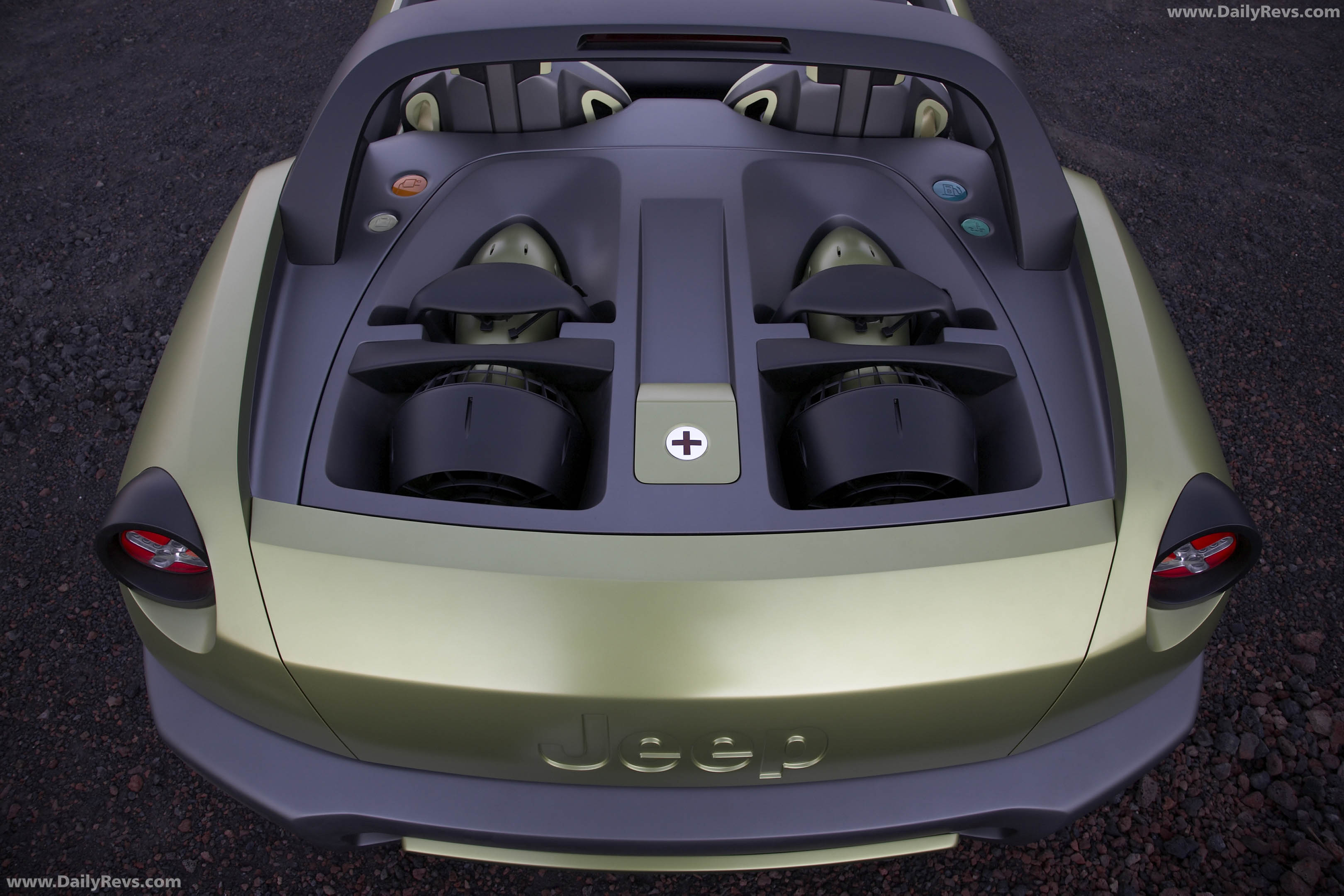
There was a roll bar, but no fixed roof. Behind the cockpit sat a configurable cargo deck that could accept different lids for outdoor equipment such as mountain bikes or kayaks. Another configuration provided mounting points for two matching water scooters with storage beneath.
Washable Cabin Uses Recyclable Materials
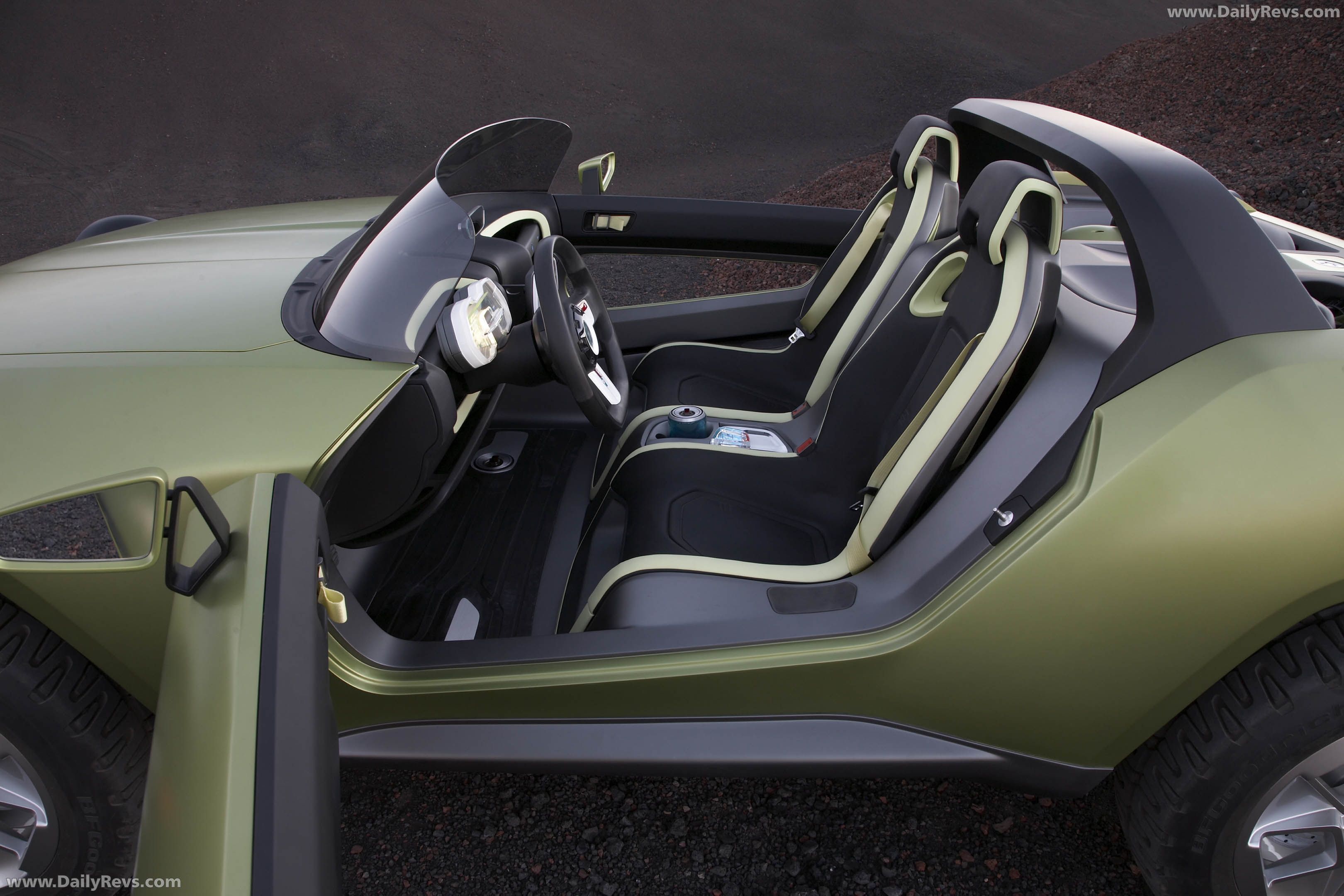
The interior followed a functional approach inspired by scuba diving equipment. One piece soy based foam seats and doors were joined by a molded instrument panel, an aluminum and silicone steering wheel and an interior tub designed with fewer individual components.
The dashboard itself was unconventional. Wireless electronics replaced conventional wiring in the instrument panel, while removable sealed modules were mounted around an exposed cross car beam. Yaw, pitch and roll indicators appeared on the passenger side.
A thin acrylic instrument cluster moved with the steering column. The separate center display was mounted on a swivel base so either occupant could reach it.
The two contoured seats used waterproof, scuba style material with integrated belts and lightweight U shaped headrests. Better still for an open vehicle, the cabin could be hosed down. Water was directed through channels in the floor mat toward a floor drain.
Dual Electric Motors Drive All Four Wheels
The Renegade's drivetrain started with a lithium ion battery providing 40 miles of electric driving. Jeep paired this with a 1.5 liter three cylinder BLUETEC diesel range extender producing an additional 115 hp when required.
An electric motor powered each axle. Both were rated at 200 kW, or 268 hp, giving the concept two 268 hp electric motors. Jeep also specified low range gearing and locking differentials for the four wheel drive system.
The claimed combined driving range was 400 miles, while Jeep quoted an equivalent petroleum fuel economy of 110 mpg. Regenerative braking and a lightweight aluminum architecture were also used to improve efficiency.