
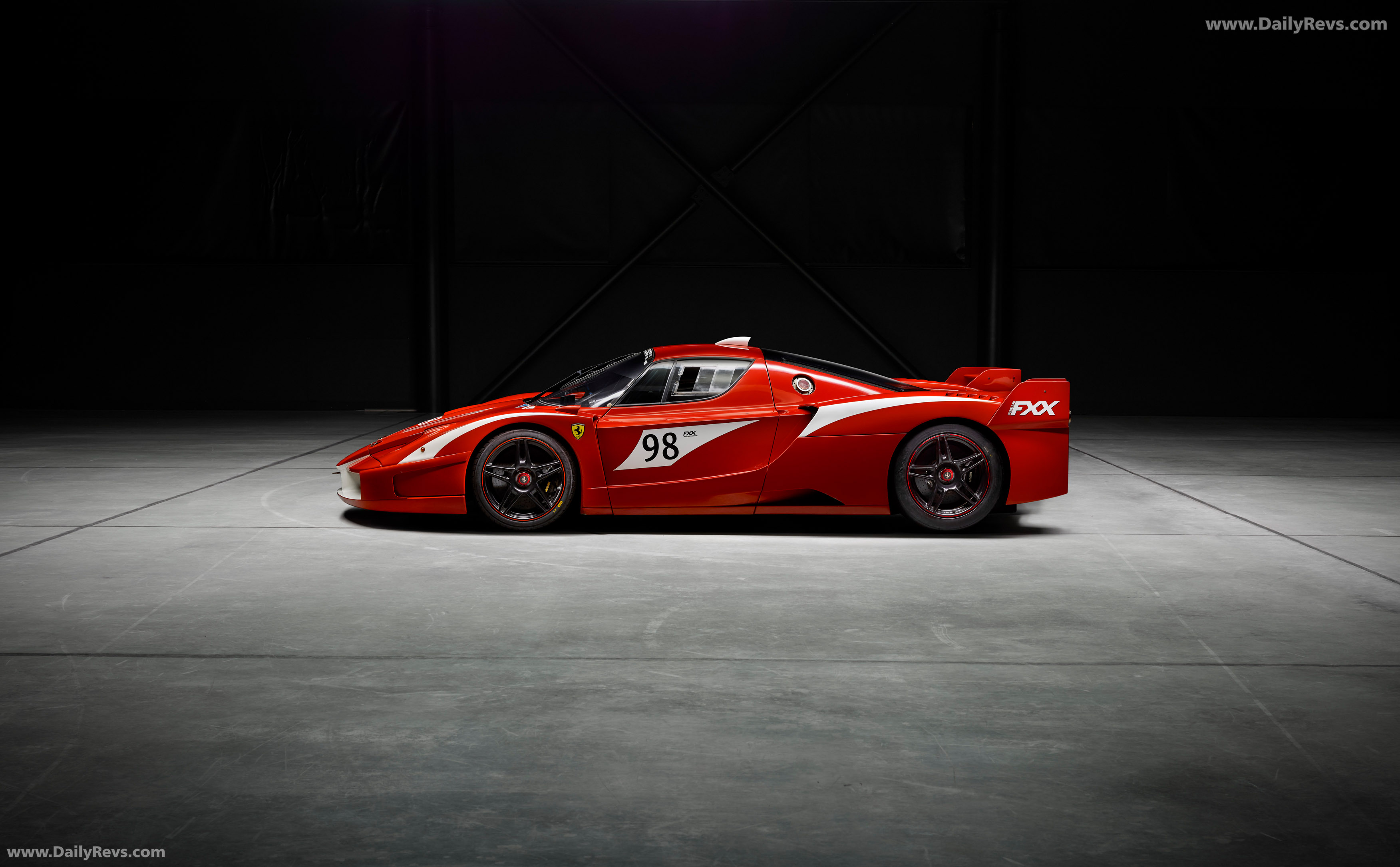
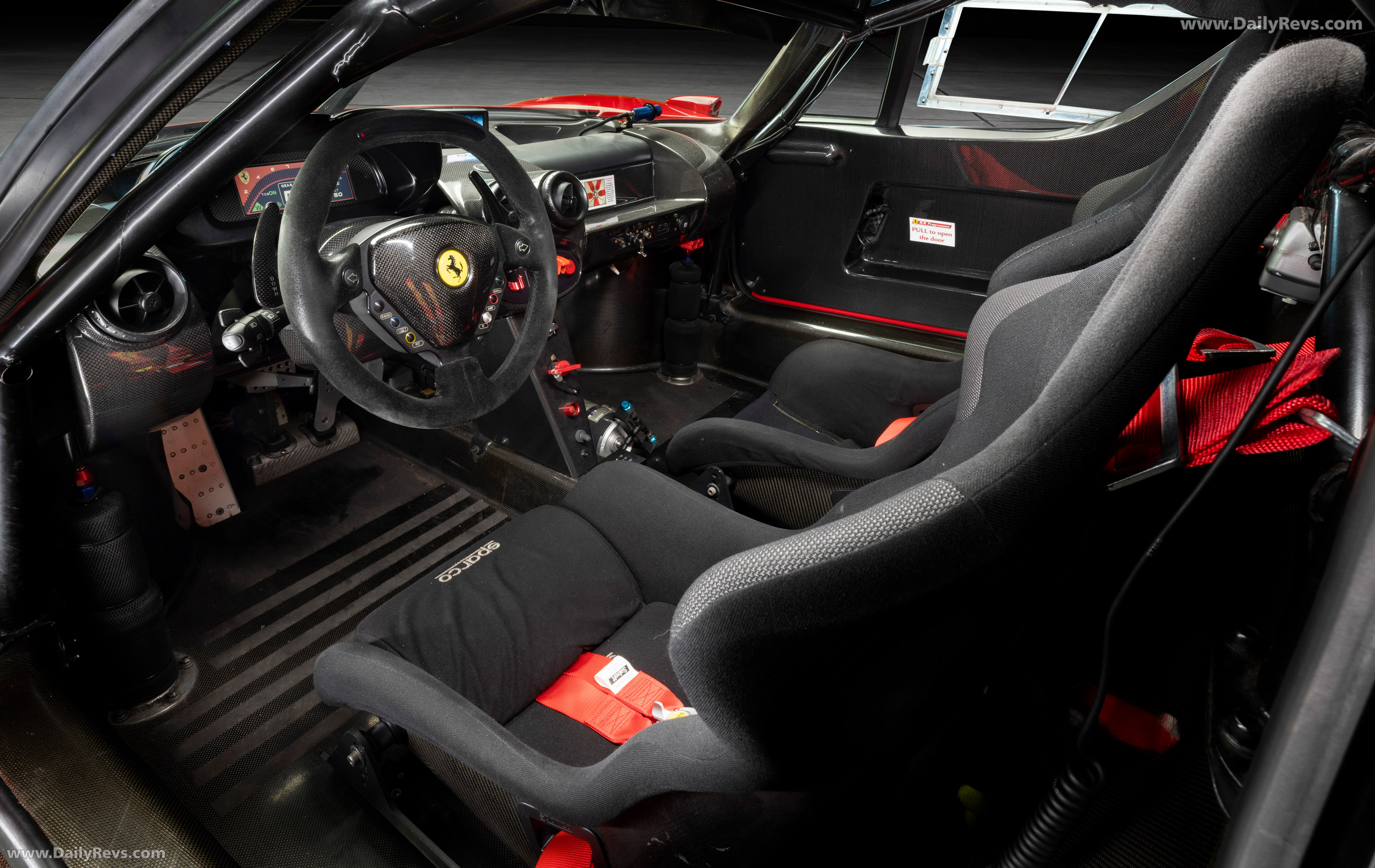

2008 Ferrari FXX Evo
By Lorenzo Bianchi November 8, 2008
6.3L V12 engine upgraded to 860 hp.
Aerodynamic downforce increased to 425 kg at 200 km/h.
Gains over one second per lap at Fiorano vs. the original FXX.
A Sharpened Evolution of the XX Concept
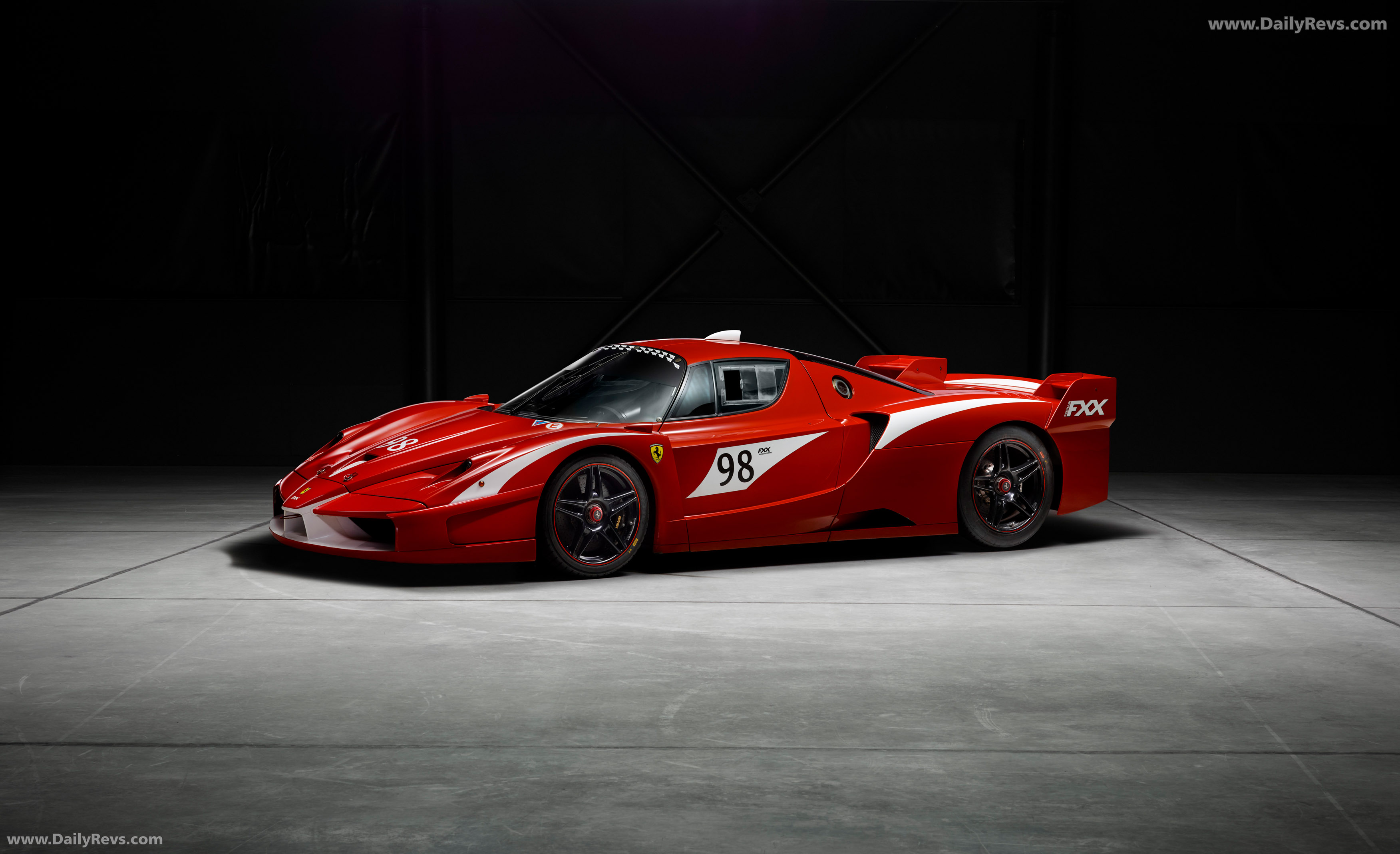
When Ferrari unveiled the FXX Evo in 2007, it wasn’t introducing a new car so much as refining an idea — the notion that development itself could be a performance art. Based on the Enzo-derived FXX, this evolved model embodied Ferrari’s ongoing dialogue with its most committed clients: the kind of owners who treat a day at Fiorano as both privilege and laboratory.
Part of the exclusive Corse Clienti XX Programme, the FXX Evo gave participants direct access to Ferrari’s engineering team, turning track sessions into data-gathering experiments. Each car was monitored, each lap translated into feedback that would inform not only future XX models but also road-going Ferraris
Aerodynamics Born from Racing Logic
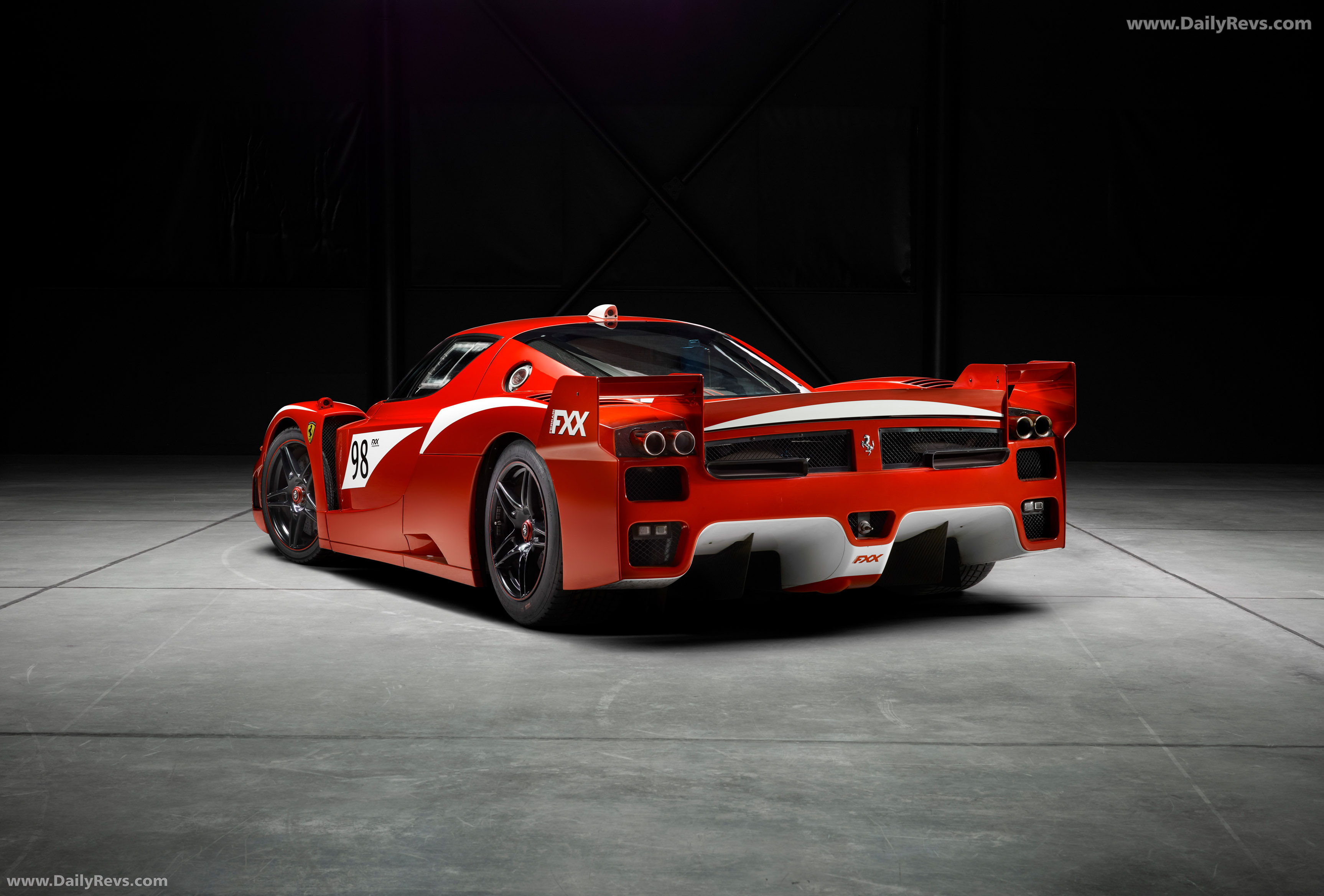
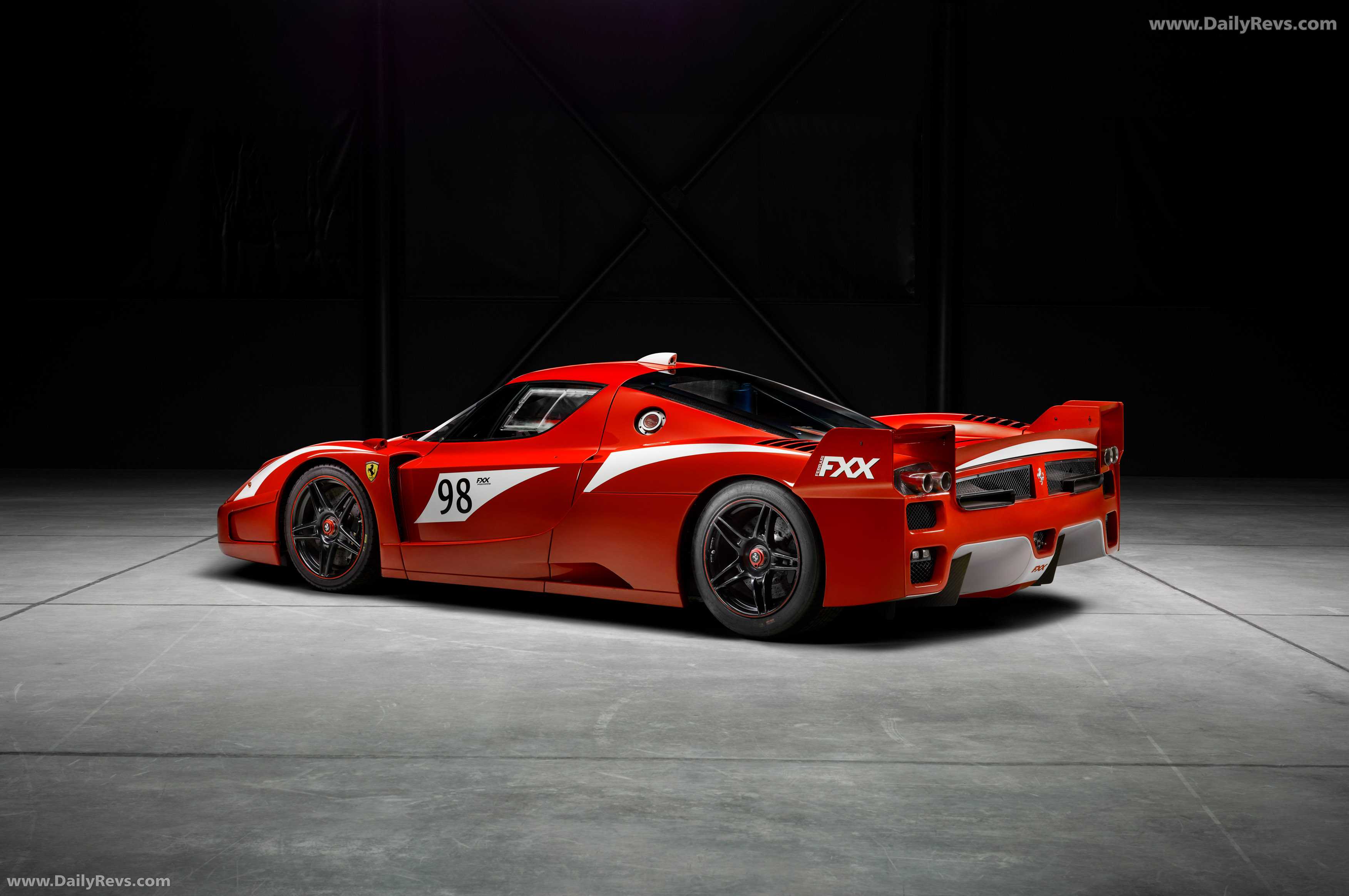
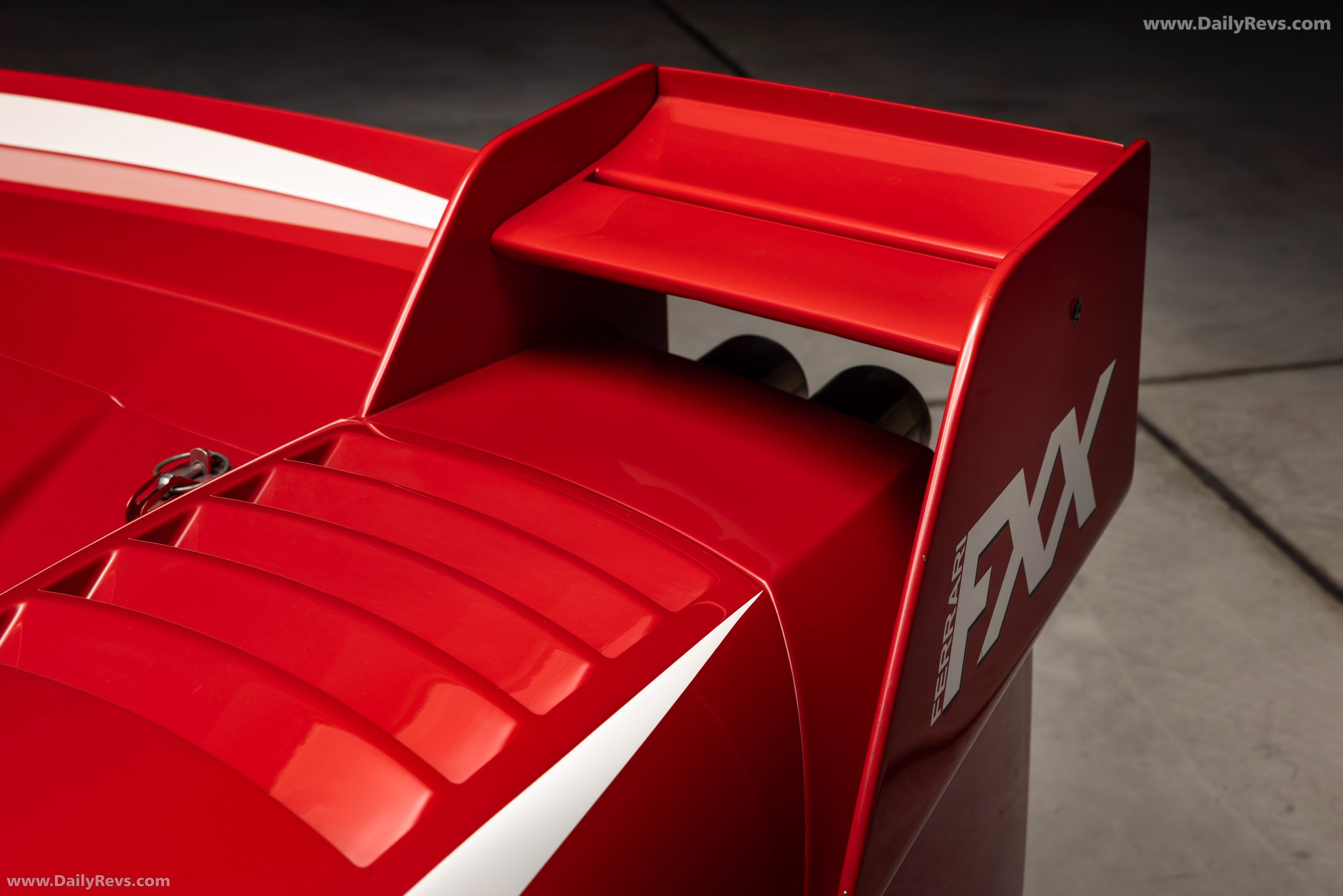
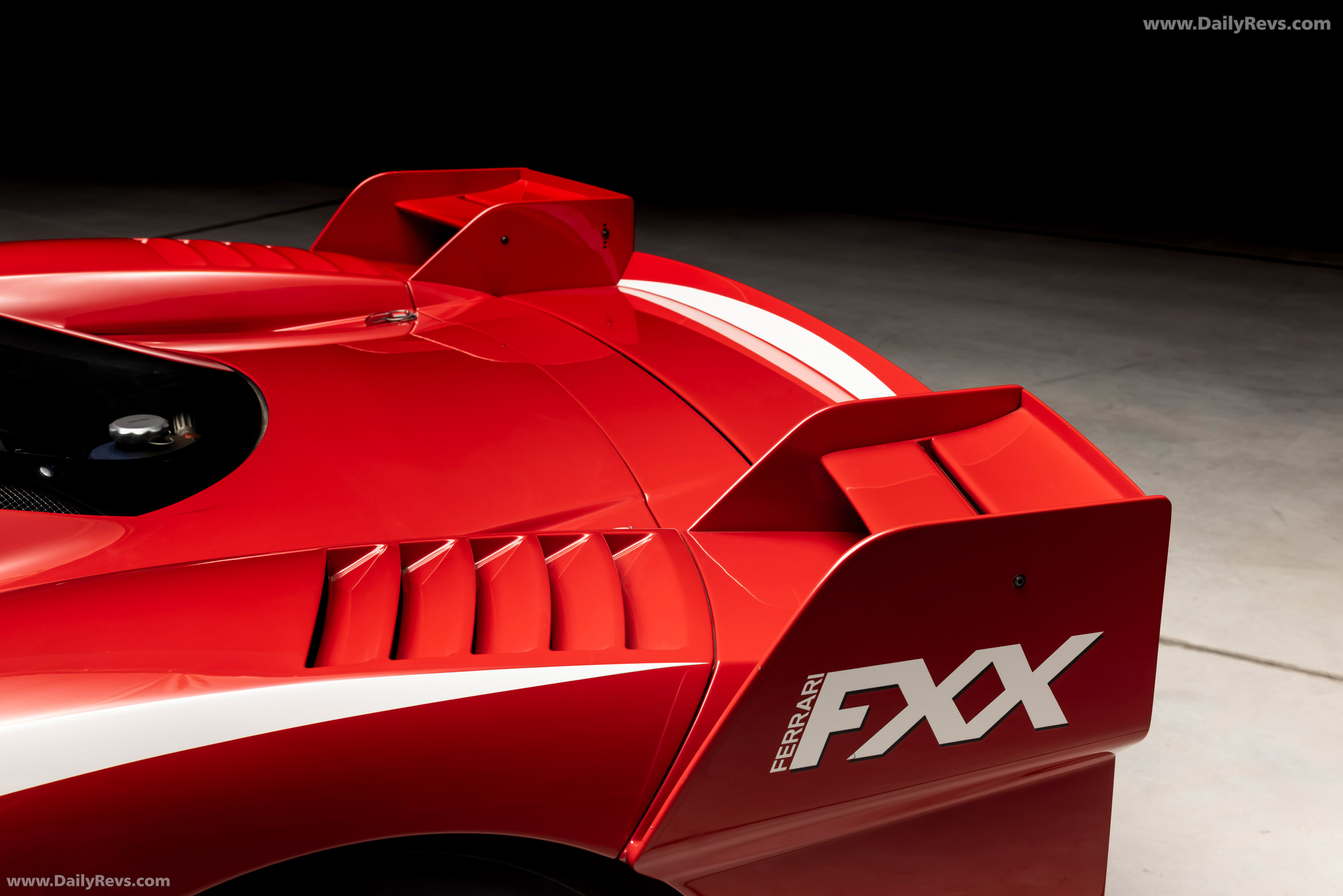
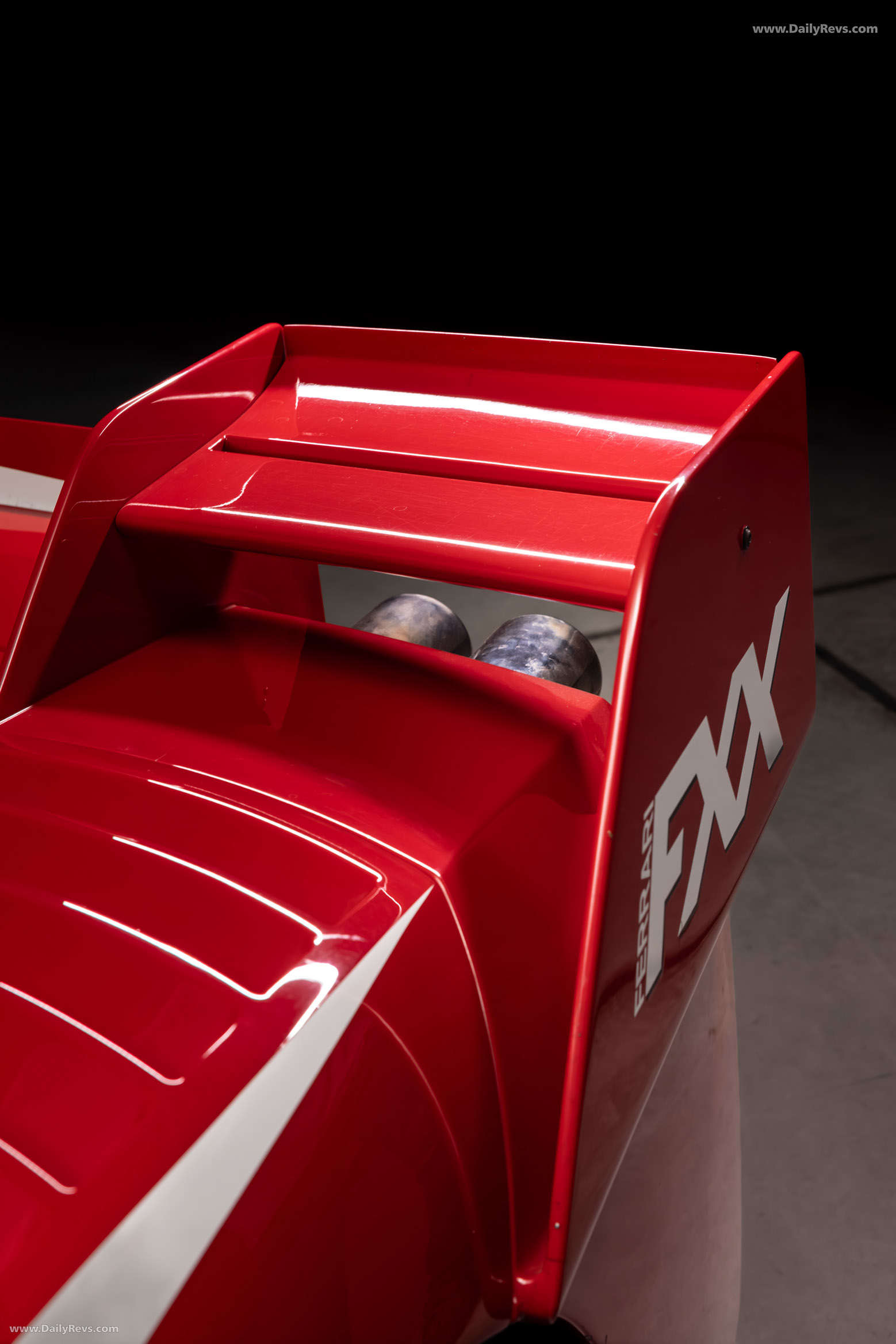
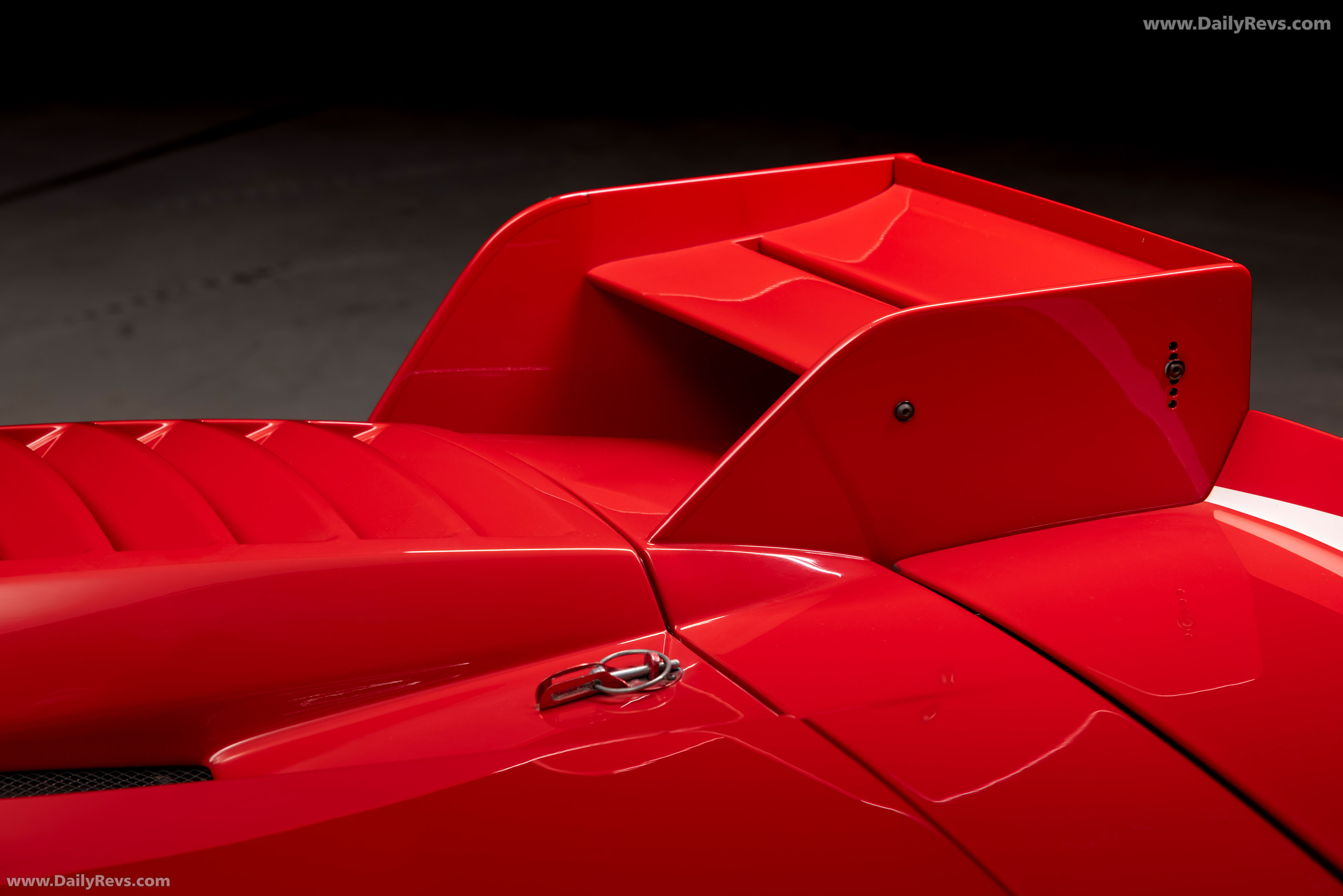
The FXX Evo arrived as a visual and technical update to the 2006 FXX. Ferrari engineers made targeted aerodynamic refinements — most visibly at the rear — to improve downforce and stability. The changes were subtle in form but profound in effect: at 200 km/h, downforce rose from 340 kg to 425 kg, offering improved grip and higher cornering precision
The car’s aerodynamic livery wasn’t merely decorative. It was a test of materials, airflow, and computational modelling that pushed beyond what a homologated vehicle could explore. These refinements translated into a one-second-per-lap gain at Fiorano — a margin that in racing terms borders on revolutionary.
The 860-Horsepower Laboratory
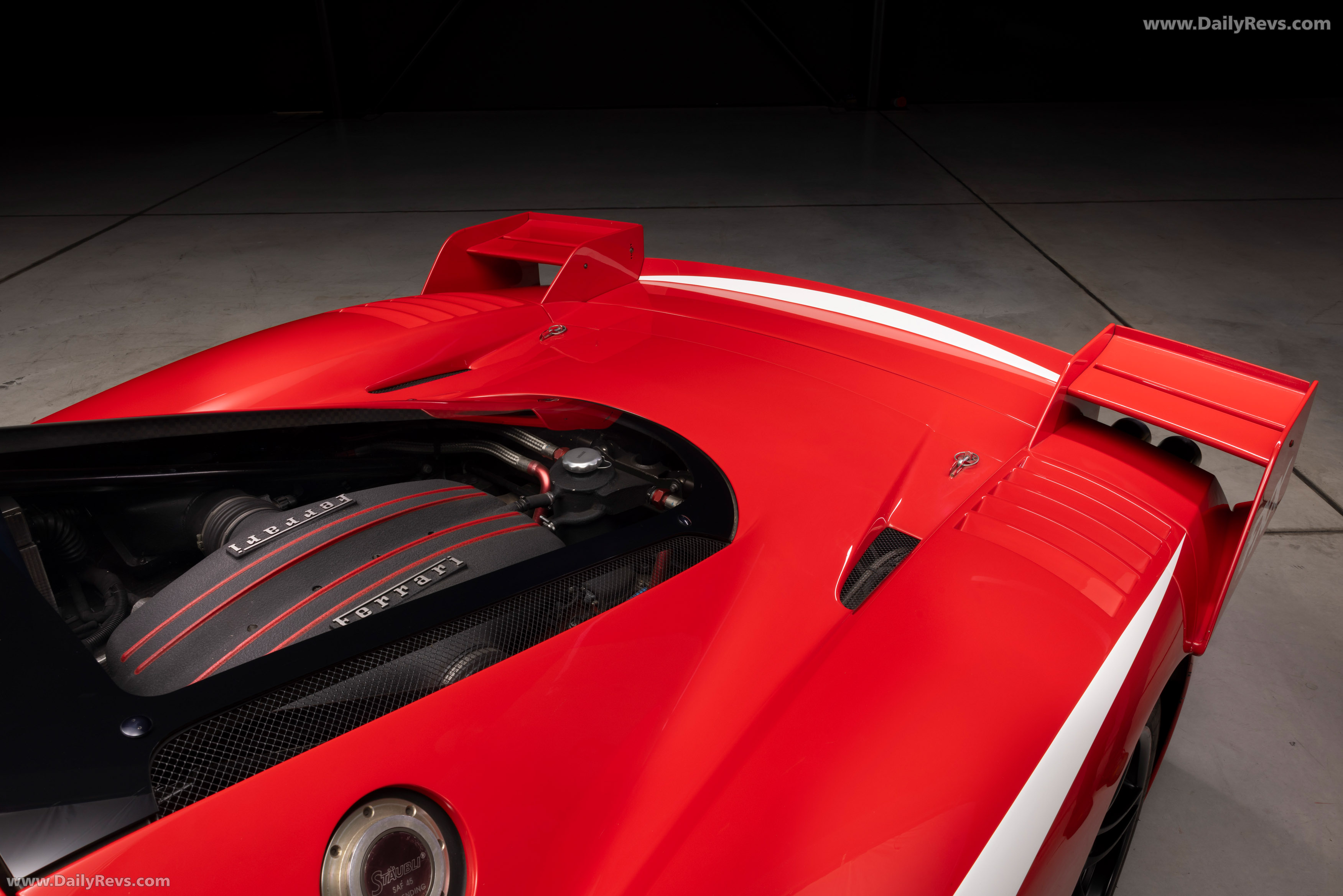
Under its sculpted carbon bodywork, the FXX Evo retained the naturally aspirated 6.3-liter V12, now tuned to 860 hp, an increase of 60 hp over the standard FXX. Updates to the intake and ignition systems sharpened throttle response, while refinements to the gearbox and traction control delivered more immediate feedback.
Yet, performance wasn’t the entire story. The Evo introduced improved electronics for telemetry and driver input, foreshadowing systems that would later inform Ferrari’s production traction management and Side Slip Control technologies.
In practice, the car was a continuous feedback loop — between machine, driver, and Maranello’s engineers — creating one of the most interactive test platforms Ferrari had ever fielded.
A Defining Chapter in Ferrari’s XX Programme
The 2008 Ferrari FXX Evo represents a key moment in Ferrari’s transition from mechanical mastery to data-driven performance. It refined the foundation laid by the original FXX and set the tone for the 599XX and later the hybrid FXX K — each generation more experimental, more precise.
Its presence within the XX Programme also underlined Ferrari’s unusual proposition: offering customers not just a car but an active role in developing the next generation of technology.
Eighteen years on, the FXX Evo still stands as a bridge between eras — where Ferrari’s raw, analog power began to intertwine with the digital sophistication that defines its cars today.
Technical Specifications
Powertrain and Performance
- Engine Type: Naturally aspirated 6.3-liter V12
- Configuration: 65° V12, rear-mid-mounted, longitudinal
- Power Output: 860 hp (640 kW)
- Redline: 9,500 rpm
- Transmission: 6-speed sequential paddle-shift gearbox
- Drivetrain: Rear-wheel drive
- Lap Time (Fiorano): 1 second faster than standard FXX
Chassis and Body
- Chassis Construction: Carbon-fiber monocoque with integrated roll structure
- Body Material: Carbon-fiber composite panels
Aerodynamics:
- Revised front splitter and canards
- Enlarged rear diffuser
- Fixed rear wing with adjustable elements
- Redesigned underbody airflow channels
- Downforce: 425 kg at 200 km/h (increased from 340 kg on standard FXX)
Suspension, Brakes, and Tyres
- Front Suspension: Independent double wishbone
- Rear Suspension: Independent multi-link setup
- Dampers: Track-tuned with electronic adjustment
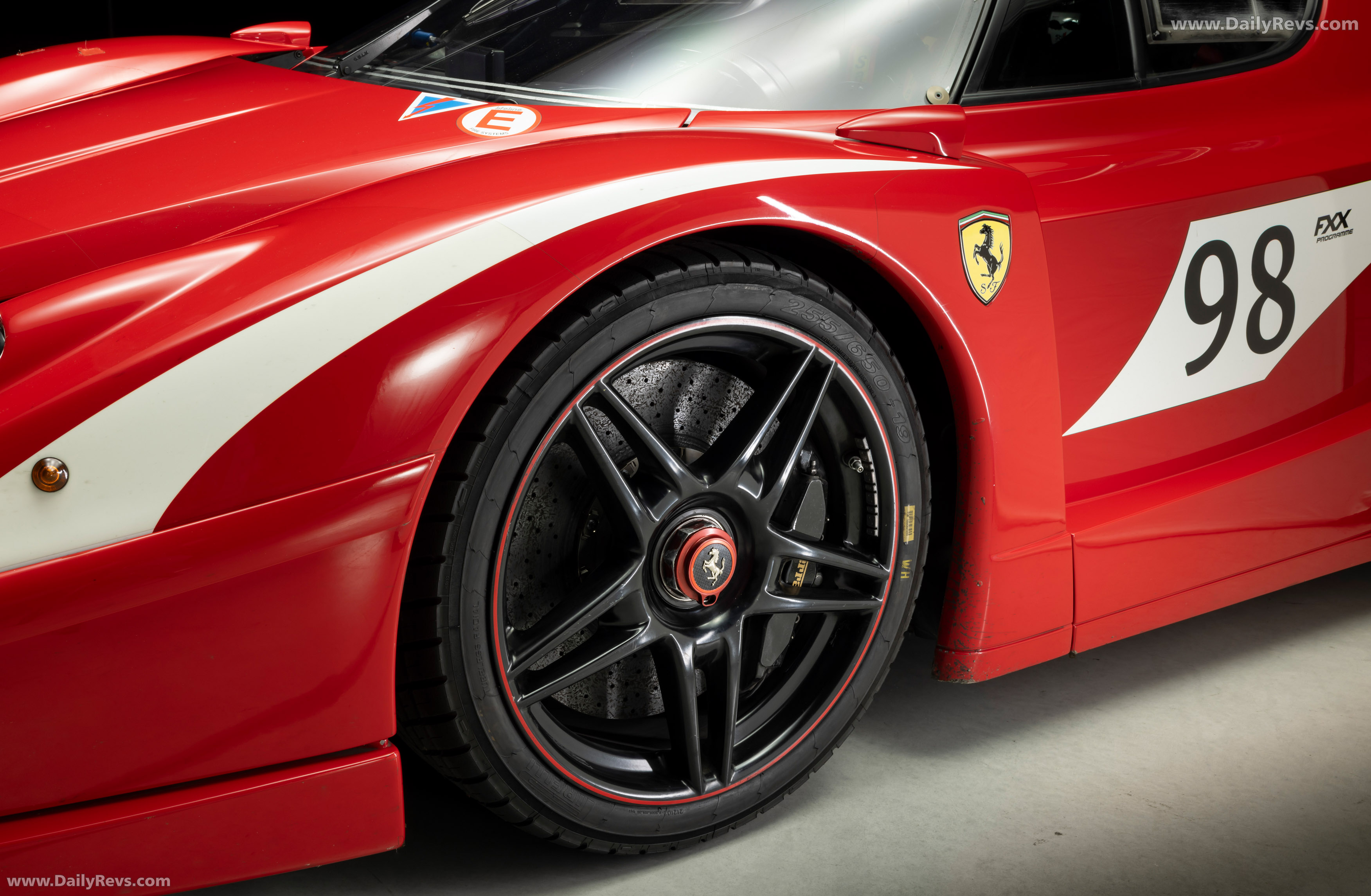
- Brakes: Brembo carbon-ceramic discs (CCM-R)
- Tyres: Pirelli slick racing compound
- Wheels: Lightweight forged aluminum alloy
Dimensions and Weight
- Length: 4,710 mm
- Width: 2,050 mm
- Height: 1,142 mm
- Wheelbase: 2,650 mm
- Dry Weight: 1,155 kg
- Power-to-Weight Ratio: 1.34 kg/hp
Electronics and Systems
- Traction Management: Advanced traction and stability calibration derived from Ferrari F1 systems
- Electronic Differential: E-Diff 2 with variable torque vectoring
- Telemetry: Full onboard data logging with remote analysis
- Drive Modes: Adjustable track settings for throttle, suspension, and differential behavior
Interior and Equipment
- Cockpit: Single-seat configuration with FIA-spec safety cell
- Steering Wheel: F1-style multifunction steering wheel with integrated controls
- Display: Digital racing interface with real-time telemetry feed
- Safety: Six-point harness and integrated fire suppression system
Programme and Production
- Production Period: 2007–2009
- Units Built: 30 (converted from original FXX units)
- Programme: Ferrari Corse Clienti XX Programme (non-homologated track car)
- Successor: Ferrari 599XX (2009)