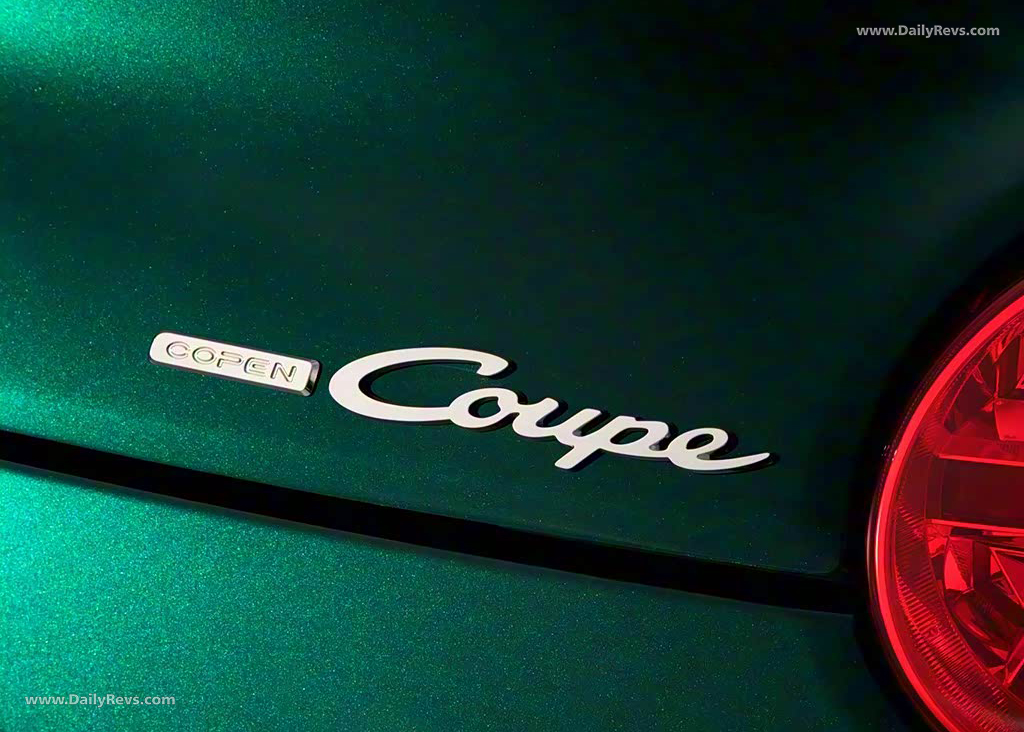
2007 Daihatsu Copen Coupe
By Lorenzo Bianchi October 2, 2007
The 2007 Daihatsu Copen swapped Japan’s 660cc turbo for a 1.3-liter four-cylinder aimed at global markets.
Its retractable hardtop and lightweight frame made it one of the most versatile micro-roadsters of its time.
Even in a shrinking niche, the Copen carved out a legacy as a quirky yet credible driver’s car.
From Kei Curiosity to Global Roadster
The Copen began life in 2002 as a quirky kei-car convertible, barely over three meters long, and powered by a 660cc turbo that fit neatly into Japan’s tax rules. It was meant to be niche, almost a novelty, but people noticed.
By 2007, Daihatsu had realized this little thing had legs outside Japan. The answer was simple enough: swap in a bigger 1.3-liter engine, re-tune for international roads, and suddenly the Copen wasn’t just a domestic curiosity. It was a real option for buyers who wanted a tiny roadster without the limitations of kei regulations.
Design That Punched Above Its Size
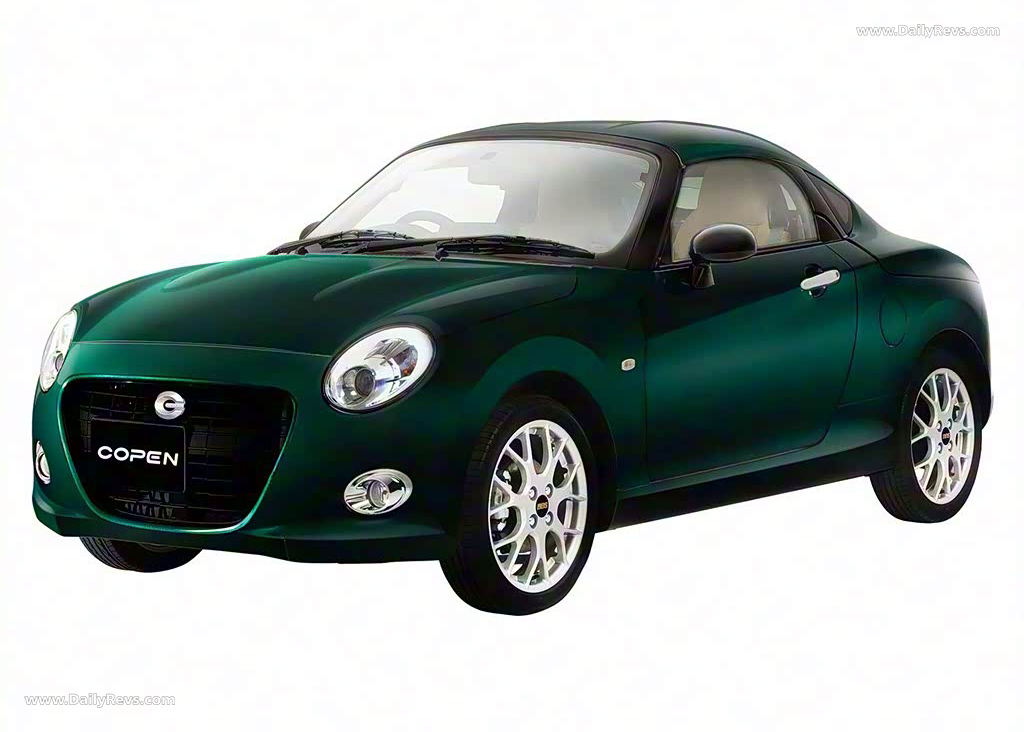
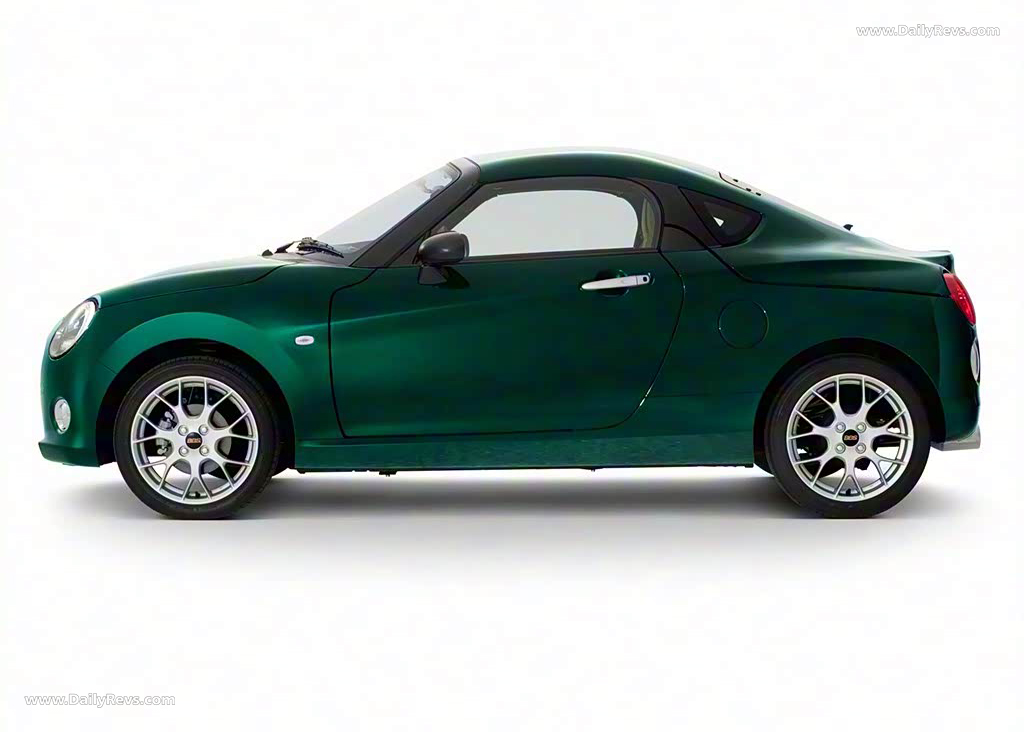
At first glance, the 2007 Copen looked like a toy compared to mainstream roadsters. Just 3,440 mm long and 1,475 mm wide, it could vanish between two family hatchbacks in a supermarket lot. And yet, it had presence.
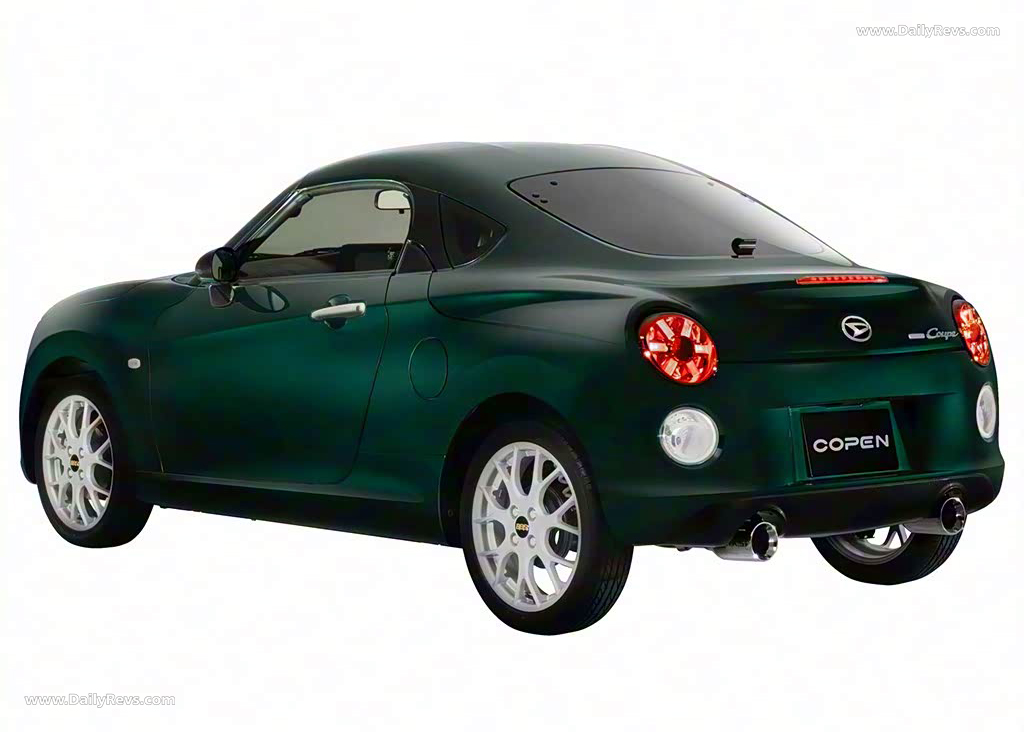
The retractable metal hardtop was its party trick — a feature usually reserved for bigger, pricier cars. With the roof up, it looked neat and coupe-like. With the roof folded away, it became a true open-top roadster, the transition taking only seconds.
Rounded headlights, short overhangs, a stubby tail — none of it tried too hard, and that restraint gave the Copen a charm of its own. Higher trims added alloys and detailing that made it look a little sportier, but the basic design was honest and almost timeless.
Engine and the Joy of Lightness
The upgrade to a 1.3-liter four-cylinder brought the car to about 87 horsepower. On paper, that doesn’t sound like much. But the Copen weighed roughly 850 kilos. Do the math, and the power-to-weight ratio suddenly looks respectable for what was still a budget-minded convertible.
Paired with a five-speed manual gearbox, the Copen could run to around 180 km/h. It wasn’t quick in a straight line — zero to 100 km/h hovered in the 9-10 second range — but that was missing the point.
The joy was in how it handled. With its short wheelbase, low center of gravity, and eager steering, the Copen darted around city streets and clung gamely to back roads. It wasn’t a track tool, but it didn’t need to be. It was a reminder that lightweight cars don’t need outrageous power to be fun.
A Cabin Built for Two
Inside, the 2007 Copen was predictably tight on space. Two seats, modest storage, and just enough luggage room if you packed carefully. But for a car this small, it felt surprisingly grown-up.
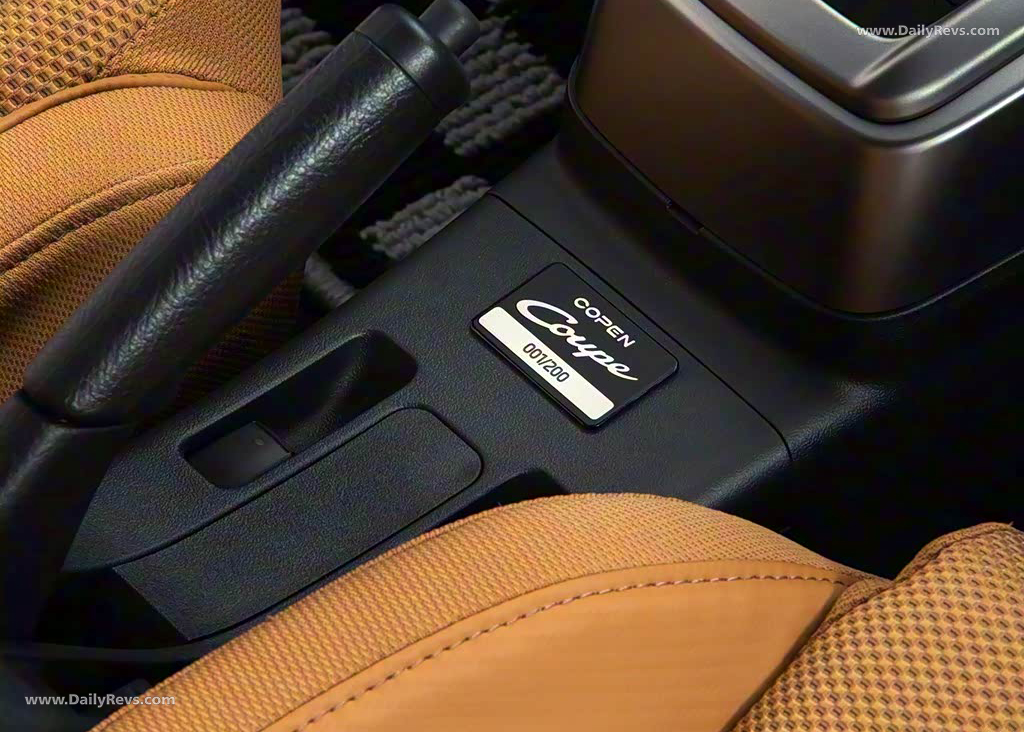
The dashboard layout was straightforward, with clear instruments and simple switchgear. Materials weren’t plush, but they weren’t bargain-basement either. Depending on trim, you got fabric or leather seats, and the essentials — air conditioning, power windows, audio — were all there.
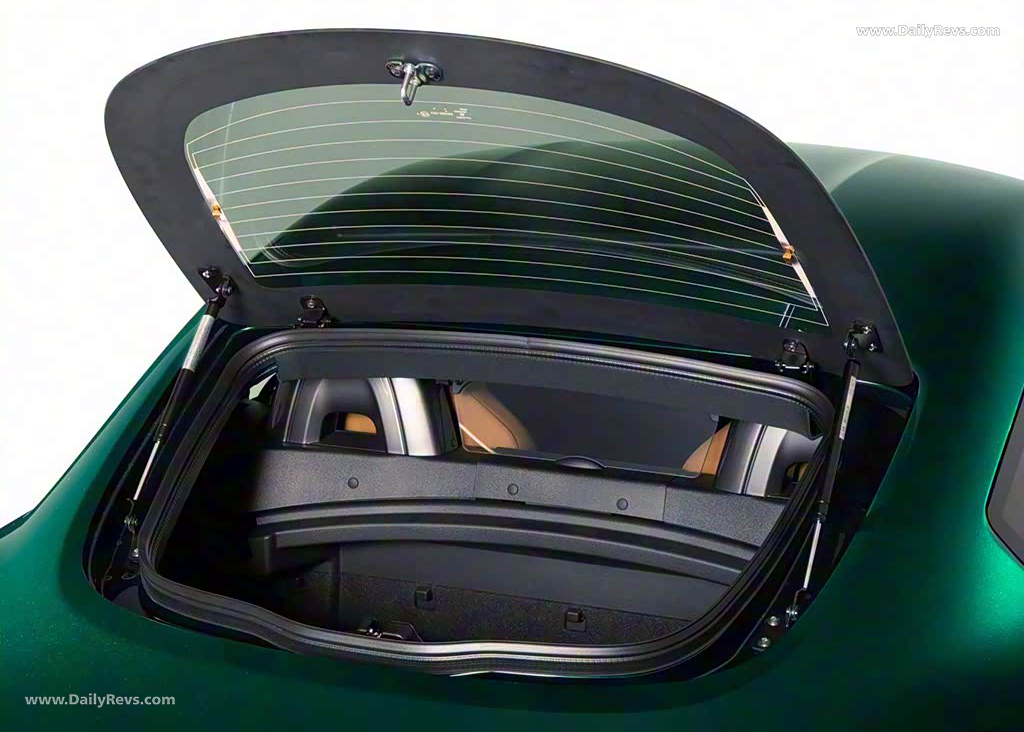
The retractable roof mechanism did eat into cargo space, but anyone buying a Copen knew practicality wasn’t the top priority. It was about open-air driving, and in that respect, the cabin delivered.
Safety and Equipment
For a car with kei-car DNA, the Copen was decently equipped. Standard safety kit included dual airbags and ABS with electronic brakeforce distribution. Reinforced body construction added some reassurance.
No fancy driver aids, no stability programs. It was refreshingly simple, which some would call a limitation, but others — particularly enthusiasts — saw as part of the appeal.
Technical Specification
- Engine: 1.3-liter, 4-cylinder petrol (1,298 cc)
- Power Output: ~87 hp
- Torque: ~120 Nm
- Transmission: 5-speed manual
- Drivetrain: Front-engine, front-wheel drive
- Top Speed: ~180 km/h
- Acceleration (0–100 km/h): [Unverified] ~9–10 seconds
- Length: 3,440 mm
- Width: 1,475 mm
- Height: 1,245 mm
- Wheelbase: 2,225 mm
- Curb Weight: ~850 kg
- Body Style: 2-door convertible with retractable hardtop
- Seating Capacity: 2
- Safety Features: Dual airbags, ABS with EBD
- Launch Price (Europe, 2007): From approx. €15,000 [Varies by market]