2004 Ford Shelby GR1 Concept
By Lorenzo Bianchi June 5, 2004
Ford paired a 605-horsepower naturally aspirated V10 with Ford GT architecture.
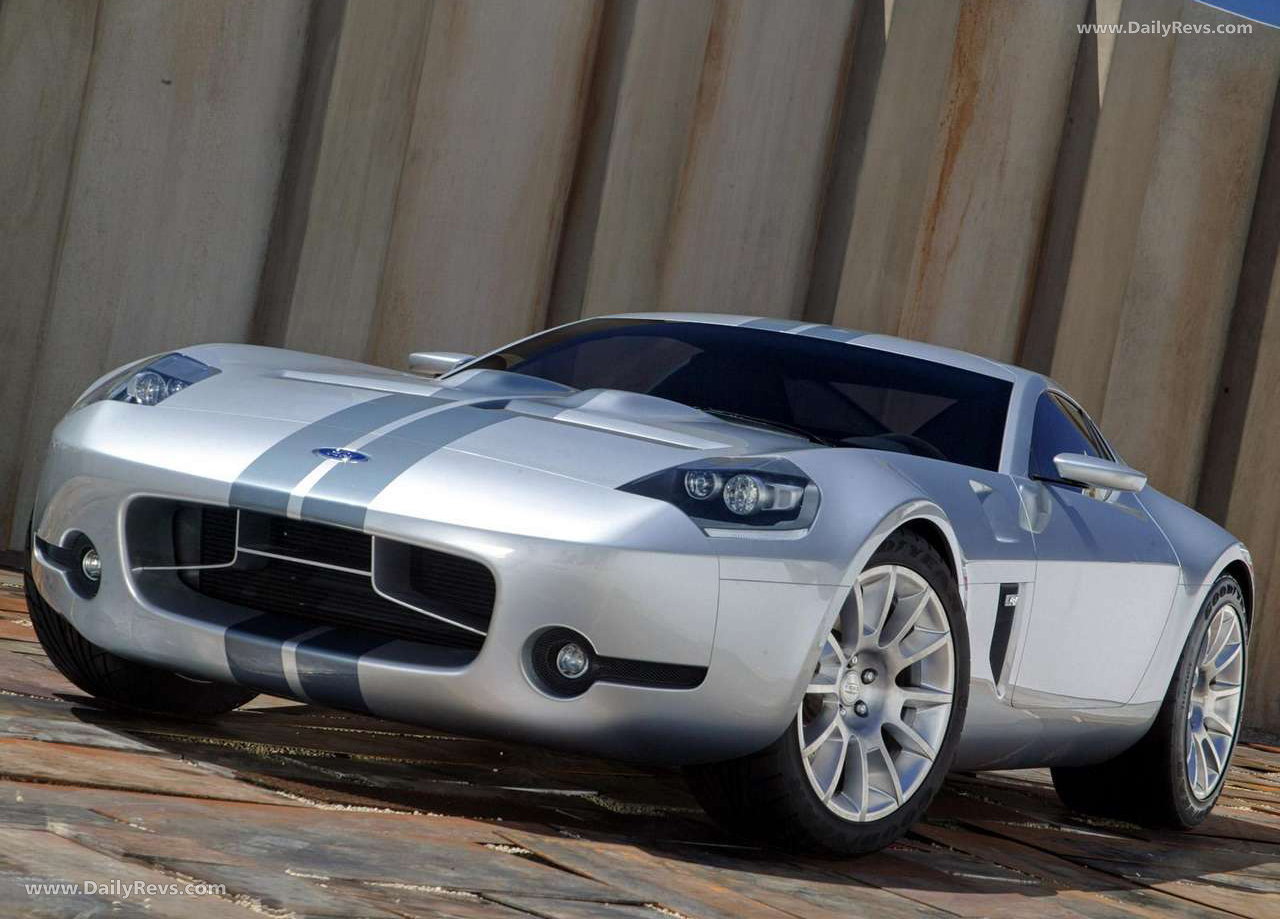
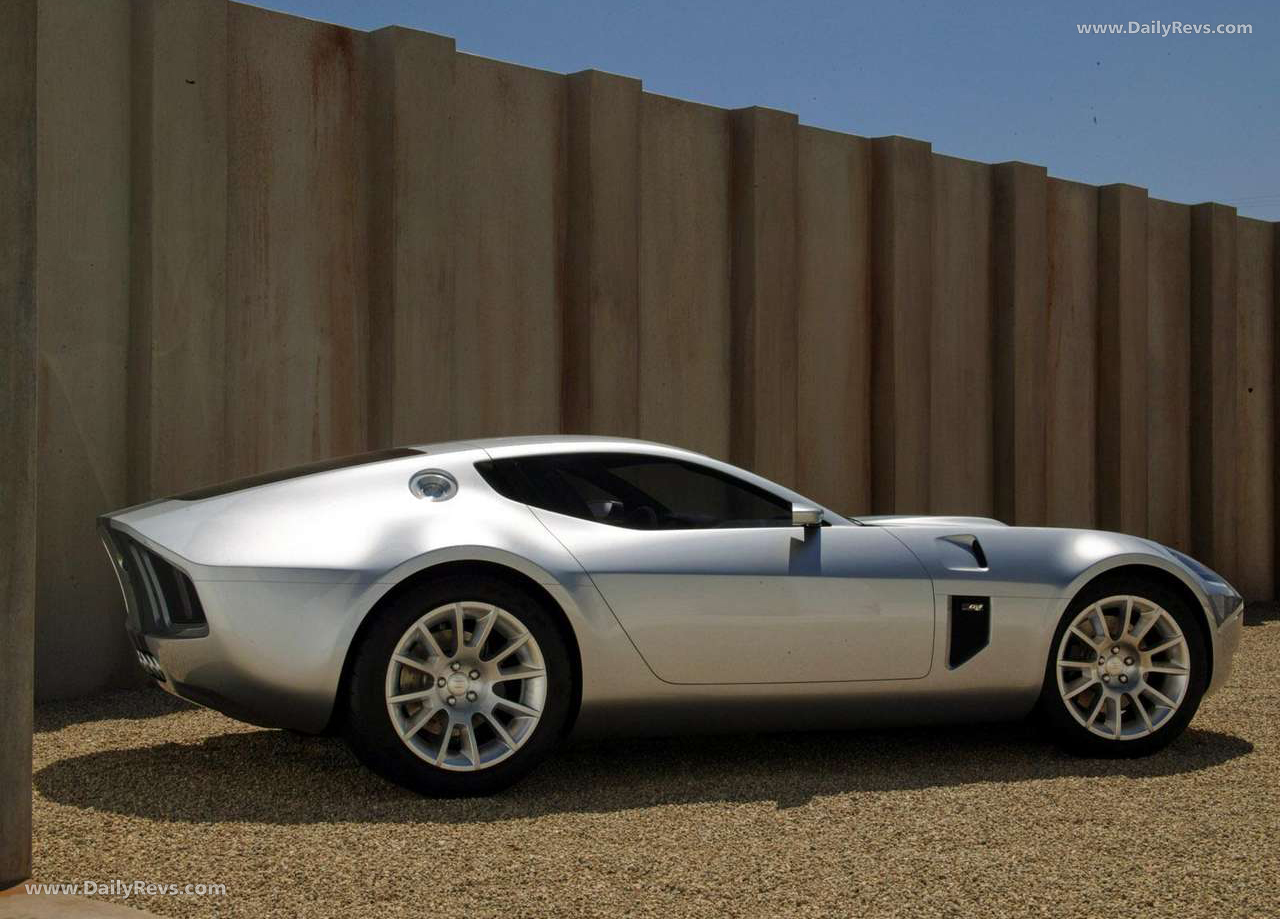
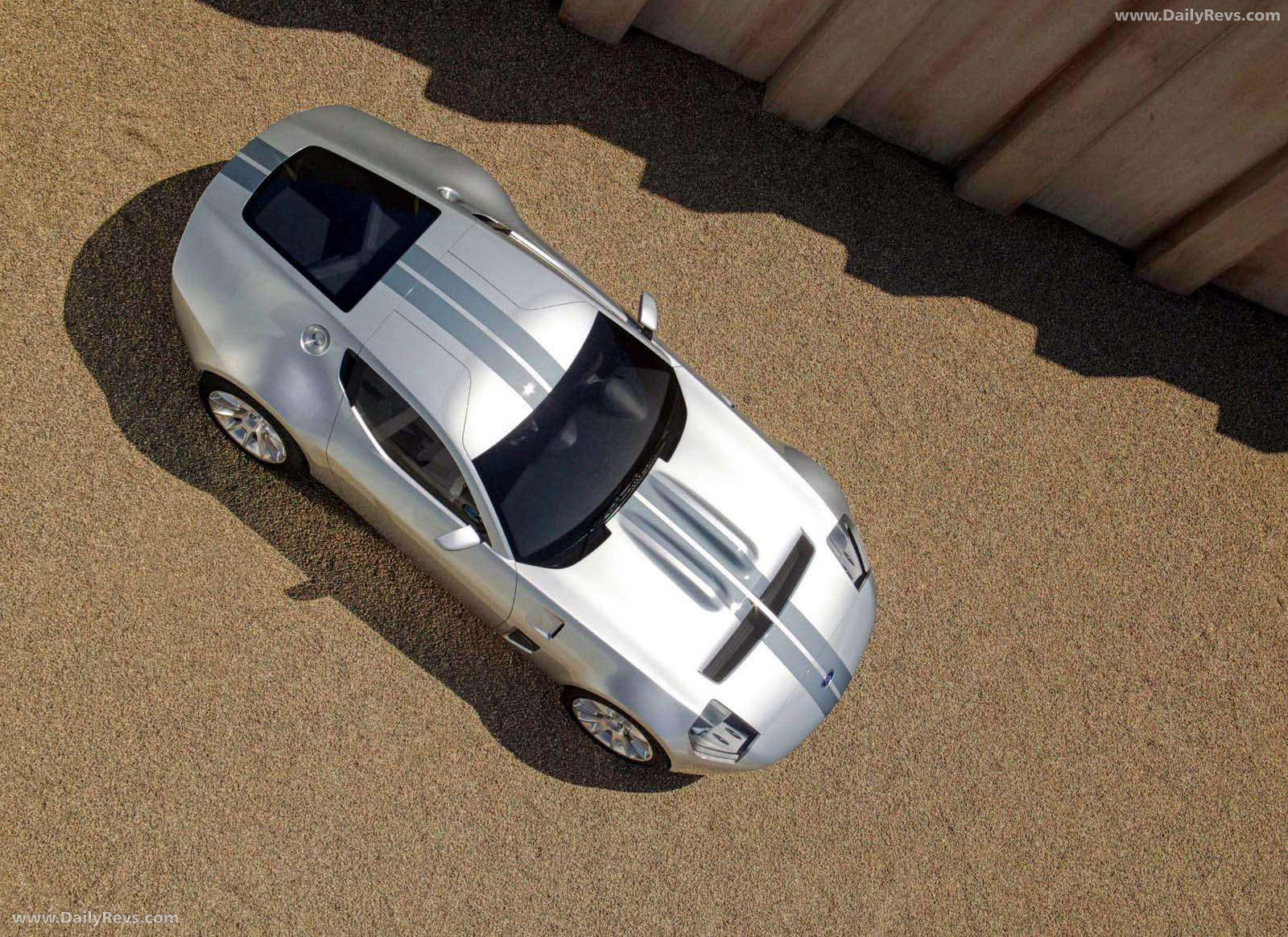
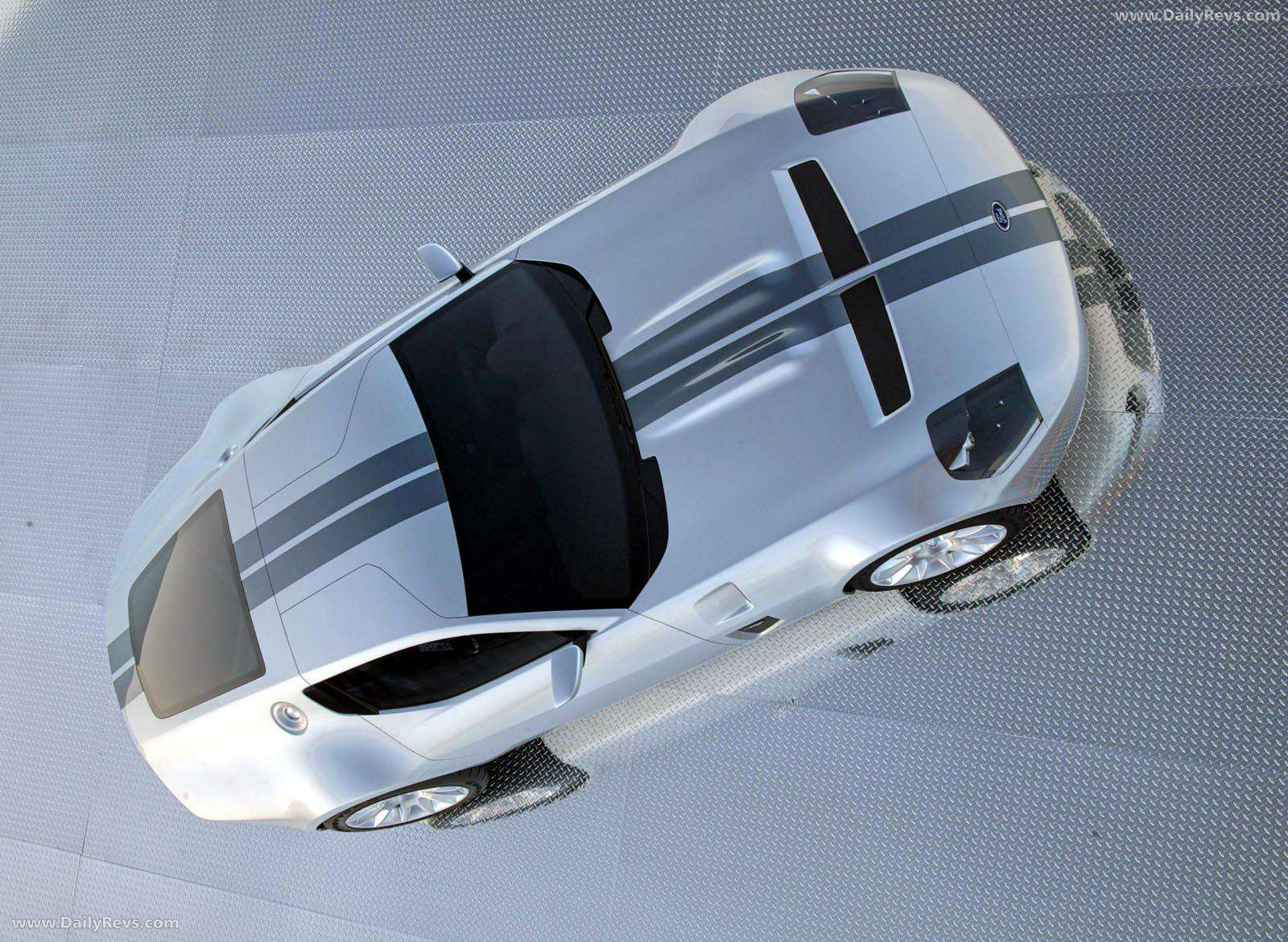
The GR1 featured a polished aluminum fastback body inspired by Carroll Shelby.
A rear-mounted six-speed transaxle helped achieve balanced weight distribution.
A Supercar Ford Never Built
Some concept cars fade from memory almost as soon as the auto show lights switch off. The 2004 Ford Shelby GR1 Concept wasn't one of them.
Twenty years later, enthusiasts are still talking about it. Looking back, it's easy to see why. The GR1 arrived at a time when Ford was riding high on the excitement surrounding the Ford GT, yet instead of creating another mid-engine exotic, the company went in a completely different direction.
The result was a front-engine coupe with a massive V10, rear-wheel drive, and proportions that looked more European grand tourer than traditional American muscle car. It was dramatic without trying too hard.
The Shape Did Most of the Talking
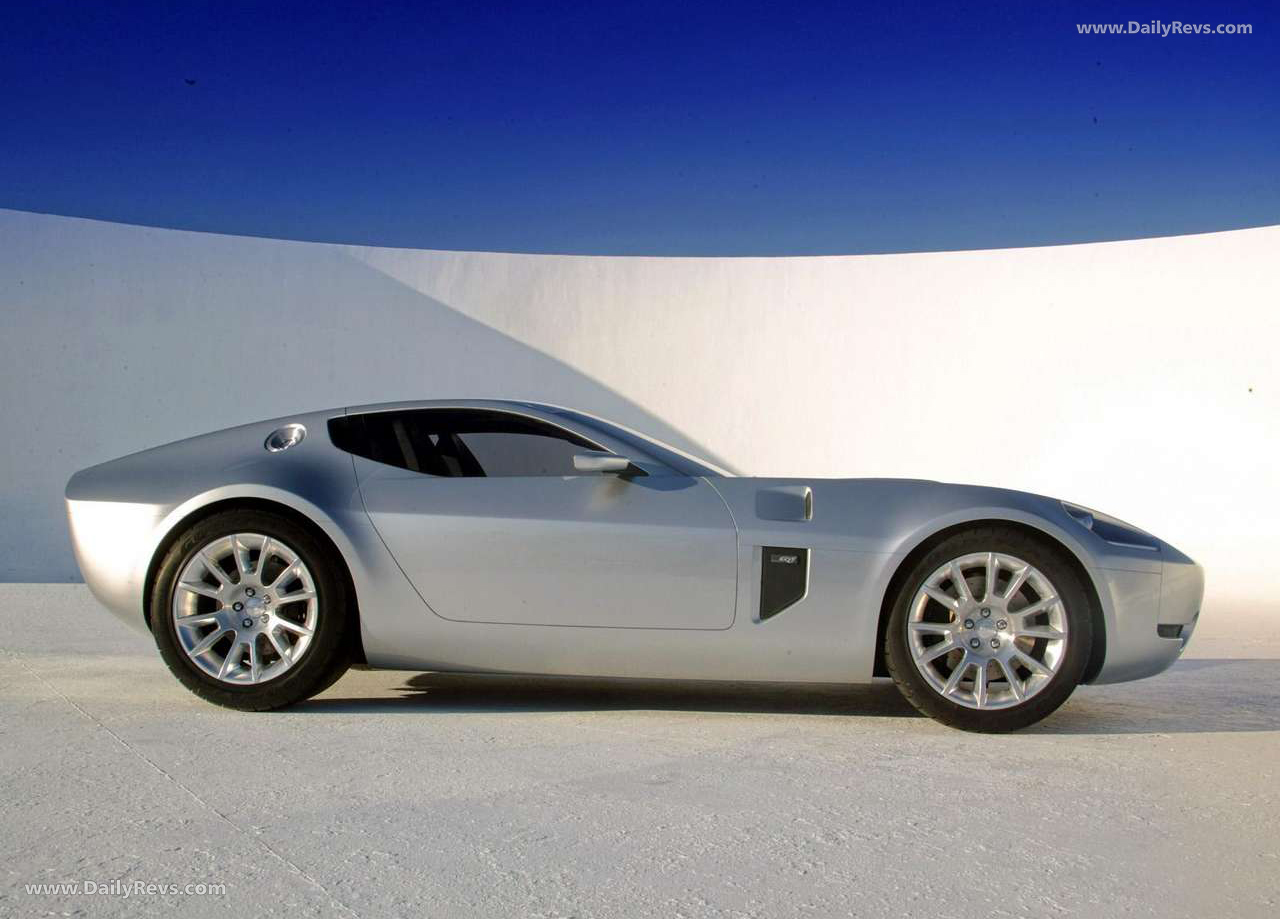
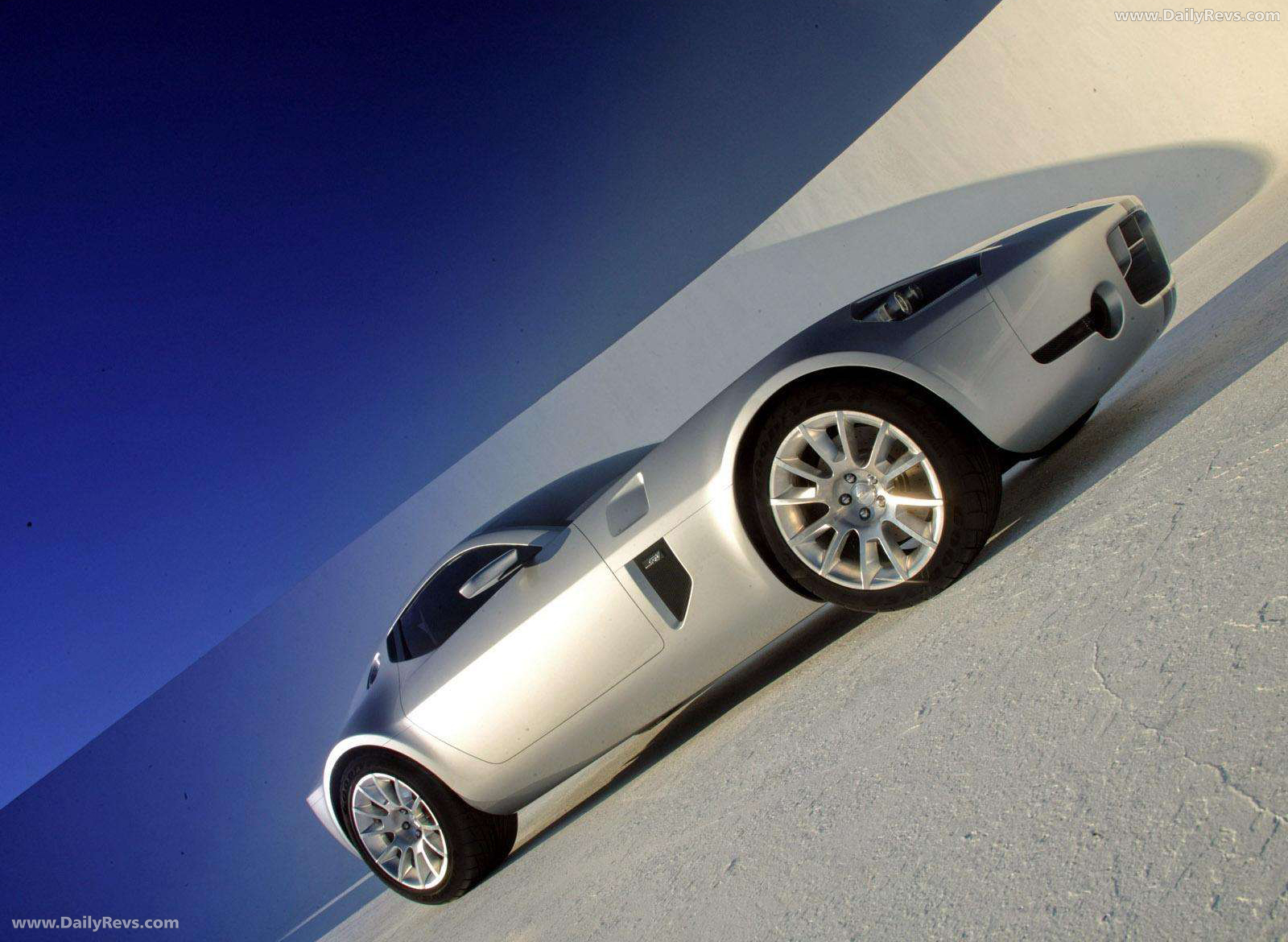
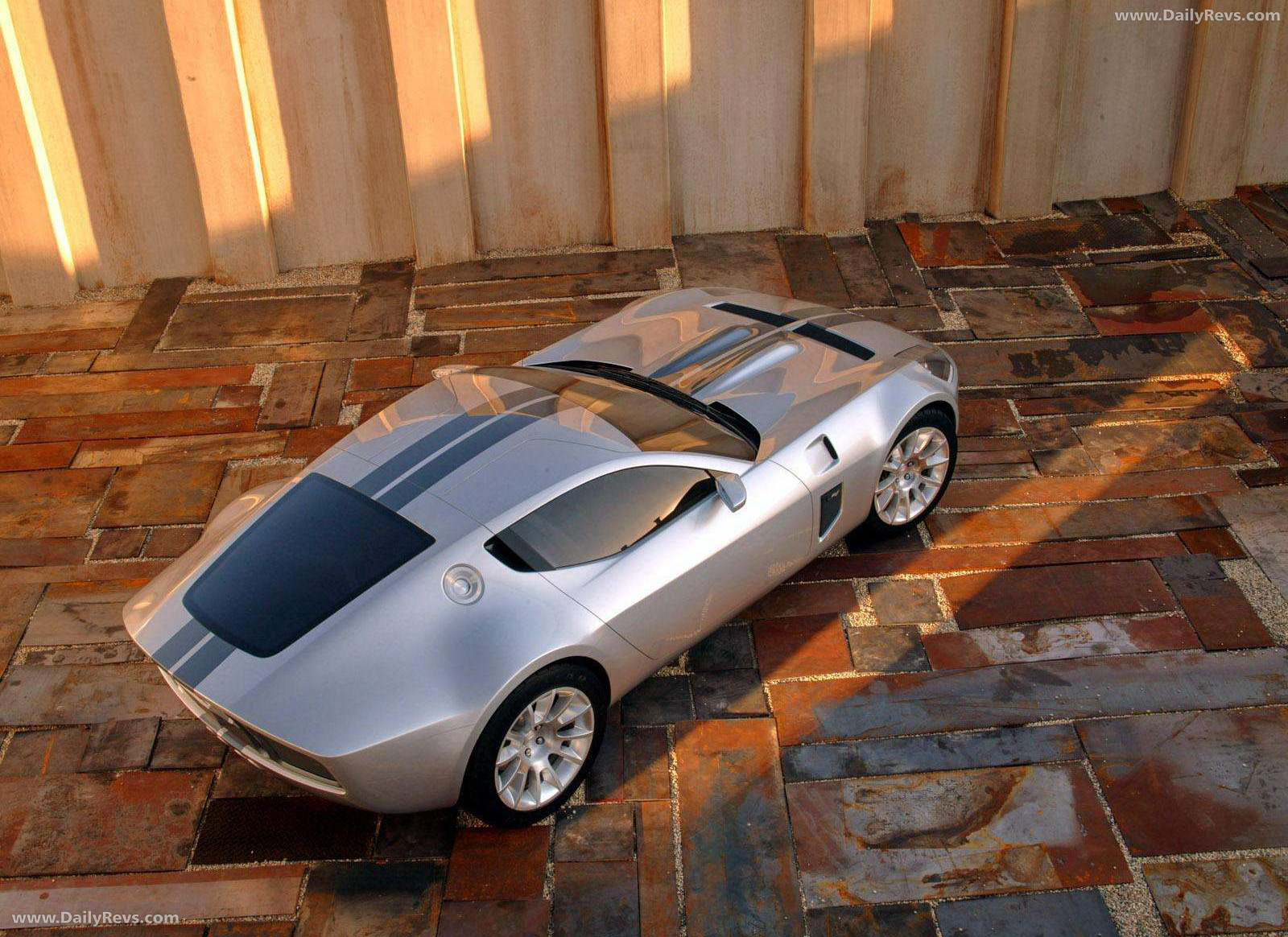
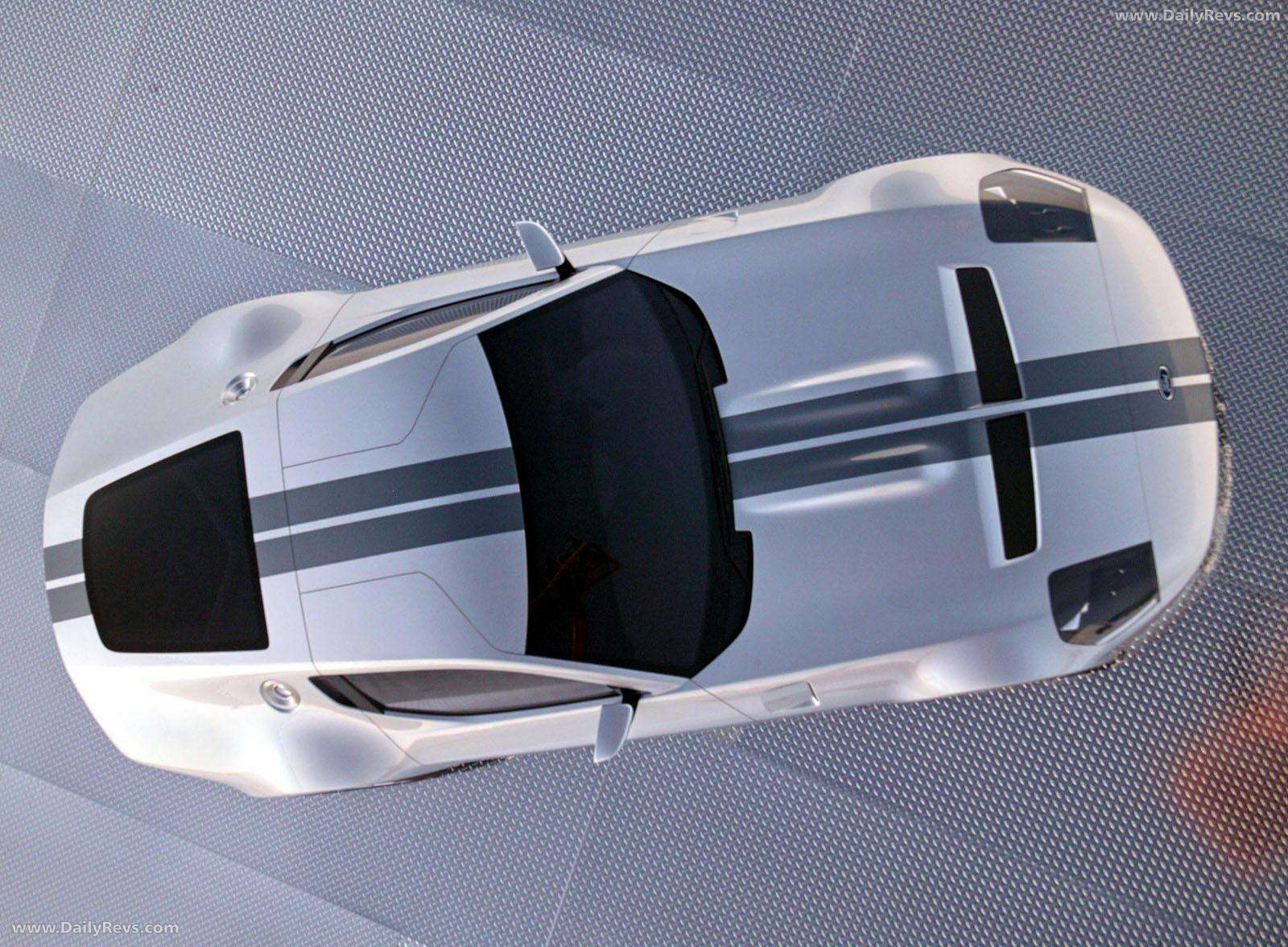
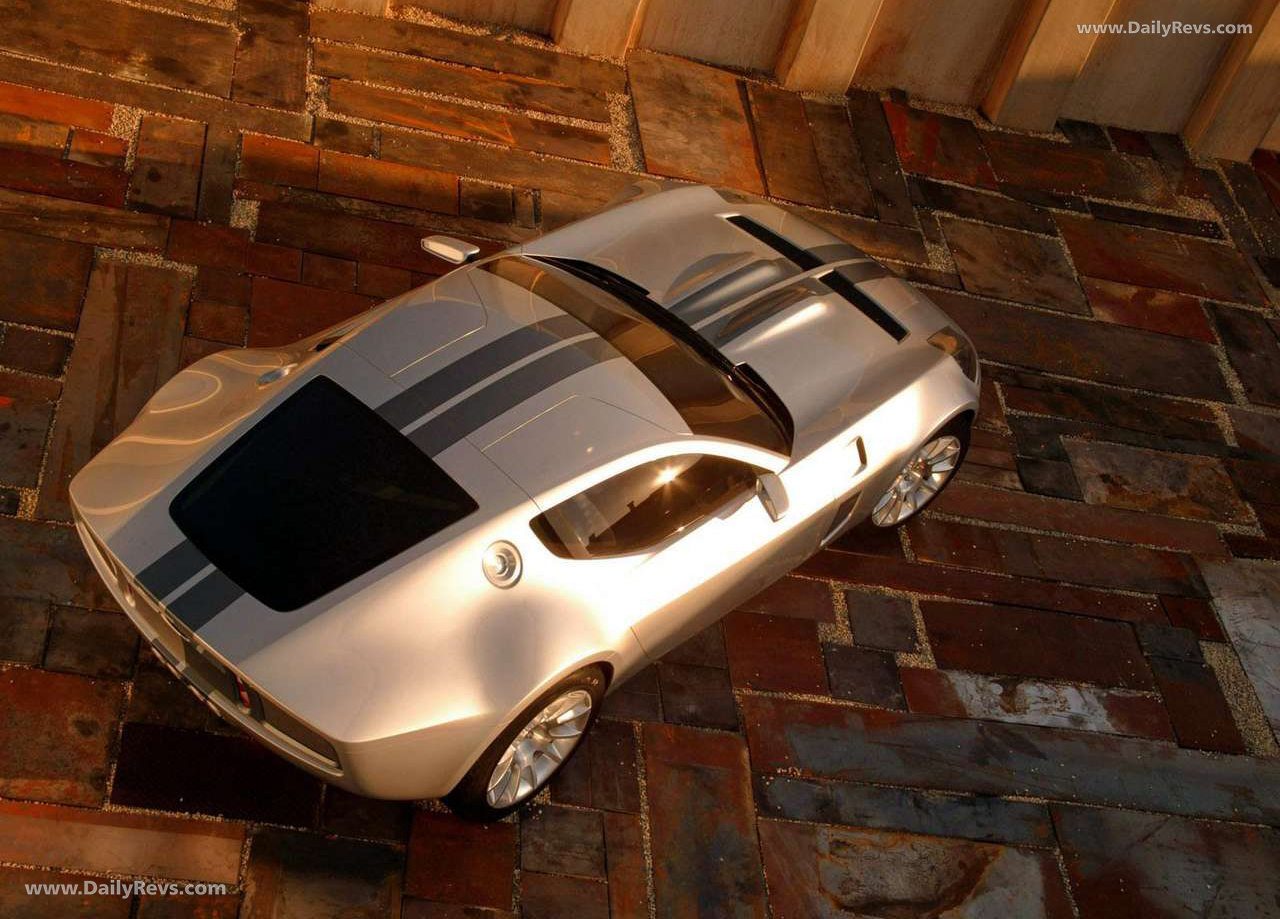
The polished aluminum body remains the GR1's defining feature.
There was no bright launch color distracting from the design. No racing stripes. No oversized graphics. Just bare metal stretched over a shape that looked almost hand-sculpted.
From some angles, the GR1 appeared surprisingly compact. From others, the endless hood seemed to go on forever. The roofline swept smoothly into the rear deck, giving the car the appearance of motion even when parked.
Ford described it as a modern interpretation of a front-engine supercar, and that description still feels accurate today. The design carried traces of classic Shelby-inspired performance cars without becoming a retro exercise.
Even now, it doesn't really look like a vehicle from 2004.
Familiar Hardware in an Unfamiliar Package
What made the GR1 particularly interesting was how much of it was real.
Rather than building a static showpiece, Ford engineers used significant portions of the Ford GT's aluminum architecture as a starting point. Suspension components, structural elements, and the rear-mounted transaxle all had roots in the GT program.
That gave the project a level of credibility many concepts never achieve.
Ford even suggested the GR1 was developed with production feasibility in mind. Whether it would ever have reached showrooms is another question, but it wasn't simply a designer's fantasy.
The engineering team clearly spent time thinking about how this car would behave on an actual road rather than under exhibition hall lighting.
A Cabin Built Around Driving
Open the butterfly doors and the interior reveals a very different character from most luxury-oriented grand tourers.
Carbon-backed seats, exposed structural elements, analog instruments, and a purposeful center console immediately draw attention. Nothing feels overly decorative.
One particularly unusual feature was Ford's Tire IQ system, which could display tire temperature, pressure, and vehicle dynamics data. Today that sounds normal. Back in 2004 it felt surprisingly advanced.
The atmosphere was technical but not intimidating. Ford wanted the GR1 to be comfortable enough for longer journeys while still feeling like a serious performance machine.
The V10 Everyone Remembers
Of course, most conversations about the GR1 eventually return to the engine.
Under the hood sat a naturally aspirated 6.4-liter aluminum V10 producing 605 horsepower and 501 lb-ft of torque. Those figures remain impressive even by modern standards.
Ford estimated a 0-60 mph time below four seconds and suggested the car could exceed 200 mph if electronic limitations were removed.
More than the numbers, though, it was the character of the engine that stood out. No turbochargers. No hybrid assistance. Just a large-displacement V10 sending power to the rear wheels through a six-speed manual transaxle.
That's probably why the GR1 still occupies such a special place in Ford history. It wasn't merely fast. It felt like a glimpse of a road Ford could have taken, but ultimately didn't.