
2004 Audi RSQ Concept
By Lorenzo Bianchi July 26, 2004
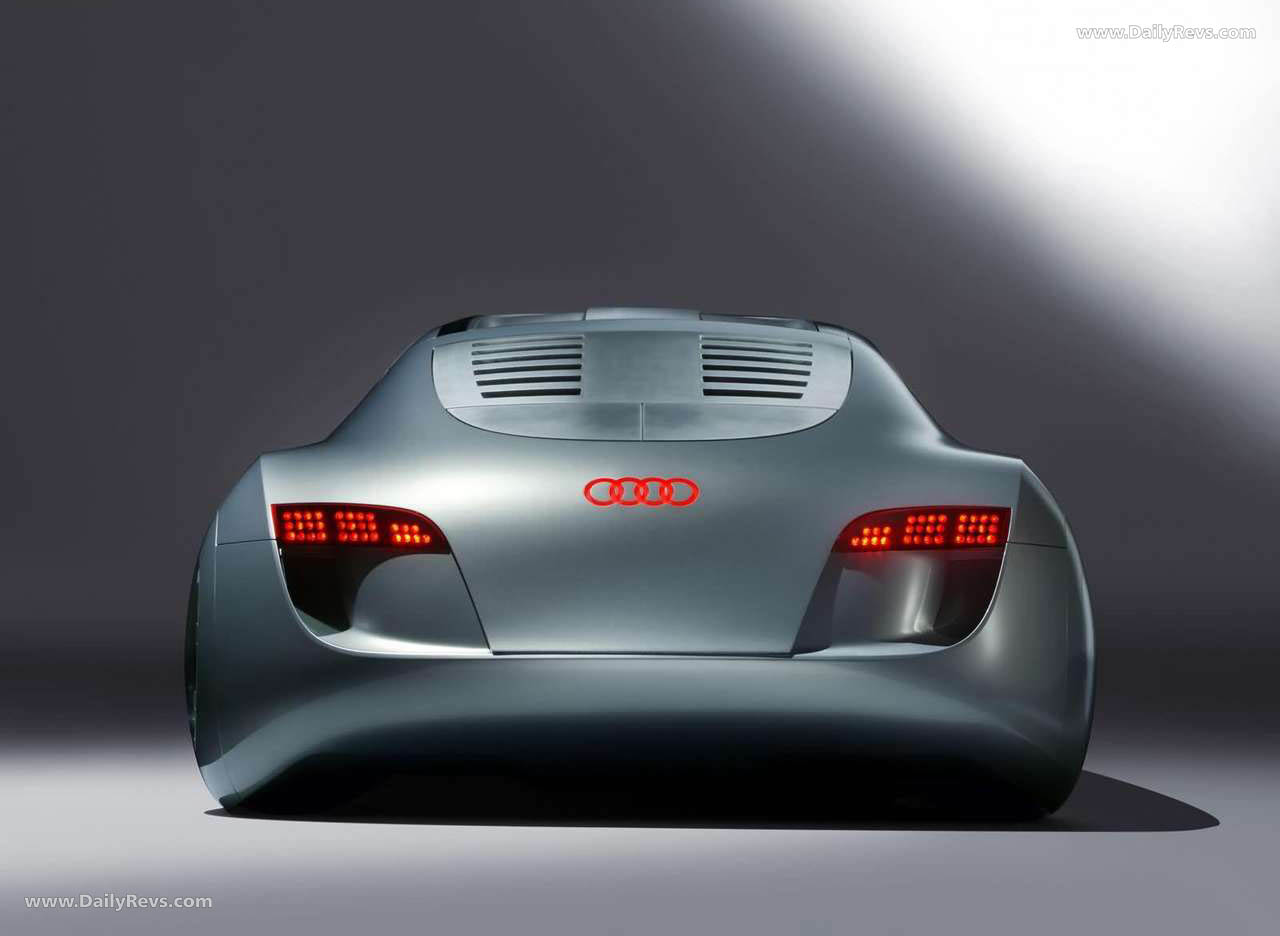
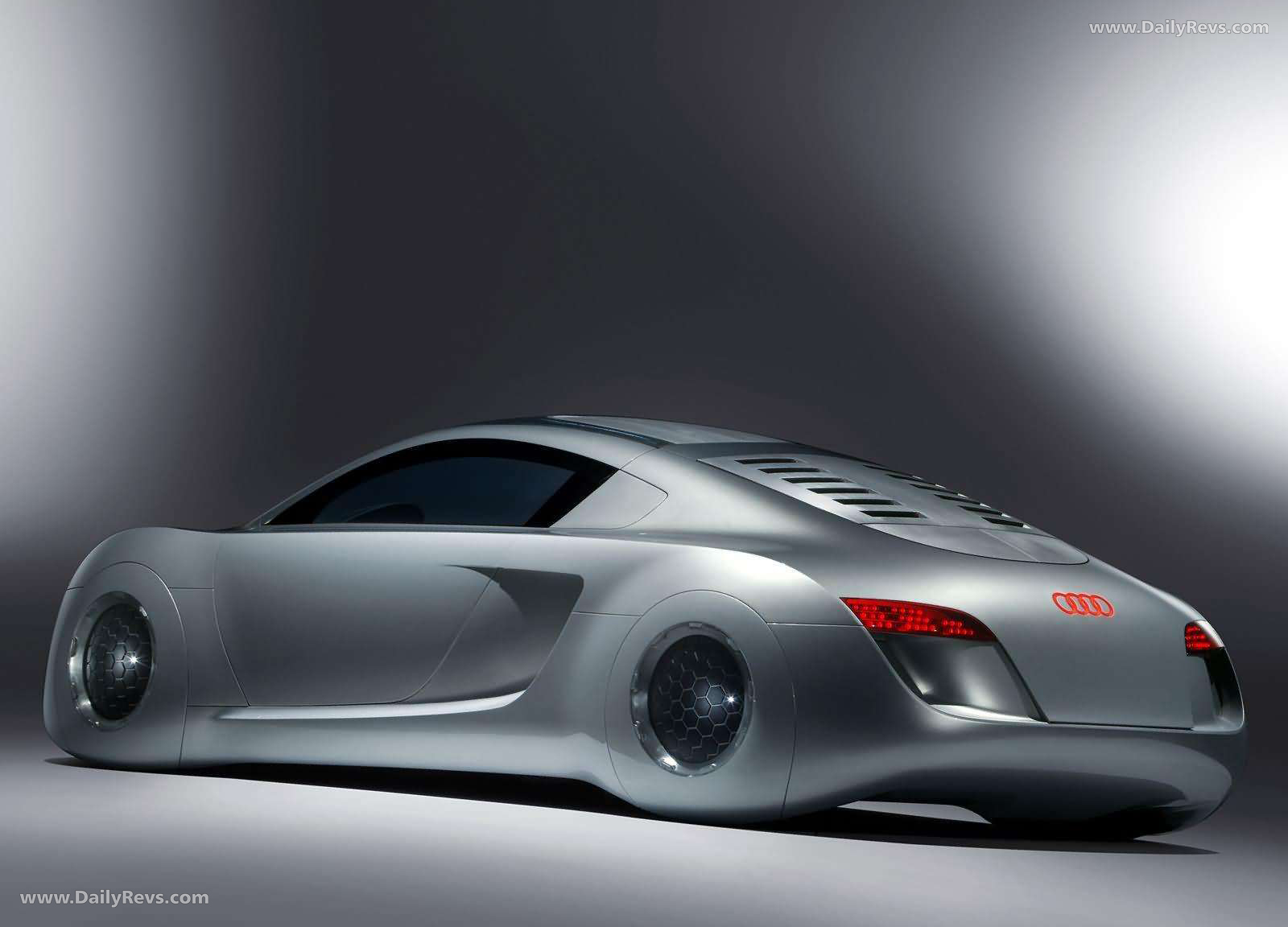
The Audi RSQ Concept was built for the 2004 film I, Robot and premiered at the New York Auto Show.
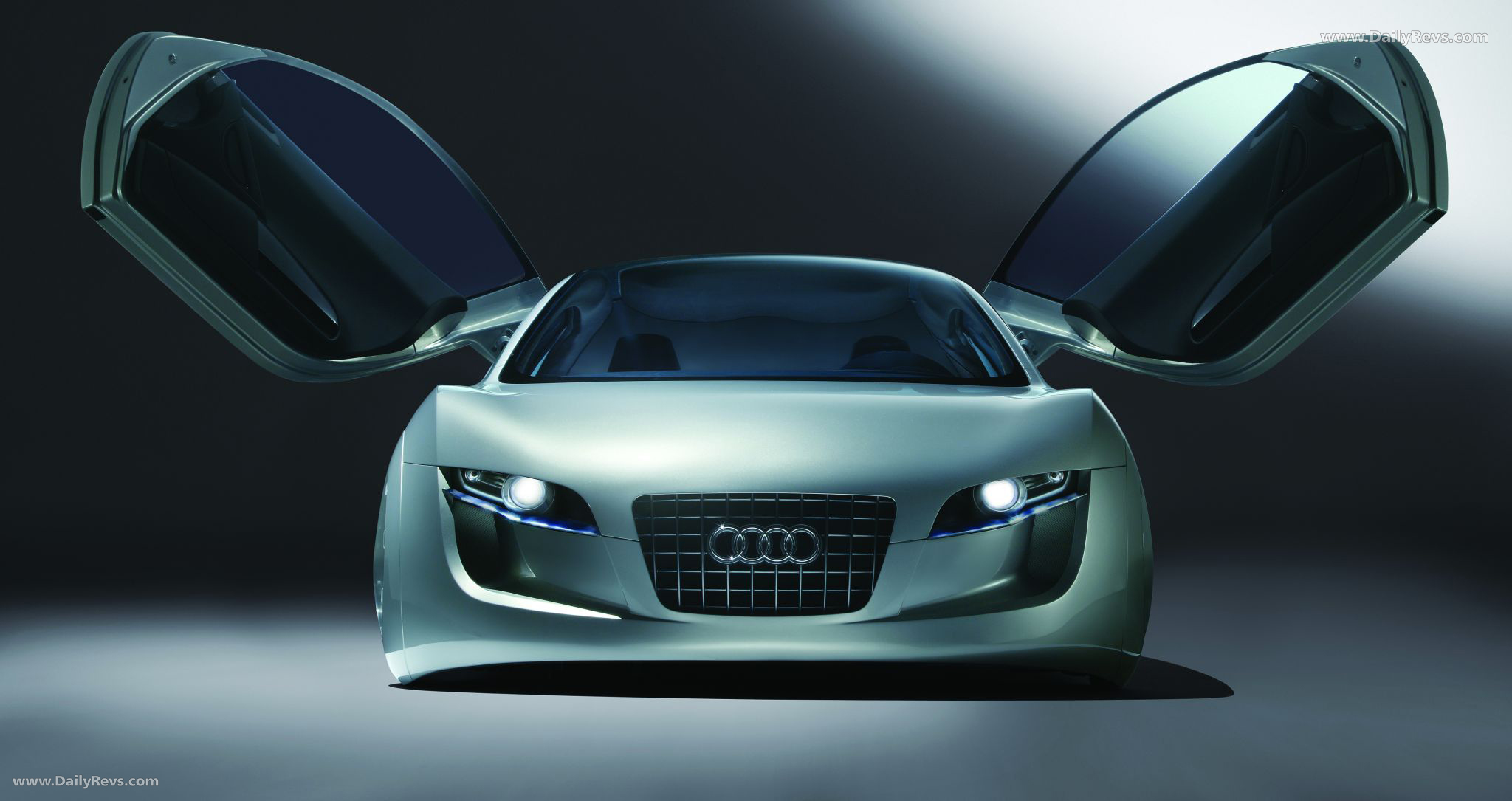
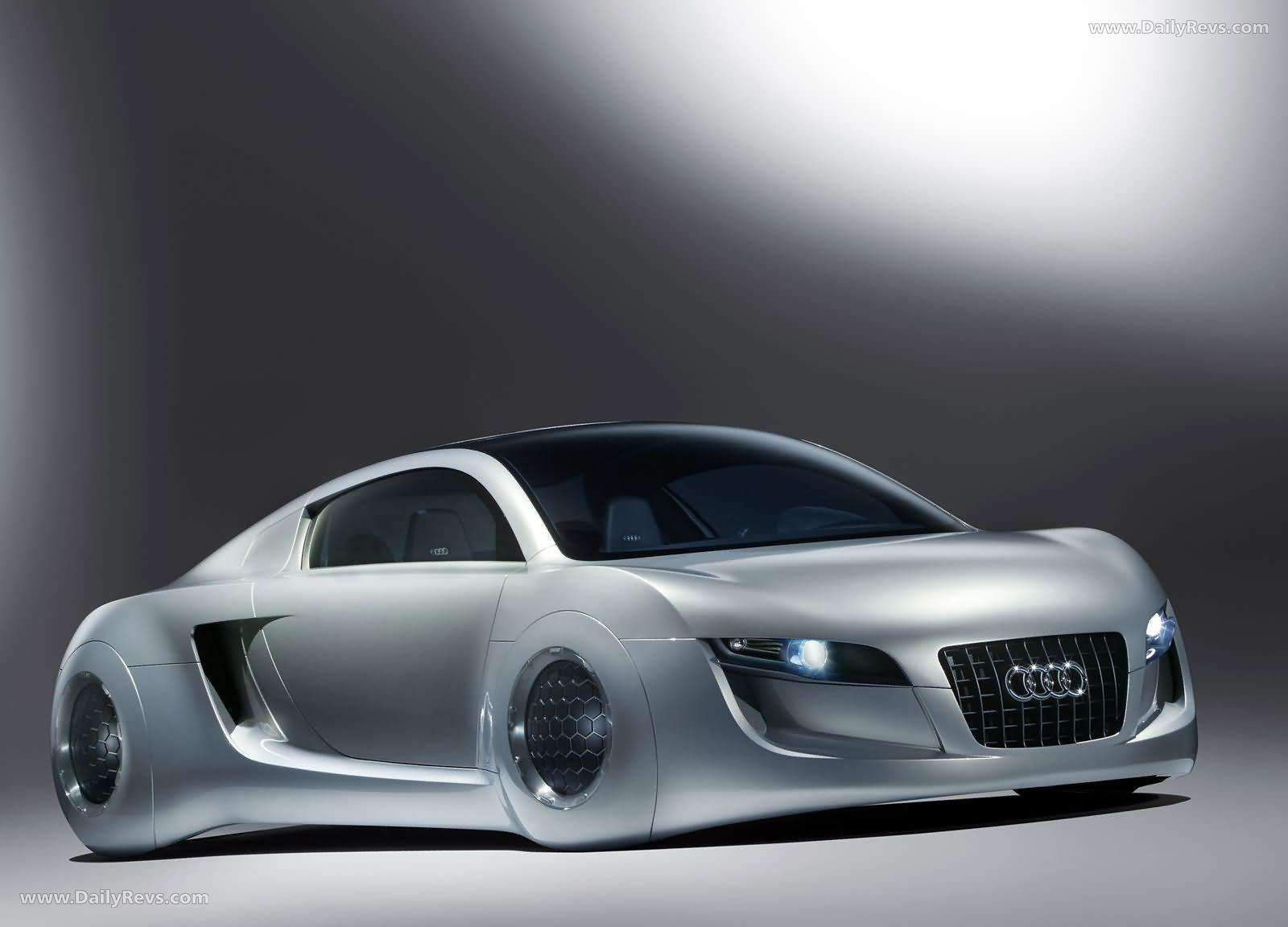
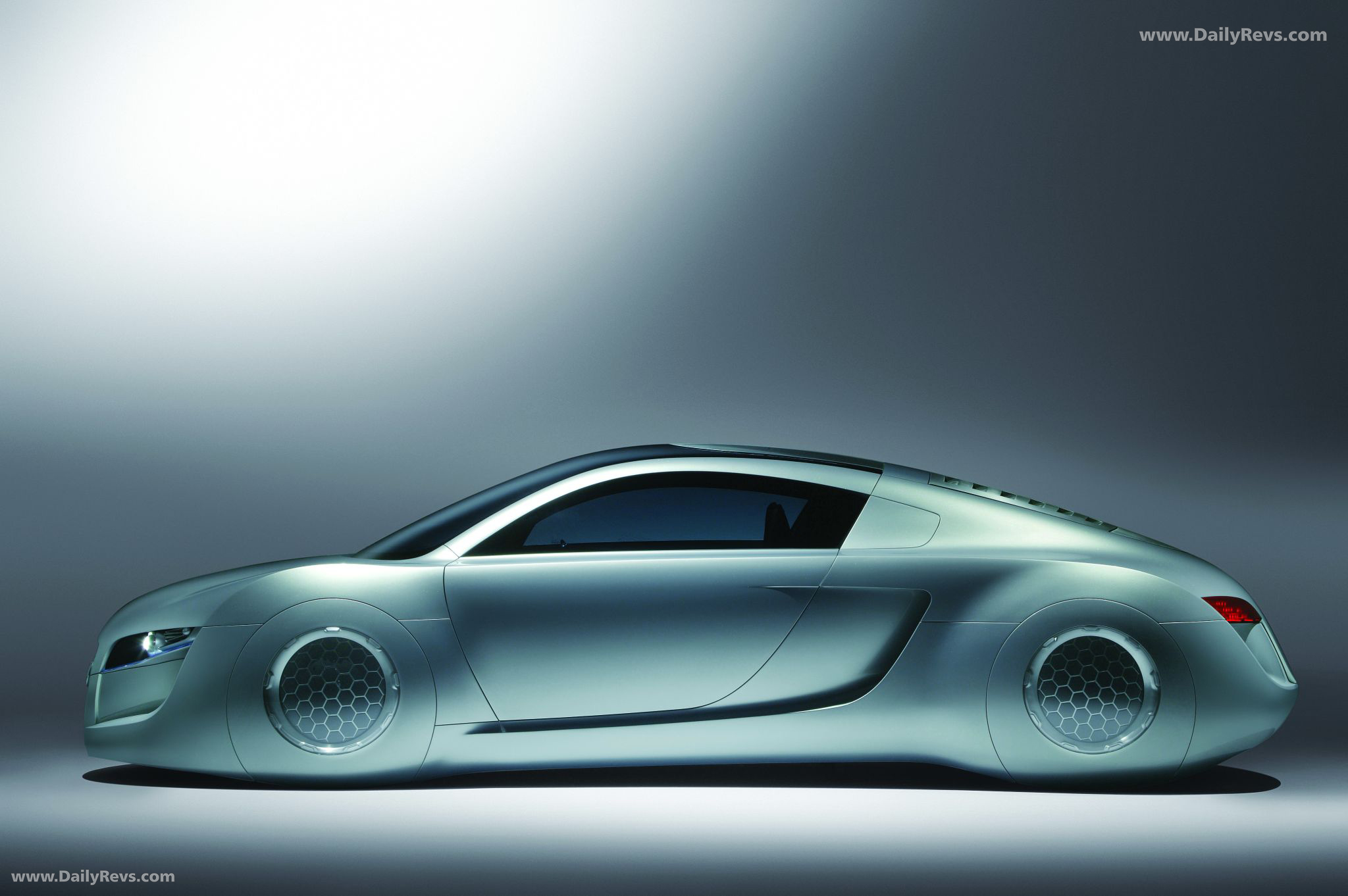
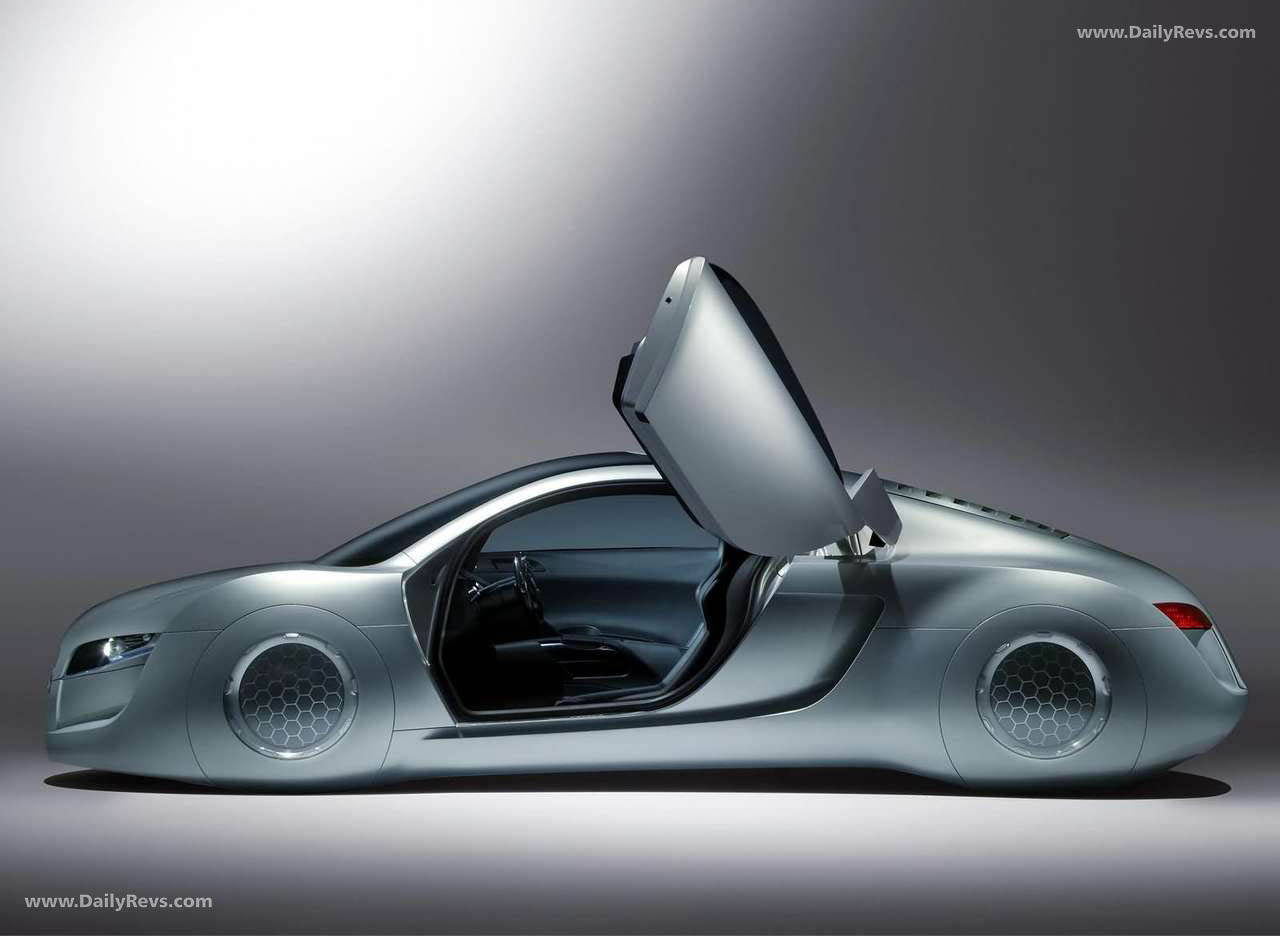
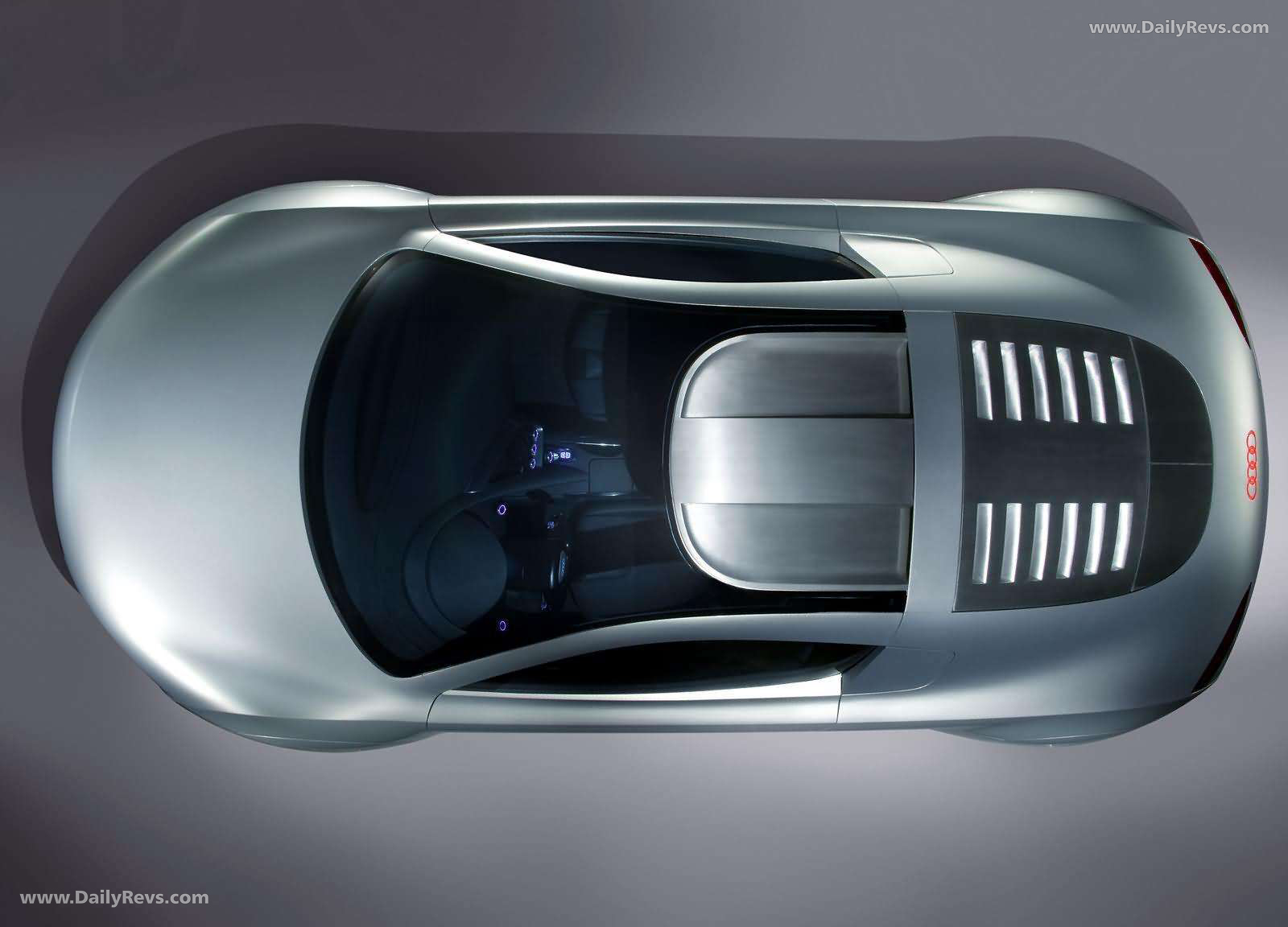
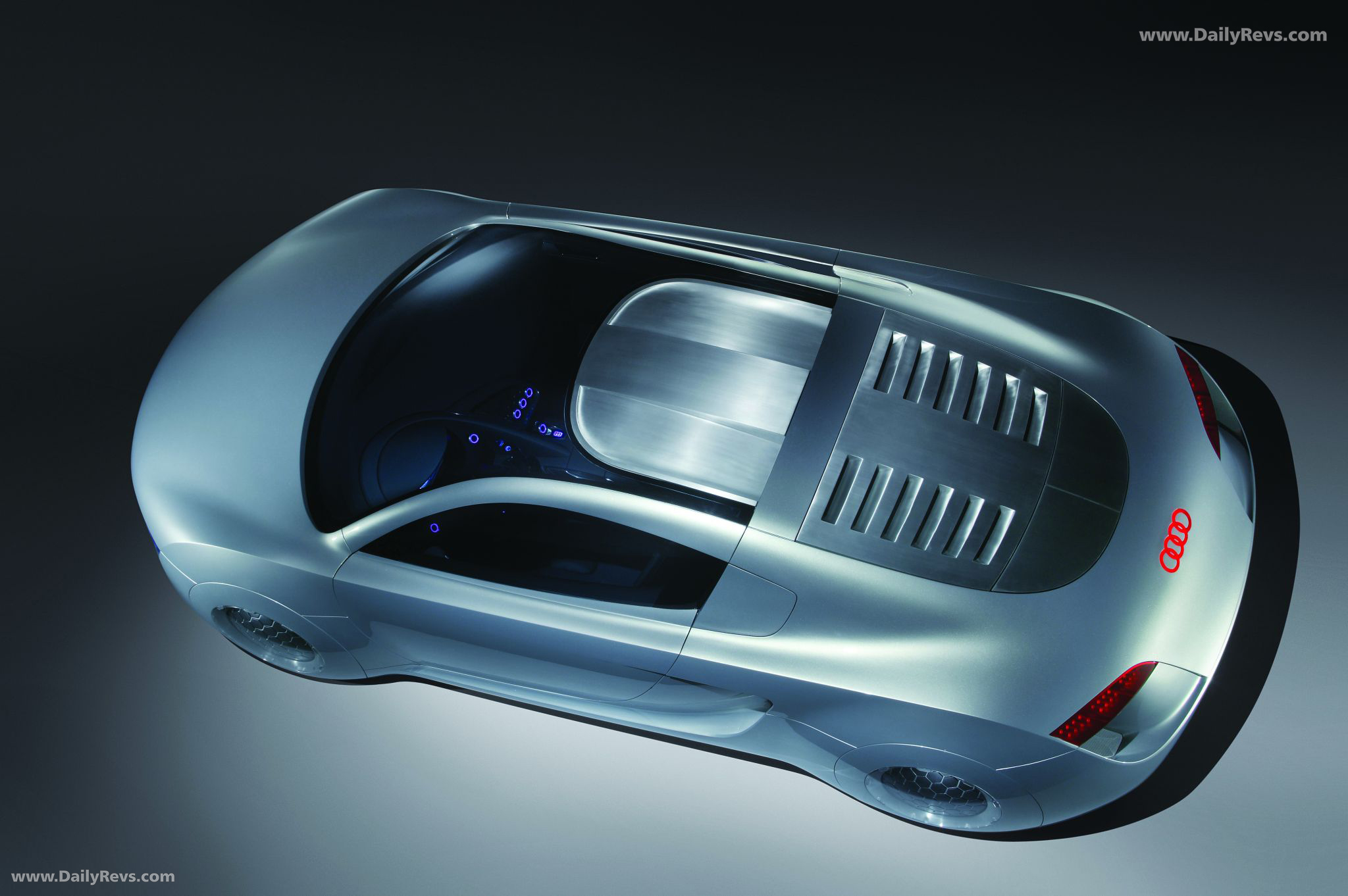
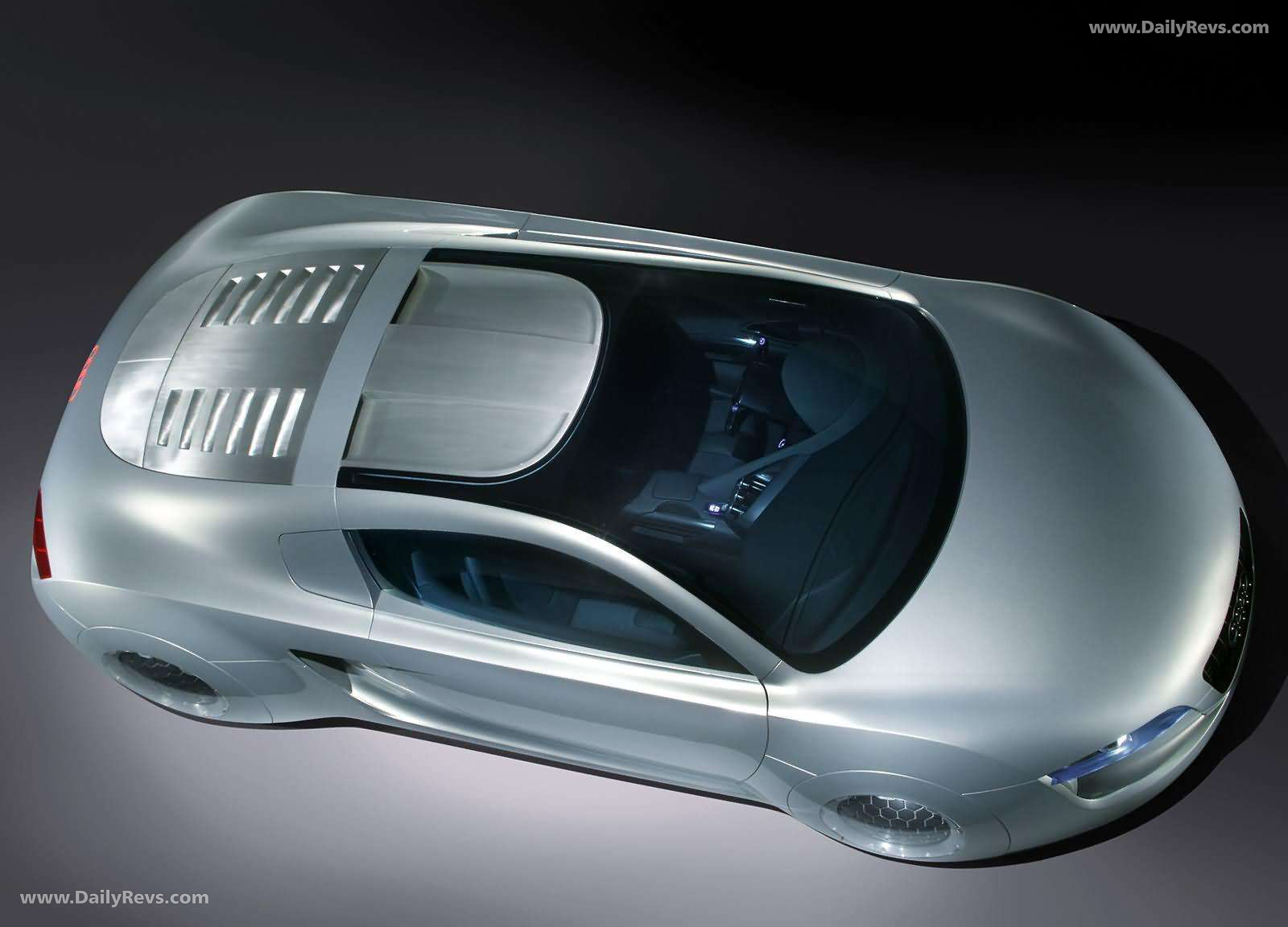
Known for its sphere-shaped wheels, reverse butterfly doors, and glass canopy cockpit.
Created as a cinematic design piece, but it previewed themes seen later in production Audis like the R8.
Built for the Screen, Designed for 2035
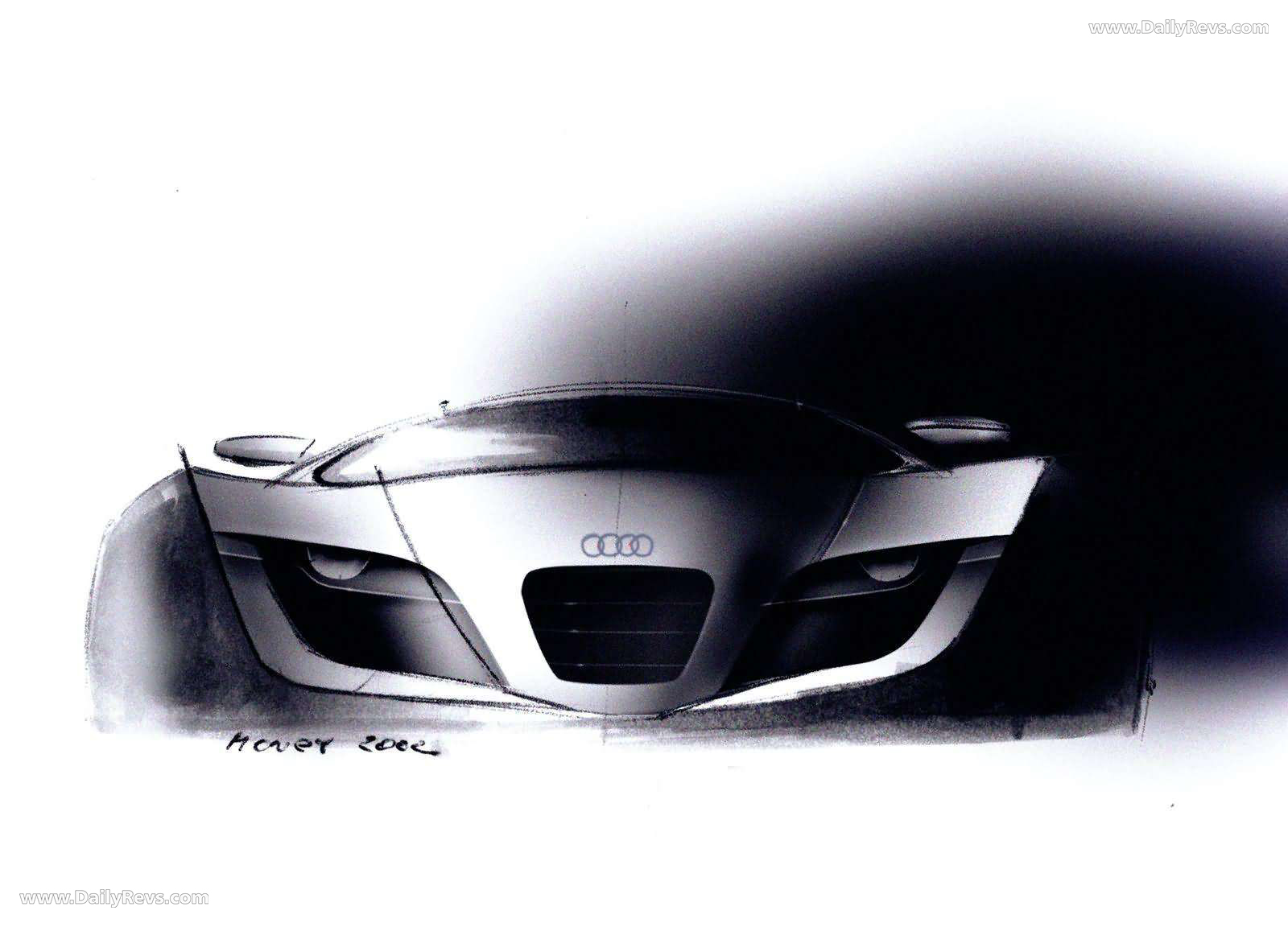
Audi didn’t build the RSQ for showrooms. It built it for the movies. Specifically, for I, Robot, a sci-fi film set in 2035 Chicago. Audi wanted something futuristic, but still recognizably Audi.
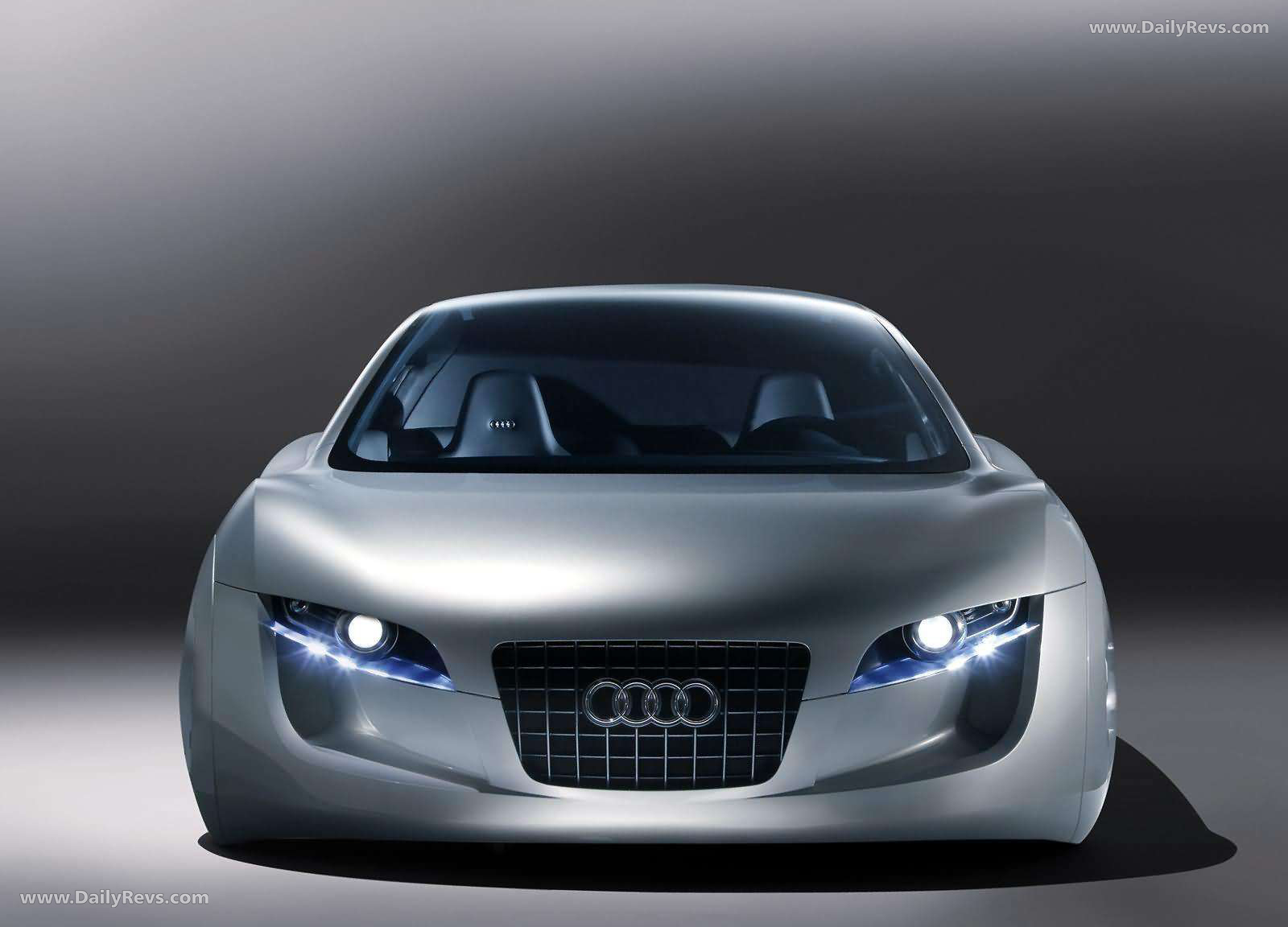
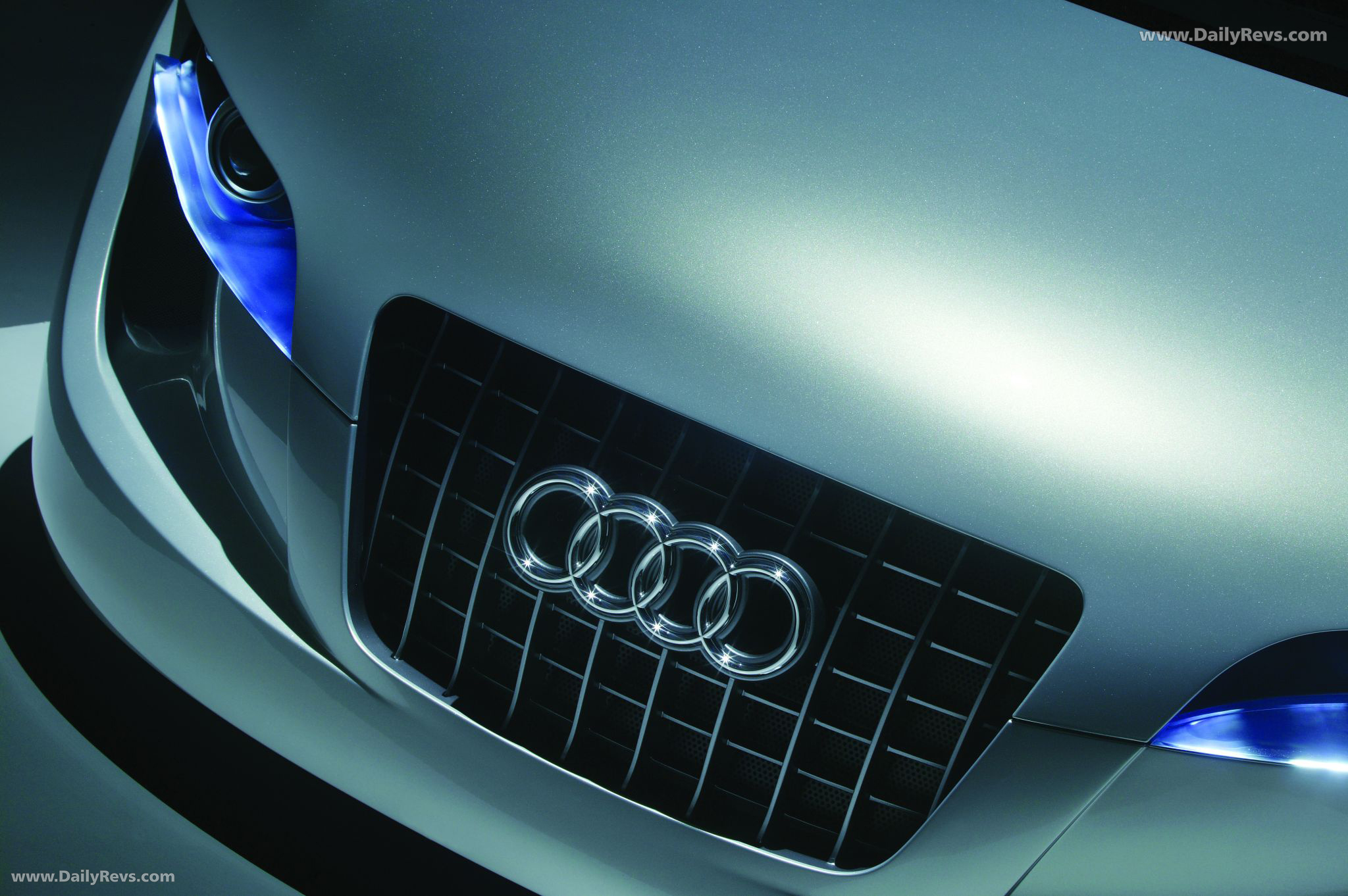
So, they leaned into exaggerated proportions, crisp panel work, and the familiar single-frame grille. The RSQ made its real-world debut at the 2004 New York Auto Show—then took its place in cinematic history.
The Headline Feature: Sphere Wheels
Audi replaced traditional wheels with sphere-like units. It was a request from the film’s director, Alex Proyas. The spheres allowed for omnidirectional motion on screen—perfect for the film’s near-future setting.
Functionally, the real-life RSQ didn’t rotate that way. But the wheel covers were designed to visually mimic the concept. The arches were formed to suggest the full contour of the spheres beneath. It's purely theatrical, and that was the point.
Reverse-Opening Doors and Low, Wide Stance
Doors were hinged at the rear and opened upward—technically “reverse butterfly” rather than true gullwing. They created a dramatic silhouette when opened and gave camera crews easy interior access.
The overall stance of the RSQ was broad, low, and aggressively planted. Fiberglass and aluminum construction helped keep panel shapes clean and symmetrical. The body was finished in a pale silver with subtle color-shift effects under light.
Cockpit Feels More Fighter Jet Than Sedan
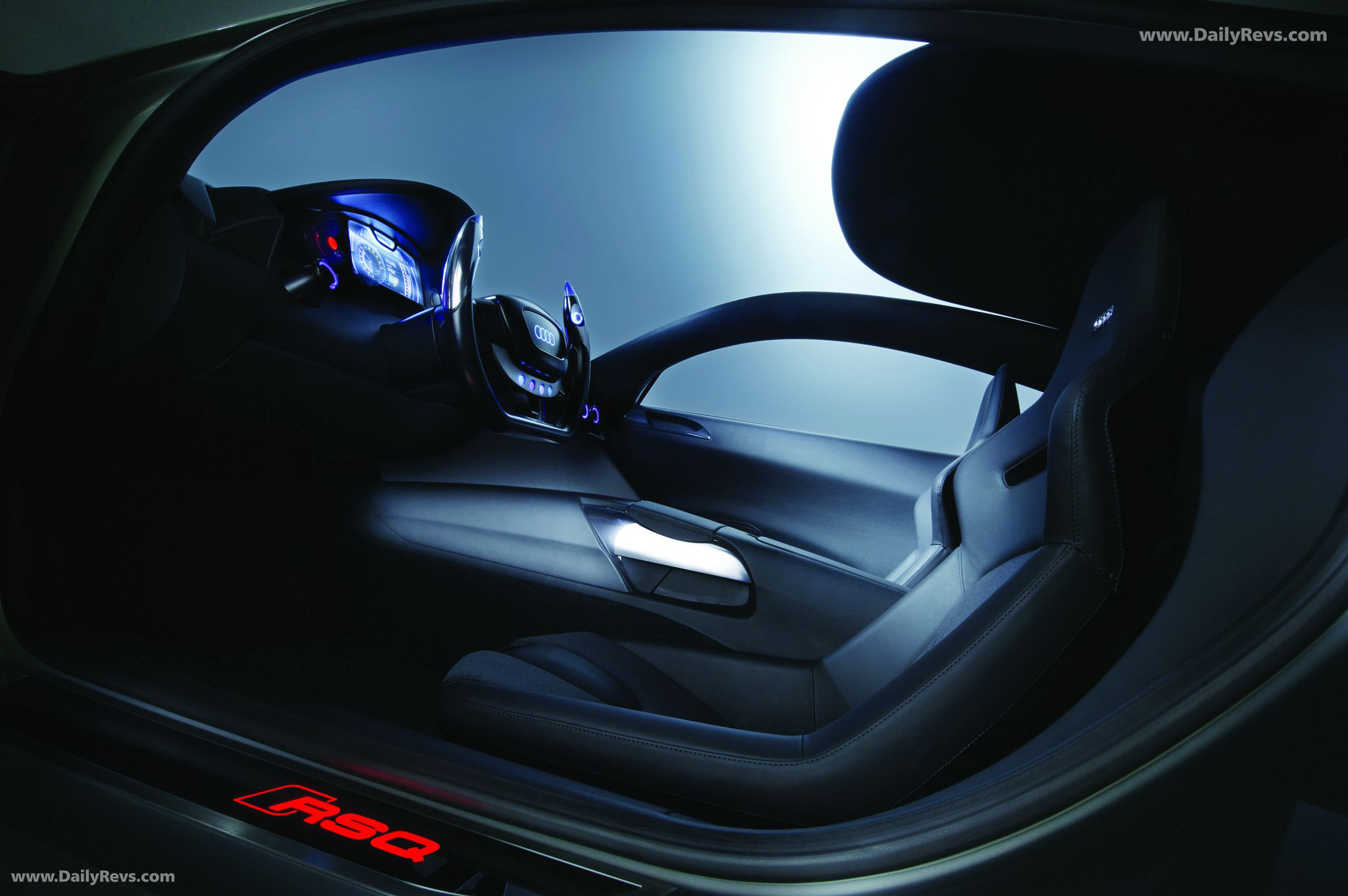
The RSQ’s interior is all glass and symmetry. A full-length glass canopy stretches from windshield to rear bulkhead. Inside, deep bucket seats are surrounded by a wraparound console and center spine.
There’s no traditional steering wheel. Instead, a fold-out yoke-style controller extends from the dash—more aircraft than car. It’s all driver-focused. Audi's MMI interface controls navigation and diagnostics. No clutter. No distractions.
Fast Build for a Film Timeline
Audi only had around ten weeks to design and build the RSQ. The timeline was tight, and it shows just how lean Audi’s design and engineering teams could be under pressure.
They built three physical versions:
-
One full-scale, functional prototype that could move on its own
-
One static show car for exterior shots
-
One shell for interior filming
It wasn’t meant to perform. It was meant to look like it could.
No Powertrain Numbers—And That’s Fine
The RSQ was described as a mid-engine, all-wheel-drive concept. But no drivetrain specs were ever made public. There’s no known top speed, acceleration, or range. That wasn’t the purpose.
This was a car made for story, not stats. Audi leaned into the aesthetic and left engineering details to the viewer’s imagination.
RSQ Didn’t Just Disappear
Though it never saw production, the RSQ influenced future Audi design. The single-frame grille would soon define the front ends of cars like the A6 and A8. The mid-engine stance and cockpit cues surfaced again in the 2007 Audi R8.
You can also trace some of the RSQ’s DNA back to earlier concepts like the Le Mans Quattro. But this one stood out because it wasn’t designed for a show stand—it was designed for film.
Meant for One Thing: Visibility
Audi didn’t intend to sell the RSQ. It built the car for a specific role: to represent Audi in a major Hollywood production. That strategy was new at the time. Product placement wasn’t new, but custom-building a vehicle just for a movie was rare.
The payoff? A futuristic Audi featured prominently in a blockbuster film, right when the brand was making big moves in North America.
Technical Overview
-
Debut: 2004 New York Auto Show
-
Purpose: Film concept for I, Robot (2035 setting)
-
Construction: Fiberglass and aluminum body, lunar silver paint
-
Doors: Rear-hinged reverse butterfly
-
Wheels: Enclosed spherical design, visual only
-
Layout: Mid-engine, all-wheel drive [Unverified]
-
Interior: Full-glass canopy, flight-style yoke, Audi MMI interface
-
Prototypes Built: Three (drivable, static, interior shell)