2003 Lancia Fulvia Coupe Concept
By Lorenzo Bianchi December 22, 2003
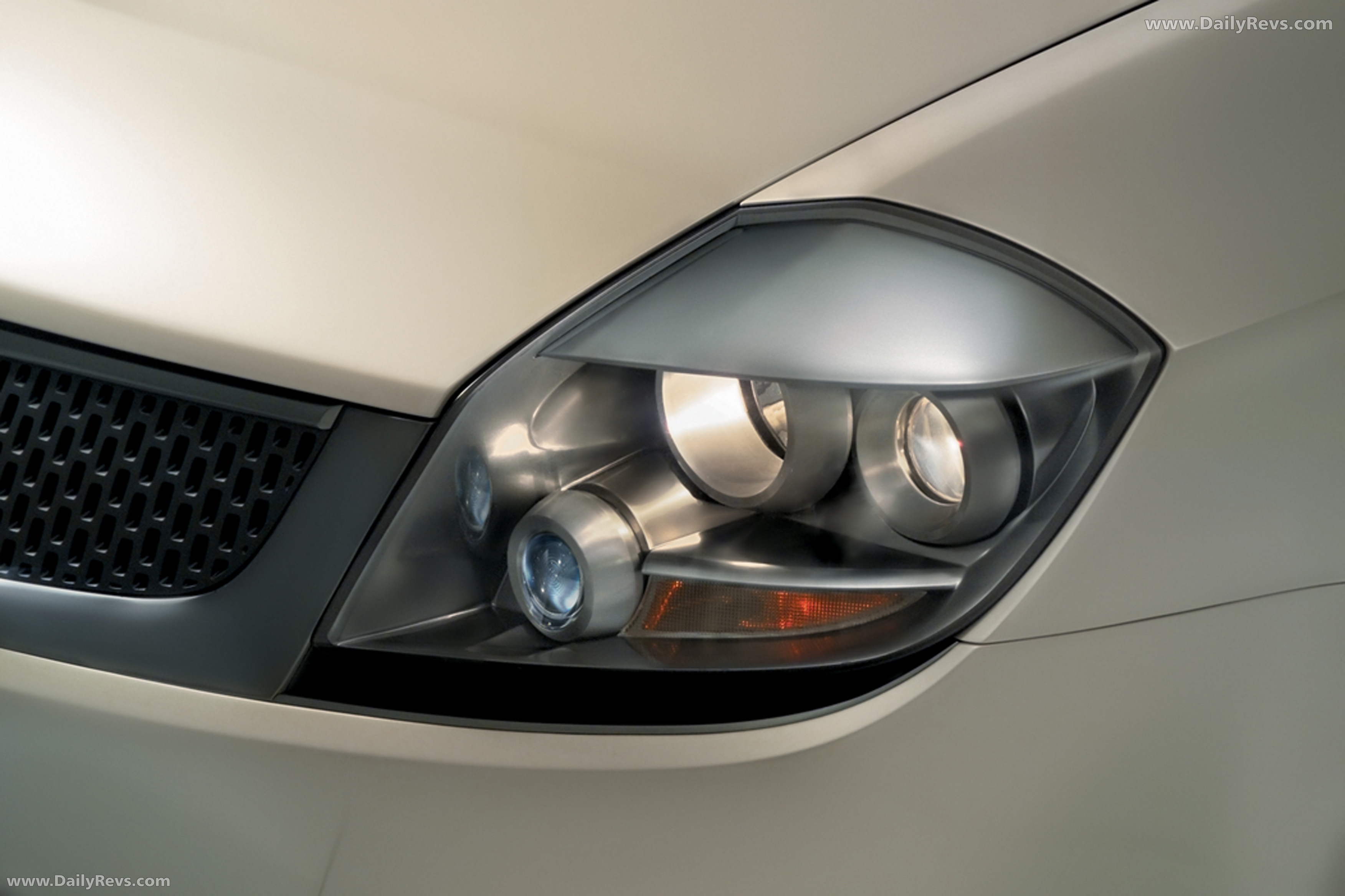
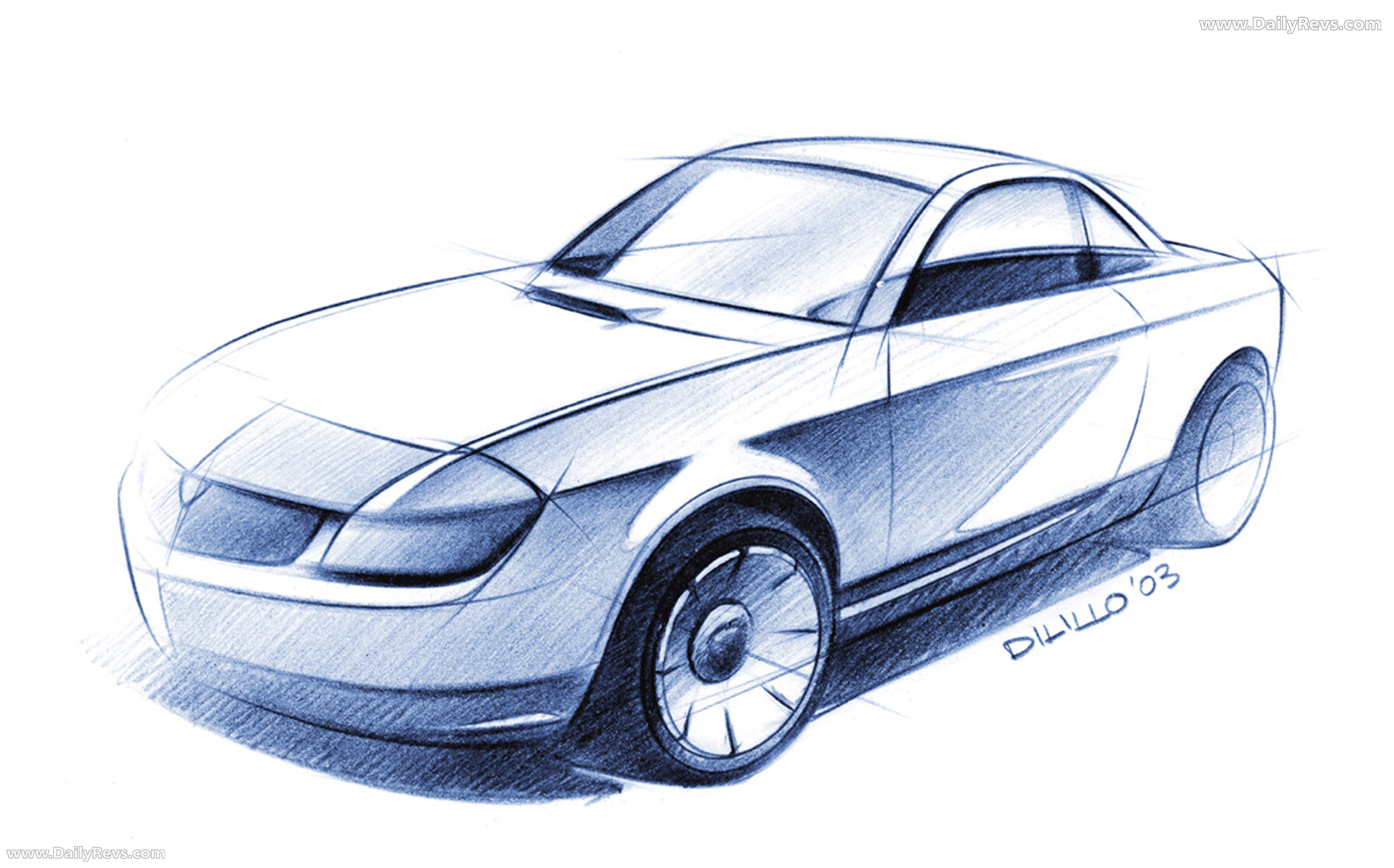
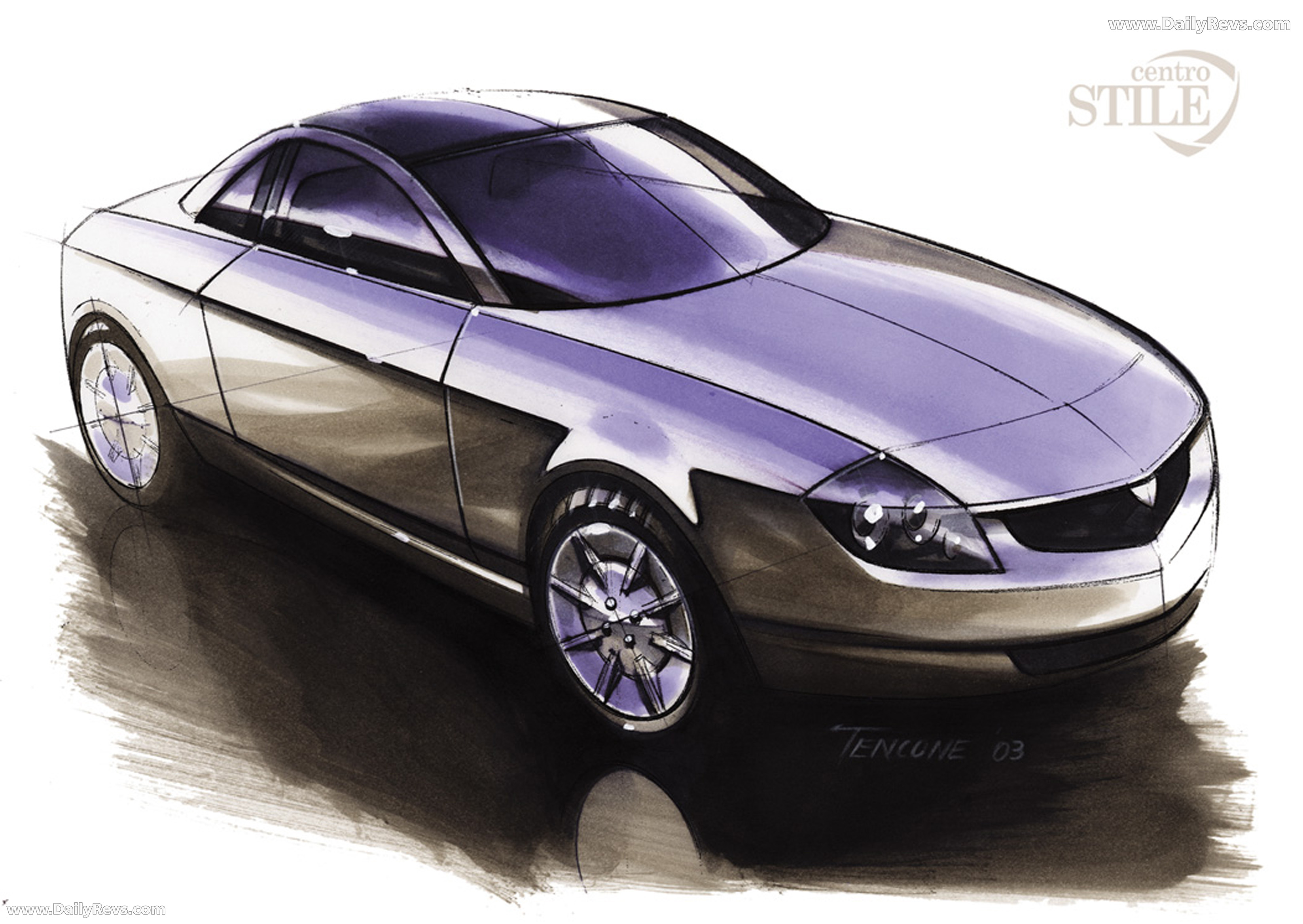
Rather than being a retro remake, the Fulvia Coupe Concept was intended to be a forward-looking reinterpretation.
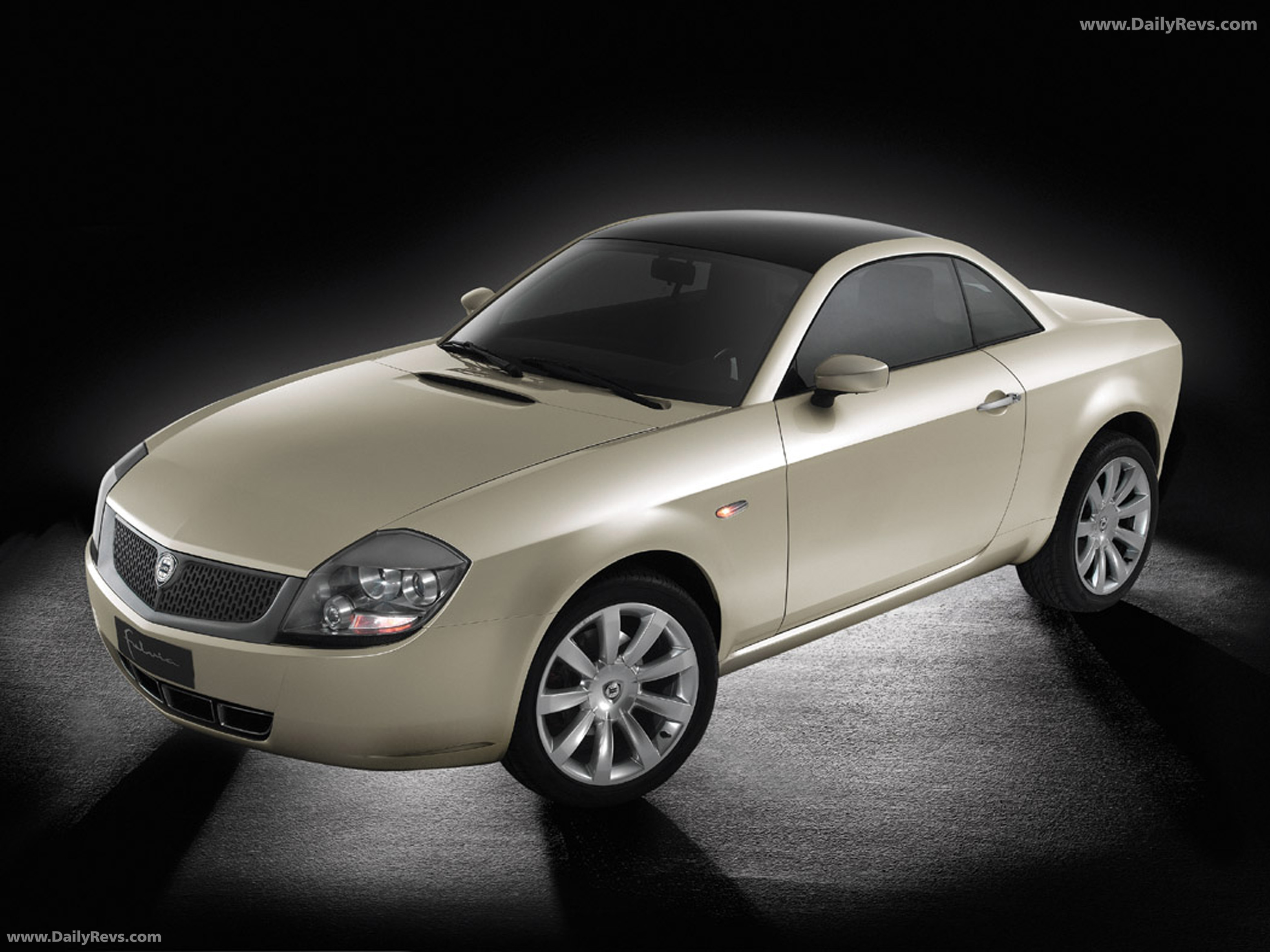
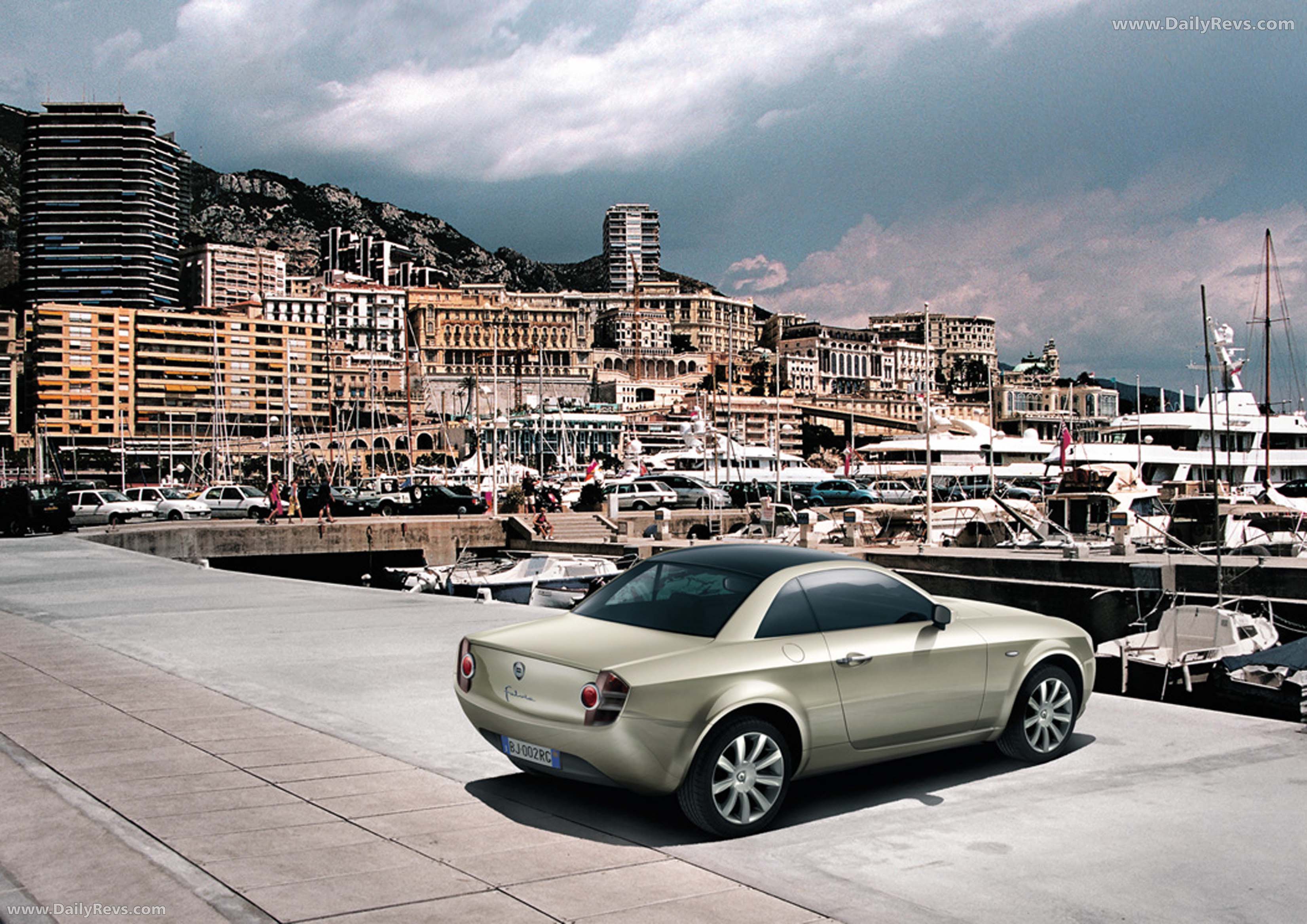
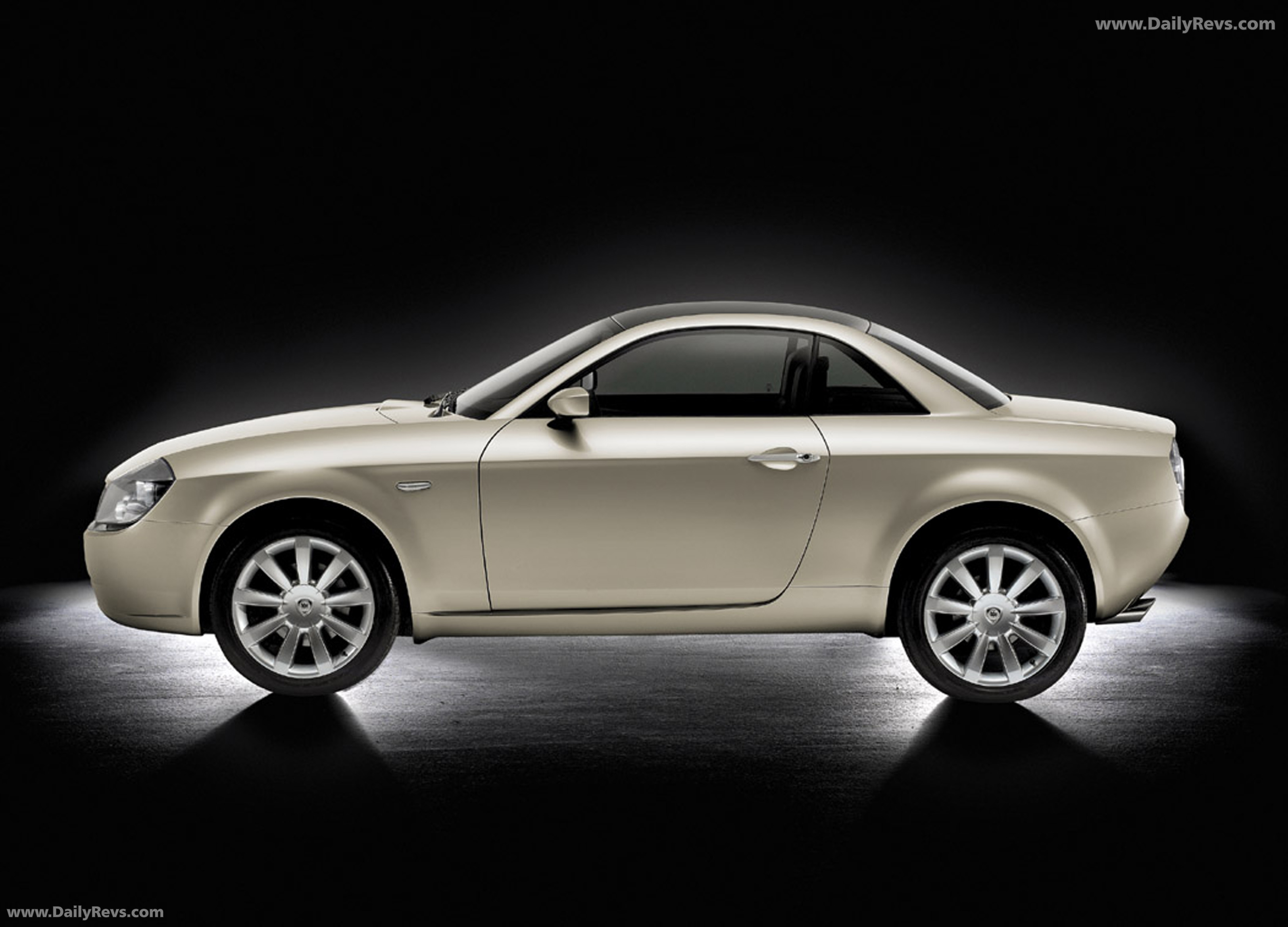
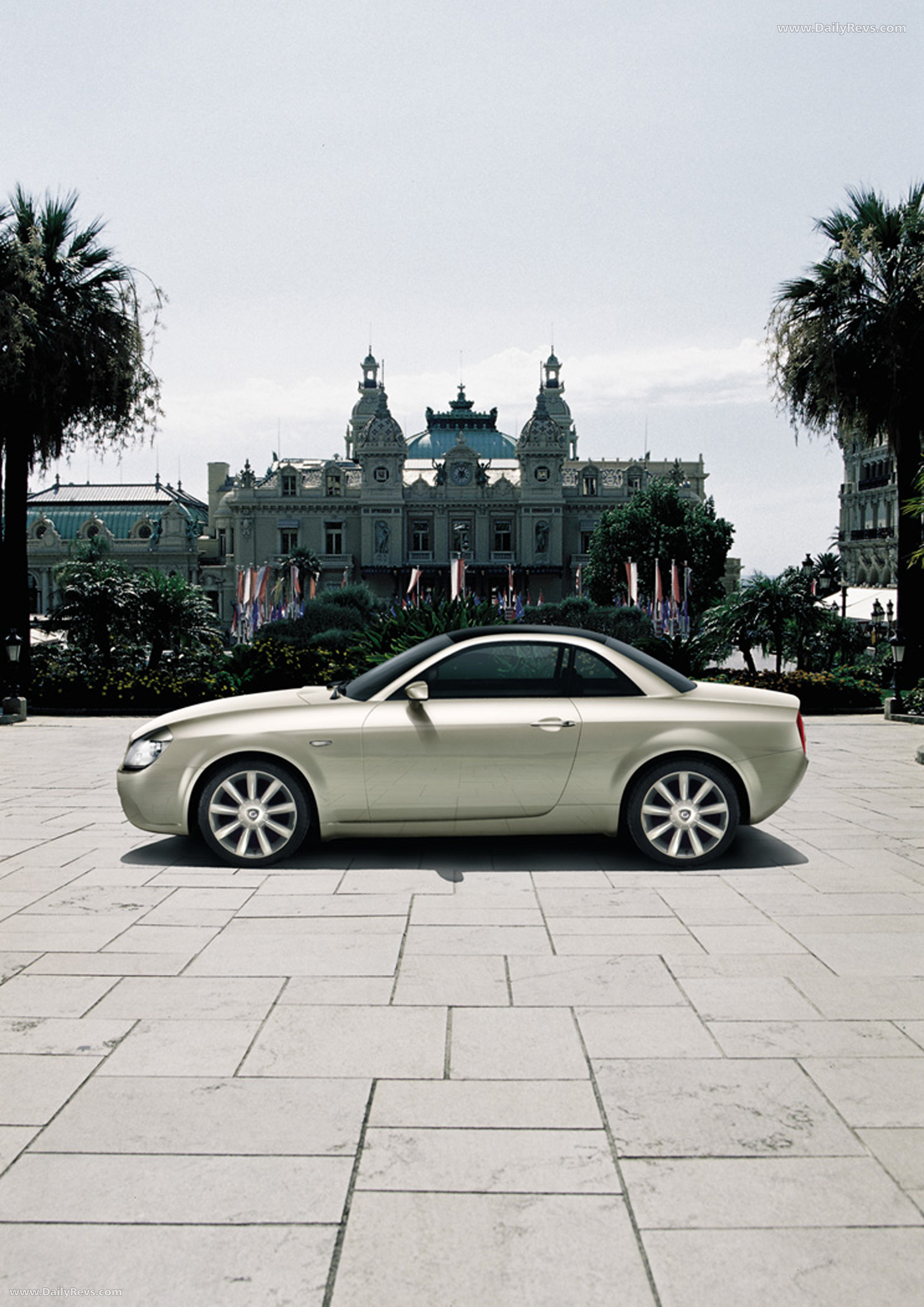
With a wider track and a more contemporary stance, the proportions closely resemble those of the original Fulvia.
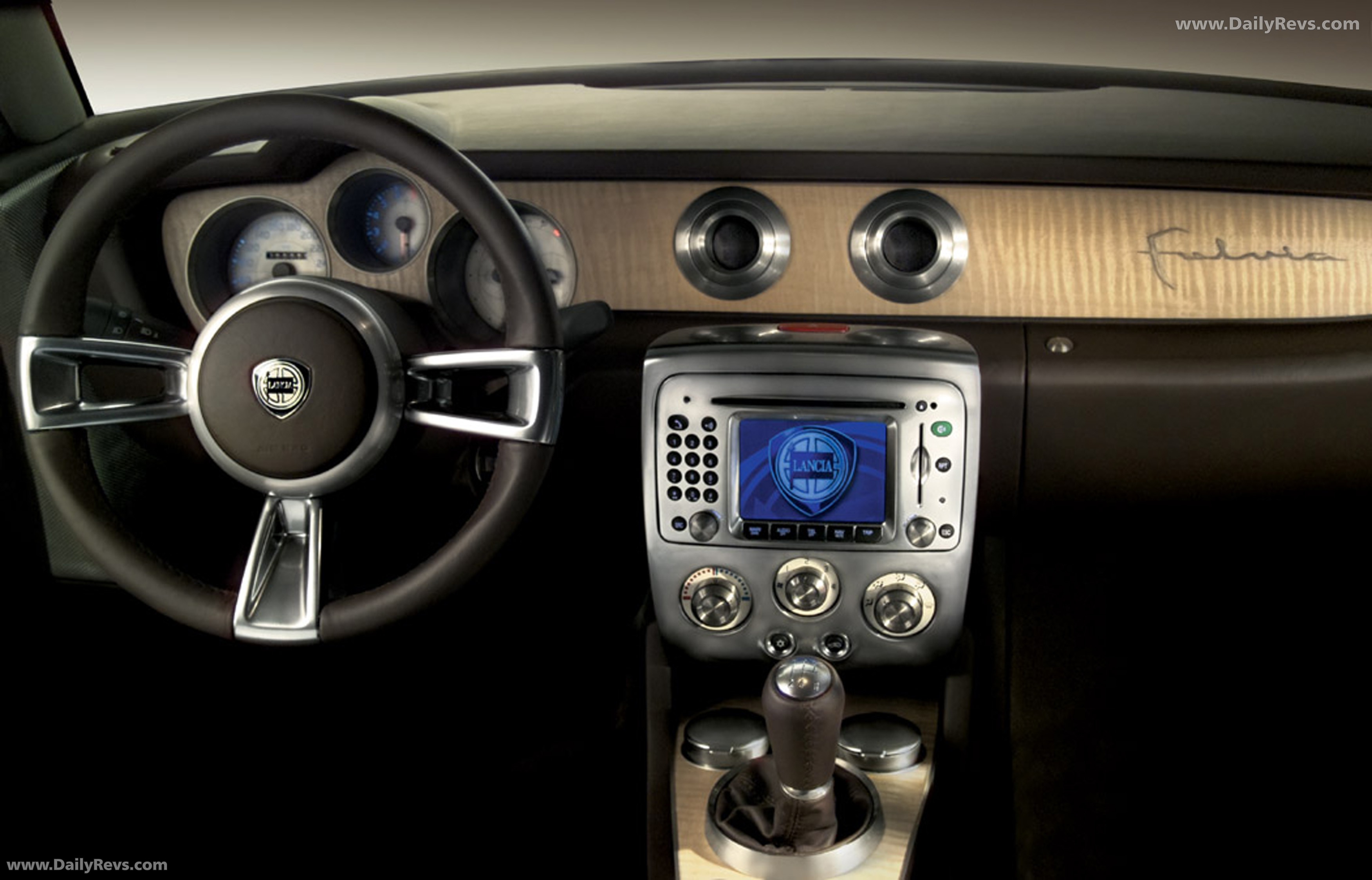
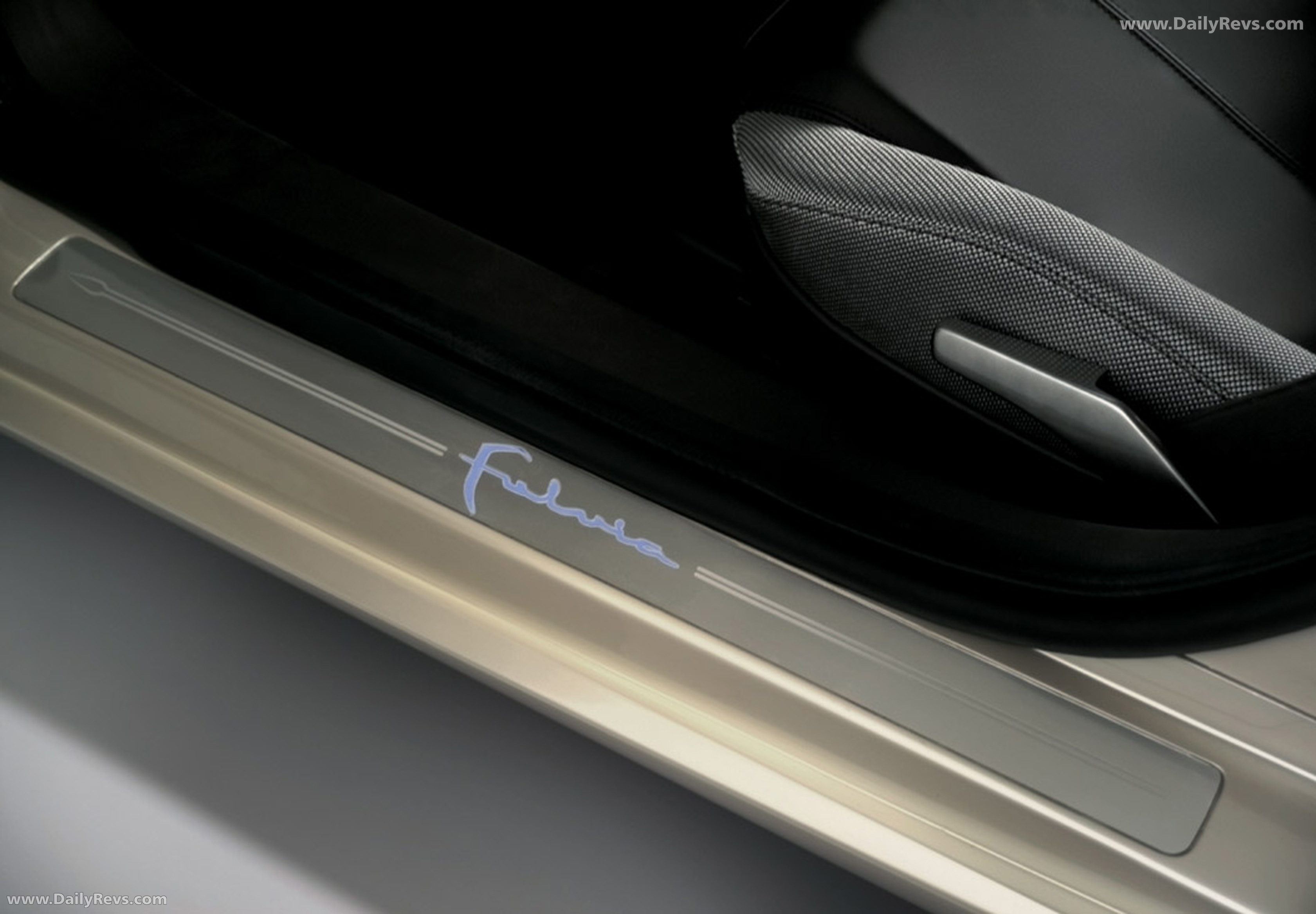
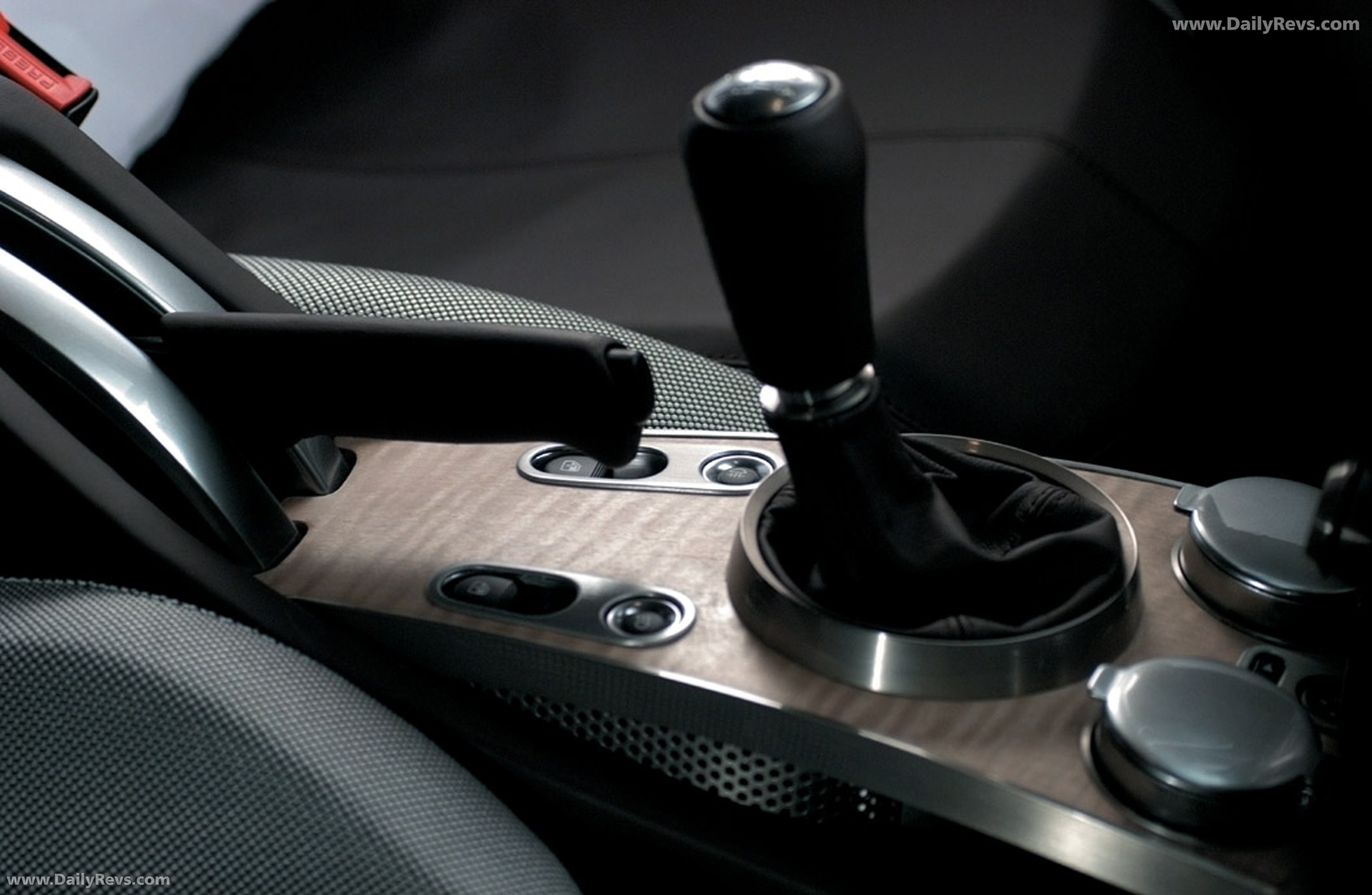
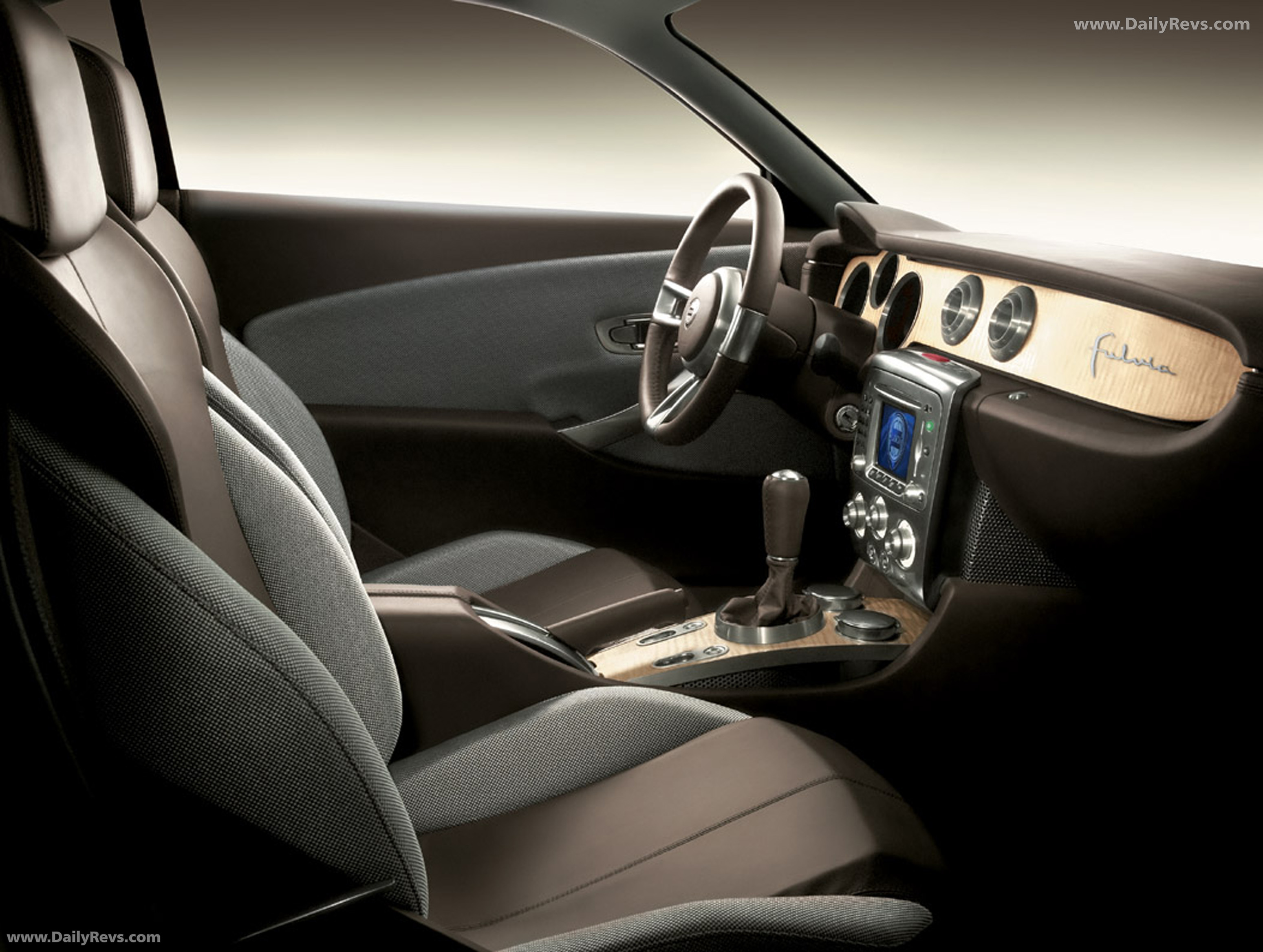
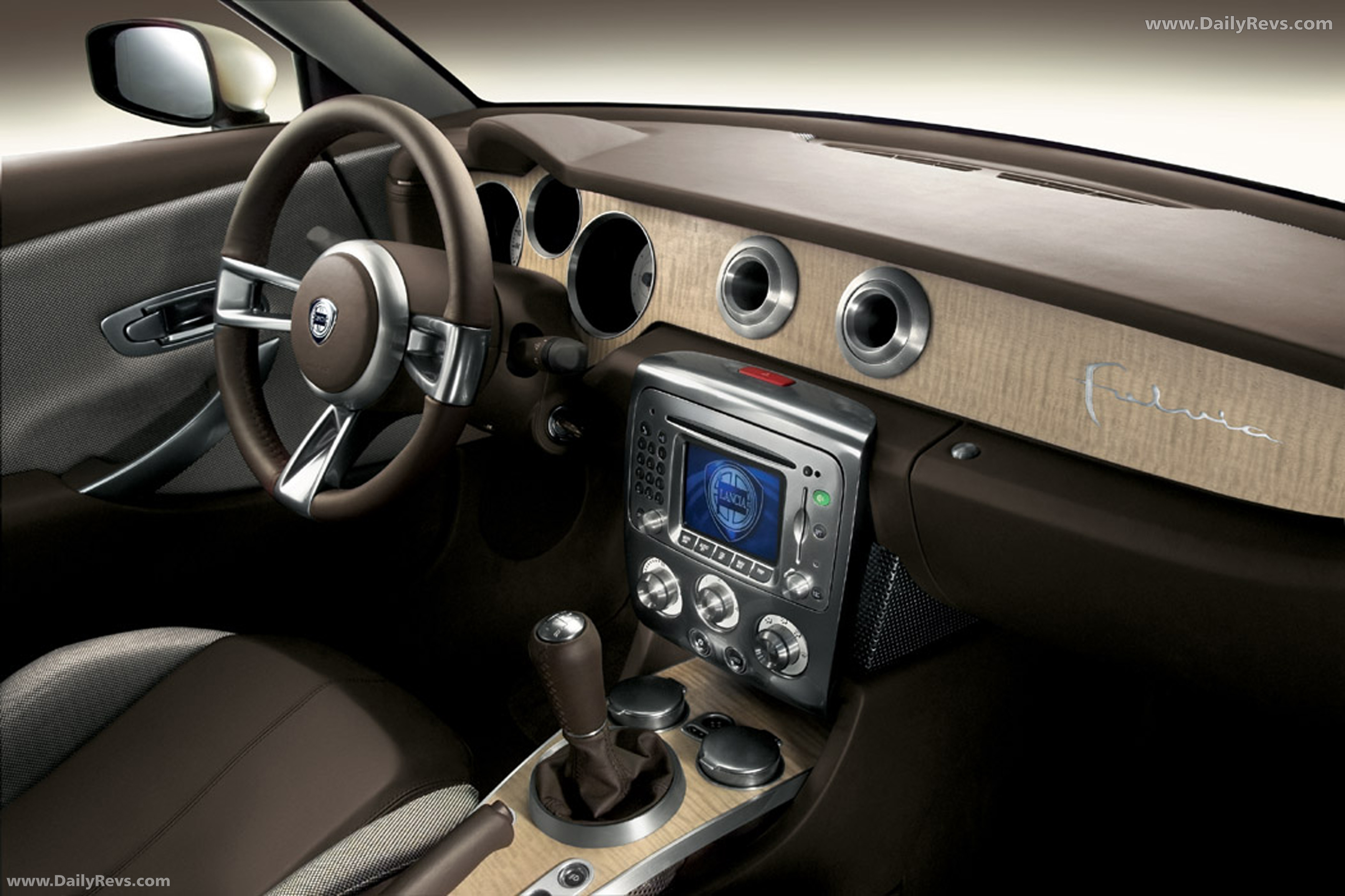
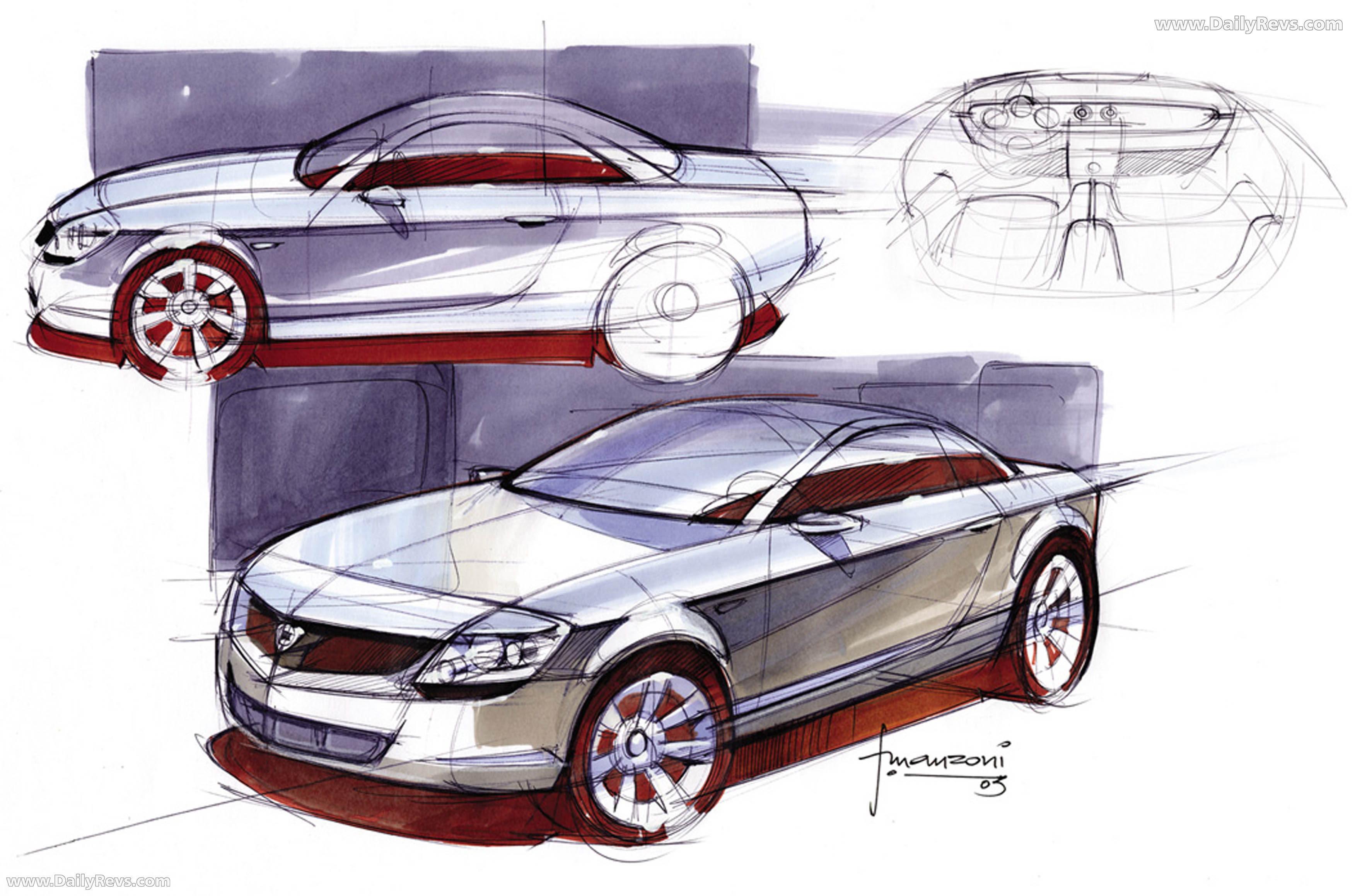
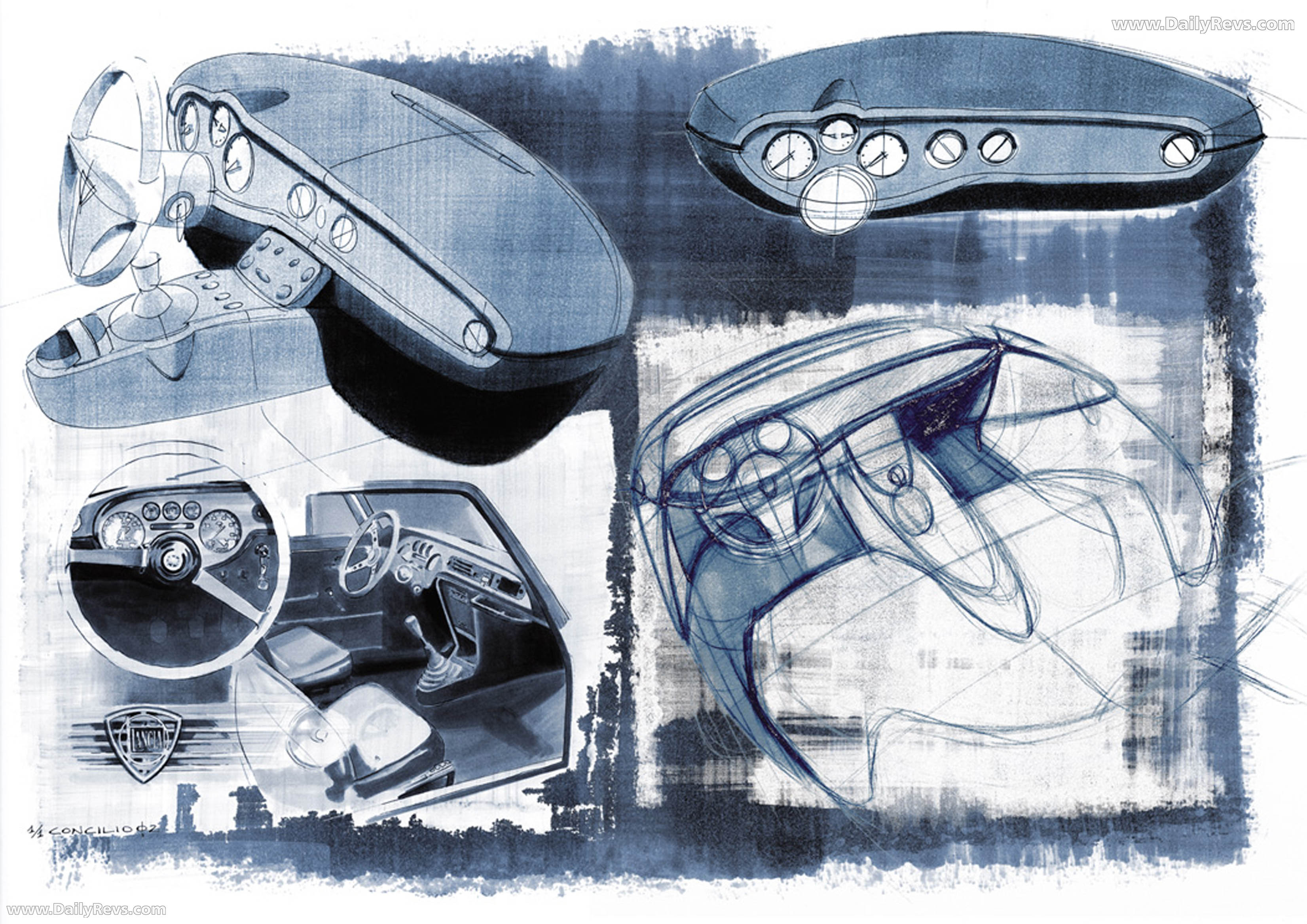
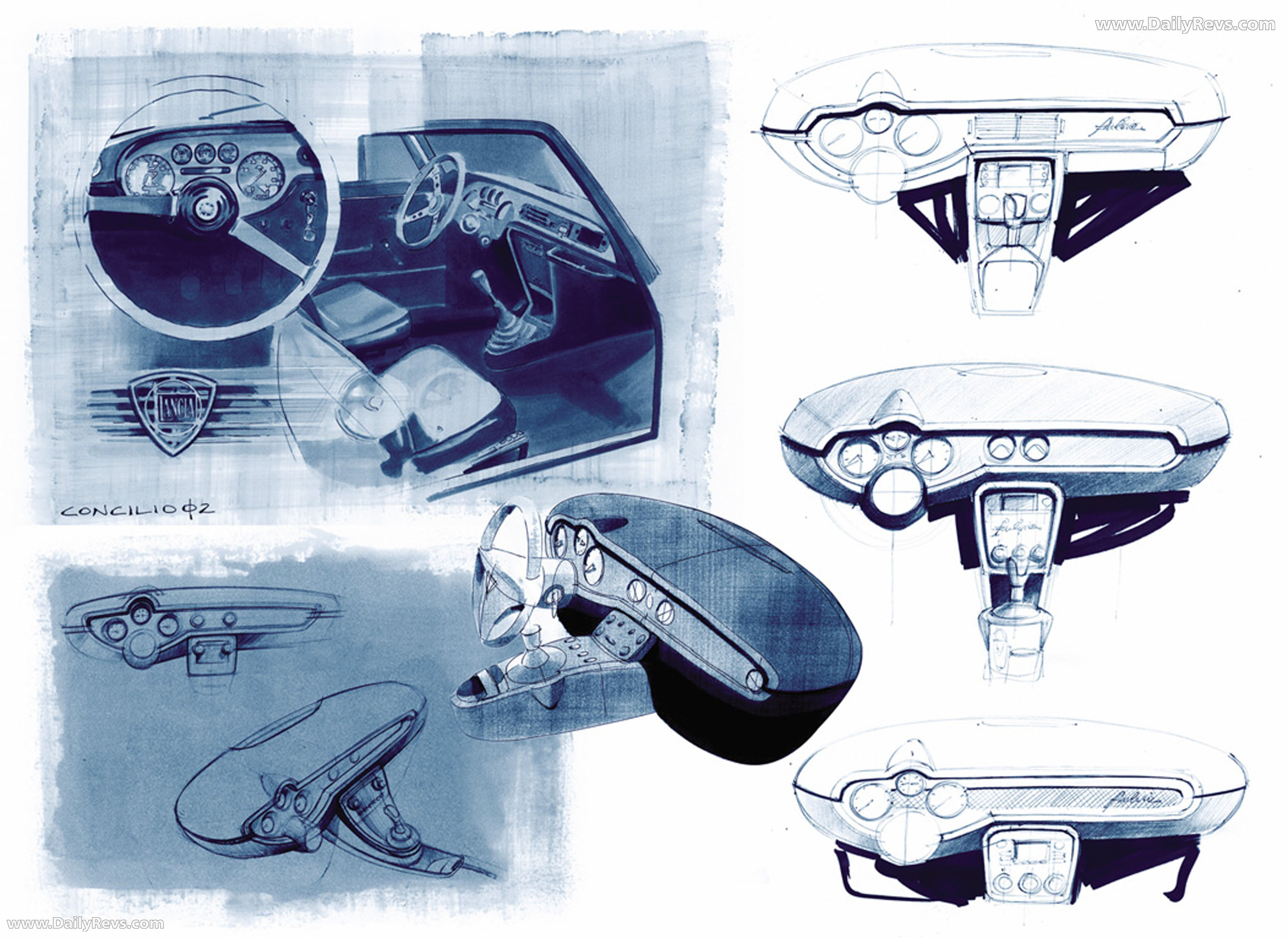
Interior design blends post-modern craftsmanship with clear references to Lancia’s past.
Design and Proportions of the Vehicle
The 2003 Lancia Fulvia Coupe Concept was unveiled with a clear mission. It was not intended to resurrect the past wholesale, nor to trade on nostalgia. Instead, Lancia’s Centro Stile approached the project as if the original Fulvia had been allowed to evolve uninterrupted since 1965.
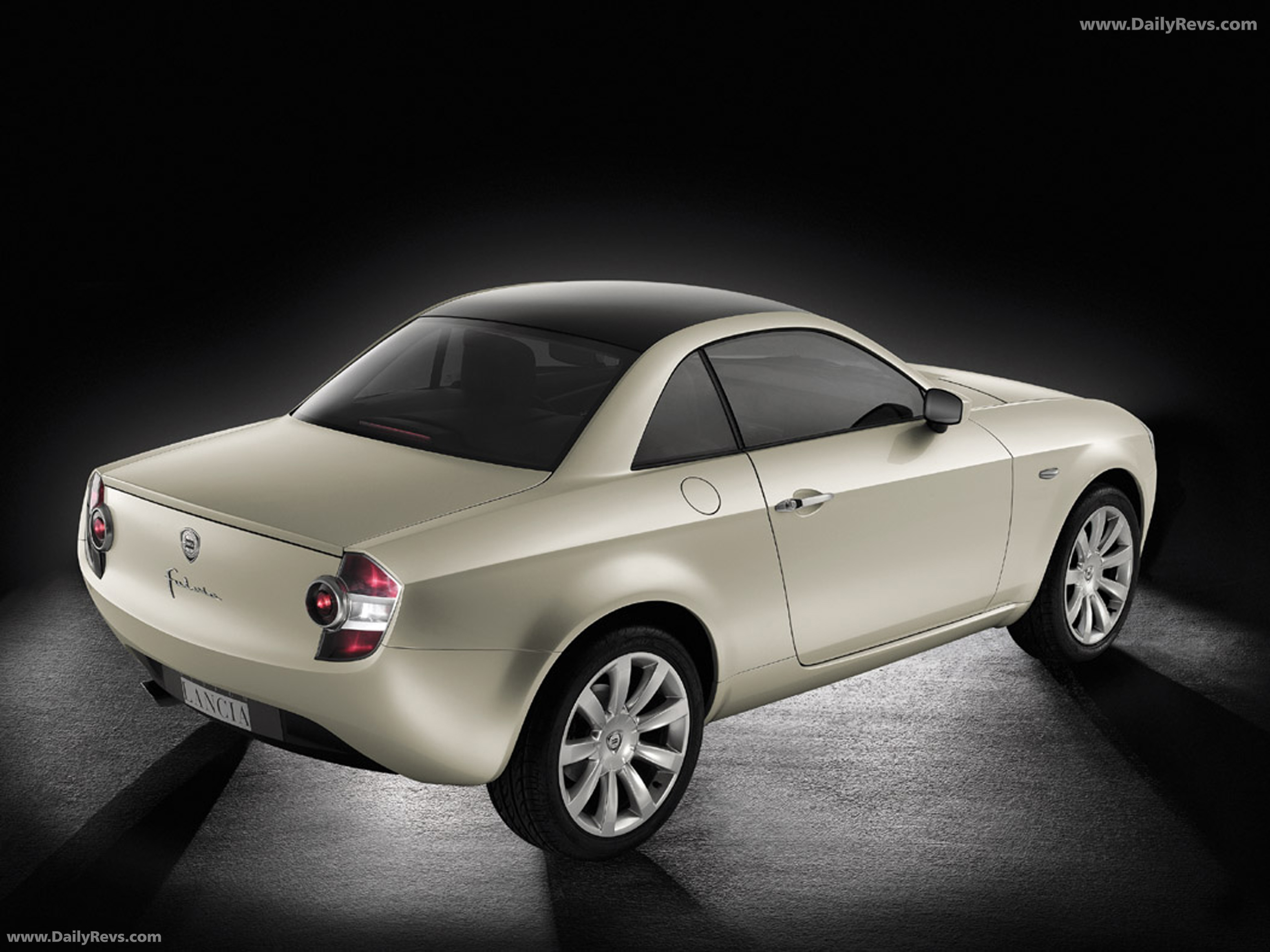
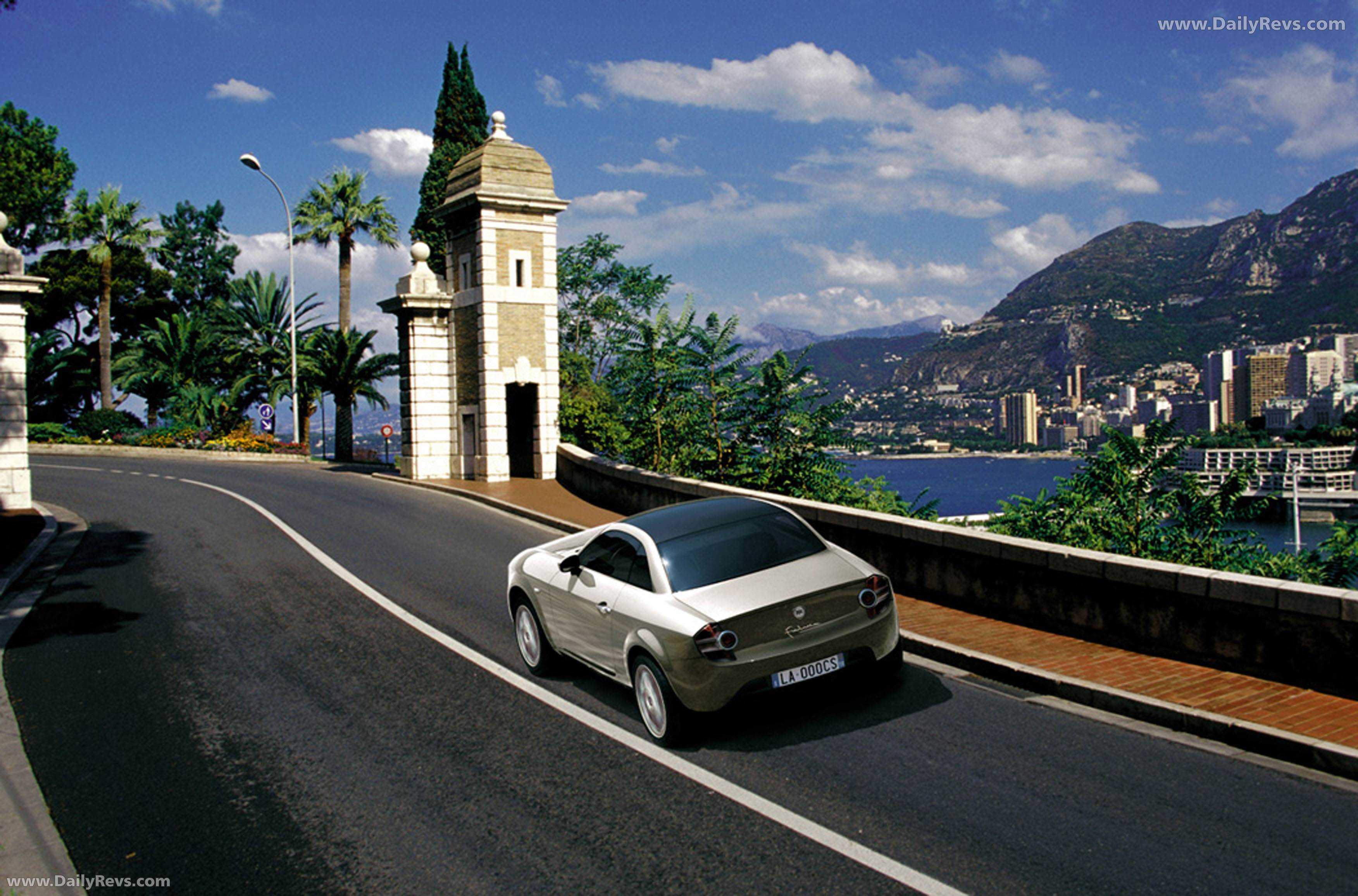
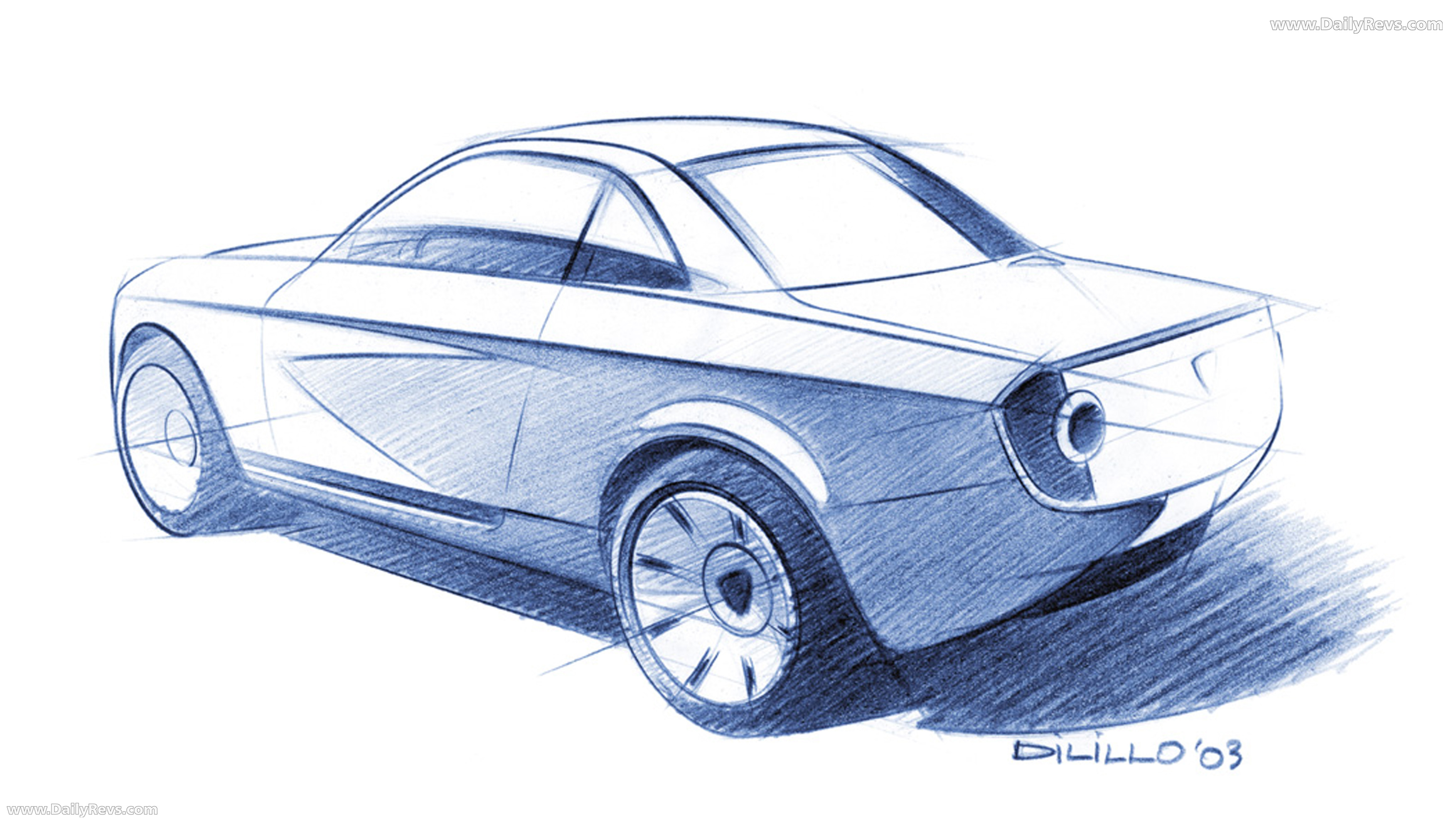
At first glance, the proportions feel immediately familiar. The three-box silhouette, compact footprint, and truncated rear all echo the original Fulvia Coupe. The changes become apparent when you look more closely. The car has a stronger stance and more stable visual balance because the track is wider. The car is visually pulled forward and its front-driven layout is emphasized by the taut body surfaces, which are concentrated over the front wheels.
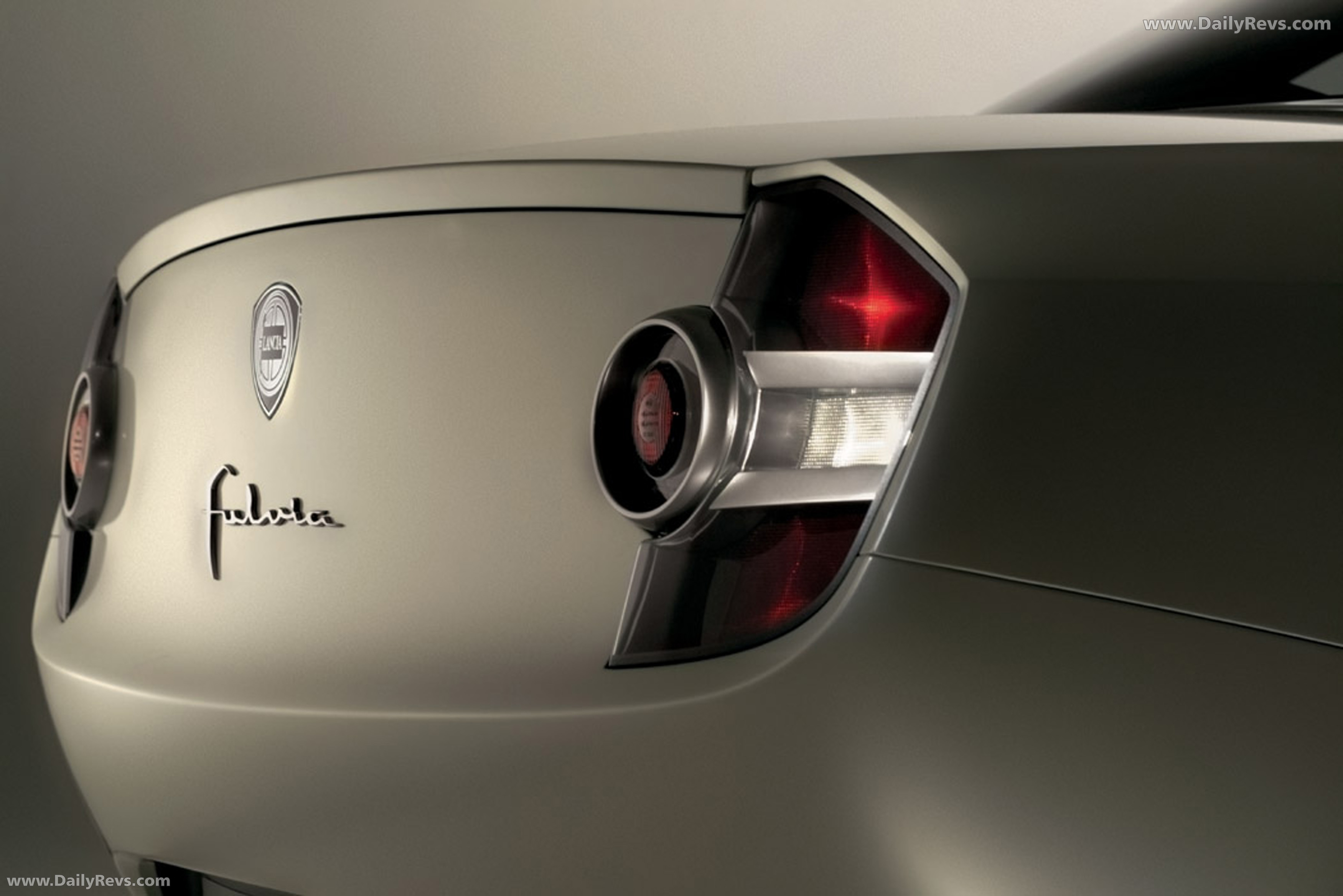
The continuous horseshoe-shaped band that encircles the body and reappears at the tail is one of the most characteristic features. This motif, reworked from the original, gives the concept a sense of motion even at rest. From above, the car takes on a teardrop plan view, widest at the front and tapering toward the rear, reinforcing the impression of momentum and purpose.
Performance and Powertrain Overview
Lancia did not release detailed technical specifications for the Fulvia Coupe Concept’s powertrain. [Unverified] That omission feels deliberate. The concept’s role was to explore design language and packaging rather than preview a production-ready drivetrain.
Strong ties to the historical identity of the Fulvia are implied. The narrow-angle V4 engine and front-wheel-drive balance of the original car were key features that contributed to its success on the road and in competition. [Conclusion] Even though the mechanical details remained secondary to the design statement, the concept's visual emphasis on the front axle and weight distribution suggests that Lancia intended to maintain this philosophy.
Key Features and Interior Impression
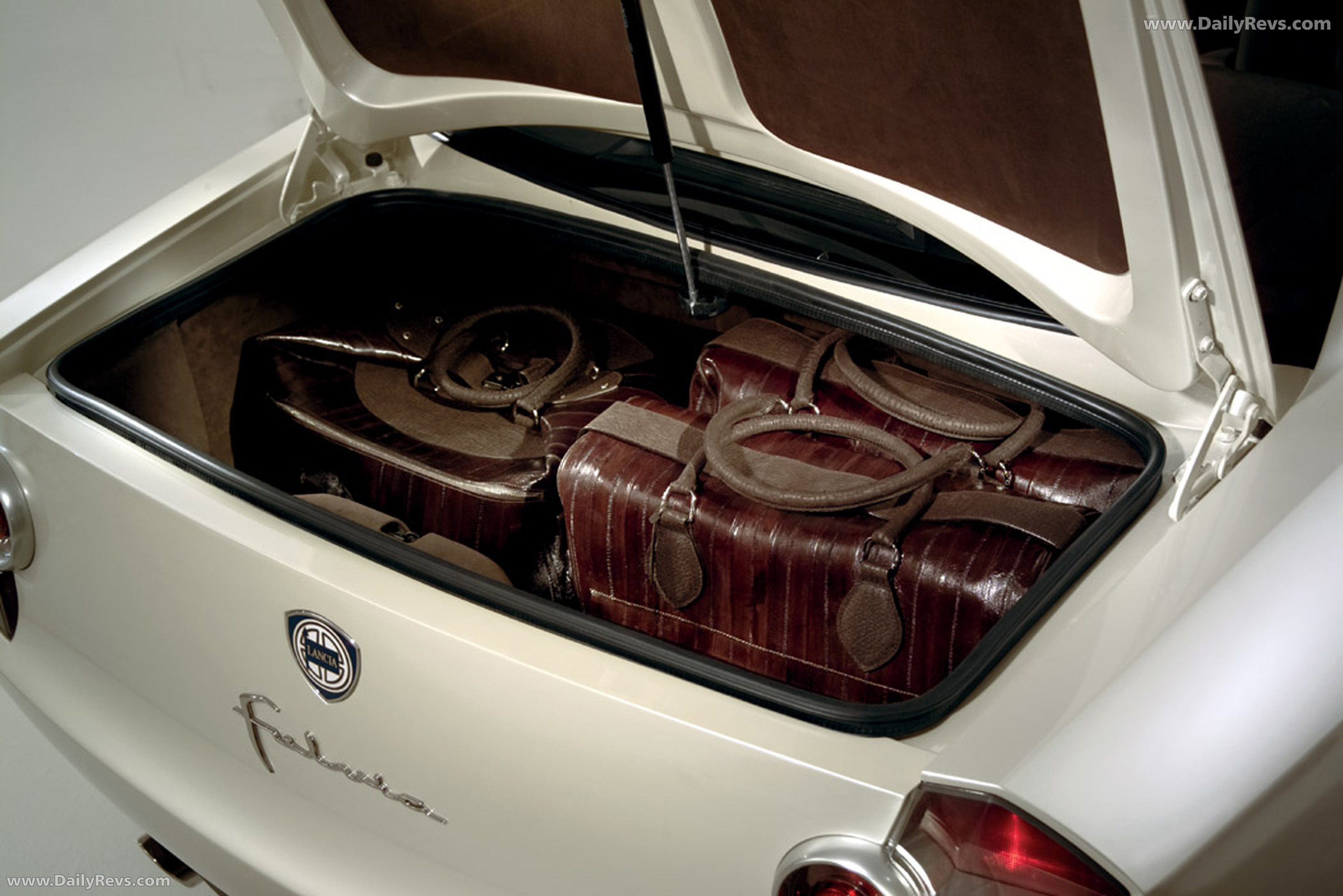
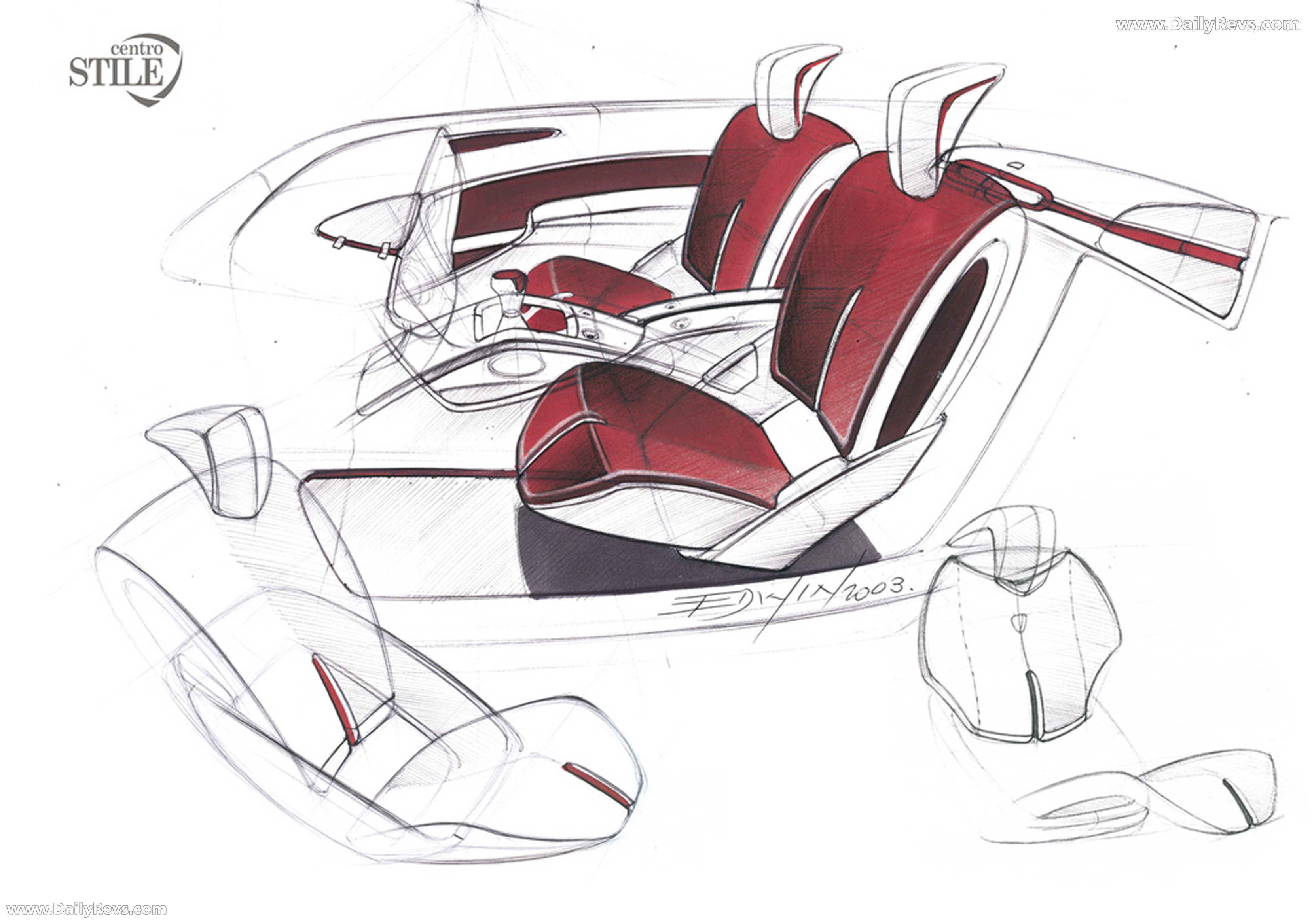
Inside, the Fulvia Coupe Concept reveals a level of craftsmanship that goes well beyond a typical show car. The cabin is configured as a strict two-seater, with a secondary luggage compartment positioned beneath the rear parcel shelf. The car's sporting intent is reinforced by its compact yet functional layout.
Both nautical shapes and traditional Lancia cues serve as inspiration for the interior design. Two opposing, hand-upholstered shells that encircle a central leather insert and flow smoothly into the door panels make up the dashboard. The tunnel and armrests are shaped like saddles, and the gear lever, which has aluminum accents, is housed in a longitudinal wooden bridge that passes through the middle.
Even the accessories were considered. A bespoke set of luggage produced by Trussardi was created specifically for the concept, underscoring the blend of elegance and usability that defined historic Lancia coupes.
Market Positioning and Segment Context
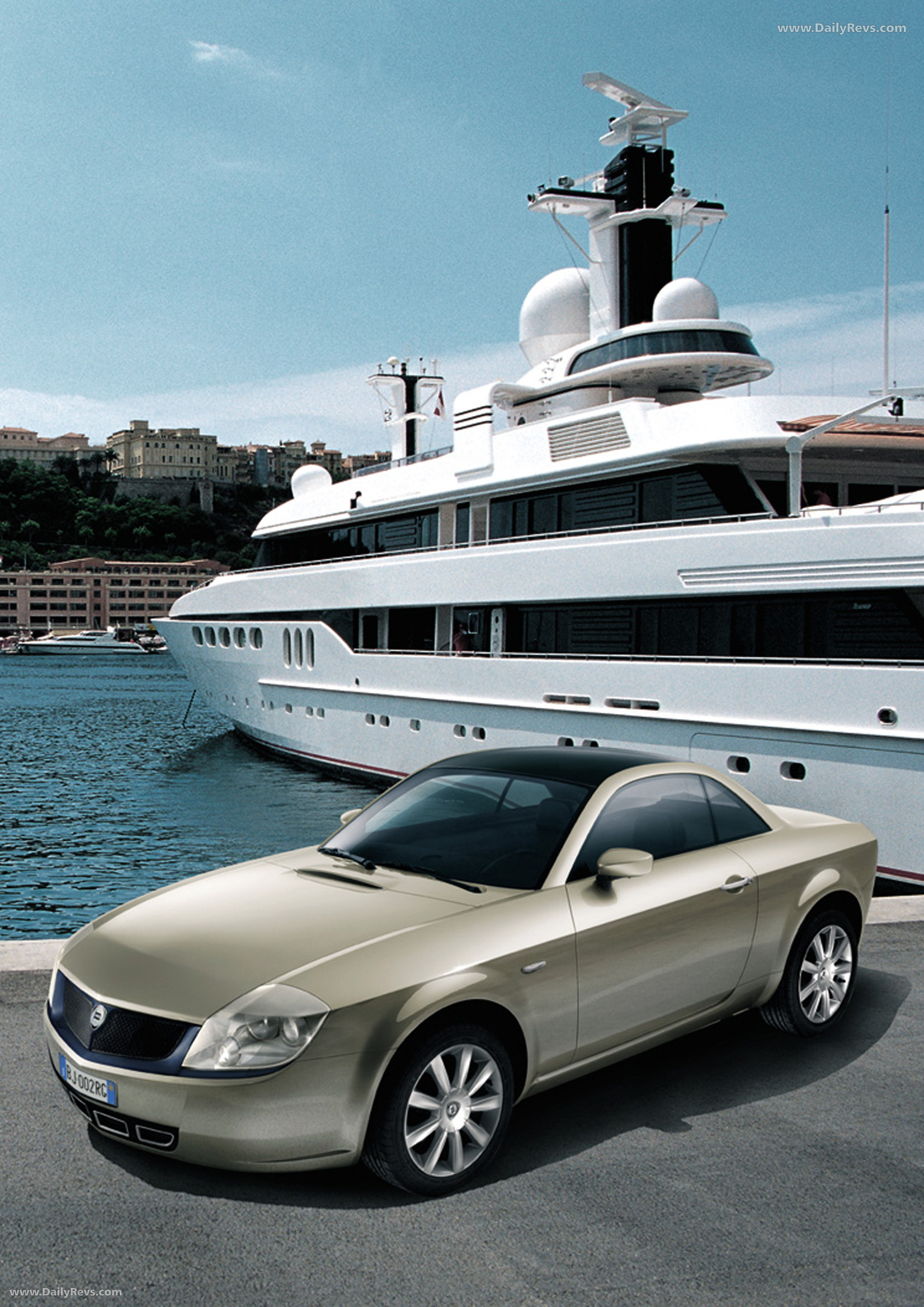
The 2003 Fulvia Coupe Concept was never positioned as a precursor to a production model. Instead, it served as a manifesto. It demonstrated how Lancia could reinterpret its heritage without becoming trapped by it, offering a contemporary coupe shaped by restraint, proportion, and material quality.
At a time when retro design was becoming a quick fix for brand revival, Lancia adopted a more nuanced strategy. The Fulvia Coupe Concept reminds us of the brand's past ideals of elegant engineering, understated eccentricity, and the ability to balance sportiness and sophistication.Even now, it reads more like a well-crafted statement that still has resonance than like a lost chance.