2003 Ford Visos Concept
By Lorenzo Bianchi June 5, 2003
Powered by a 350 PS twin-turbo six-cylinder engine with AWD.
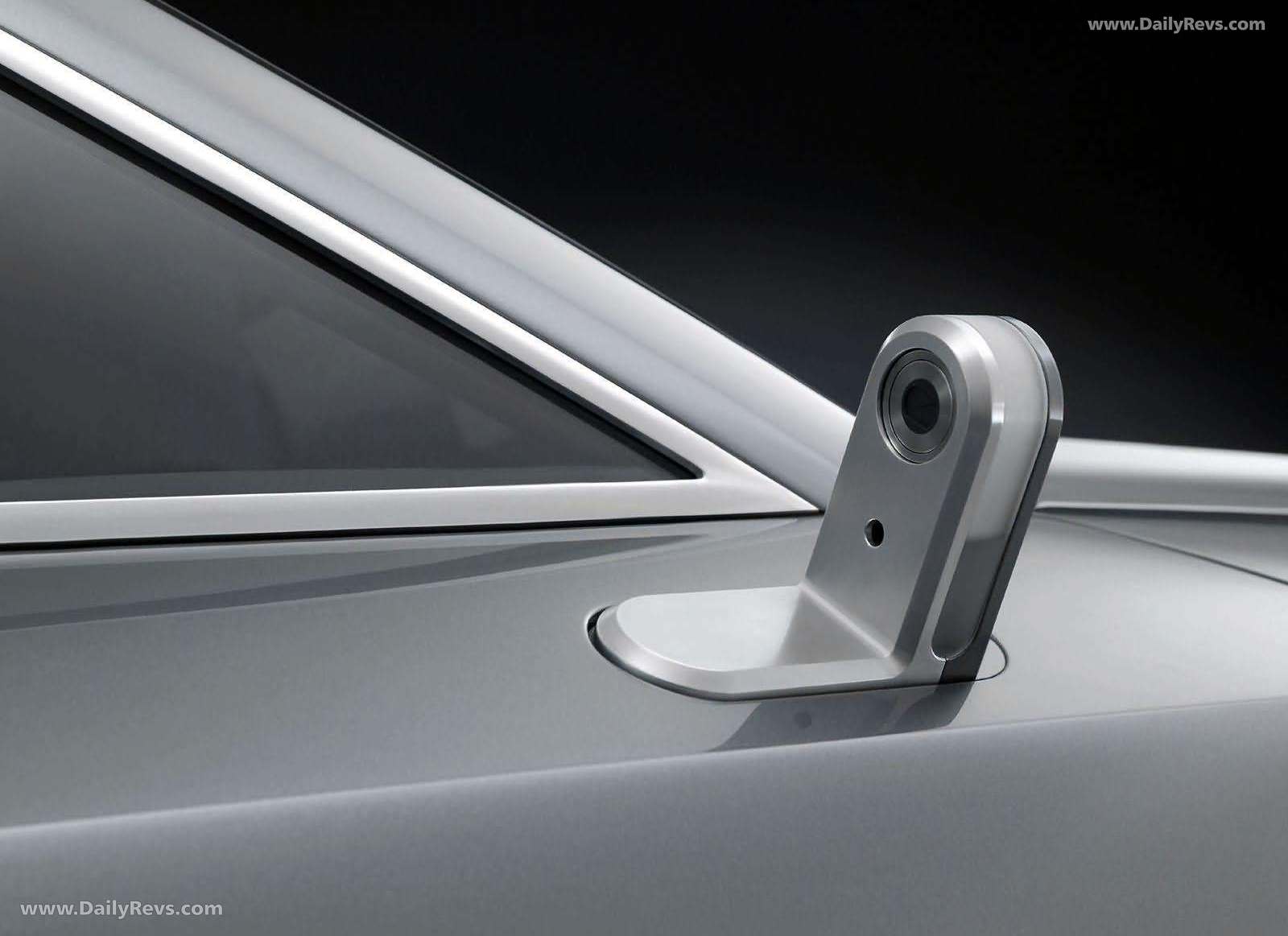
Featured deployable aerodynamic components and camera-based mirrors.
Interior transformed between Comfort and Sport driving modes.
A Coupe Designed Around Two Personalities
The 2003 Ford Visos Concept arrived with a clear idea behind it. Rather than creating a conventional performance coupe, Ford explored how one vehicle could serve two very different purposes.
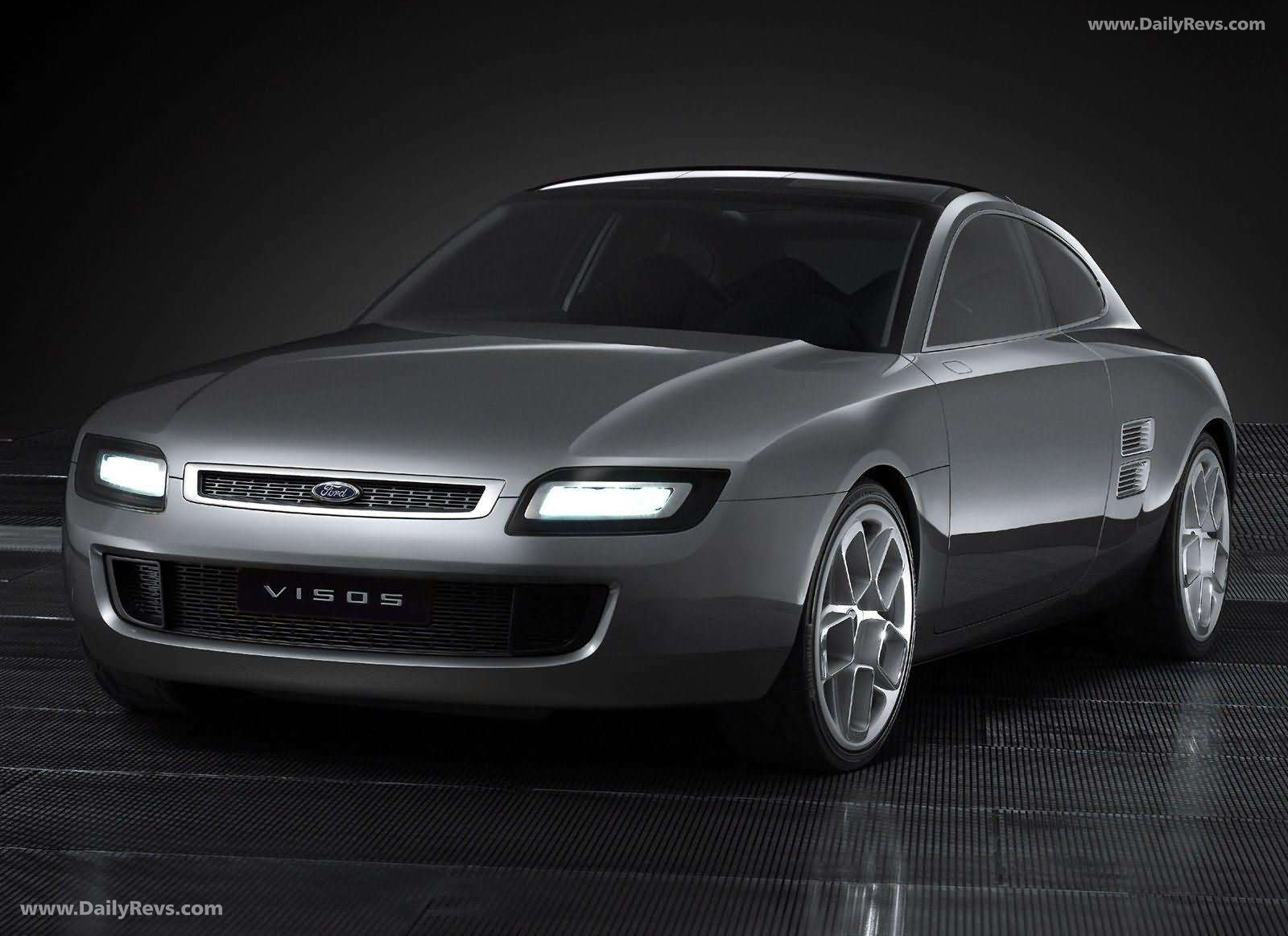
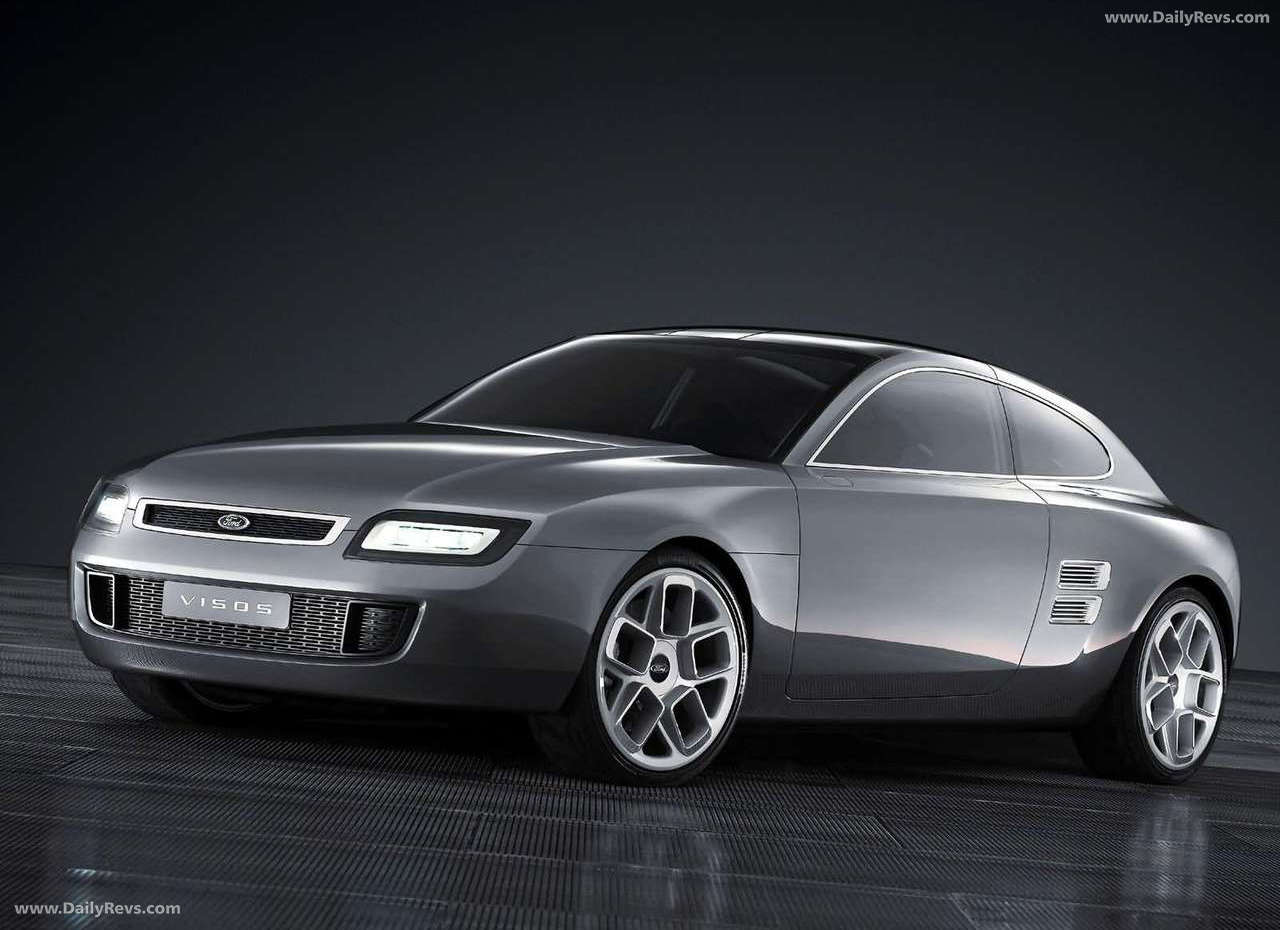
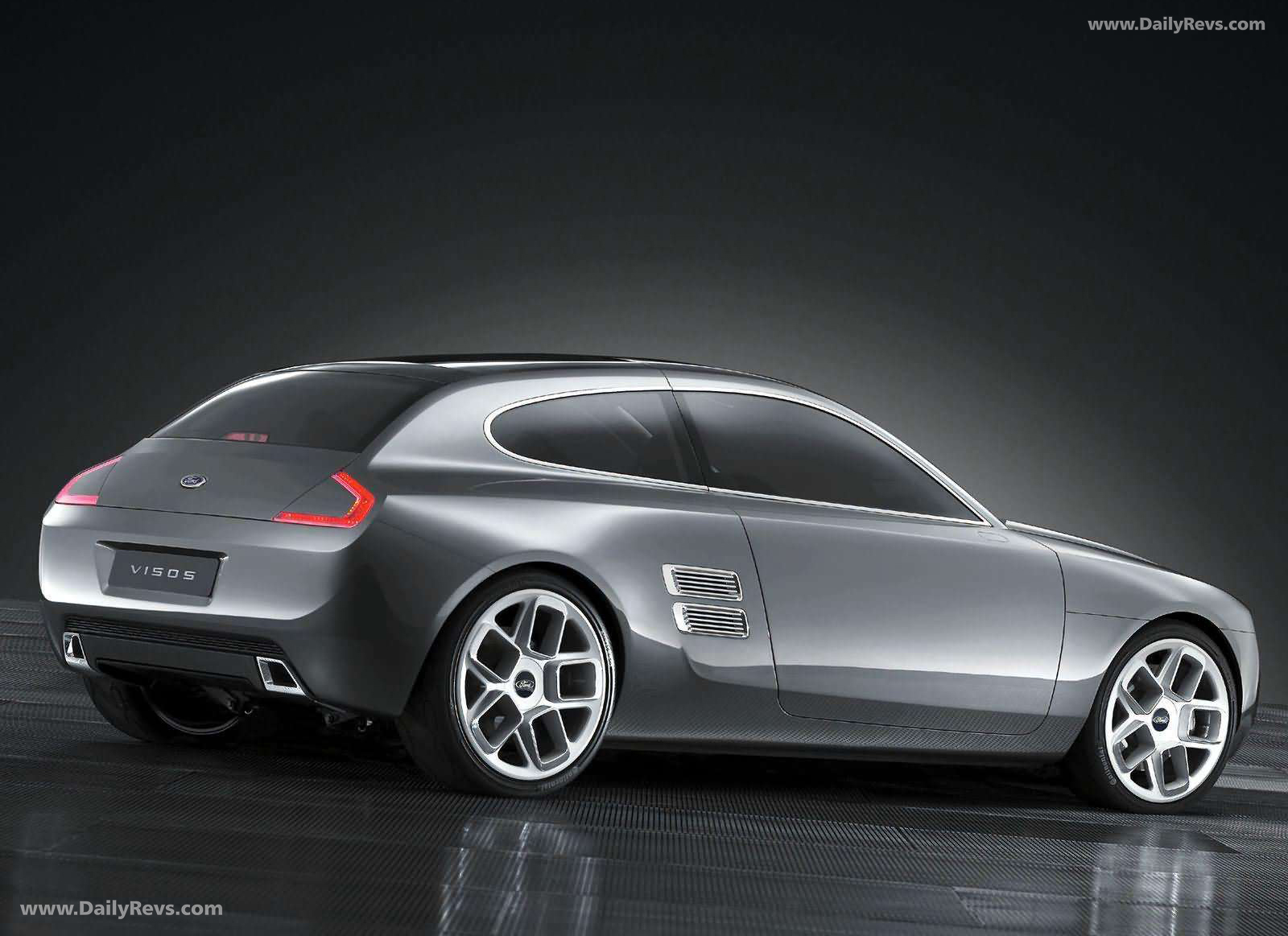
At first glance, Visos appeared clean and restrained. Its surfaces were smooth, the proportions were dramatic, and many of its aerodynamic elements remained hidden from view. Yet beneath that calm exterior sat a collection of systems that could completely alter the vehicle's character at the push of a button.
That dual-purpose approach became the defining theme of the entire project.
Clean Surfaces Hide Performance Hardware
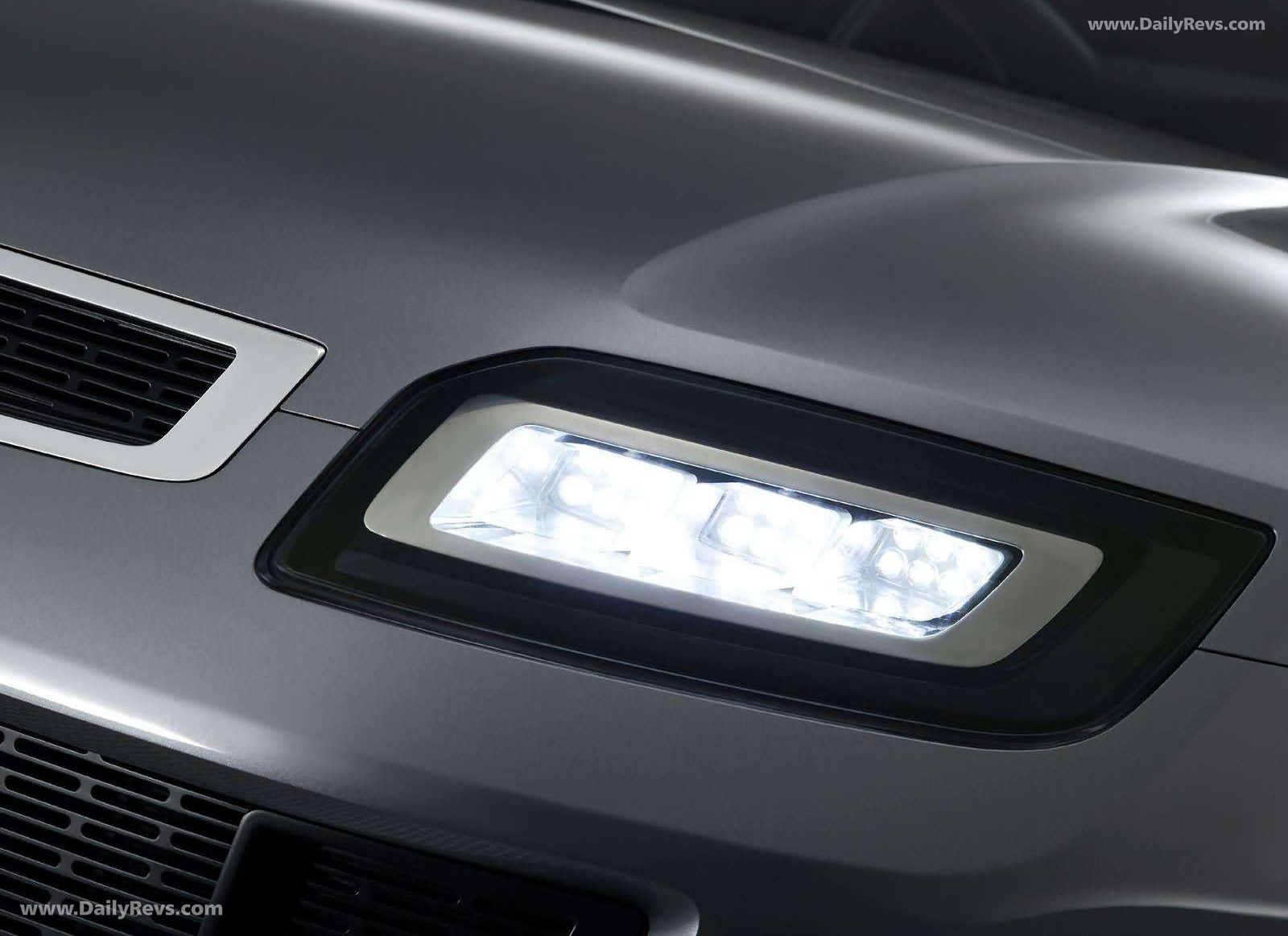
The exterior design avoided the oversized spoilers and vents often associated with performance cars at the time. Ford instead developed what it called Active Surfacing, allowing aerodynamic devices to remain concealed until needed.
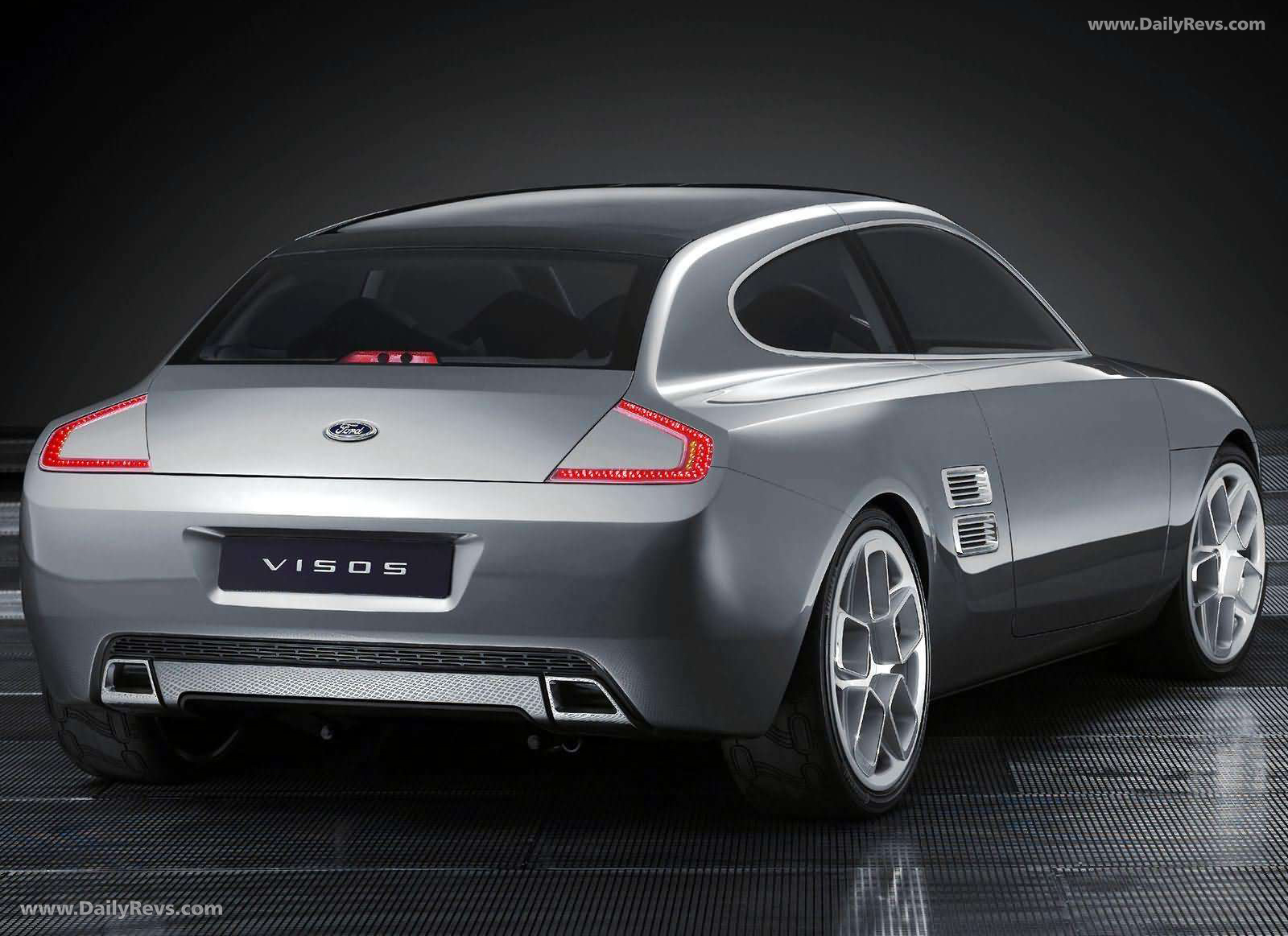
When Sport mode was selected, the front splitter, rear diffuser, and rear spoiler automatically deployed. In Comfort mode, those same components retracted into the bodywork, preserving the coupe's uncluttered shape. The system also activated automatically once speeds exceeded 90 km/h.
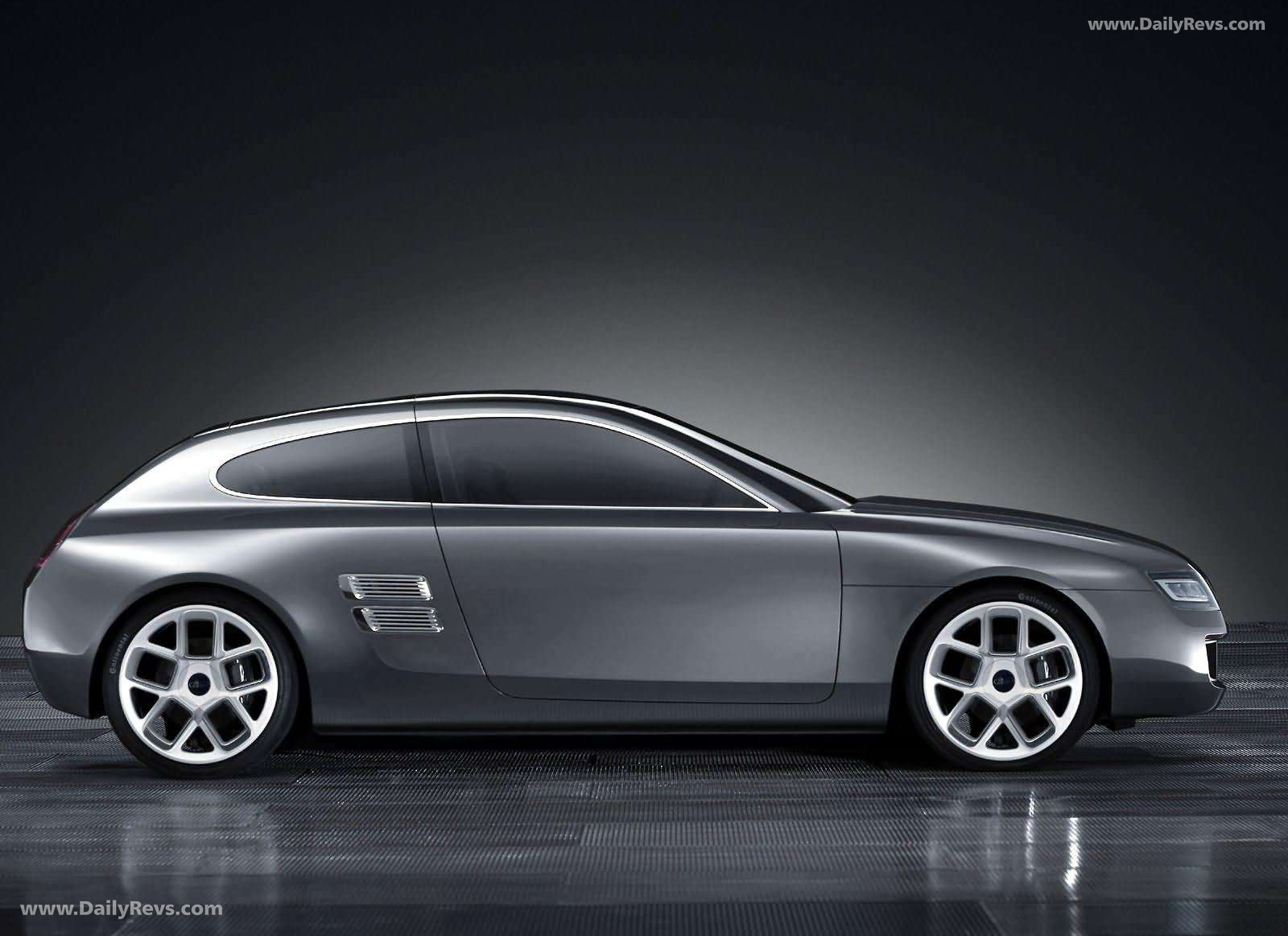
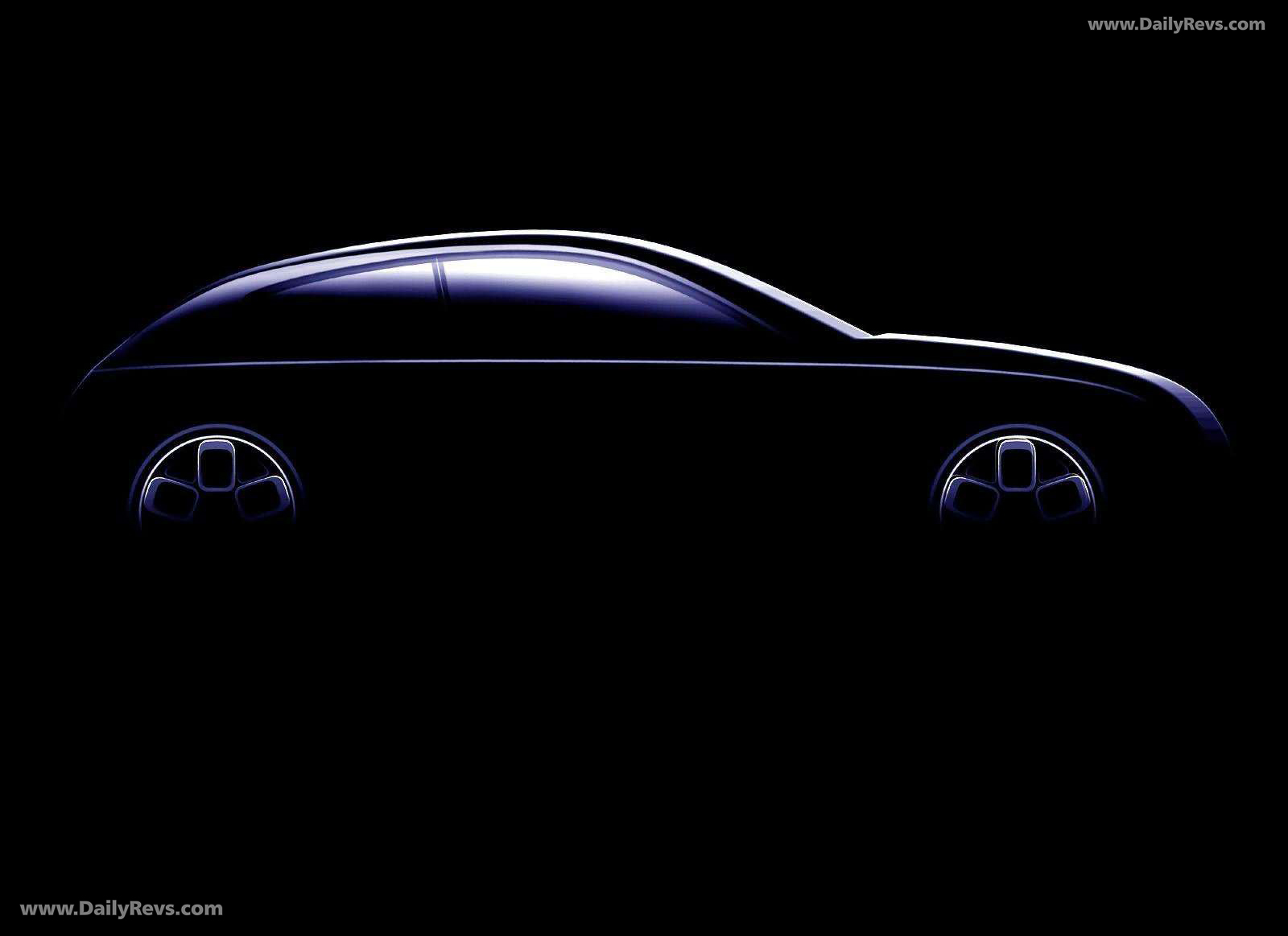
Visos carried classic coupe proportions, highlighted by a sharply curved C-pillar that drew inspiration from the Capri. A hidden B-pillar created a continuous glasshouse effect, while the windscreen, roof, and rear glass visually merged into a single aircraft-like canopy.
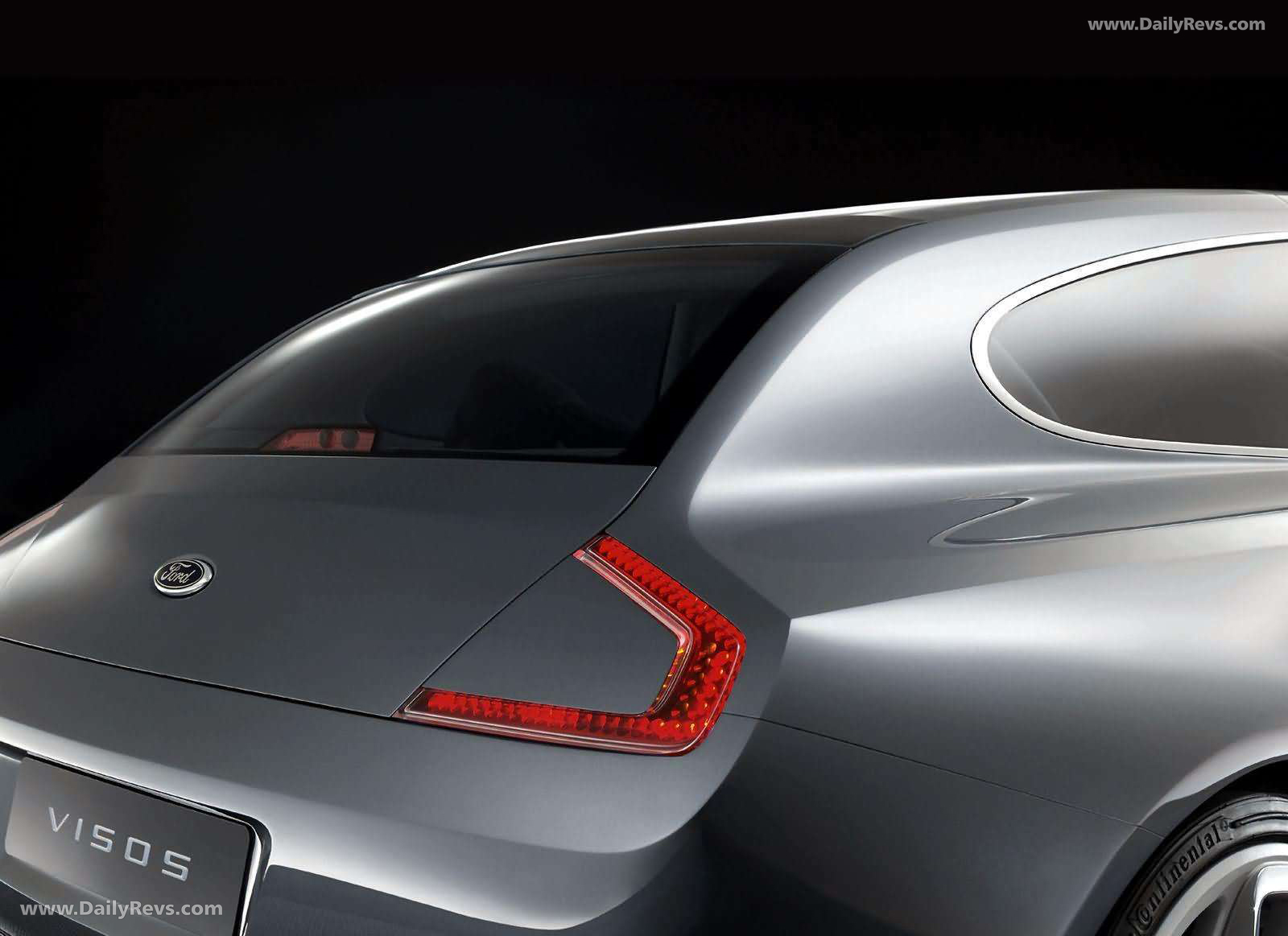
Large 20-inch wheels filled the wheel arches, while wide rear shoulders and horseshoe-shaped taillamps gave the rear view a distinctive stance.
Technology Took Center Stage Inside
The cabin was just as experimental as the exterior.
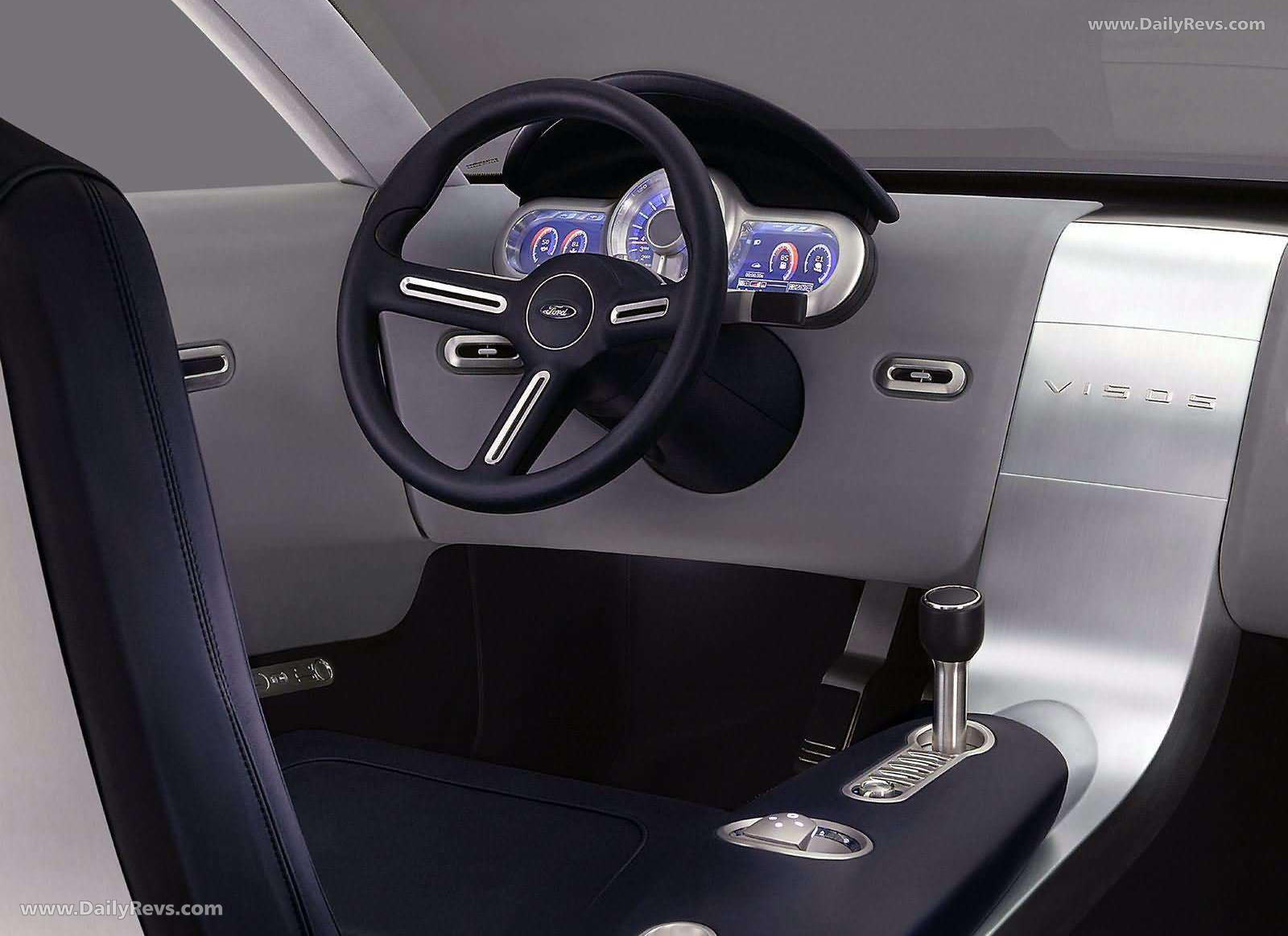
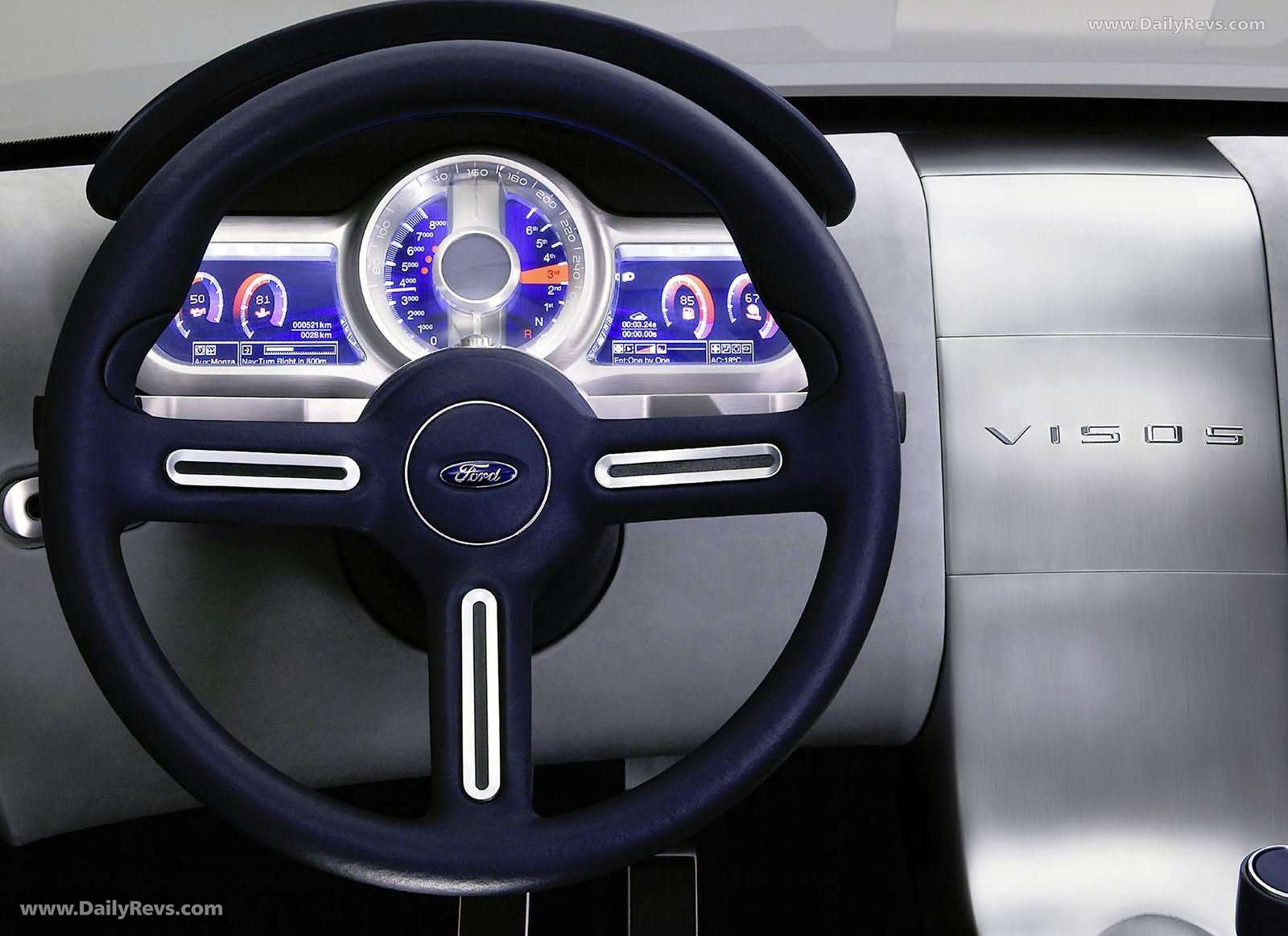
Instead of surrounding occupants with rows of buttons and switches, Ford concentrated most vehicle functions into a central high-definition LCD display. The steering wheel carried a sculpted instrument pod featuring a large analogue gauge flanked by configurable digital screens.
The interior could physically transform depending on the selected driving mode. In Comfort mode, lighting became softer and the seating adopted a more relaxed position. Switching to Sport mode altered the atmosphere considerably. The seats reshaped themselves for additional support, the steering wheel moved closer to the driver, and performance-focused information appeared on the displays.
Rear passengers were not forgotten either. Individual rear seats, dedicated entertainment controls, and generous cabin space suggested that practicality remained part of the design brief.
Twin Turbo Power Meets All Wheel Drive
Under the bodywork sat a 6-cylinder bi-turbo engine producing 350 PS and 400 Nm of torque. Power was delivered through a six-speed ASM transmission driving all four wheels.
Ford also explored a level of driver customization that was unusual for the early 2000s. Owners could connect a laptop to the vehicle through a USB port and adjust settings affecting vehicle behavior, including damper characteristics and rev limits.
The company even envisioned downloadable setup files that could be shared between owners through an online Ford server.