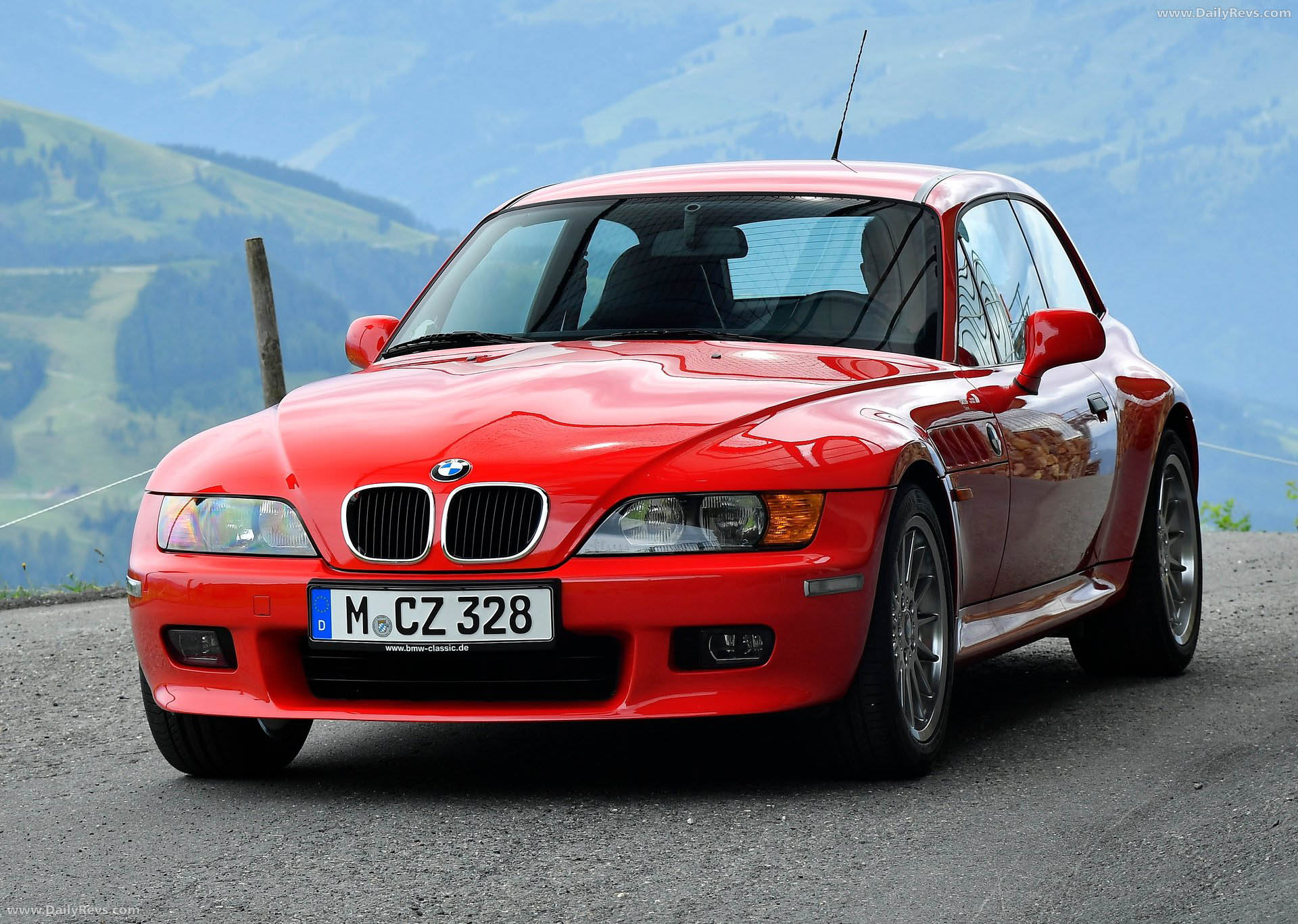
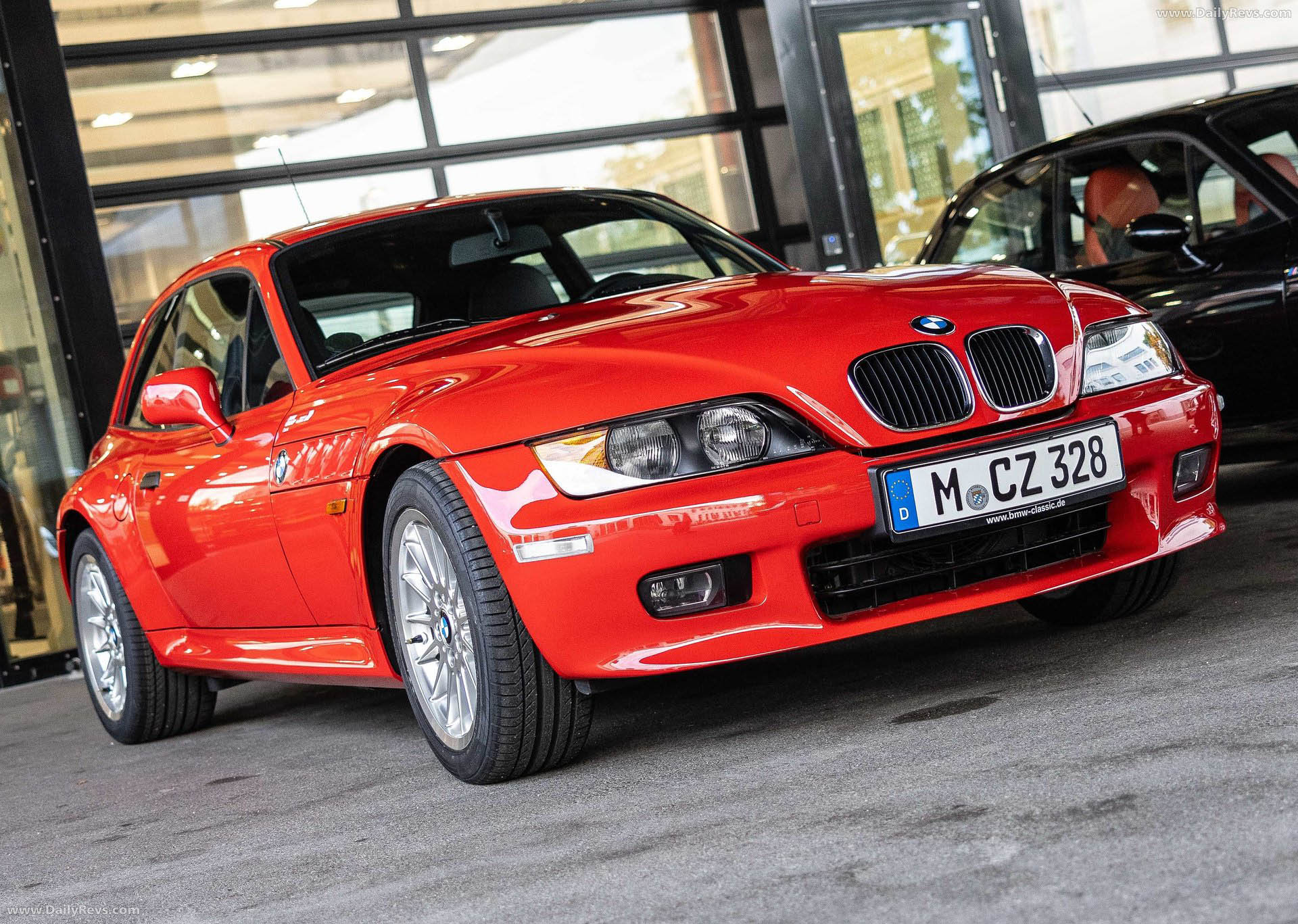
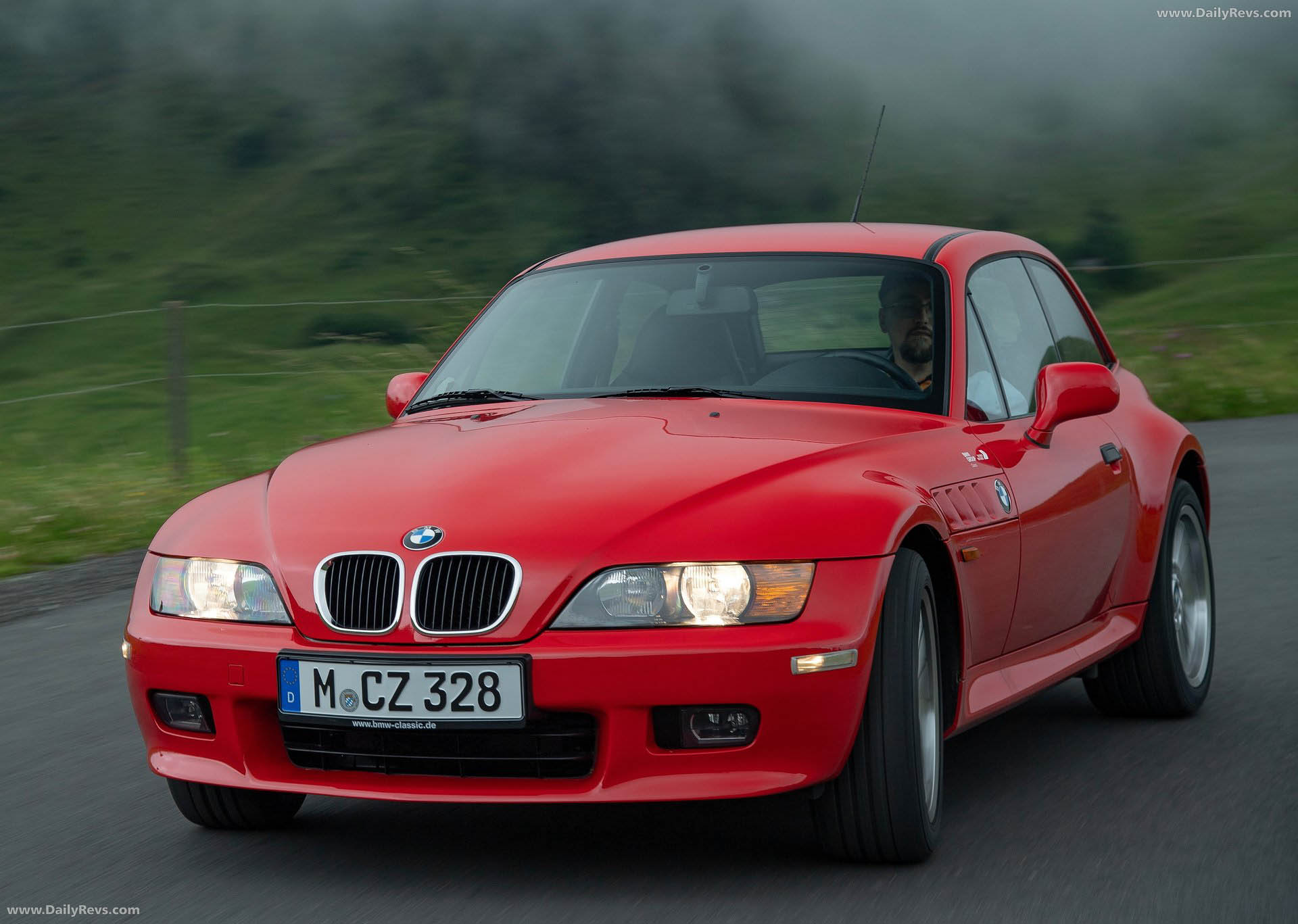
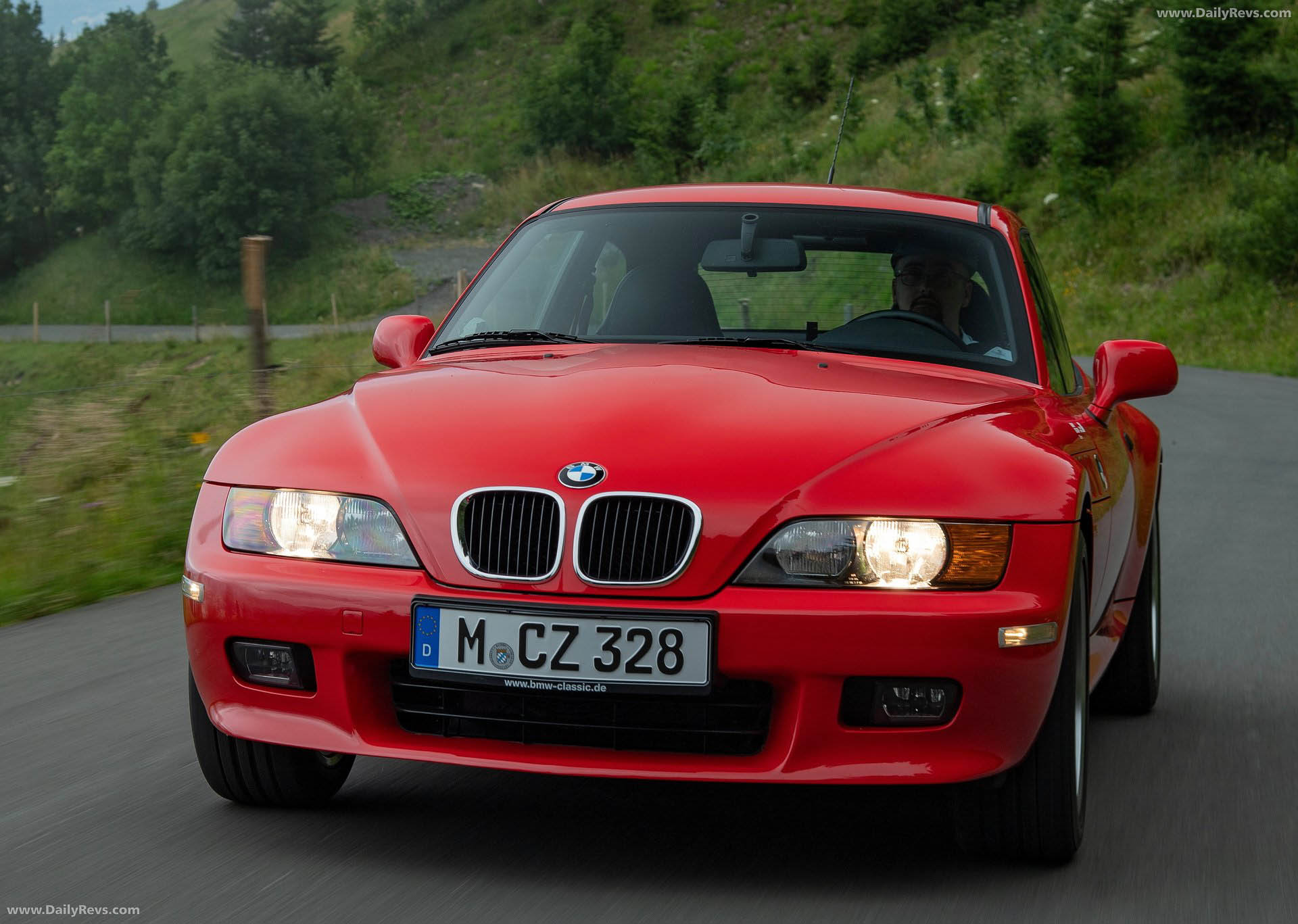
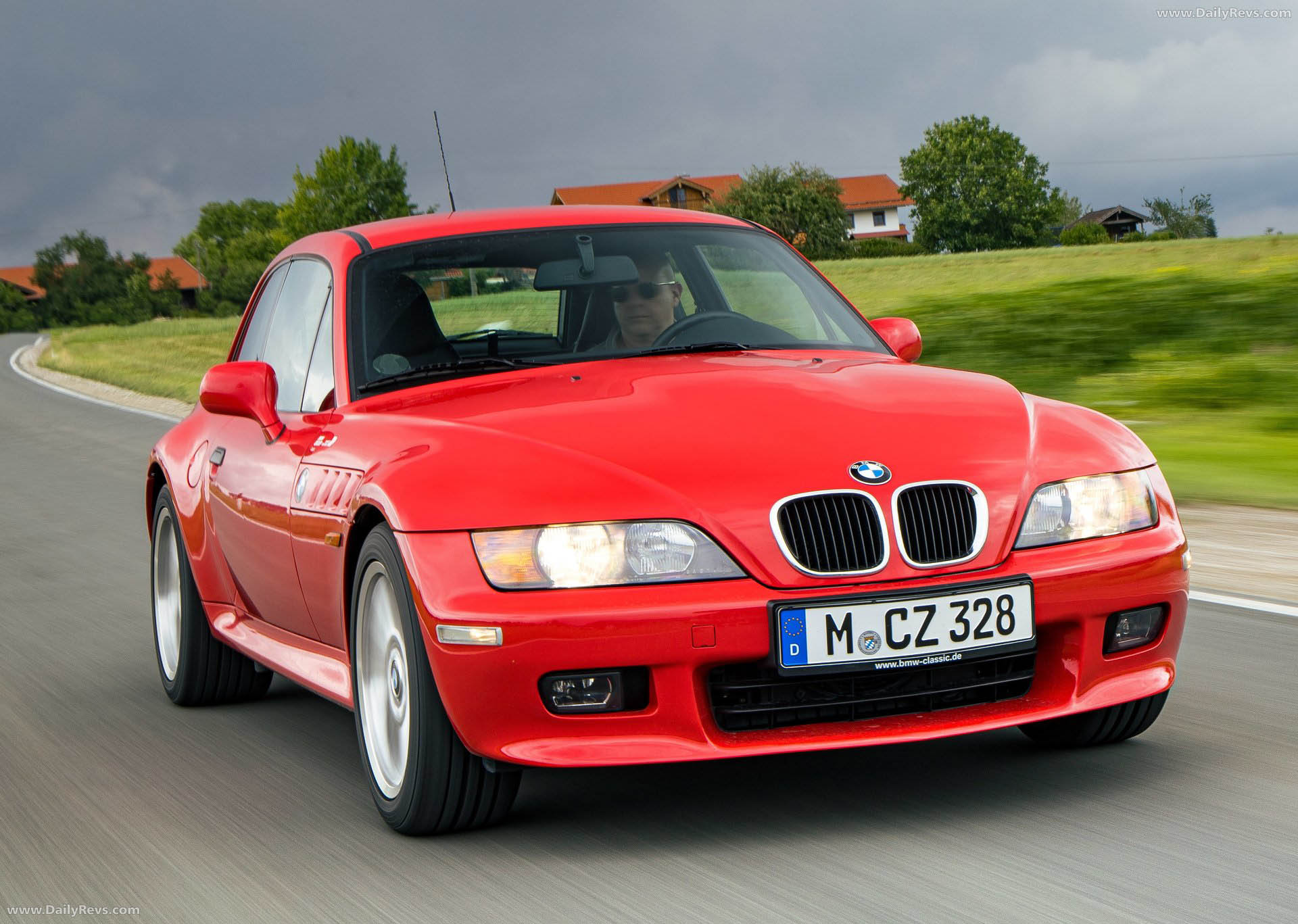
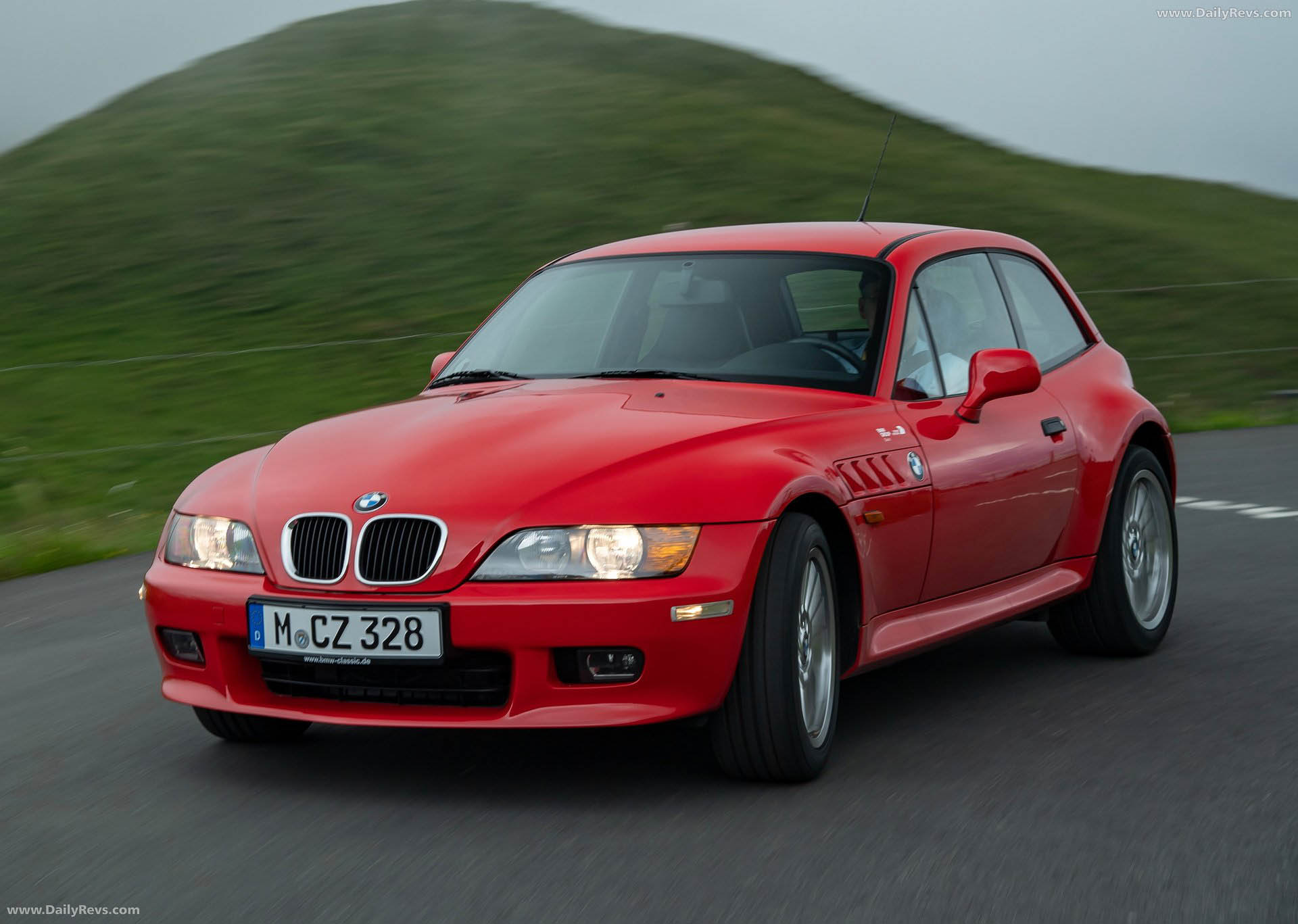
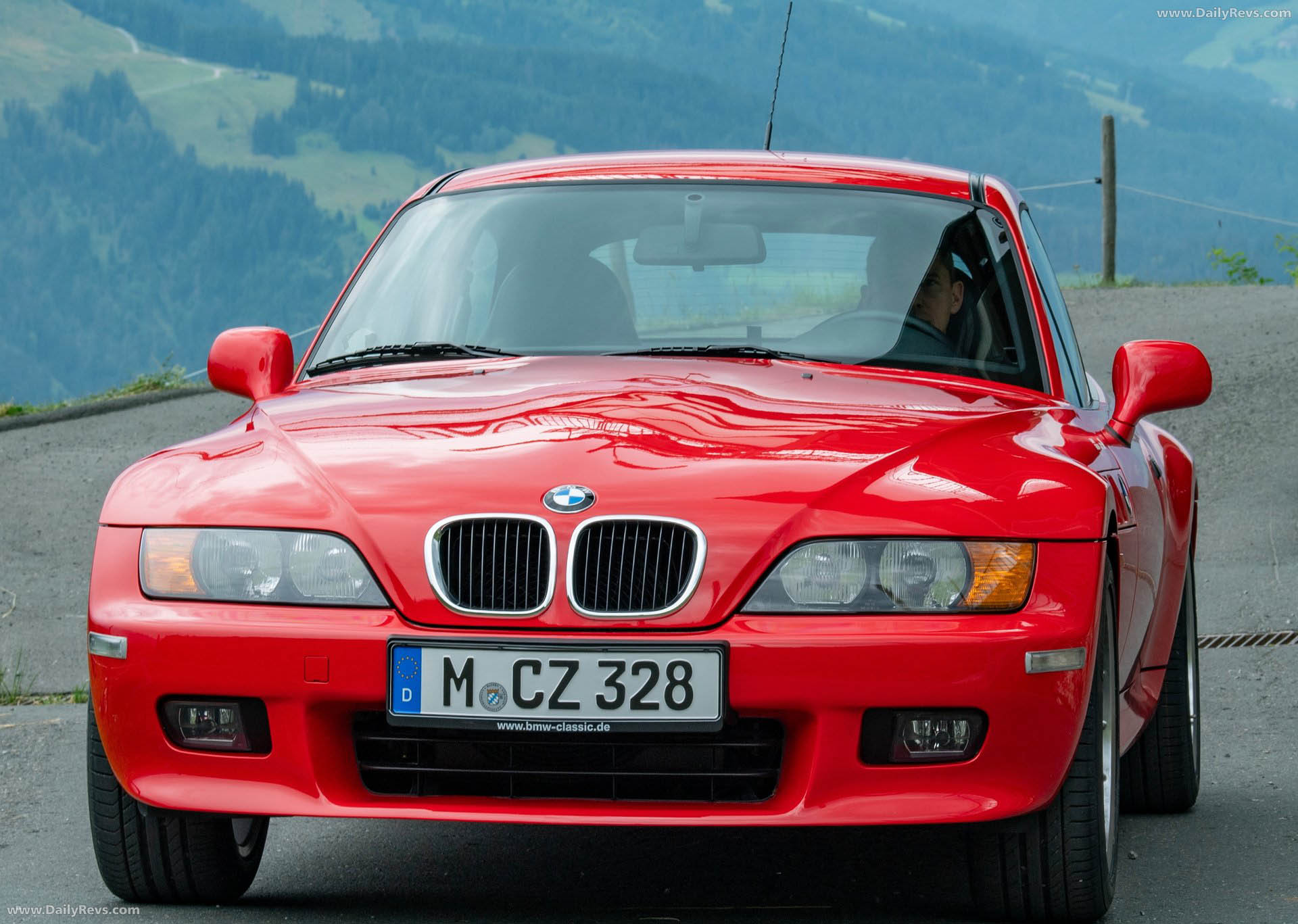
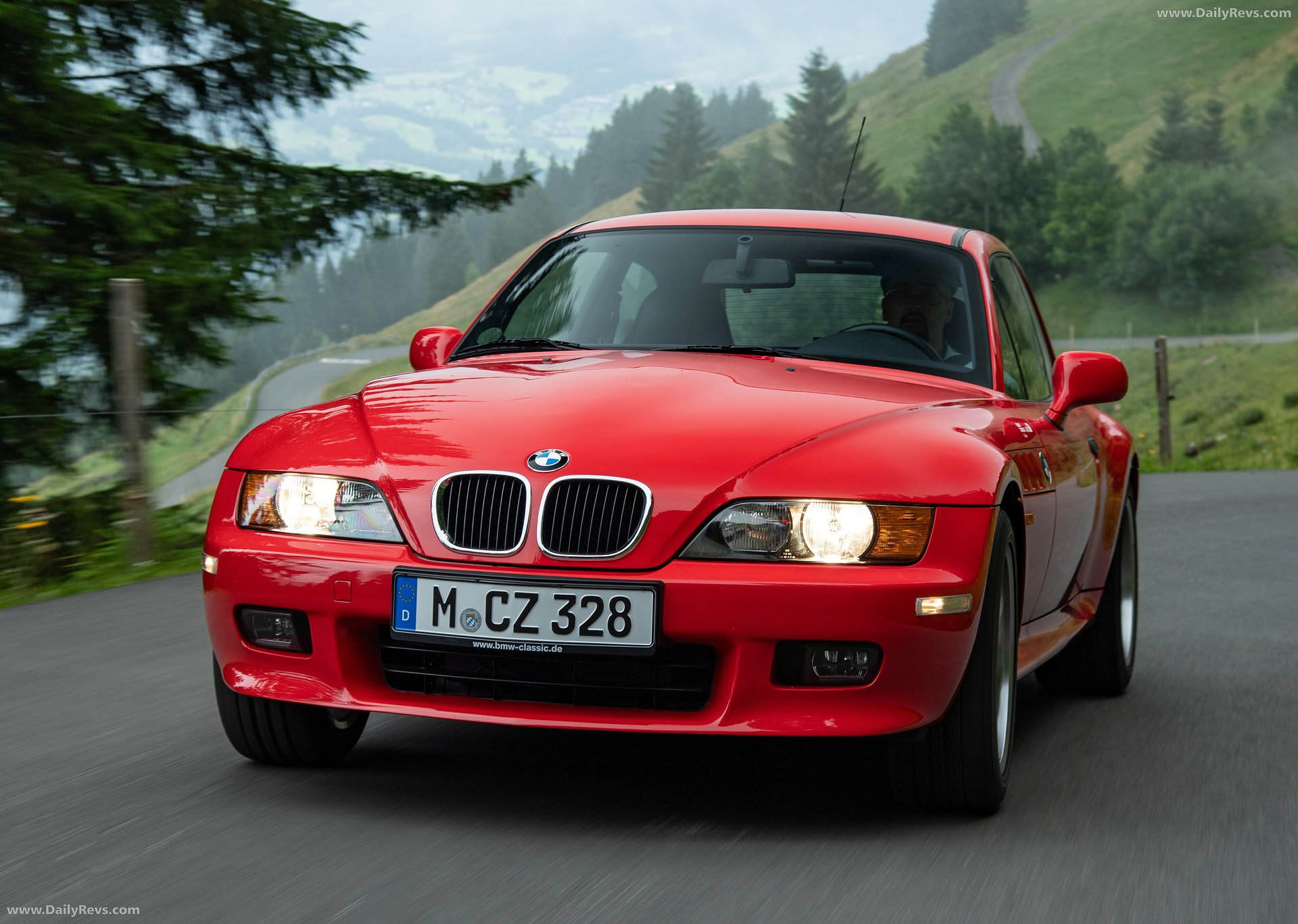
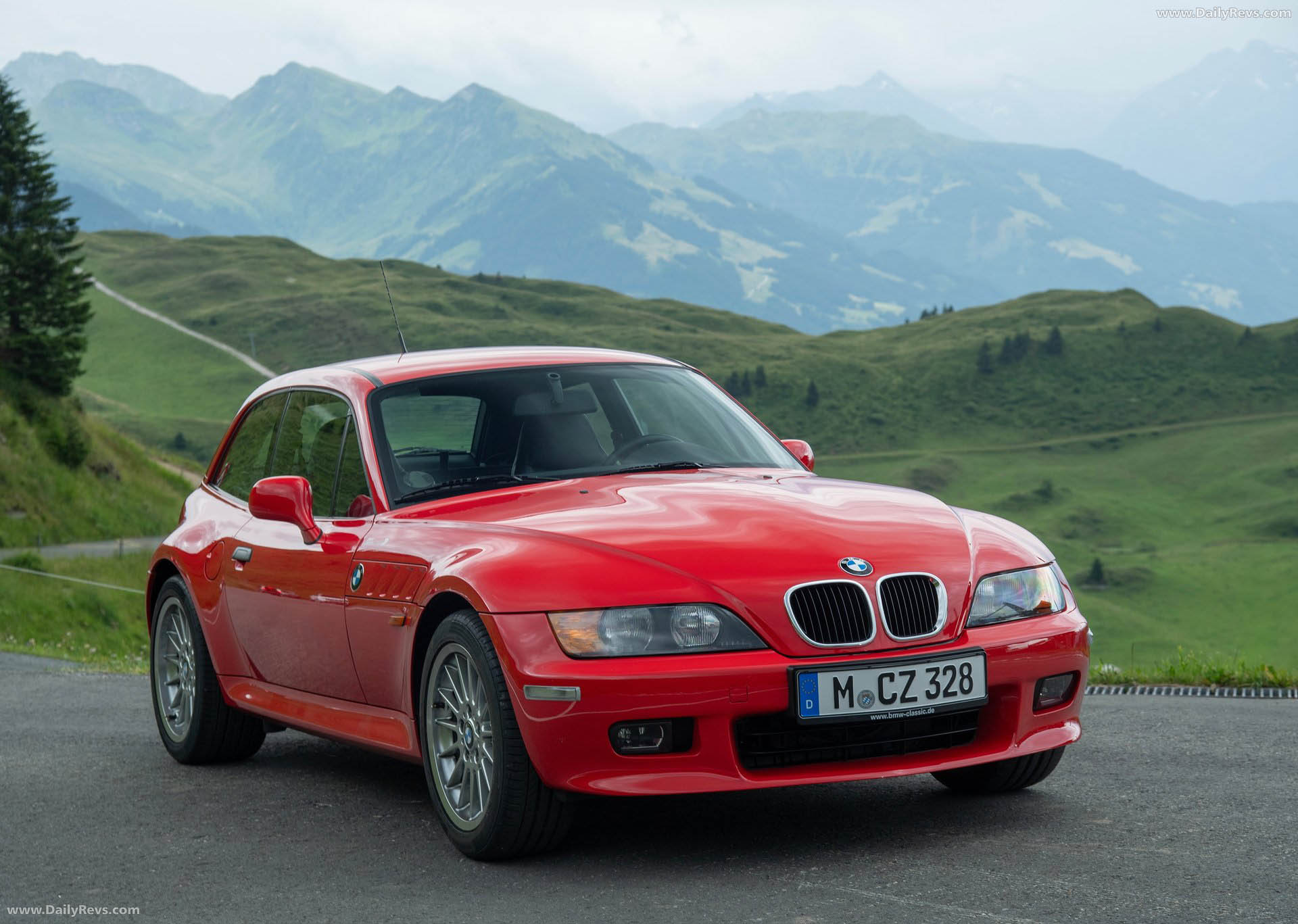
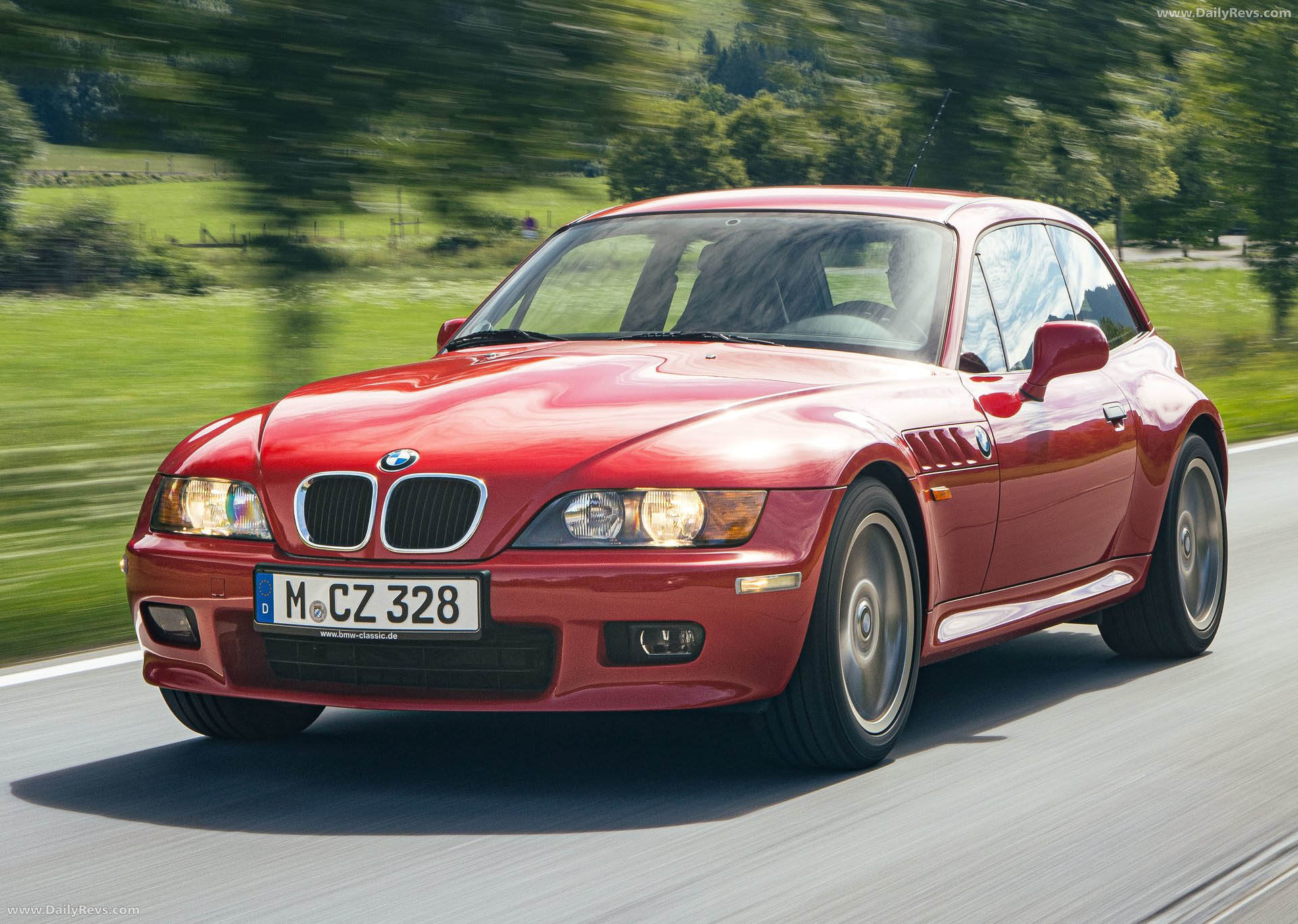


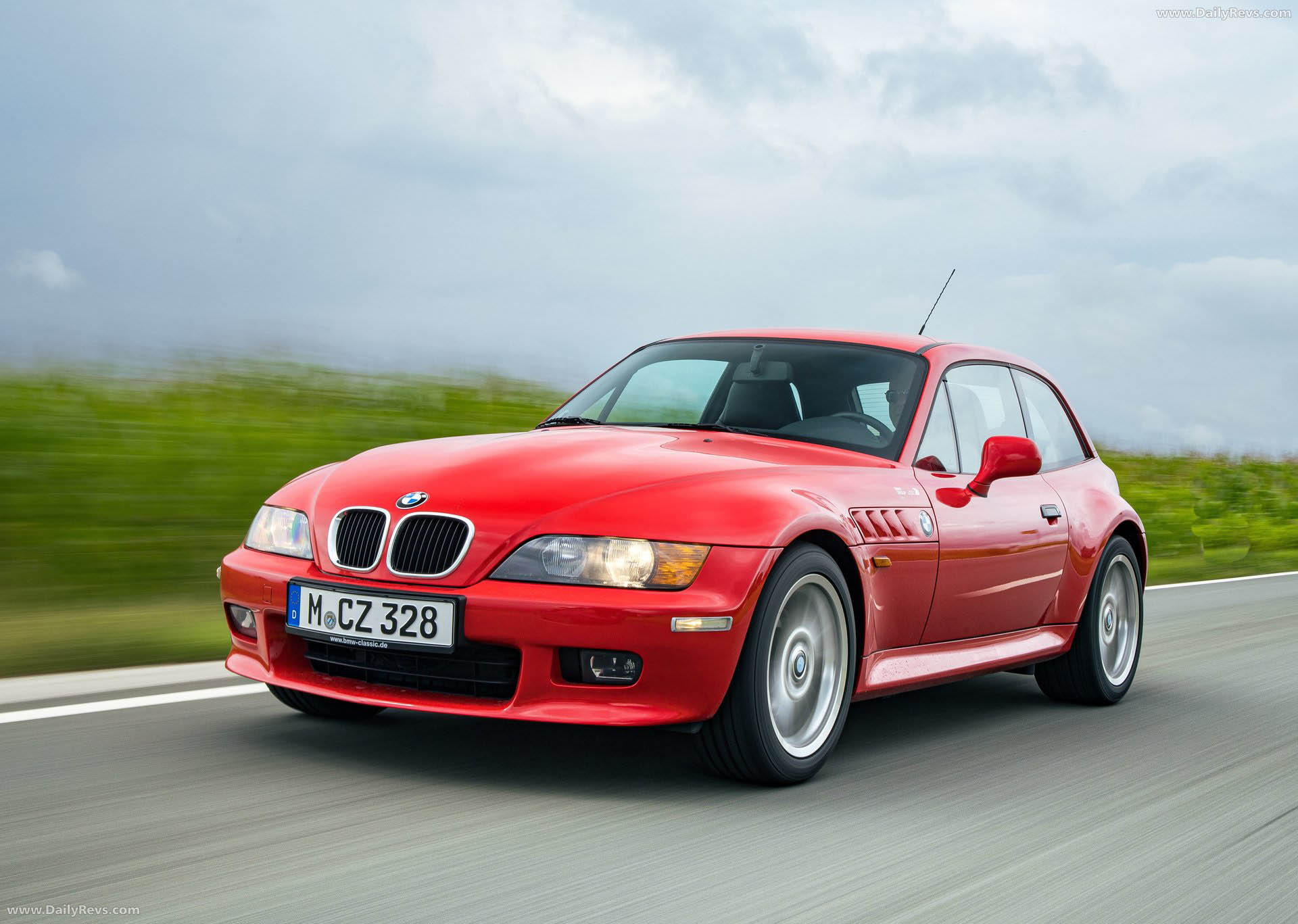
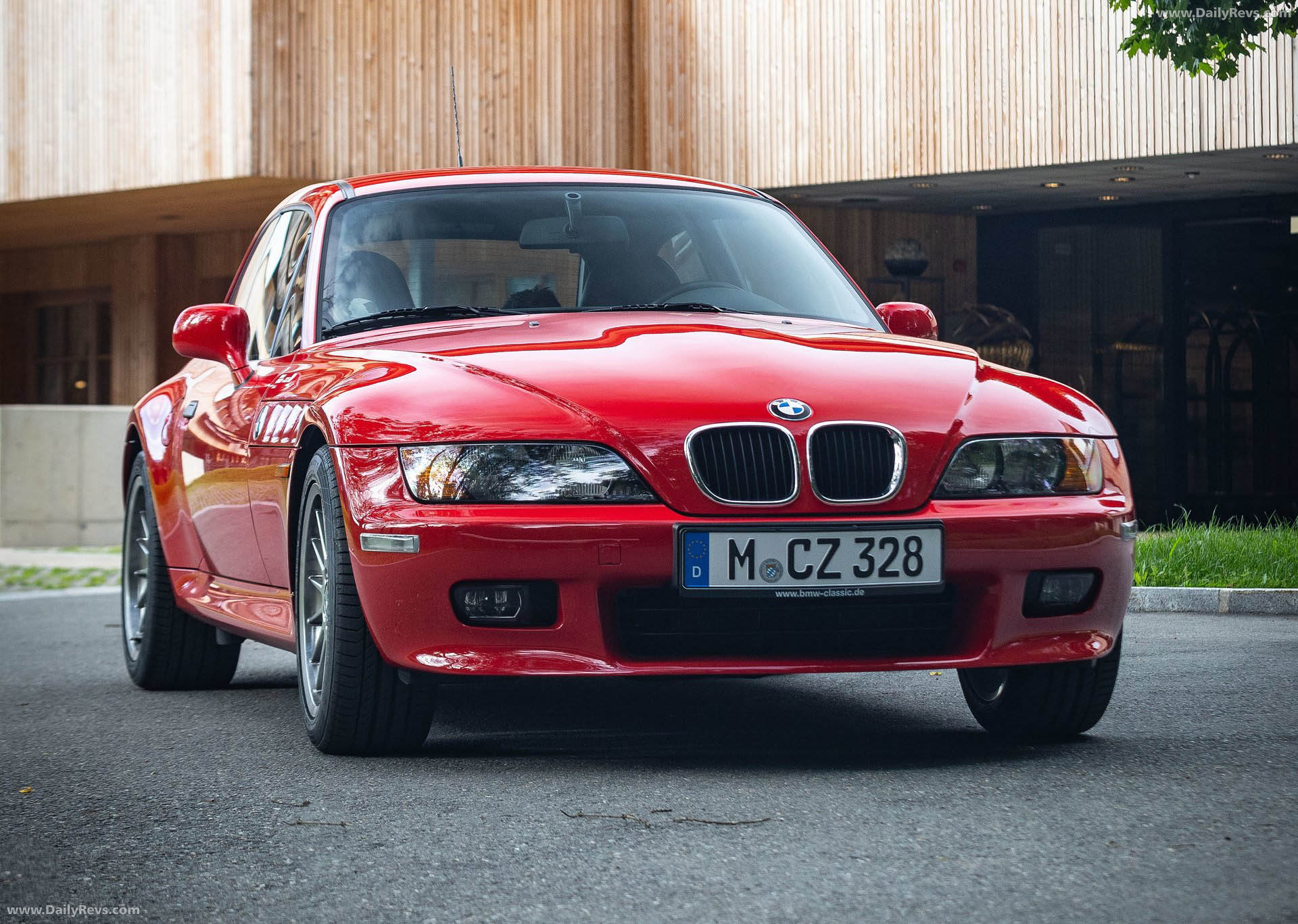


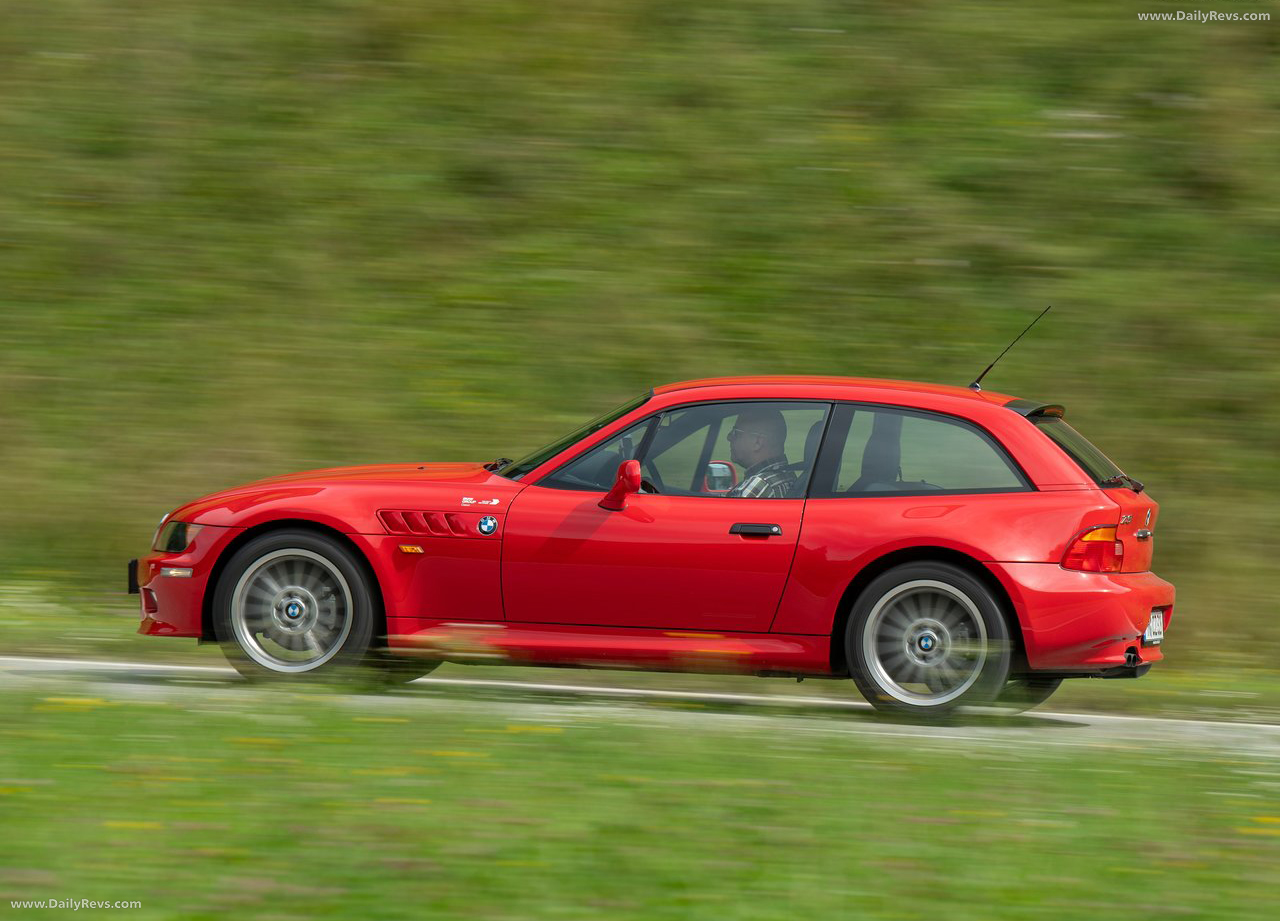
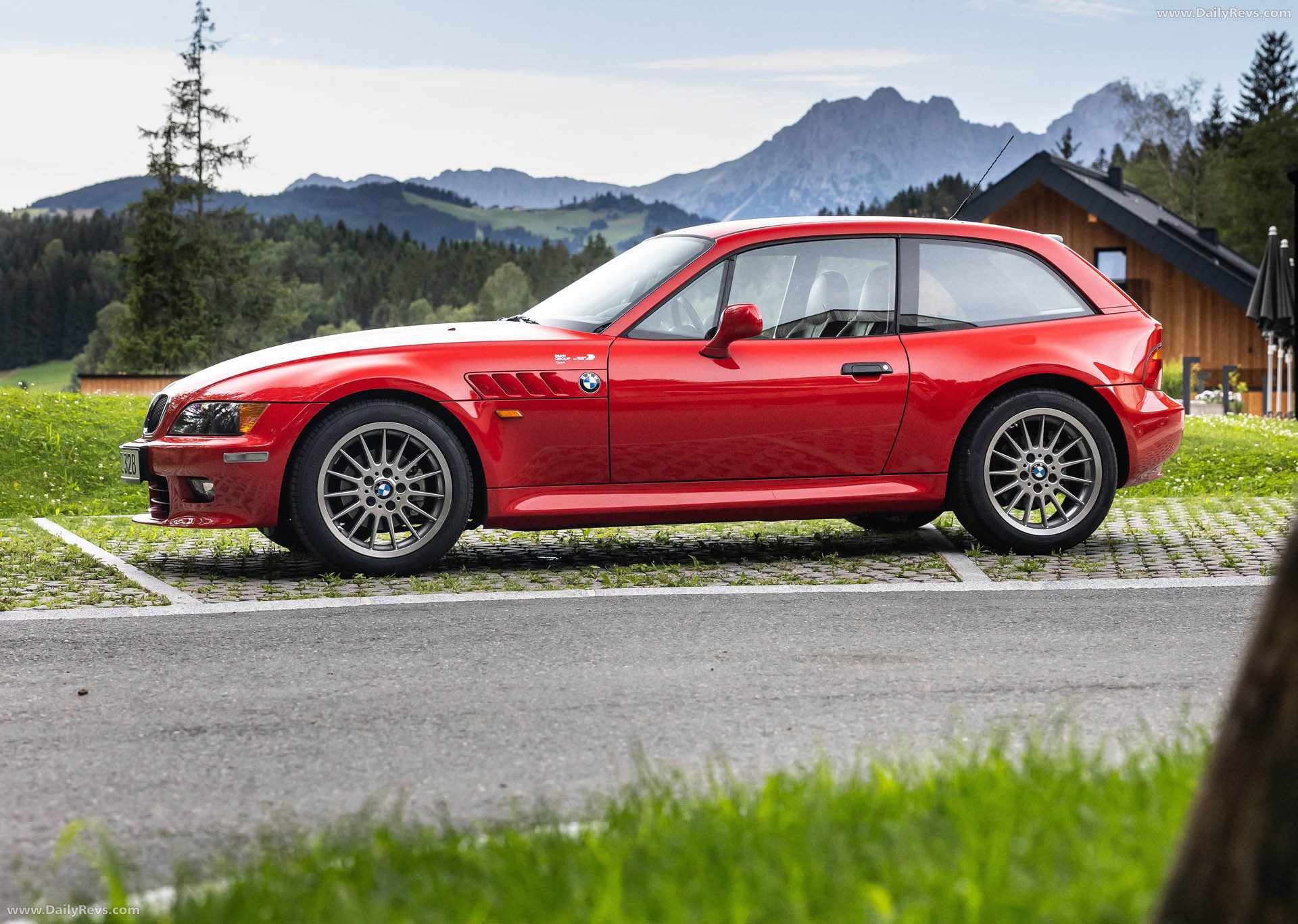
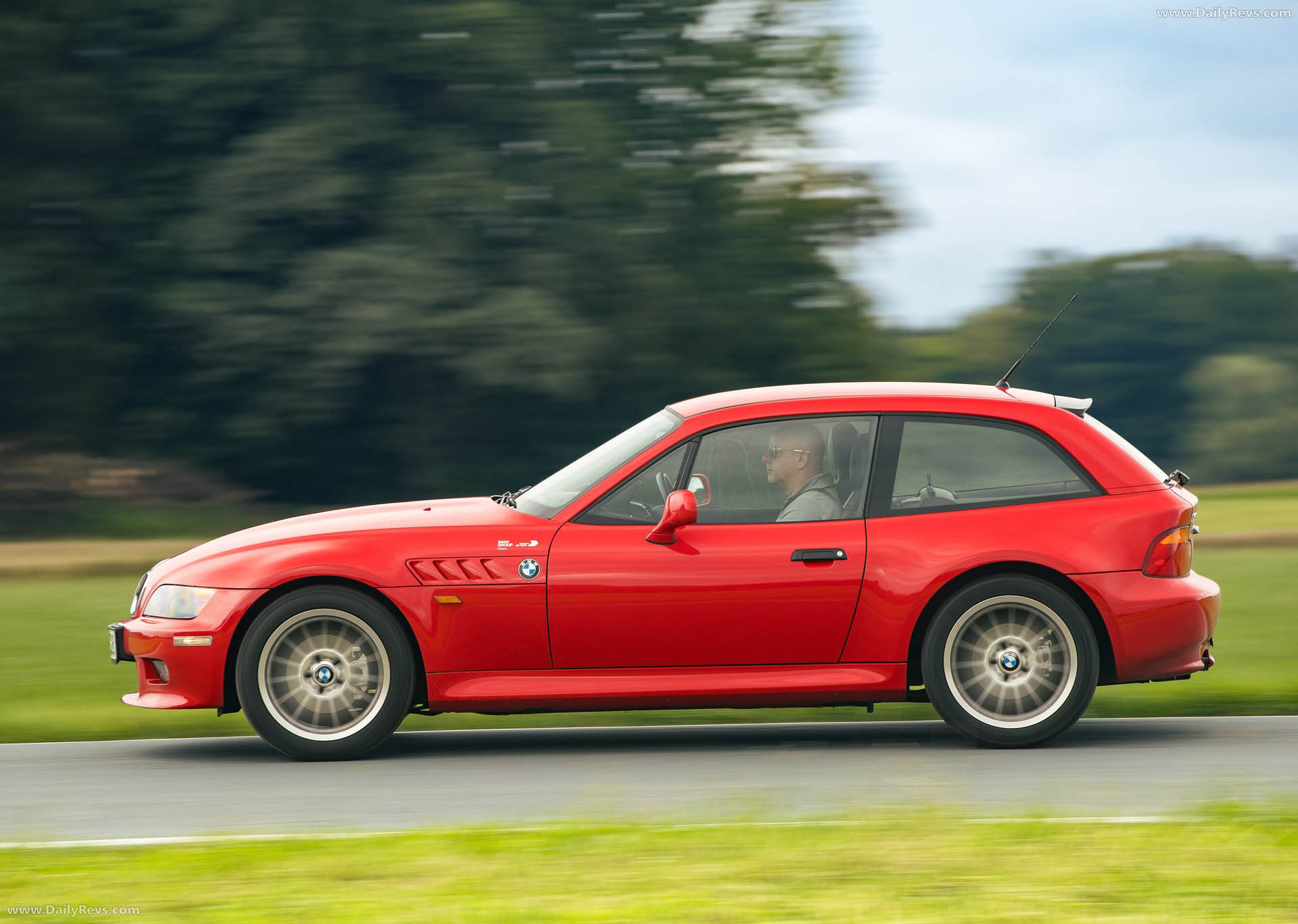
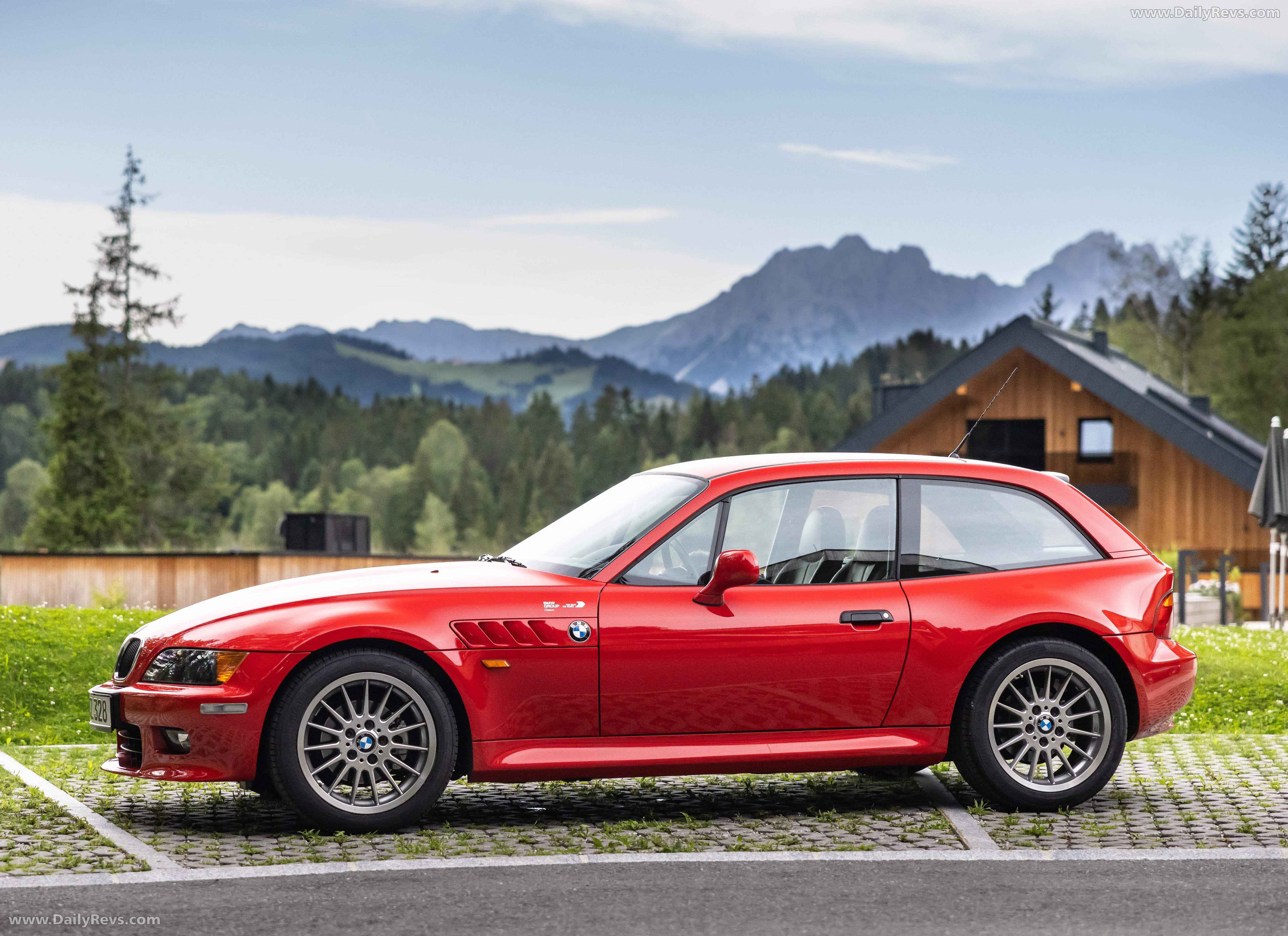
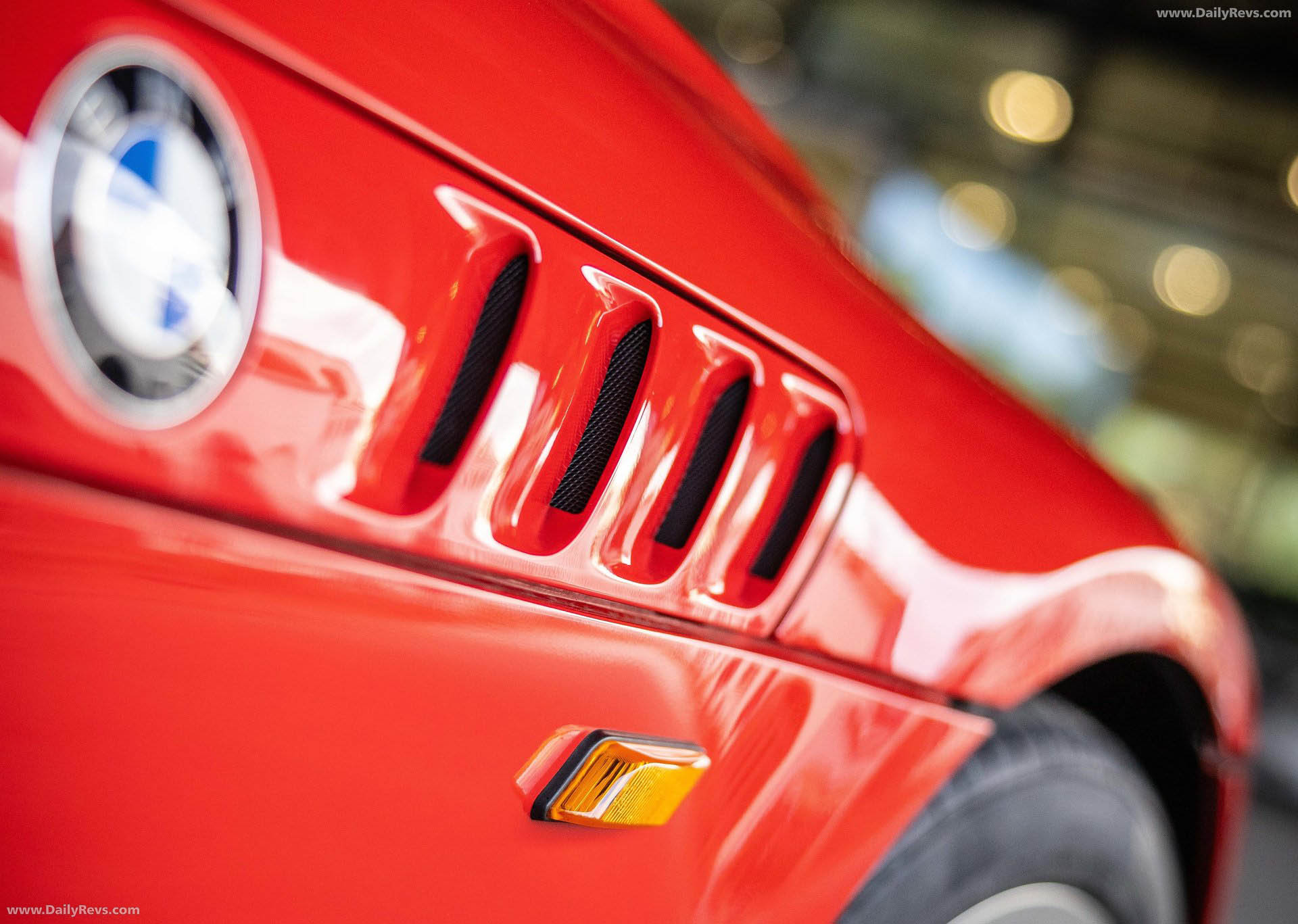
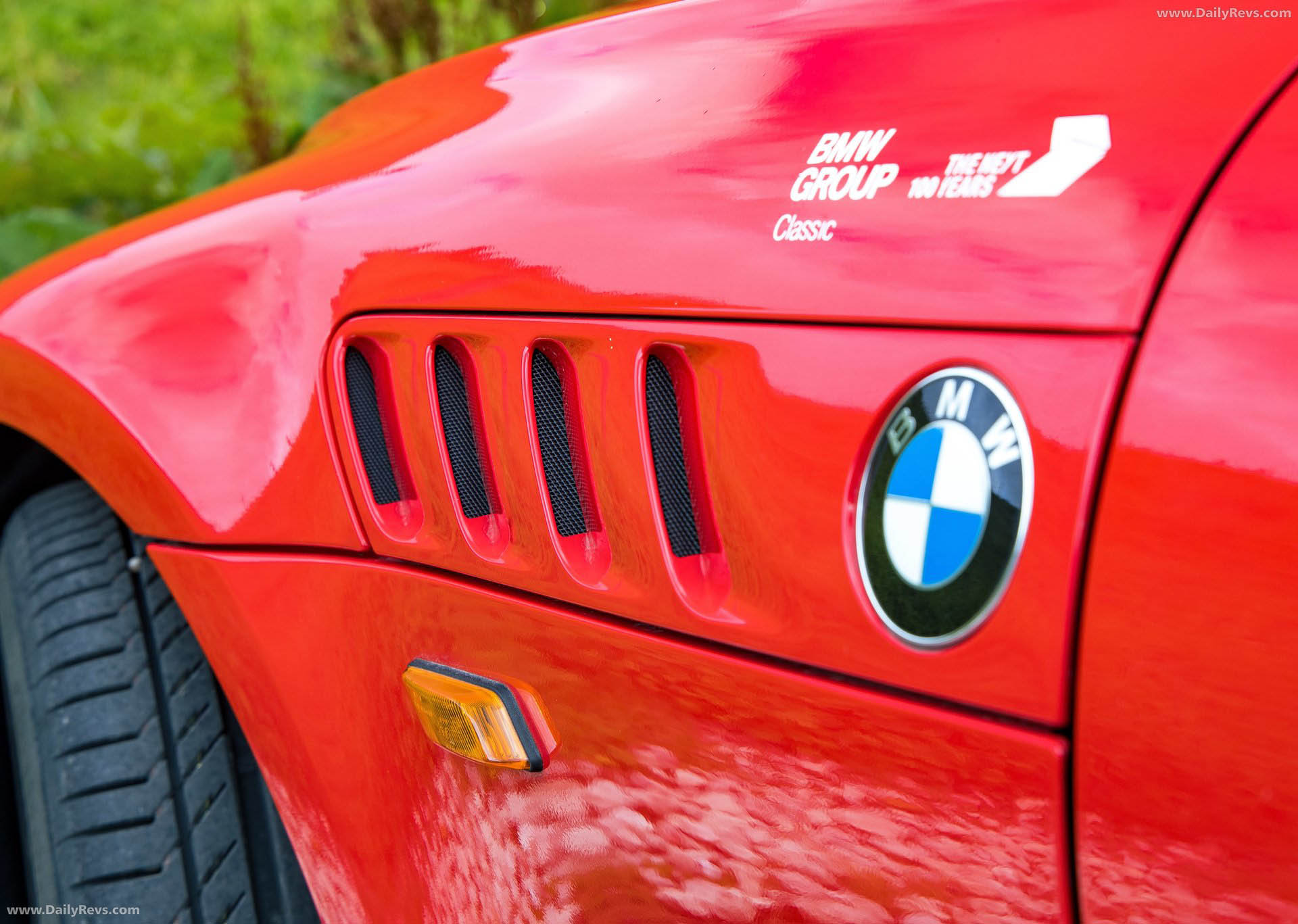
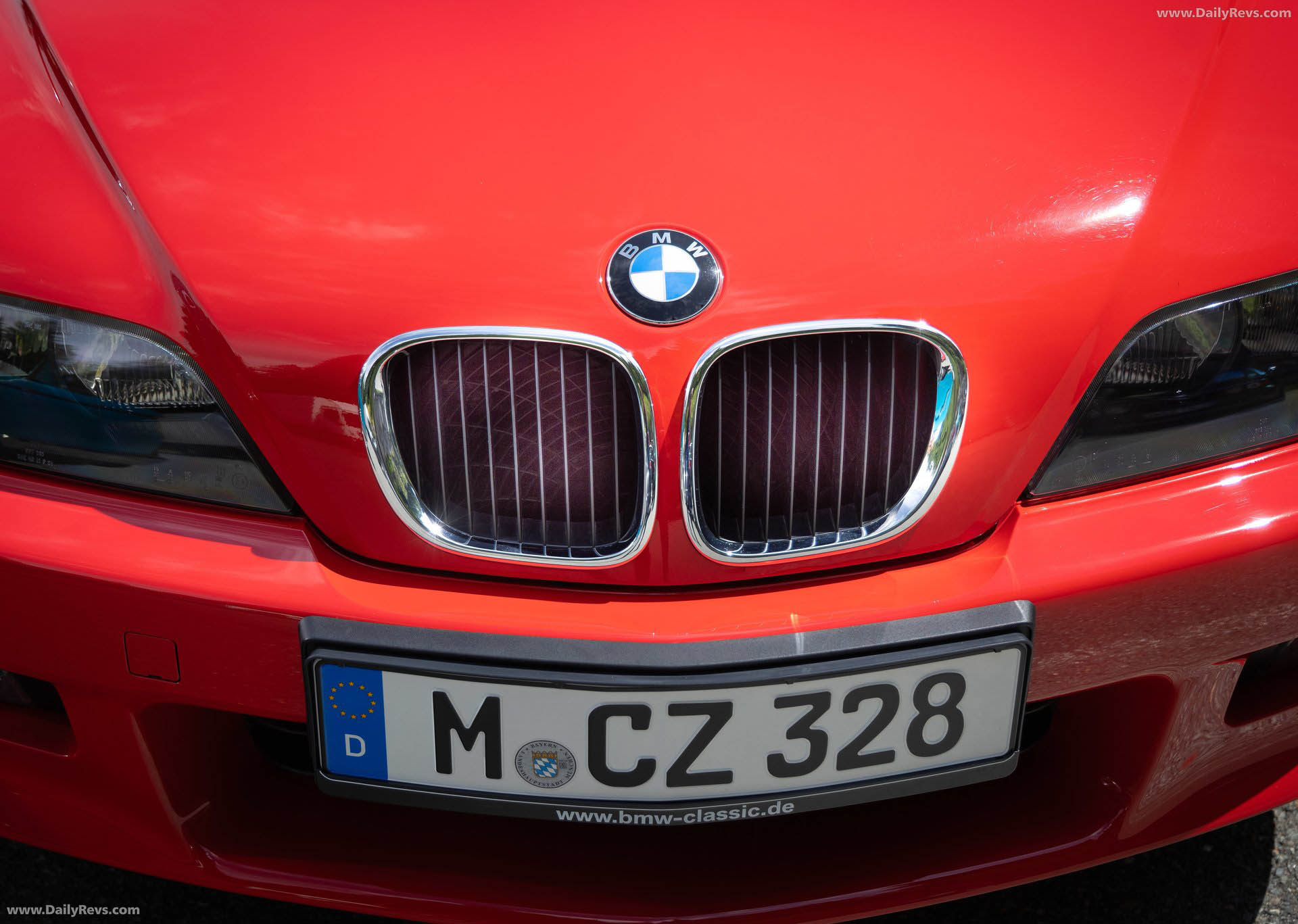
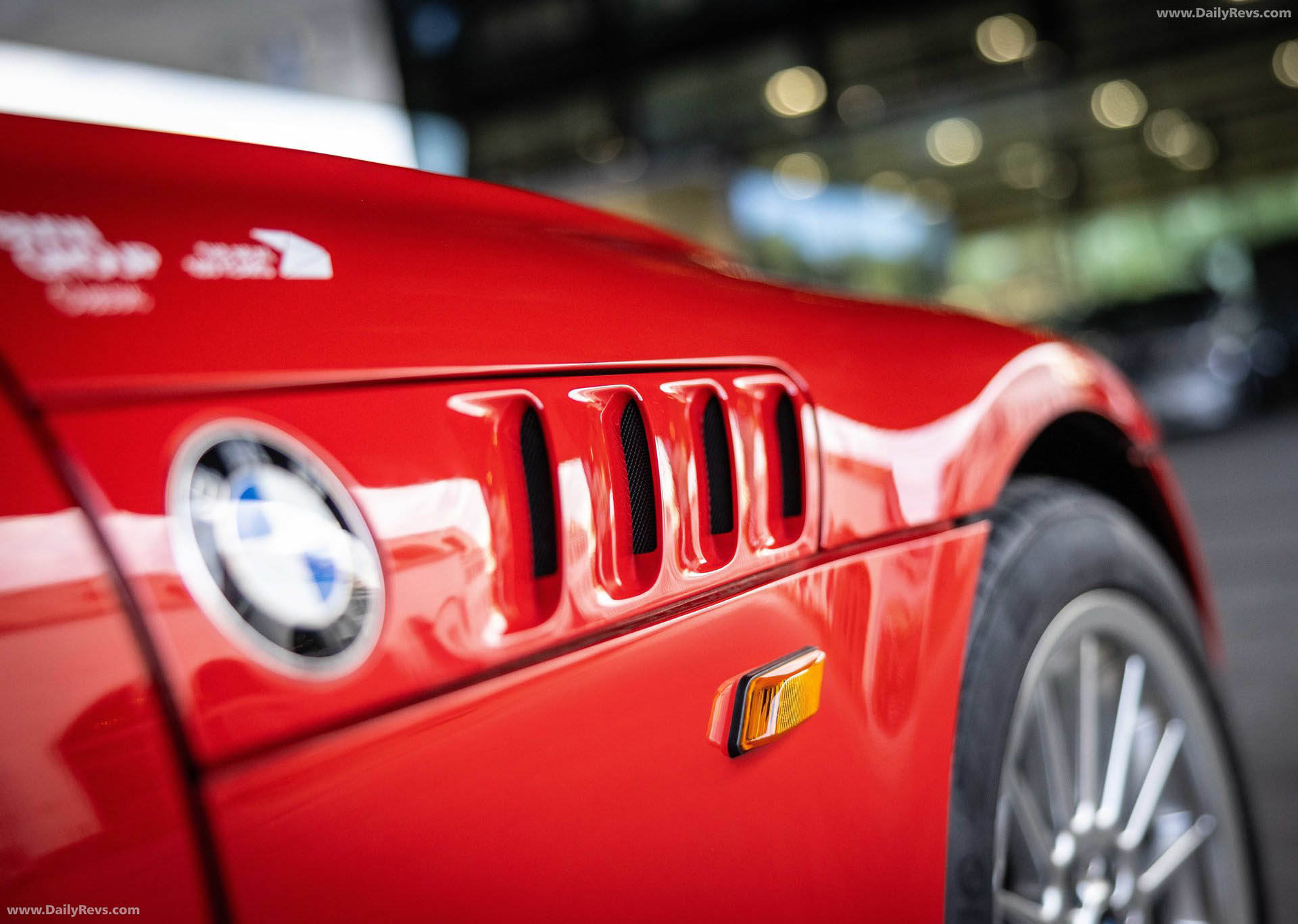
1999 BMW Z3 Coupe 2.8 E36
By Lorenzo Bianchi January 17, 1999
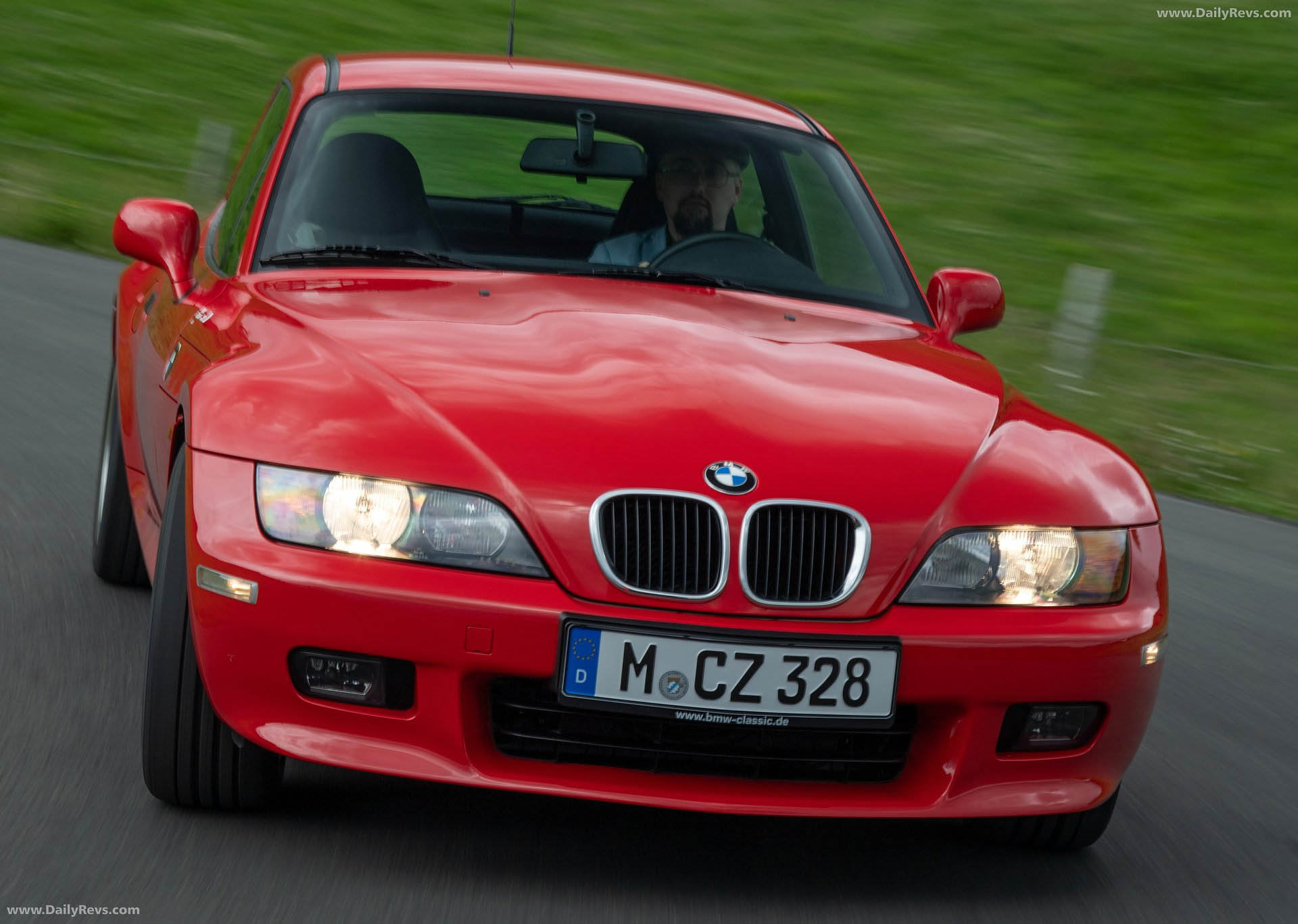
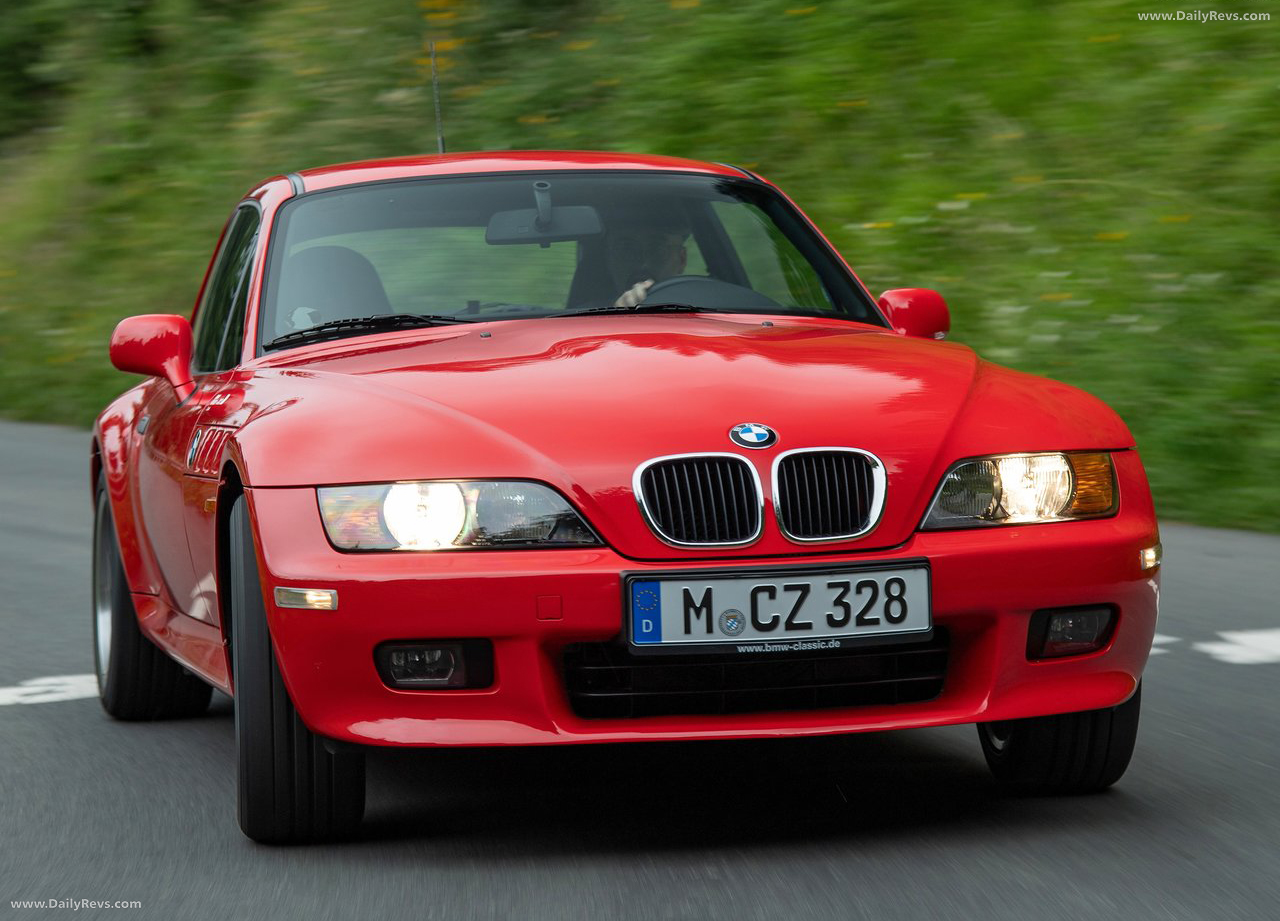
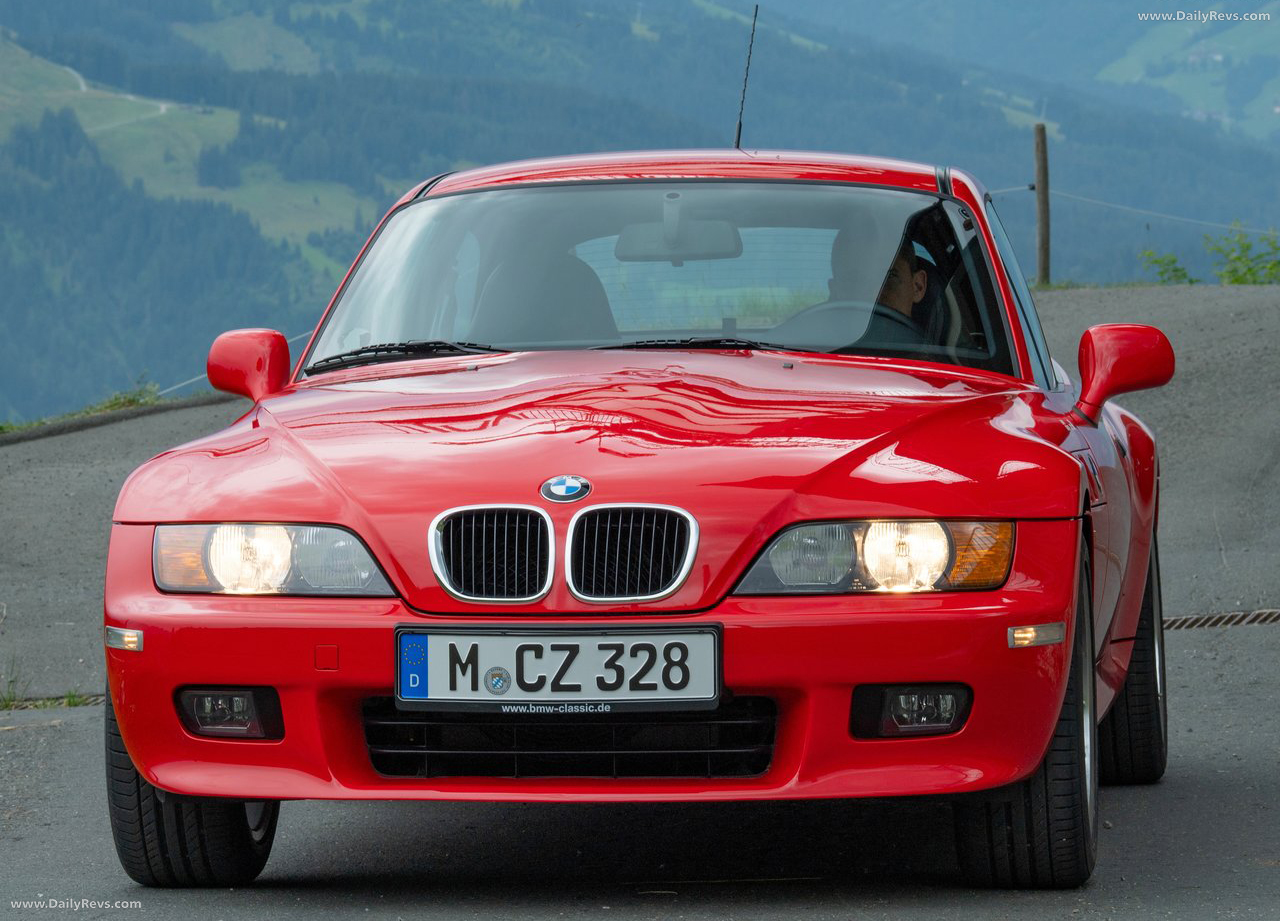
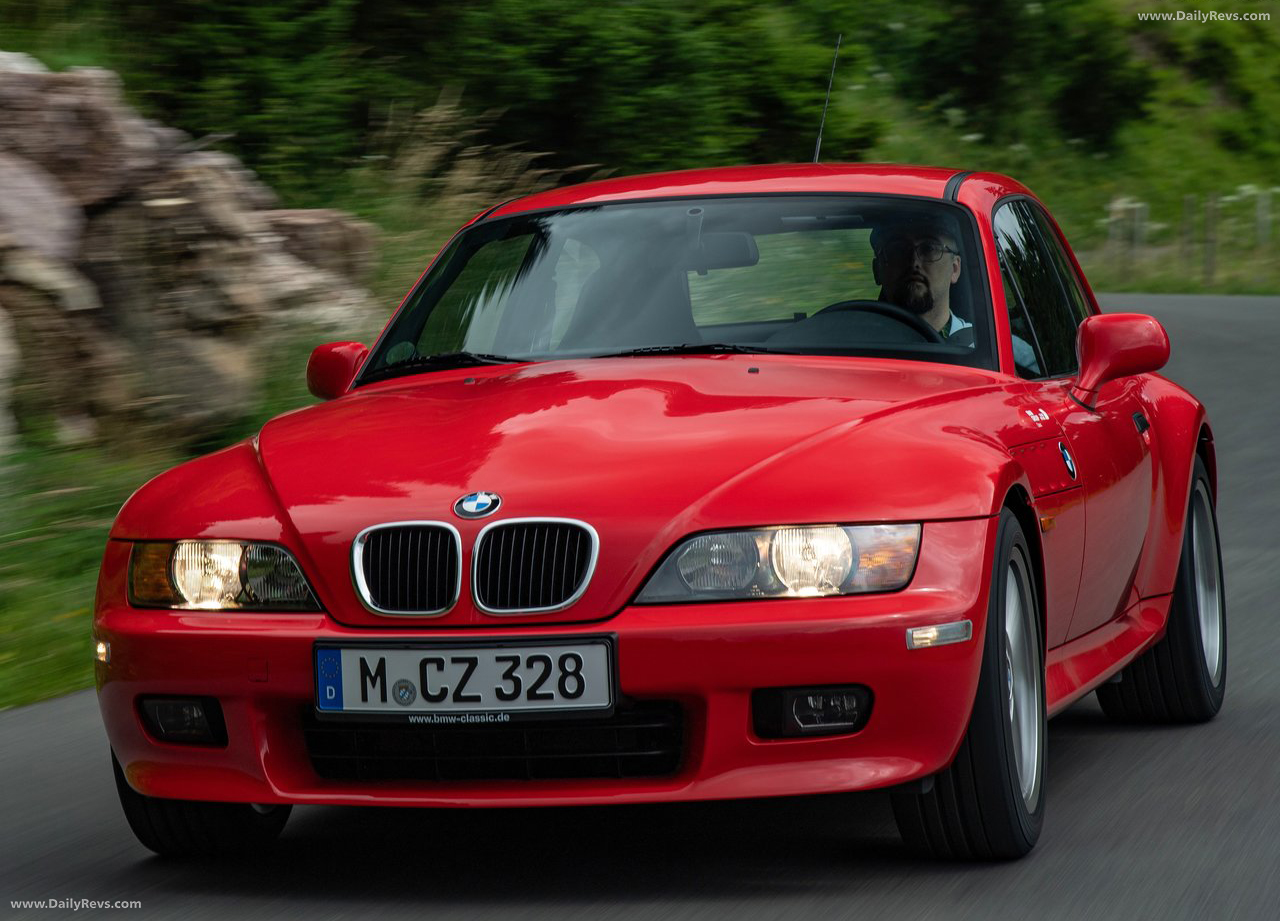
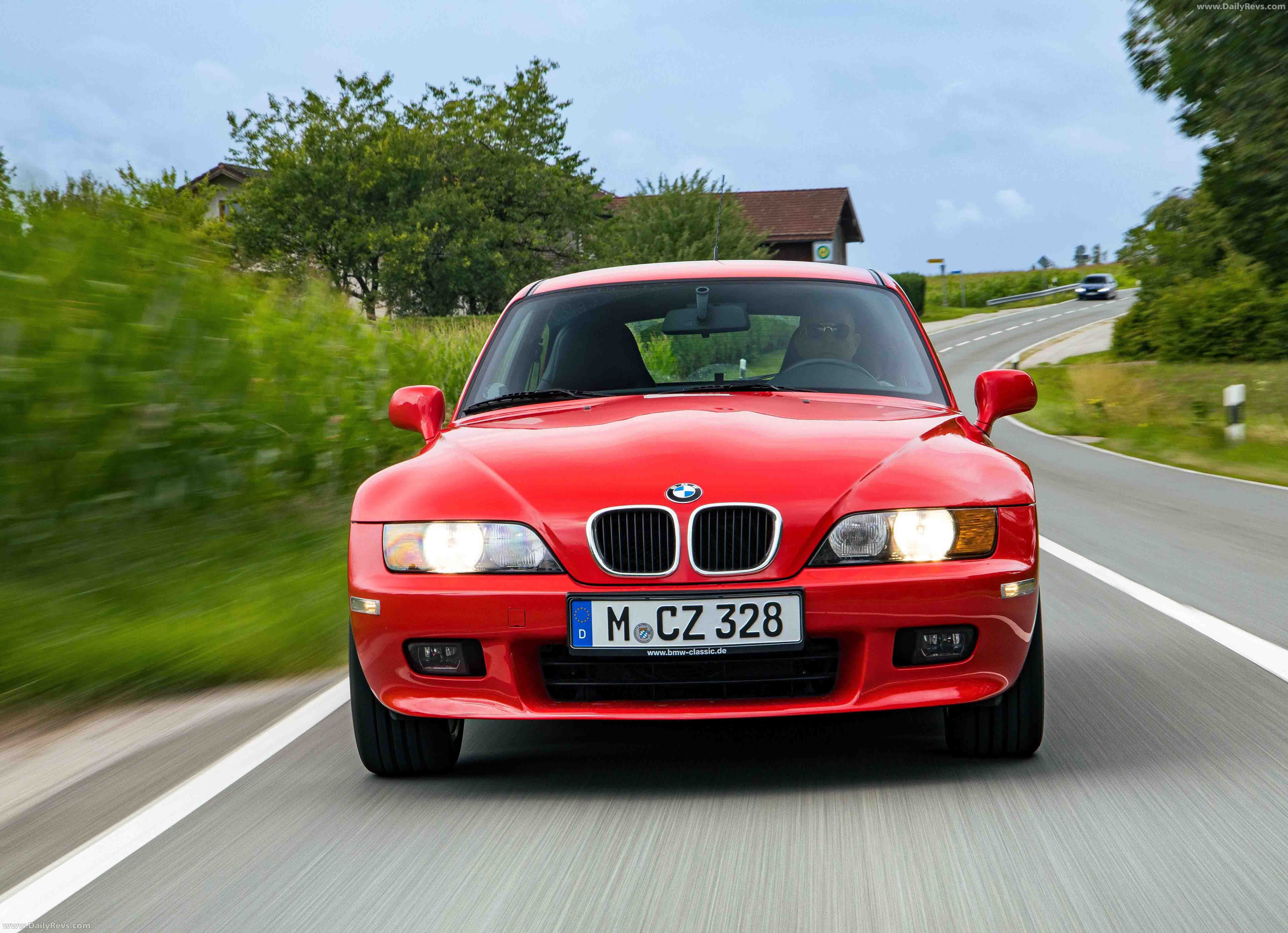
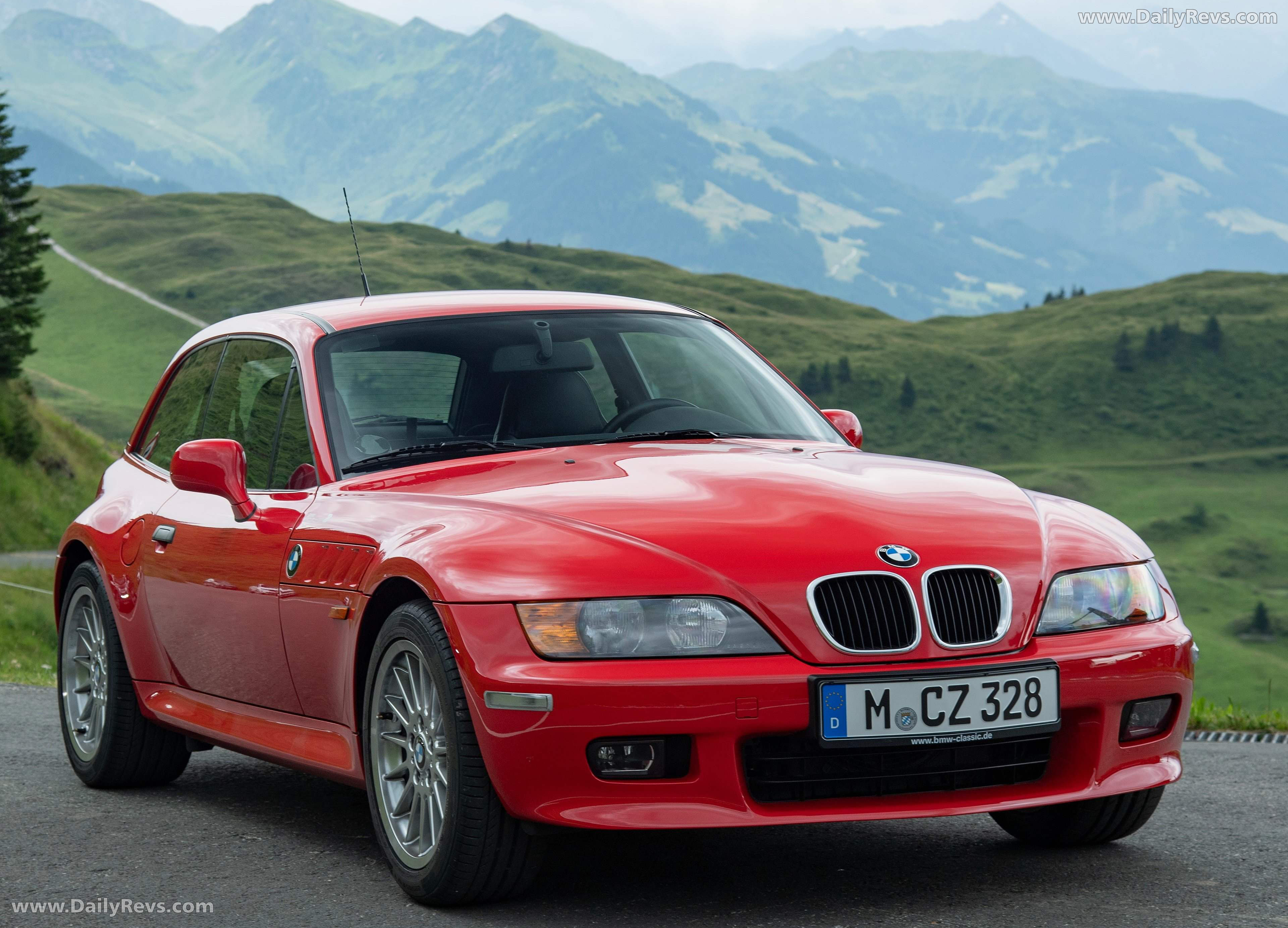
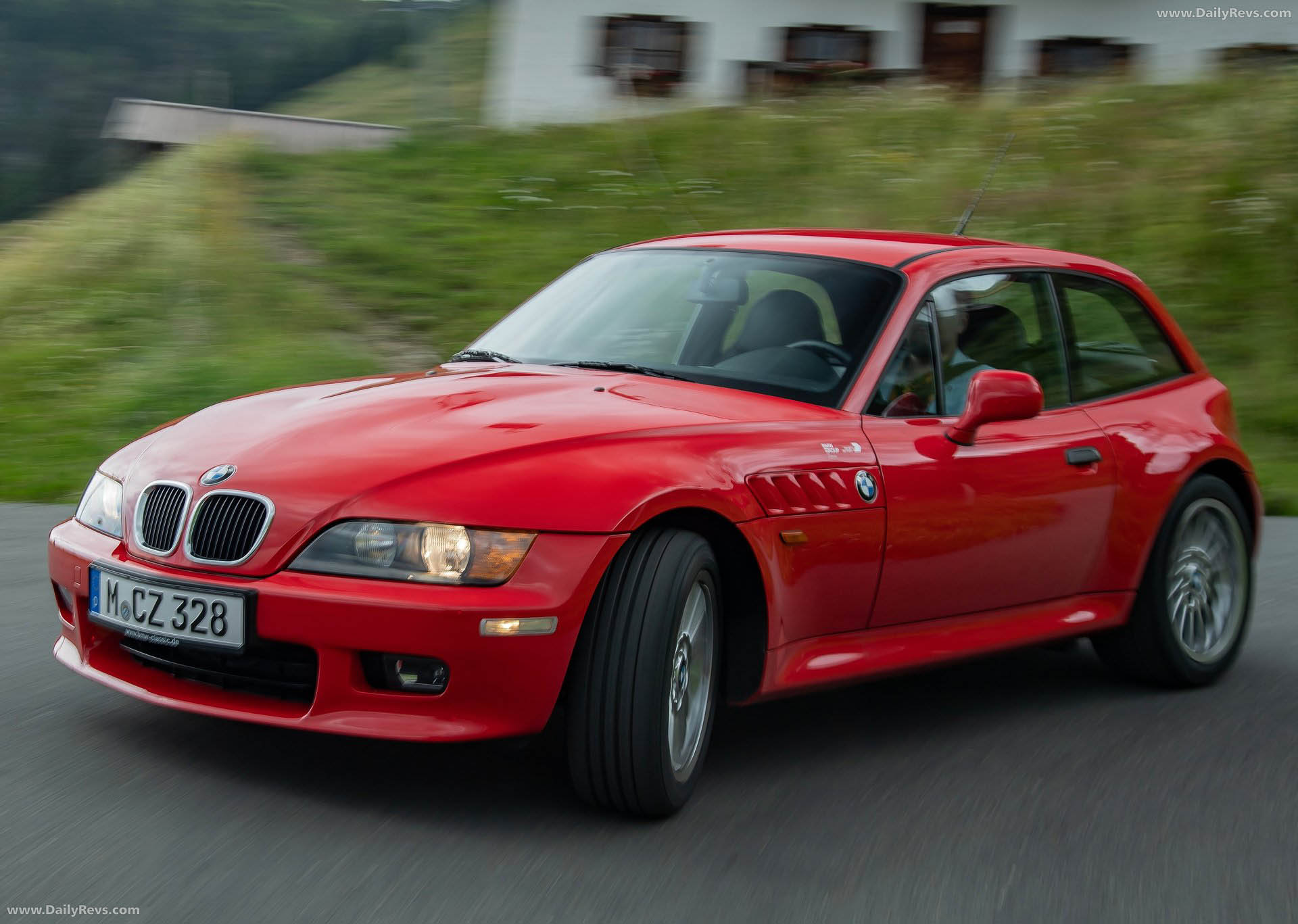
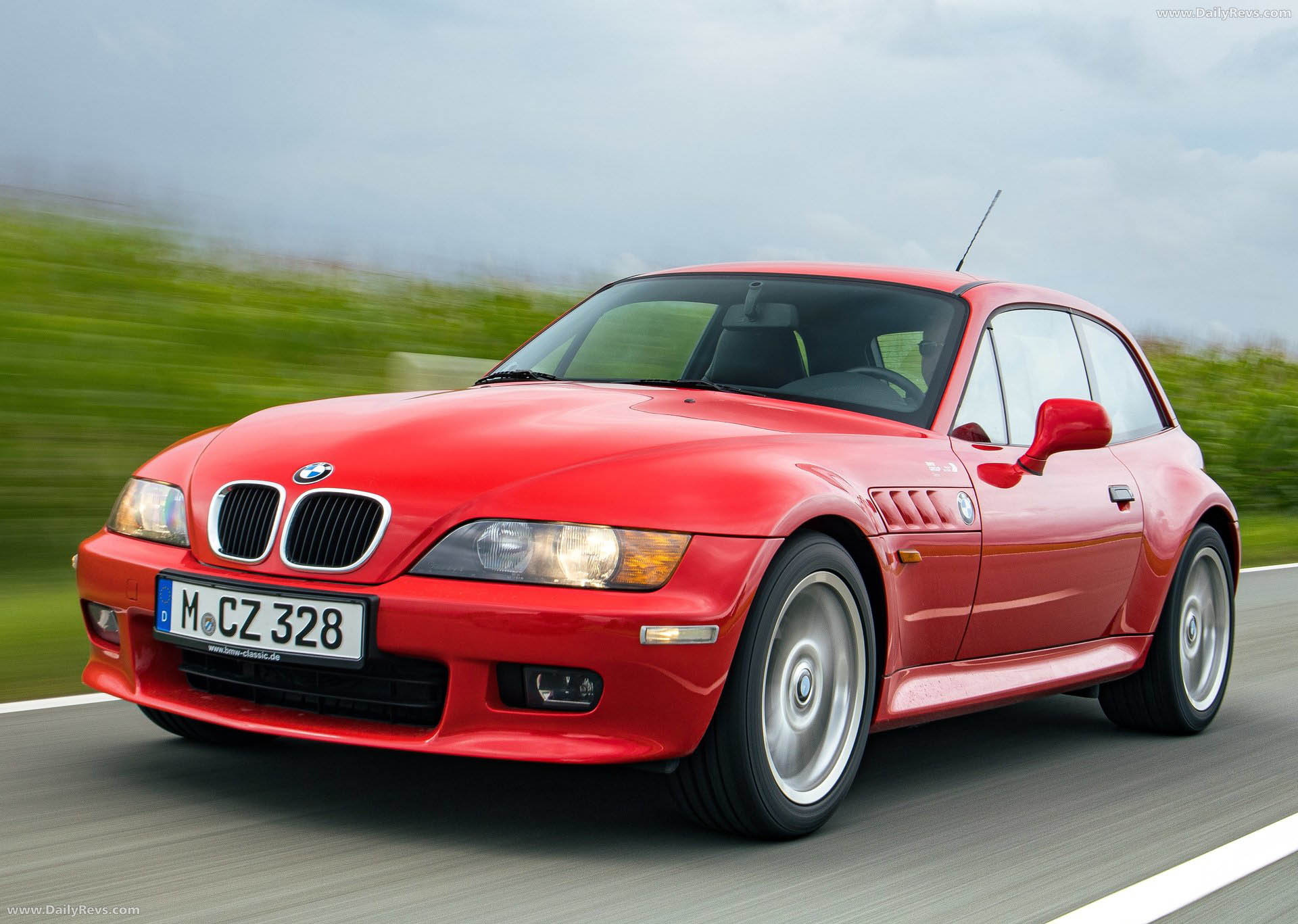
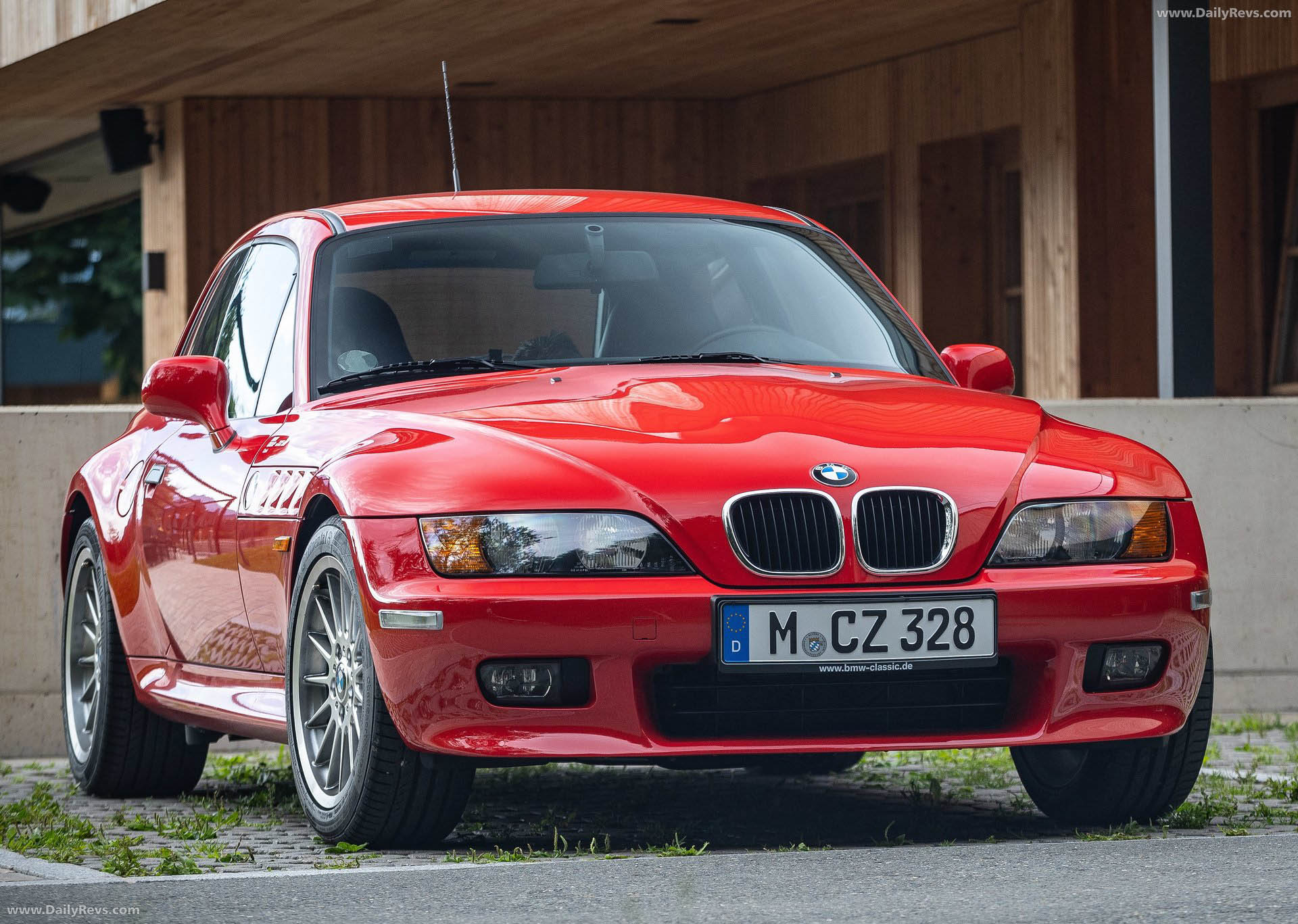
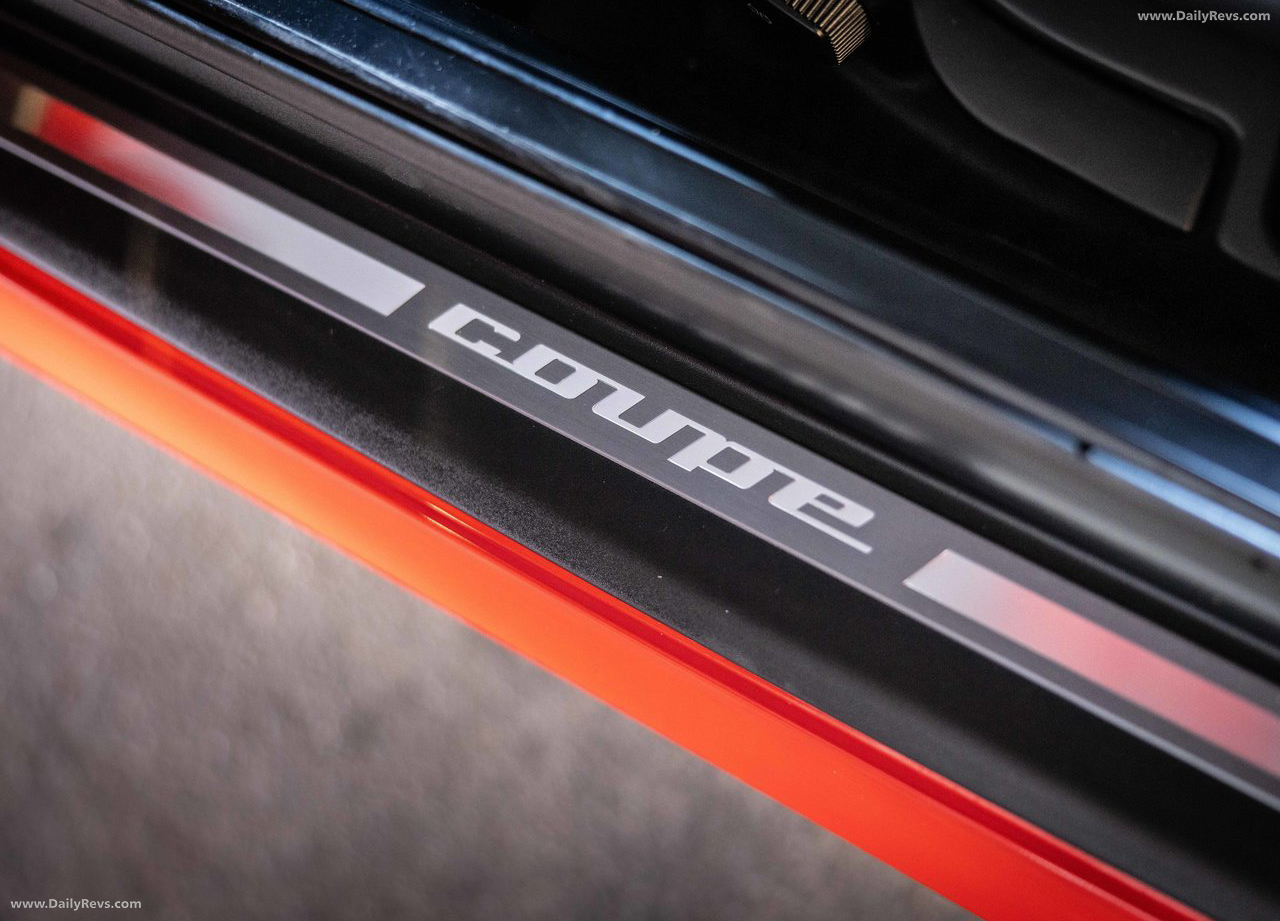
The Z3 Coupe 2.8 introduces a purpose-built fixed roof with a wholly new rear body.
Exceptional torsional rigidity reshapes handling and balance compared with the roadster.
Practical hatchback cargo space reinforces its role as a true two-seat GT.
A coupe designed from the windshield back
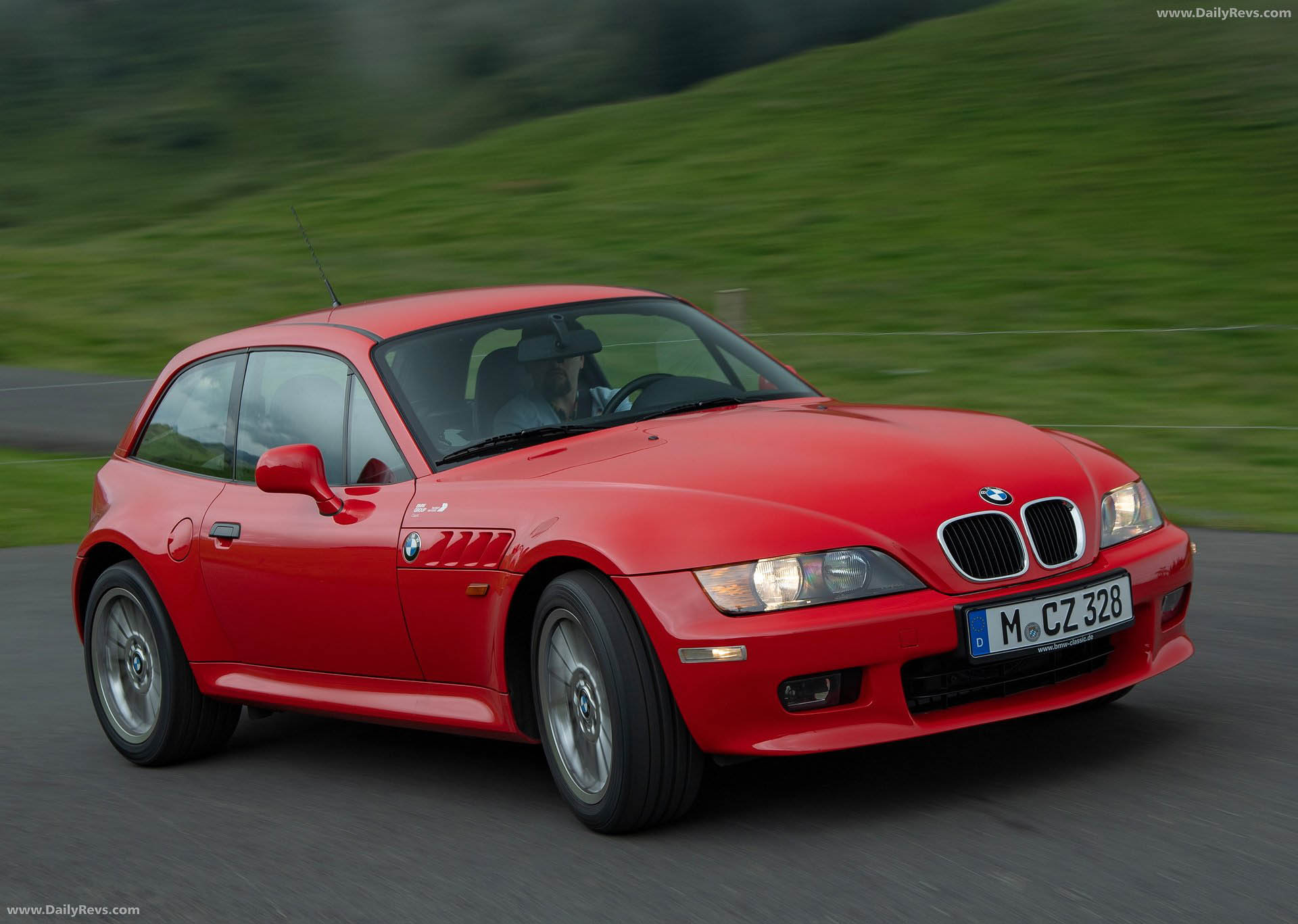
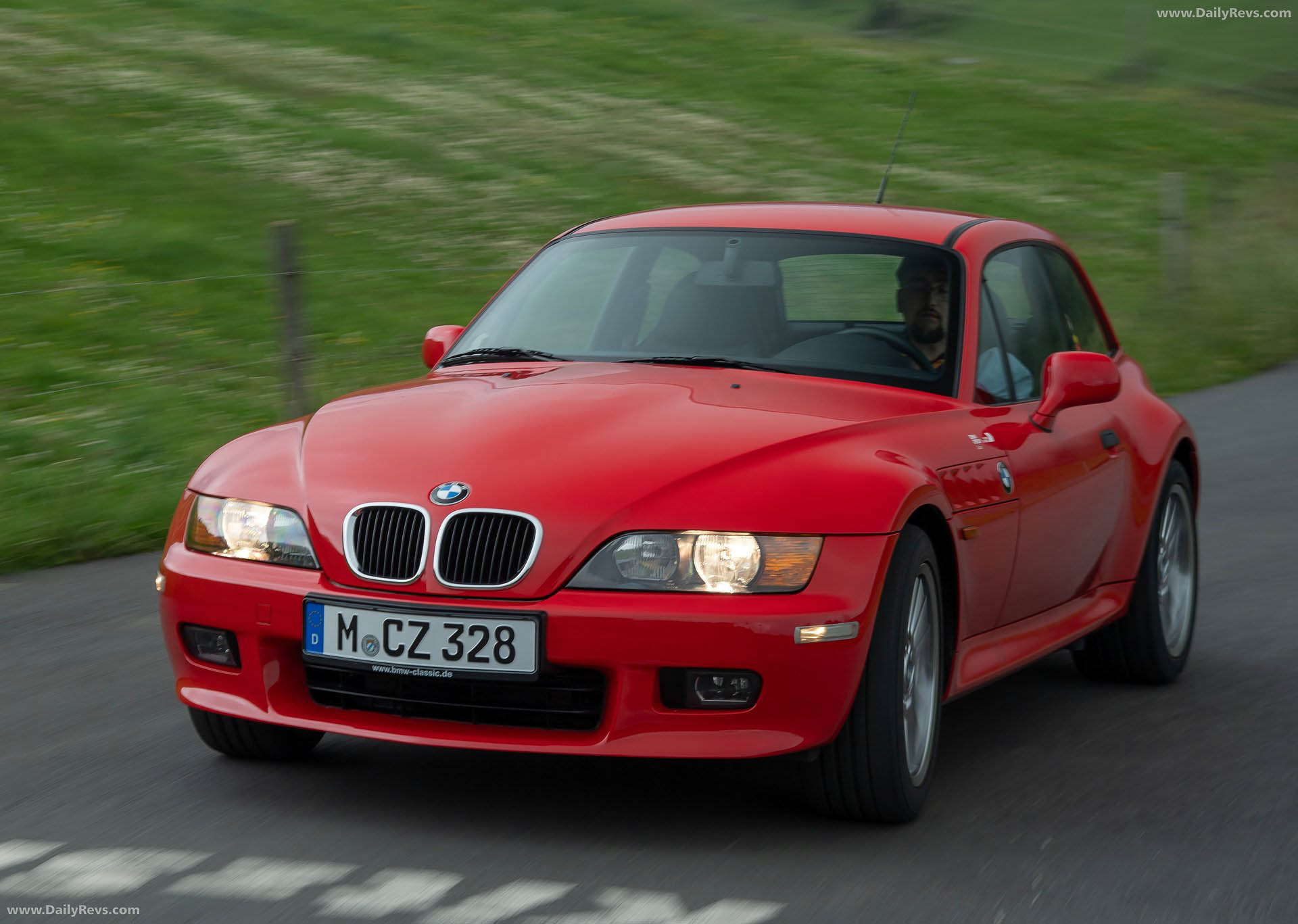
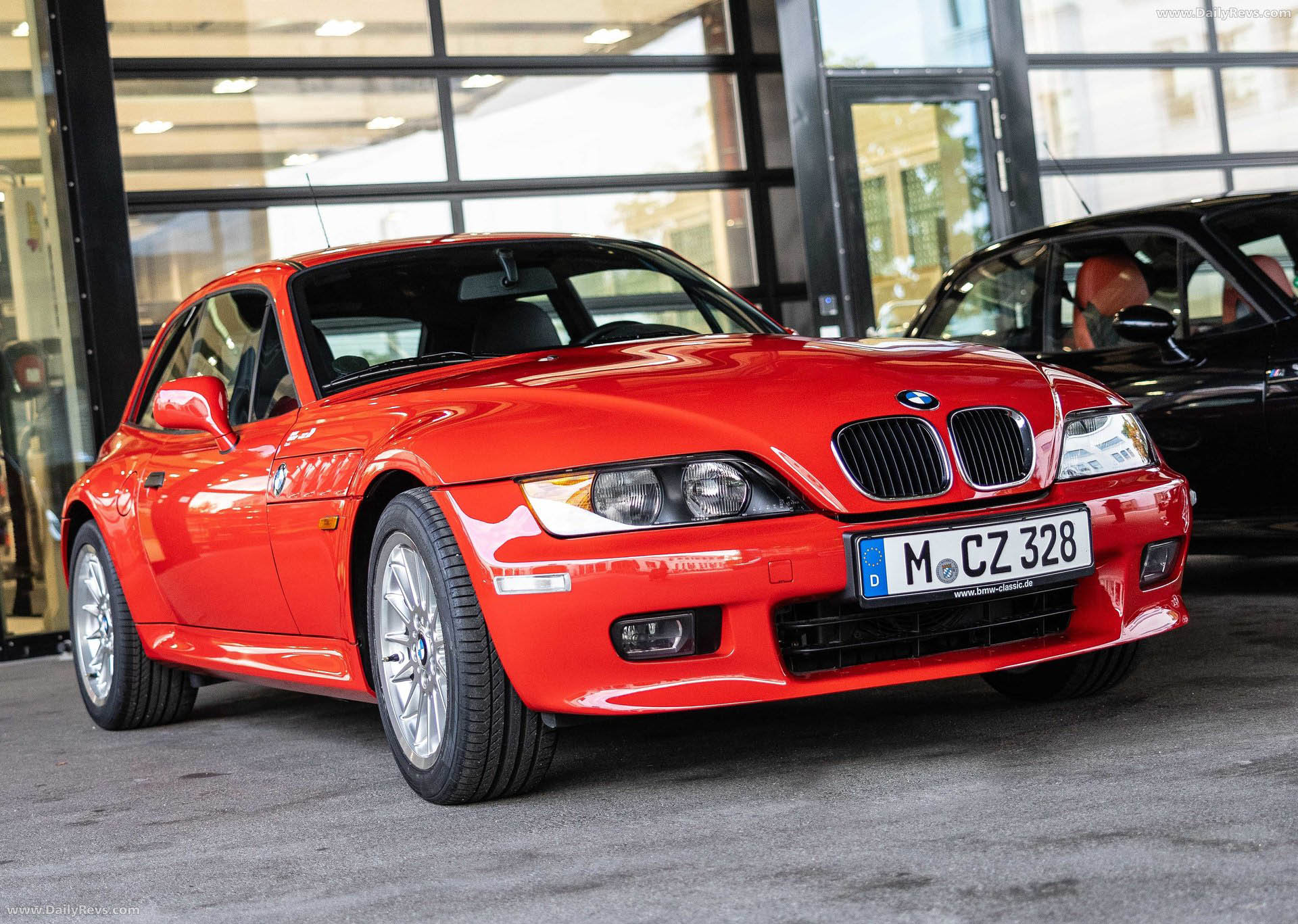
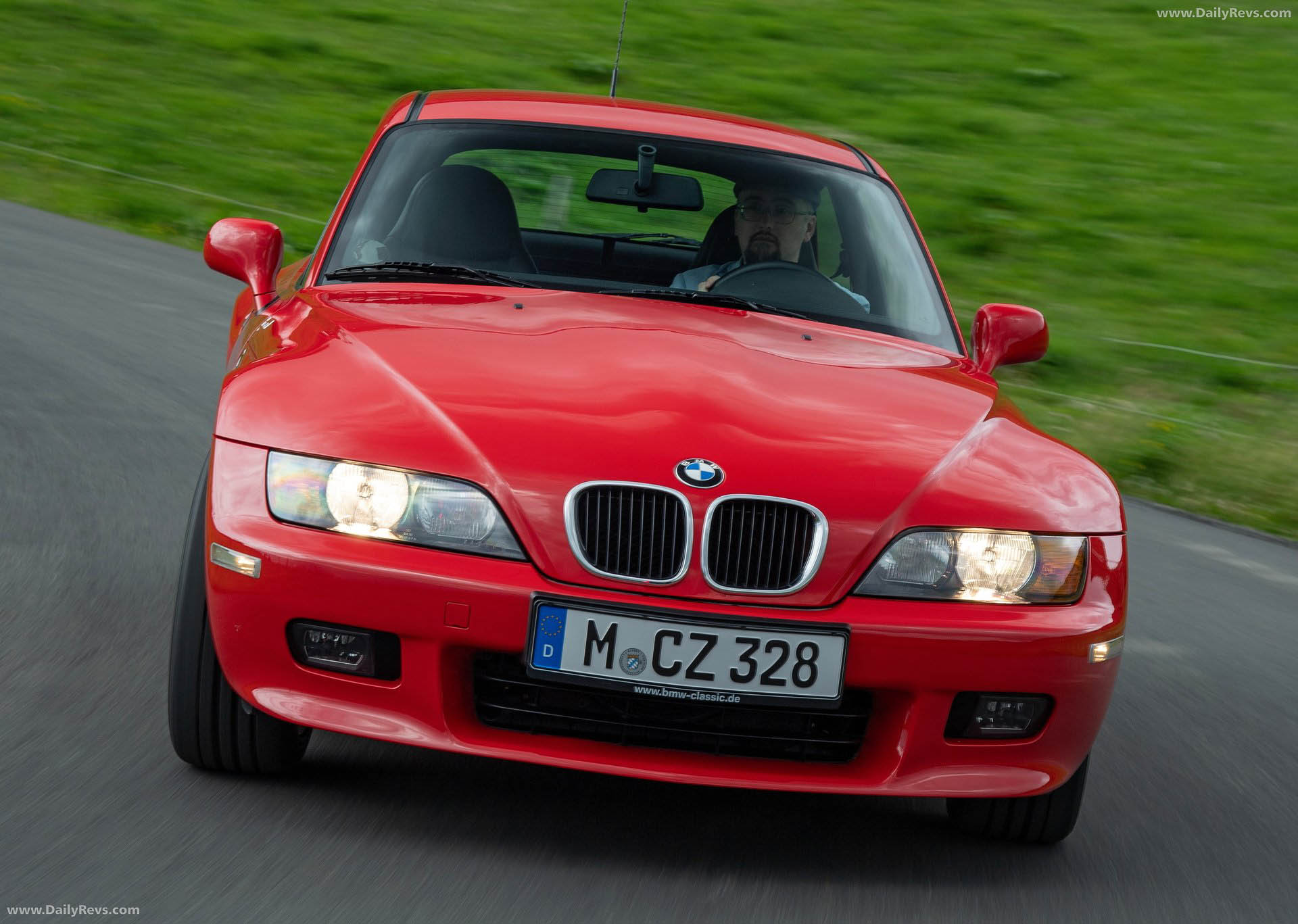
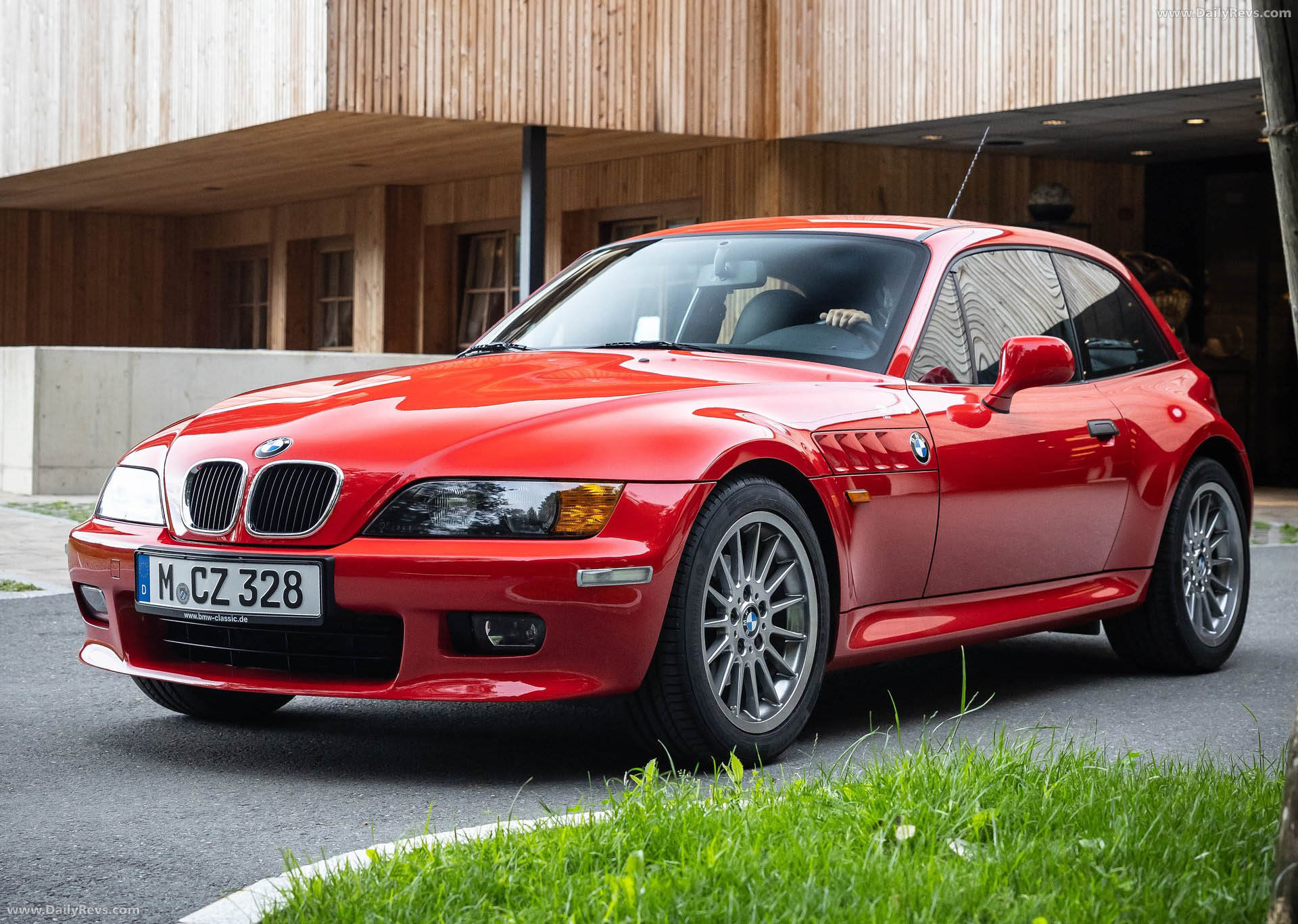
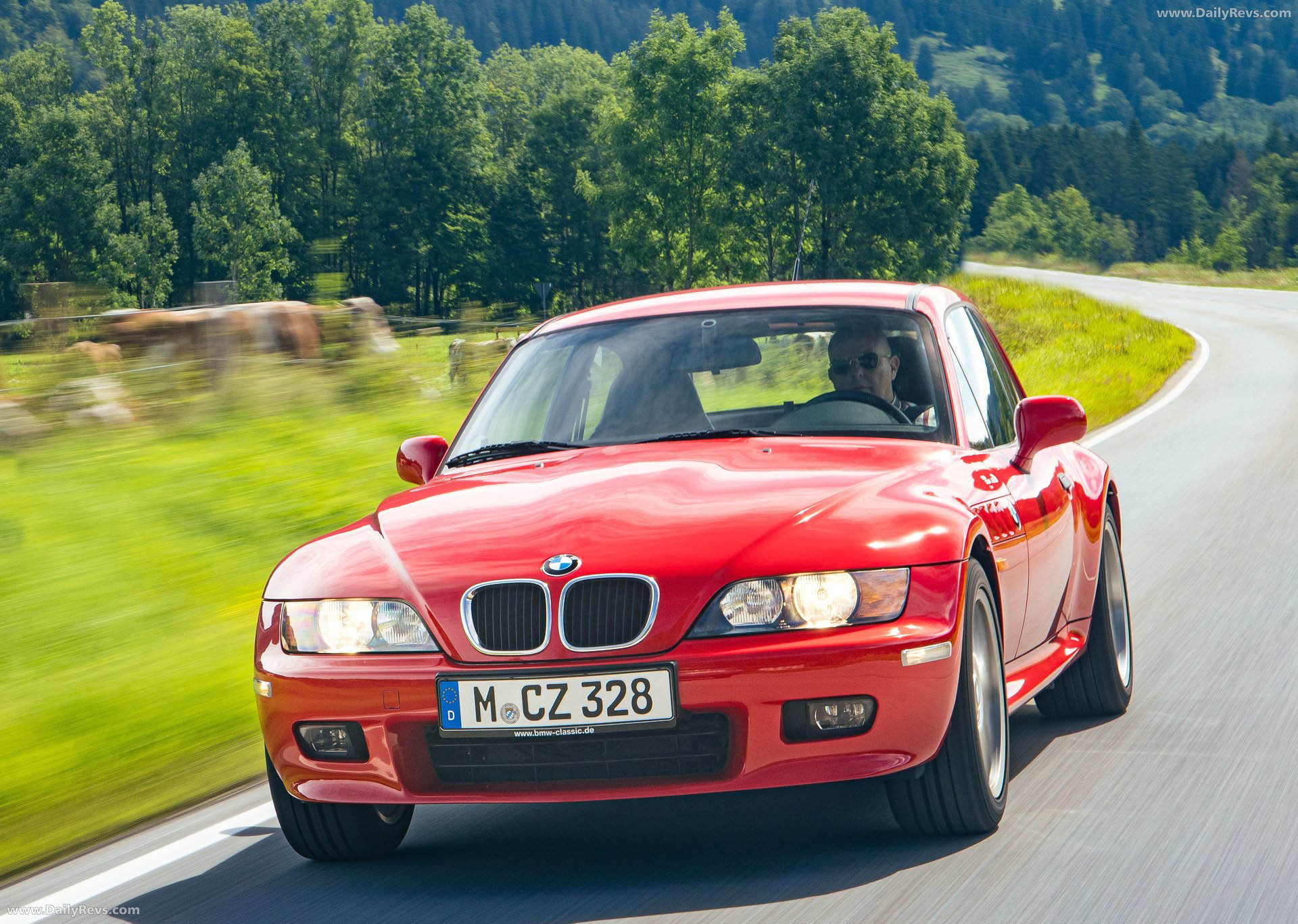
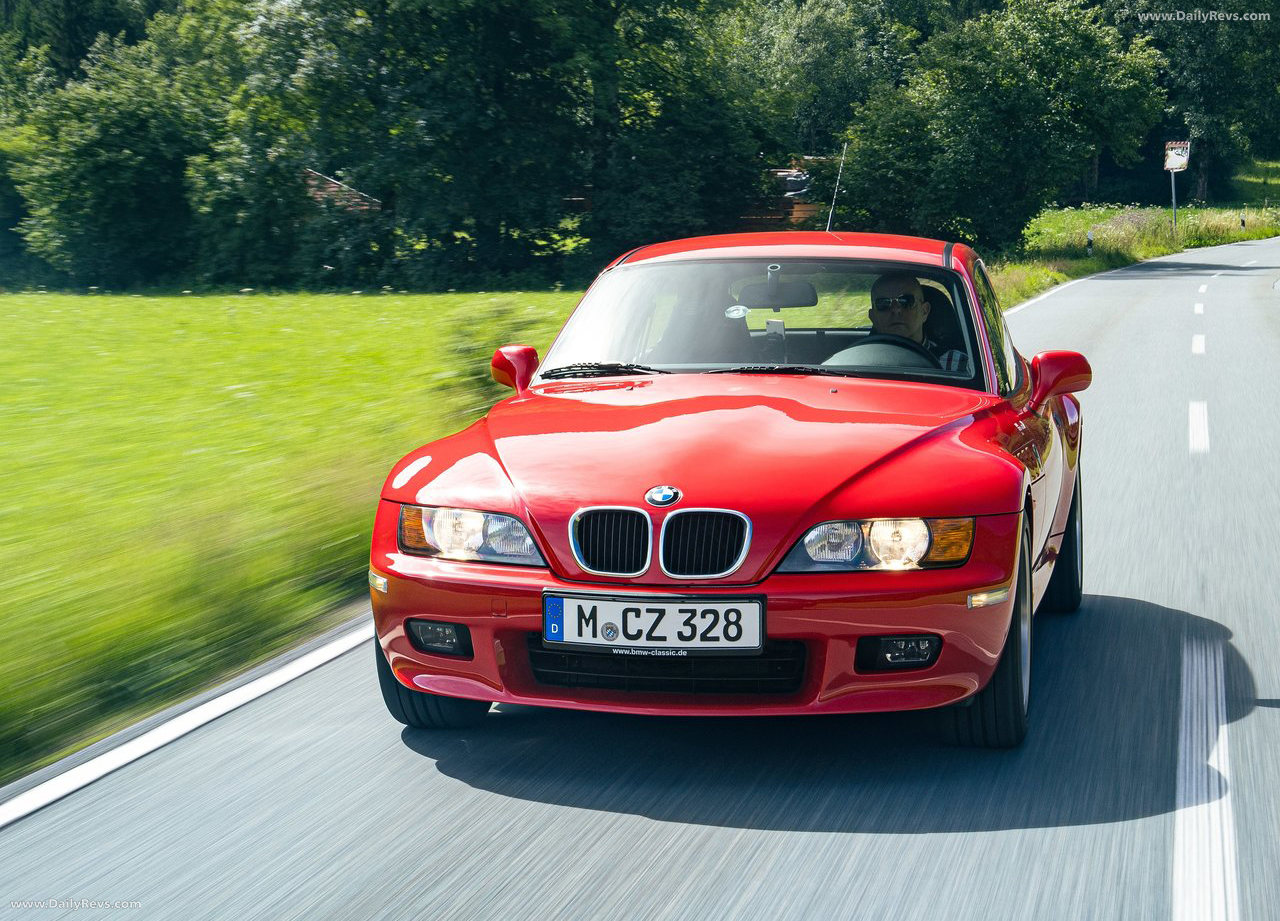
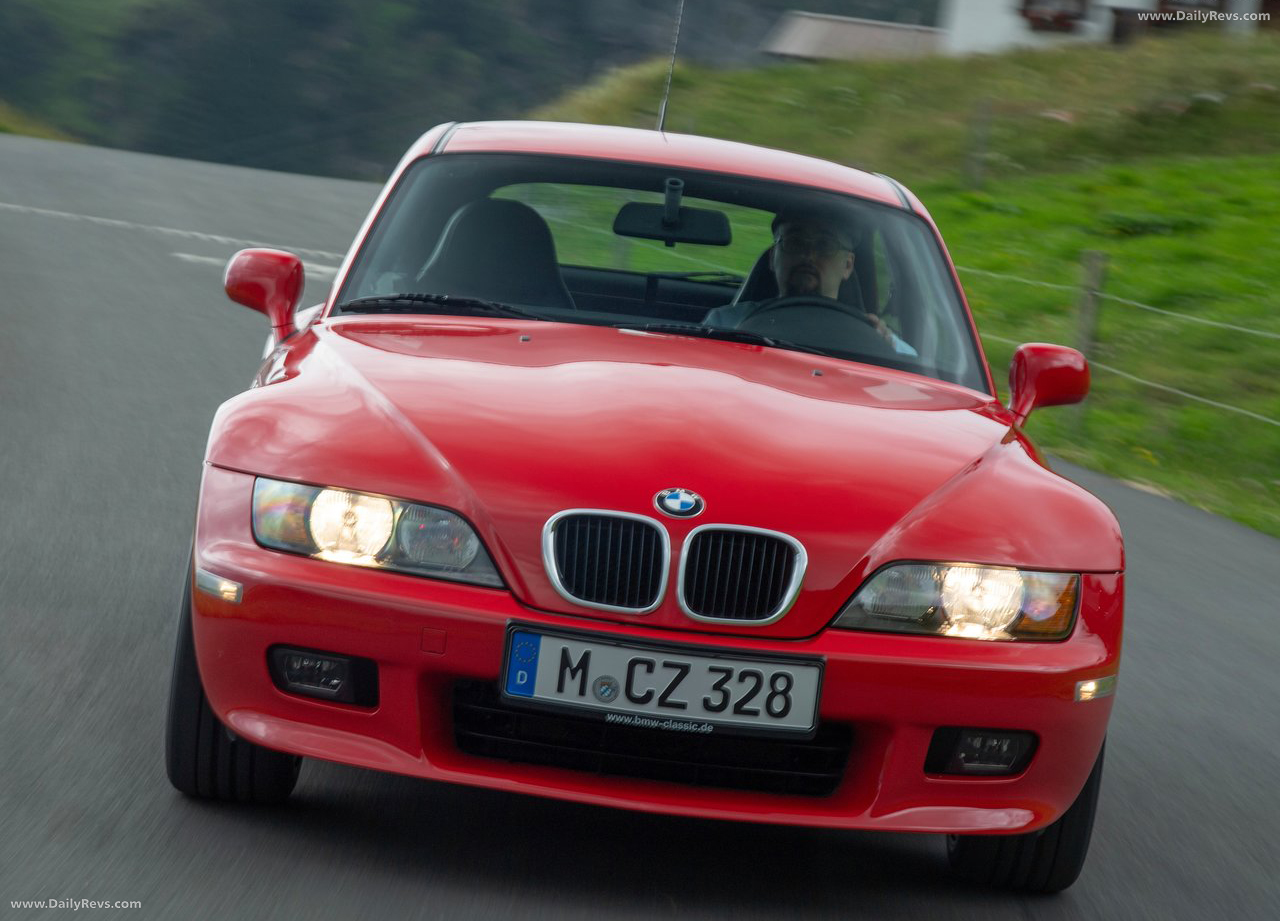
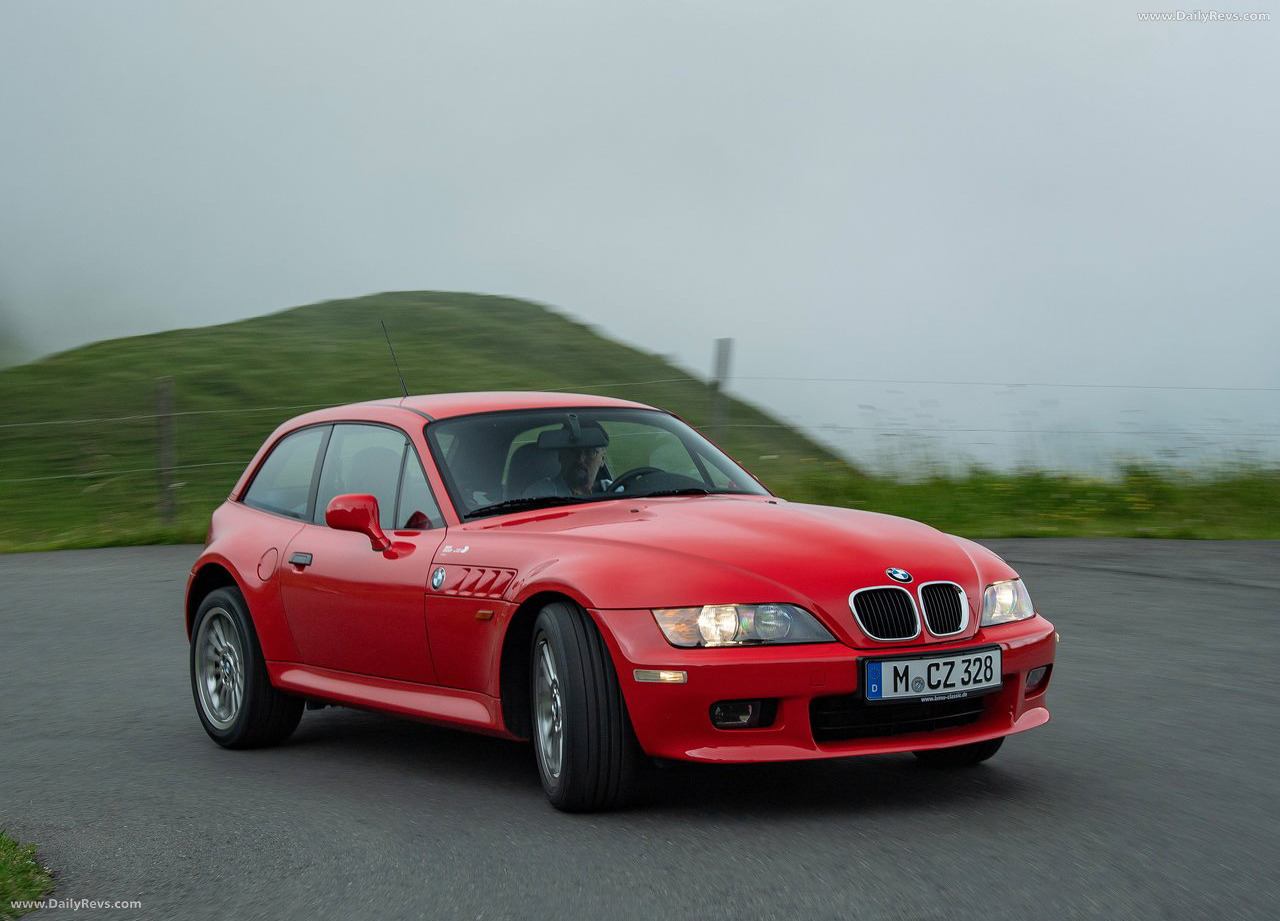
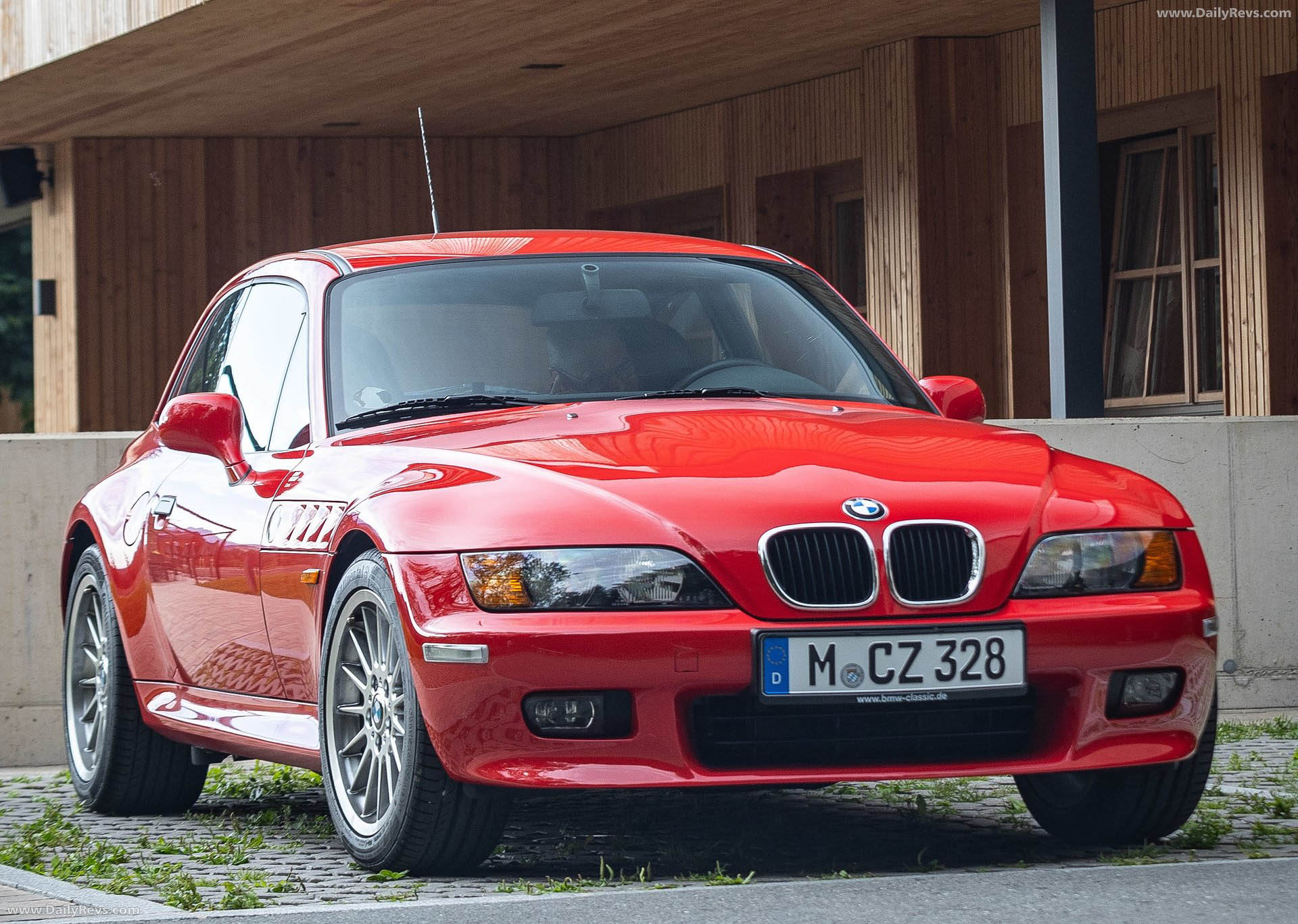
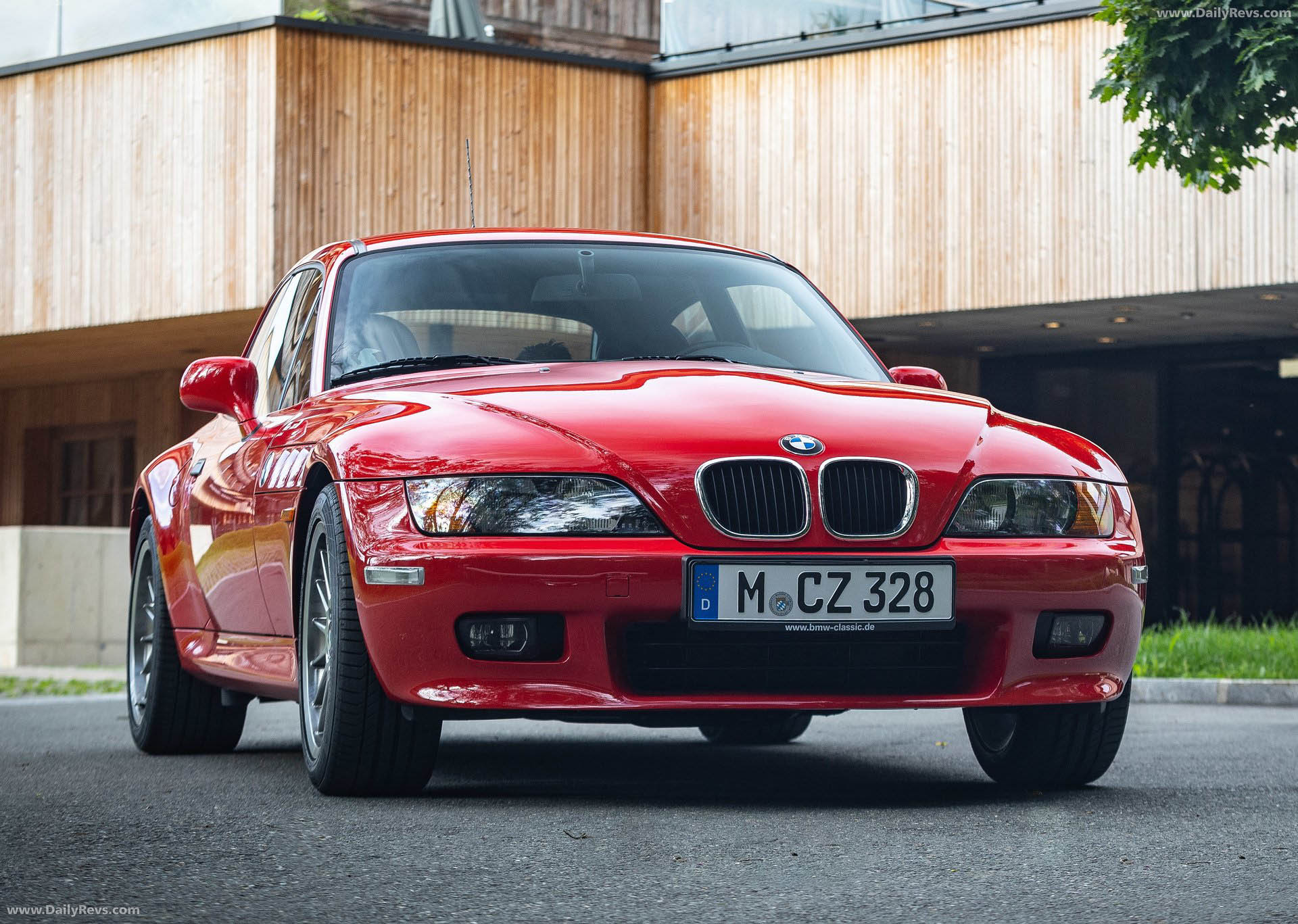
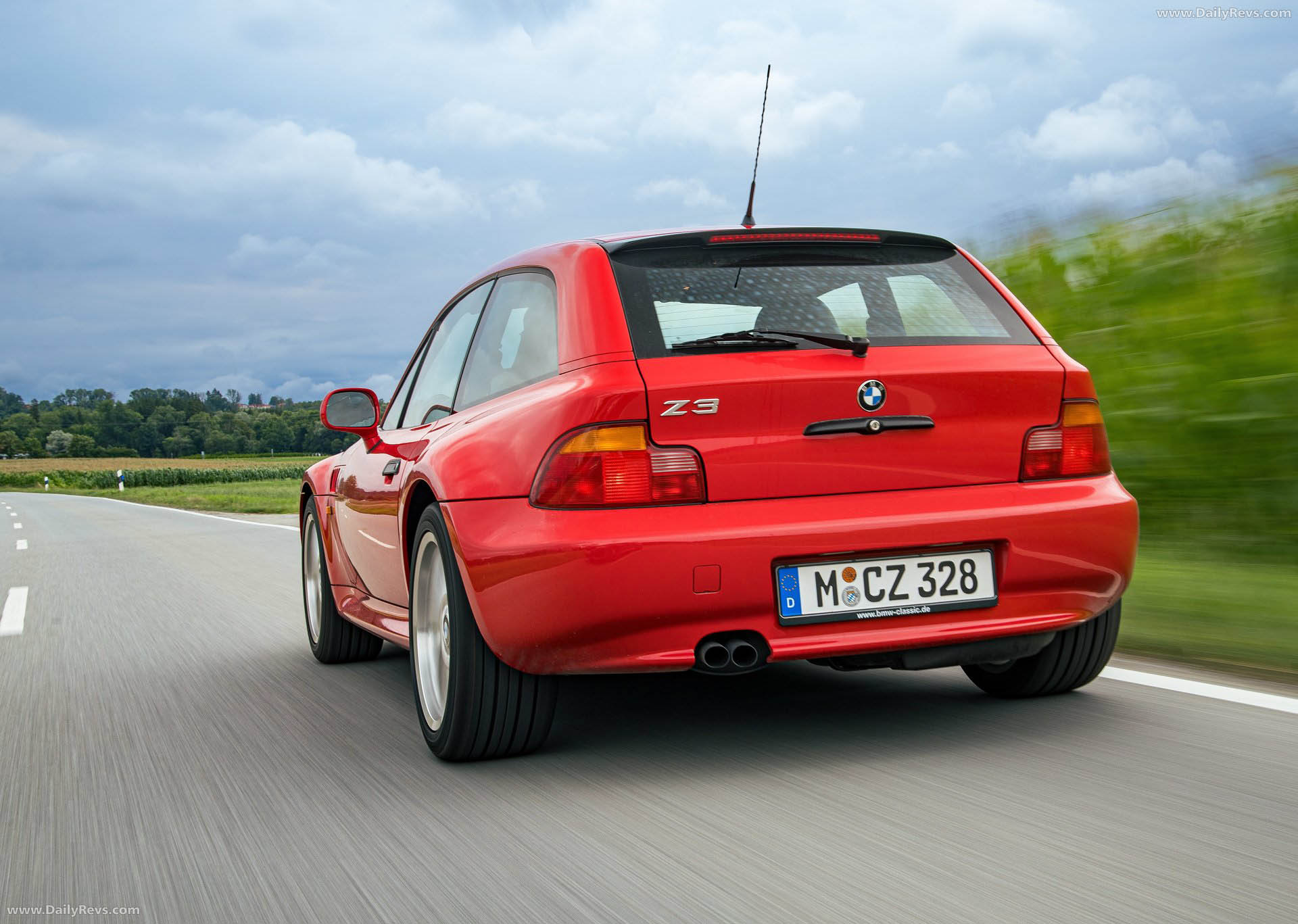
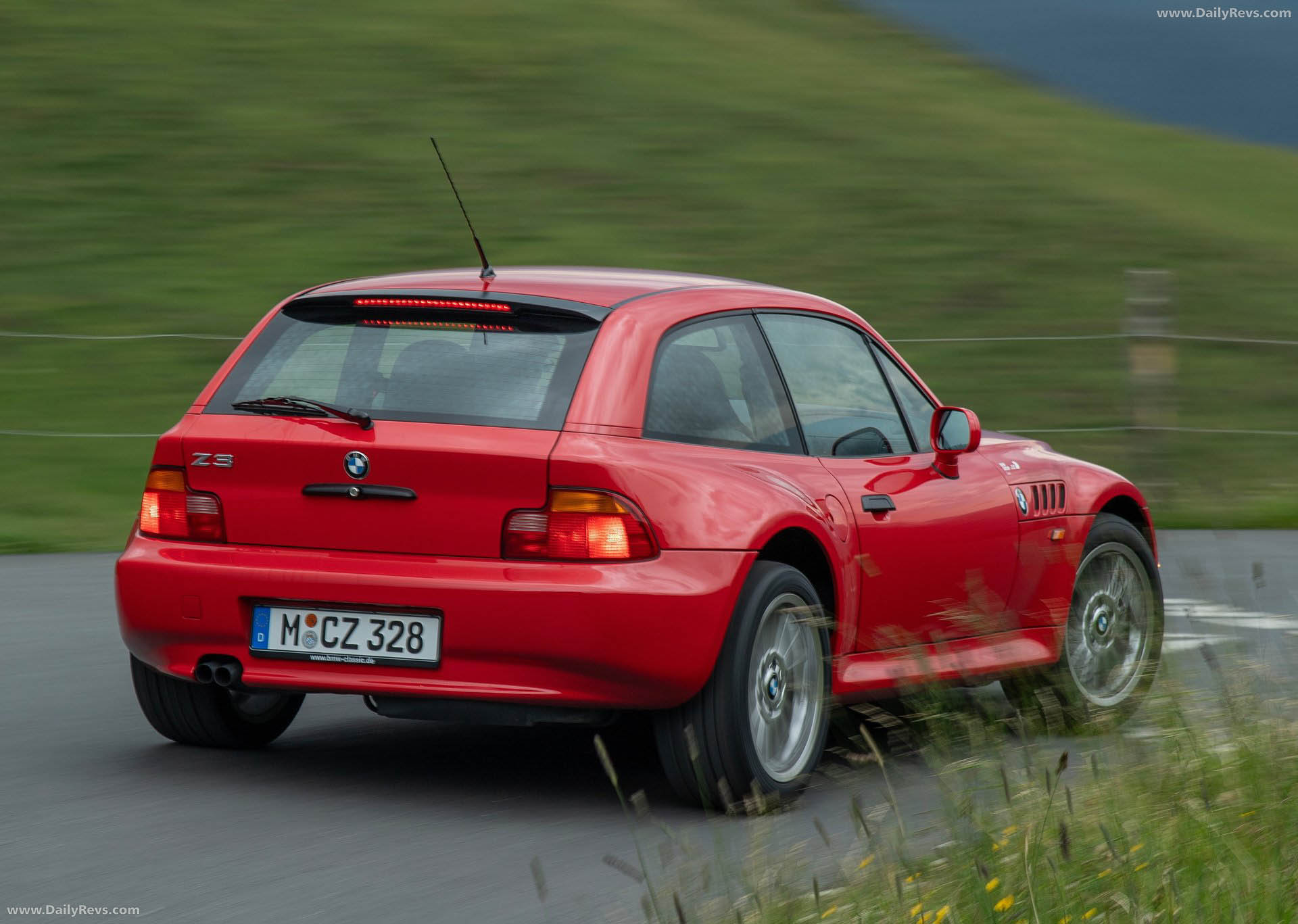
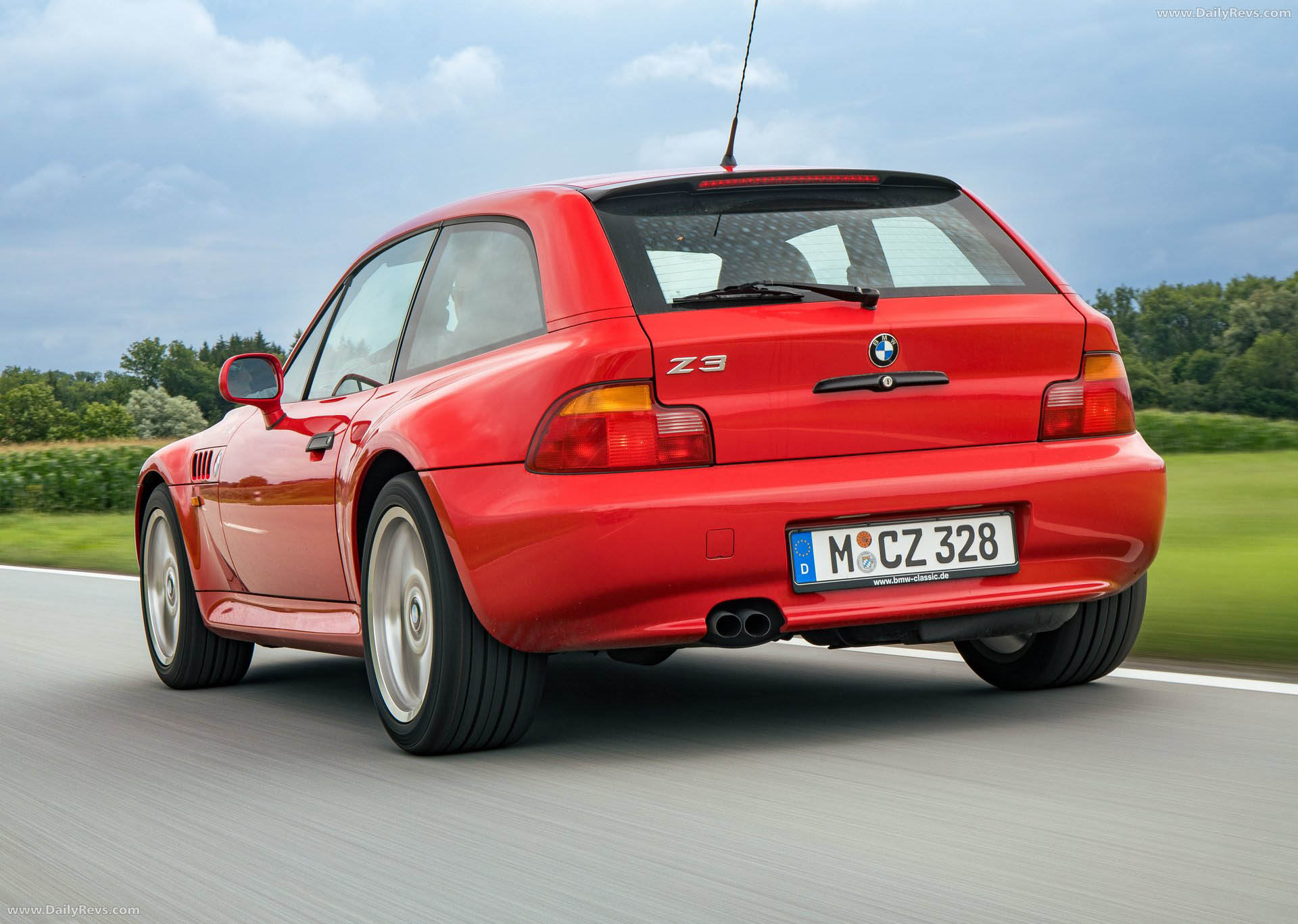
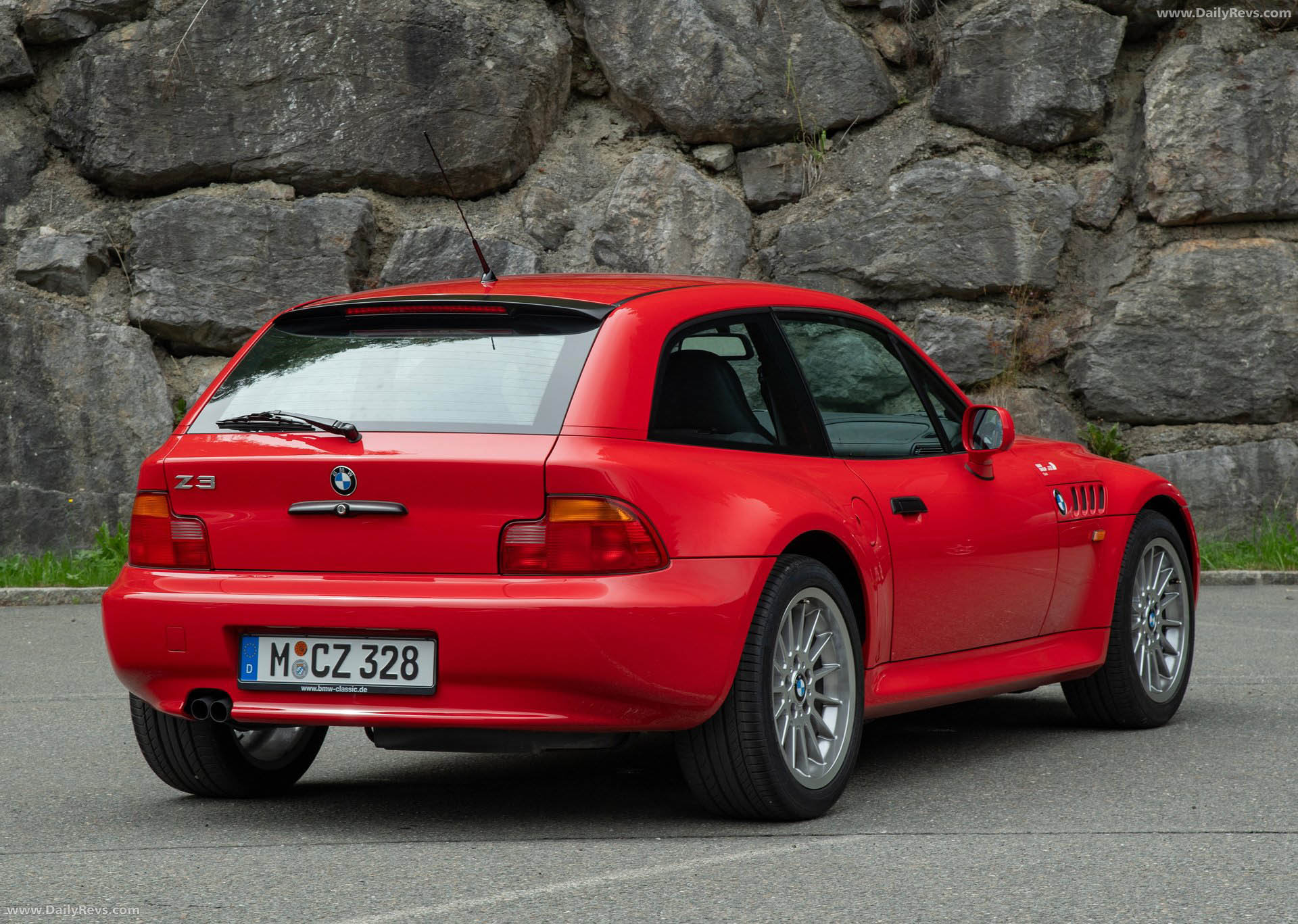
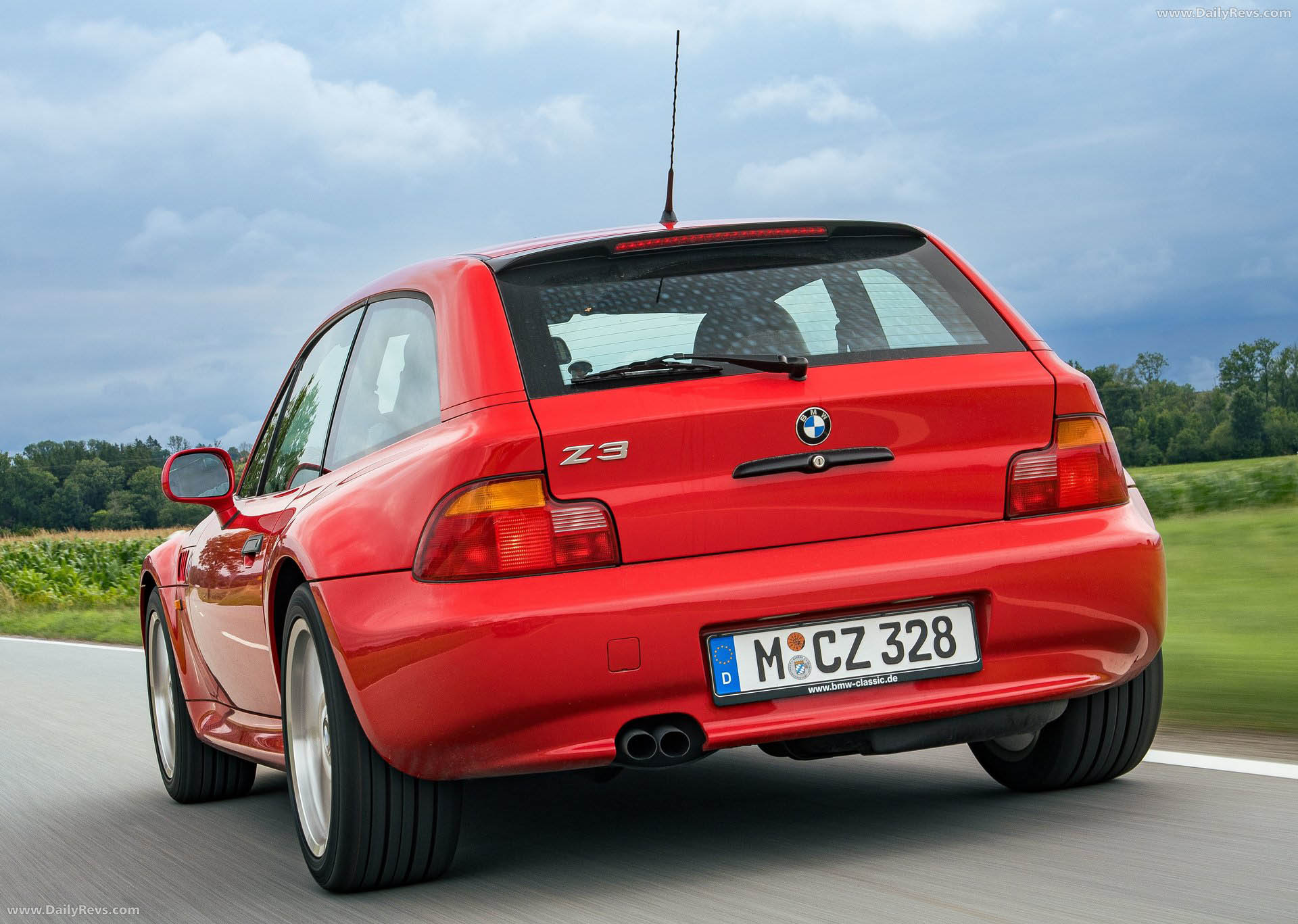
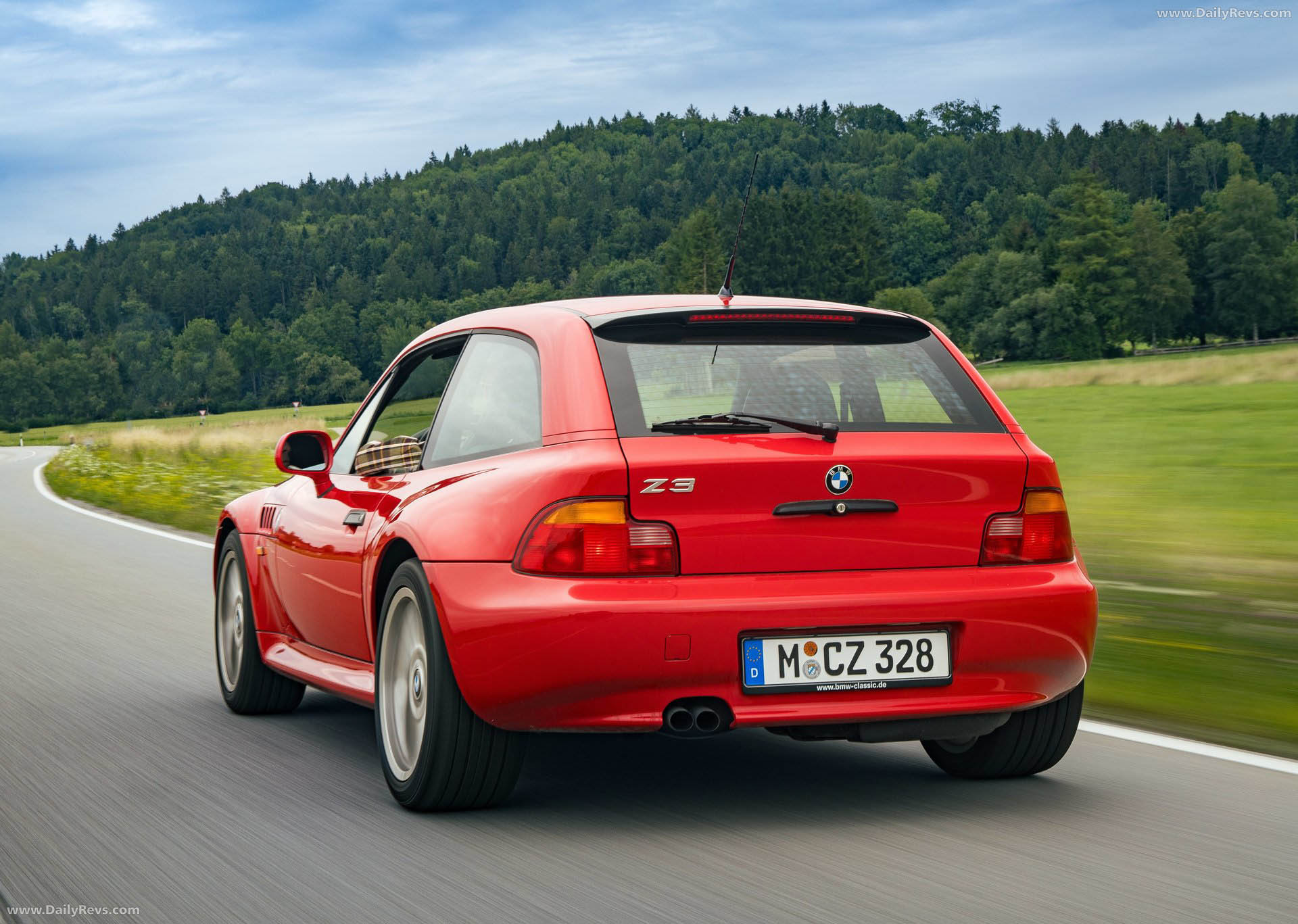
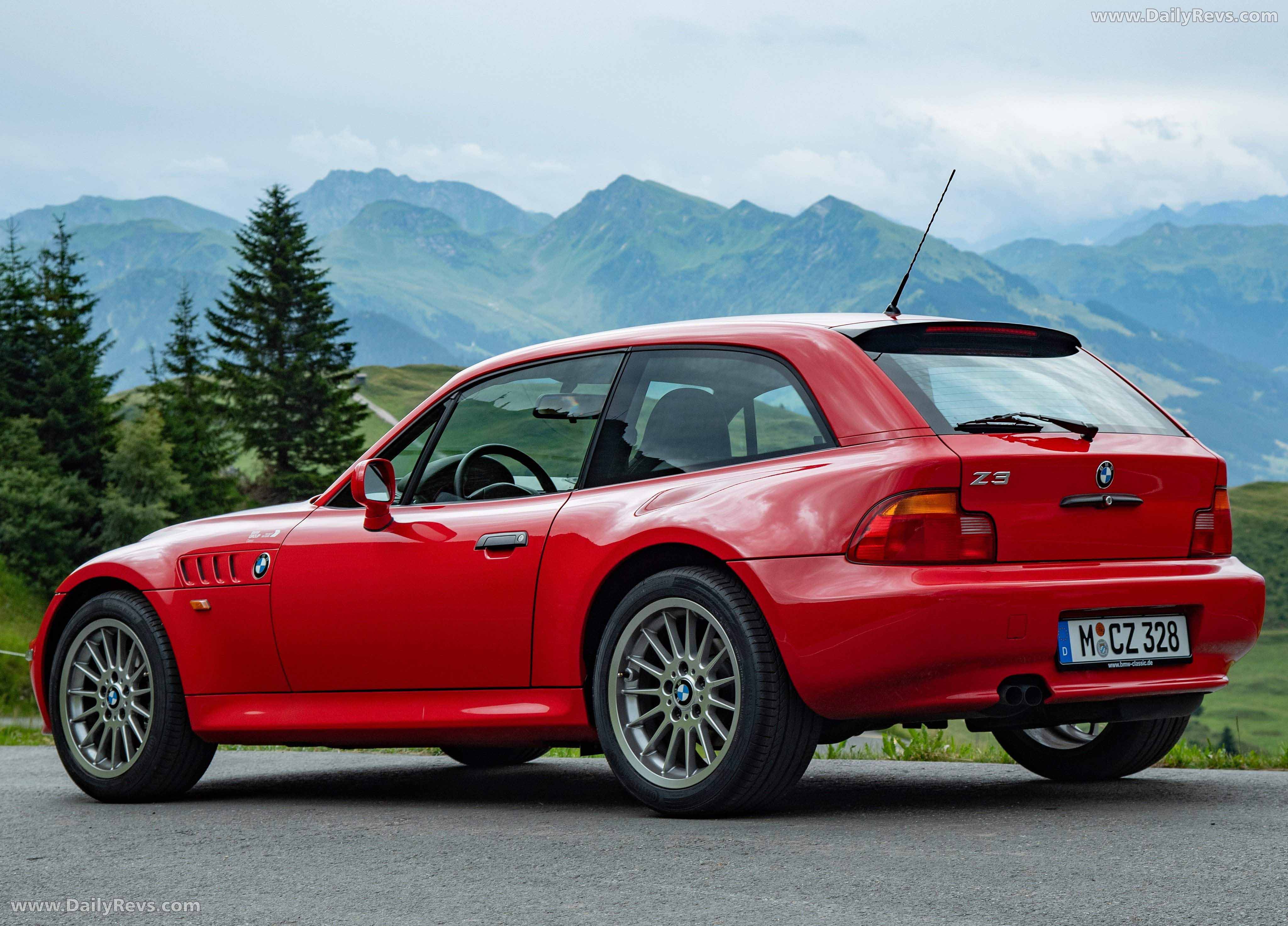
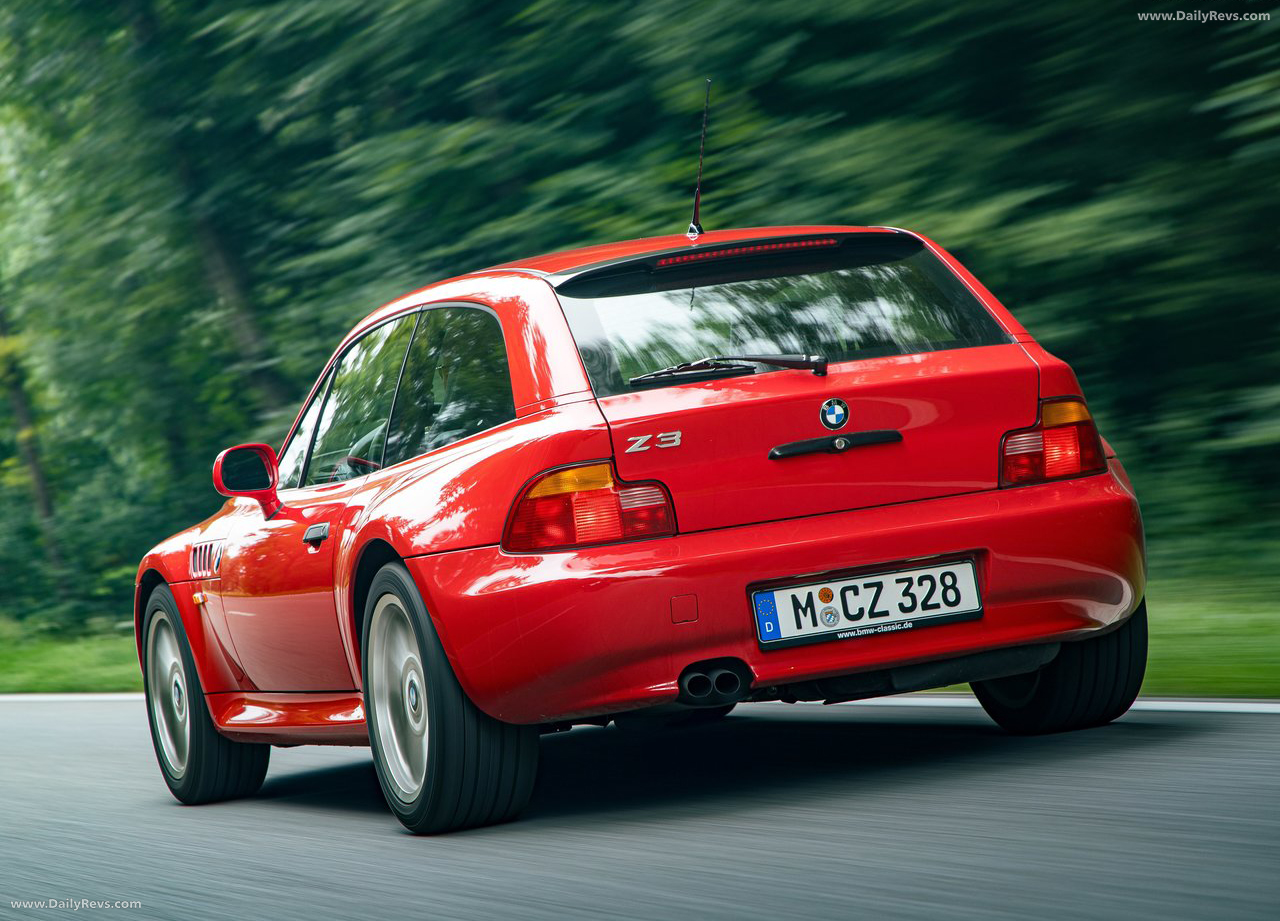
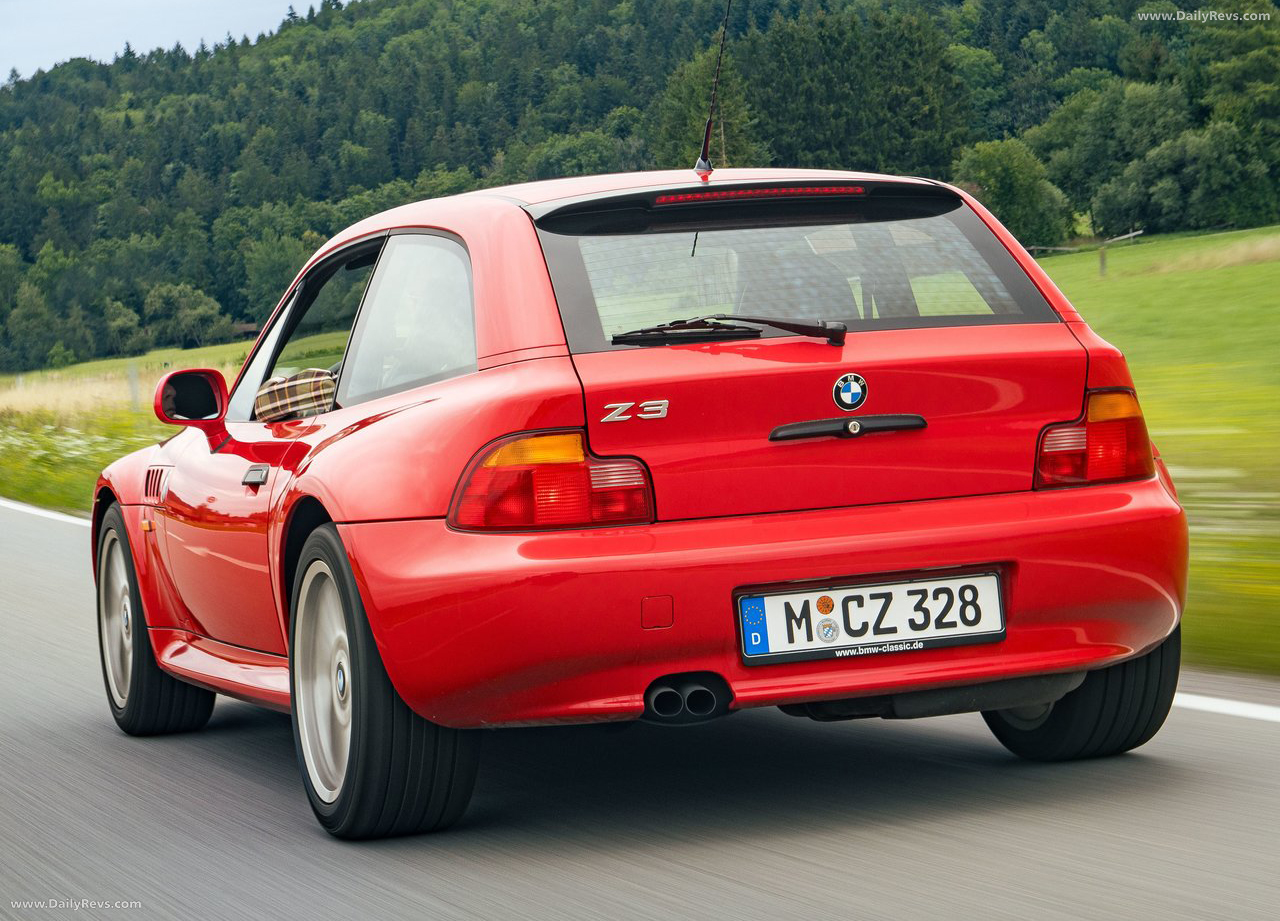
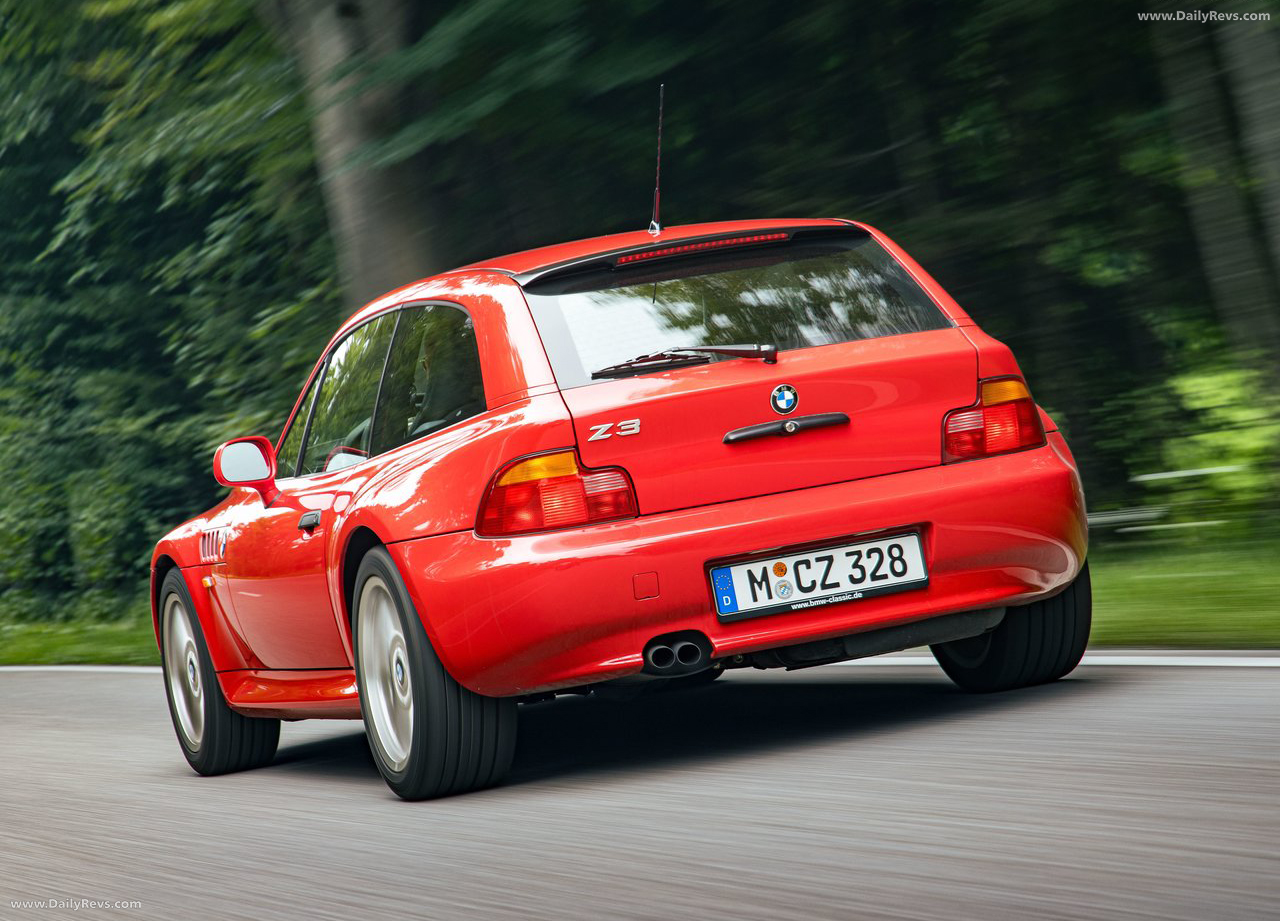
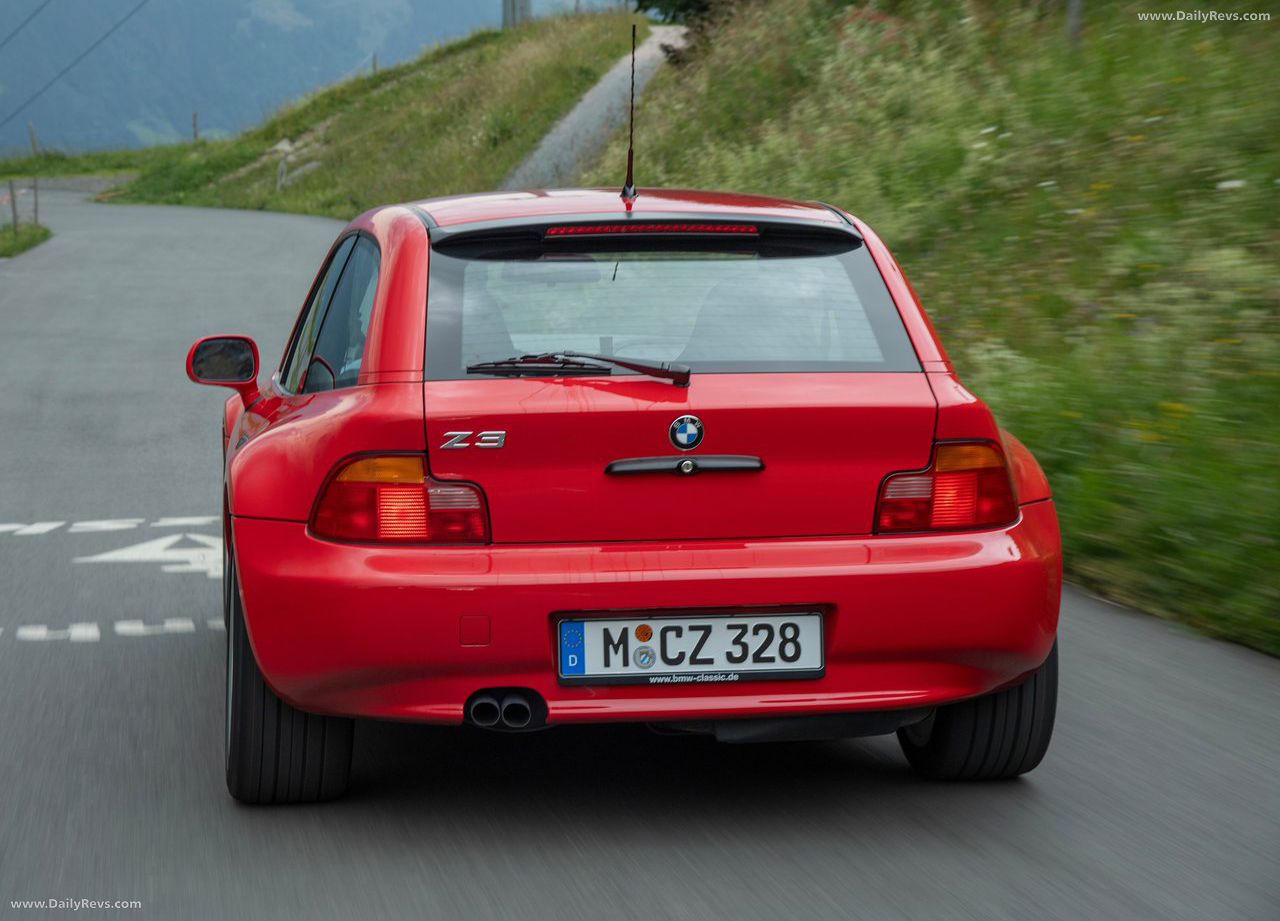
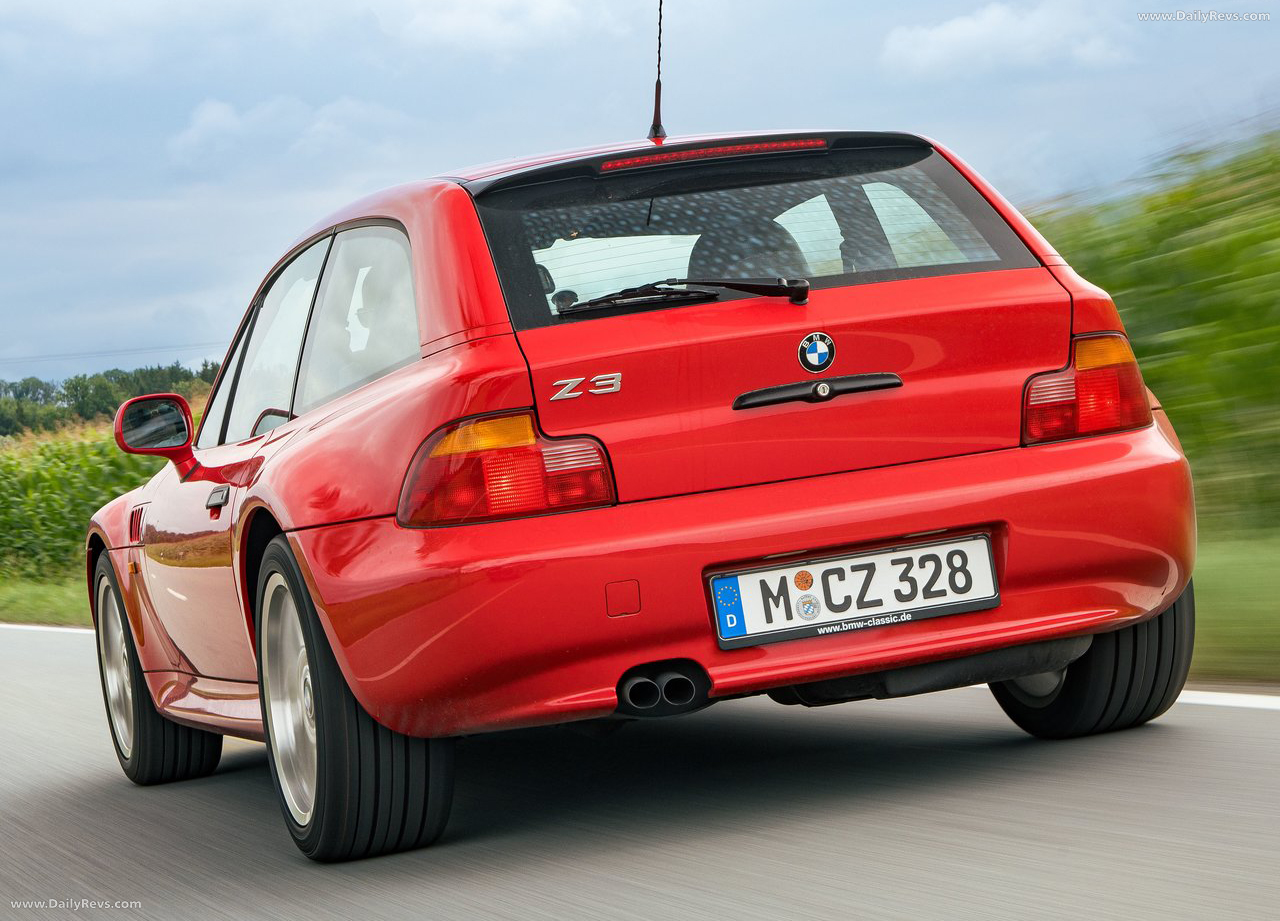
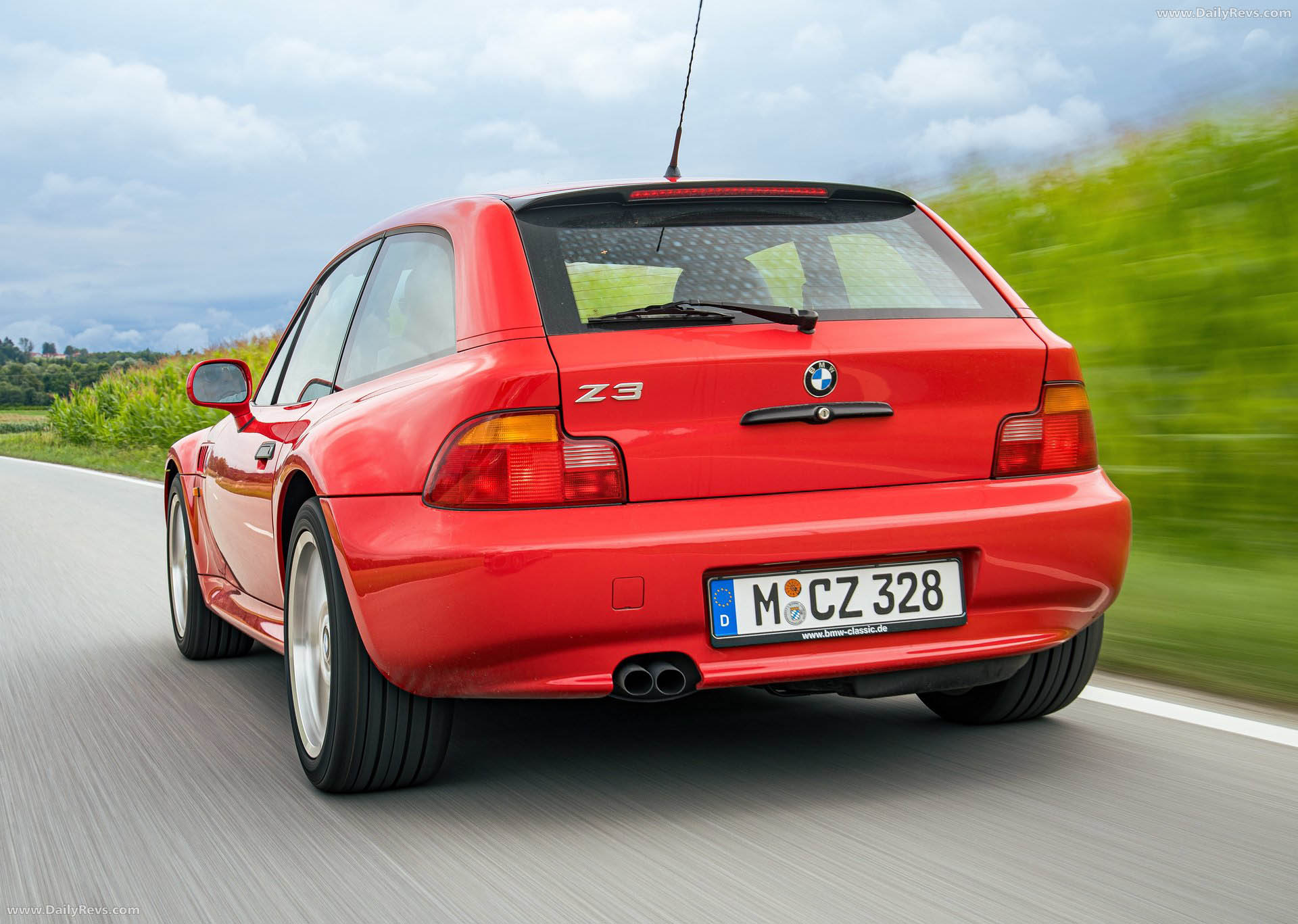
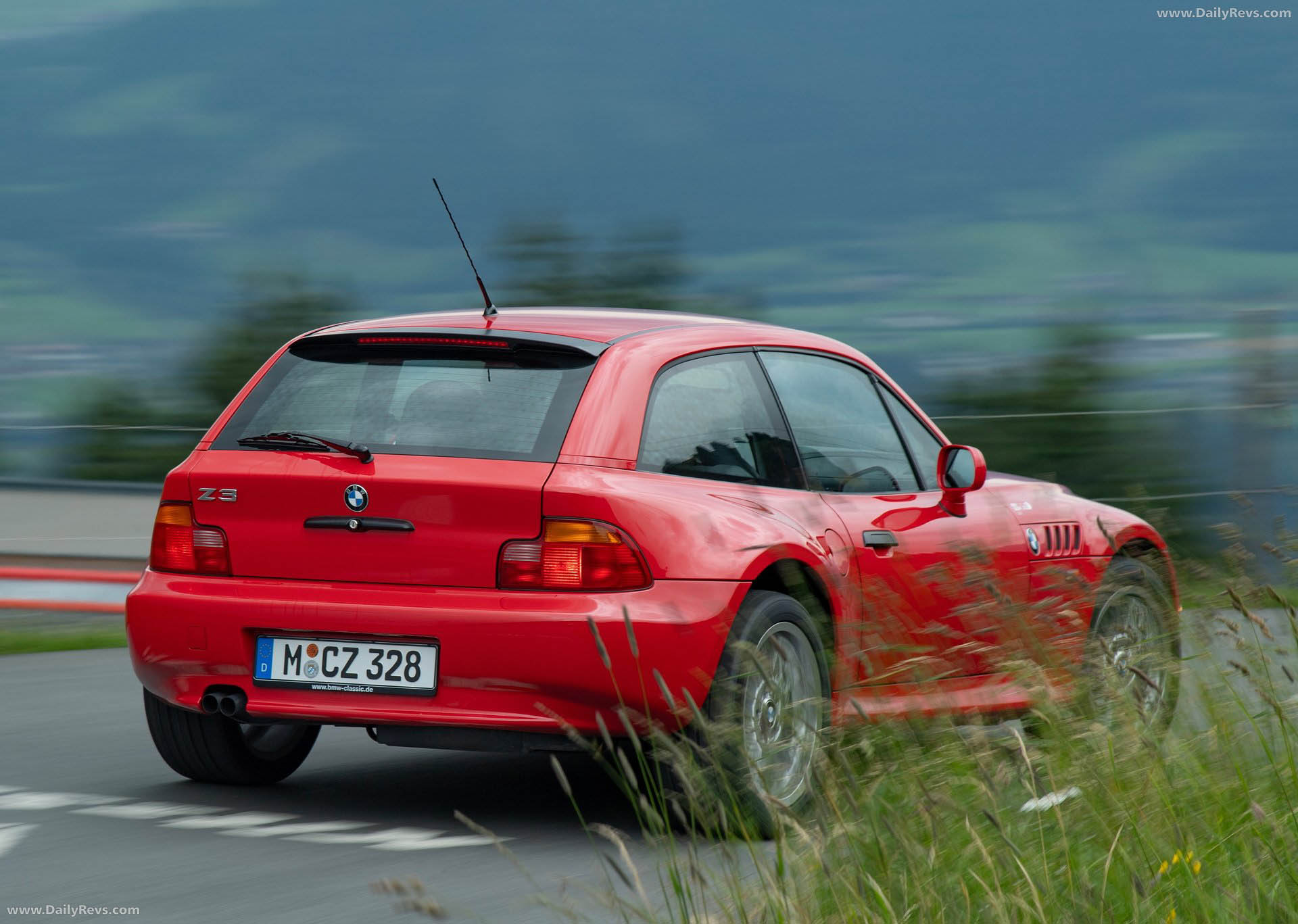
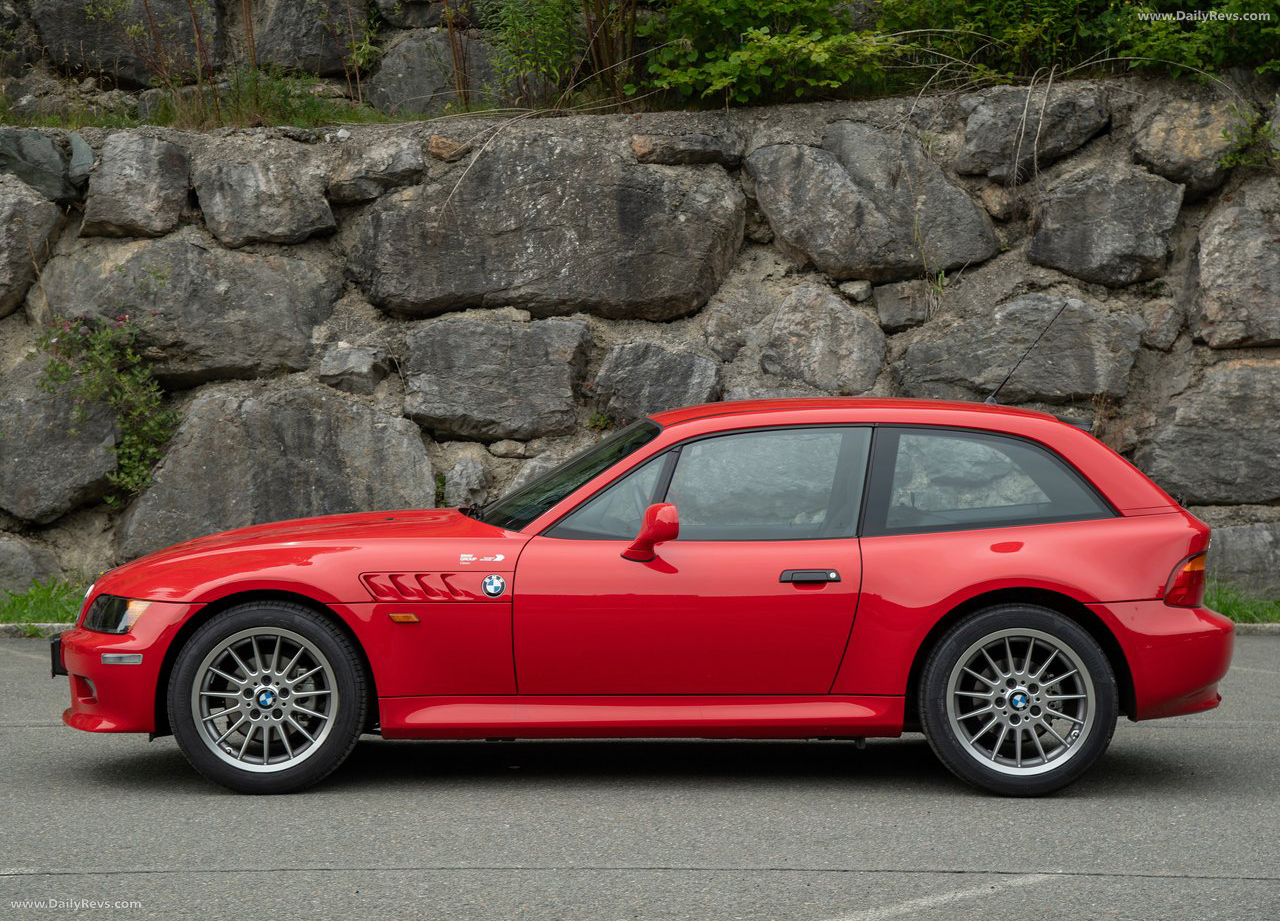
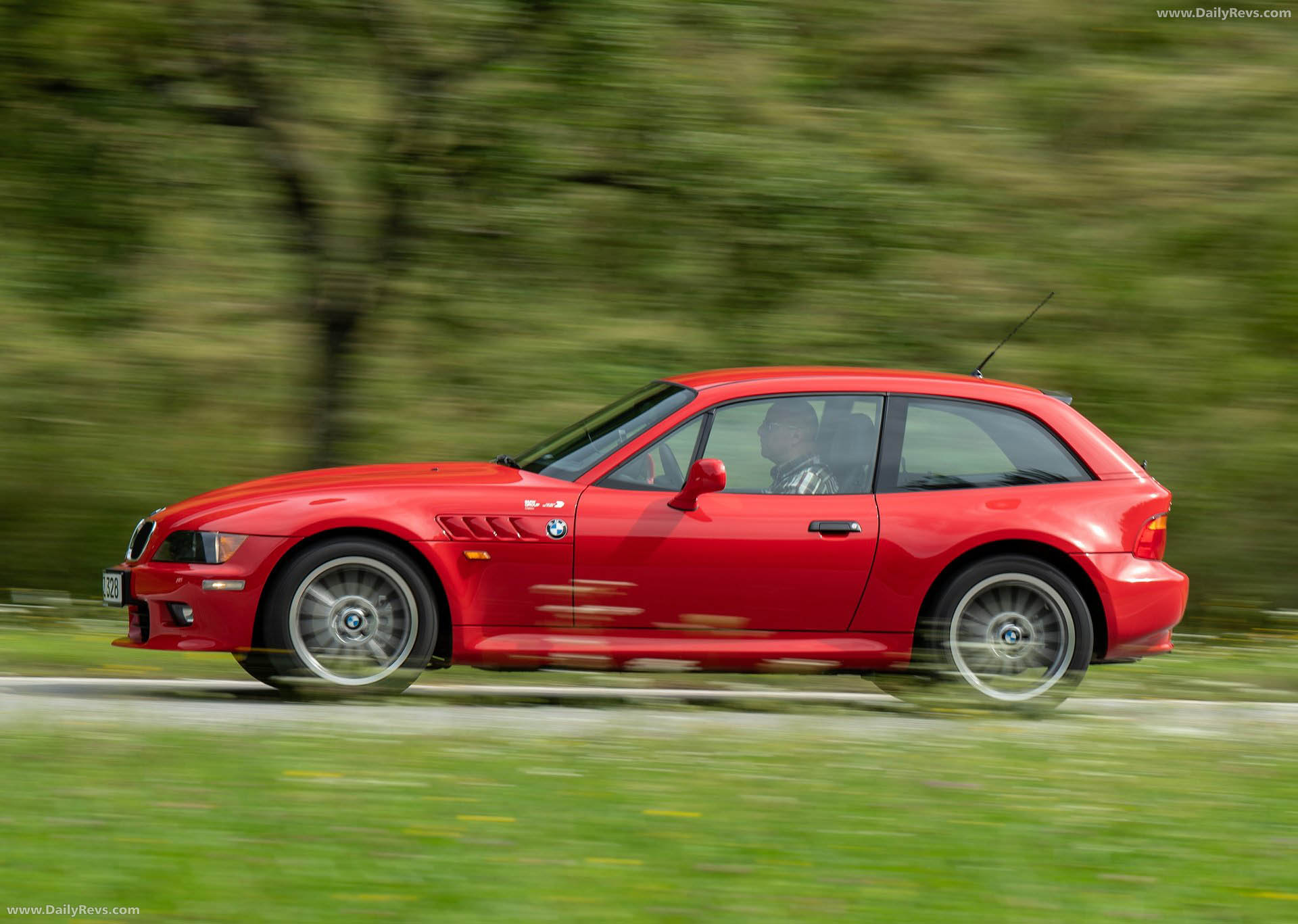
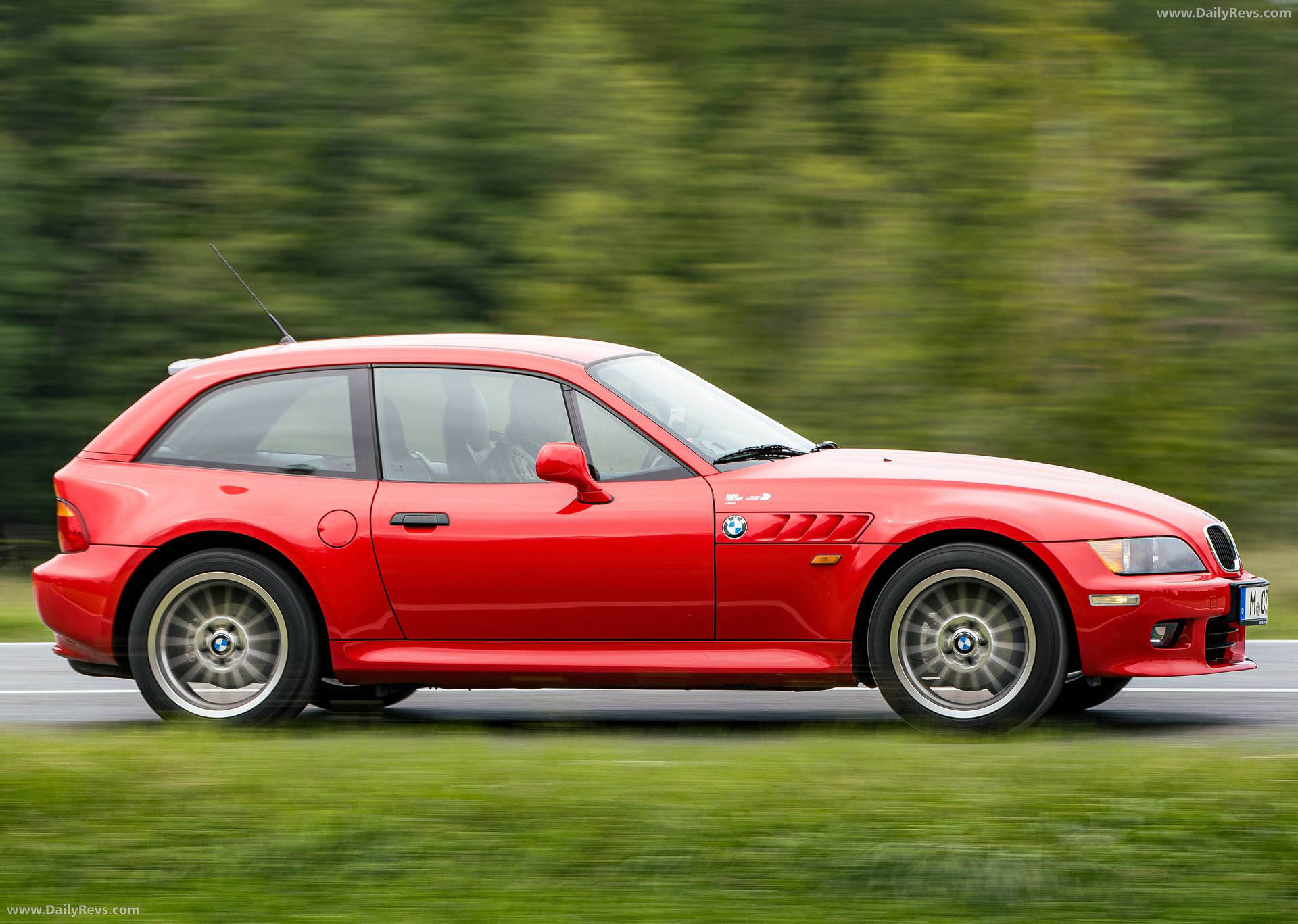
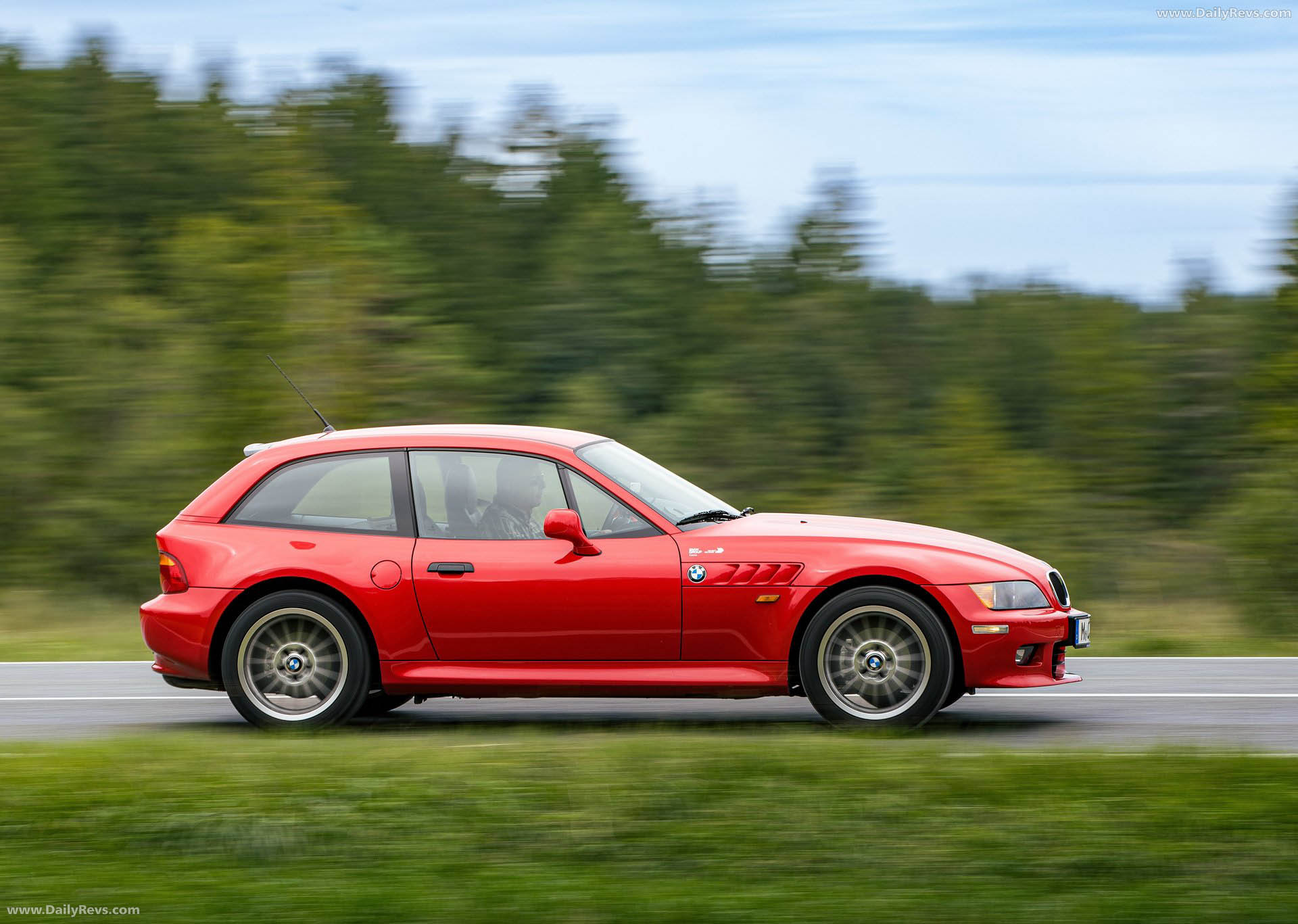
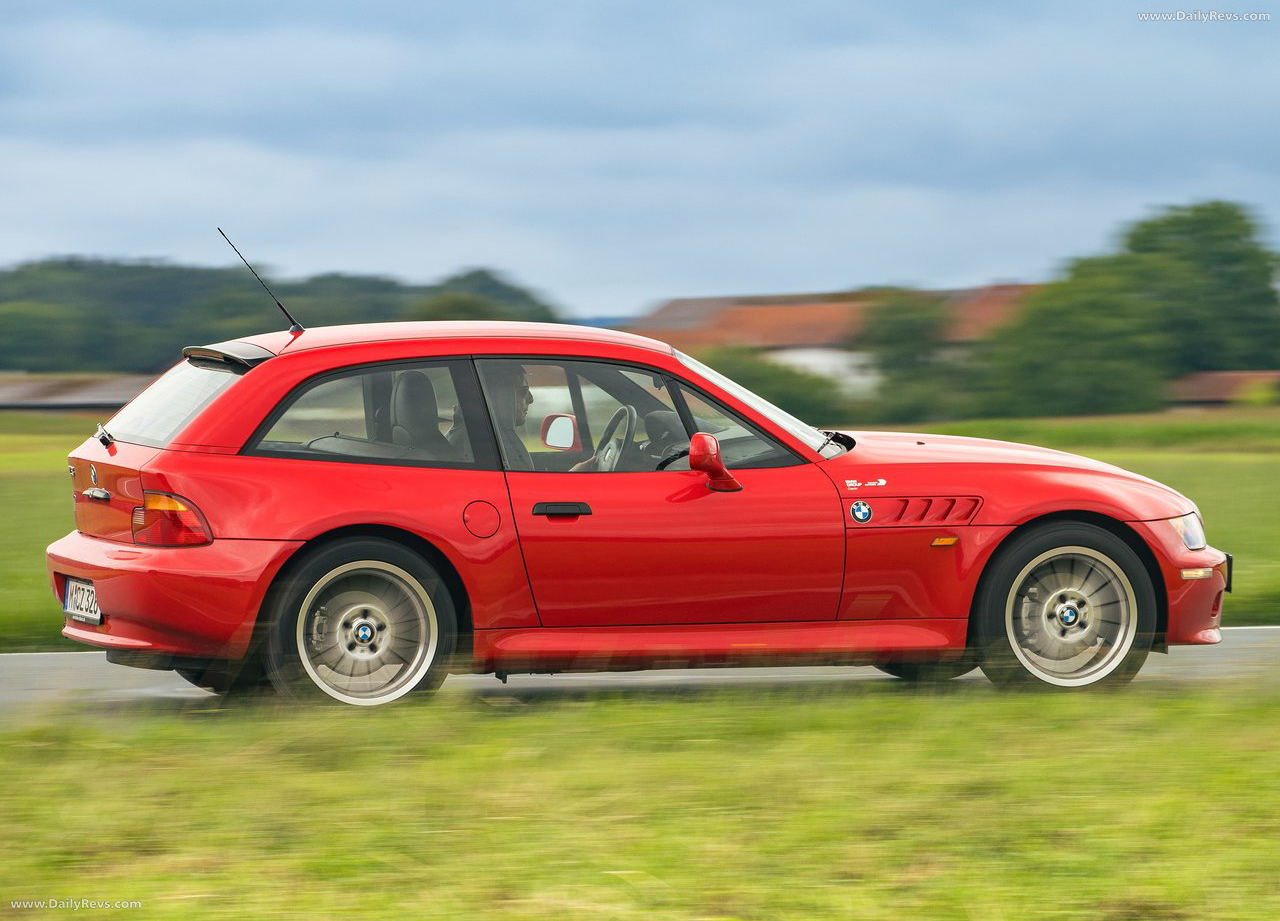
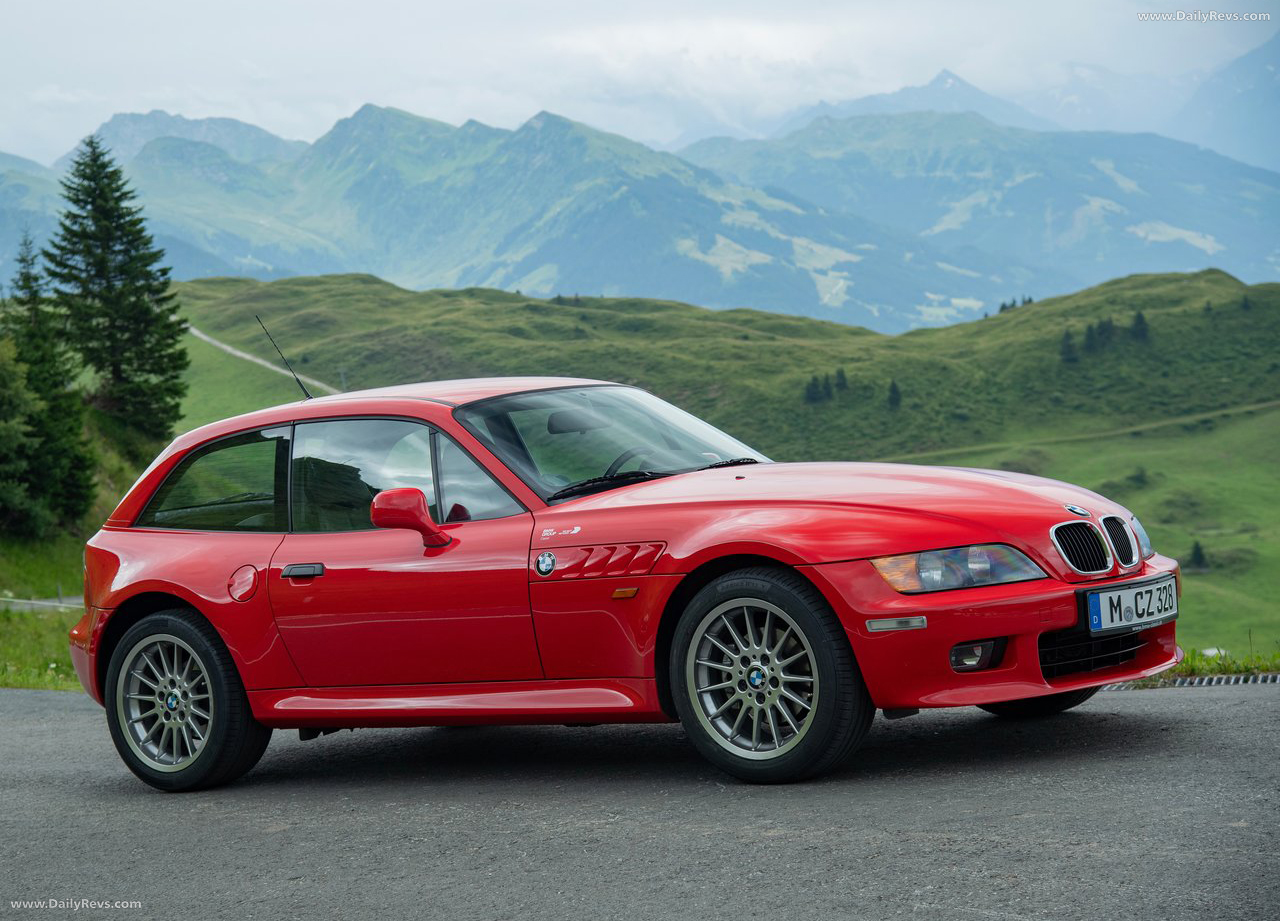
BMW never treated the Z3 Coupe as a roofed roadster. From the windshield rearward, the 1999 BMW Z3 Coupe 2.8 becomes an entirely different object. The proportions are compact and unapologetic, with muscular rear haunches swelling over a wide track before tucking sharply into distinctive rear-quarter windows. The result is a shape that reads instantly as deliberate, even confrontational, and one BMW expected to divide opinion.
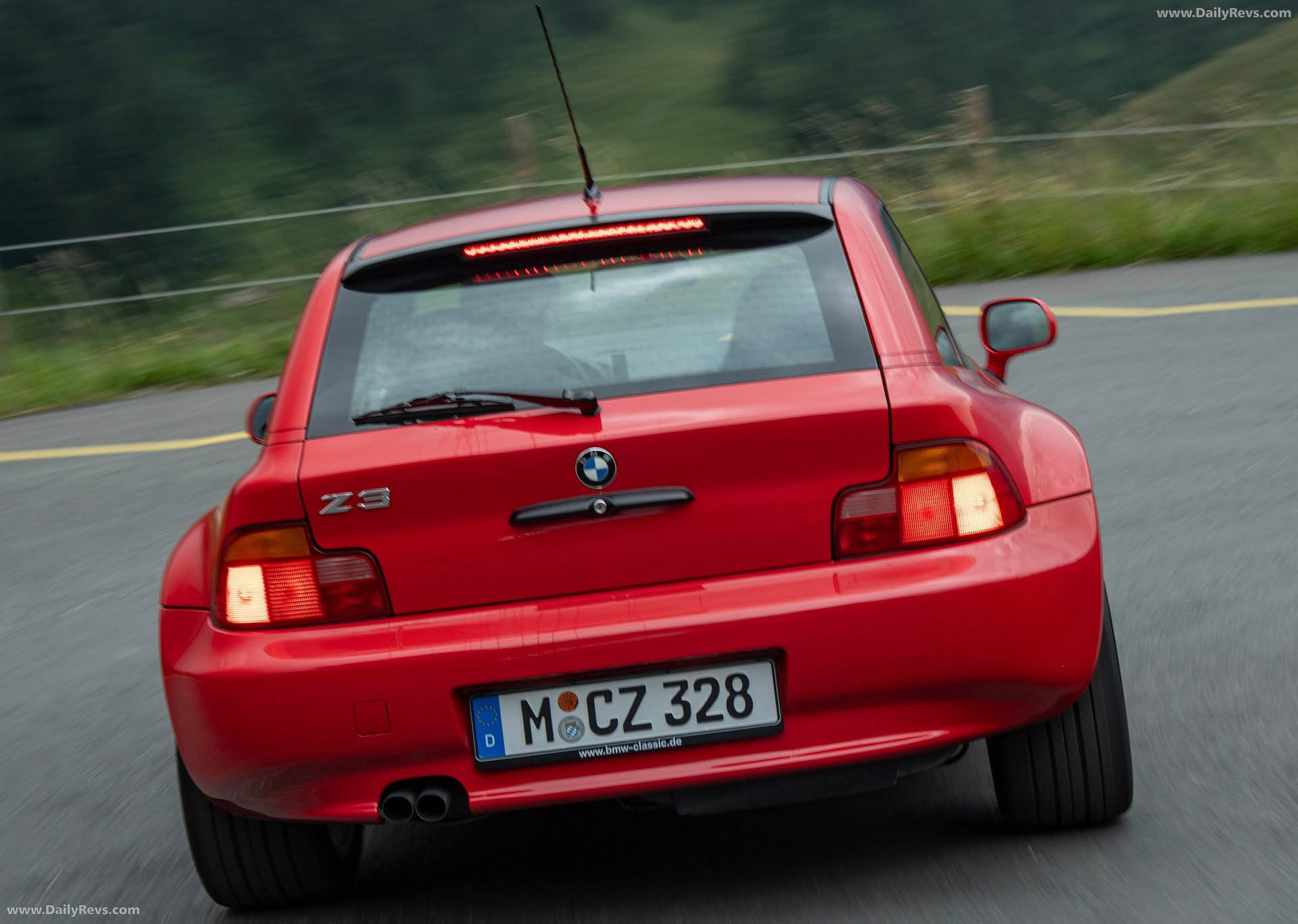
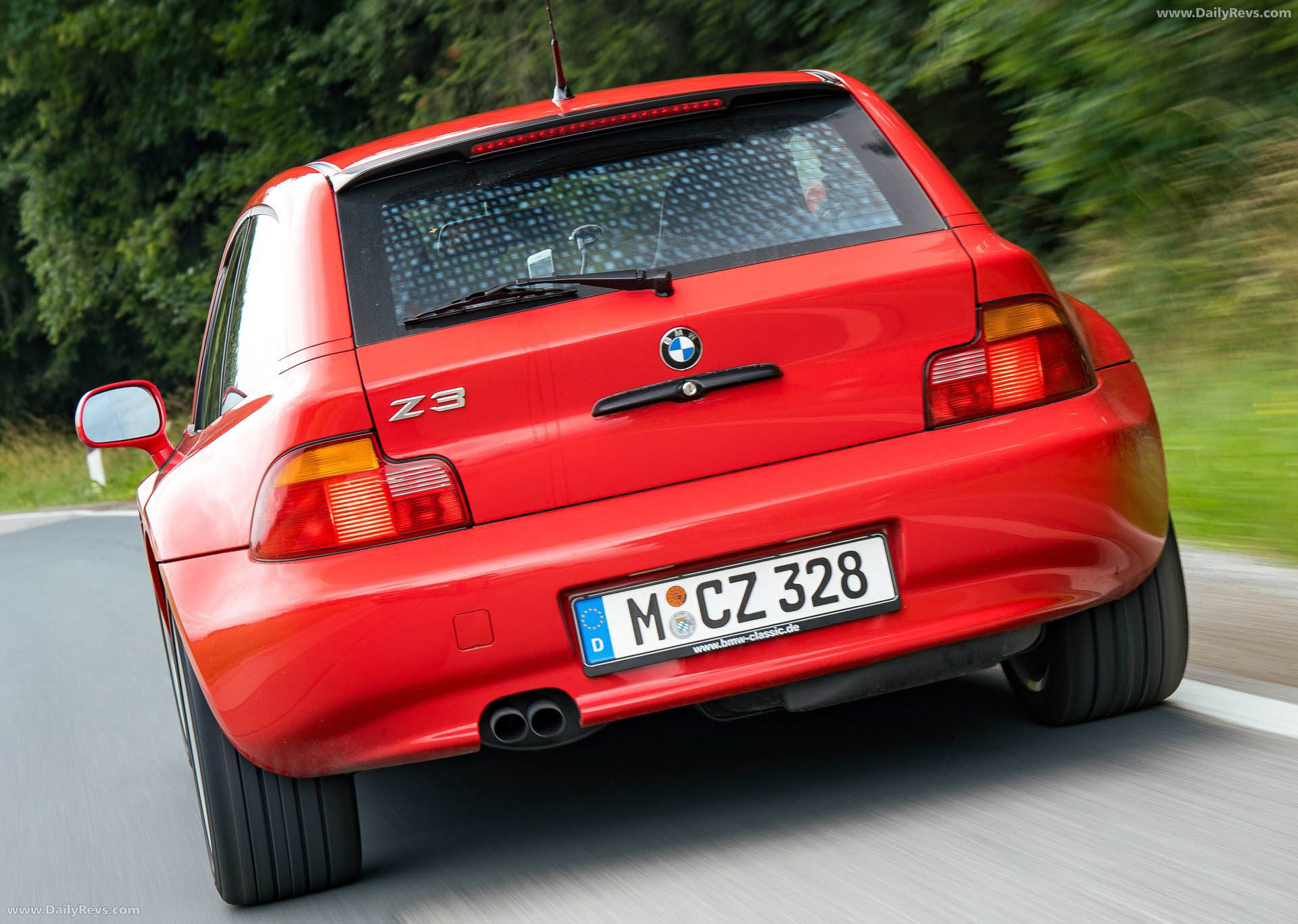
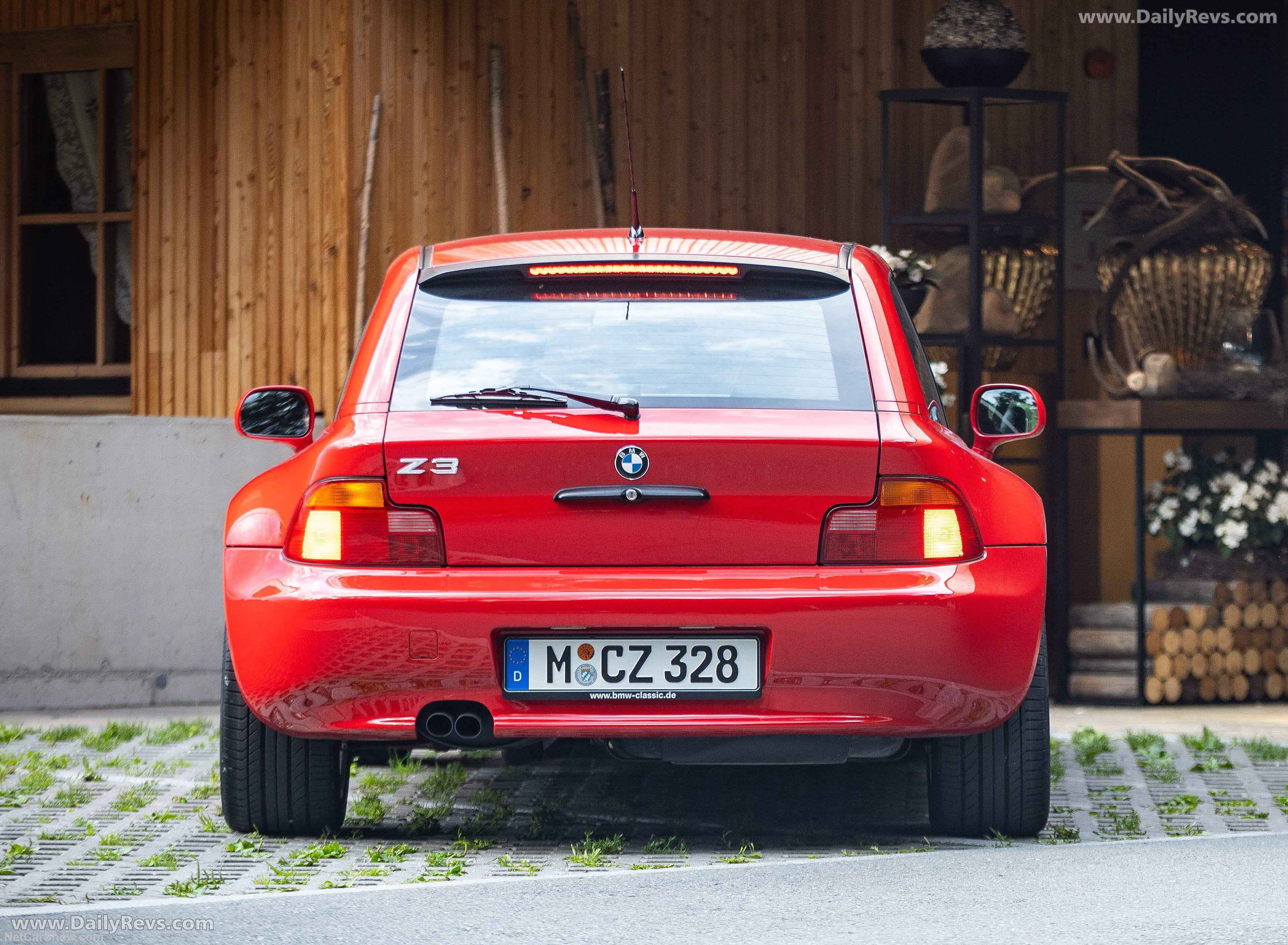
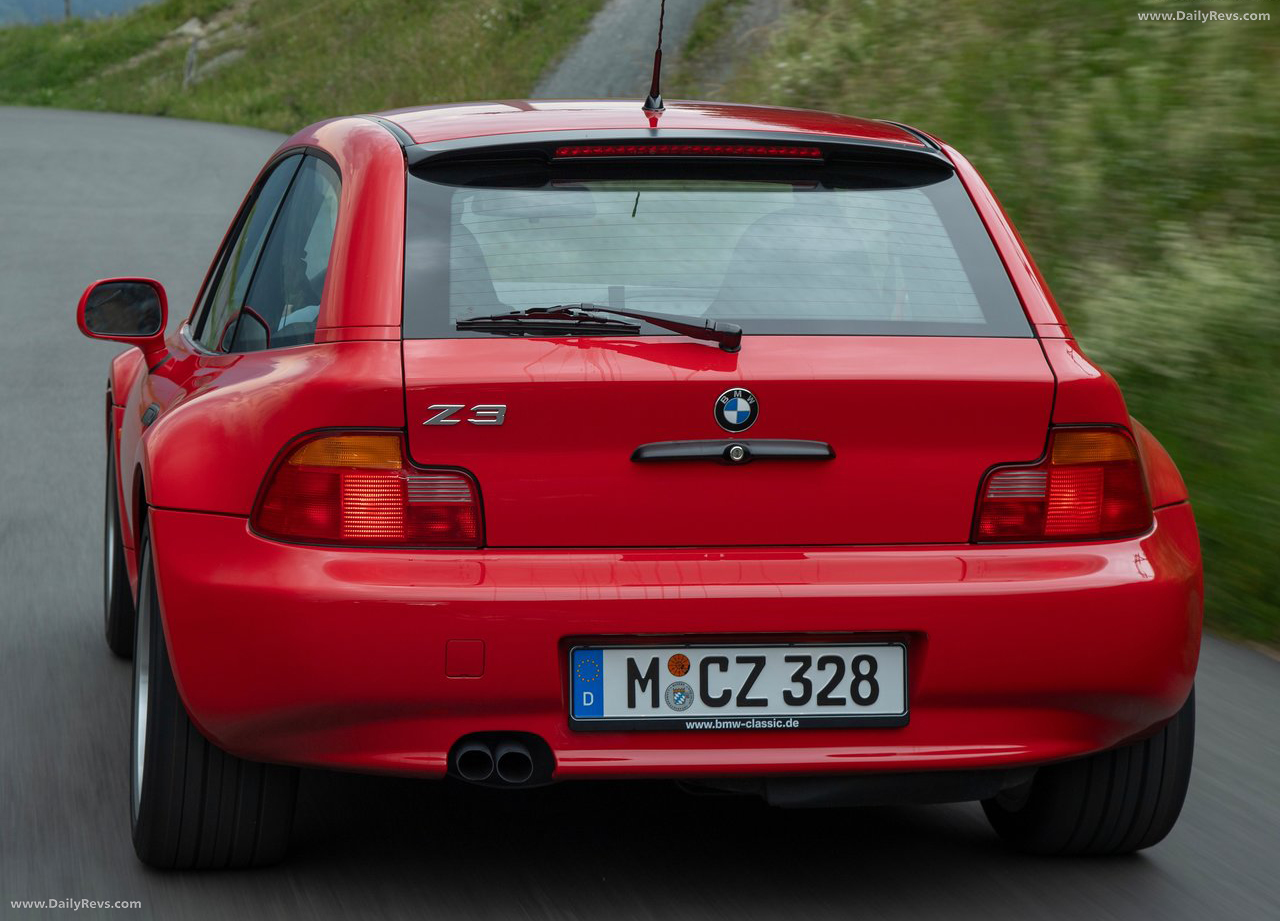
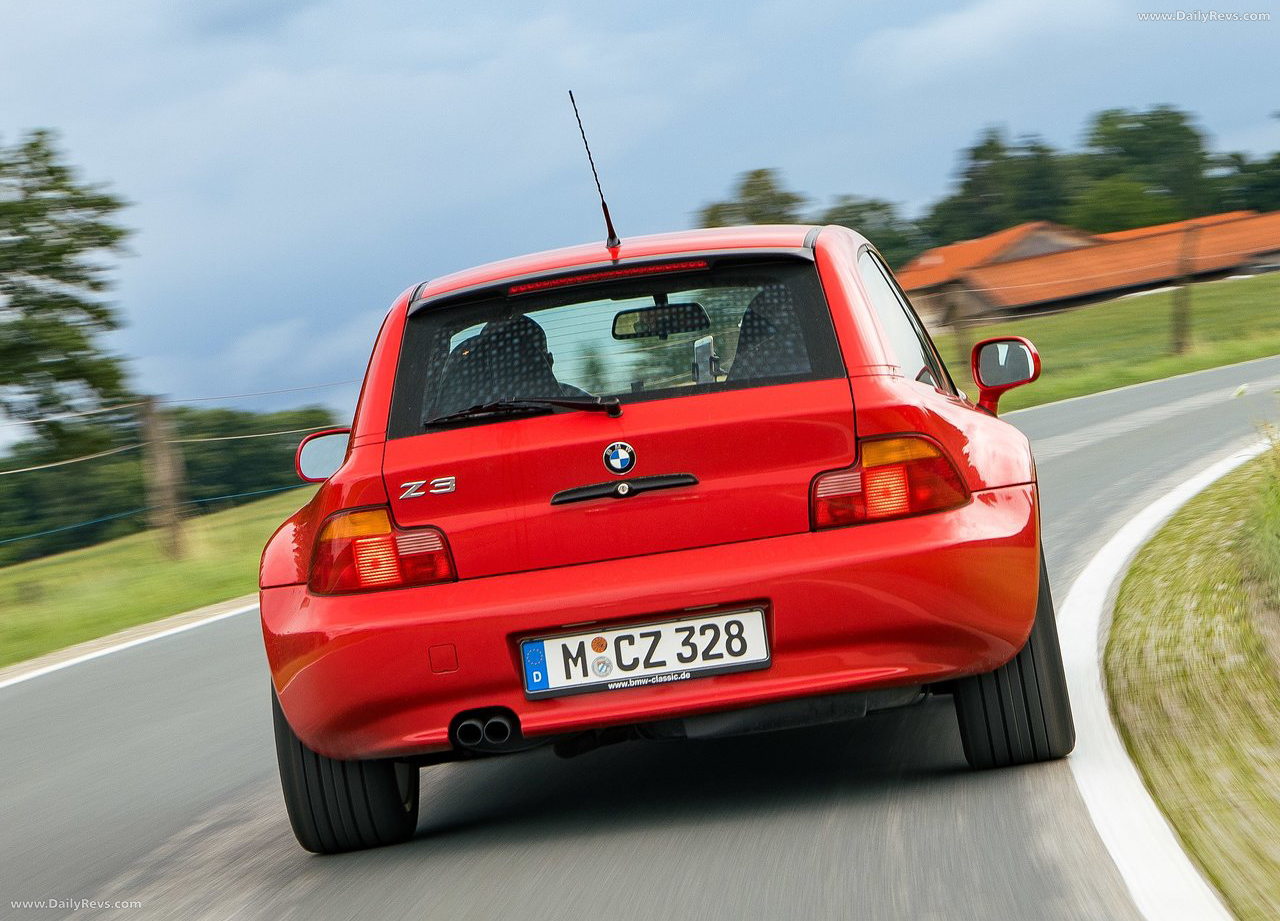
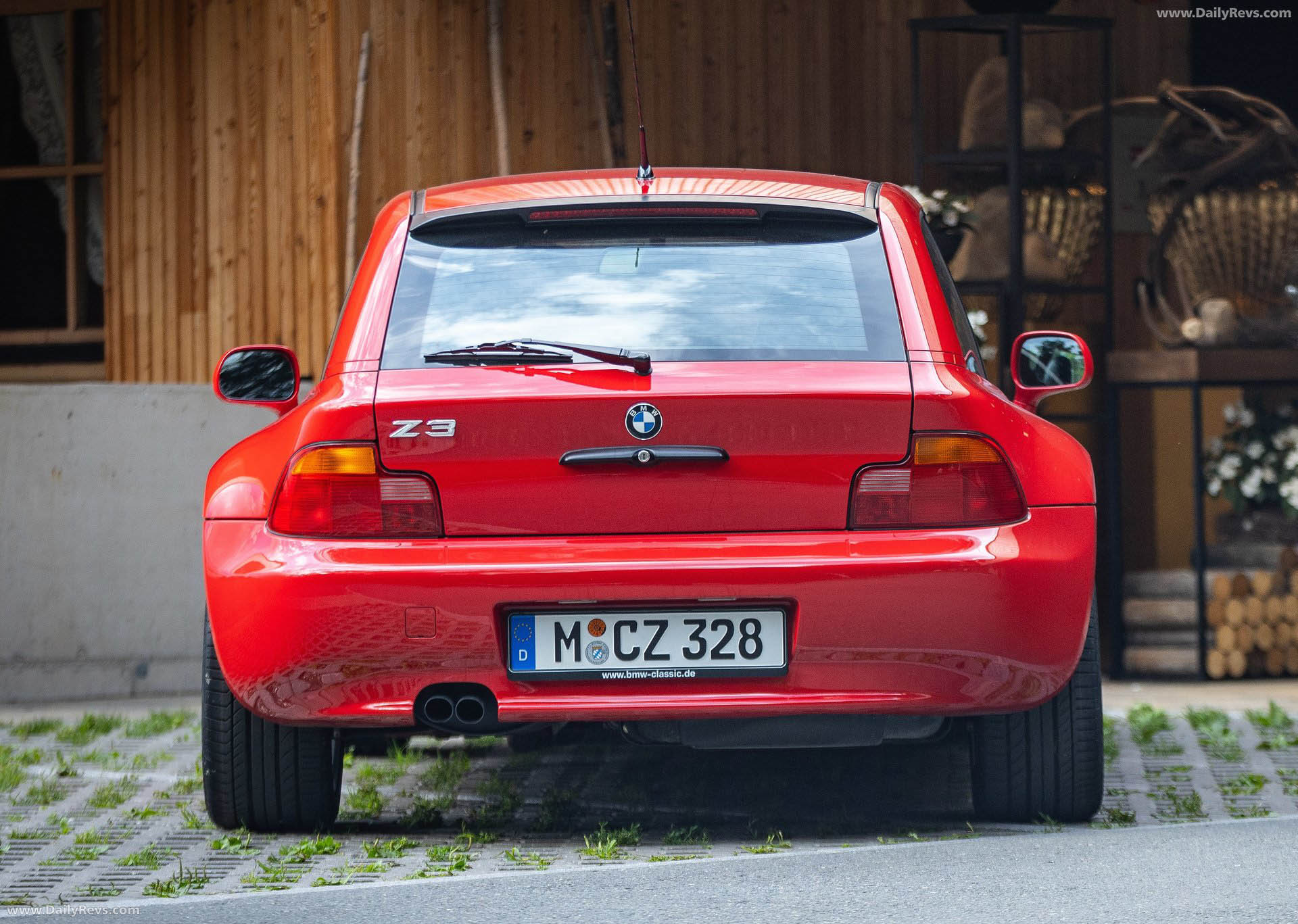
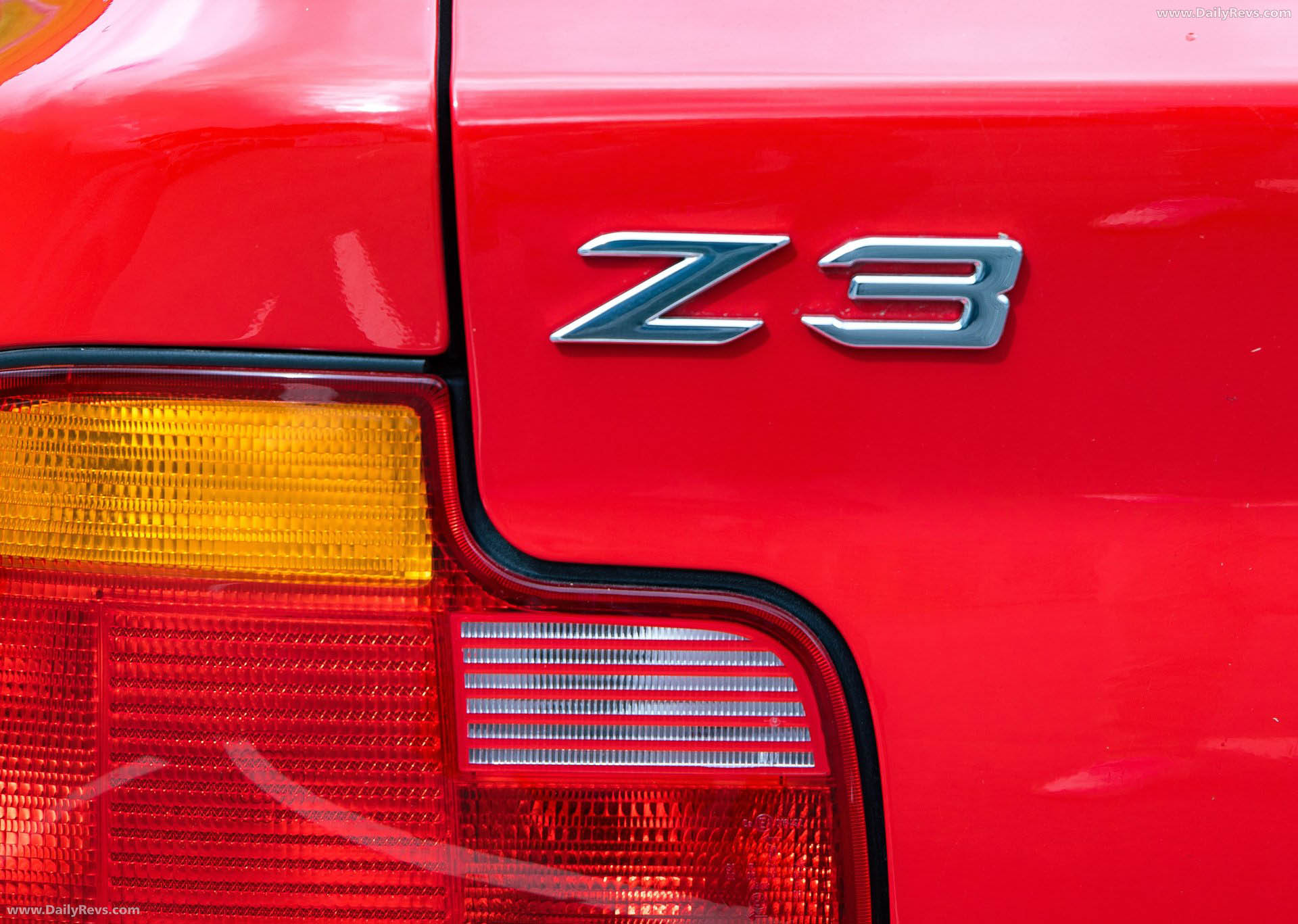
At the back, the form is unusually complex for a car of this size. The roofline ends at a rear hatch topped by an integrated spoiler and LED third brake light, with a secondary spoiler subtly formed into the bodywork below. L-shaped taillights specific to the coupe complete a rear view that emphasizes width and stance rather than elegance.
Compact proportions with a functional edge
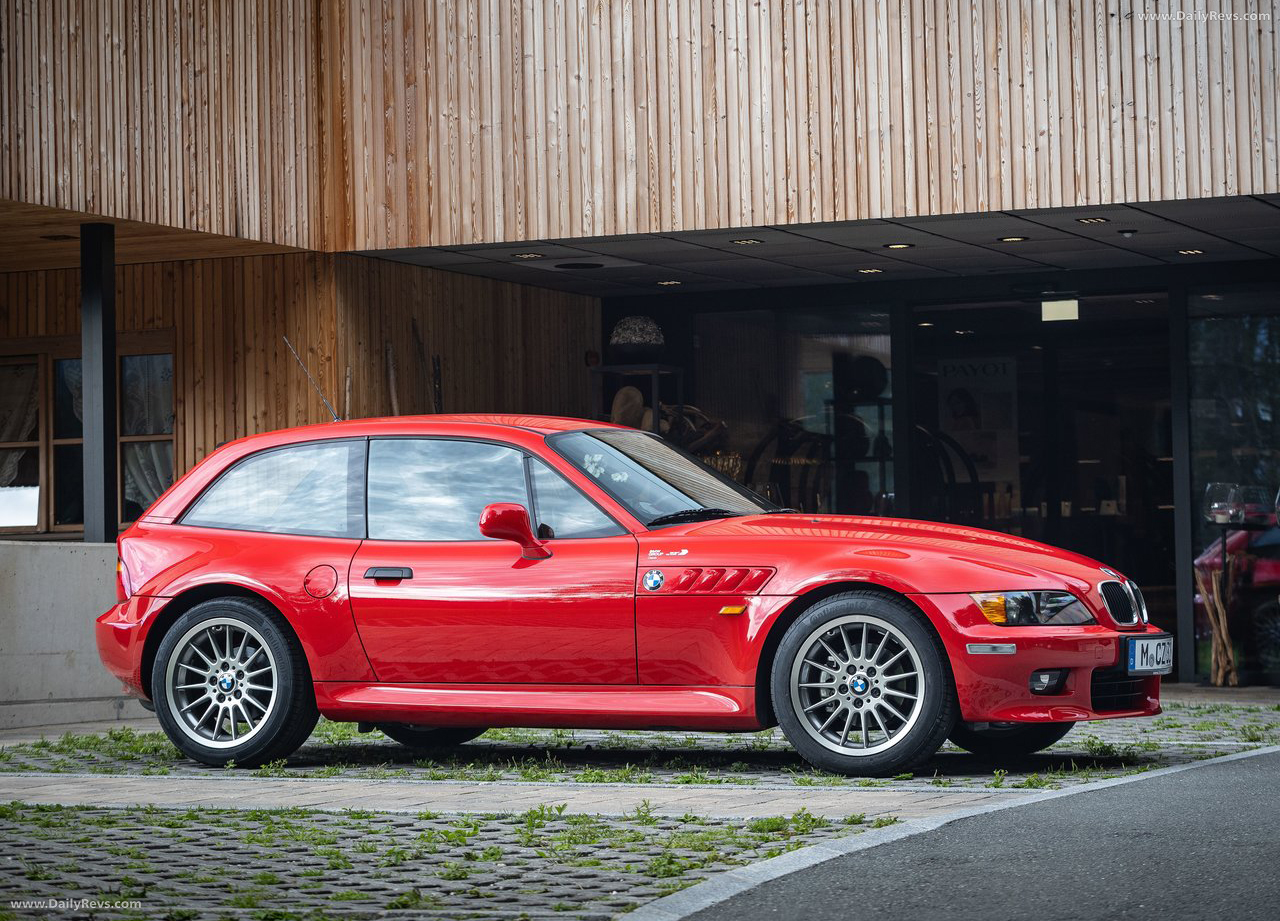
The Z3 Coupe’s stance is tight and purposeful. Wide rear tires sit under pronounced arches, visually anchoring the car to the road. Frameless doors retain BMW’s signature refinement, with windows that automatically drop slightly when the handle is pulled, ensuring consistent sealing and low wind noise when closed. It is a small detail, but one that reinforces the coupe’s premium intent.
An optional glass tilt roof panel, larger than a typical moonroof, adds headroom without diluting the closed-cabin feel. It is one of several touches that separate the coupe from the broader Z3 range.
A cabin shaped around the journey
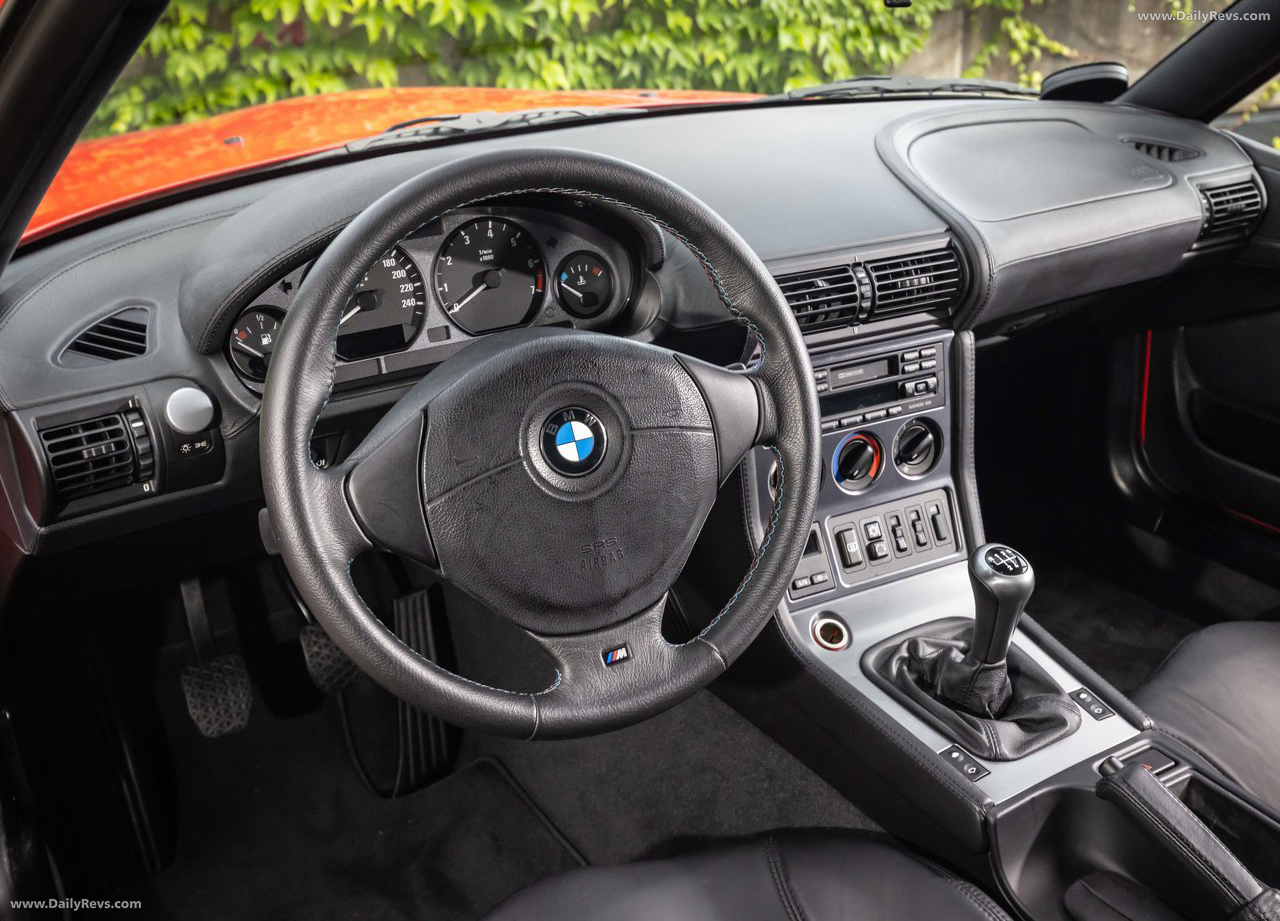
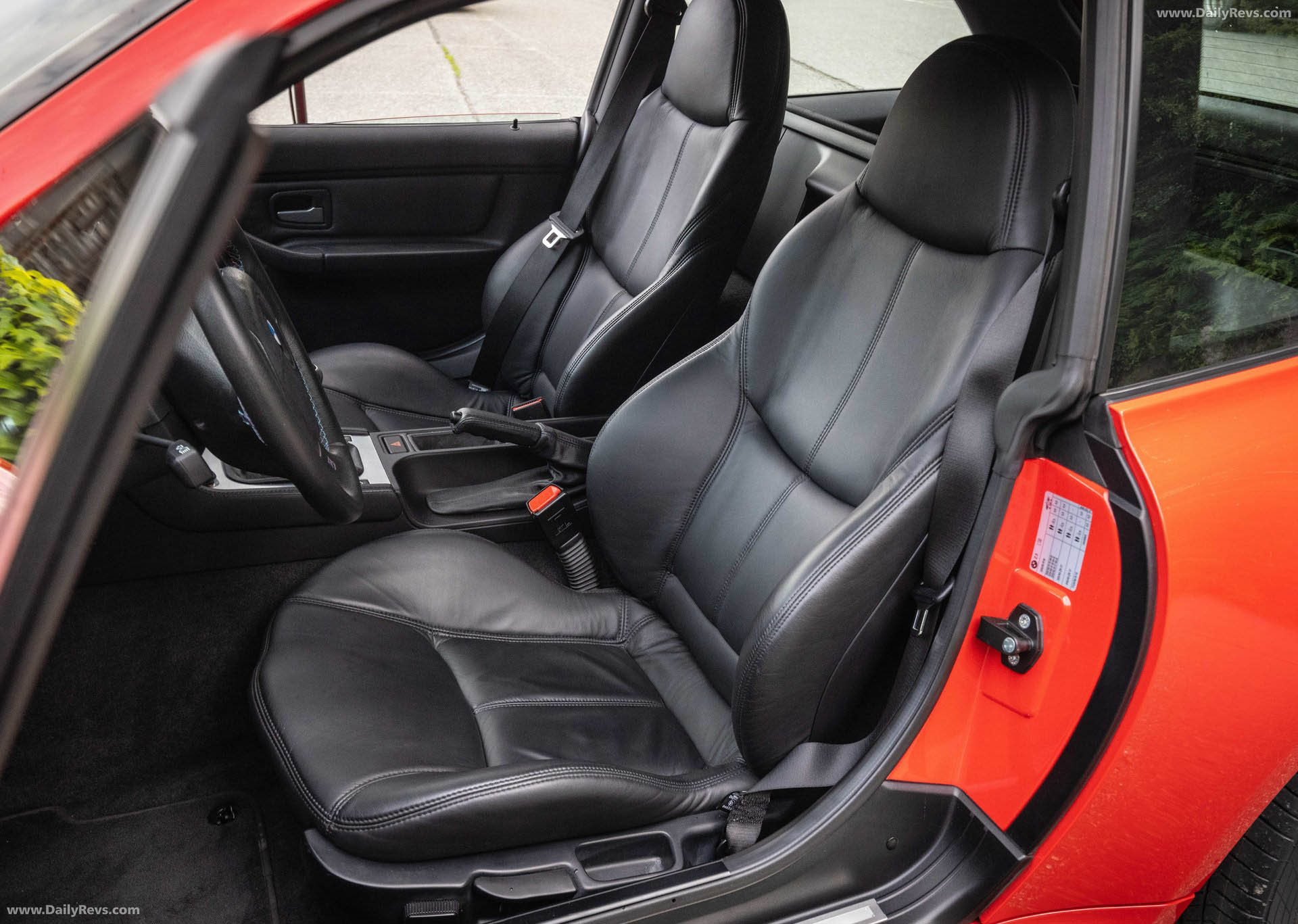
Inside, the Z3 Coupe 2.8 remains resolutely a two-seater. BMW avoided any suggestion of rear seating, instead shaping the space behind the seats into a genuine cargo area accessed via the rear hatch. Finished in the same carpeting as the cabin, it is sized for real use, including the ability to carry two full-size golf bags
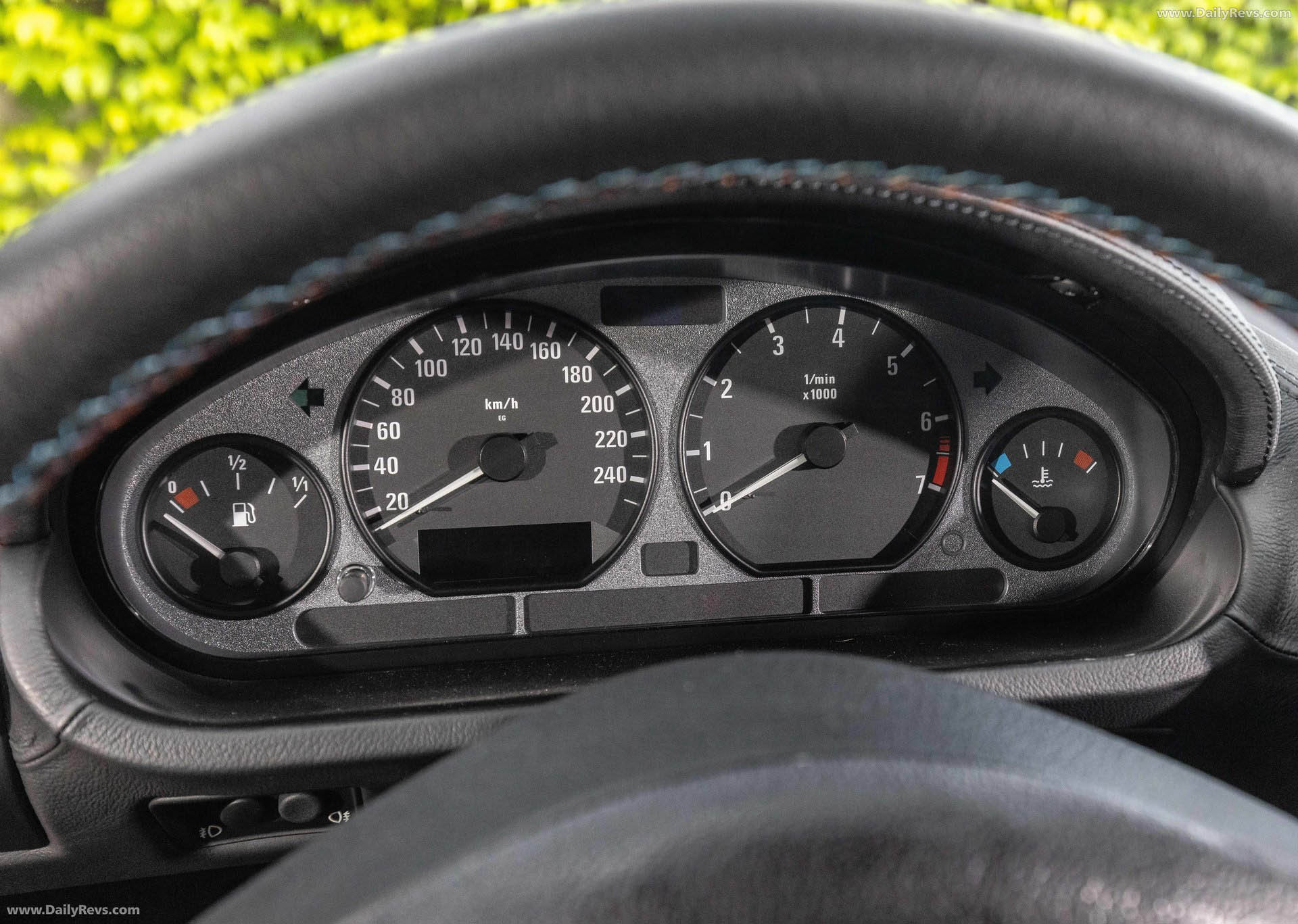
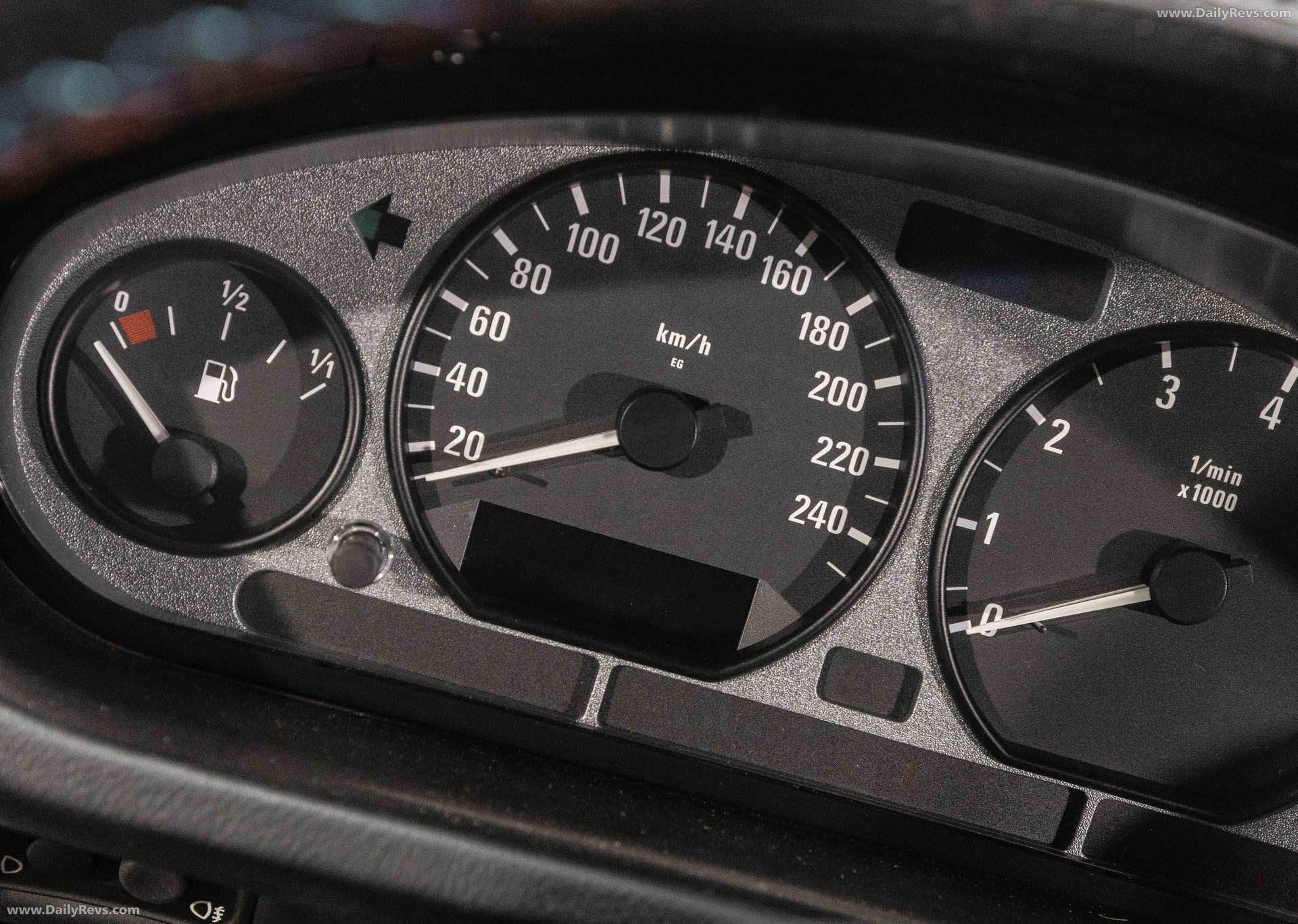
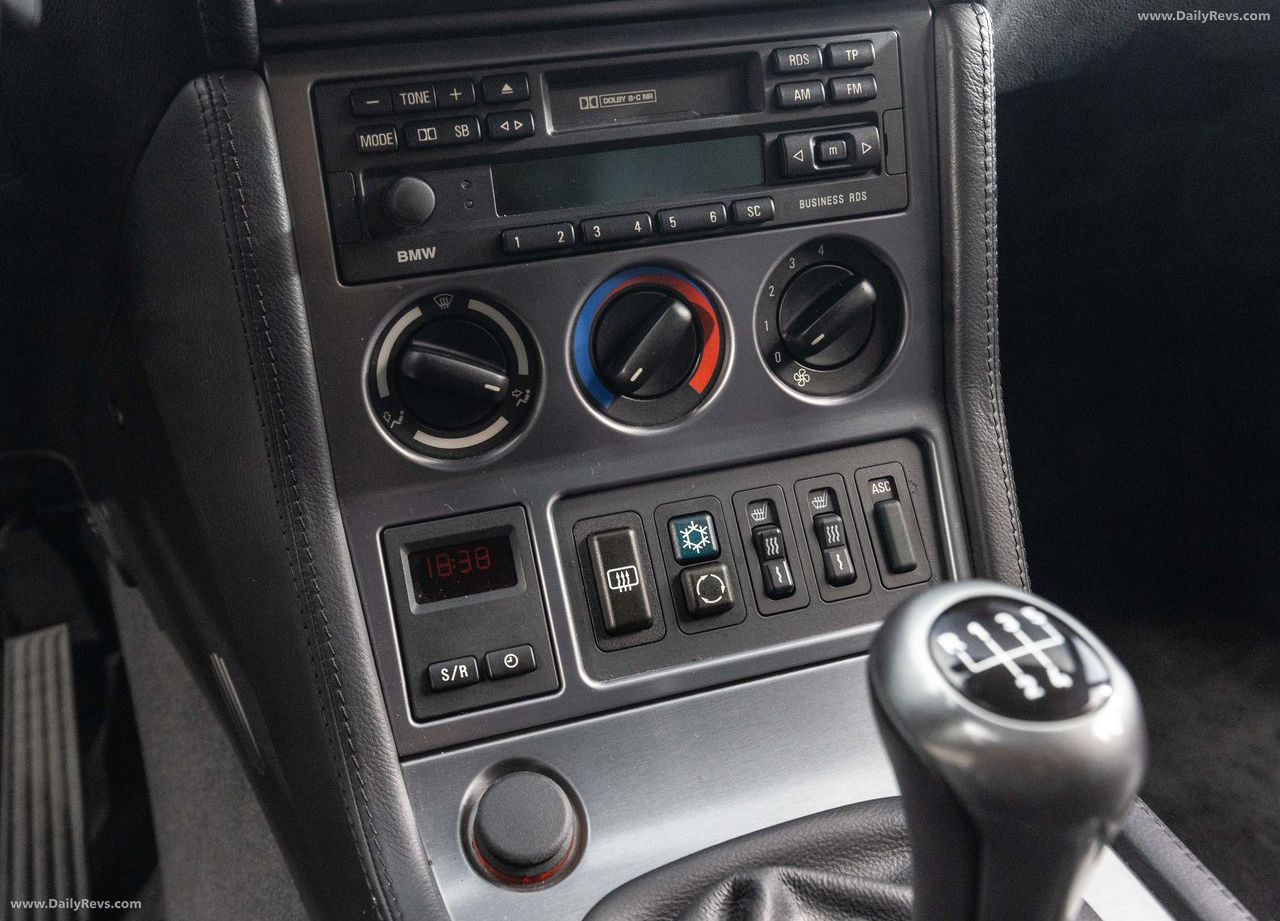
Optional aluminum-look trim gives the interior a more technical edge, appearing across the console, steering wheel spokes, and instrument panel surround. The overall atmosphere is intimate and functional, with little excess beyond what serves the driver and passenger.
Rigidity as a performance advantage
Underneath the striking bodywork lies the Z3 Coupe’s defining technical trait. BMW engineers describe it as the most rigid body the company had produced at the time. Derived from the already reinforced Z3 roadster structure, the fixed roof further increases torsional rigidity to 16,400 Nm per degree, a figure that directly shapes the driving experience.
The closed body adds just 33 pounds over the roadster while shifting weight distribution slightly rearward, bringing balance closer to ideal.
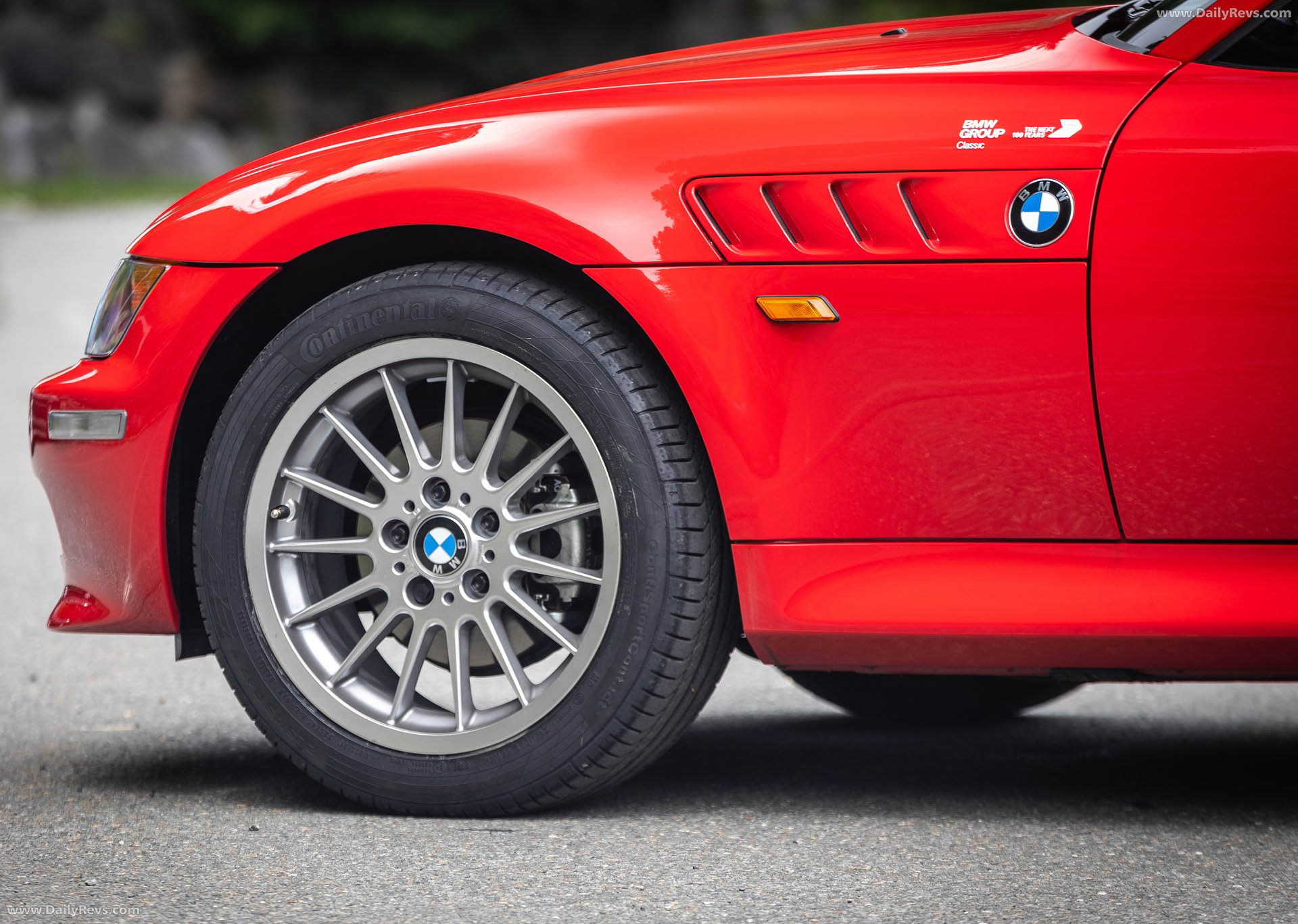
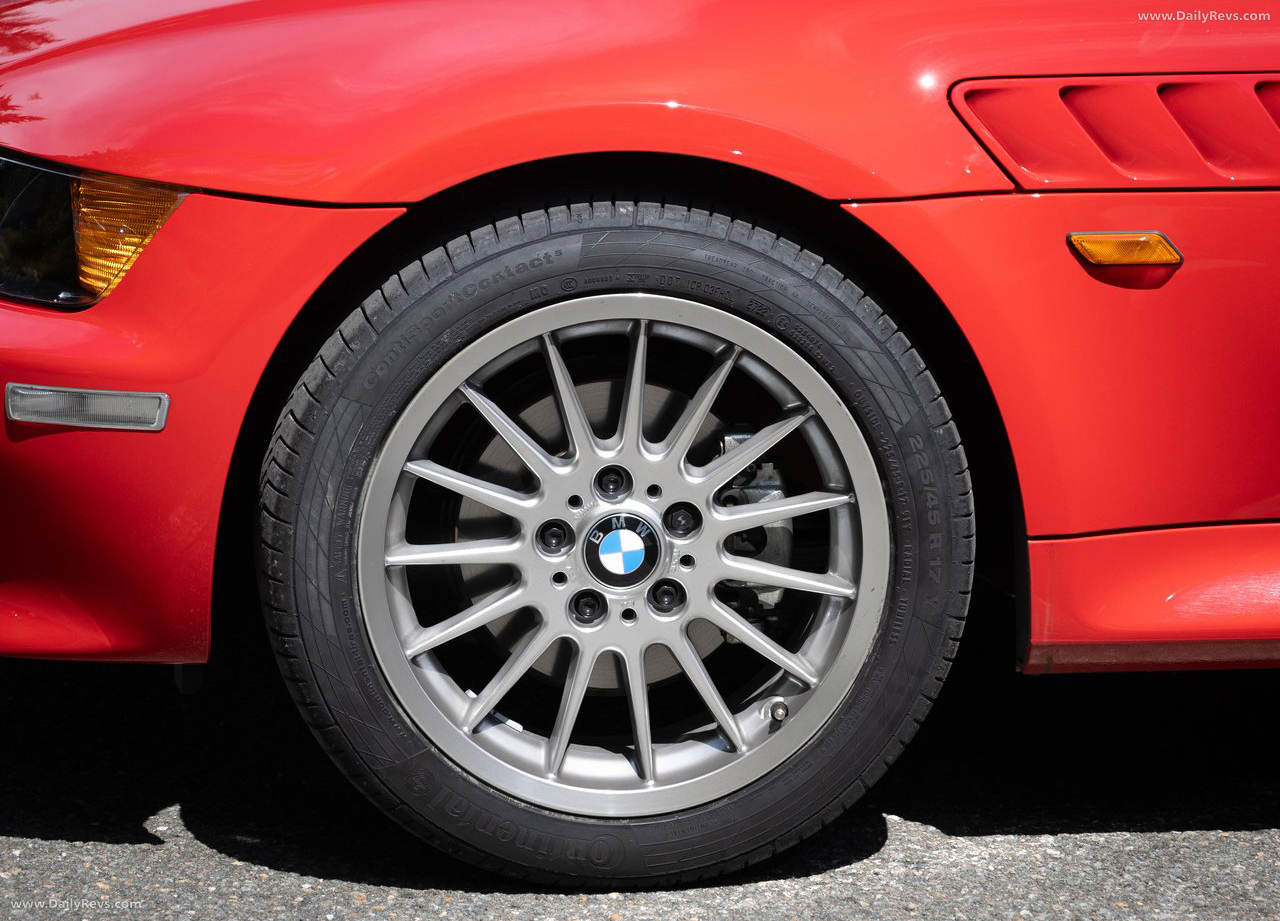
Standard 16-inch double-spoke wheels are exclusive to the coupe, with optional 17-inch wheels offering staggered sizing front to rear. The effect is a car that feels compact, alert, and unusually cohesive for its era.