

1995 Ford GT90 Concept
By Lorenzo Bianchi July 22, 1995
Ford’s GT90 concept stunned audiences with V12 power and wild geometry.
It previewed design tech that would influence future supercars.
The 1995 Ford GT90 Concept still feels like science fiction made real.
A Dream, Not a Prototype
Some concept cars look like they might reach production with a few tweaks. The 1995 Ford GT90 Concept was not one of those cars.
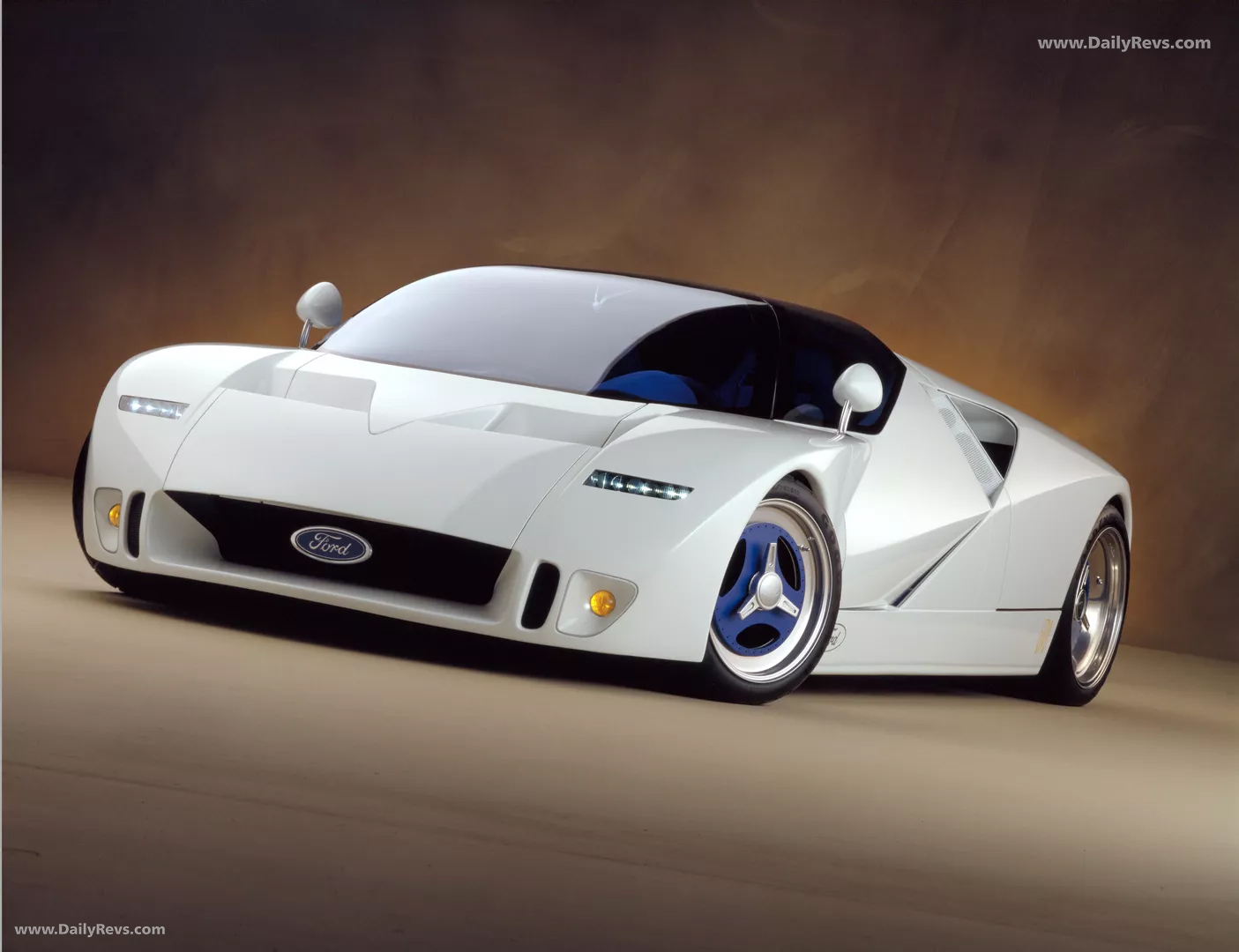
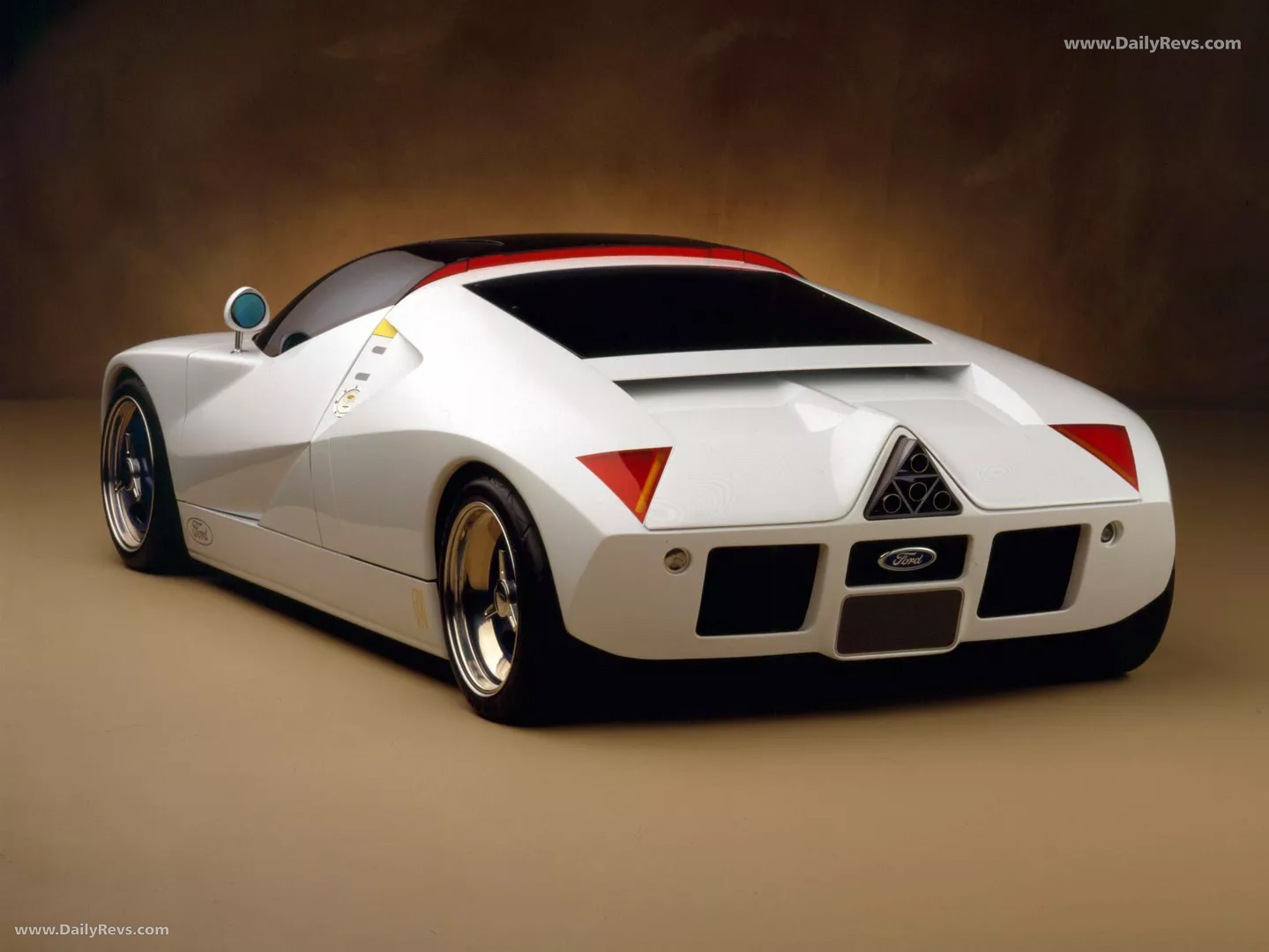
Dropped like a moon rock onto the Detroit Auto Show floor, the GT90 wasn’t a hint at Ford’s future. It was a hallucination on wheels—an angular, V12-powered experiment that screamed jet fighter more than GT car. Built as a technical and design flex, the GT90 had no predecessor and no successor. And yet, nearly three decades later, it still haunts the imagination.
New Edge, to the Extreme
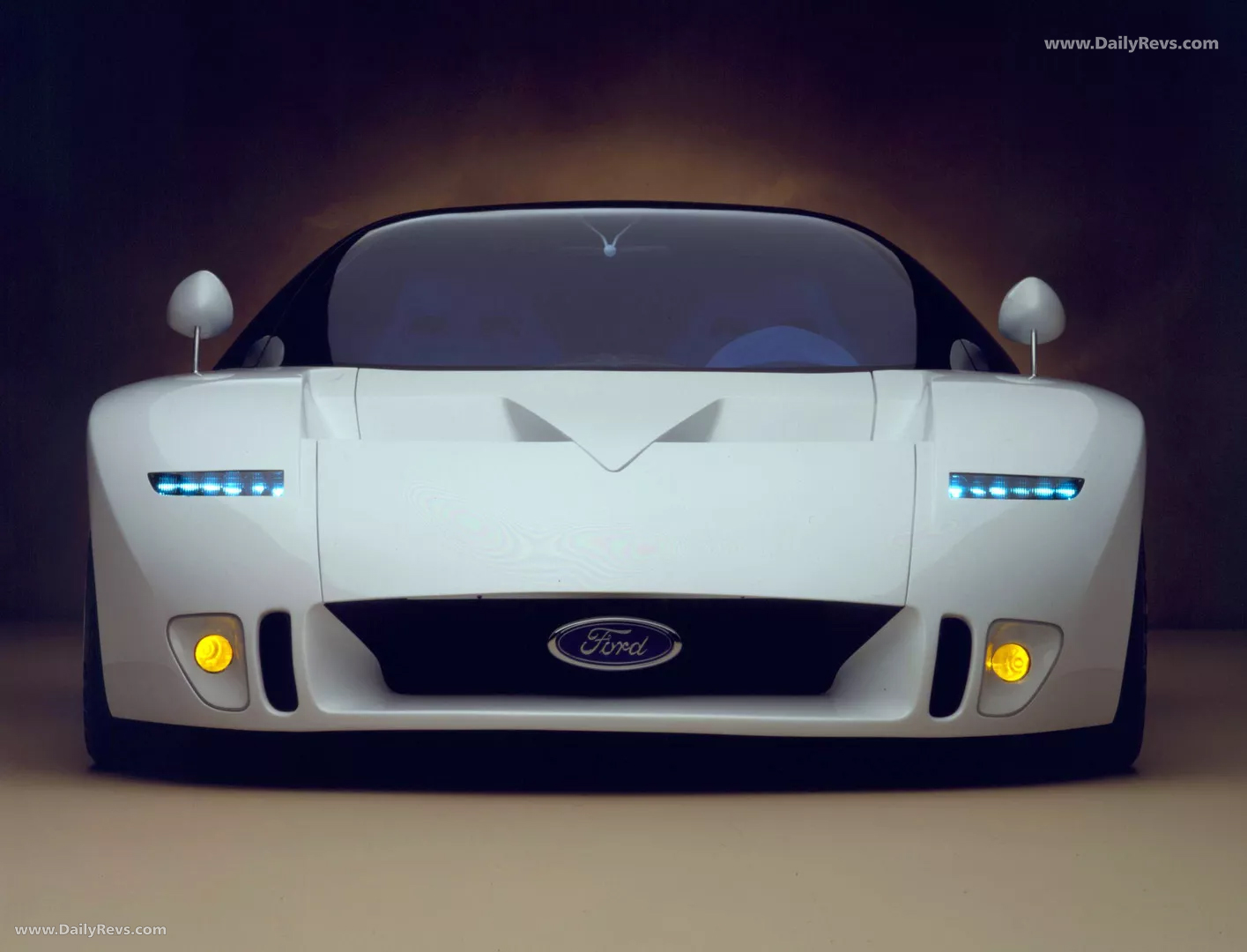
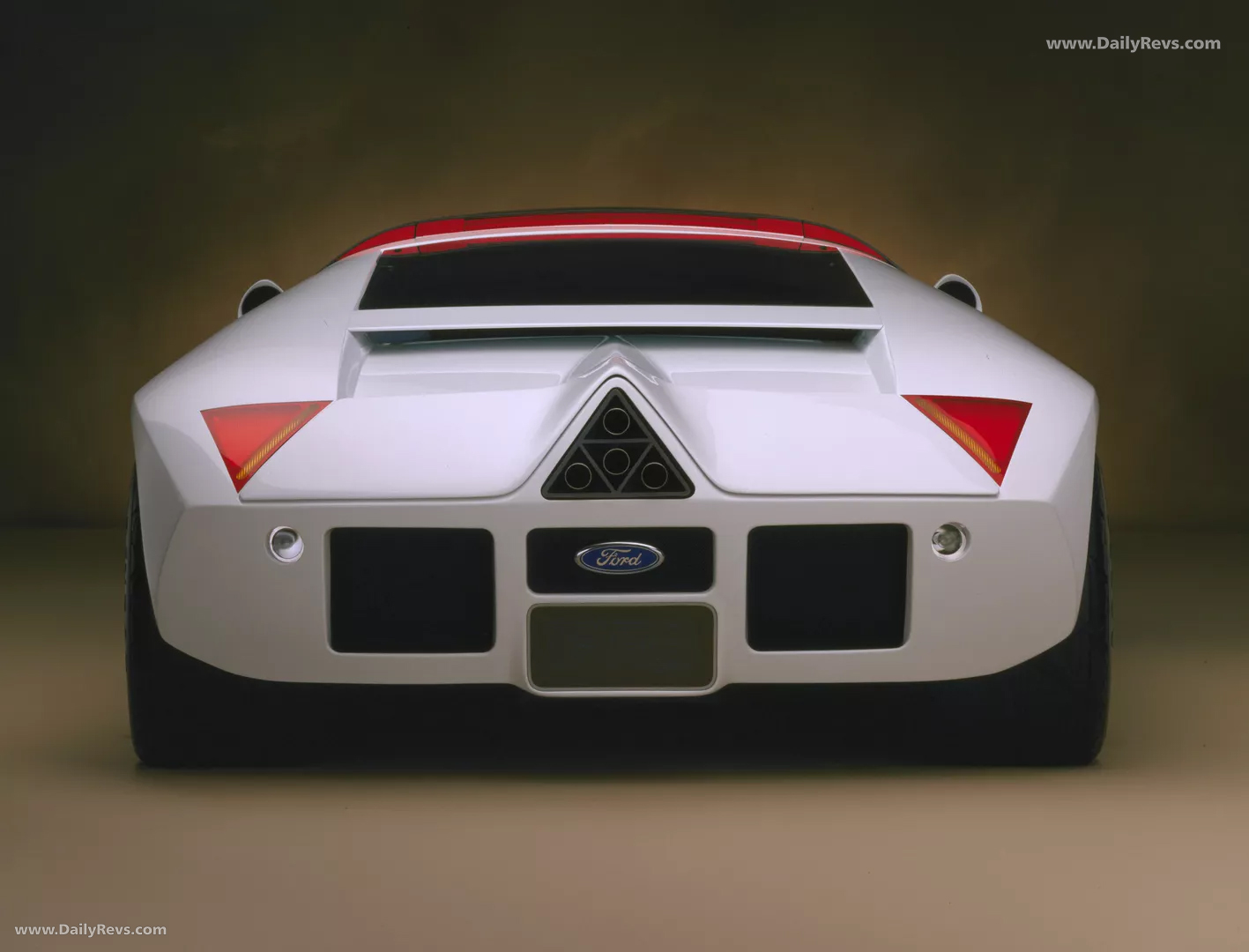
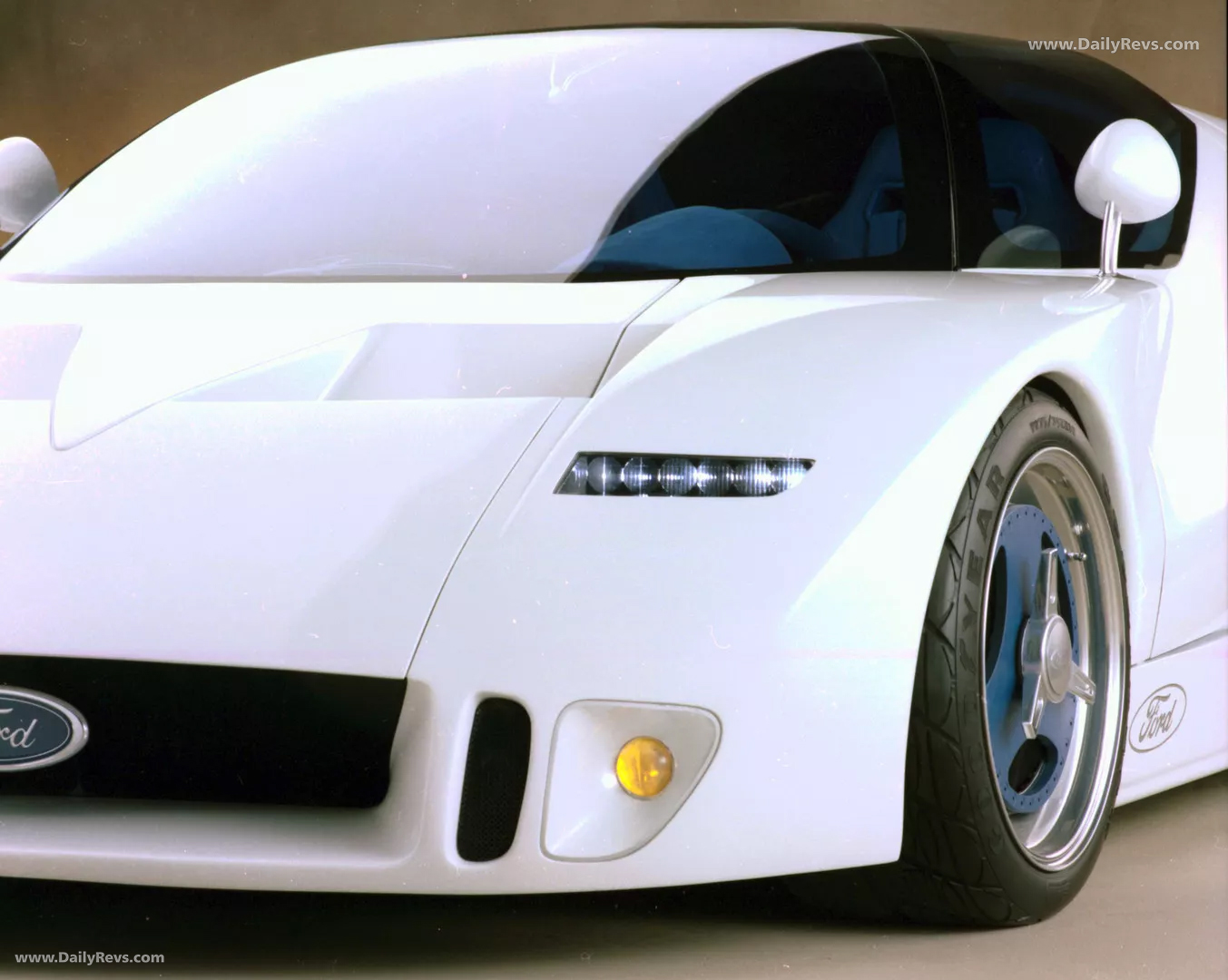
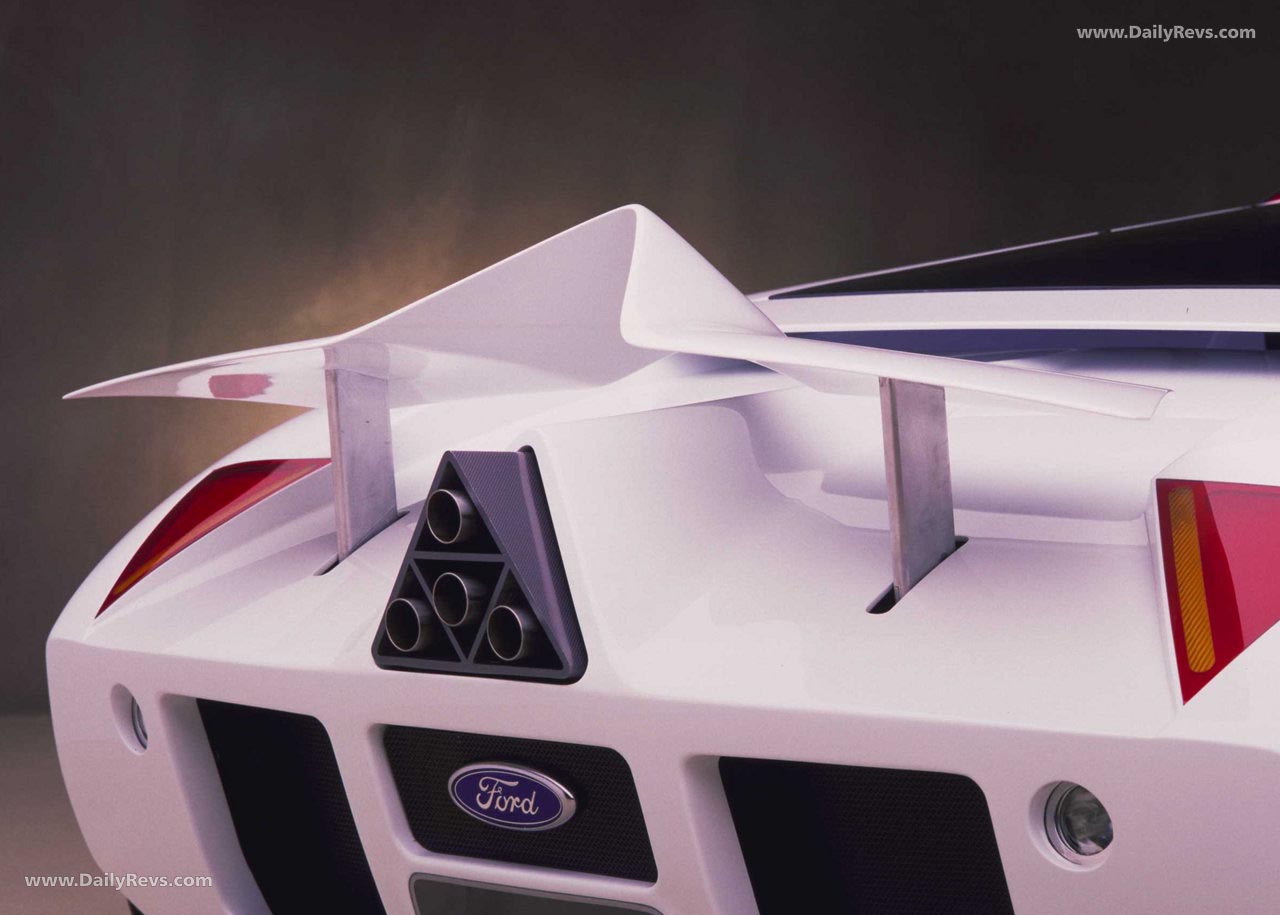
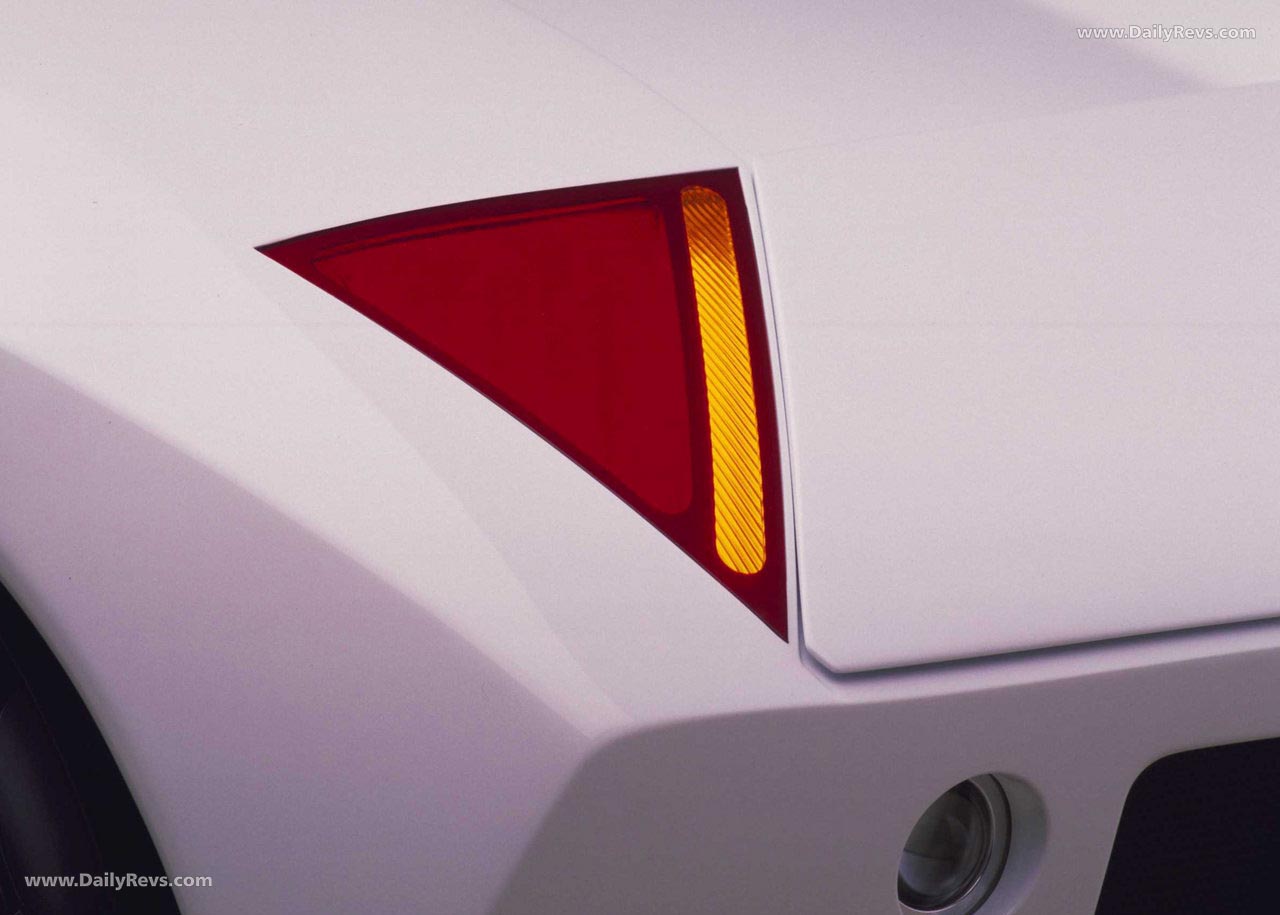
It all started with Ford’s “New Edge” design language—remember that phrase? This was its earliest, loudest expression. Triangles everywhere. Not just stylistic, but structural. The bodywork intersected with crisp lines and geometric voids, as if designed with a ruler and a thrill for risk. The hood sloped downward like a stealth bomber’s fuselage. The glass canopy, surprisingly airy, was framed in aluminum and sat low over the driver, who was tucked deep into the cabin like a pilot waiting for afterburners.
A Quad-Turbo V12 Monster
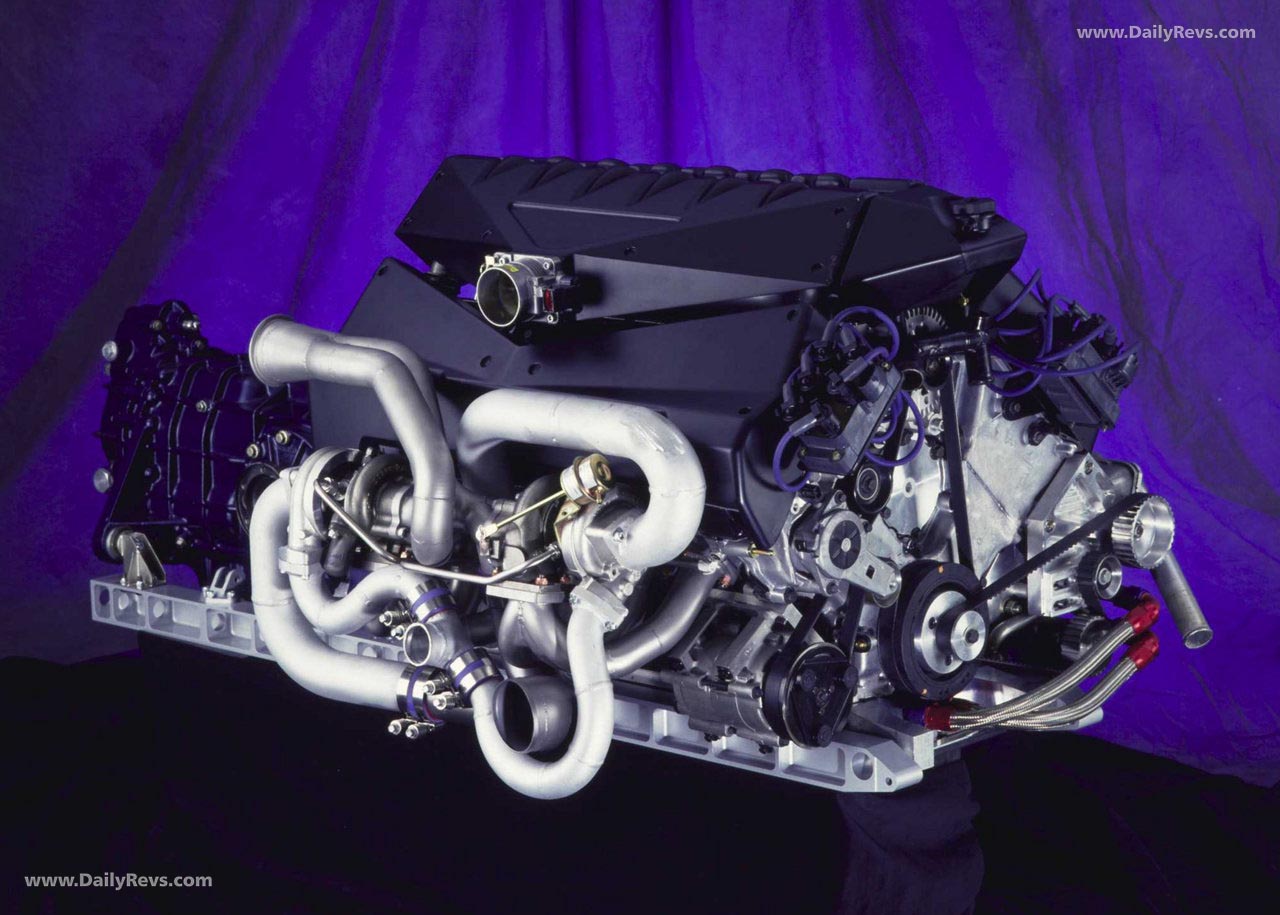
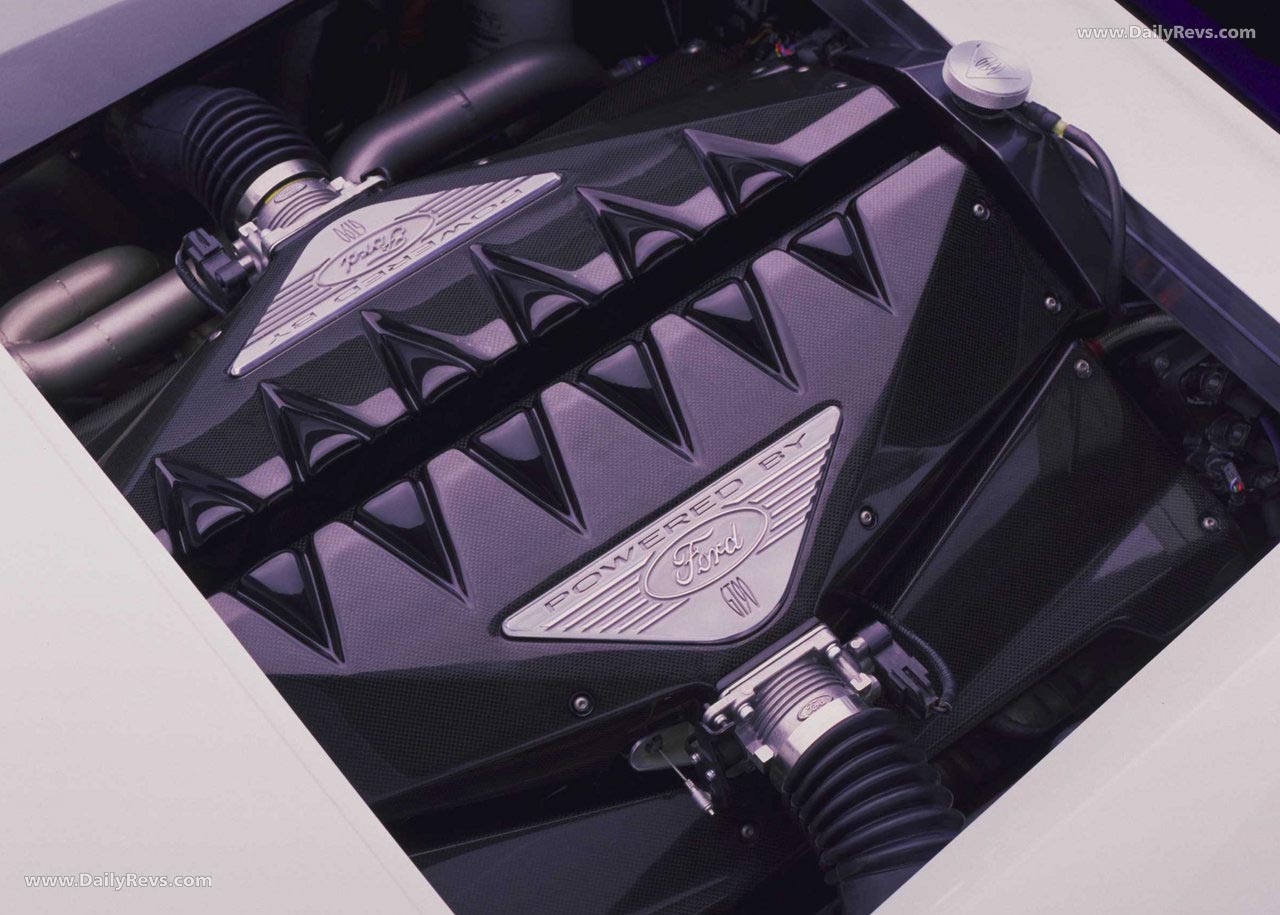
Underneath that wild skin sat an even wilder idea: a 6.0-liter quad-turbocharged V12 pumping out 720 horsepower and 895 Nm of torque. Built from two modular V8 blocks fused into one, the engine was a bespoke Frankenstein’s monster. It was paired with a 5-speed manual gearbox, all powering the rear wheels. Top speed? Theoretical 407 km/h. Ford said it could do it. Nobody got to find out.
At the time, it put the GT90 squarely in the realm of Ferrari’s F50, Jaguar’s XJ220, and even Bugatti’s EB110. But the Ford didn’t just compete—it showed up looking like the concept sketch those others were based on.
The Interior: Space-Age But Subtle
Inside, things were more subdued but still futuristic for the mid-‘90s. White leather, floating controls, digital readouts—it wasn’t luxury, but a space shuttle simulator dressed up for an auto show.
A Legacy of Ideas, Not Production
Of course, the GT90 never made it to production. It was a one-off, fully drivable but far from road legal. What it did was pave the way for future experimentation. The design language would evolve into elements seen on later Ford models, while the confidence to produce something this radical gave birth—eventually—to the 2005 and 2017 Ford GTs.
Today, the GT90 lives on mostly in car geek lore and Forza Motorsport garages. But seeing those press photos again, you realize: Ford wasn’t trying to build the next supercar. They were trying to build the next idea of one.
And for a moment, in 1995, they got close.
Technical Specification
Performance
-
Power: 720 hp (537 kW) @ 6,300 rpm
-
Torque: 895 Nm (660 lb-ft) @ 4,750 rpm
-
0–60 mph (0–97 km/h): 3.1 seconds
-
Quarter Mile: 11.4 seconds @ 134 mph
-
Top Speed (claimed): 380–407 km/h (238–253 mph)
Body Measurements
-
Length: 4,470 mm (176 in)
-
Width: 1,963 mm (77 in)
-
Height: 1,140 mm (45 in)
-
Wheelbase: 2,946 mm (116 in)
-
Curb Weight: 1,451 kg (3,199 lb)
Powertrain
-
Engine Layout: Mid-mounted quad-turbocharged 5.9L DOHC V12
-
Valvetrain: 48-valve (4 per cylinder), redline at 6,300 rpm
-
Turbochargers: Four Garrett T2 turbo units
-
Transmission: 5-speed manual (sourced from the Jaguar XJ220)
-
Chassis: Aluminum-carbon fiber monocoque
-
Suspension: Double wishbones front and rear
-
Steering: Power-assisted rack-and-pinion
Capacities
-
Fuel System: High-performance fuel injection
-
Exhaust Heat Management: Ceramic tiles under the body (similar to NASA’s Space Shuttle)
-
Cooling System: Optimized for quad-turbo heat dissipation
Price
-
Estimated Development Cost (1995): Approximately $3 million USD
-
Estimated Concept Value: Roughly $150,000 USD at the time (non-sale unit)