


1991 BMW Nazca M12 by Ital Design
By Lorenzo Bianchi July 1, 1991
The 1991 BMW Nazca M12 by Italdesign brings a mid-engined V12 and razor‑sharp carbon‑fibre styling, feeling raw and real.
-
It packs a 5.0‑litre V12 with around 300 hp, weighs just over a tonne, and manages a stunning Cd of 0.26.
-
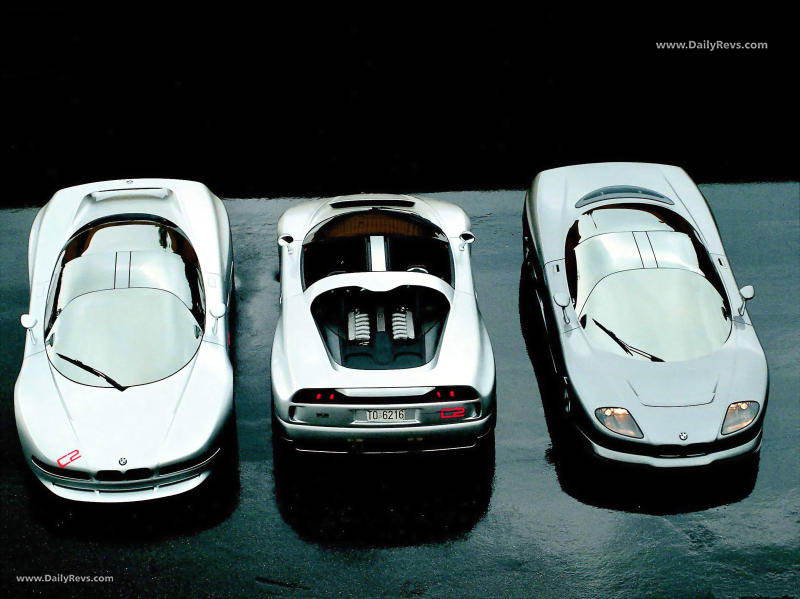
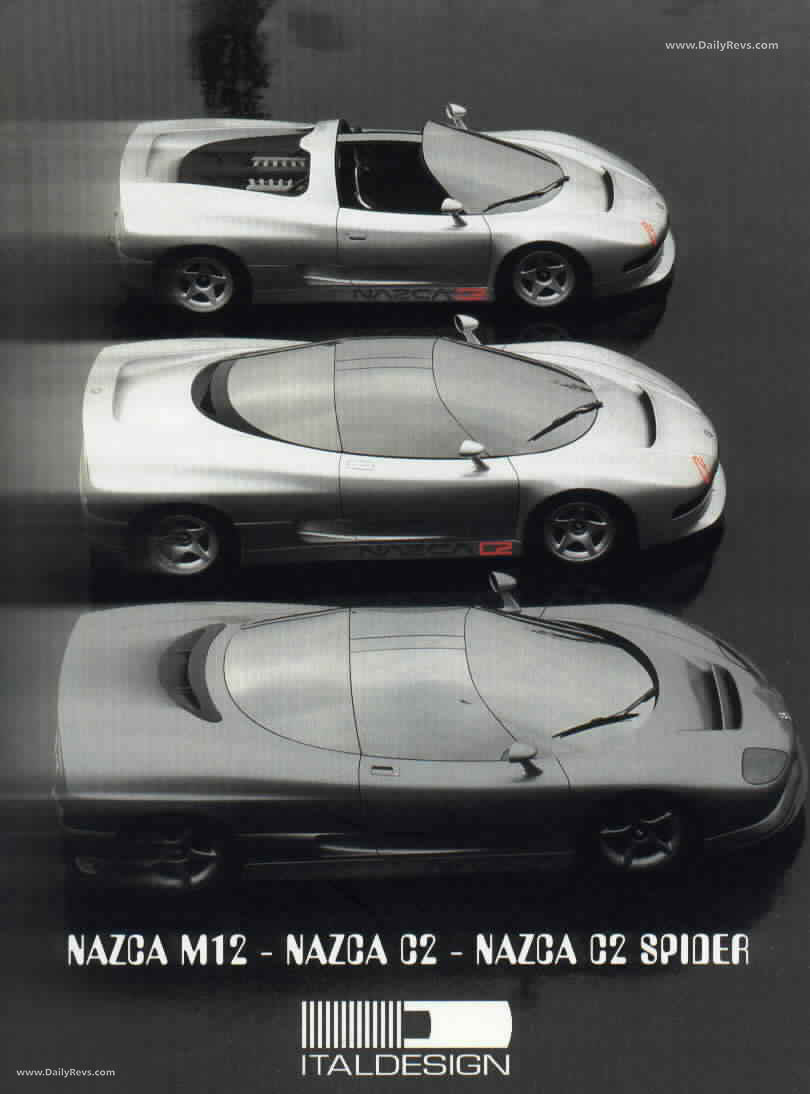
Its lineage led to the lighter C2 and even a rare Spider, all three unique, never mass‑produced beasts.
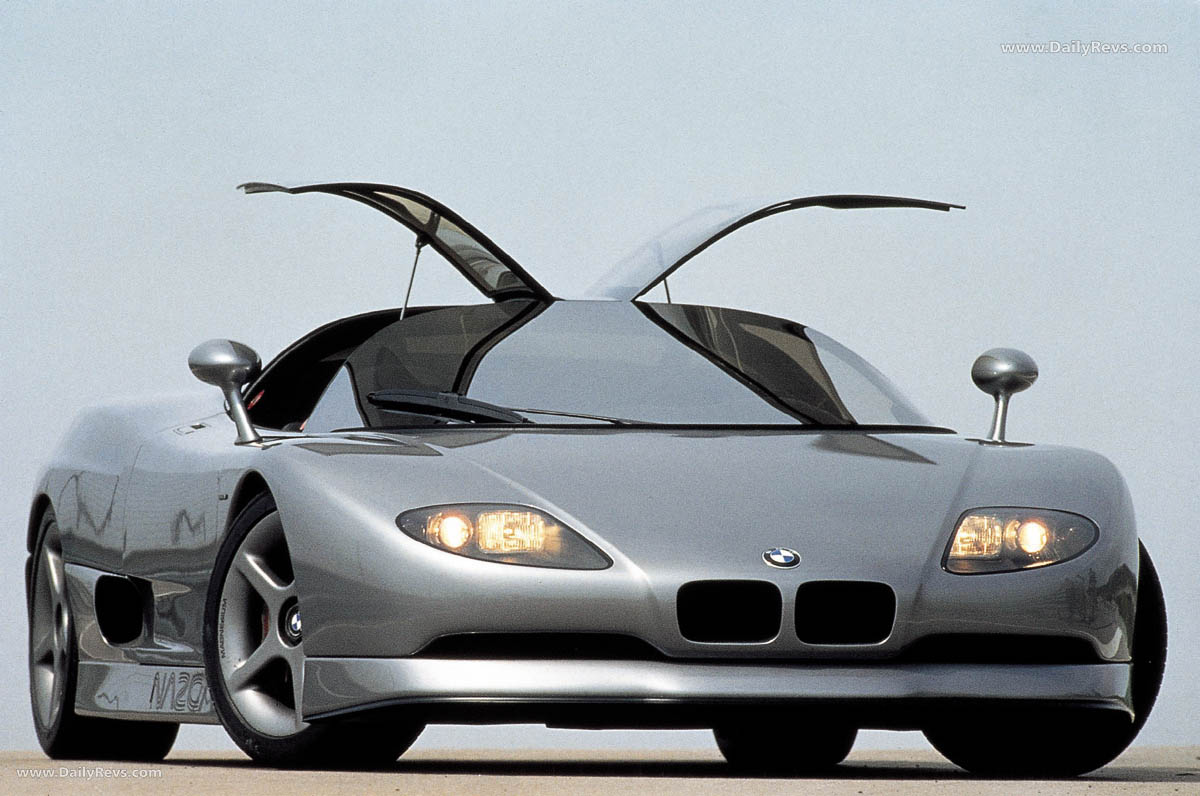
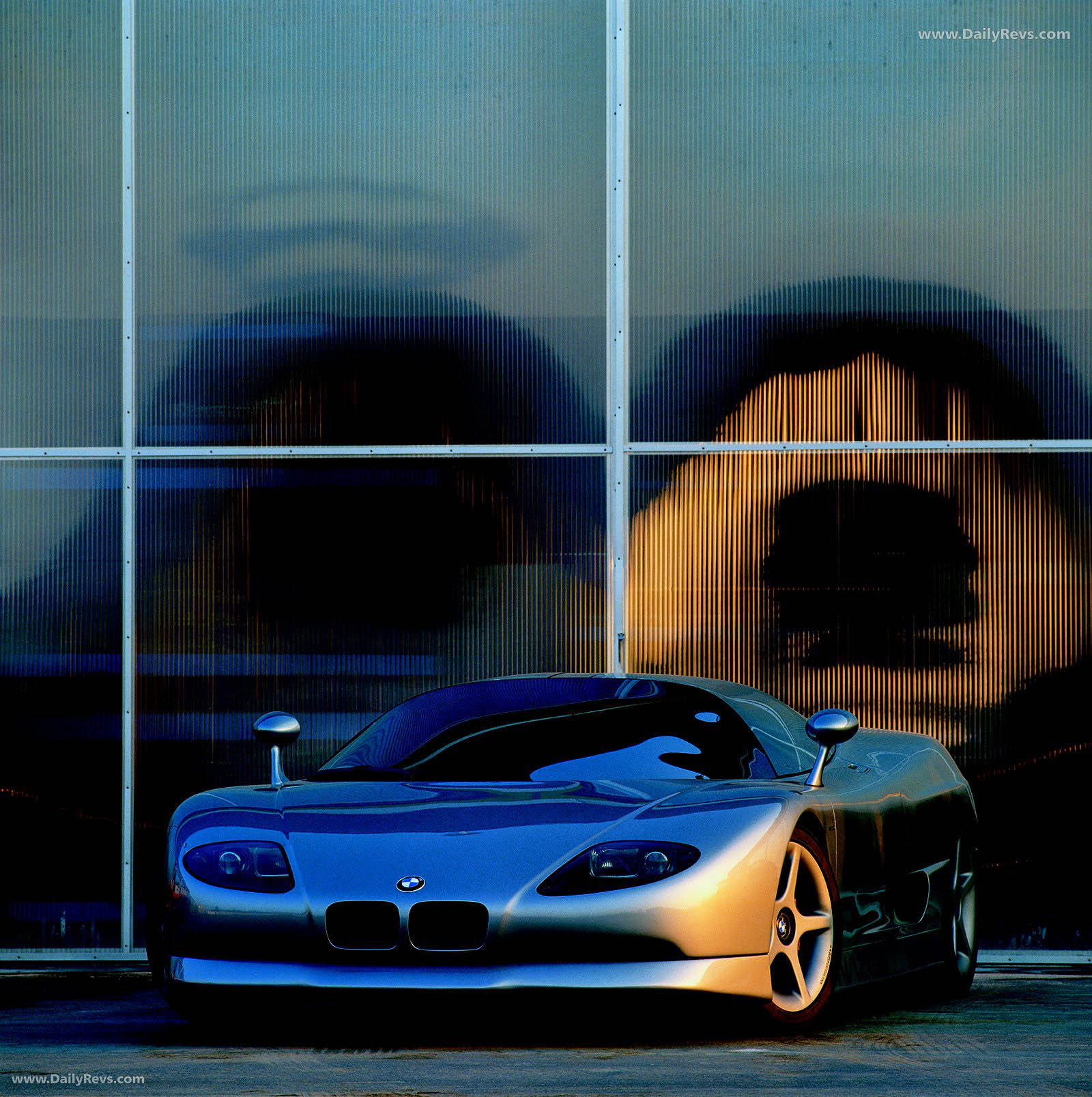
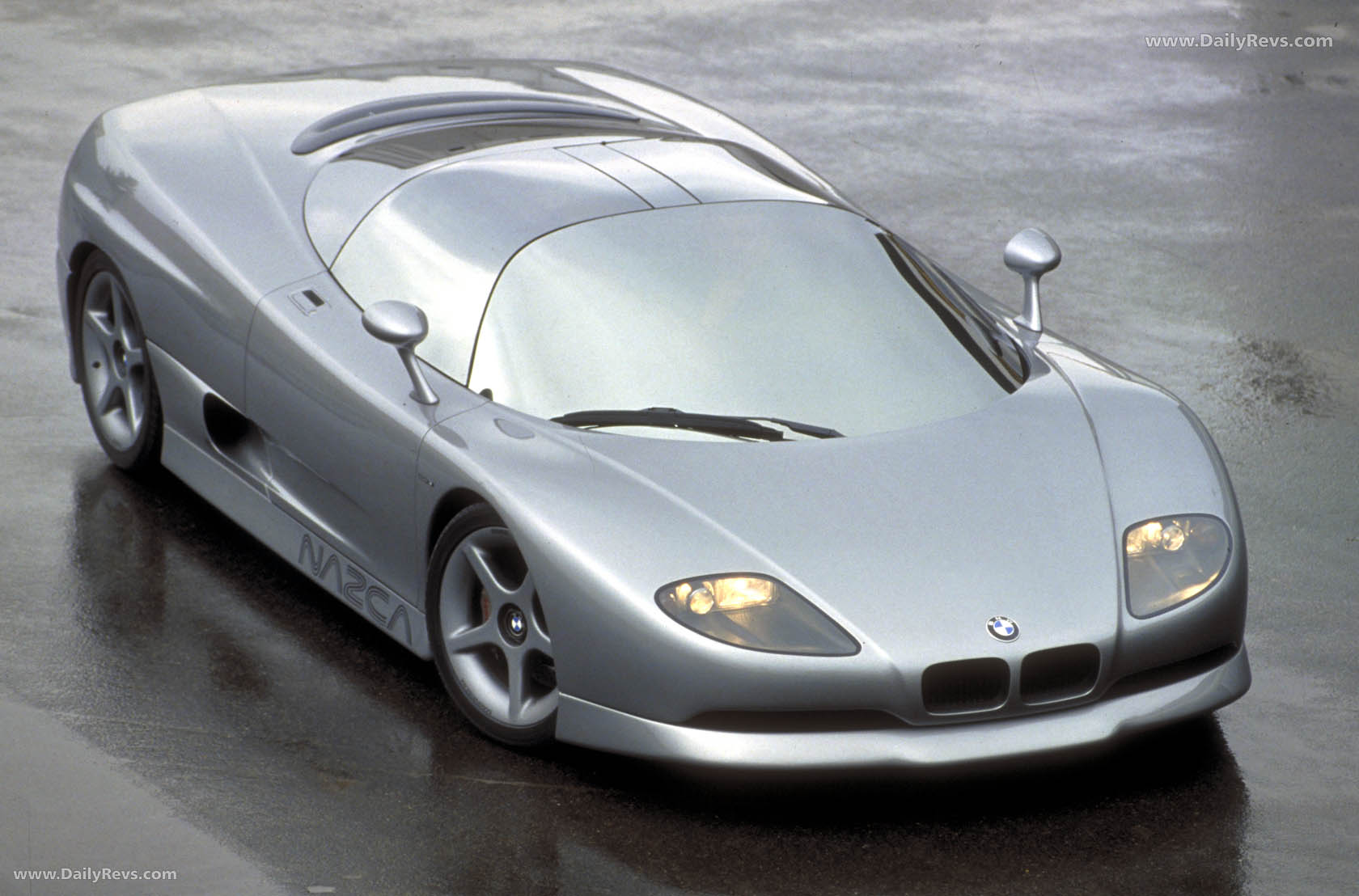
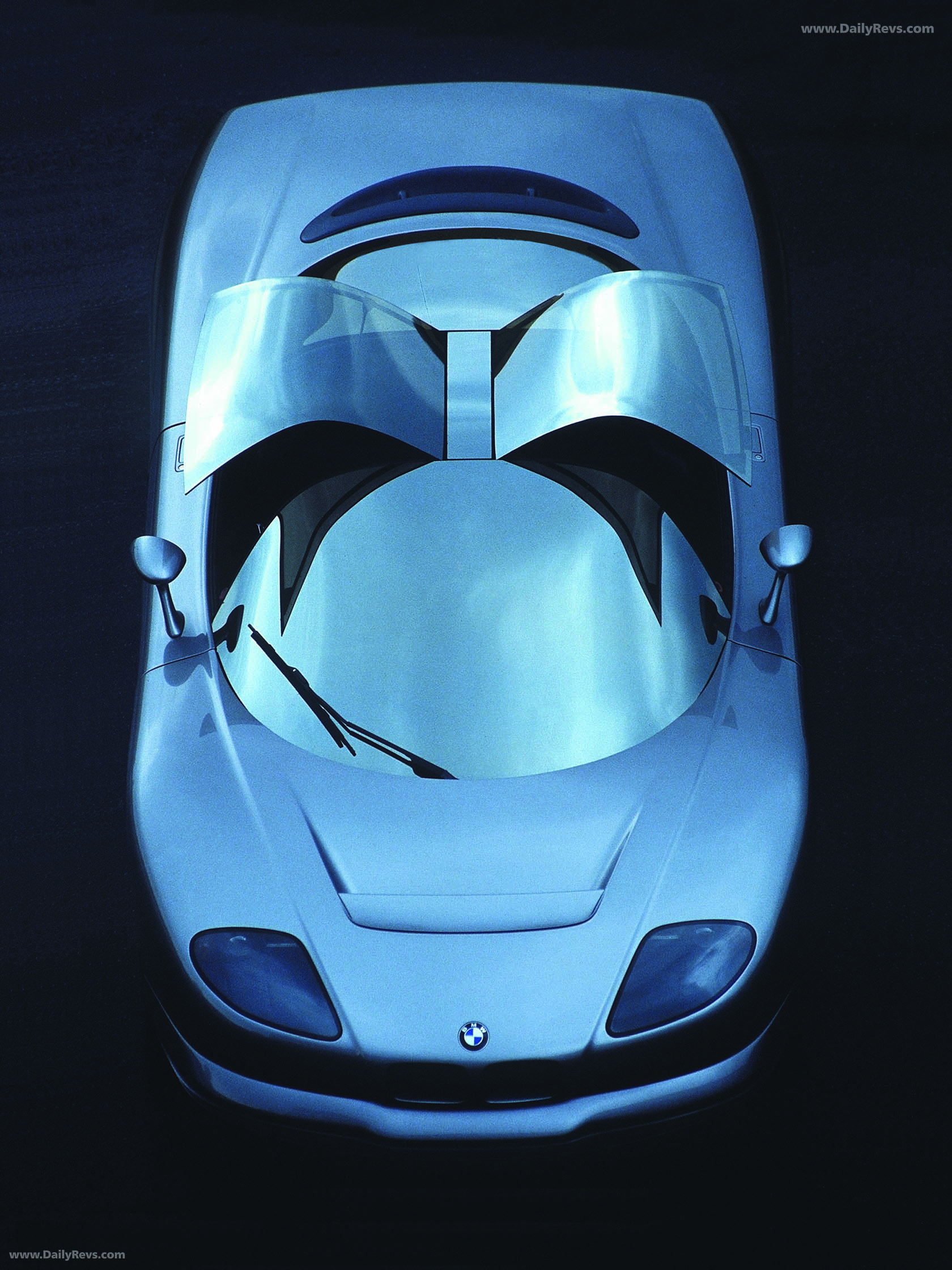
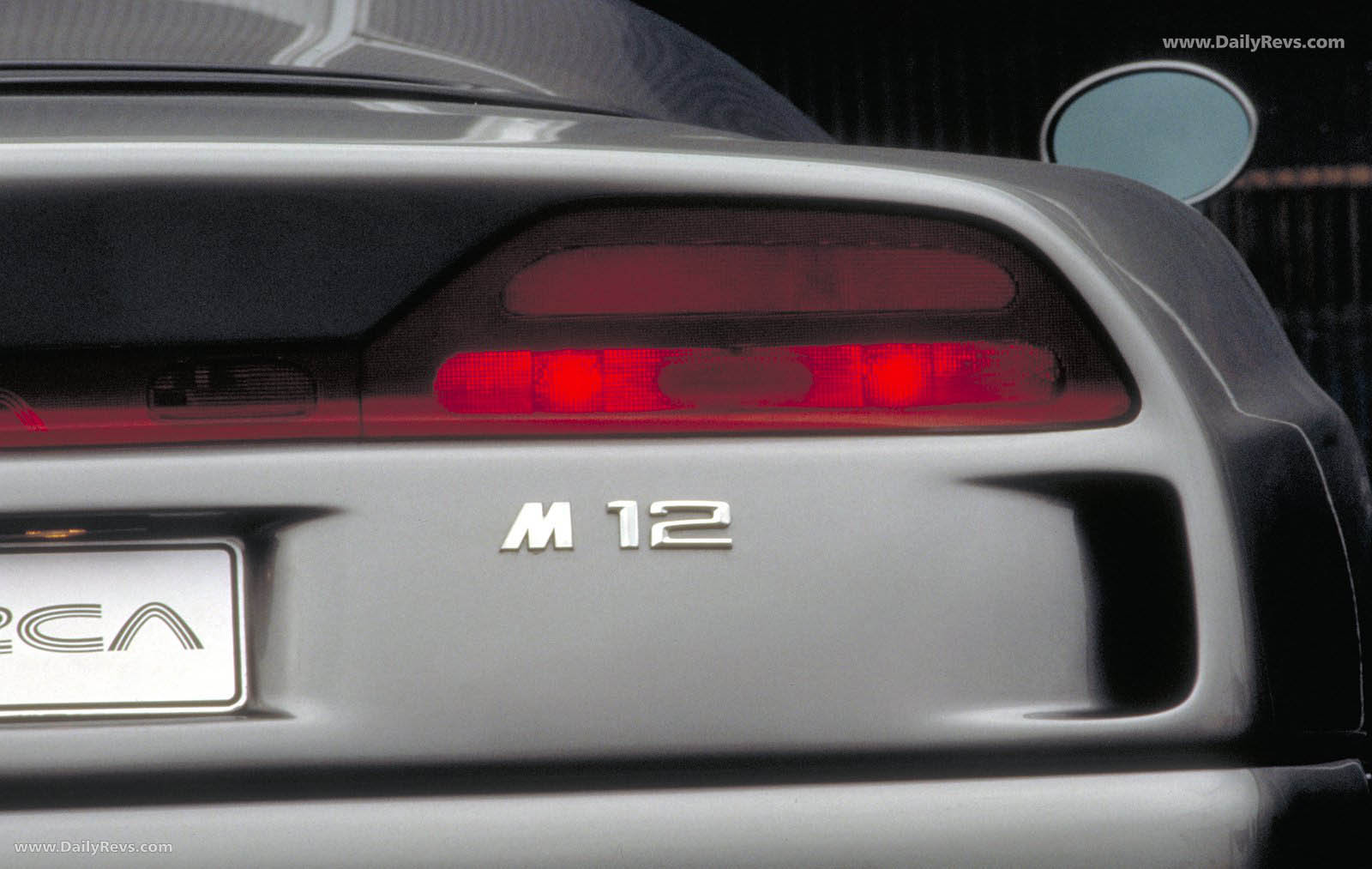
The 1991 BMW Nazca M12 by Italdesign hits the spotlight with a thump. Fabrizio Giugiaro's carbon‑fibre sculpture doesn’t whisper—it shouts. Mid‑engine layout, a sweeping greenhouse, with gull‑wing windows, it looks like a racer born of windtunnels and fever dreams. That V‑shape nose dips low, then the headlights peek out under clear lenses—bold, purposeful, a visual flex of performance ambition.
Power and Proportions That Matter
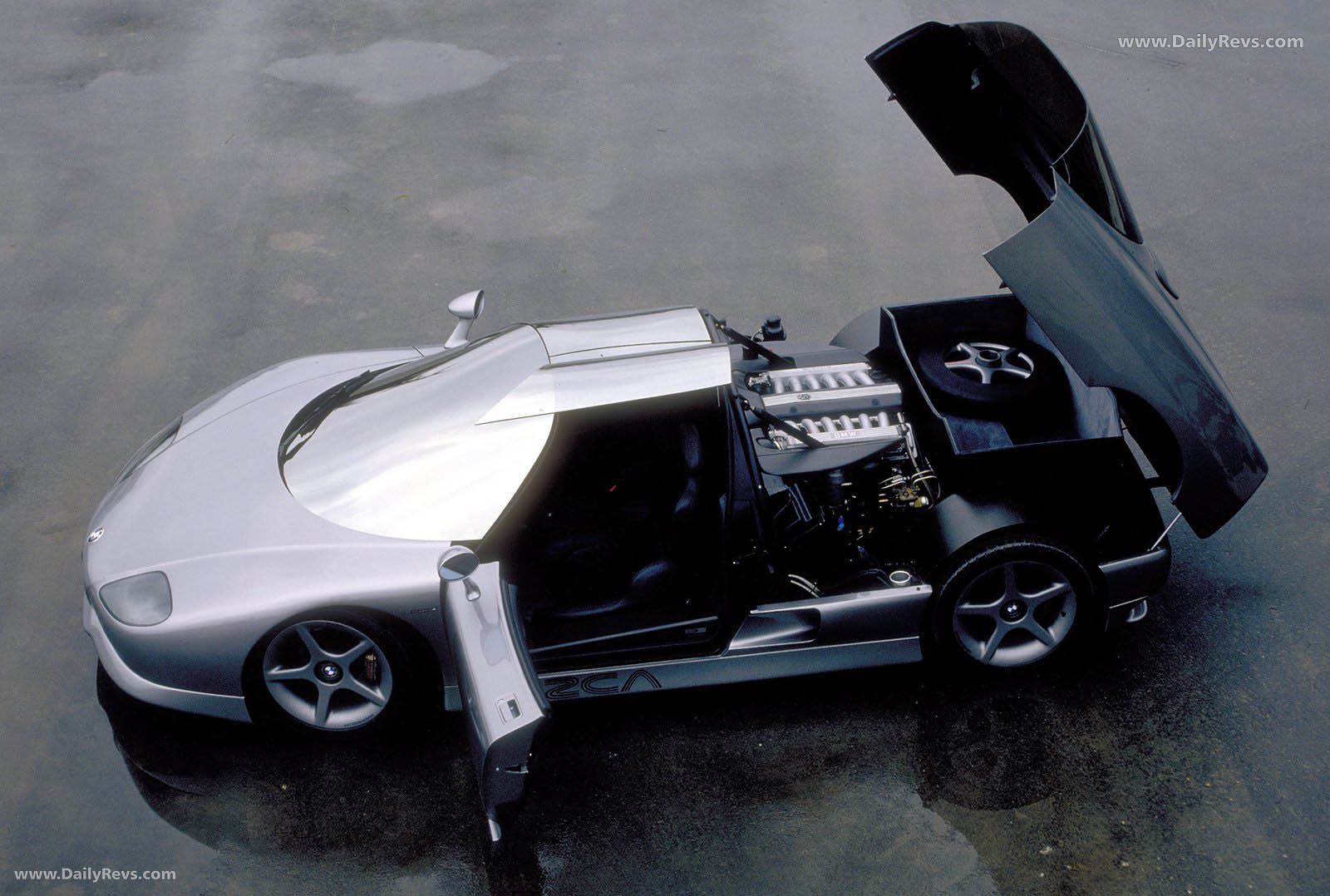
Underneath the sleek shell sits a 5.0‑litre BMW V12 (borrowed from the 850i/750i), tuned for roughly 300 hp (224 kW). Low weight—1,098 kg—and a drag coefficient of 0.26 give it supercar timing: around 4.5 seconds 0‑60 mph and a top speed near 180 mph. It’s not just pose—this thing genuinely performs. Mid‑engine layout, 2600 mm wheelbase, wide 18‑inch shoes front and rear—stance is aggressive, well‑planted, purposeful.
Carbon Everywhere, Design That Breathes
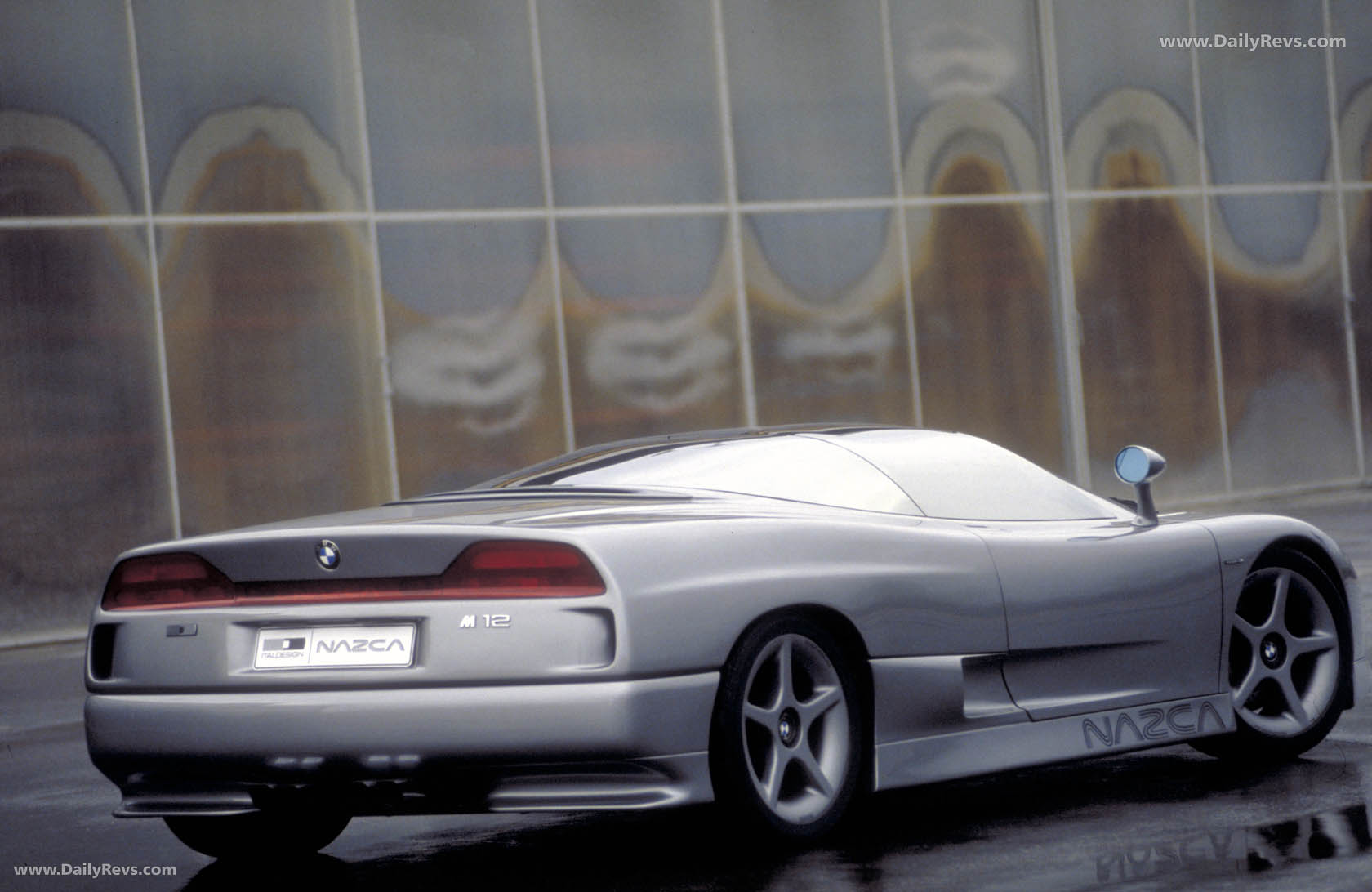
Lightweight was serious business: full carbon‑fibre monocoque and body, alloy subframes, even gull‑wing windows. That glass canopy nearly wraps the cabin in one motion. It’s futuristic, yet clearly function‑driven—classic Giugiaro precision married to racing logic. Surfaces flow, uninterrupted, save for cooling ducts and air intakes sculpted into the sides and rear—no fluff, just intent.
Evolution to C2 and Spider
A year later, the Nazca C2 followed on. Lighter by around 100 kg, still mid‑V12, but tweaked by Alpina up to 350 hp. Track widened, front spoiler added, triple rear wings for high‑speed grip. The Spider came next in 1993, adding a 5.6‑litre V12 pushing ~380 hp and a six‑speed box—open‑top, race‑ready, super‑silhouette. Just three Nazcas exist—each a one‑off, handcrafted spectacle.
Competitor Outlook, Even Then
Back in ‘91, Ferrari had the F40, Porsche the 959… and here comes Nazca, bold and low‑slung, with BMW straight‑six power stepping into the V12 realm. This wasn’t showroom fluff—it was competition. It could’ve sat alongside the big names, had BMW bothered to back it. Instead, it stayed unique, legendary in concept lore.
Deadline Notes from the Press Room
The Nazca stunned journalists. Even without turning a wheel, it felt fast. That greenhouse, those doors, the single‑piece clam revealing the V12—it all screams supercar drama. On cue sheets: “BMW returns to mid‑engine dreams.” But the story ends there—BMW never approved production. Just these rare, carbon‑craft classics.
Technical Specification
-
Performance
-
5.0 L V12 engine (BMW M70B50)
-
300 PS (≈ 220 kW) / 295 hp
-
Torque around 450 Nm (332 lb‑ft)
-
Estimated 0–100 km/h in ~4.5 s; top speed ~180 mph (290 km/h)
-
-
Body Measurements
-
Length: 4,365 mm (171.9 in)
-
Width: 1,990 mm (78.3 in)
-
Height: 1,105 mm (43.5 in)
-
Wheelbase: 2,600 mm (102.4 in)
-
Front track: 1,610 mm (63.4 in); Rear track: 1,630 mm (64.2 in)
-
Curb weight: ~1,098 kg (2,421 lb)
-
Drag coefficient: 0.26
-
-
Powertrain & Transmission
-
Mid-mounted, longitudinal 5.0 L naturally aspirated V12
-
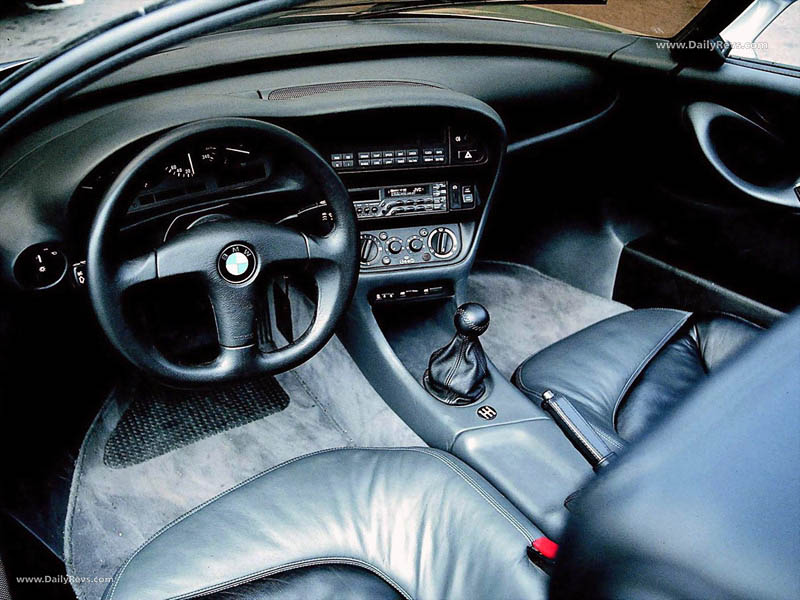
5-speed ZF manual gearbox
-
Rear-wheel drive
-
-
Capacities
-
Carbon-fibre monocoque structure with alloy subframes; full carbon body
-
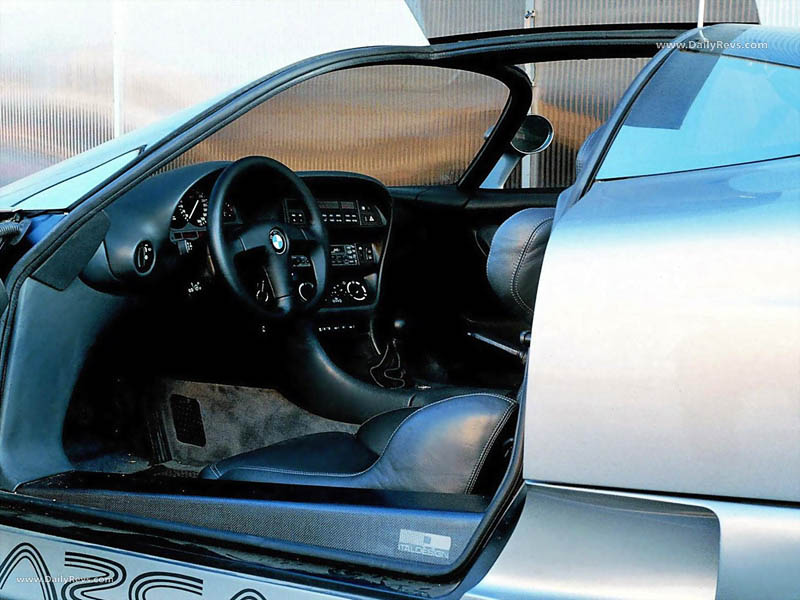
Gull-wing windows in conventionally hinged doors; glass roof for 360° visibility
-