


1976 Lancia Gamma
By Lorenzo Bianchi August 11, 1976
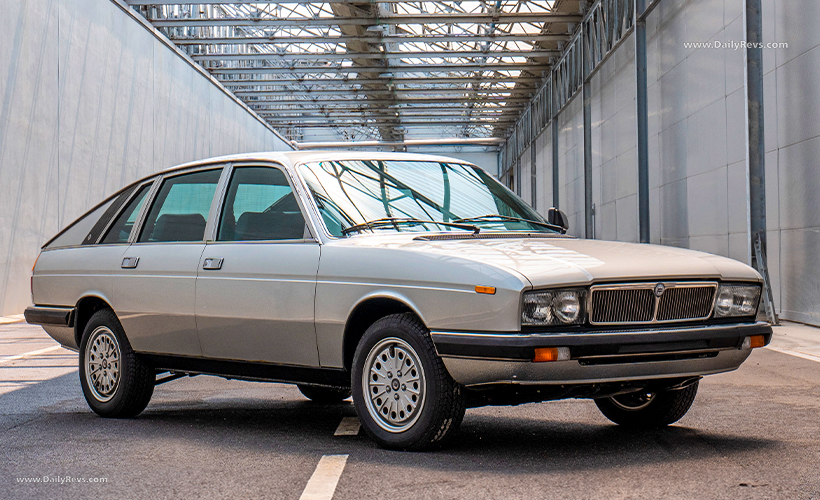
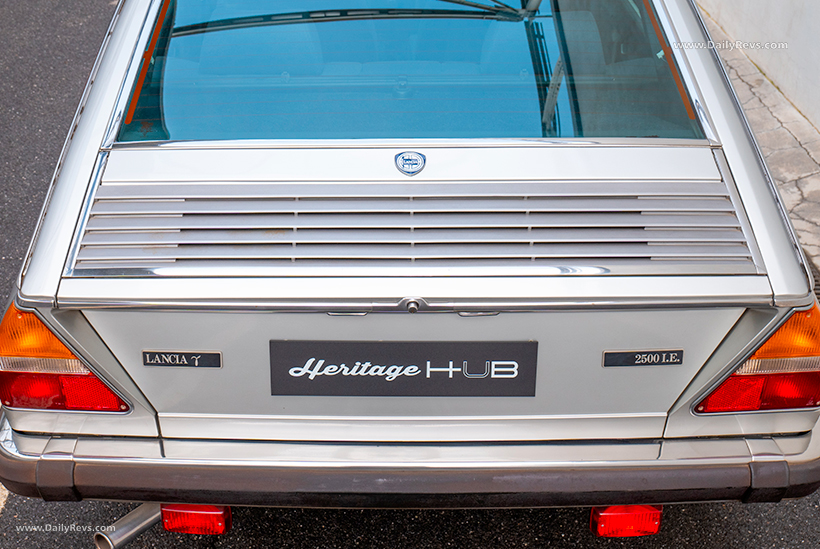
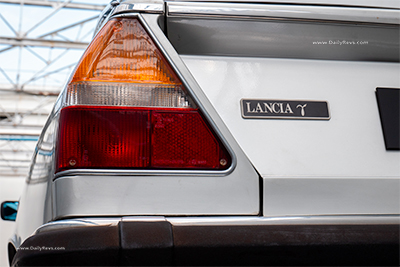
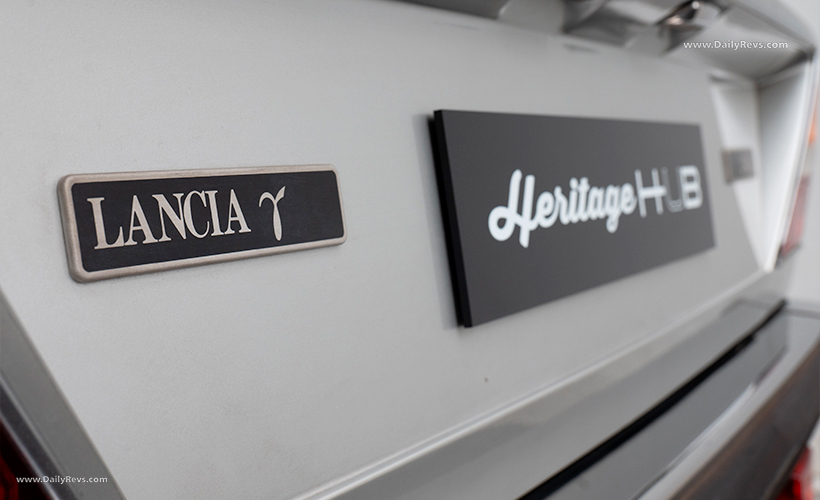
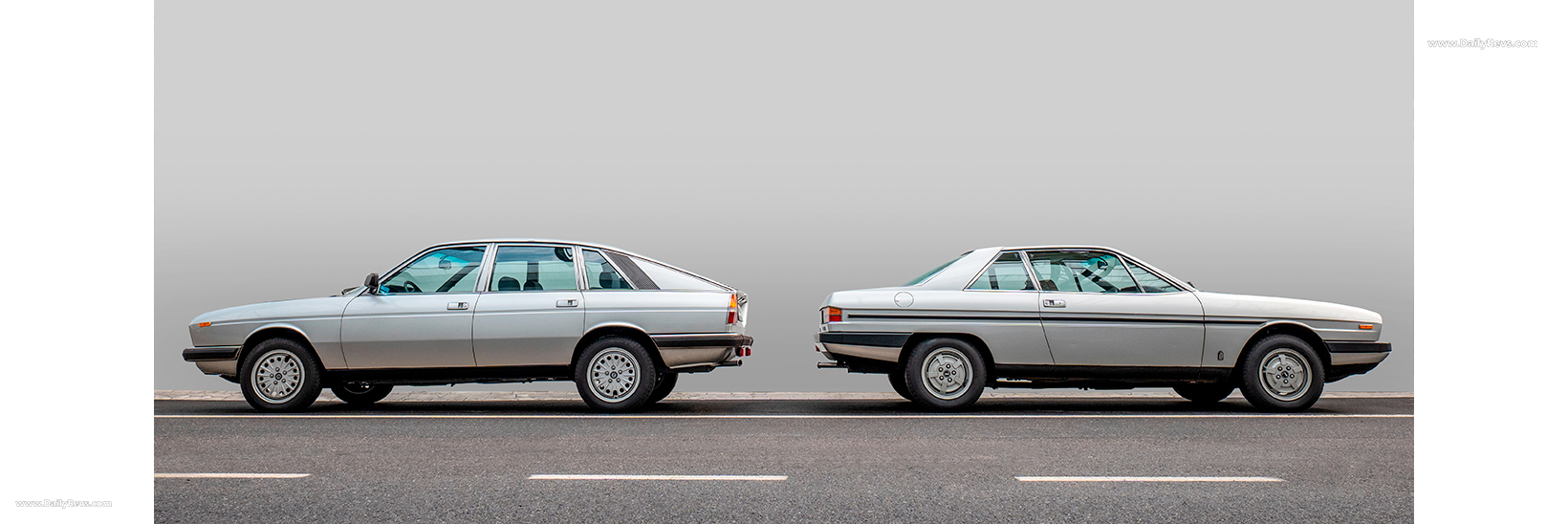
The 1976 Lancia Gamma launched as Lancia’s new flagship, available in fastback sedan and coupé body styles designed by Pininfarina.
Power came from aluminium overhead‑cam flat‑4 engines: a 2.0 L (120 PS) and 2.5 L (140 PS), later improved with Bosch LE‑Jetronic injection.
Innovative design and advanced engineering supported its market position, though early engines suffered fragility that improved in later updates.
Lancia introduced the Gamma in 1976 as its foremost flagship, intended to succeed models like the Flavia and Lancia 2000. Positioned as an upper‑mid‑range luxury offering under Fiat ownership, it replaced the ill‑fated Fiat 130 as Lancia’s premium halo car.
It debuted in fastback sedan (Berlina) and coupé configurations, with the latter handled by Pininfarina and the former by Lancia itself. Both models shared advanced features and refined styling for their time.
Design and Styling by Pininfarina
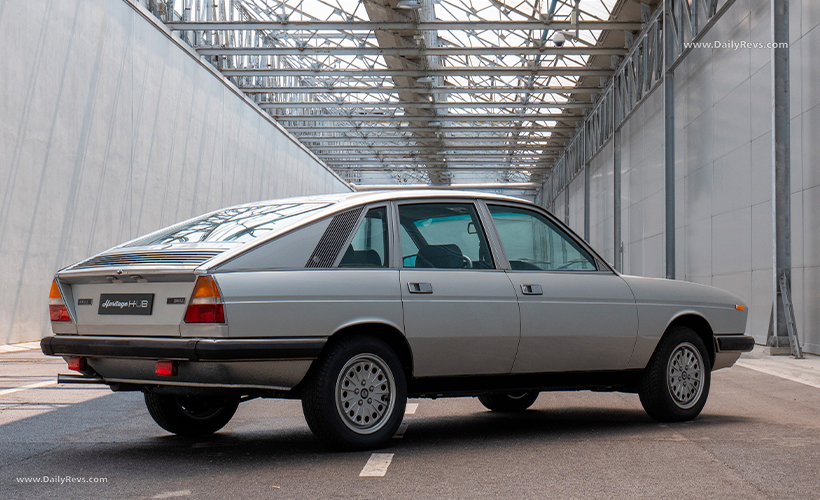
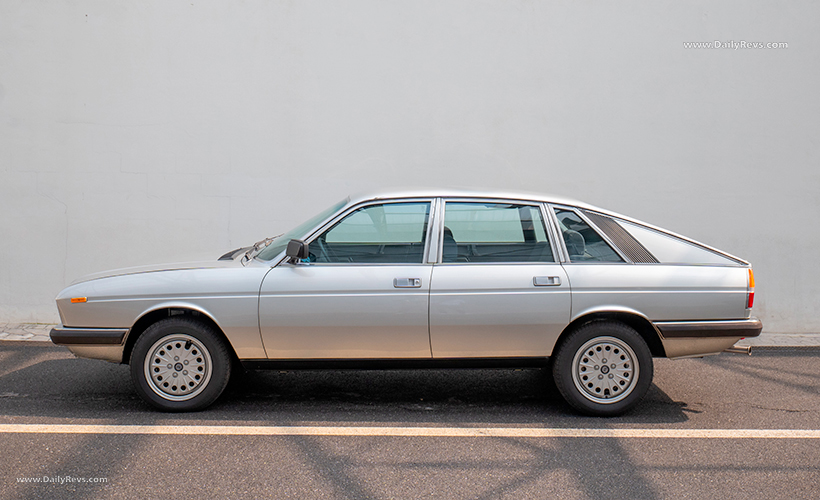
The Gamma’s exterior was shaped by Pininfarina, led by Leonardo Fioravanti, drawing inspiration from his earlier 1967 BMC Aerodinamica prototype. The sedan’s fastback form featured narrow rear pillars and a steeply raked rear window, achieving an aerodynamic coefficient around 0.37.
The coupé followed a more traditional three‑box layout, incorporating elegant styling cues and a broad side recess detail by Aldo Brovarone. It reflected high Italian design values within a large form.
Powertrain and Performance
Gamma
models relied on aluminium, overhead‑cam flat‑4 engines. Initially
offered with carburettors, the 2.0 L engine produced about 120 PS, while
the 2.5 L generated approximately 140 PS.
Following a 1980 facelift (FL2), the 2.5 L engine adopted Bosch LE‑Jetronic fuel injection. Although peak power remained roughly the same, drivability, fuel economy, and engine reliability improved.
Early engines were prone to mechanical fragility—timing belt issues and cylinder wear among them—but later updates addressed many of these weaknesses.
Engineering and Execution
The Gamma retained front‑wheel drive, consistent with Lancia tradition, supporting its flat‑4 engine and a compact drivetrain layout. The 2.5 L engine weighed about 135 kg and resided within a subframe ahead of the front axle, contributing to a low centre of gravity and balanced handling.
Its chassis featured independent suspension and disc brakes at both ends. Design prioritized comfort and composure suited to luxury driving, while still delivering refined dynamics.
Market Position and Body Styles
Lancia aimed to deliver a luxury alternative to the Fiat 130 and other large sedans. The Gamma’s fastback design allowed a roomy interior and generous load space, including a vertical-lift rear hatch. Rear seating mirrored front seat comfort, a rarity in that segment.
The coupé version represented Lancia’s premium aesthetic, providing exclusivity and enhanced styling to justify its flagship status. Combined production for both models remained modest—about 22,081 units overall, with 6,789 coupés produced.
Technical Specification
Performance
- 2.0-litre flat-4 carburettor: 120 PS (88 kW) at 5,500 rpm; 172 Nm torque at 3,500 rpm
- 2.5-litre flat-4 carburettor: 140 PS (103 kW) at 5,400 rpm; 208 Nm torque at 3,000 rpm
- 2.5-litre flat-4 injection: 140 PS (103 kW) at 5,400 rpm; approx. 212 Nm torque at 3,000 rpm
- Top speed (2.0 L carburettor): approx. 185 km/h
- Top speed (2.5 L carburettor): approx. 195 km/h
- Top speed (2.5 L injection): approx. 195 km/h
Body Measurements
- Berlina (fastback sedan): length ≈ 4,580 mm (≈ 180 in), width 1,730 mm (≈ 68 in), height 1,410 mm
- Coupé: length ≈ 4,480 mm, width 1,730 mm (≈ 68 in), height 1,330 mm
- Wheelbase (Berlina): 2,670 mm (≈ 105.1 in)
- Wheelbase (Coupé): 2,555 mm
Powertrain
- Front-wheel-drive layout with a longitudinally mounted aluminium flat-4 (boxer) engine
- Transmission: 5-speed manual standard; optional 3- or 4-speed automatic depending on market
Capacities
- Engine displacement: 1,999 cm³ (2.0 L) and 2,484 cm³ (2.5 L)
- Fuel tank capacity, luggage volume, and seating capacity not specified in official data