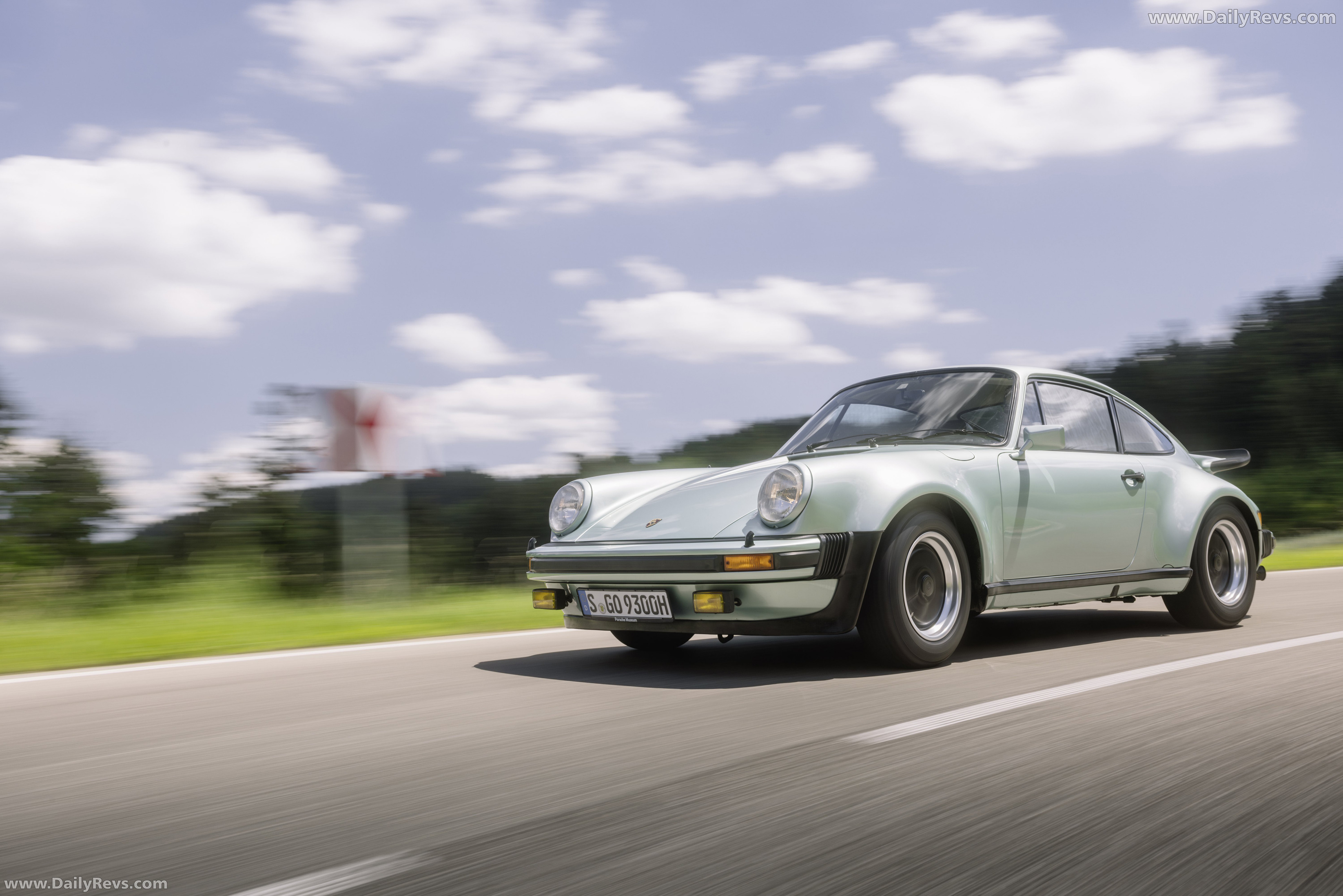
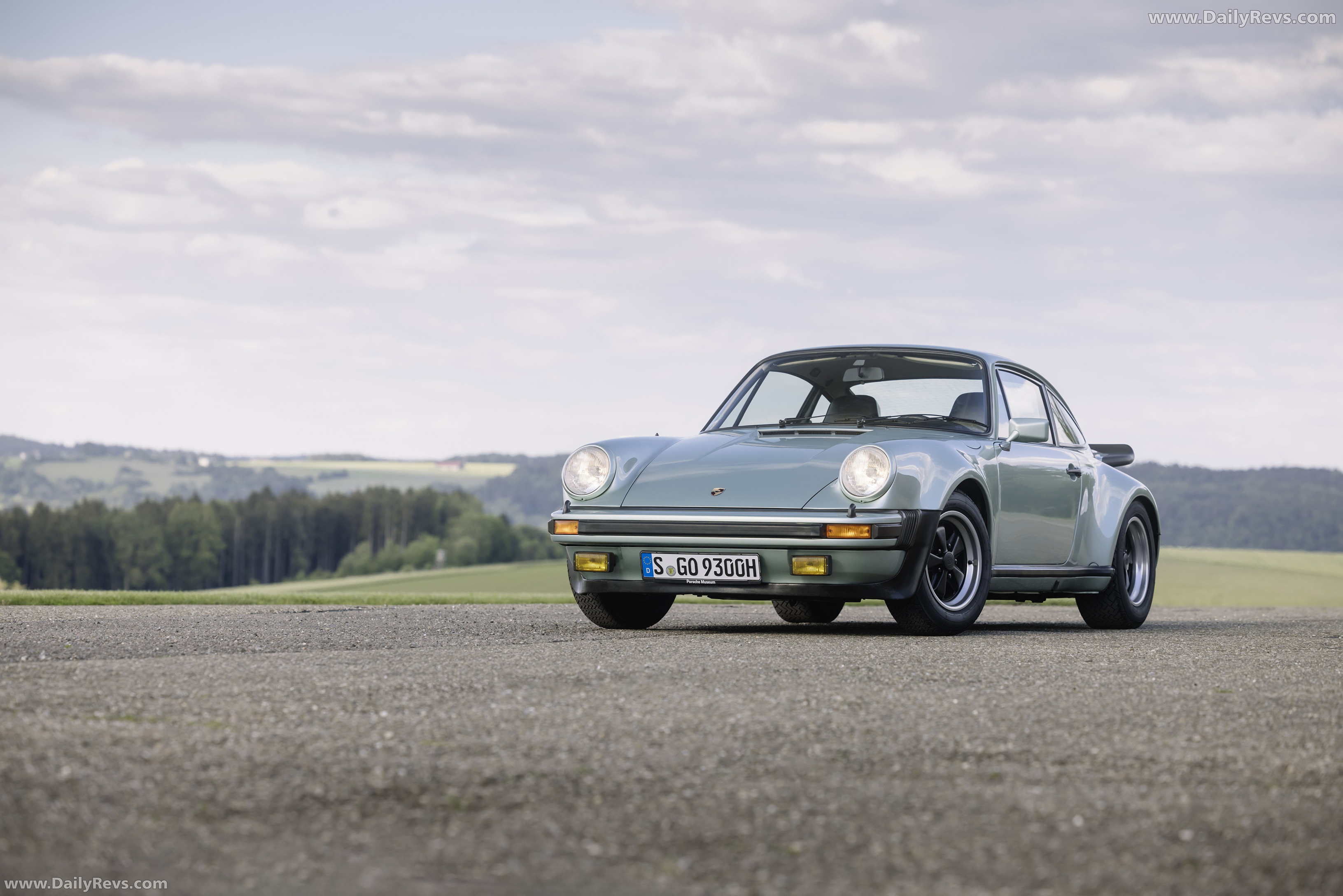
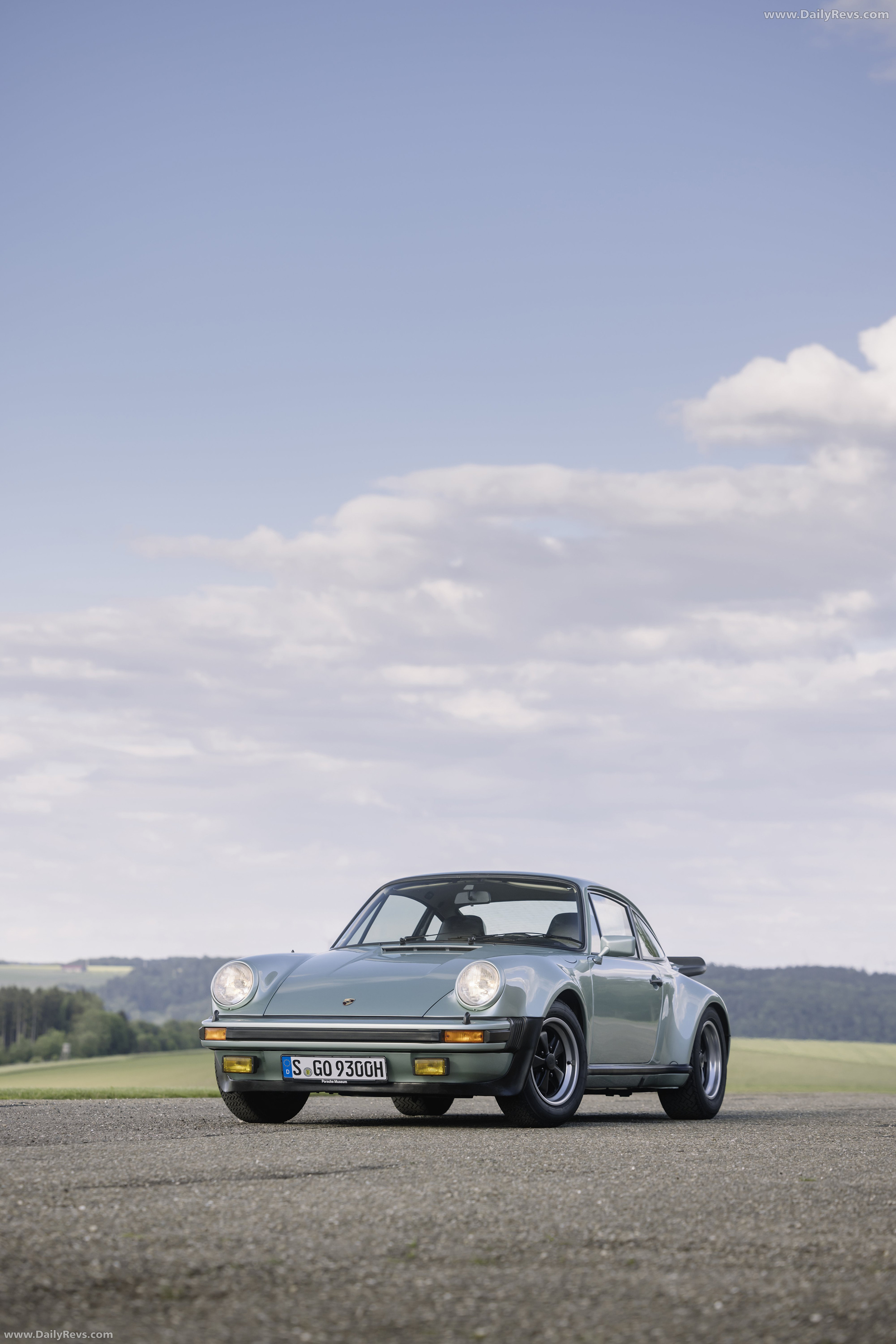
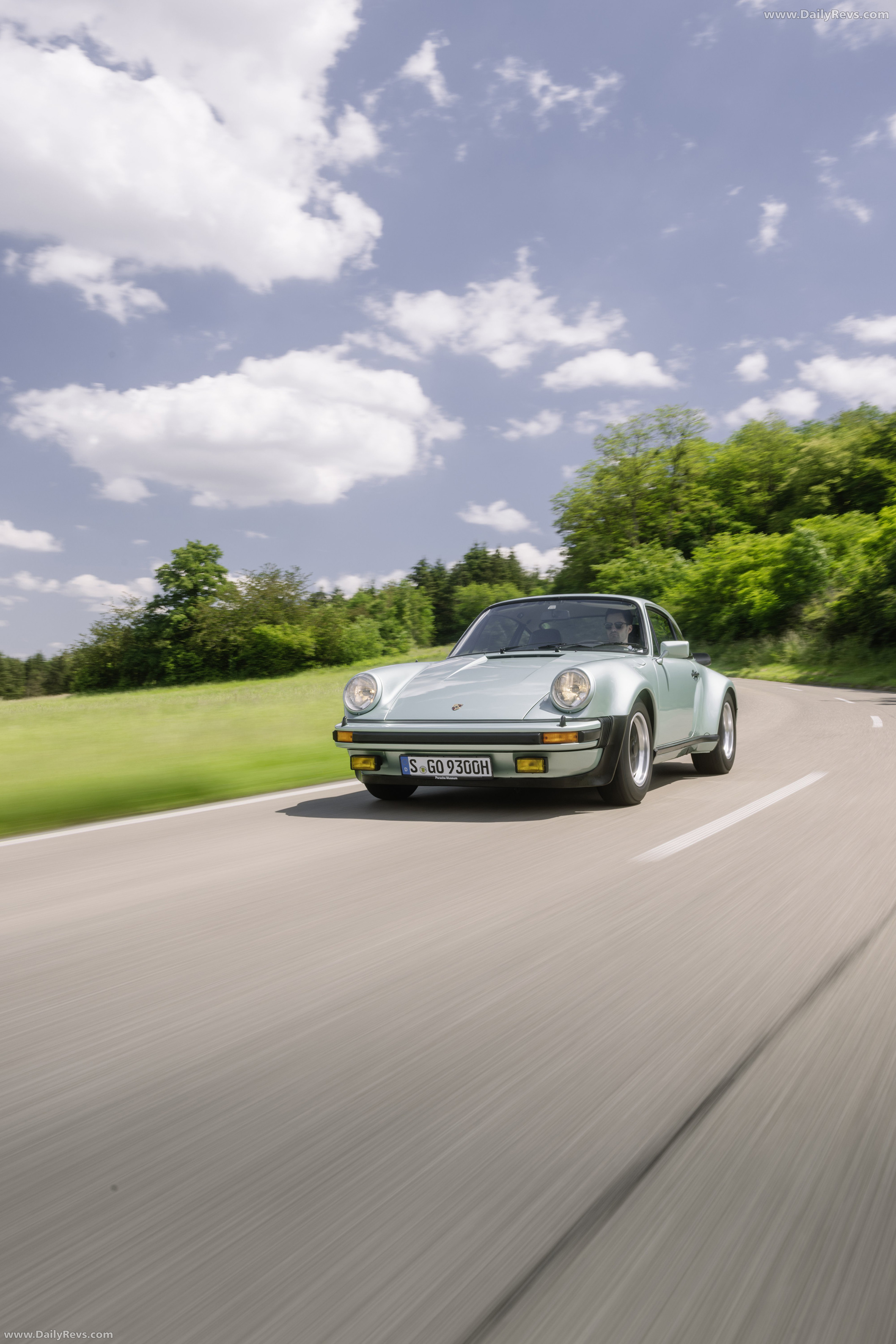
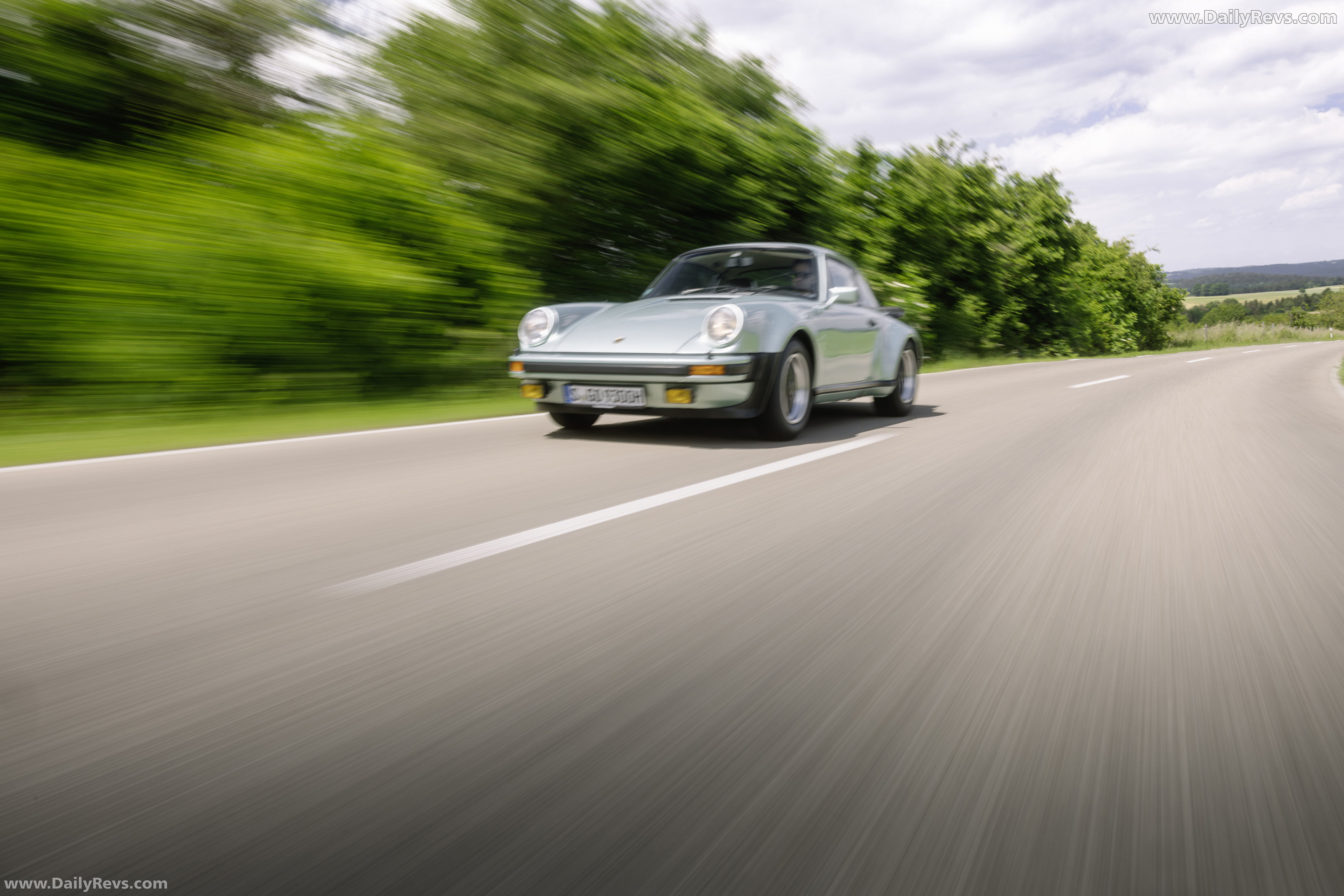
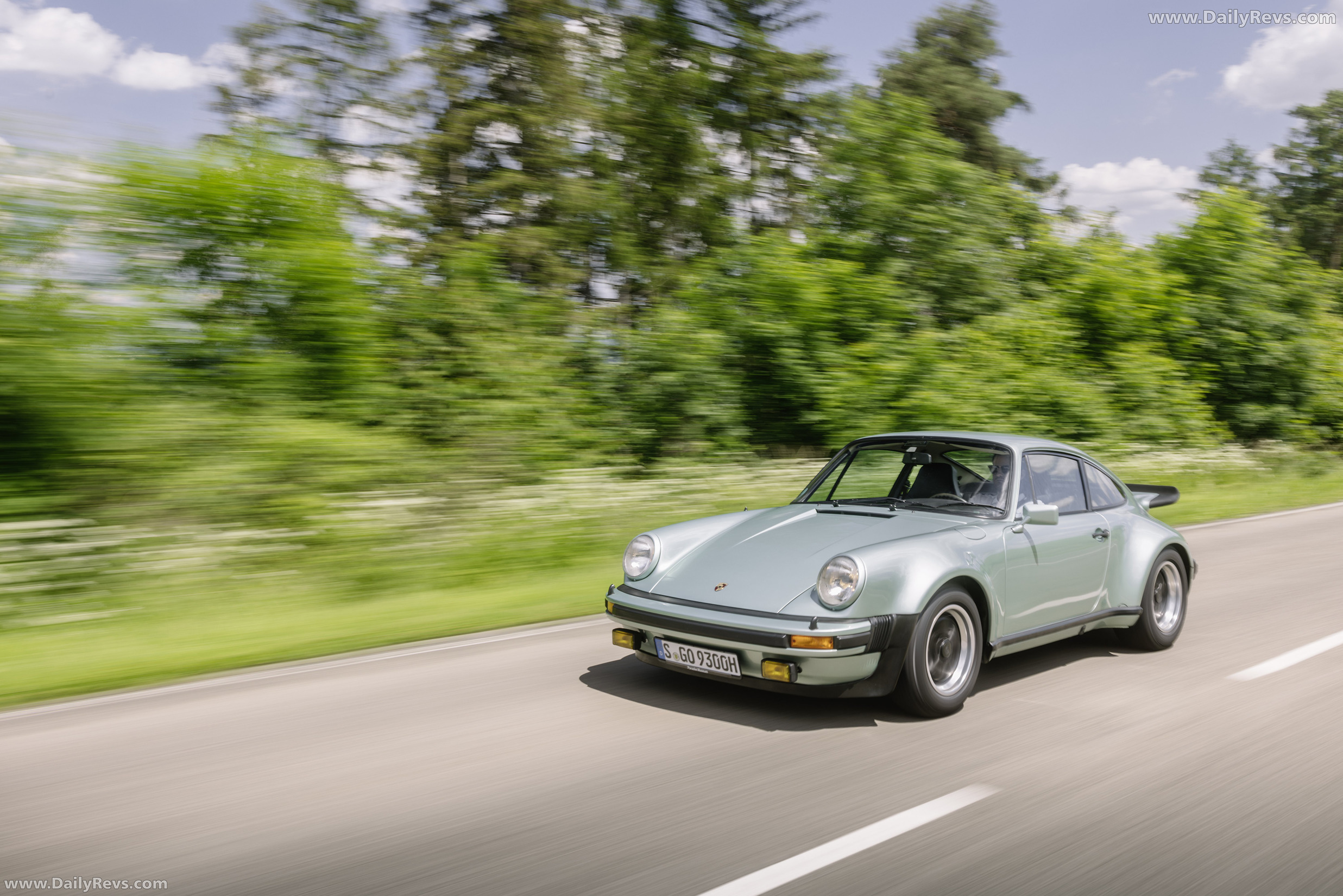
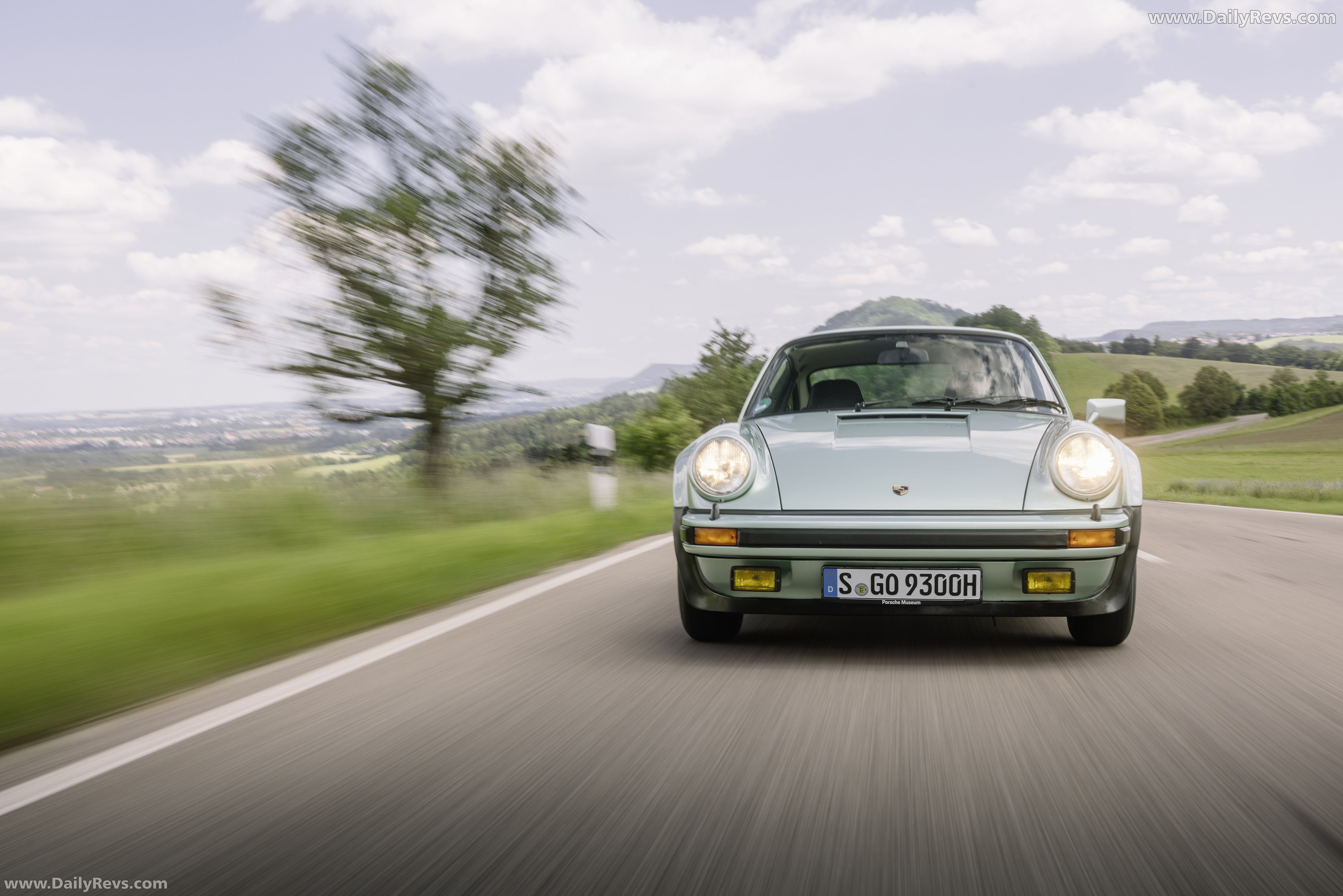
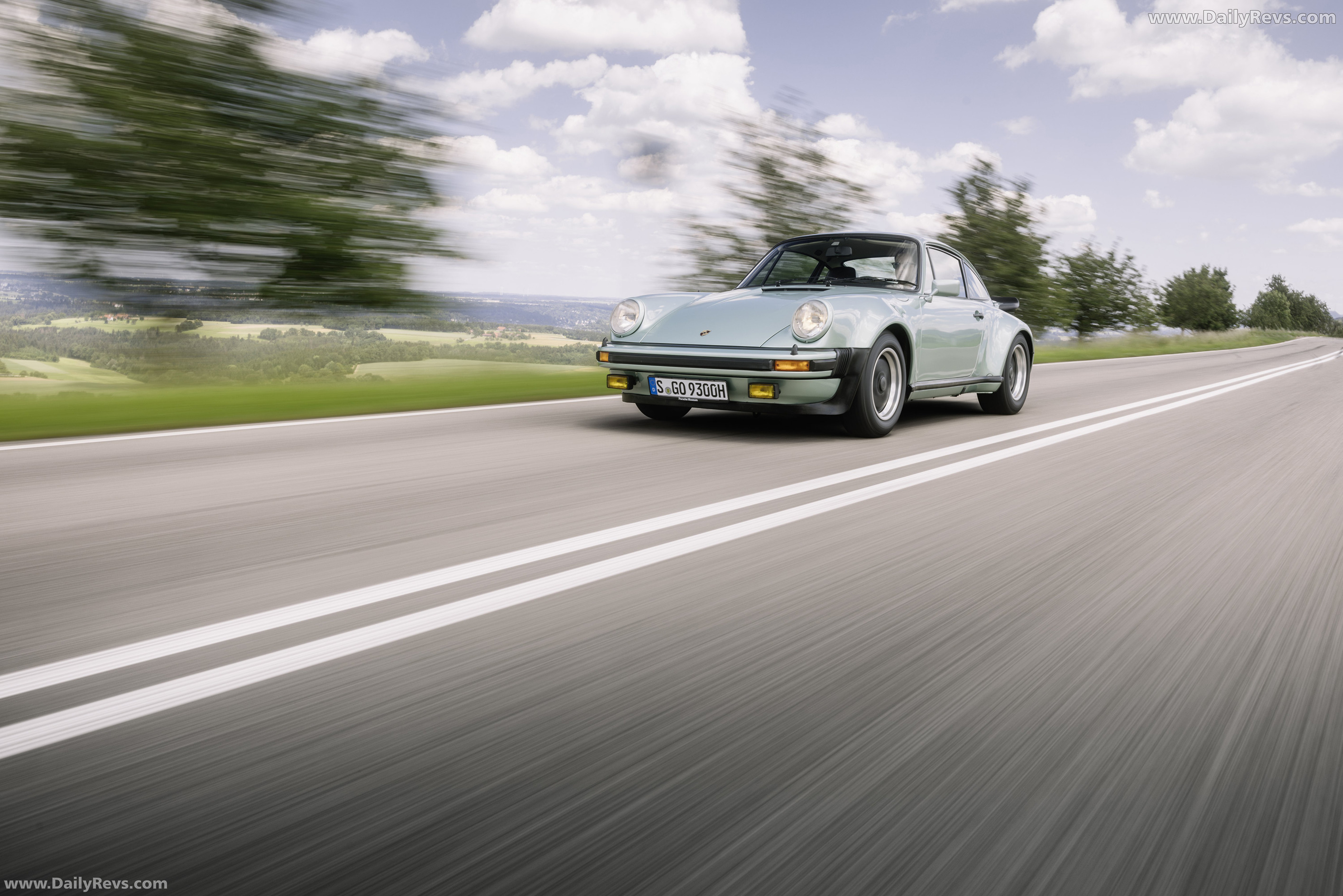
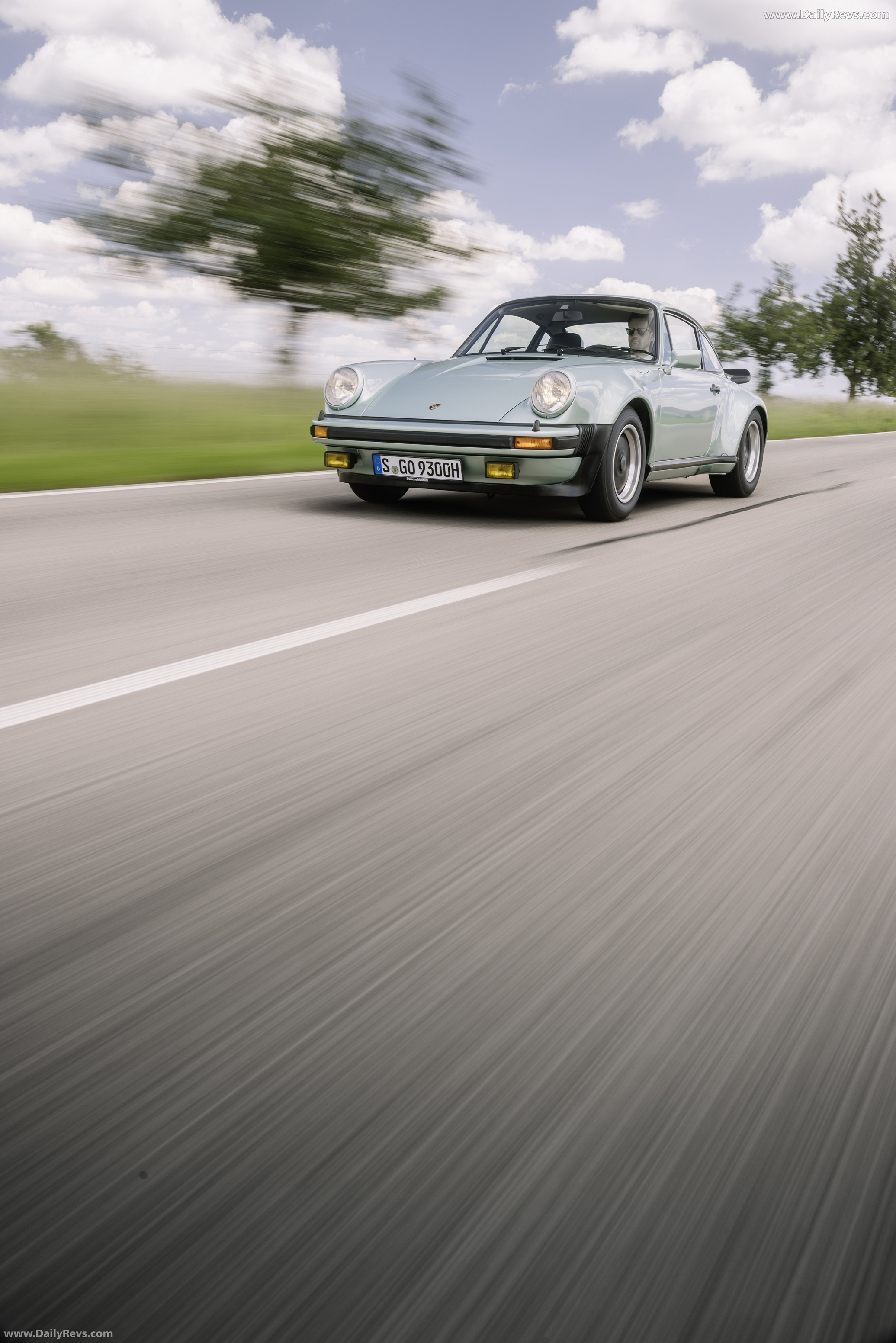
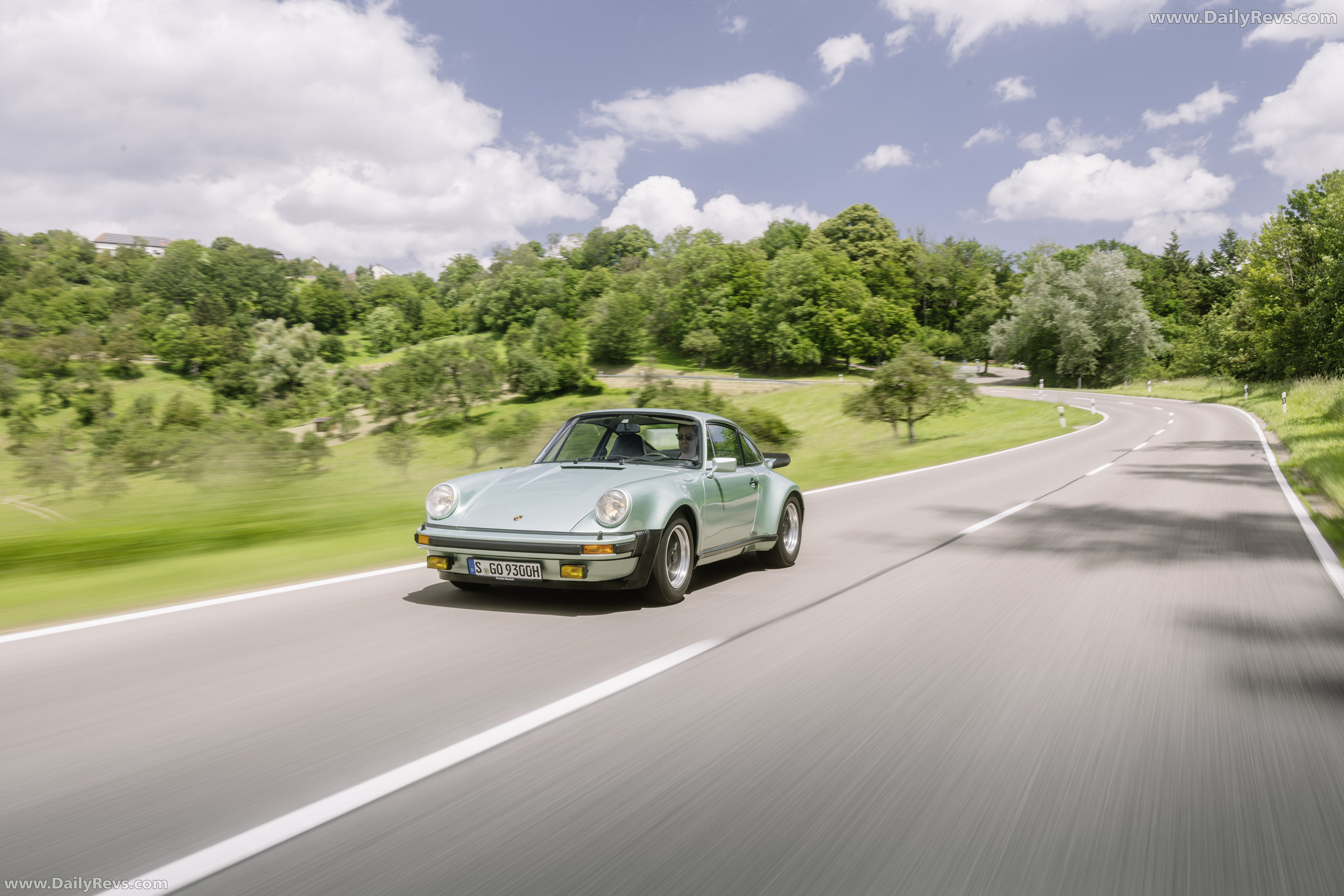
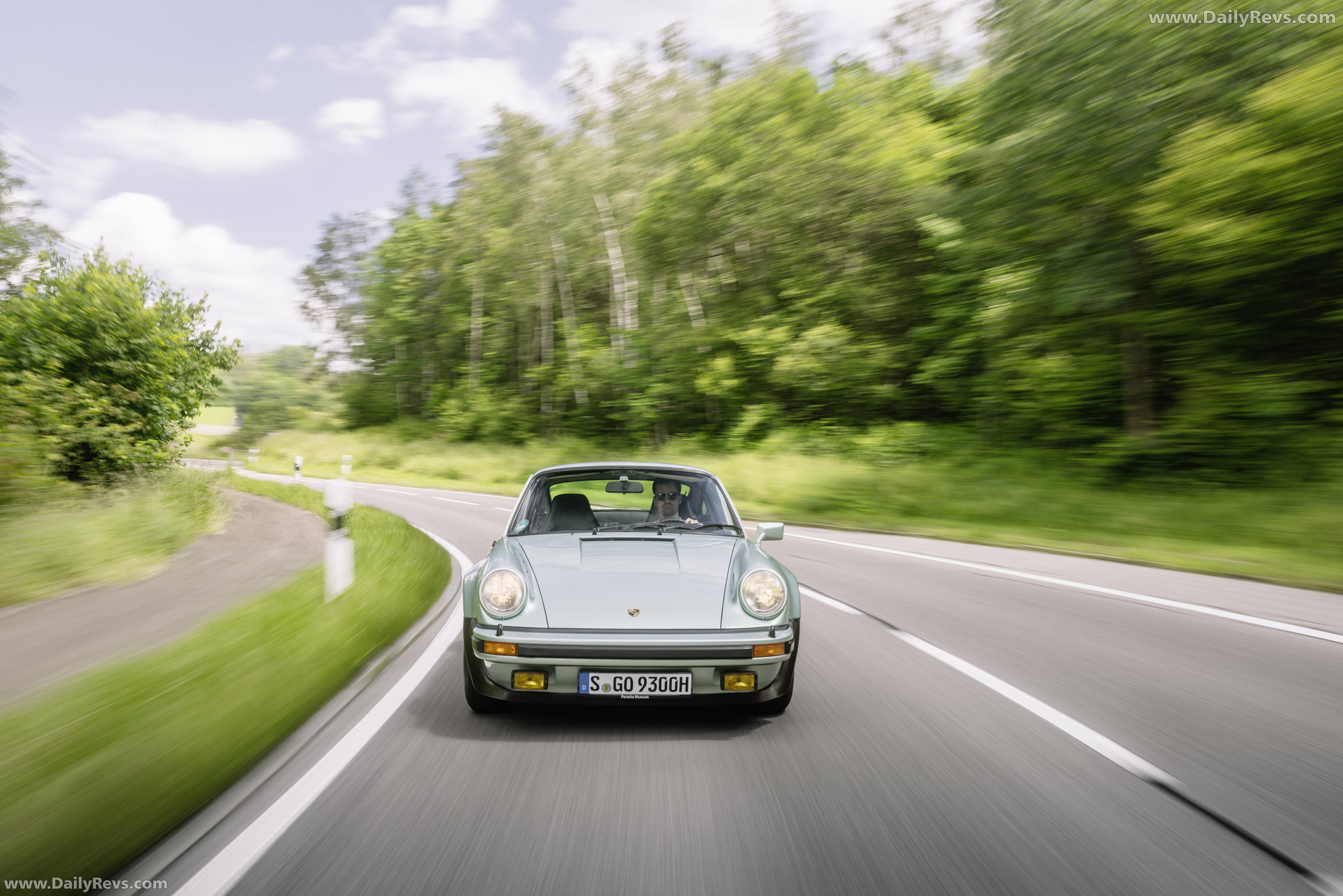
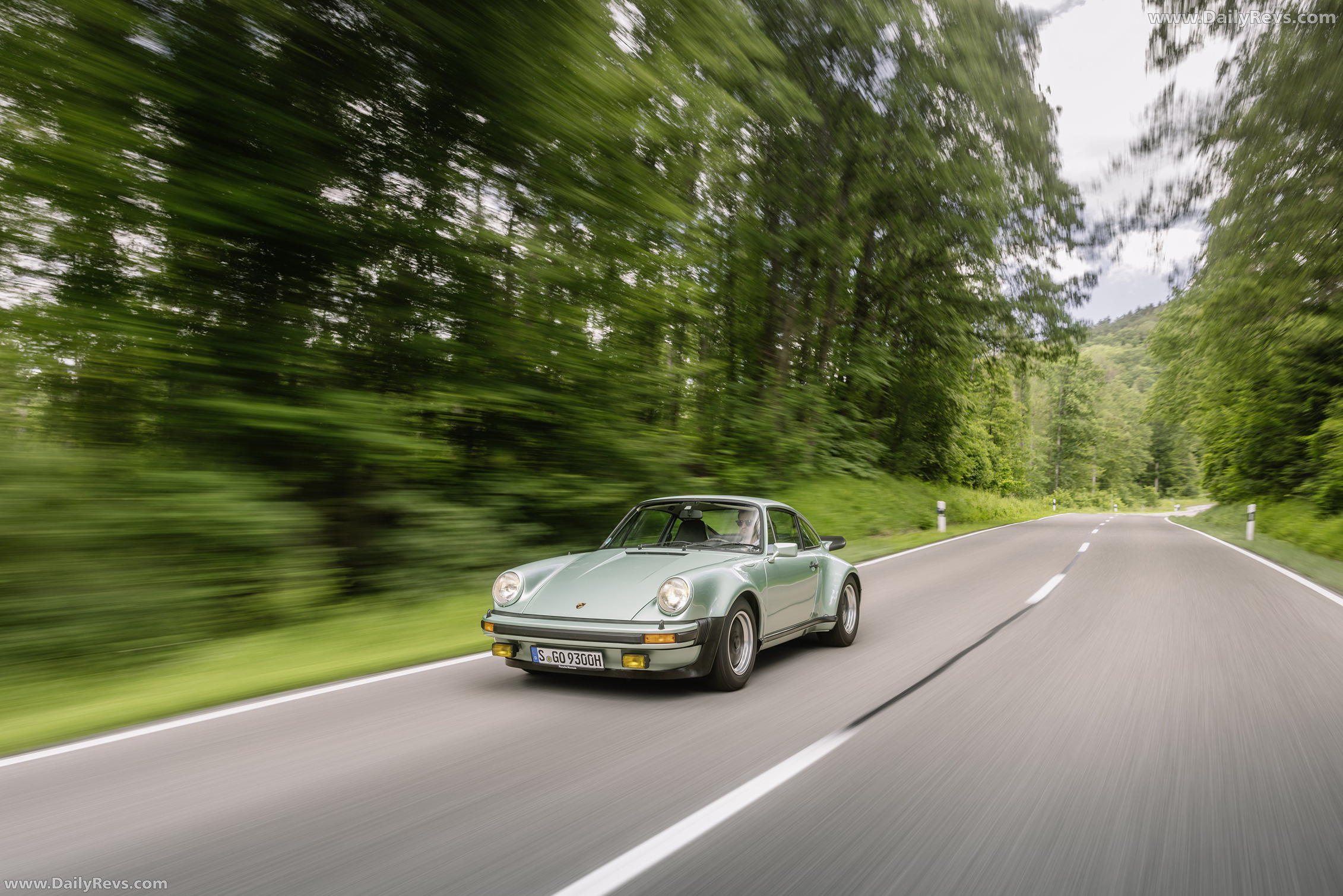
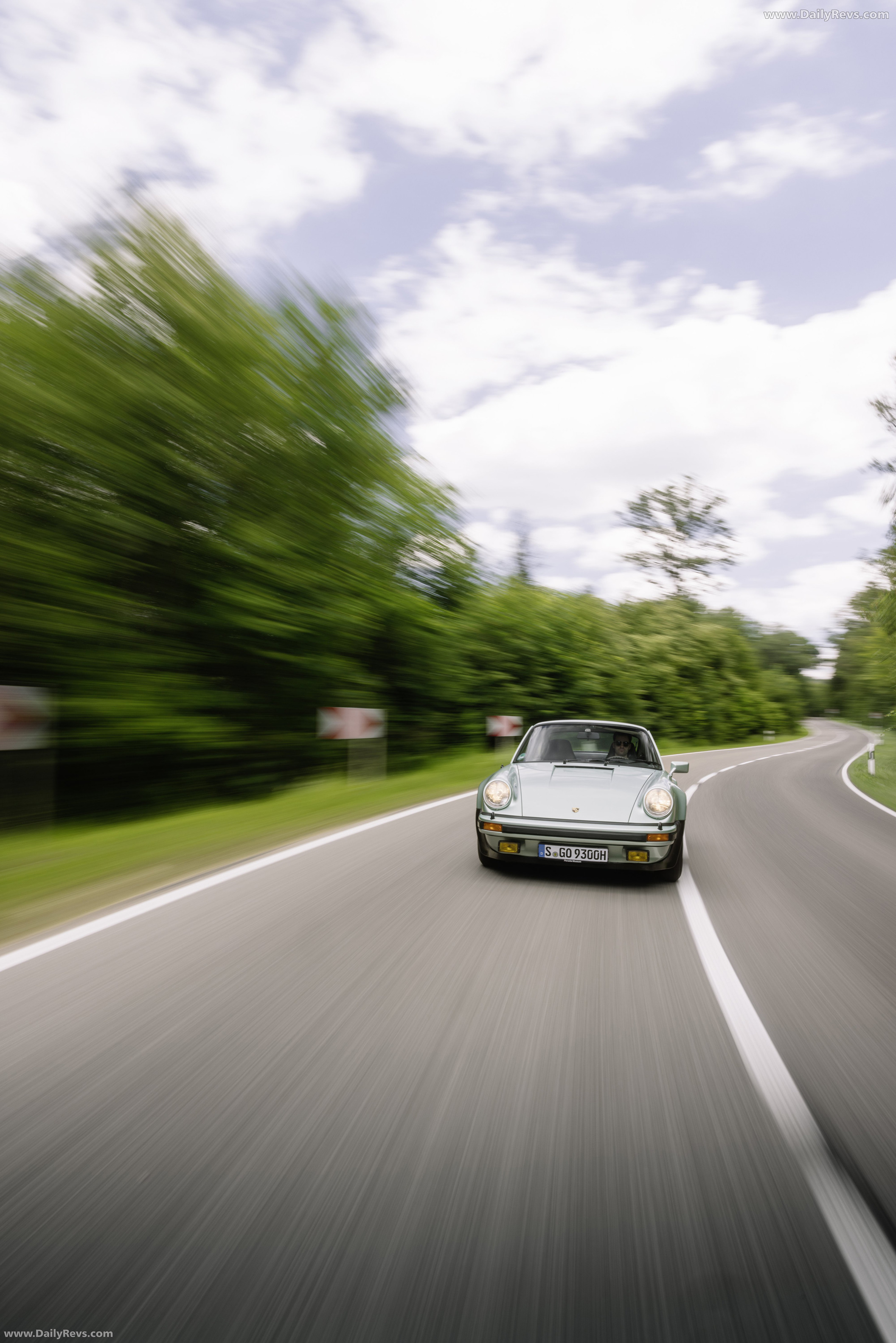
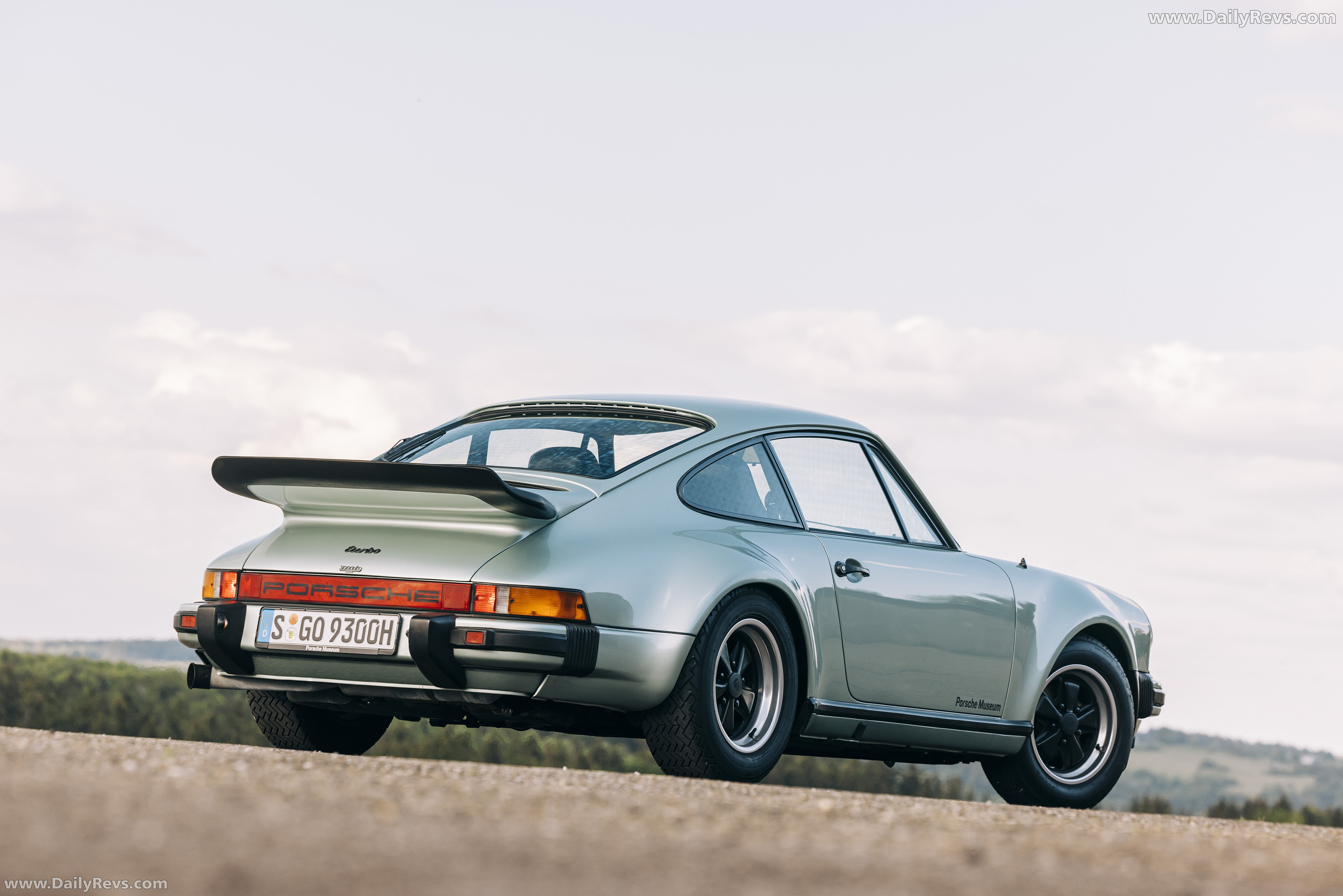
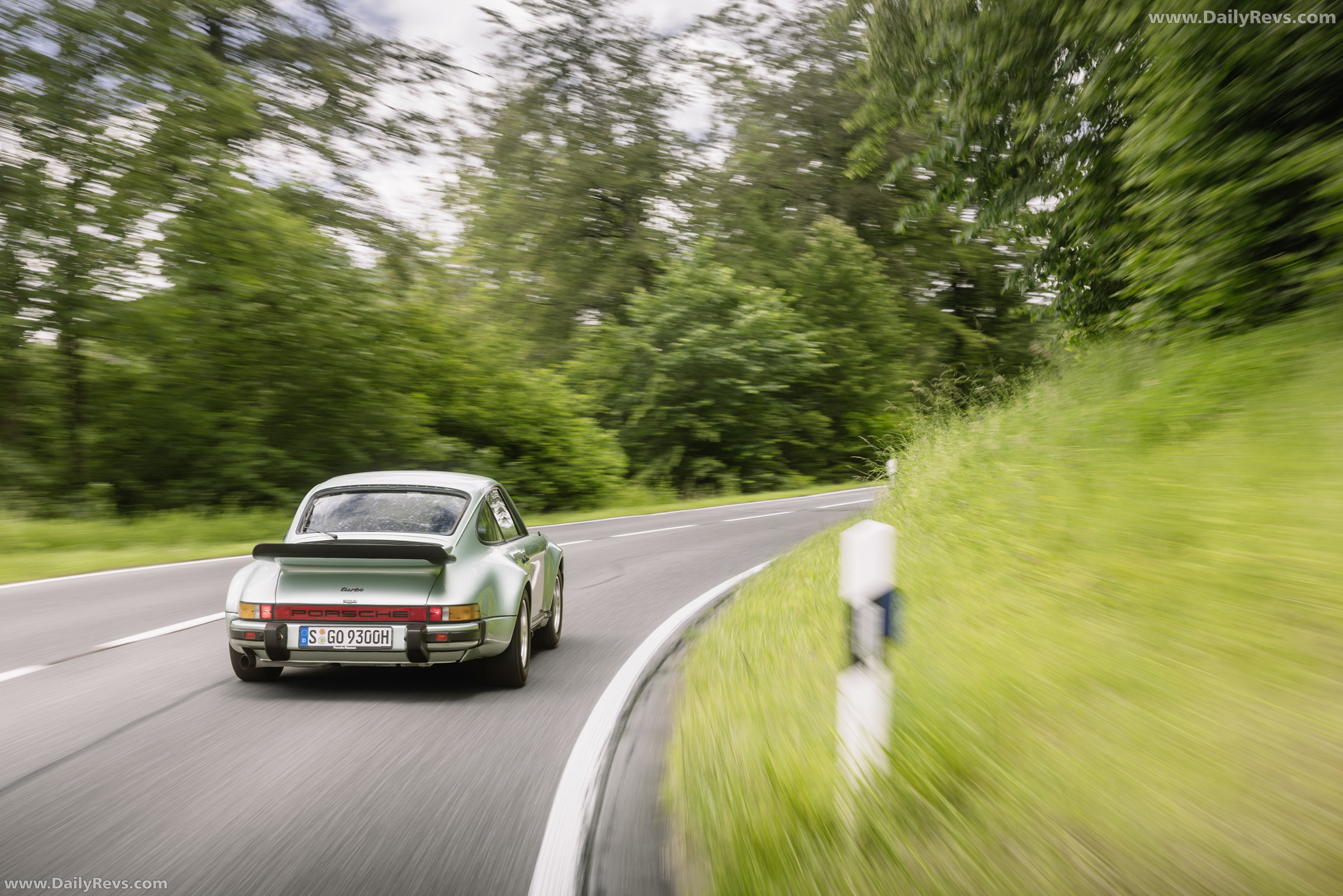
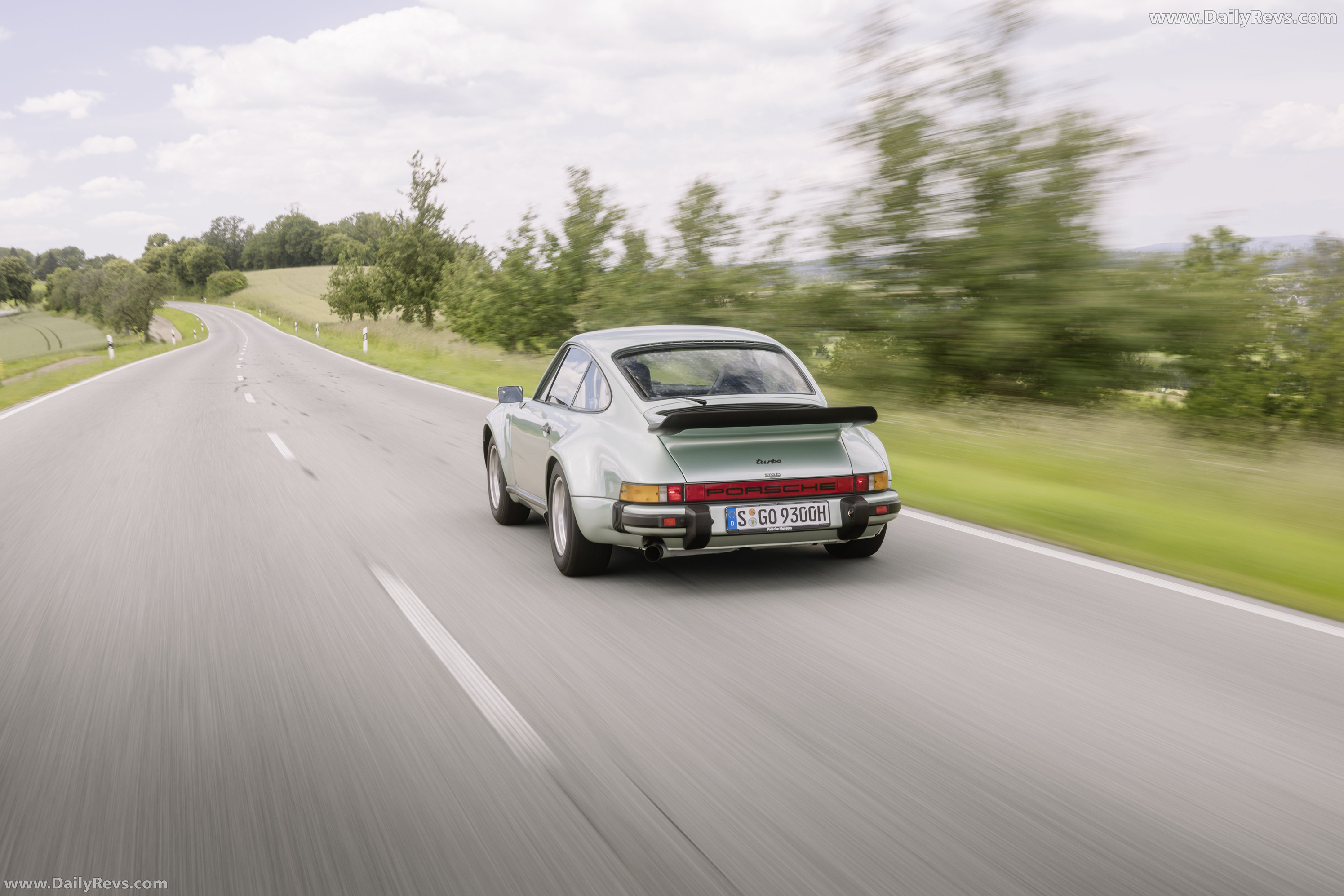
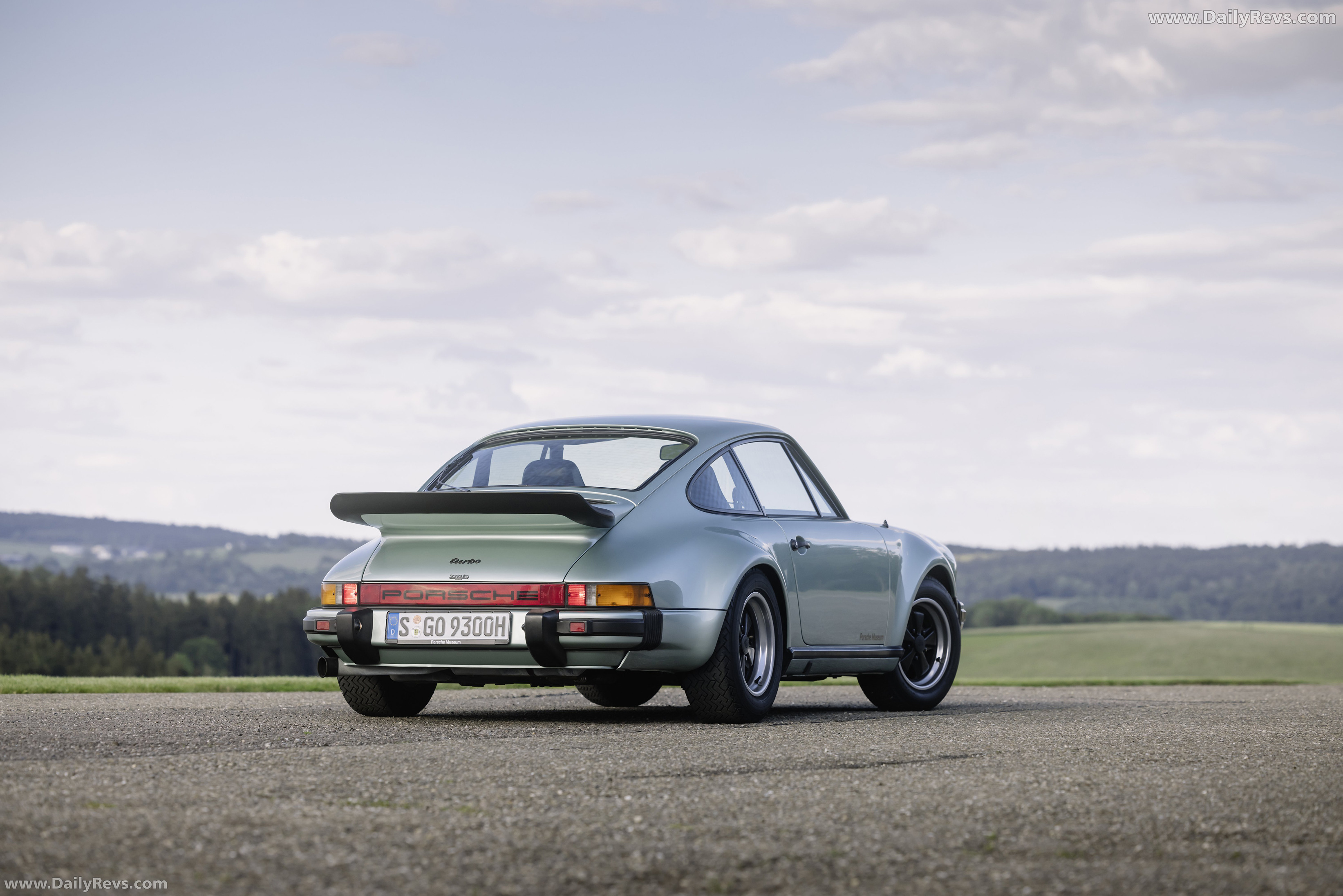
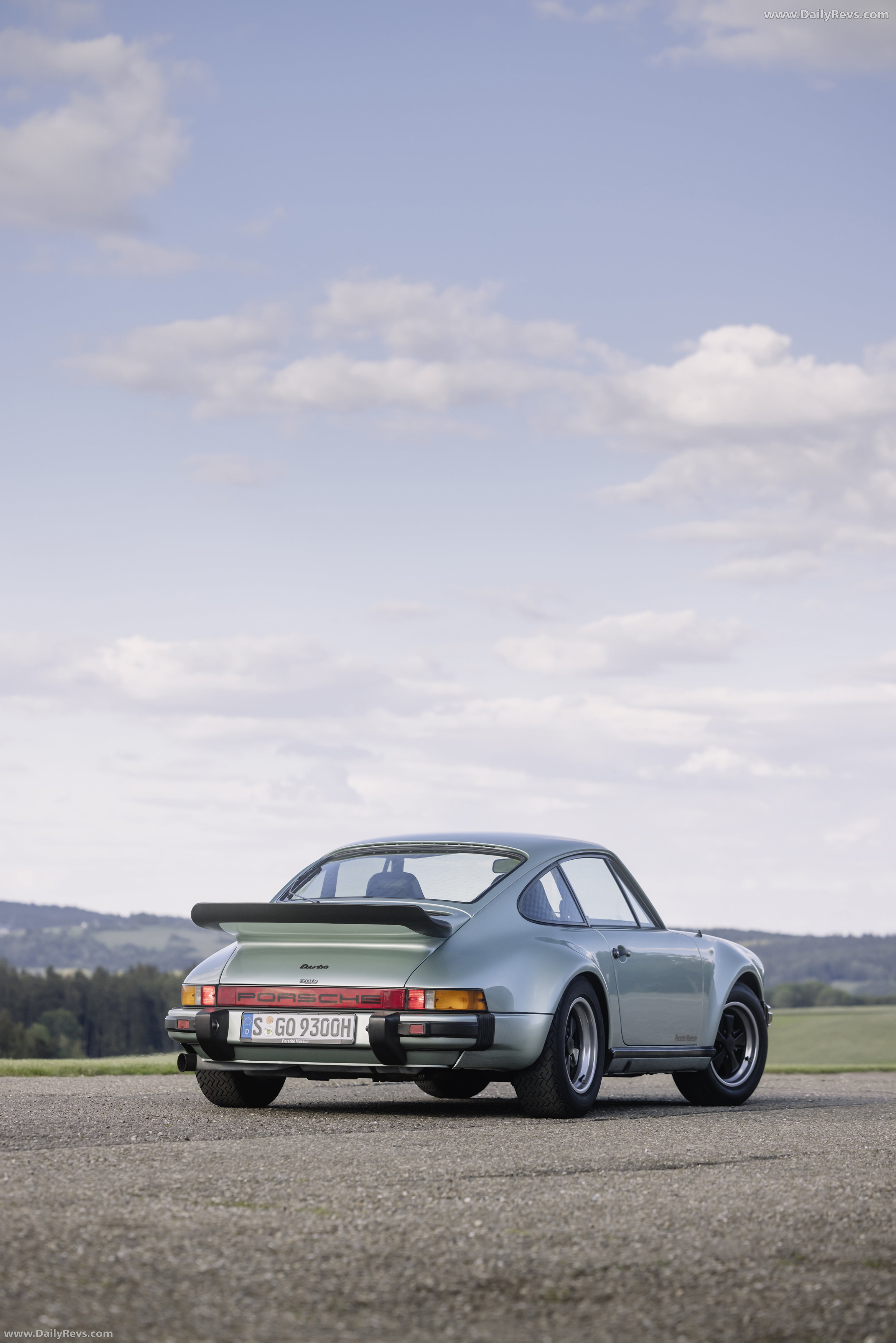
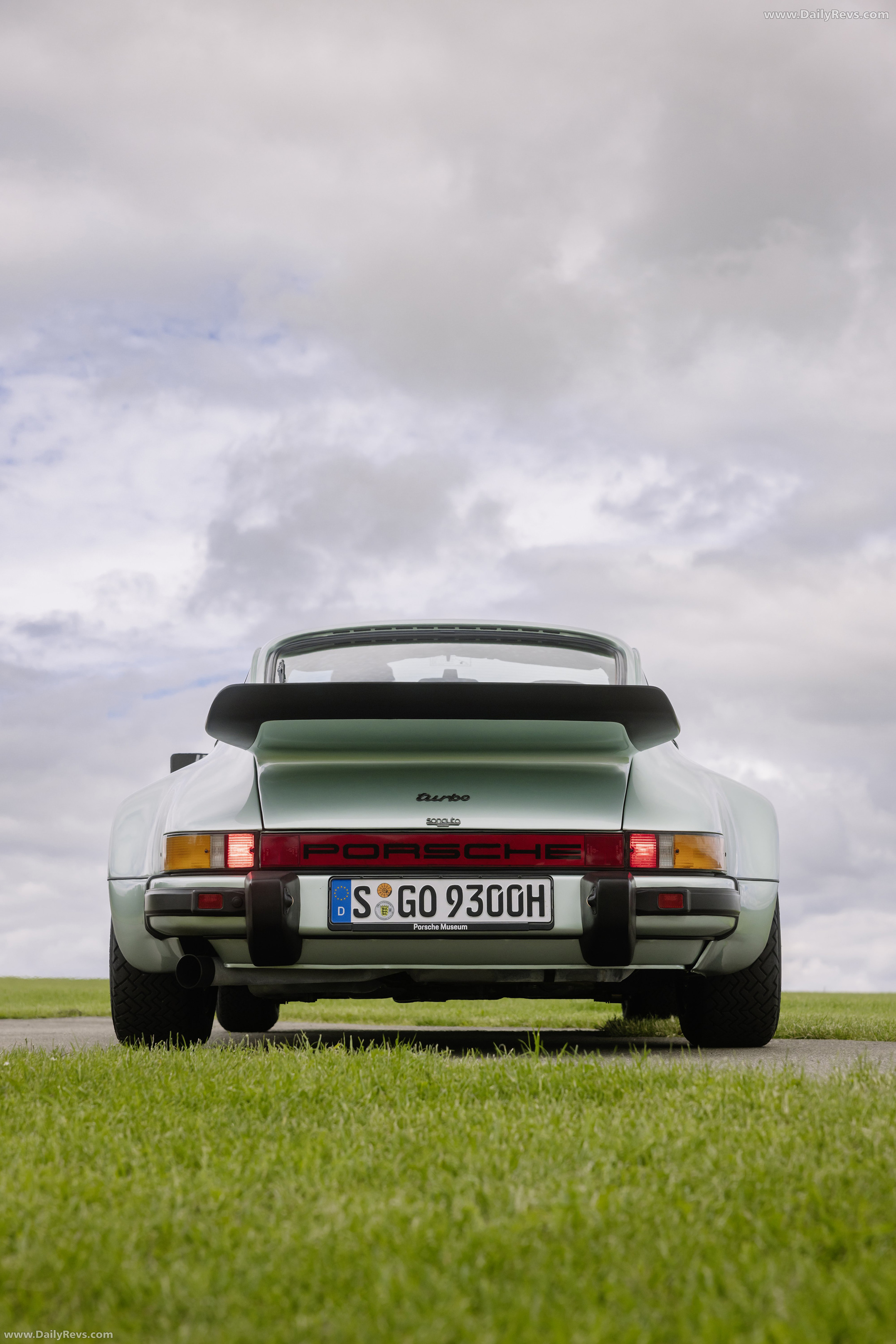
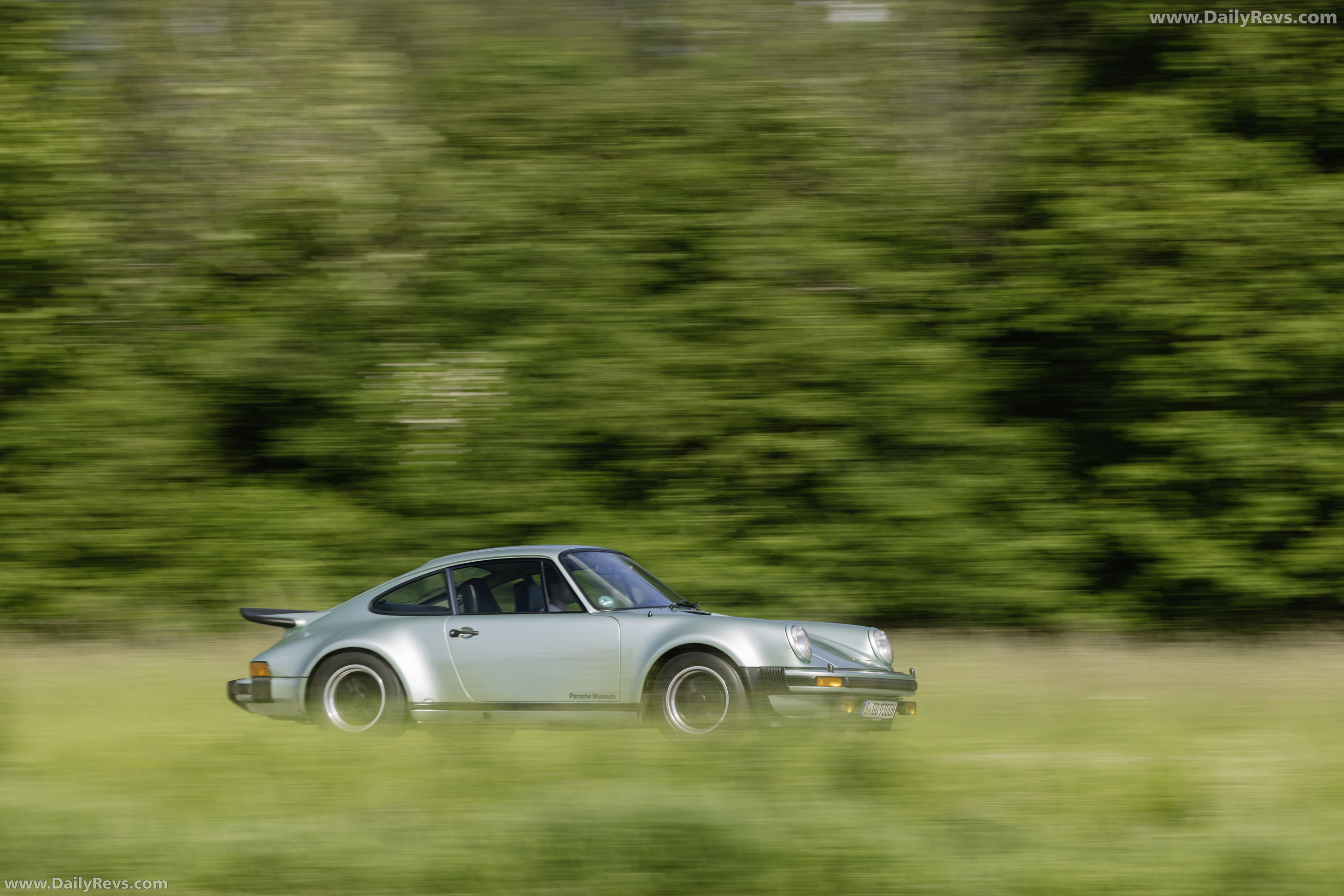
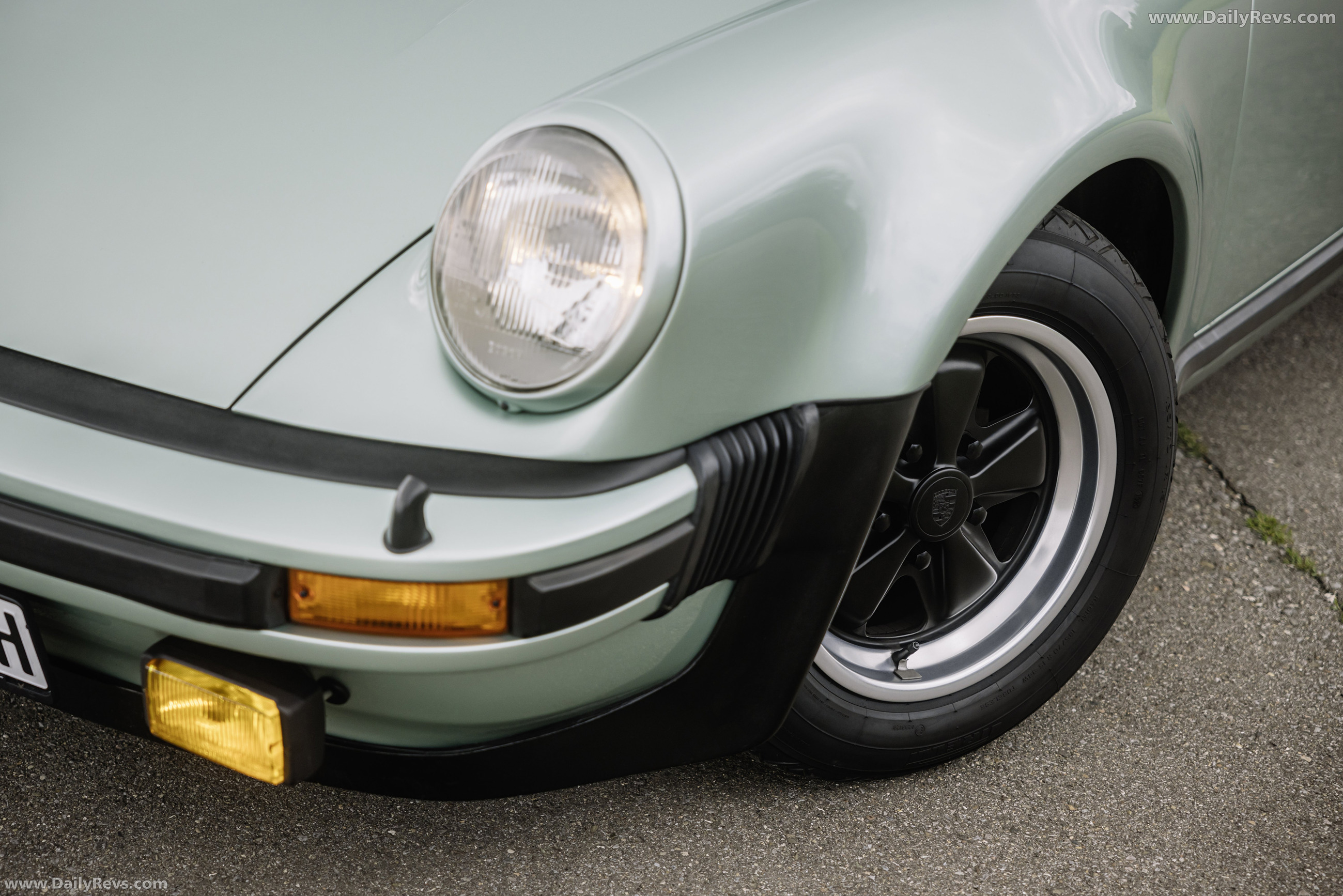
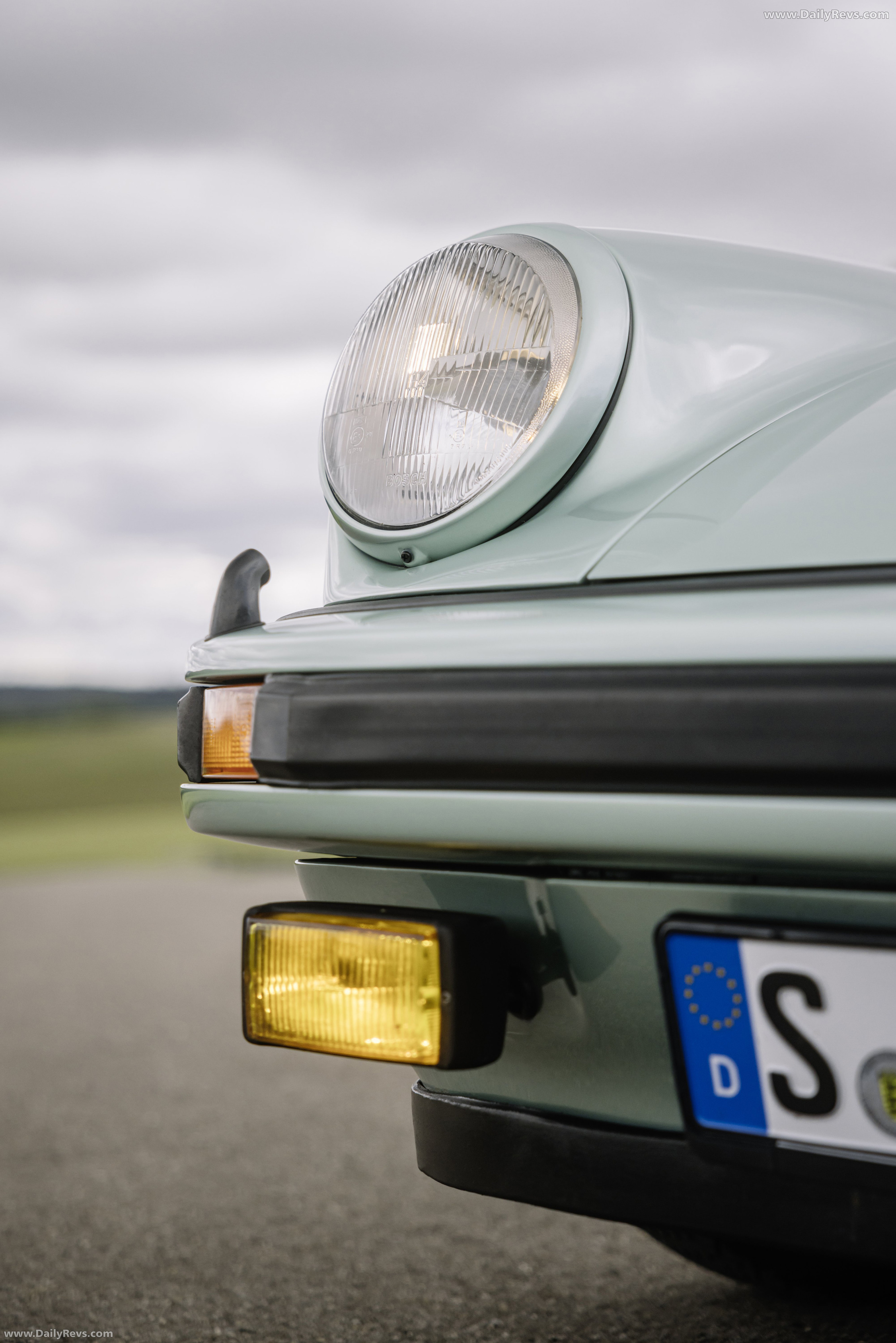
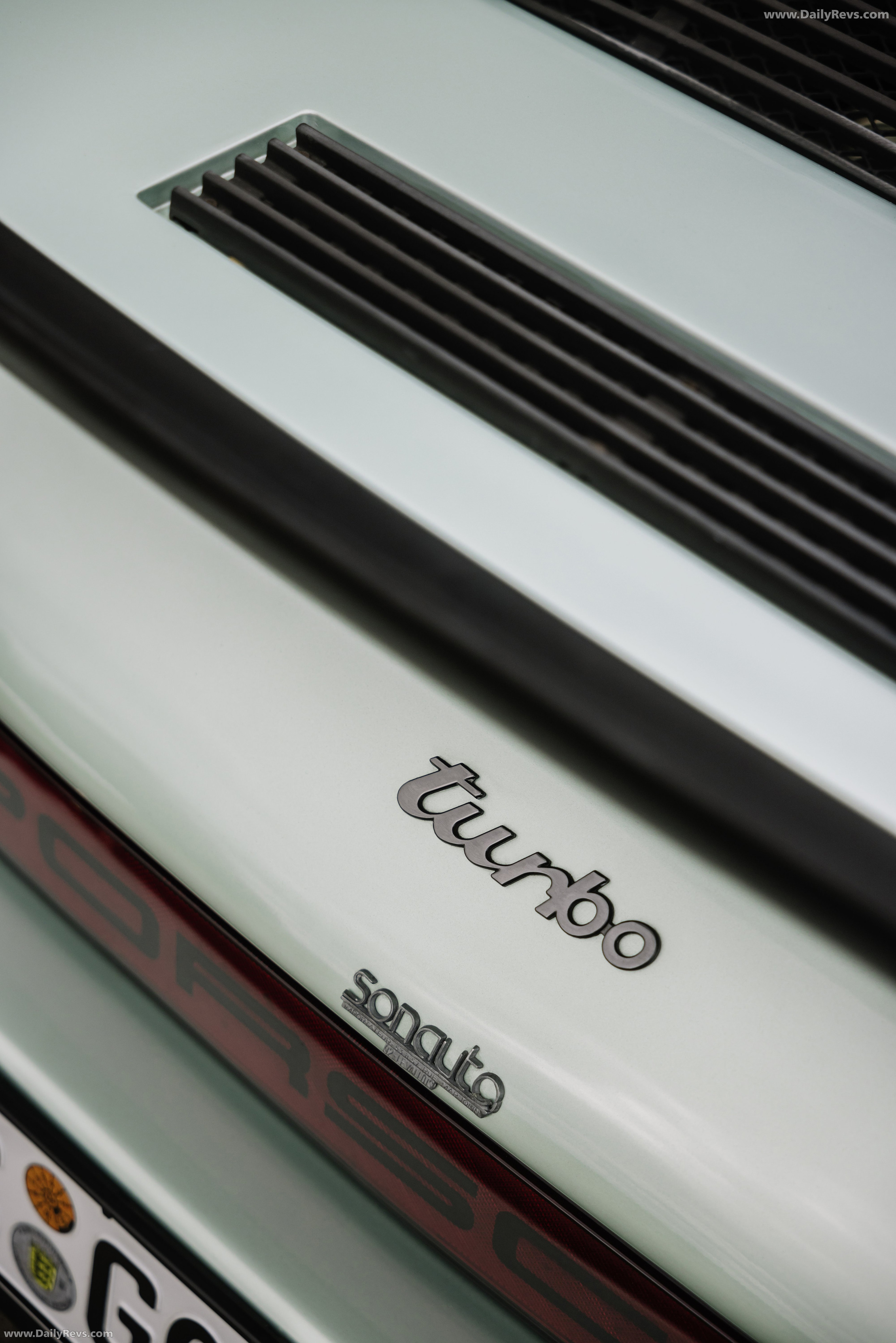
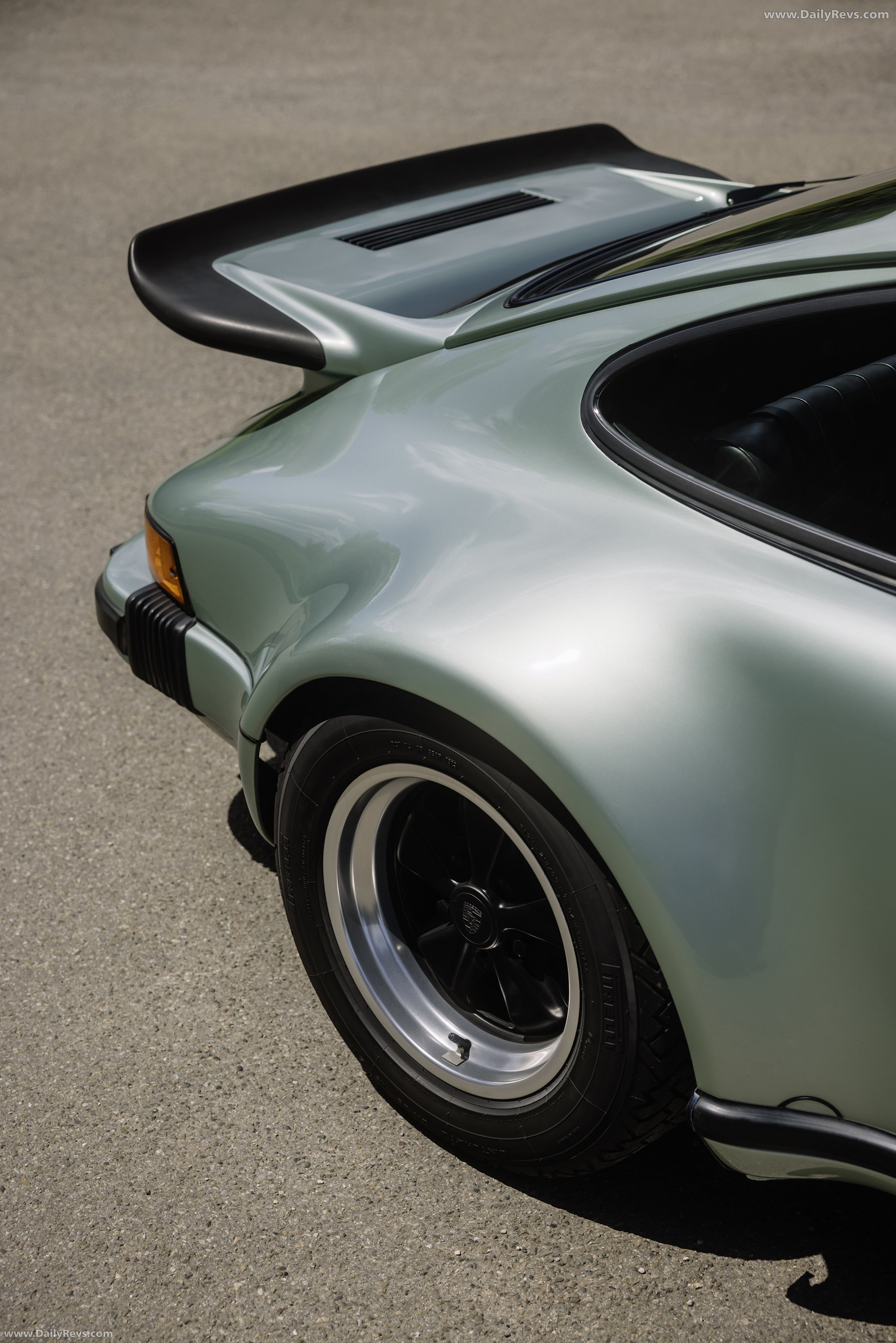
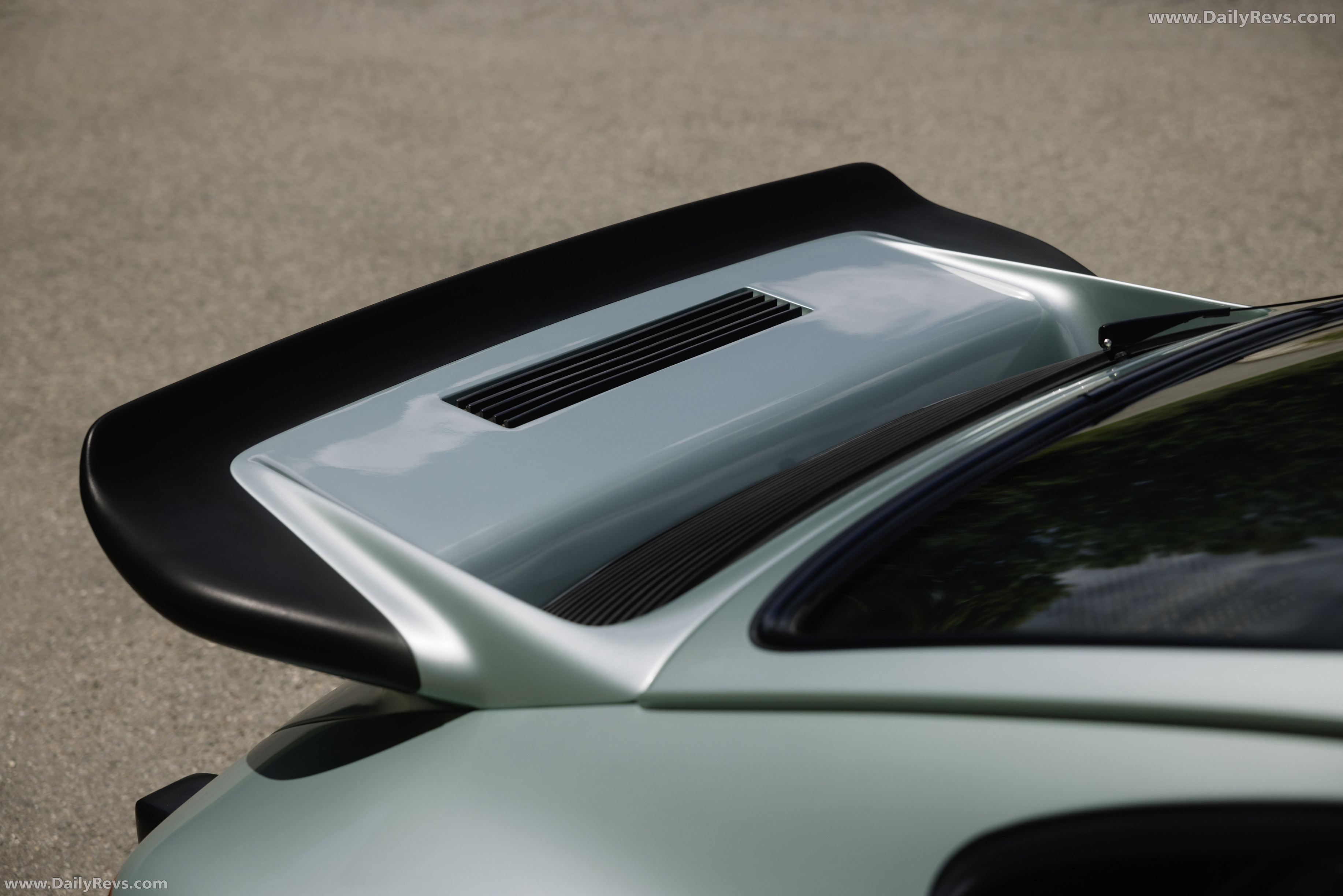
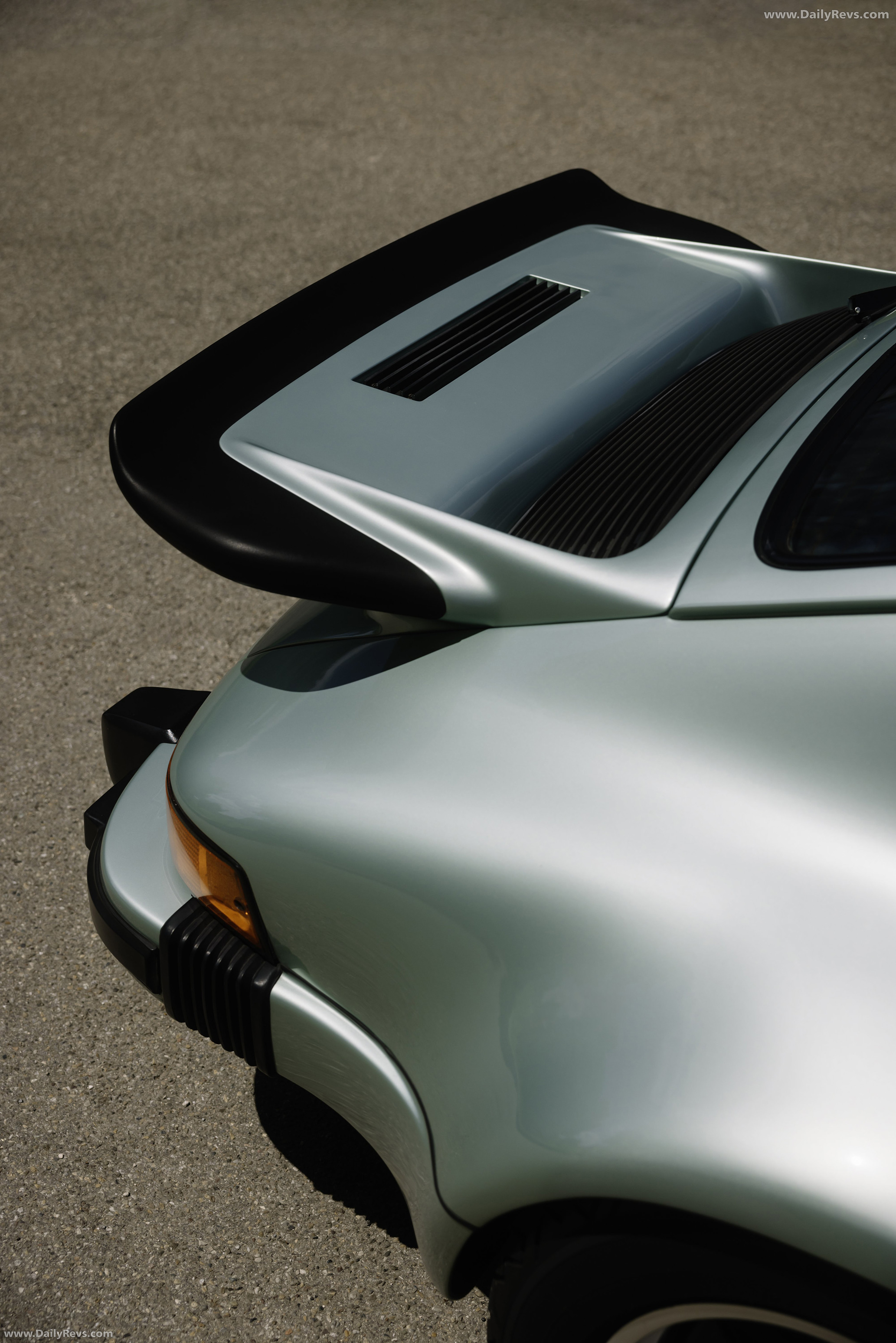
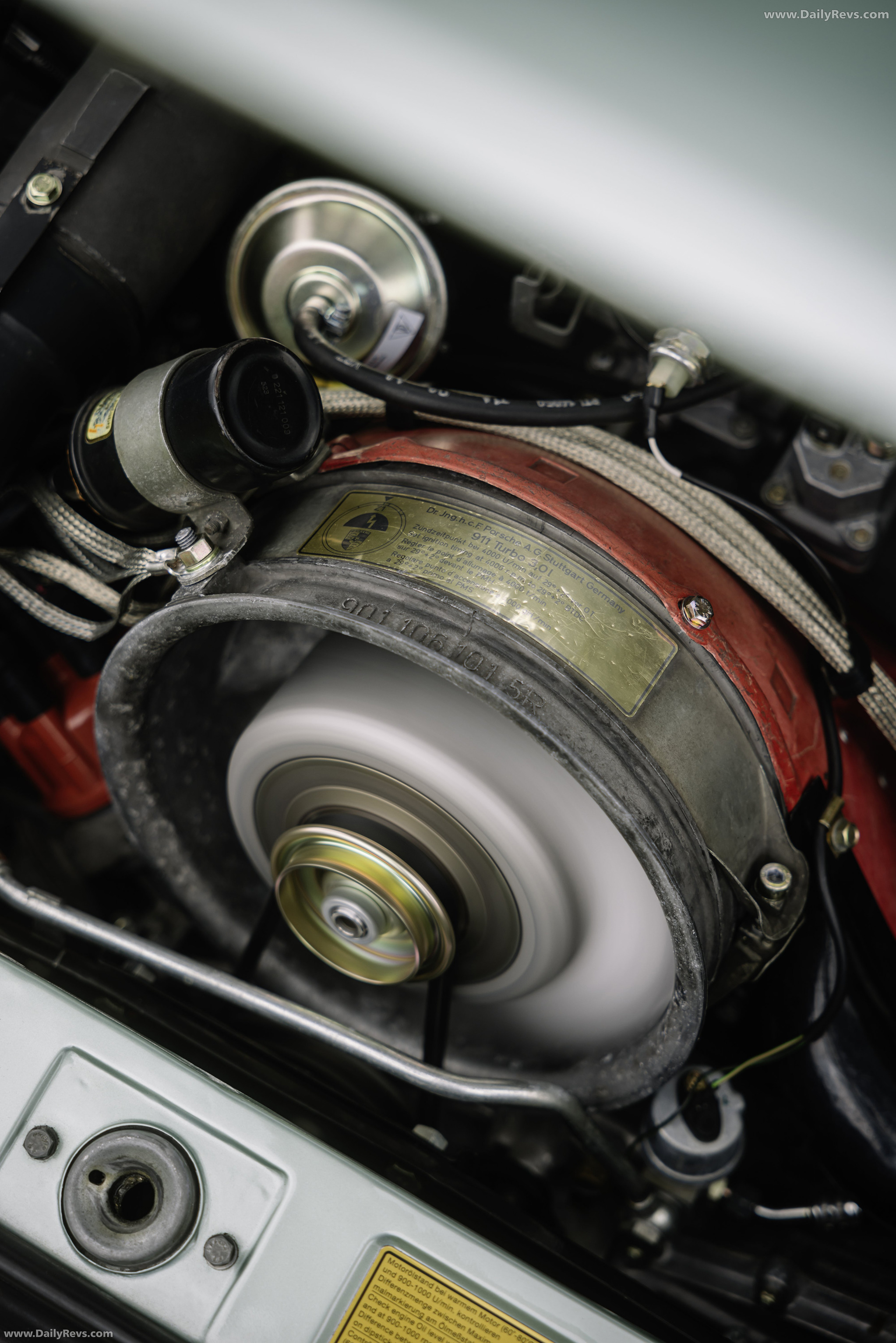
1975 Porsche 911 Turbo 3.0 Coupe
By Lorenzo Bianchi August 11, 1975
First production turbocharged Porsche, powered by a 3.0-litre flat-six producing 260 hp (191 kW).
Accelerated from 0–100 km/h in around 5.4 seconds, topping out near 250 km/h.
Combined race-derived engineering with genuine road usability, cementing the 911 Turbo legacy.
The Launch of a New Era
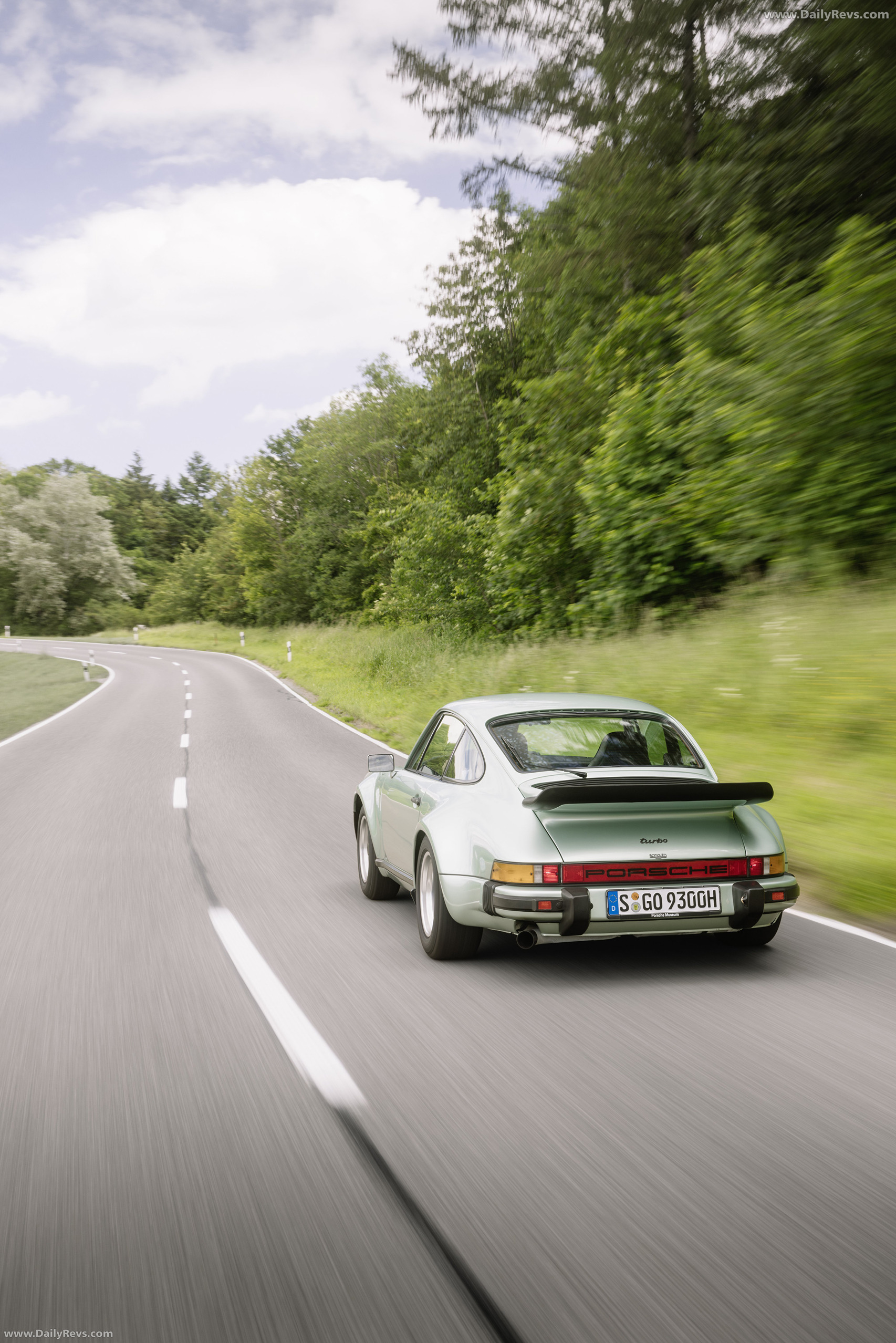
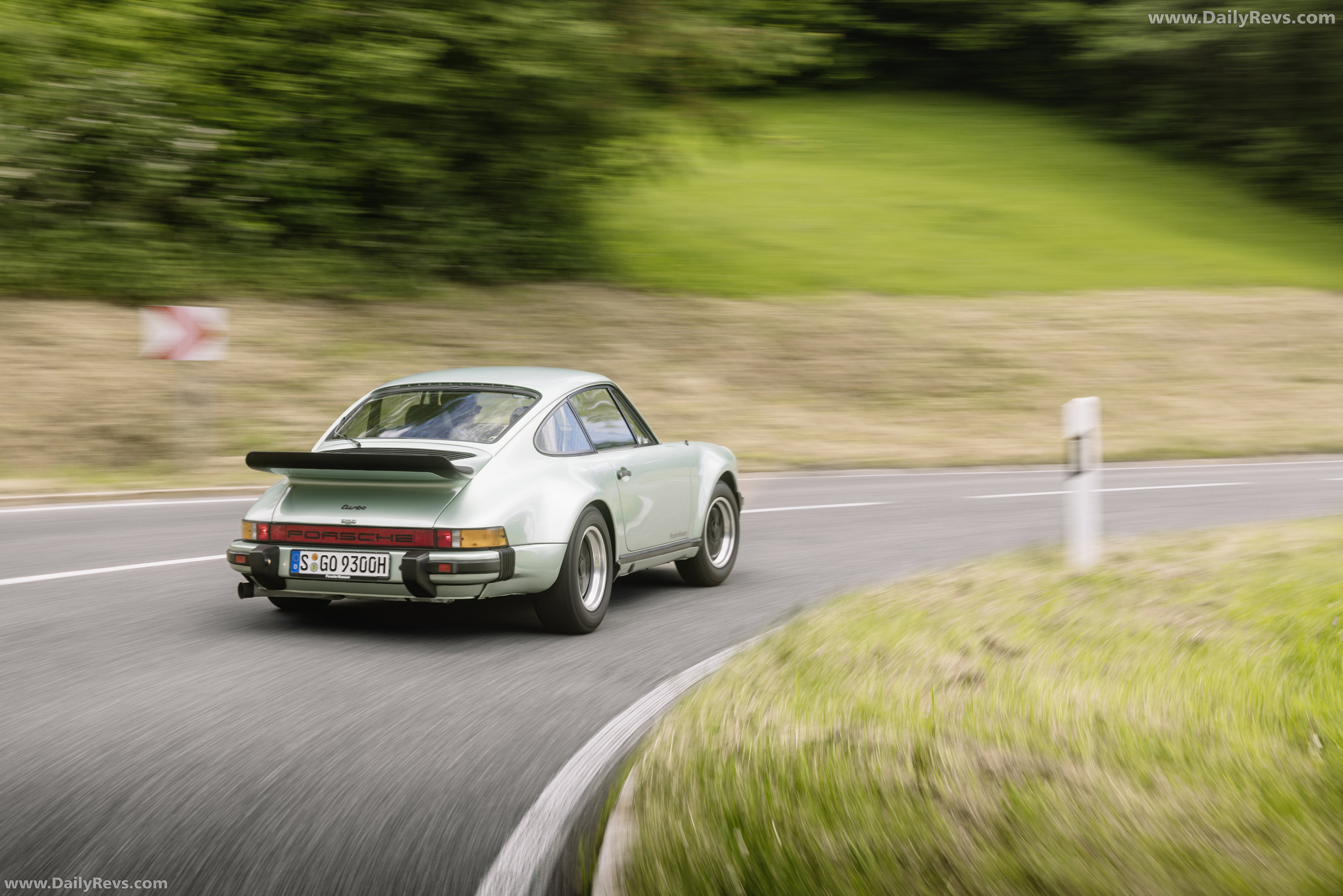
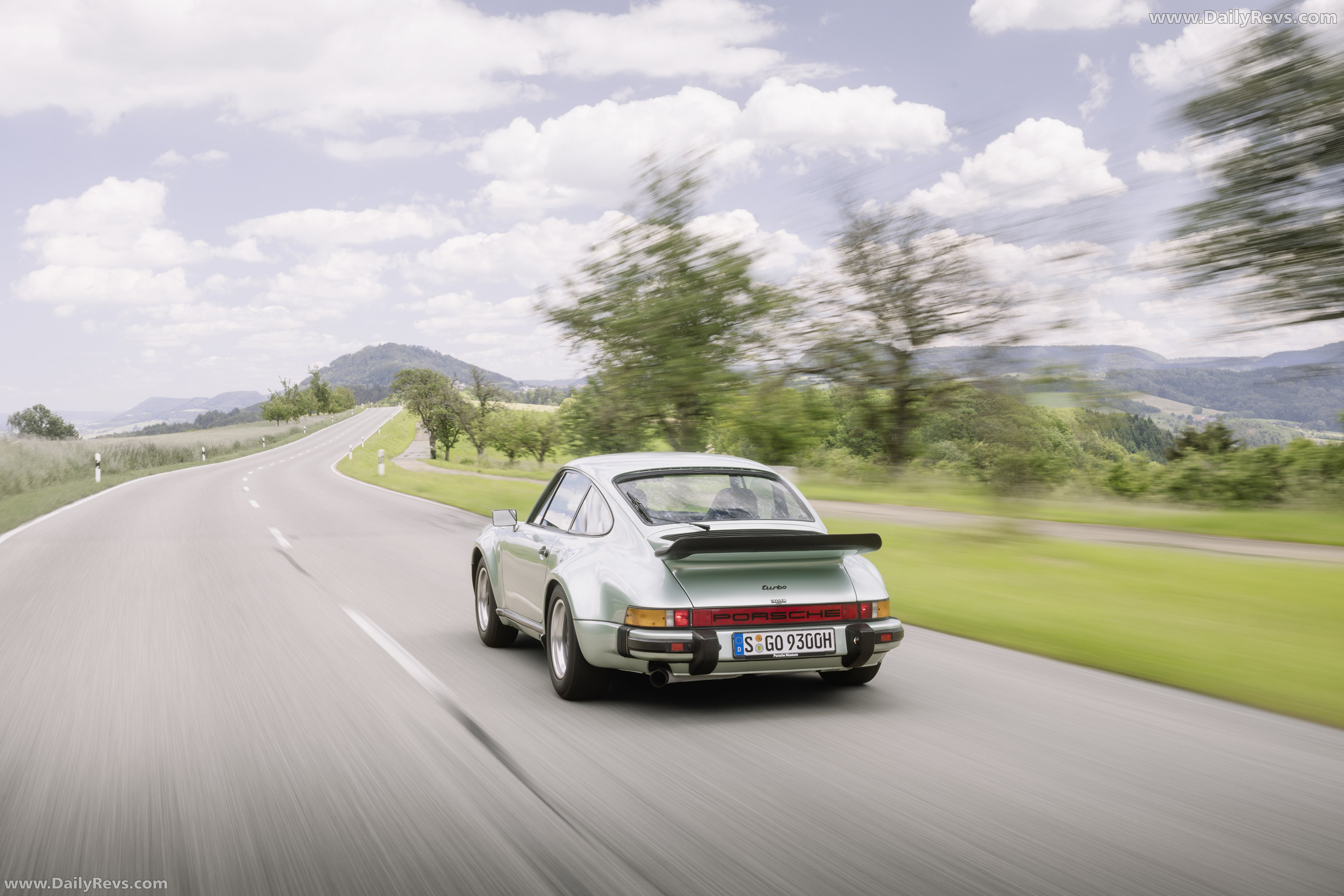
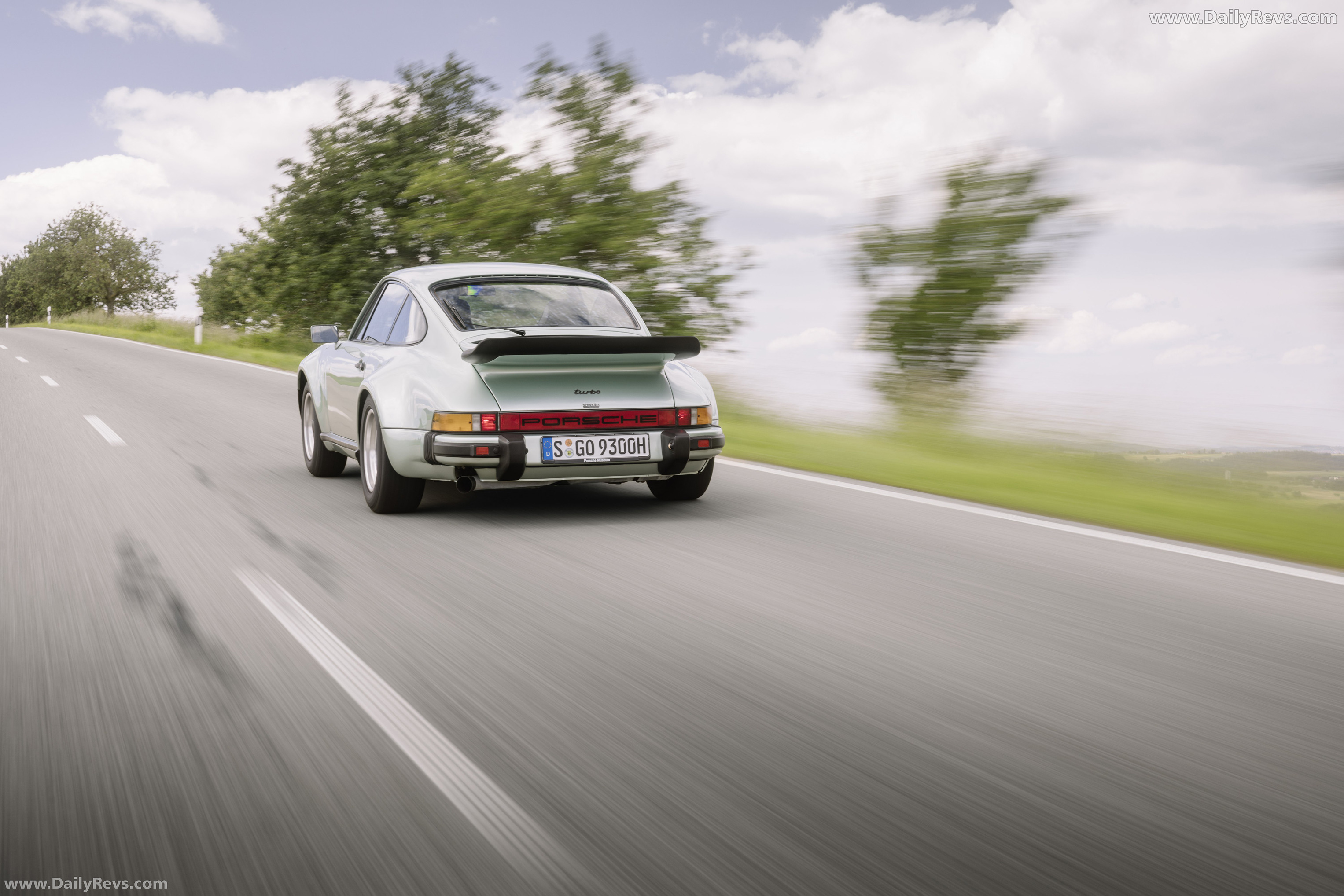
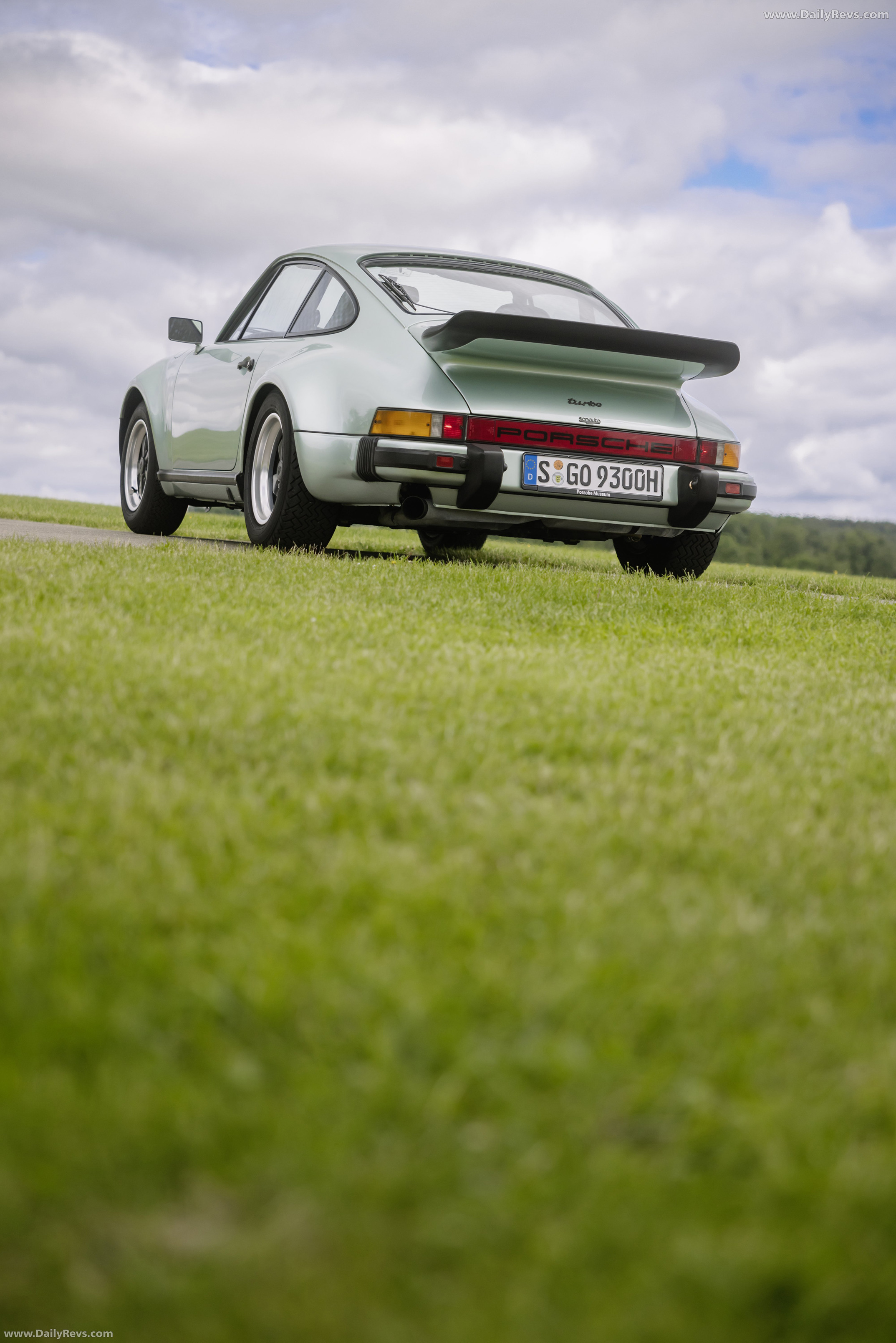
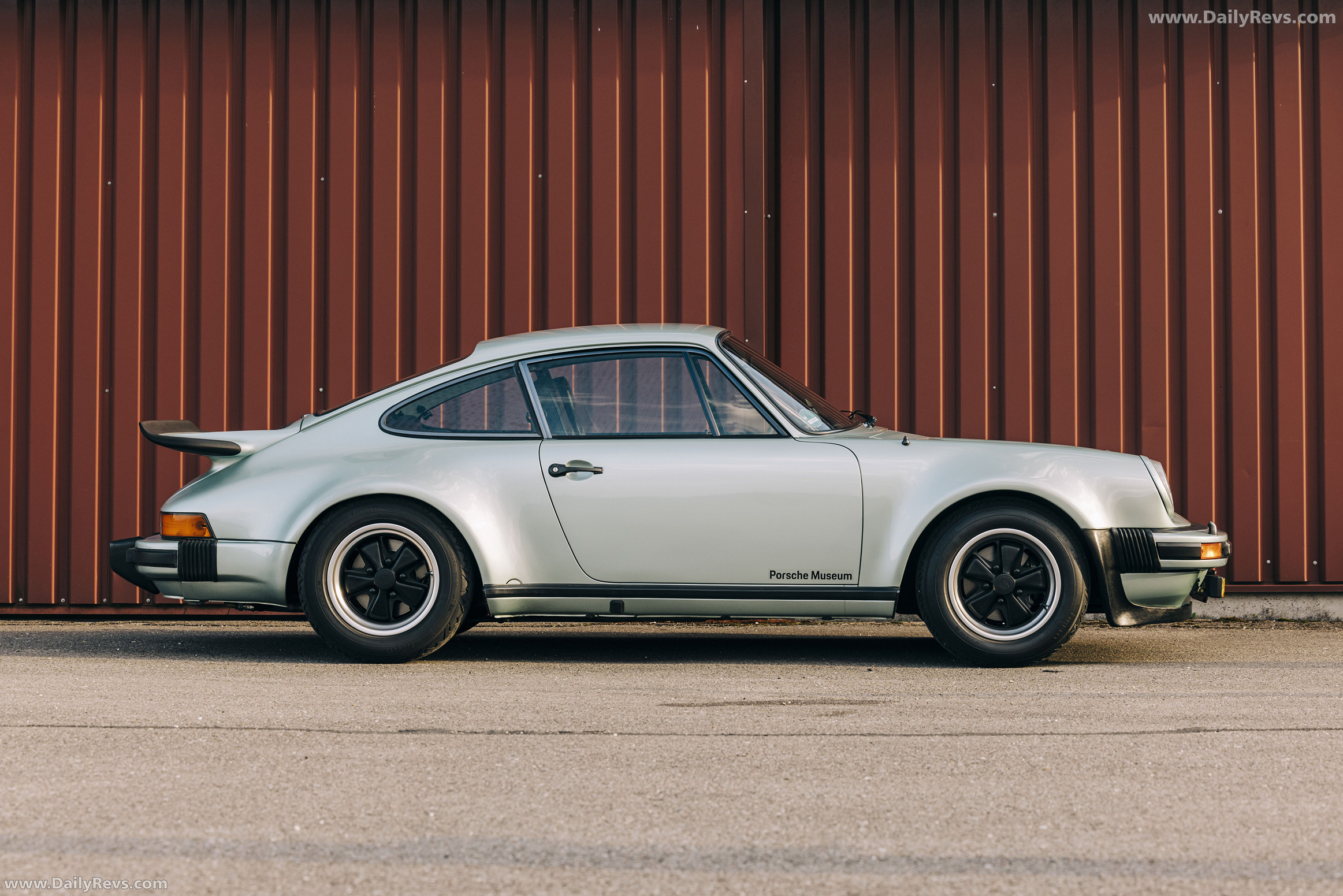
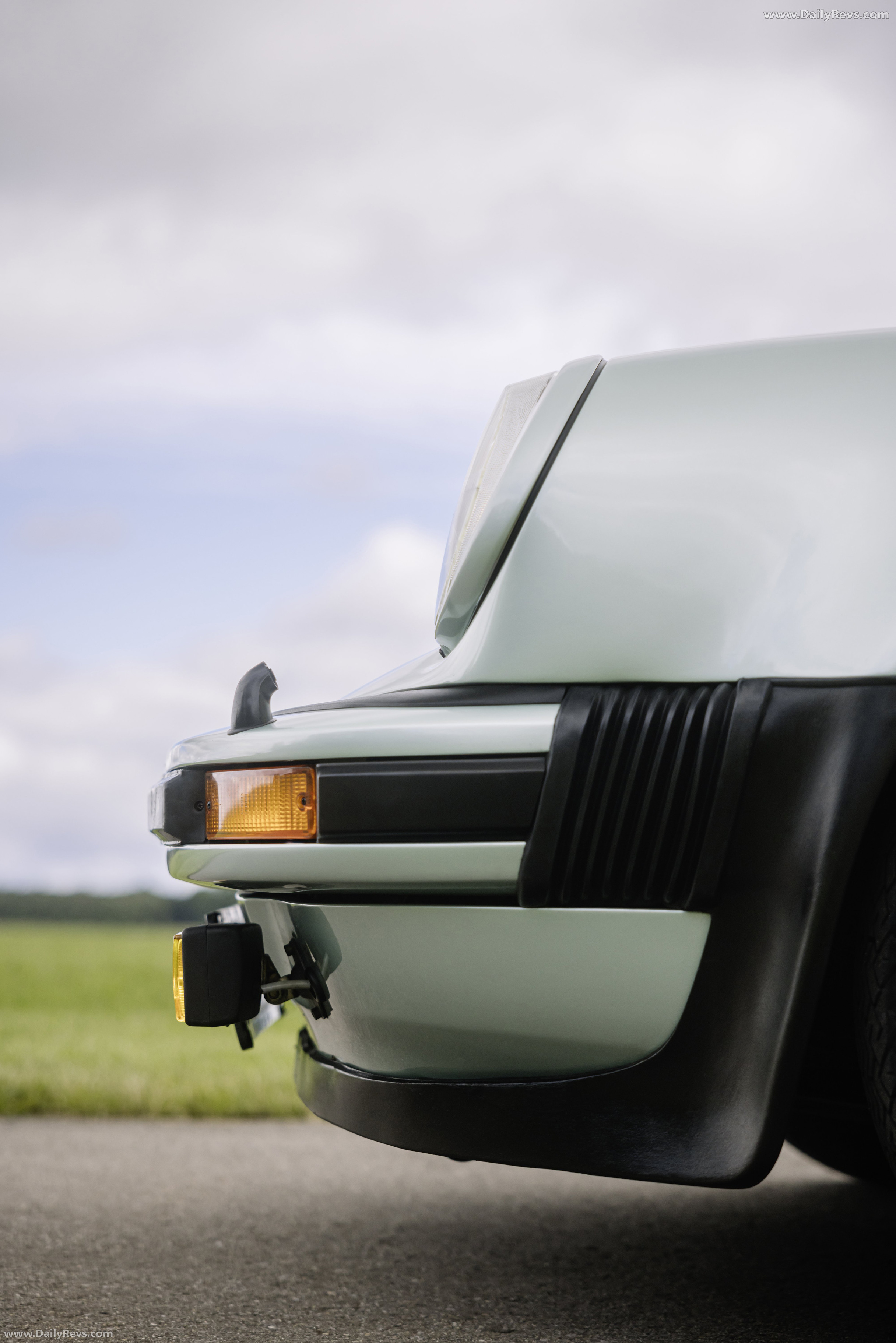
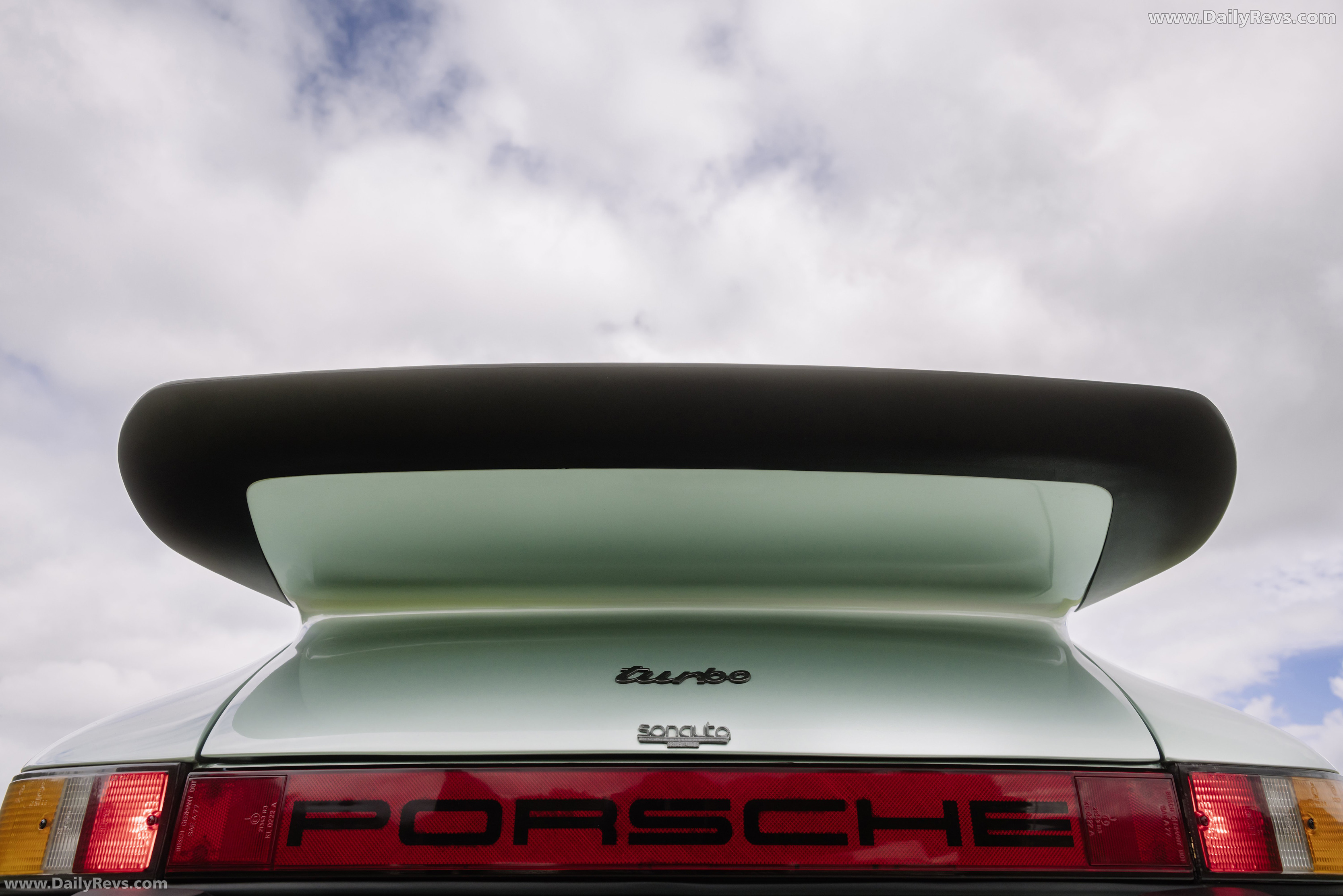
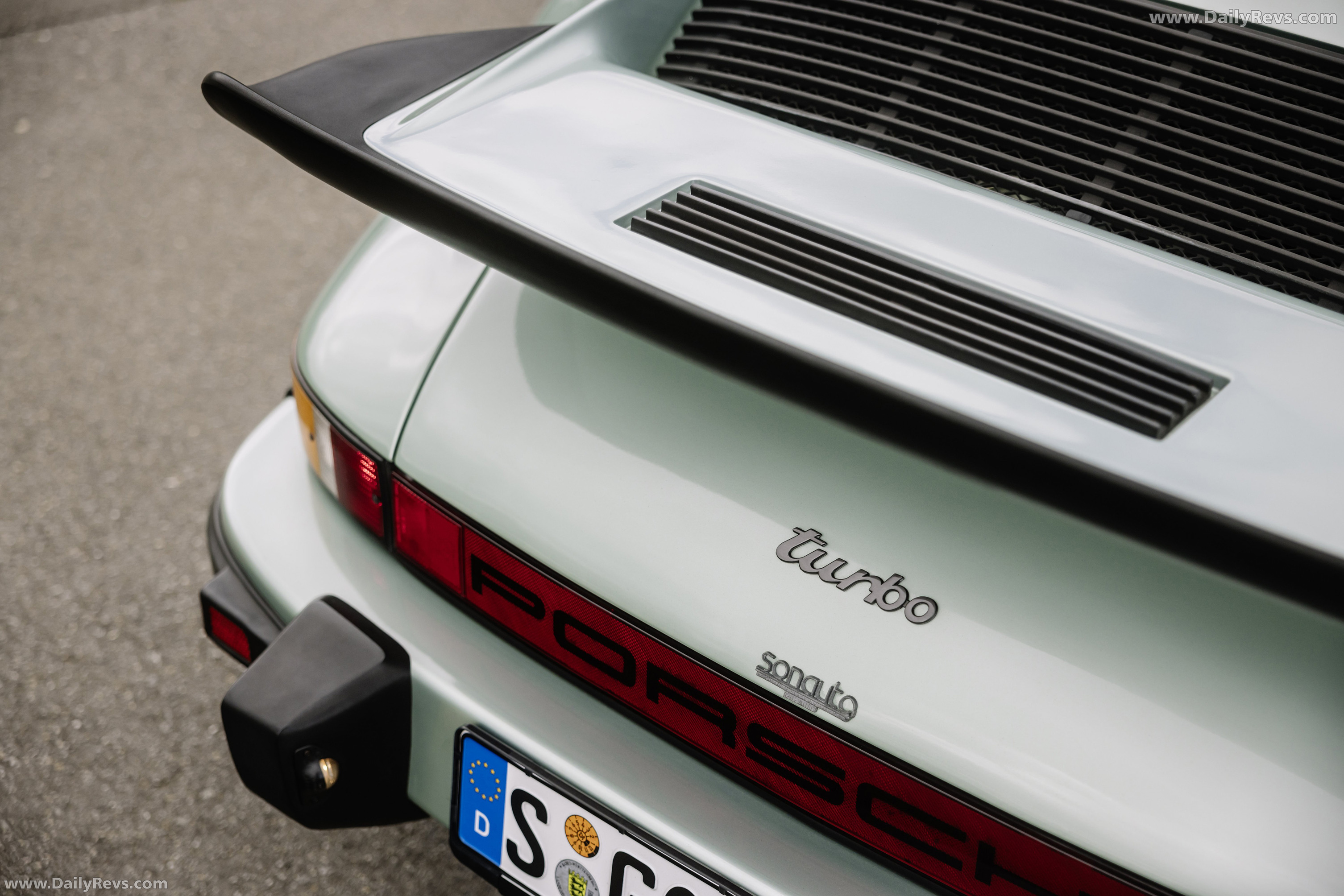
When Porsche unveiled the 911 Turbo 3.0 in 1975, it wasn’t just another variant in the lineup. Internally coded as the Type 930, this was the company’s first production car to carry a turbocharger, directly inspired by the brand’s endurance racing programmes. The wide arches, deep chin spoiler, and the now-iconic “whale tail” rear wing instantly signalled that this was something different.
The intent was clear: build a car that could dominate on the autobahn, excel on a track day, and still be driven home without feeling like a stripped-out racer.
Engine and Performance
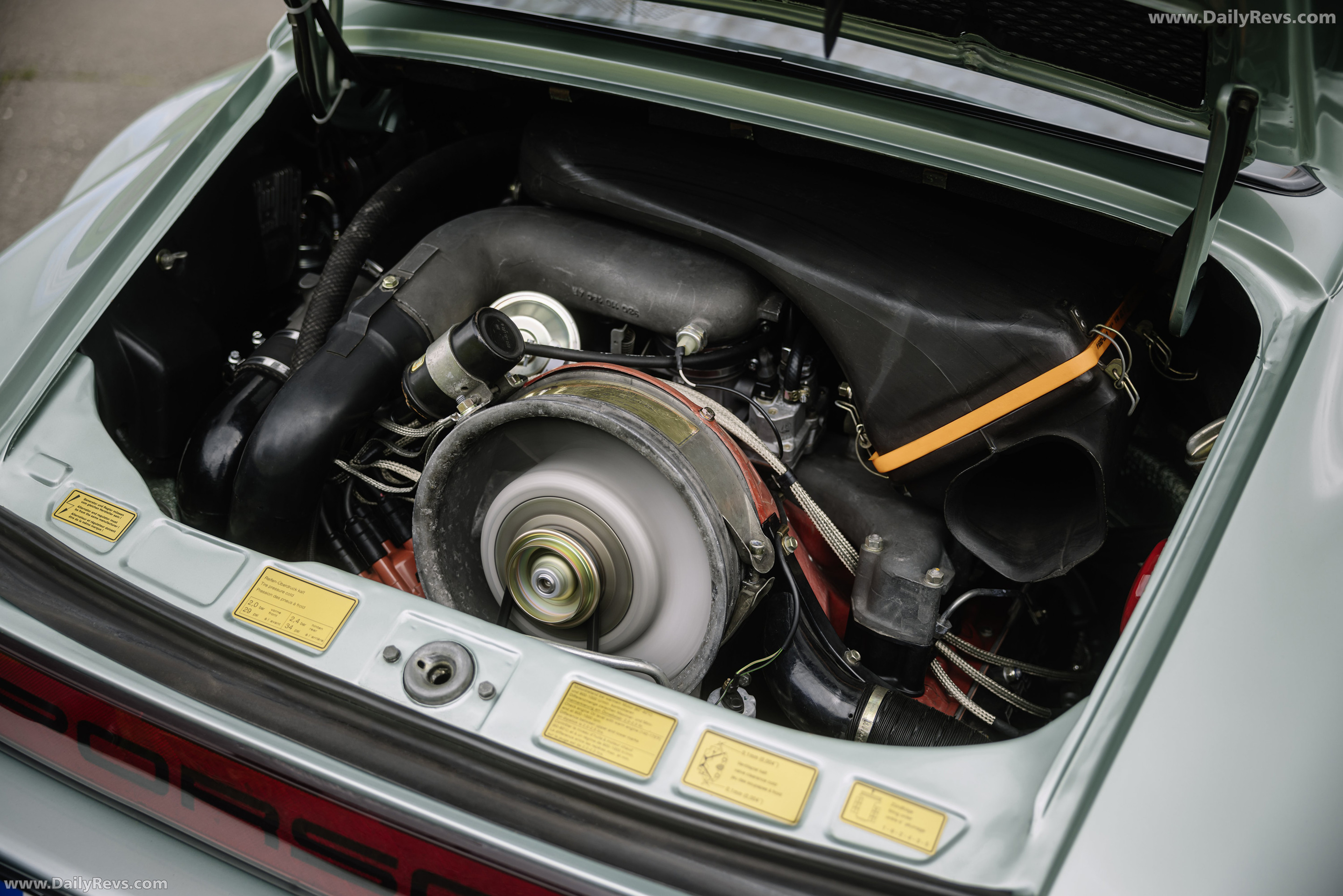
The heart of the 1975 Turbo was a 2,994 cc air-cooled flat-six fitted with a single KKK turbocharger. With Bosch K-Jetronic fuel injection and a 6.5:1 compression ratio, it produced 260 hp at 5,500 rpm and 345 Nm of torque at 4,000 rpm.
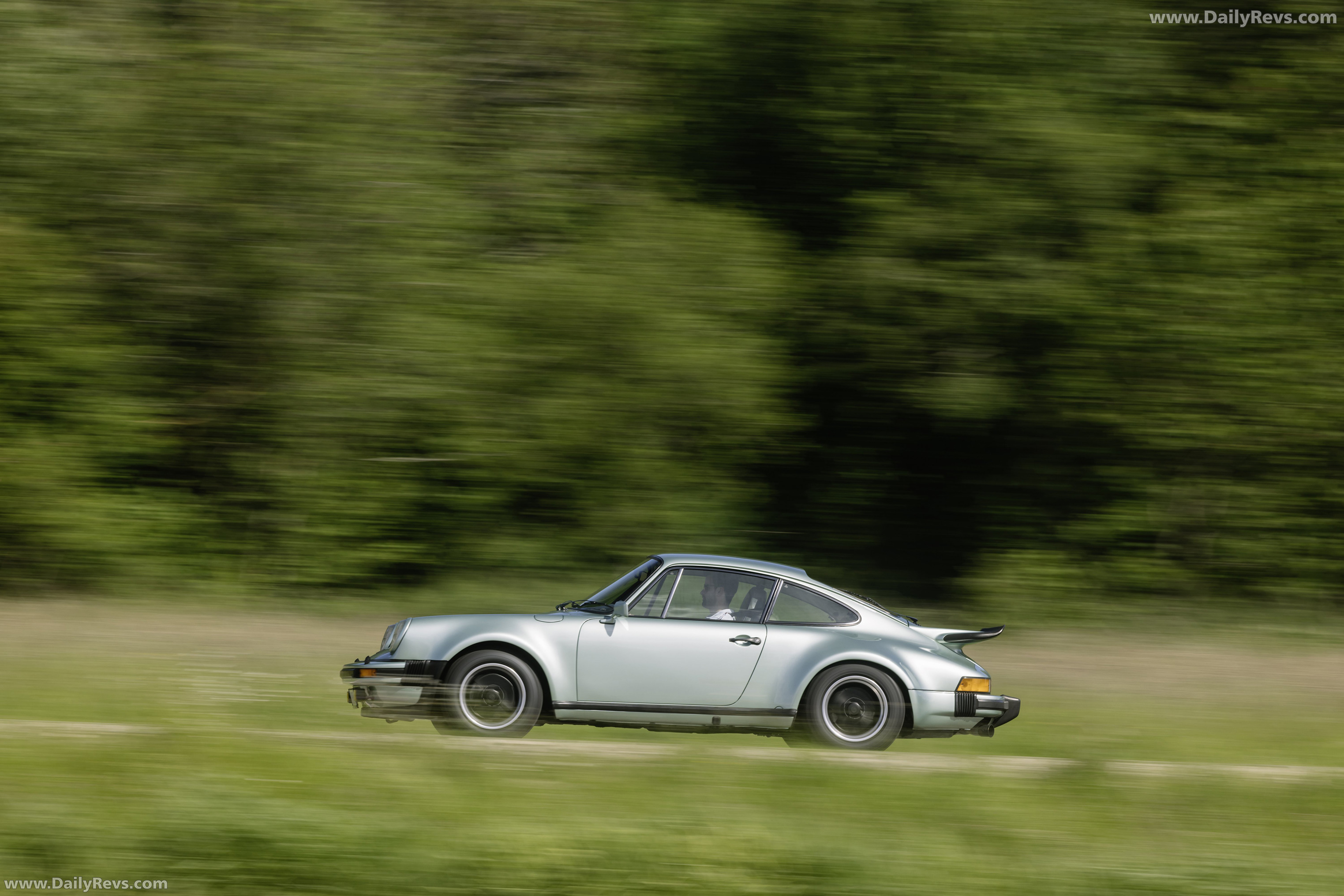
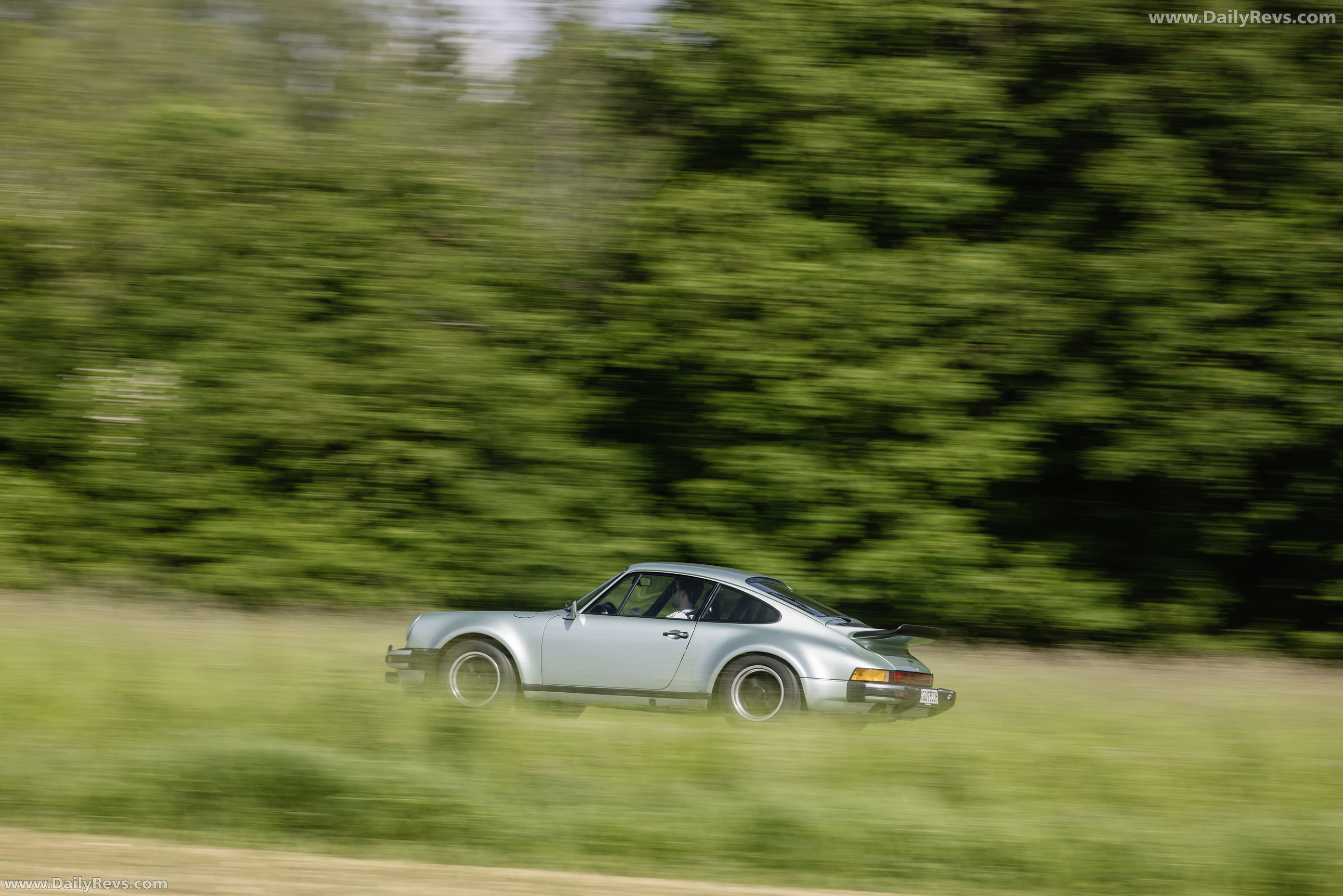
Those numbers made the 911 Turbo one of the quickest cars on the road in the mid-1970s. Independent tests at the time recorded 0–100 km/h runs in just over 5.4 seconds and a top speed of around 250 km/h. In the U.S., Car and Driver measured a 0–60 mph time of 4.9 seconds — enough to match the quickest production cars of the decade.
Driving Experience
Rear-engine, rear-wheel drive, and a kerb weight of about 1,140 kg gave the Turbo an edge in agility. The wider rear track and the massive spoiler improved stability at speed, reducing the lift that could unsettle earlier 911s at high velocity.
Power came on strong once the turbo spooled, and when it did, the acceleration was relentless. The steering remained pure and mechanical, with feedback that demanded — and rewarded — skill. Braking was equally impressive, thanks to hardware derived from Porsche’s motorsport efforts.
Interior and Practicality
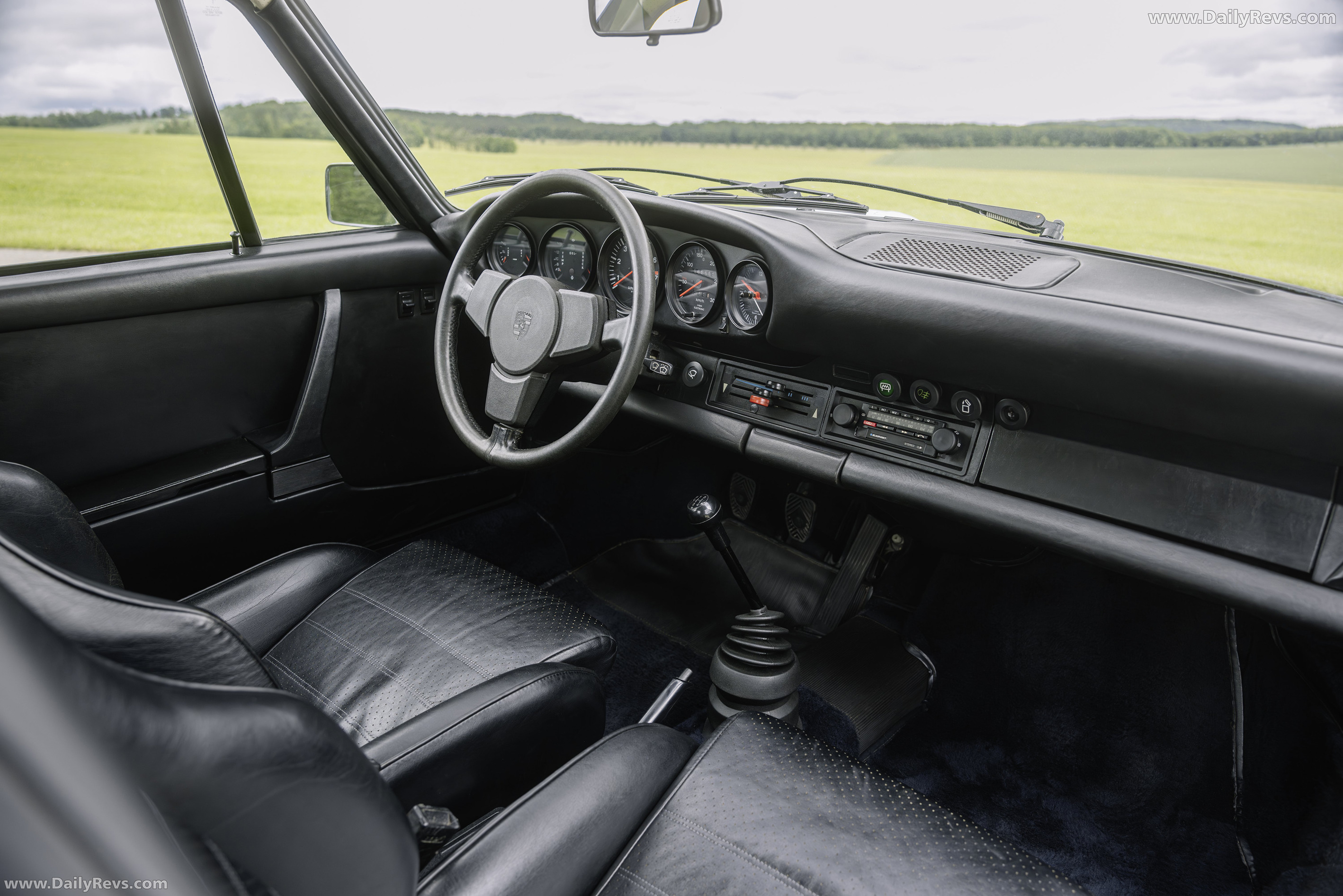
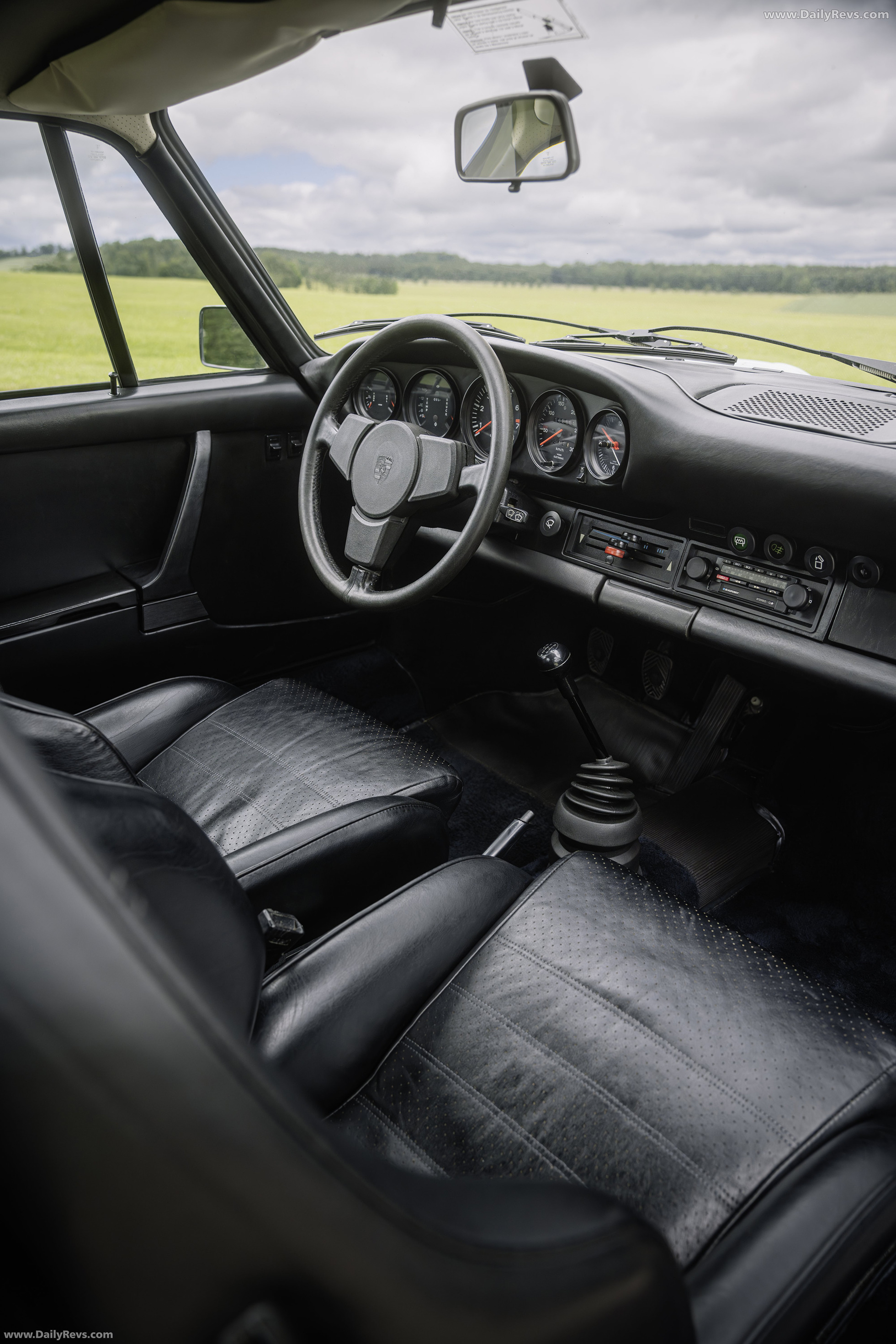
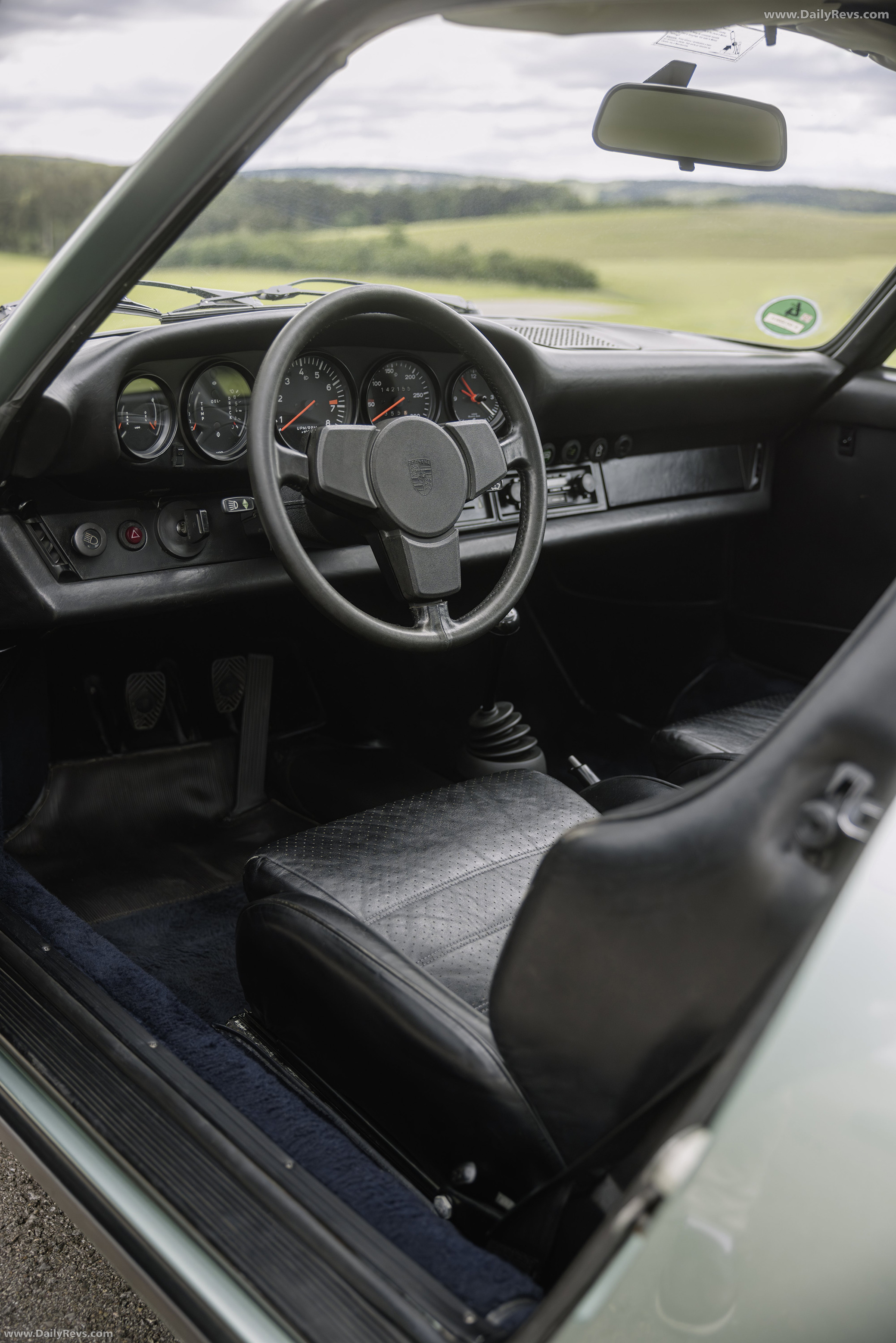
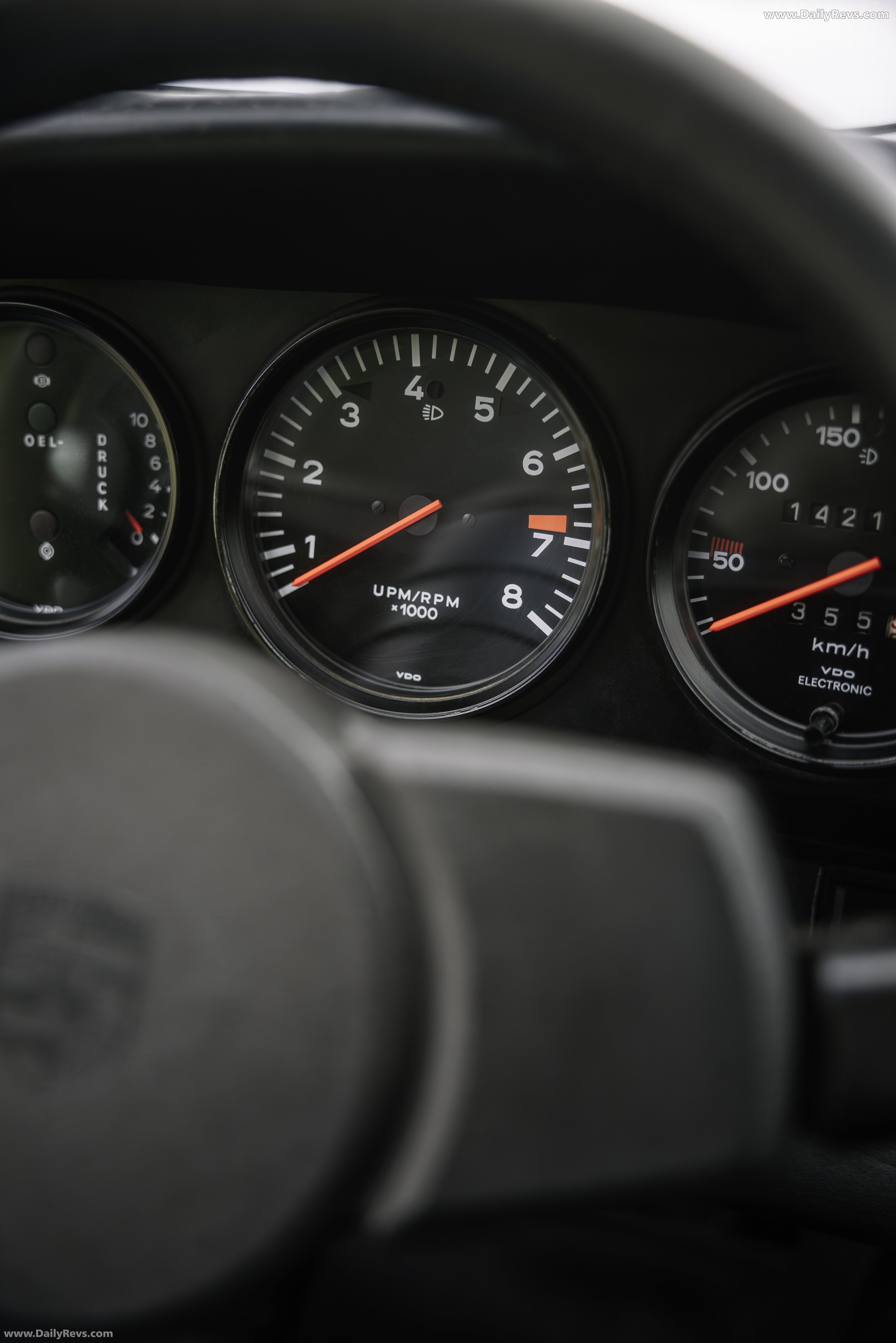
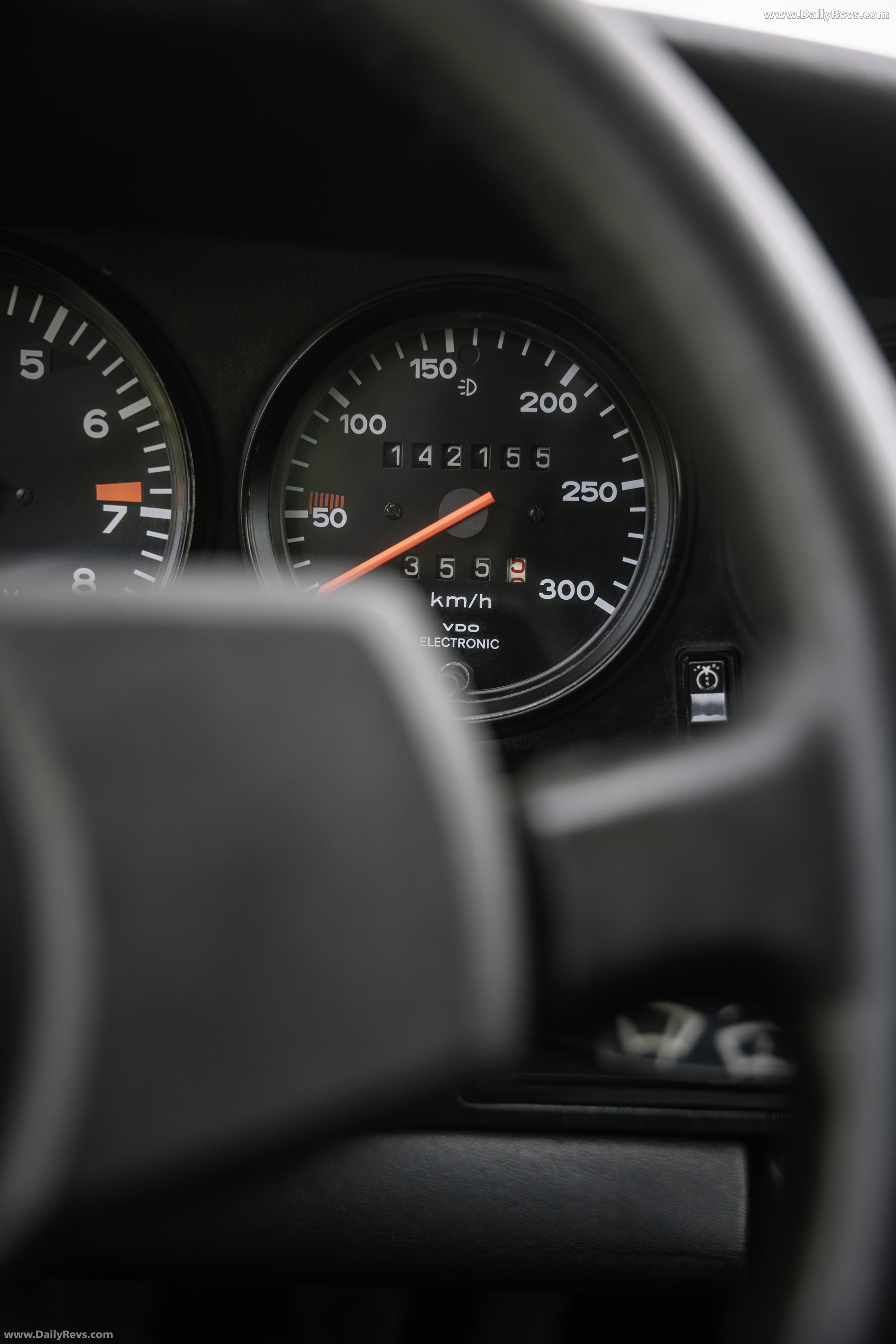
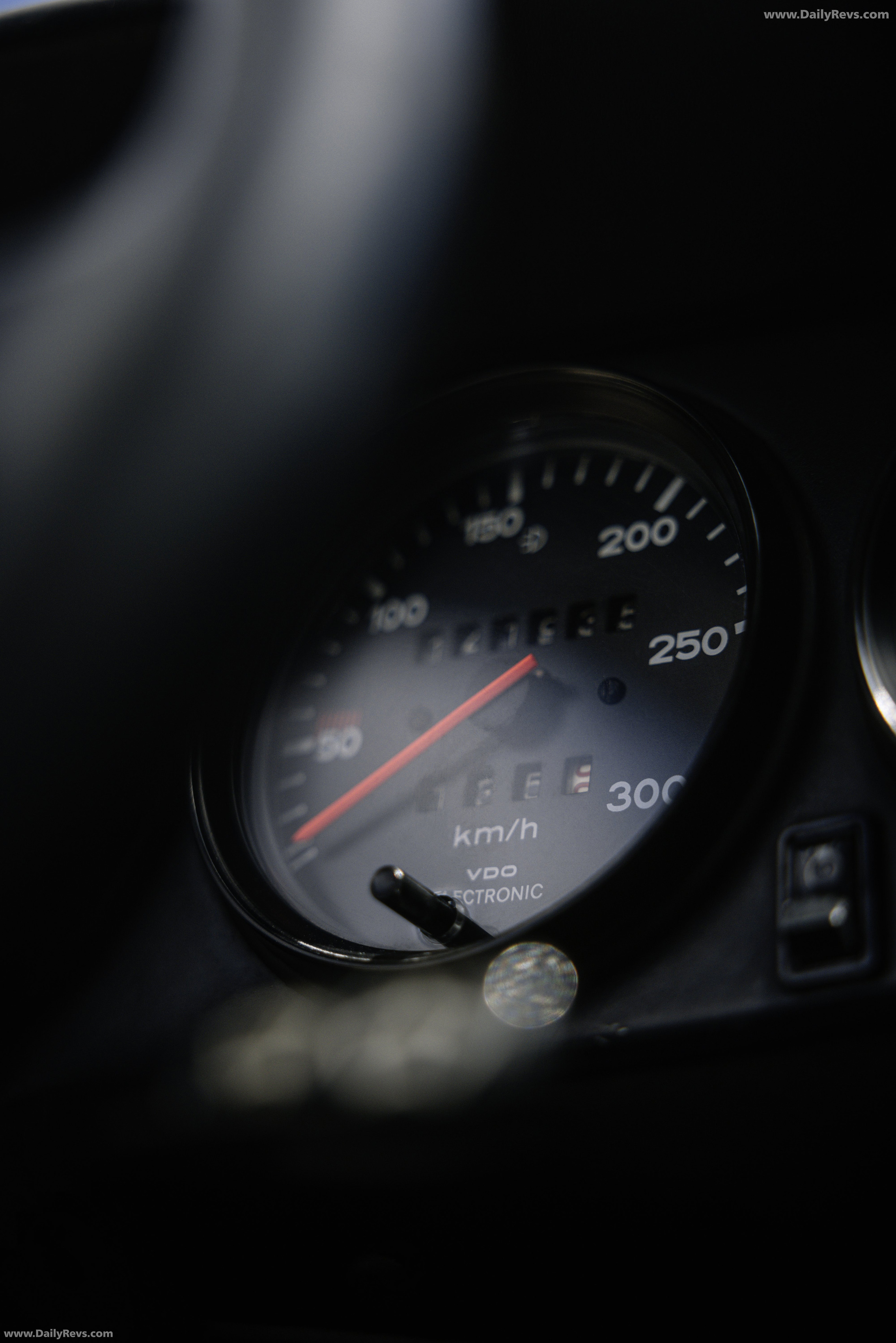
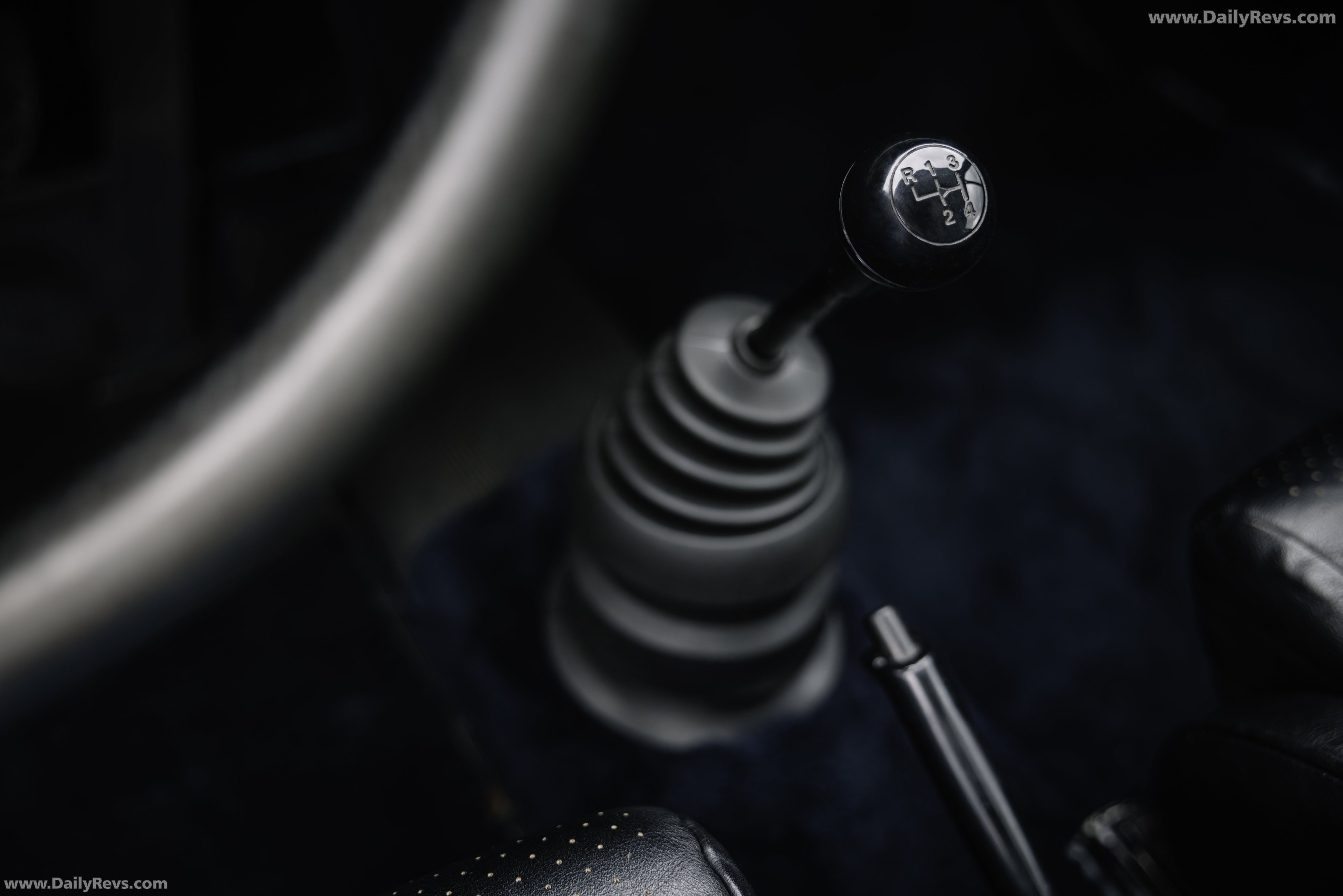
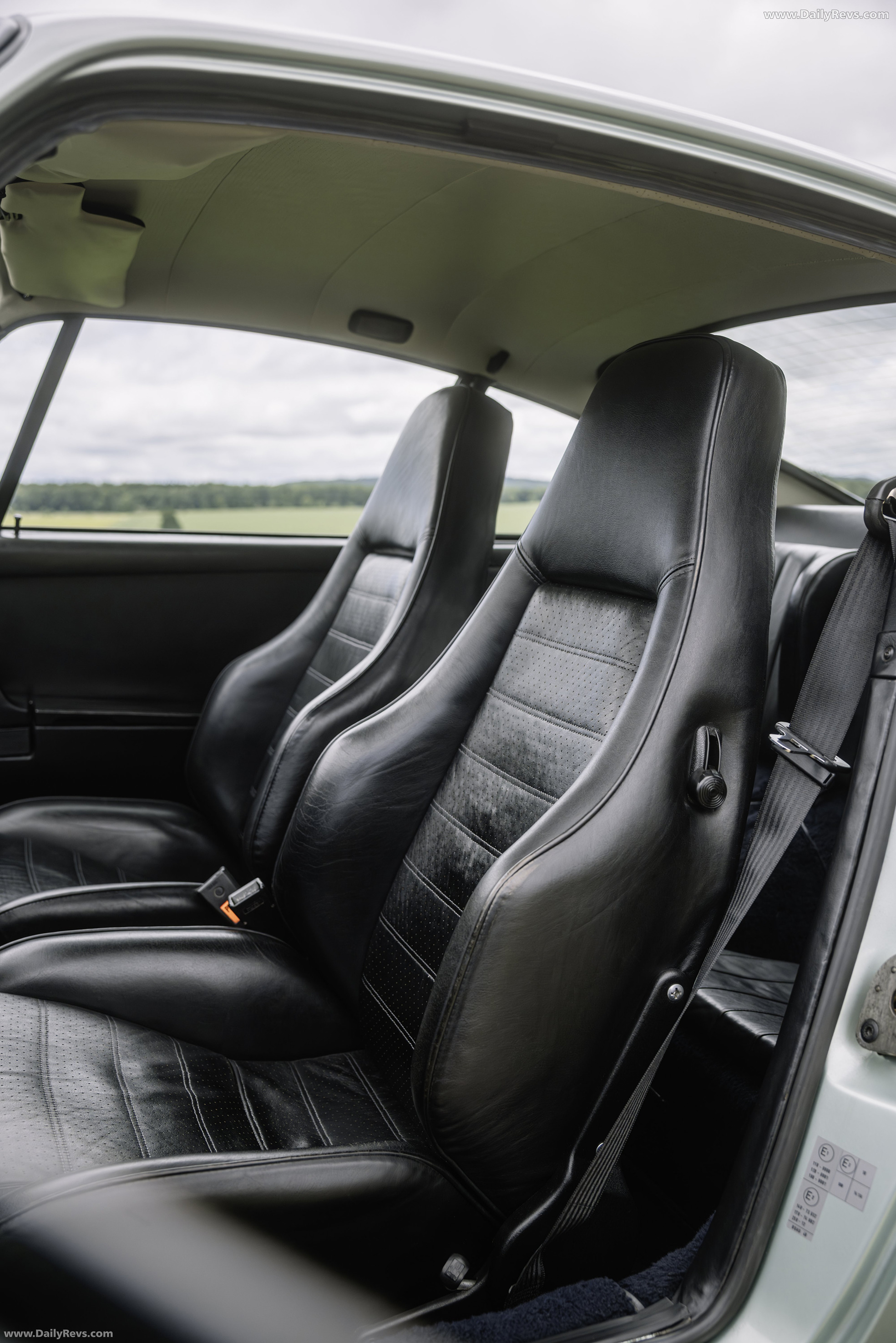
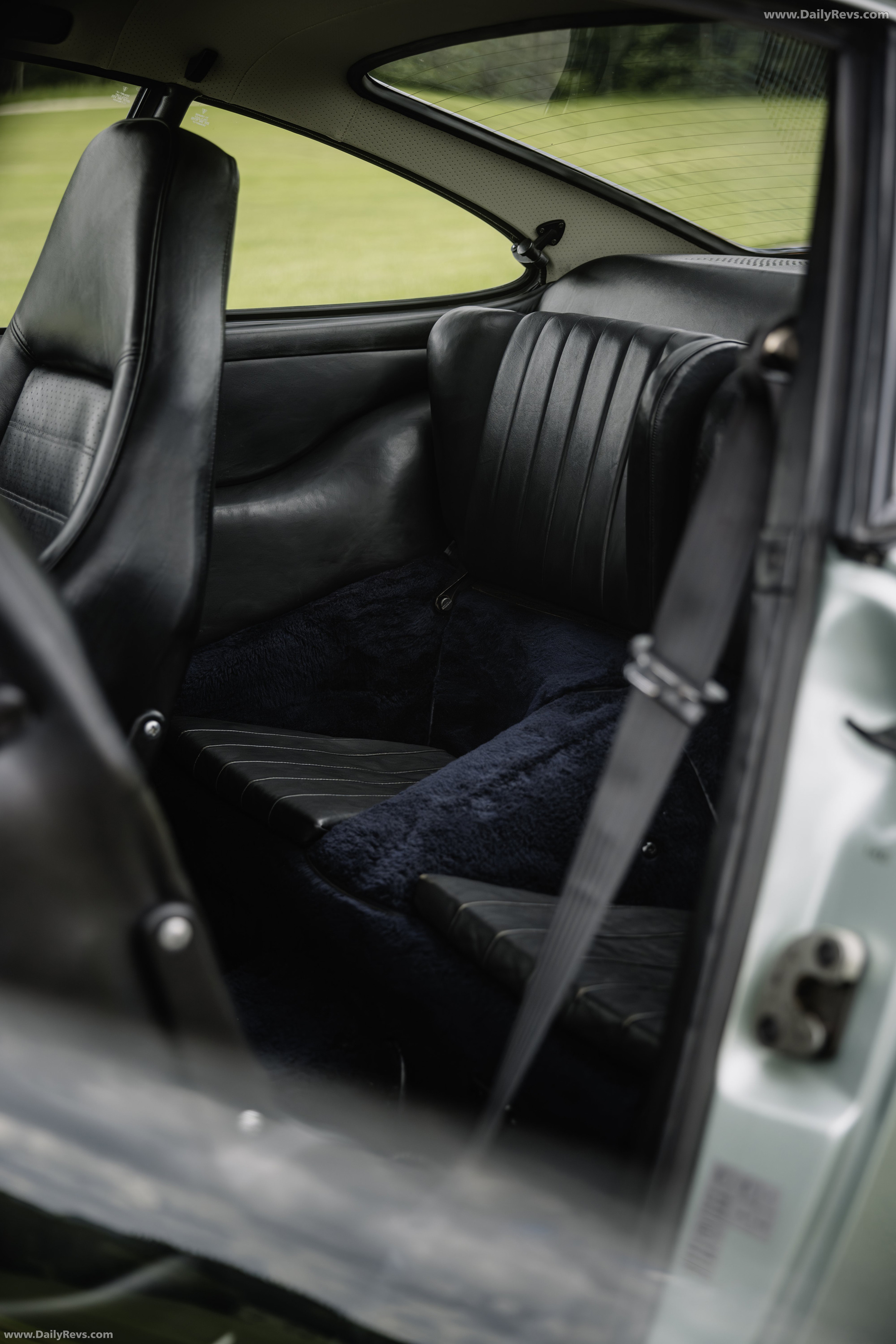
Inside, the Turbo retained the basic 911 layout but added details to match its flagship status. Deeply bolstered sports seats, a clear five-dial instrument cluster, and tactile switchgear reflected Porsche’s focus on function. While rear seats were present, they were better suited to luggage than passengers.
Visibility was excellent for a performance car of this capability, and while the ride was firm, it didn’t punish the driver on longer trips — a key reason the Turbo built a reputation as a usable high-performance car.
Market Position in 1975
In the mid-1970s, there were faster cars in a straight line, but few that matched the Turbo’s blend of pace, refinement, and handling precision. Positioned well above other 911 models, it carried a premium price, reflecting its performance and exclusivity.
It also served a dual role: part halo car for the brand, part homologation model to support Porsche’s racing ambitions. That blend of showroom appeal and competition pedigree was rare at the time.
Technical Specifications
- Engine: 3.0-litre air-cooled flat-six, single KKK turbocharger, Bosch K-Jetronic injection
- Power: 260 hp (191 kW) @ 5,500 rpm
- Torque: 345 Nm (254 lb-ft) @ 4,000 rpm
- Performance: 0–100 km/h ~5.4–5.5 s; top speed ~250 km/h (155 mph)
- Layout: Rear-engine, rear-wheel drive
- Kerb Weight: ~1,140 kg
- Compression Ratio: 6.5:1
- Valvetrain: SOHC, 2 valves per cylinder