


1974 Mercedes-Benz 240 D 3.0 W115
By Lorenzo Bianchi June 24, 1974
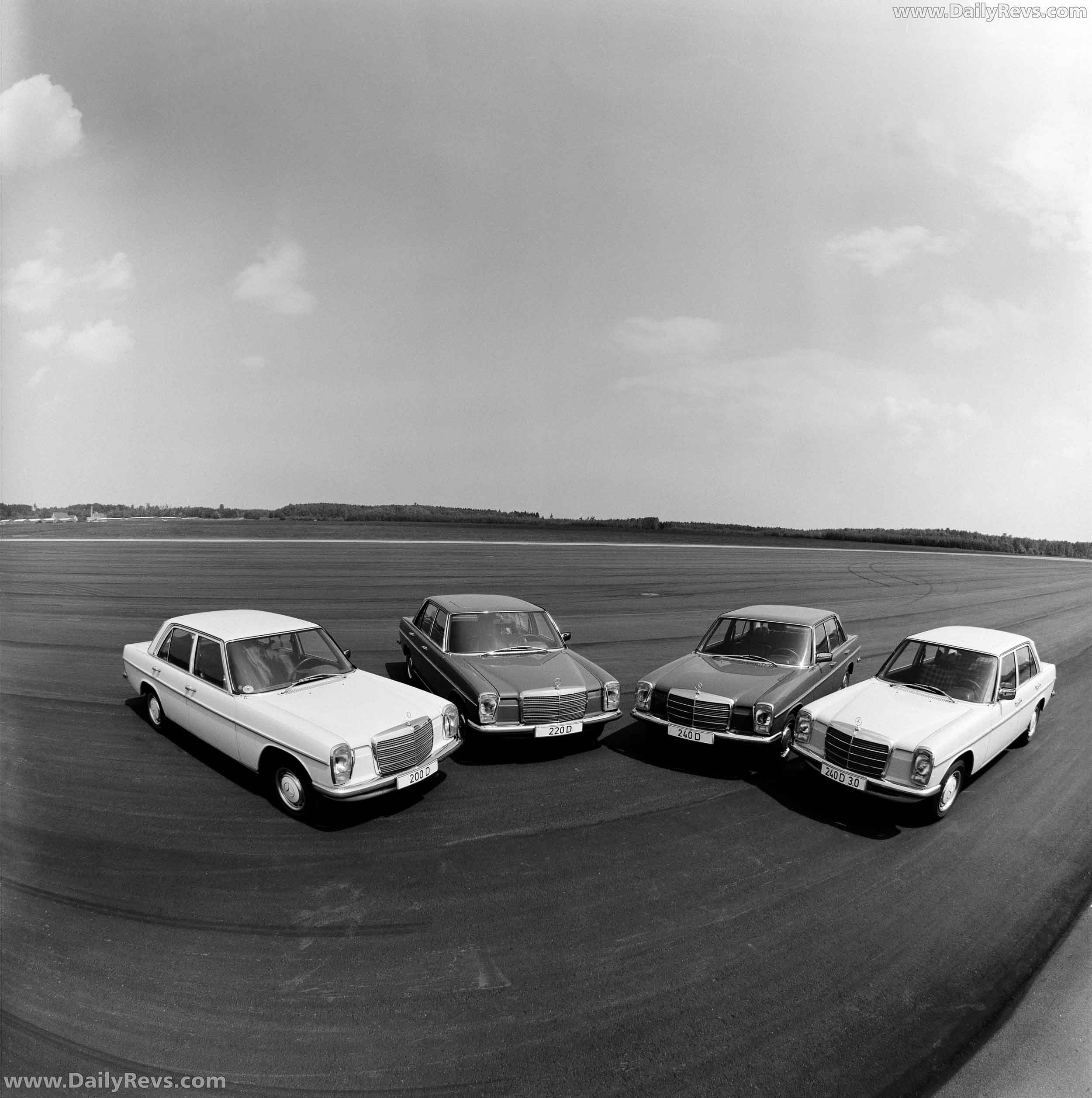
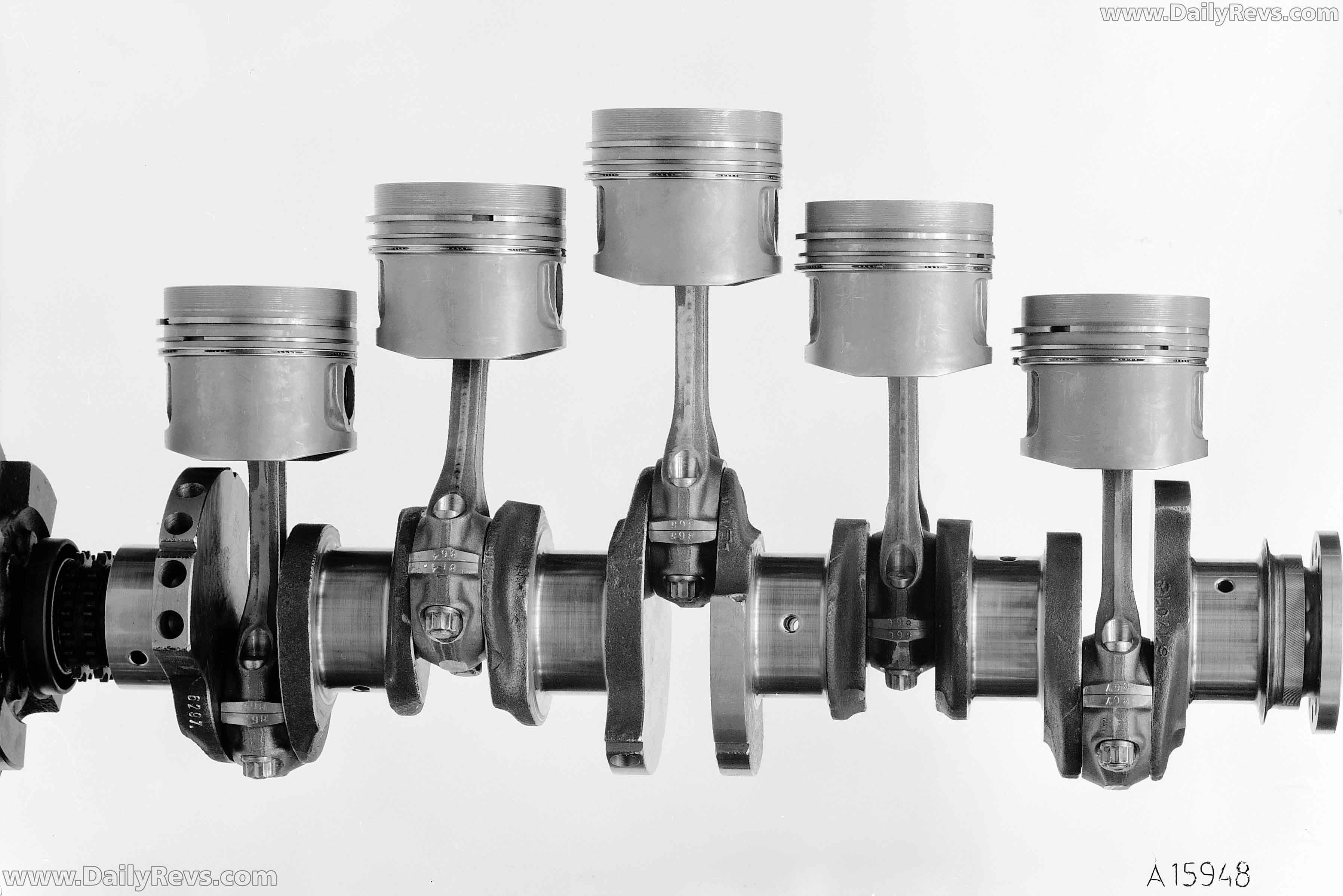
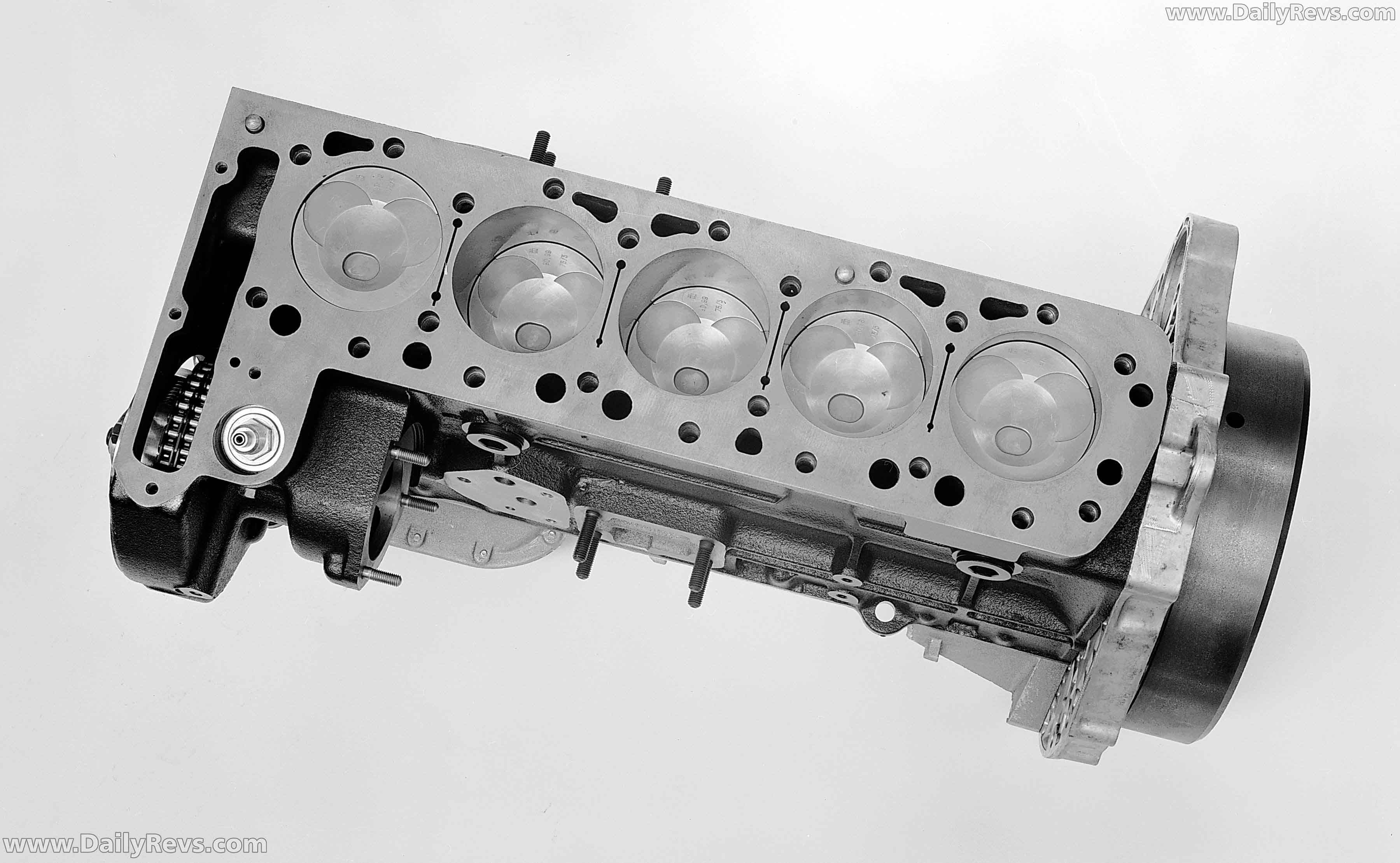
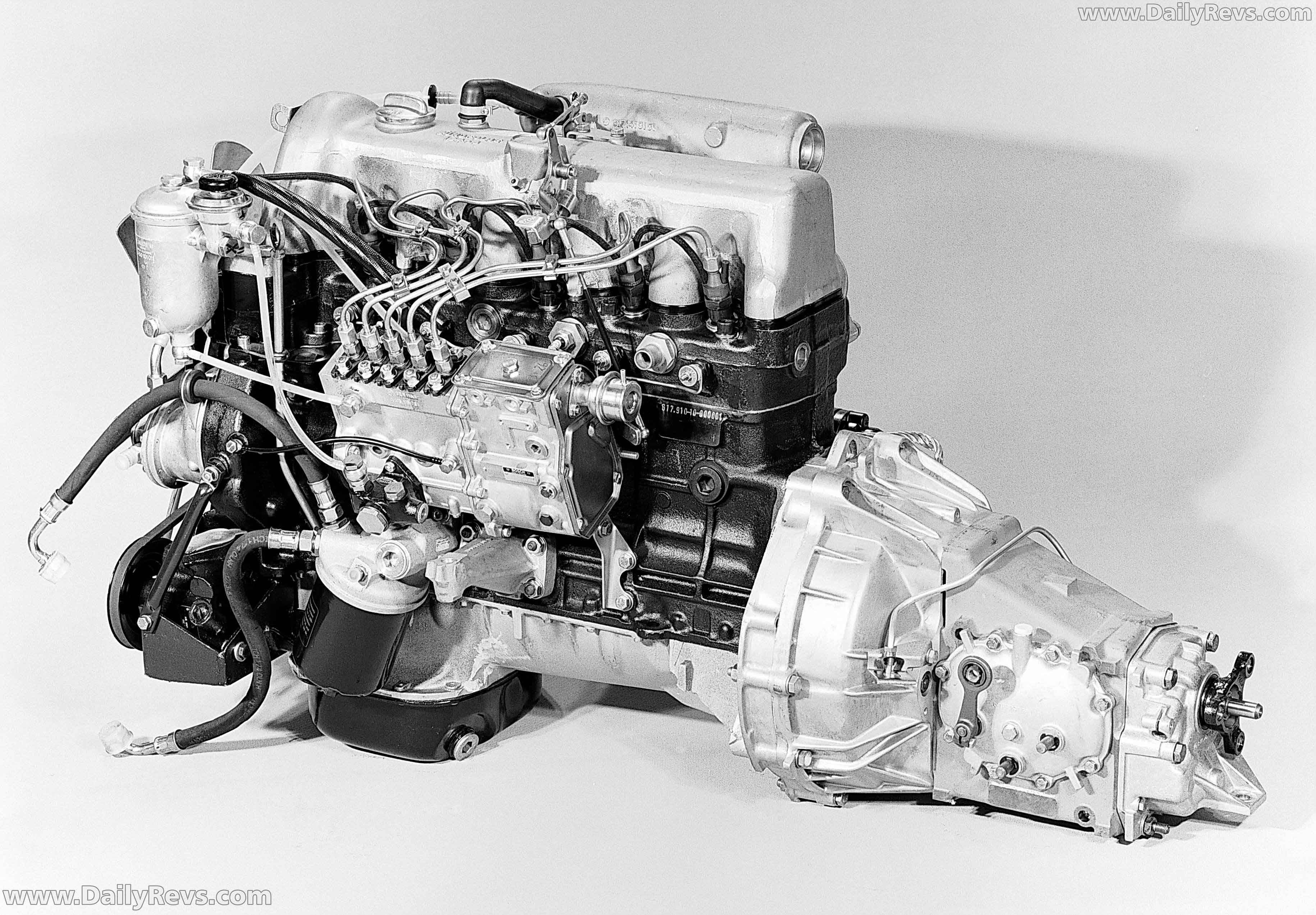
The 1974 Mercedes-Benz 240 D 3.0 was the world’s first five-cylinder diesel passenger car.
-
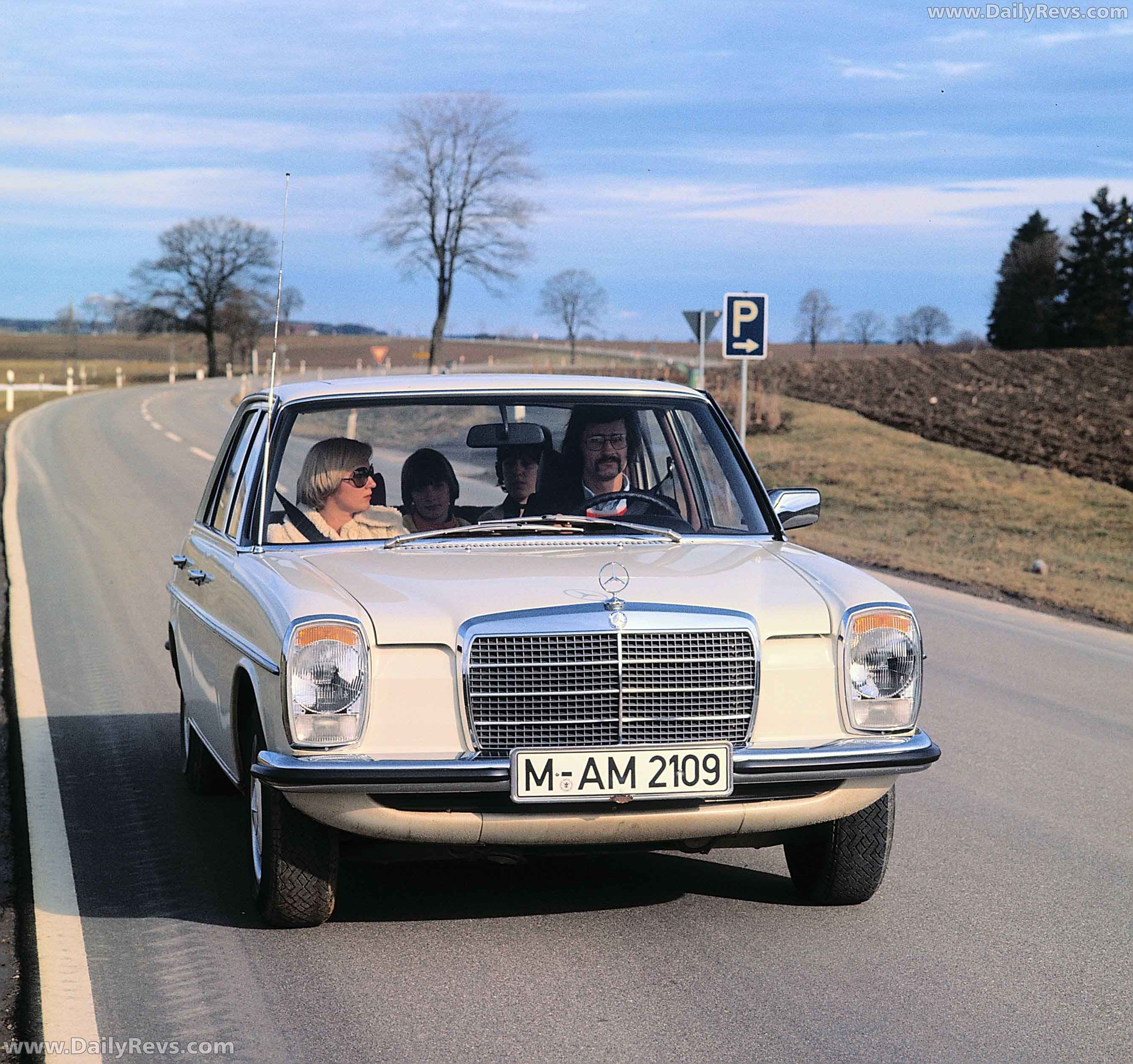
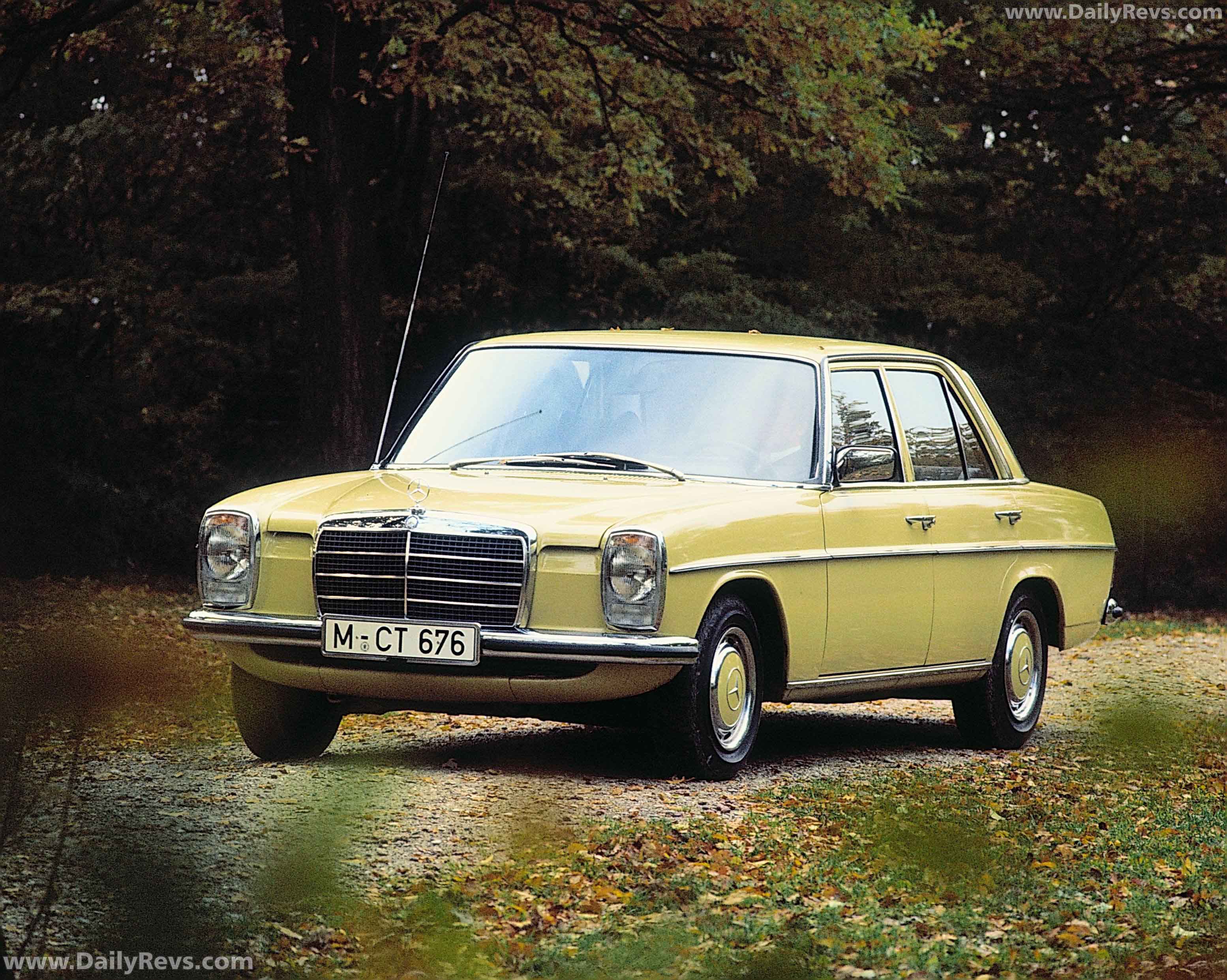
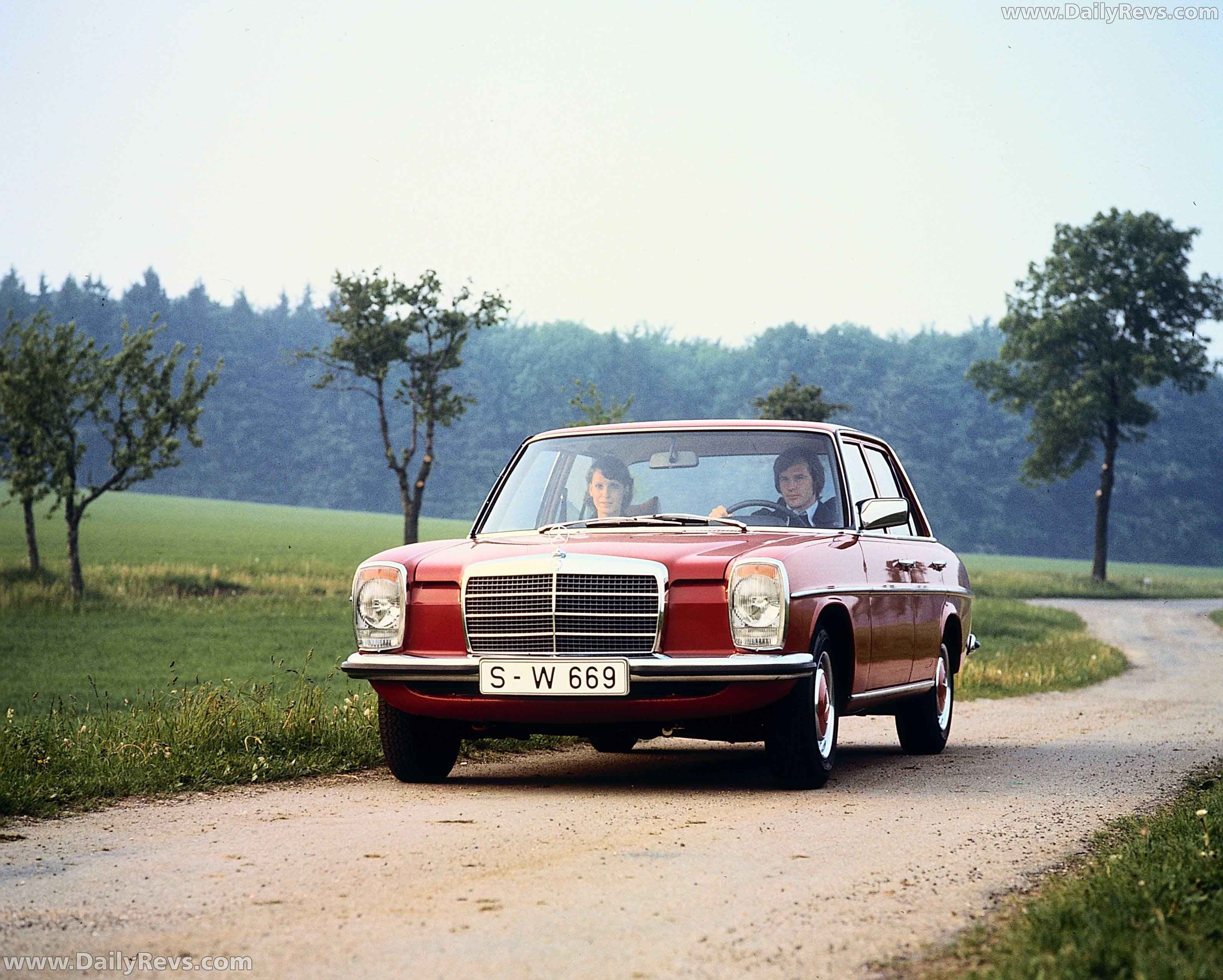
Its design embraced sturdy proportions and minimalist surfacing—focused more on durability than drama.
-
Built on the W115 platform, it prioritized longevity, fuel efficiency, and quiet mechanical confidence.
A Diesel Milestone That Didn’t Brag About It
The 1974 Mercedes-Benz 240 D 3.0 didn’t look revolutionary—and that’s kind of the point. No flared arches, no badges shouting about innovation. But under its solid, unassuming sheet metal sat something new: a five-cylinder diesel engine, the first of its kind in a production passenger car. Mercedes took a quiet gamble here, and it ended up rewriting the rules for what diesel could mean in a luxury sedan.
Subtle Design That Hasn’t Aged
Seen in profile, the 240 D 3.0 still holds up. It shares the same W115 body as its gasoline-powered siblings—tall windows, upright posture, thick chrome bumpers. It was built before crash regulations started reshaping sedans, and it shows. The surfacing is flat but not harsh. The panel gaps feel machined. That horizontal grille, with the three-pointed star standing proud above it, remains instantly recognizable. This isn’t nostalgia—it’s timeless design done right.
What Made the Five-Cylinder Matter
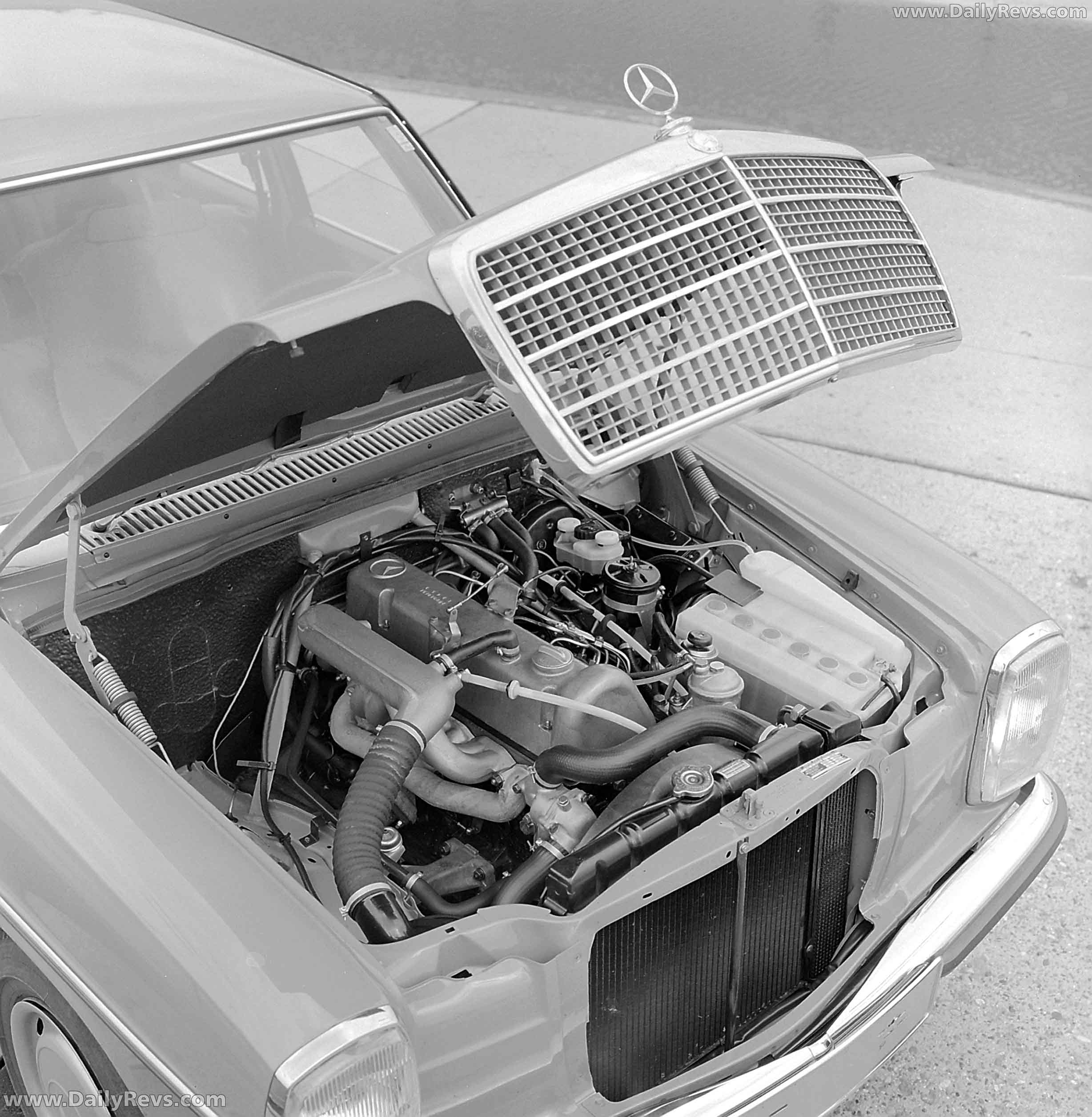
The OM617 engine under the hood wasn’t built for speed. At 3.0 liters, it only put out about 80 horsepower. But what it lacked in urgency, it made up for in torque and smoothness. The fifth cylinder gave it a rhythm four-cylinders didn’t have, and Mercedes engineers leaned into that—refining the mounts, dampers, and gearing to make it cruise quietly and predictably.
Paired with either a four-speed manual or optional automatic, it wasn’t flashy. But it could run forever—and often did. That’s why it found homes everywhere from German highways to African deserts.
Cabin Simplicity, Built to Last
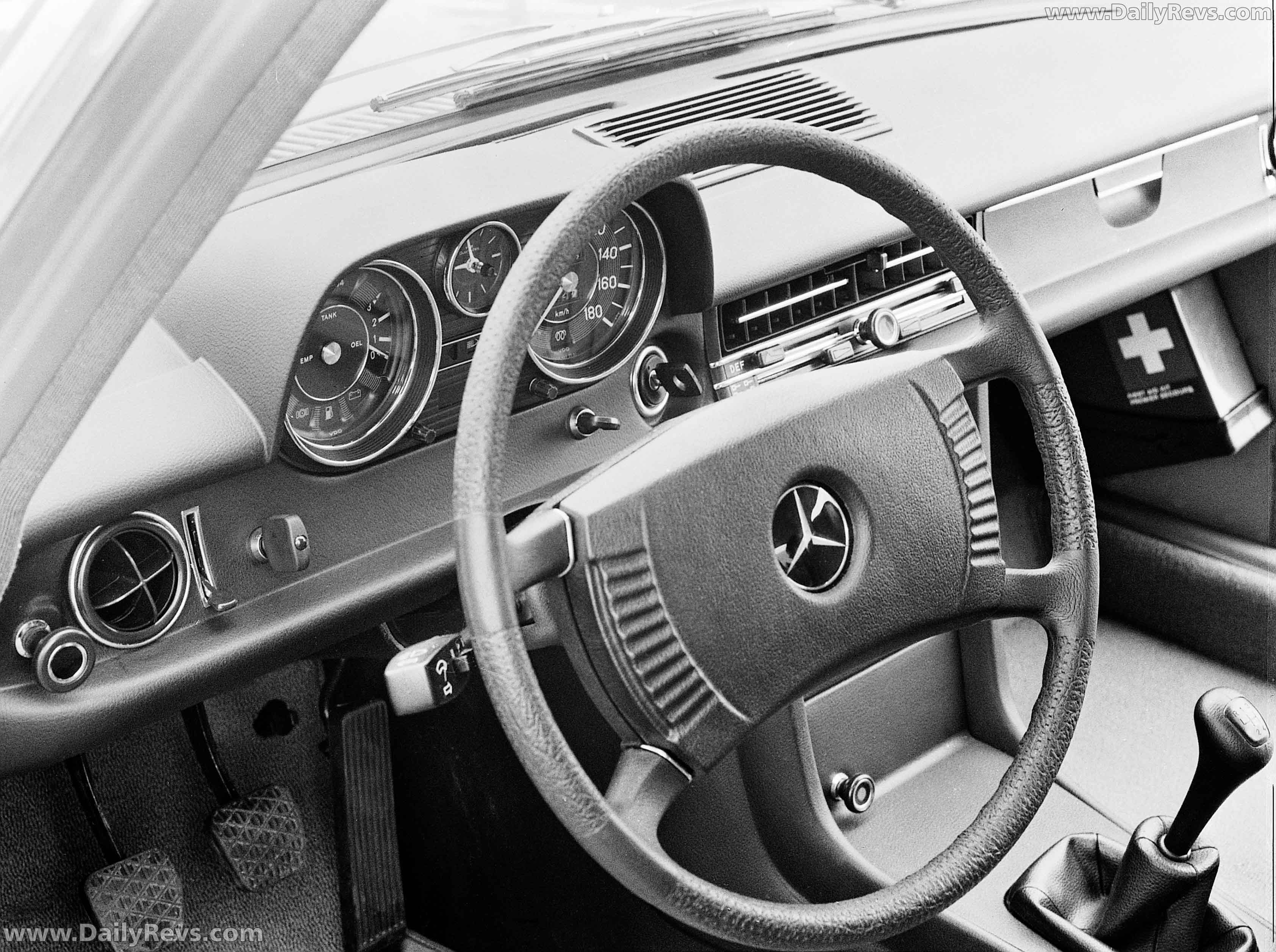
Step inside and it’s a time capsule of German pragmatism. Big, easy-to-read gauges. Crank windows. Thick vinyl seats or optional MB-Tex that wore like iron. No flashy wood, just functional trim. The view out was commanding, thanks to thin pillars and a nearly vertical windshield. It was the kind of car designed to be repaired—not replaced.
Context and Competition
In a world of V8 gas guzzlers and complicated carburetors, the 240 D 3.0 felt like a counterpoint. It outlived rivals like the Peugeot 504 and even internal competition like the gas-powered 230. It wasn’t the car for spirited driving. But if you wanted to buy a sedan once and keep it for decades? This was your machine.
Final Thought
The 1974 Mercedes-Benz 240 D 3.0 didn’t arrive with fireworks, and it didn’t need to. It made diesel respectable, proved five cylinders could work, and laid the groundwork for Mercedes’ legendary longevity. It was engineered for the long haul—both in miles and in memory. And somehow, that makes it more revolutionary than it ever set out to be.
Technical Specification – 1974 Mercedes‑Benz 240 D 3.0
-
Performance
-
Power output: 80 PS (59 kW) at 4,000 rpm
-
Torque: 172 Nm (127 lb‑ft) at 2,400 rpm
-
Top speed: 148 km/h (92 mph)
-
0–100 km/h (0–62 mph): ~20.8 seconds
-
-
Body Measurements
-
Length: 4,680 mm (184.3 in)
-
Width: 1,770 mm (69.7 in)
-
Height: 1,440 mm (56.7 in)
-
Wheelbase: 2,750 mm (108.3 in)
-
Curb weight: ~1,430 kg (3,153 lb)
-
-
Powertrain
-
Engine: 3.0 L OM617.910 inline‑5 diesel, naturally aspirated
-
Valvetrain: SOHC with two valves per cylinder
-
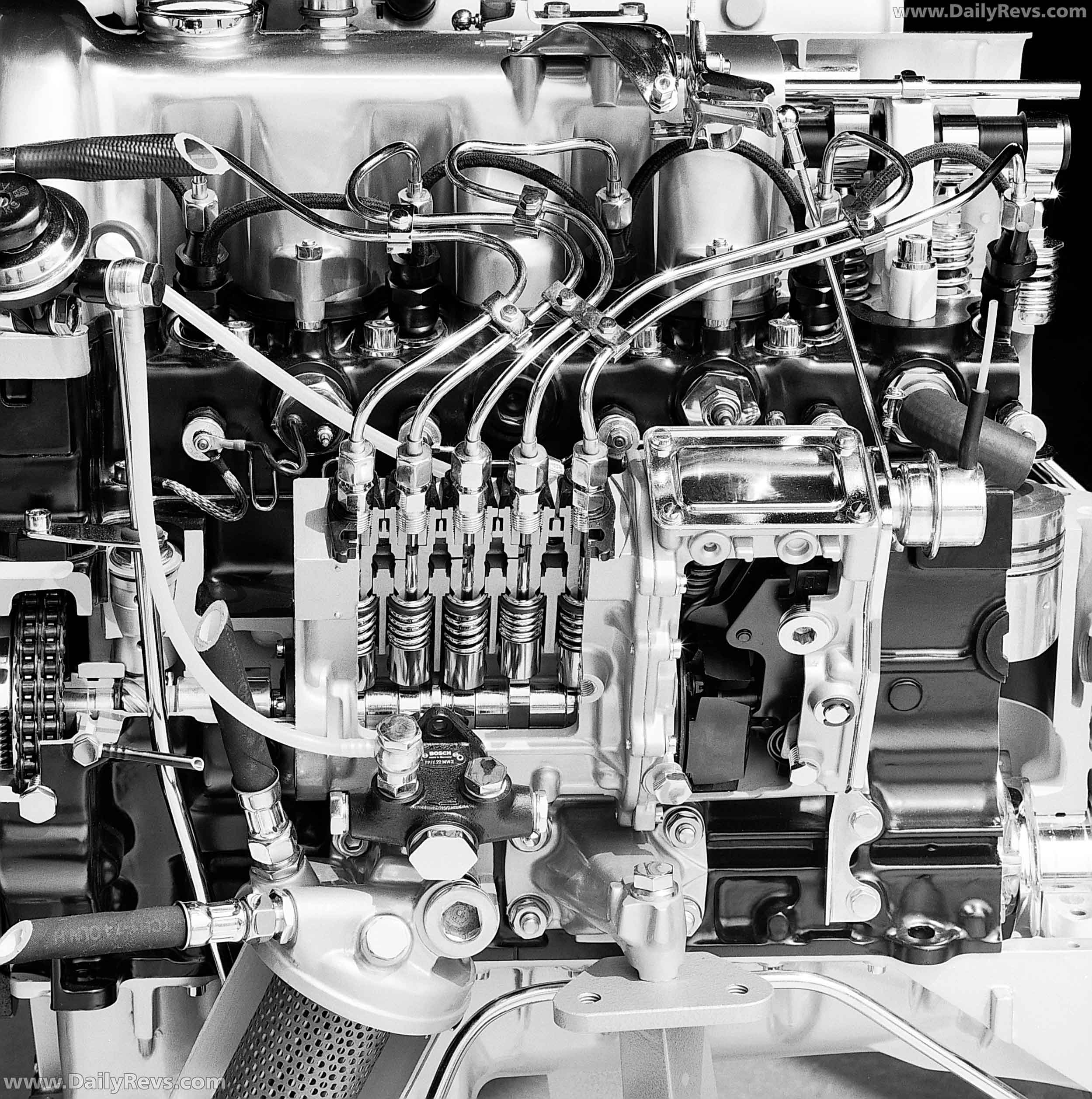
Fuel injection: Bosch mechanical inline pump
-
Transmission: 4‑speed manual or optional 4‑speed automatic
-
Drivetrain: Front-engine, rear-wheel drive
-
-
Capacities
-
Fuel tank: 65 L (17.2 US gal)
-
Seating: 4–5 passengers
-
Suspension: Front independent double wishbone, rear live axle
-
-
Price
-
Original sales price (circa 1974–1976): around £4,500–£5,000 in the UK, depending on options
-