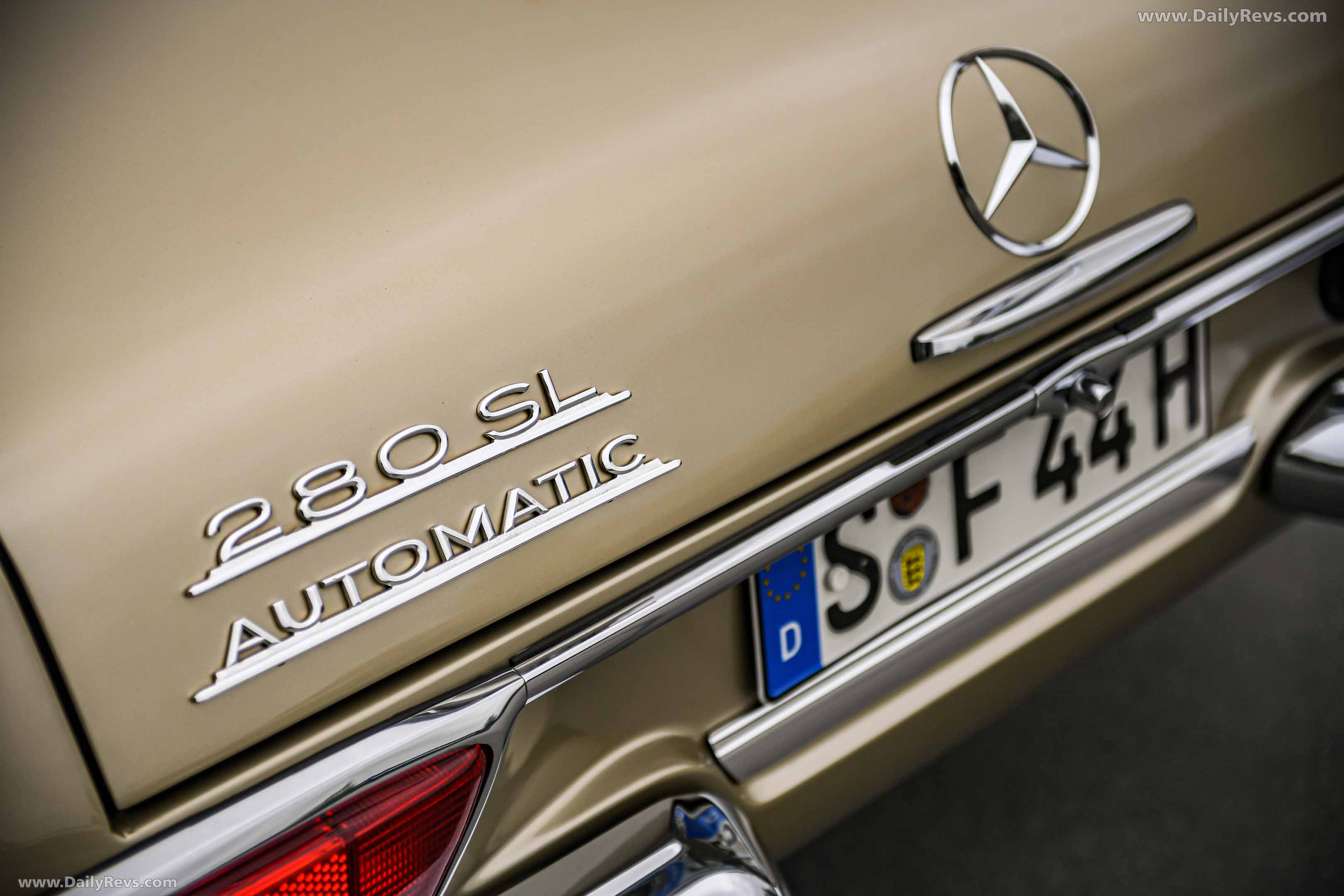
1968 Mercedes-Benz 280 SL Pagoda W113
By Lorenzo Bianchi June 25, 1968
The 1968 Mercedes-Benz 280 SL Pagoda brought refined power with its new inline-six engine.
-
Design remained elegantly restrained, focused on proportion over flash.
-
Still cherished today, it balanced usability with timeless styling.
A Subtle Evolution of an Icon
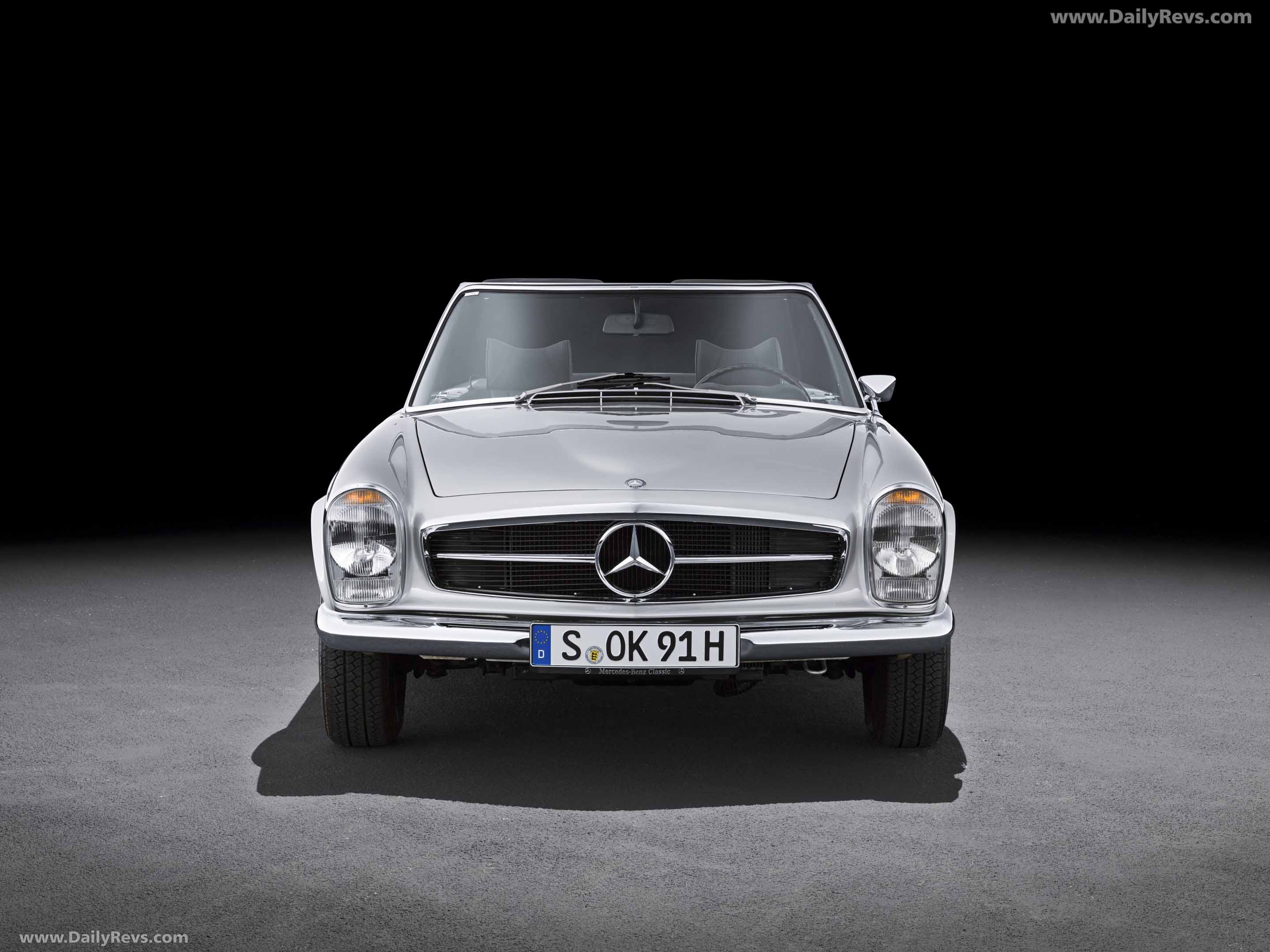
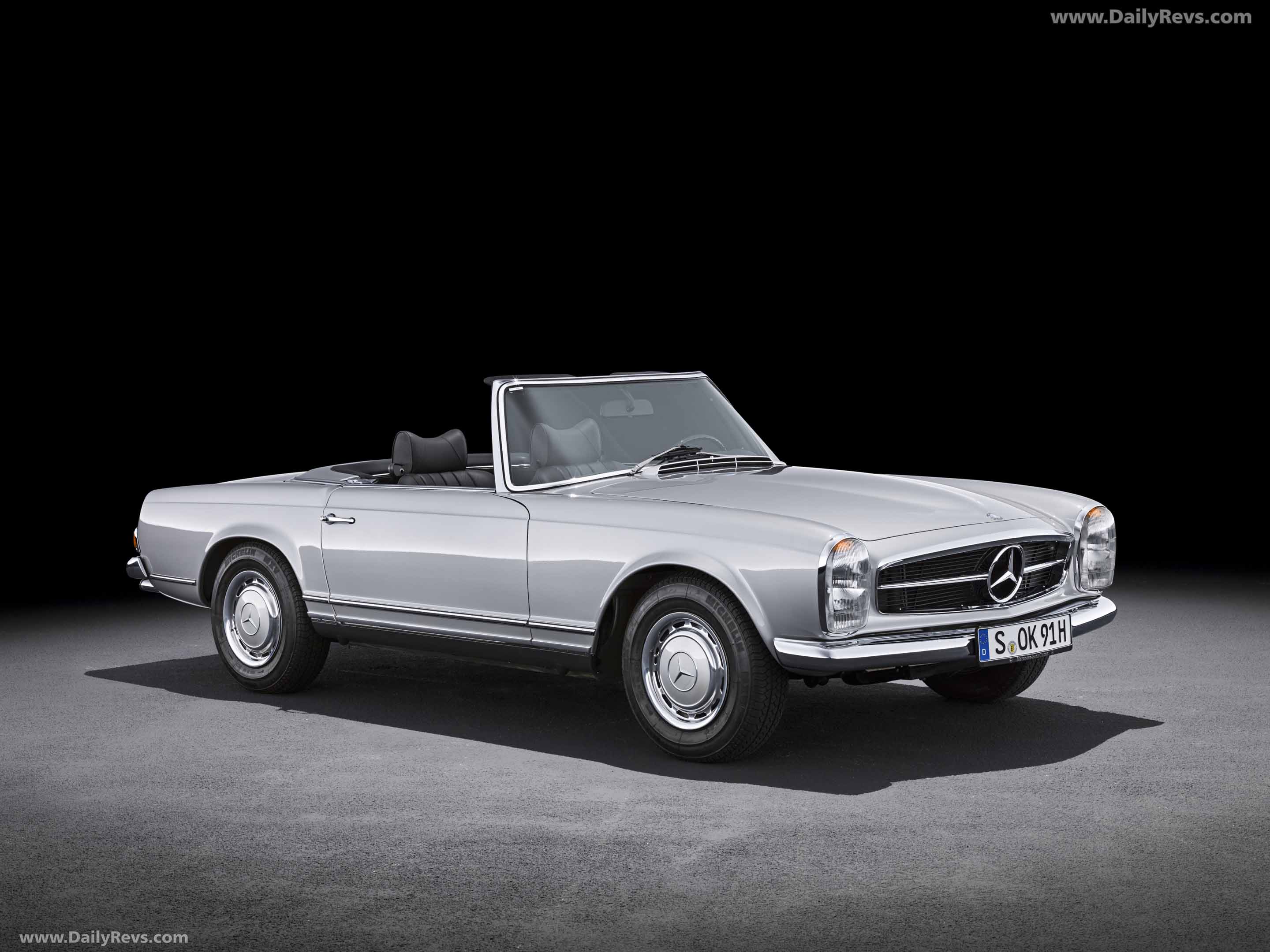
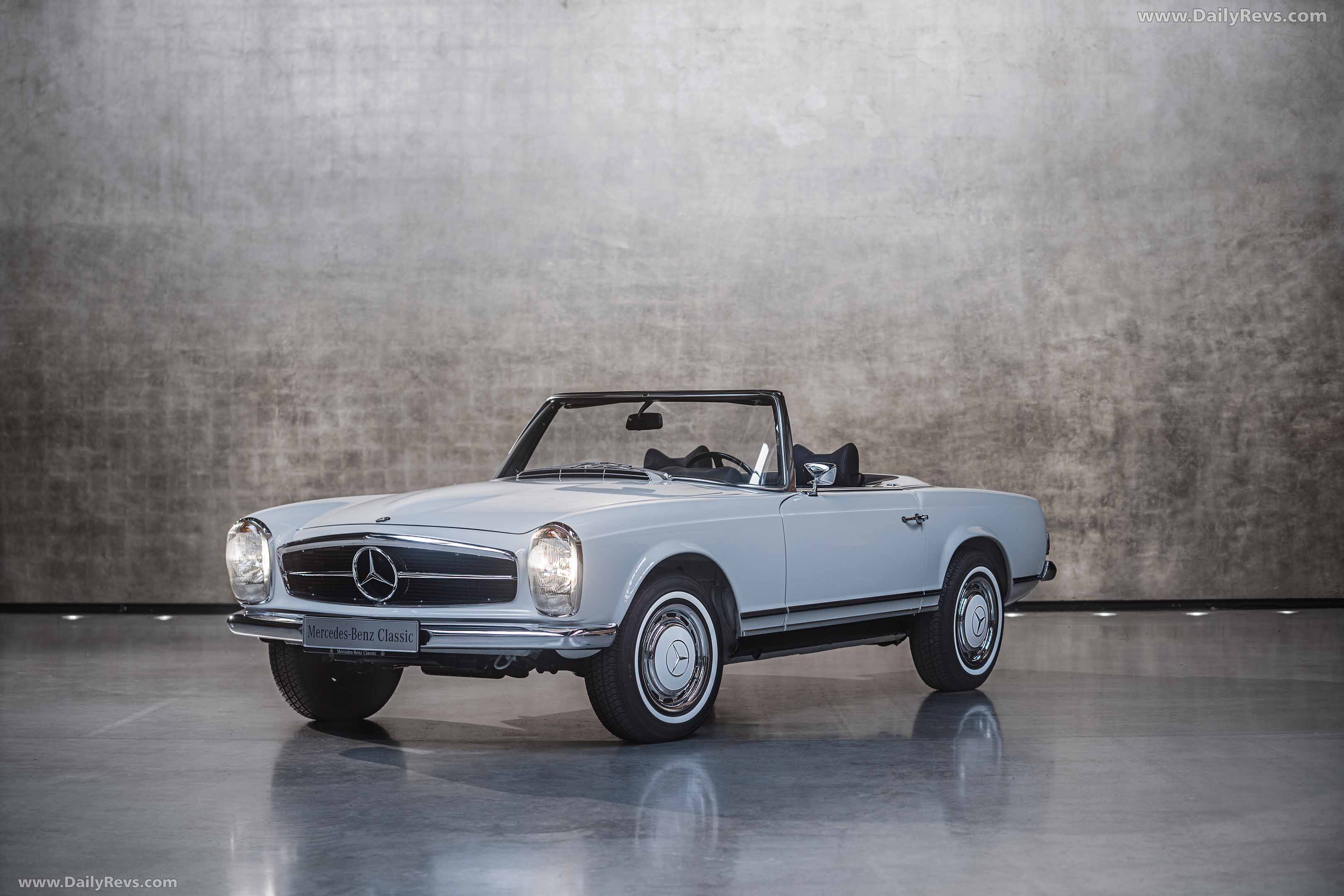
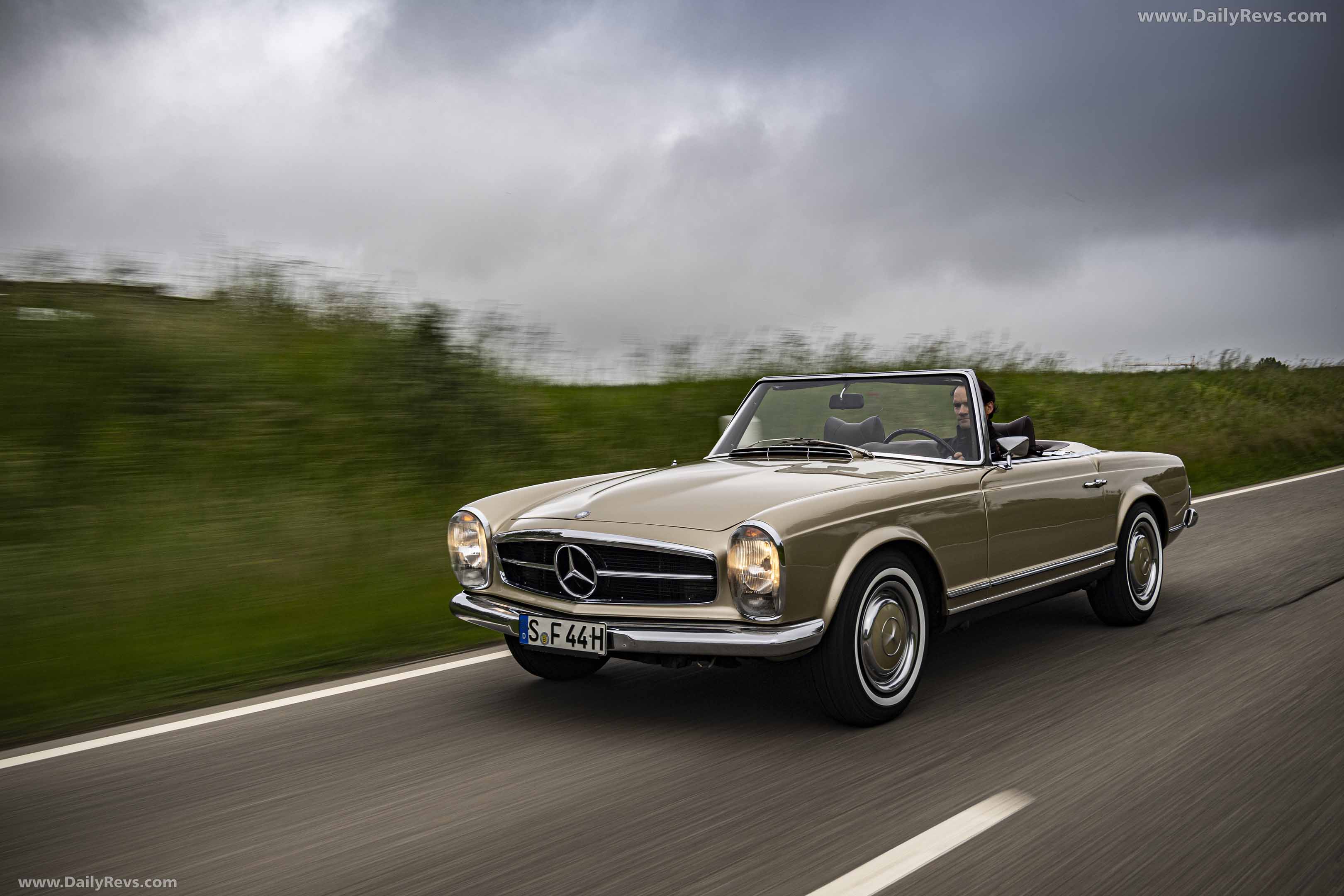
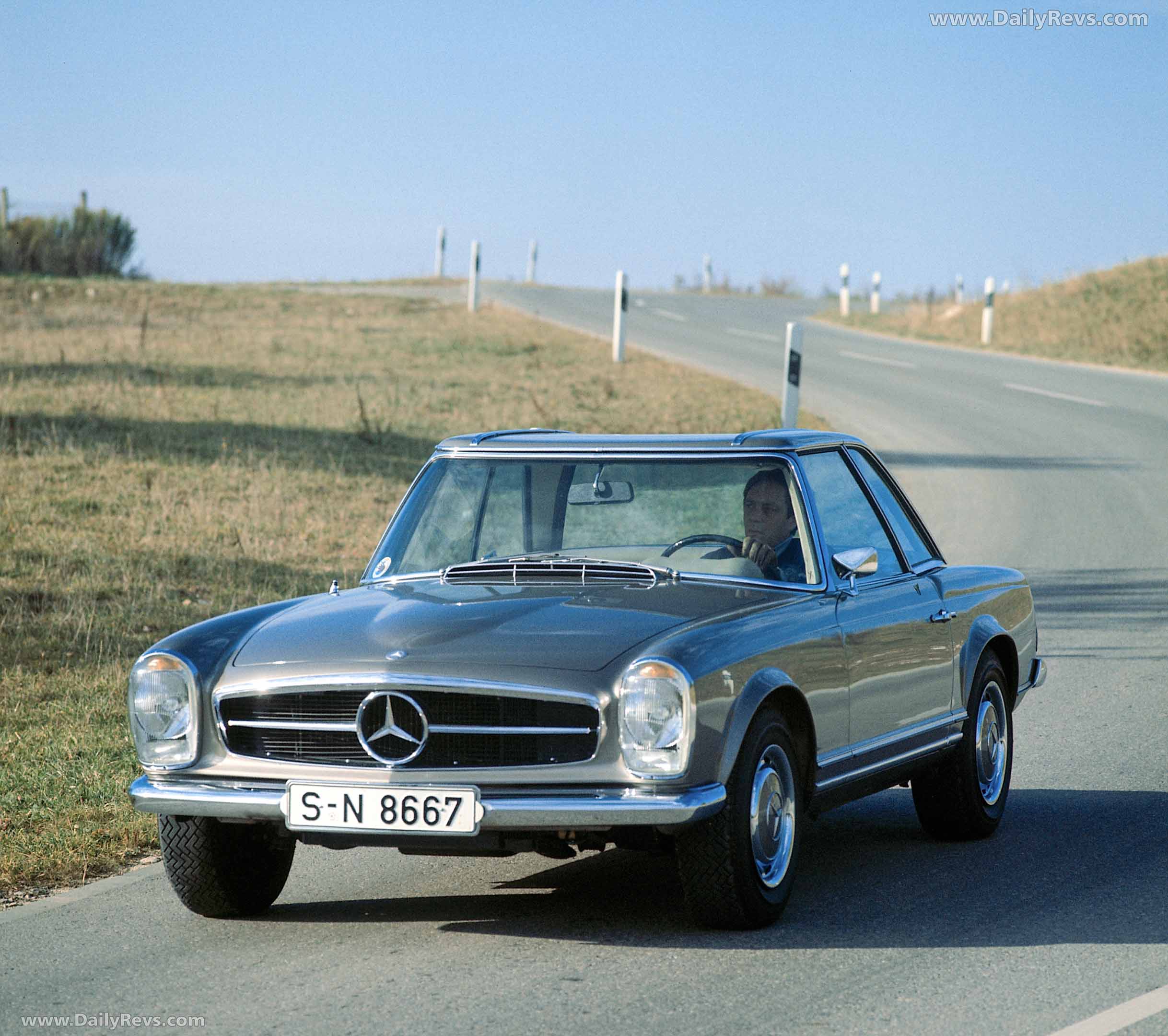
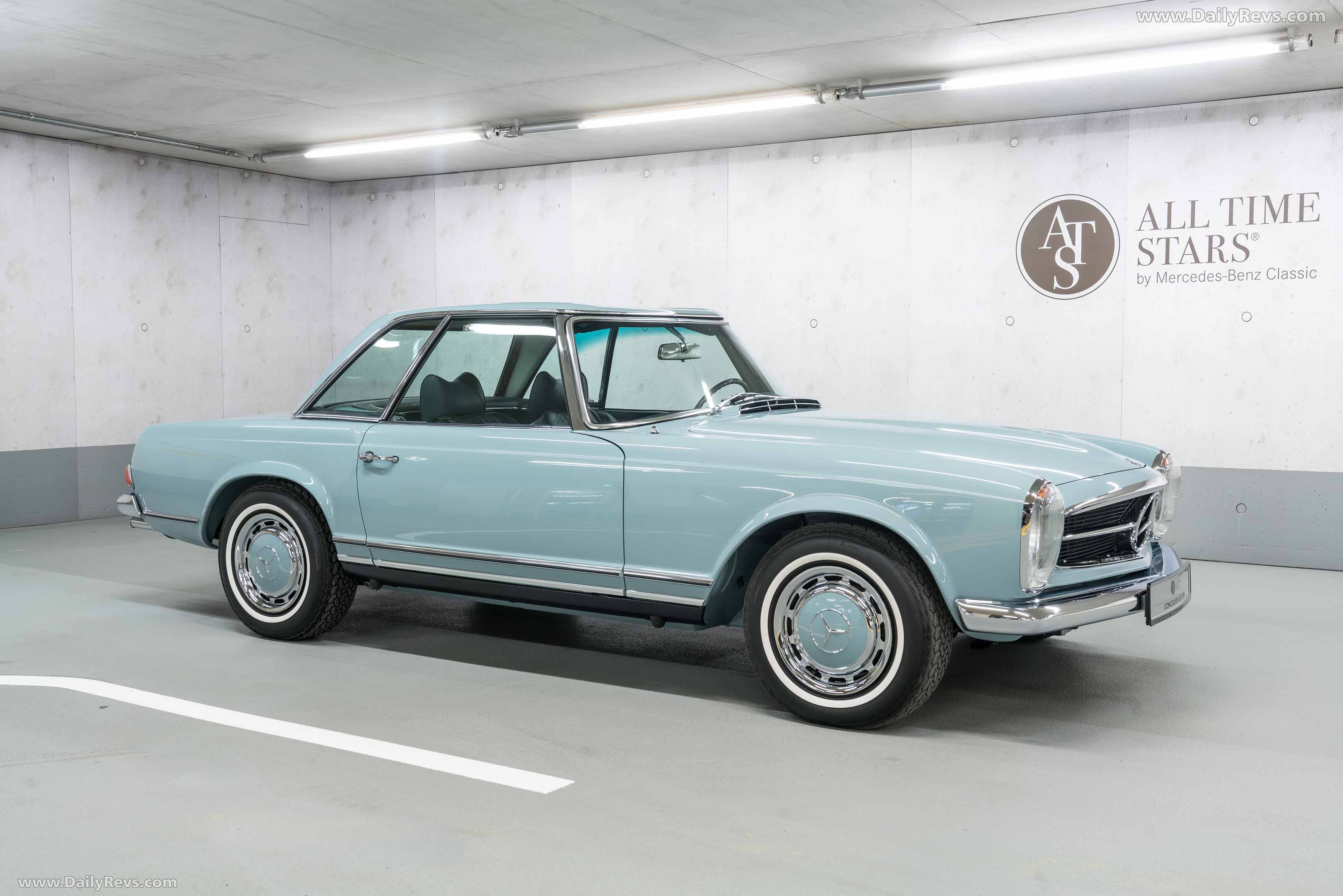
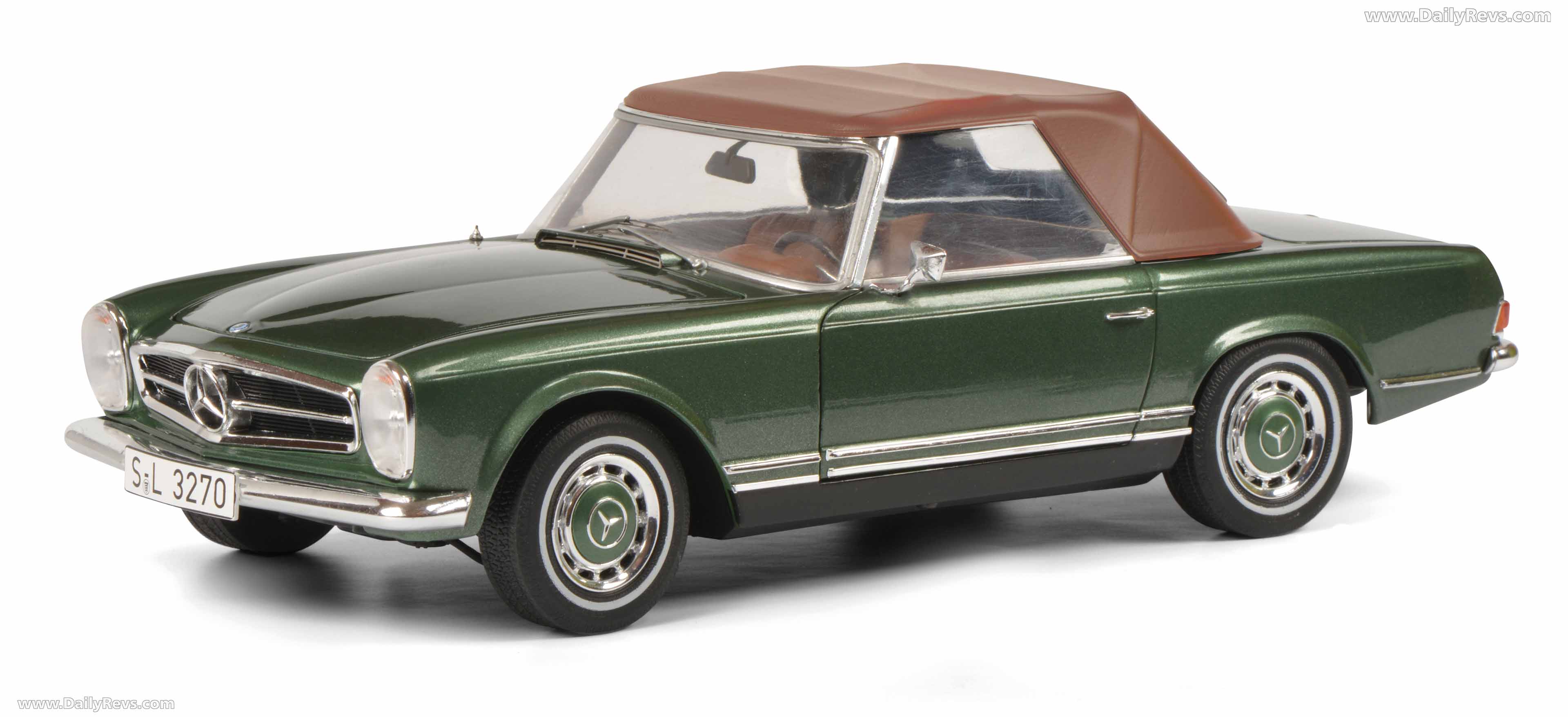
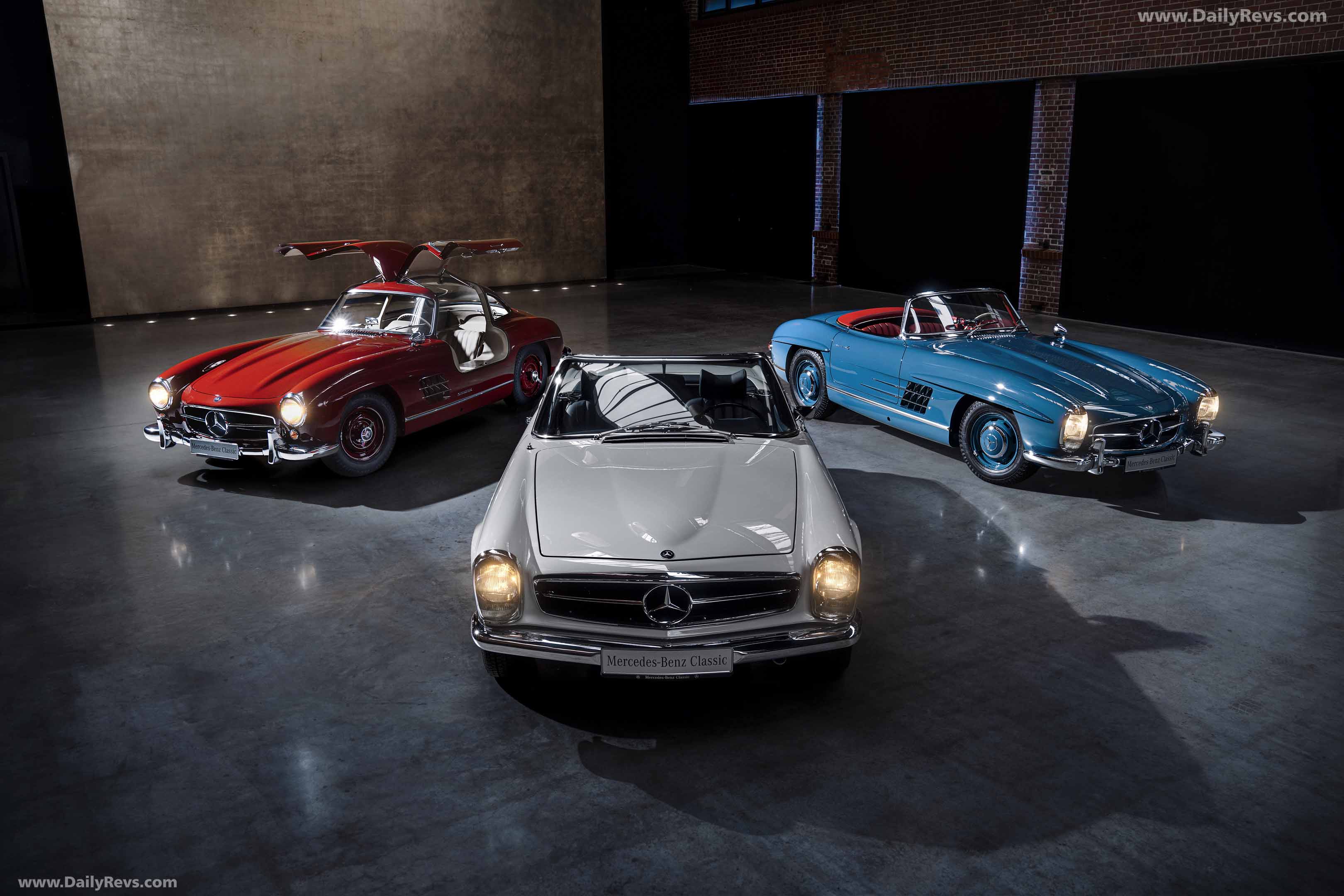
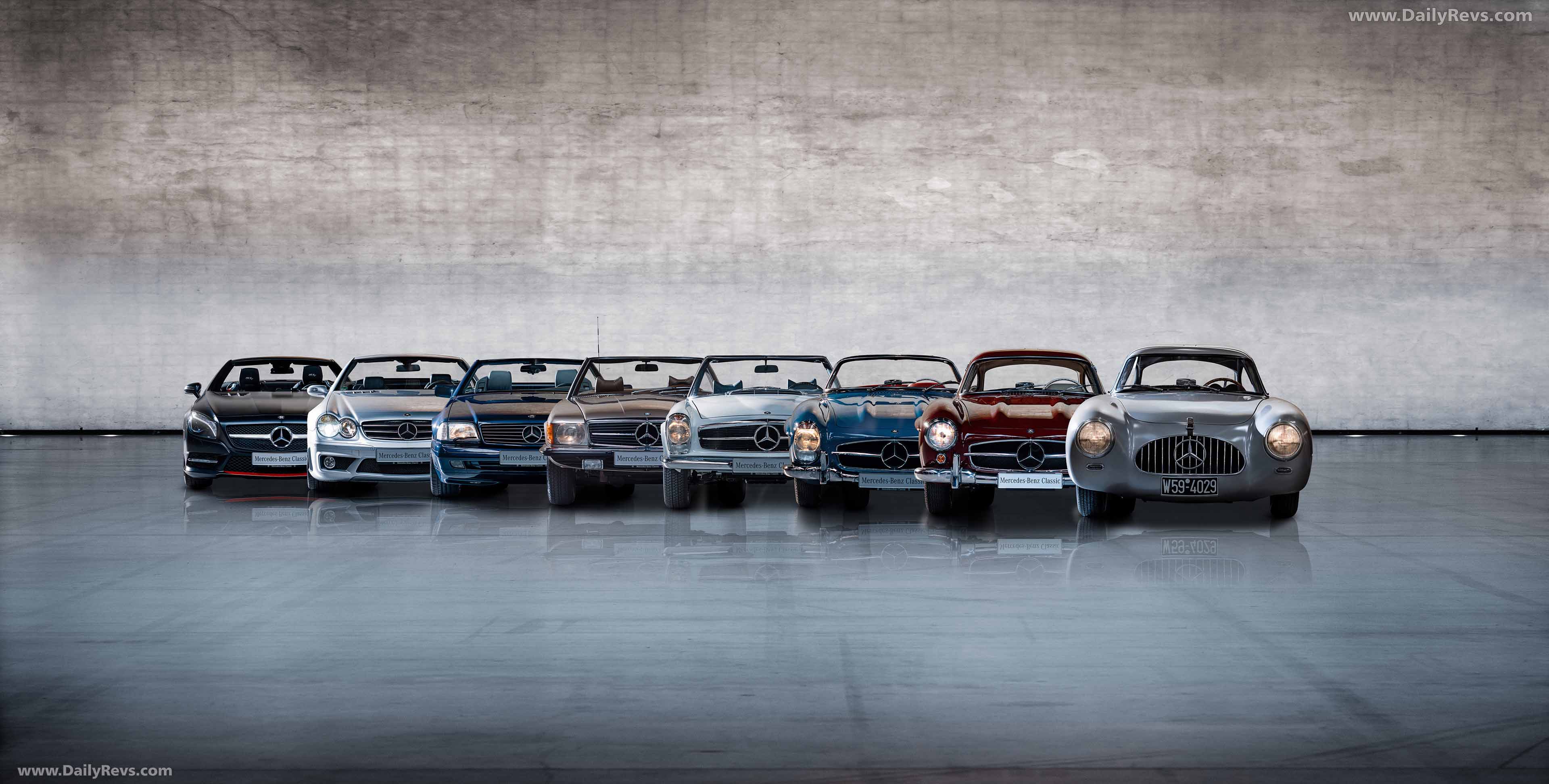
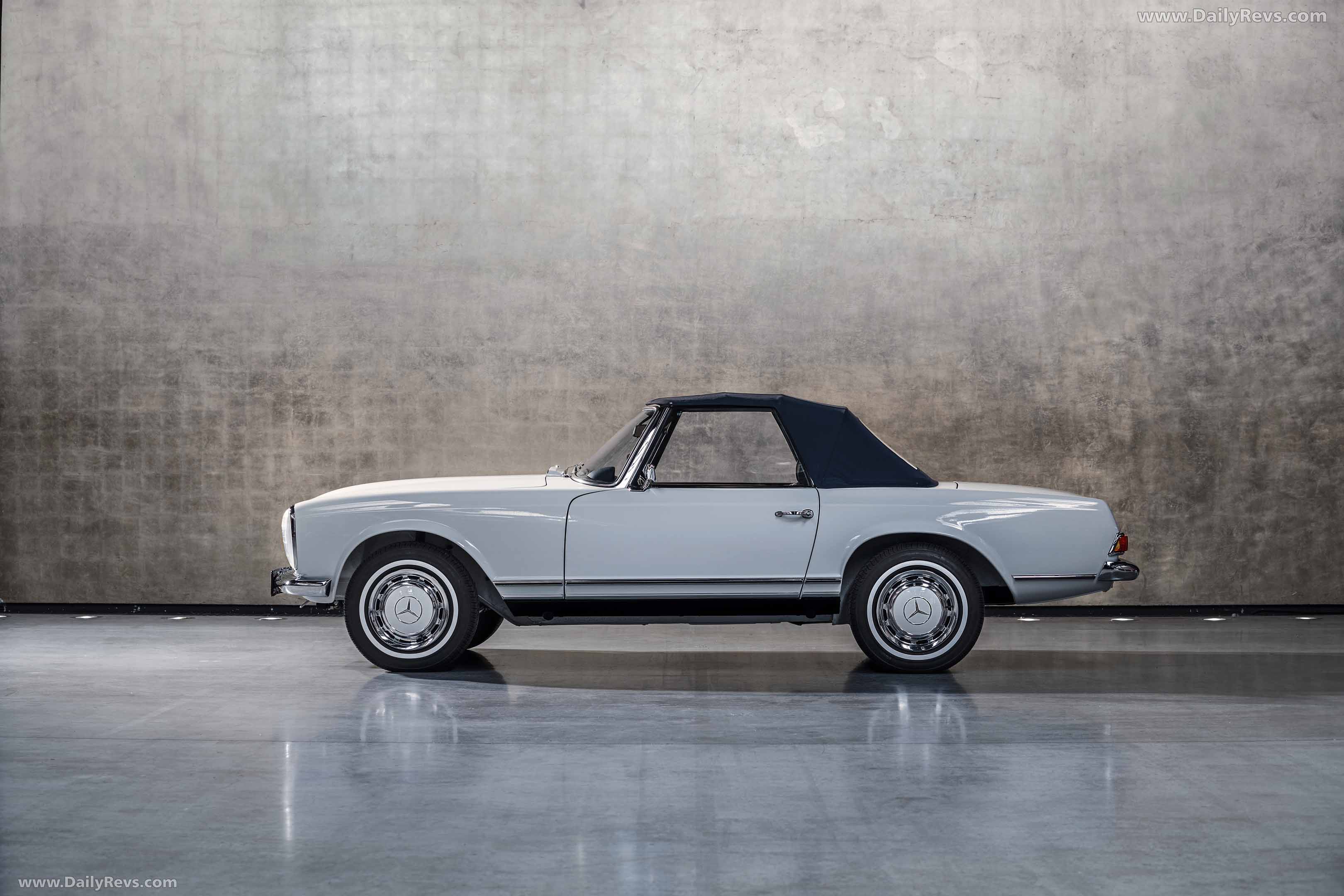
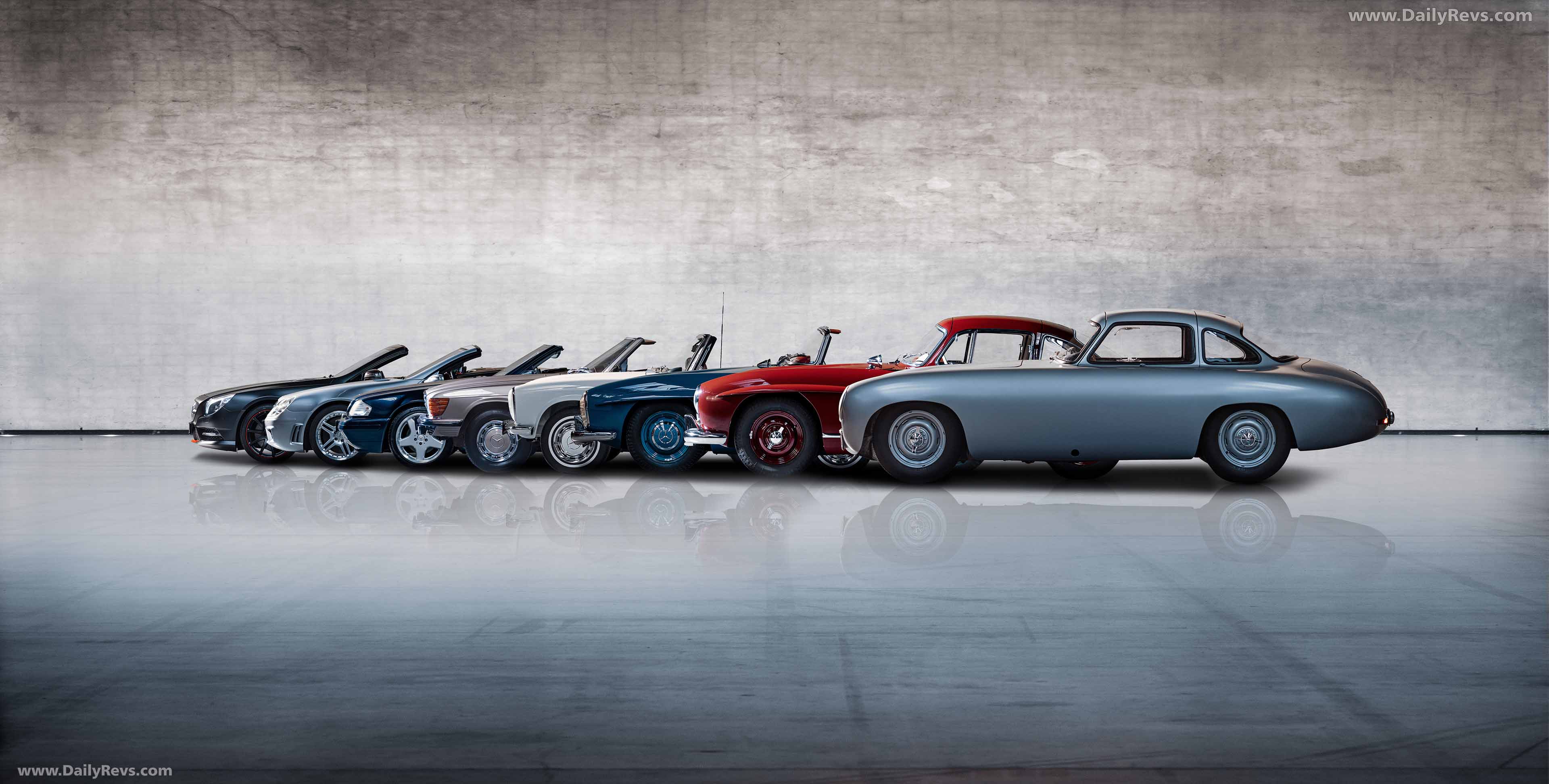
The 1968 Mercedes-Benz 280 SL Pagoda didn’t arrive with fireworks, but that was never the point. It quietly replaced the 230 SL and 250 SL before it, bringing more torque, more drivability, and a broader appeal—all without altering what made the SL formula work. That low-slung, wide-grilled silhouette stayed intact, still crowned with the unique concave hardtop that lent it the “Pagoda” nickname.
Under the hood was a new 2.8-liter inline-six—the M130—which finally gave this svelte roadster the smooth, usable power it had always hinted at. The 280 SL introduced around 170 horsepower, with torque arriving earlier and pulling more confidently, especially through the midrange.
Design That Speaks Softly
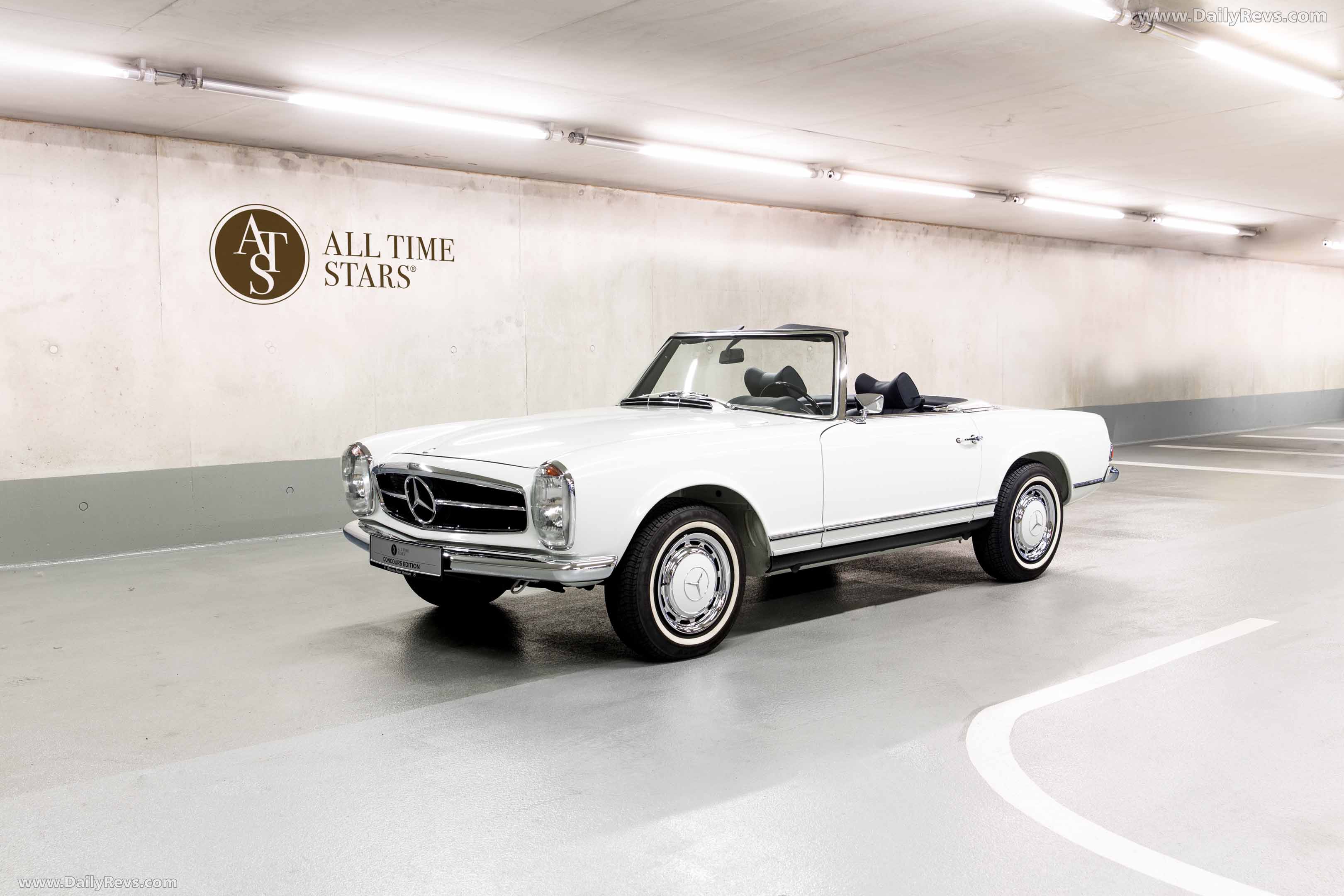
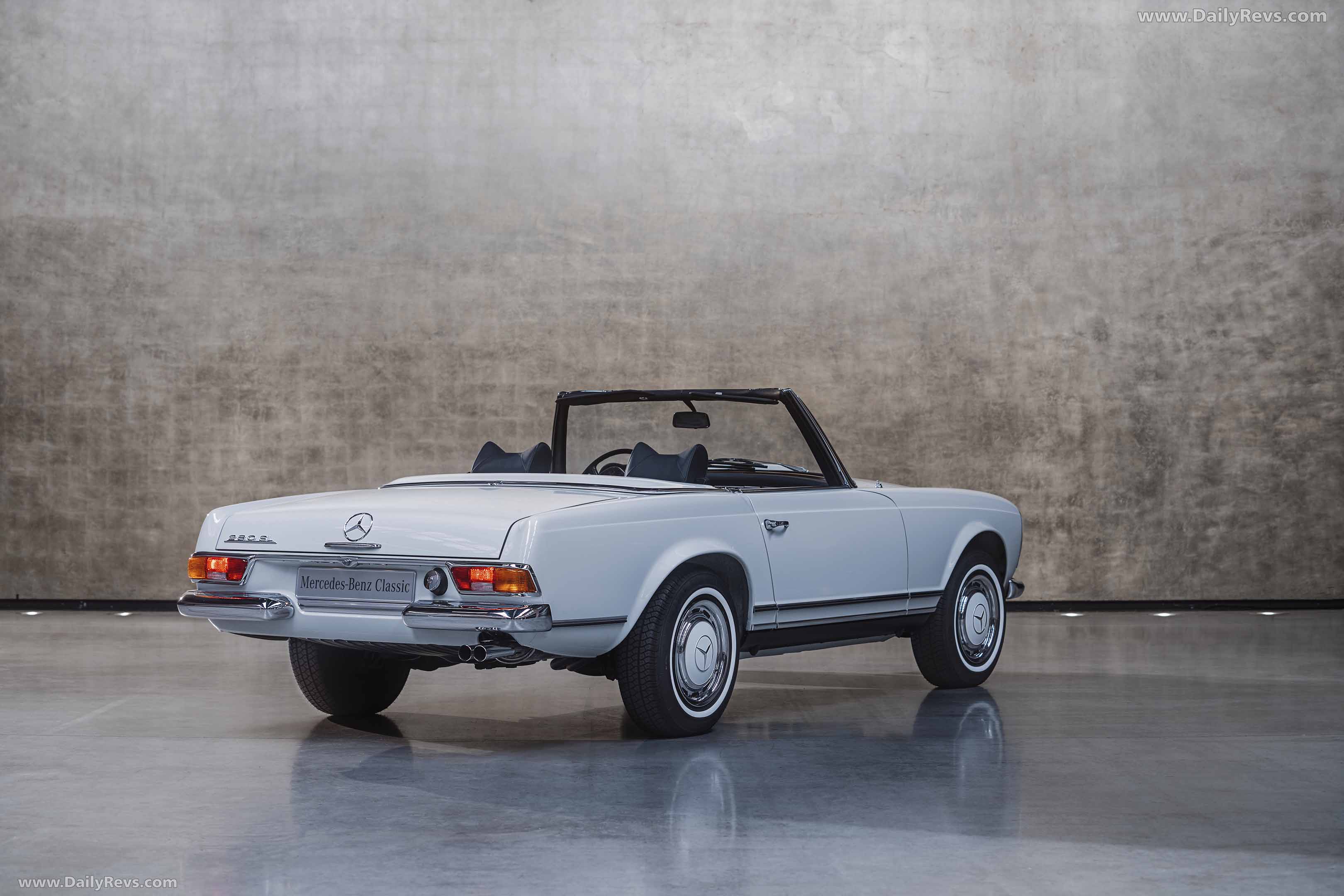
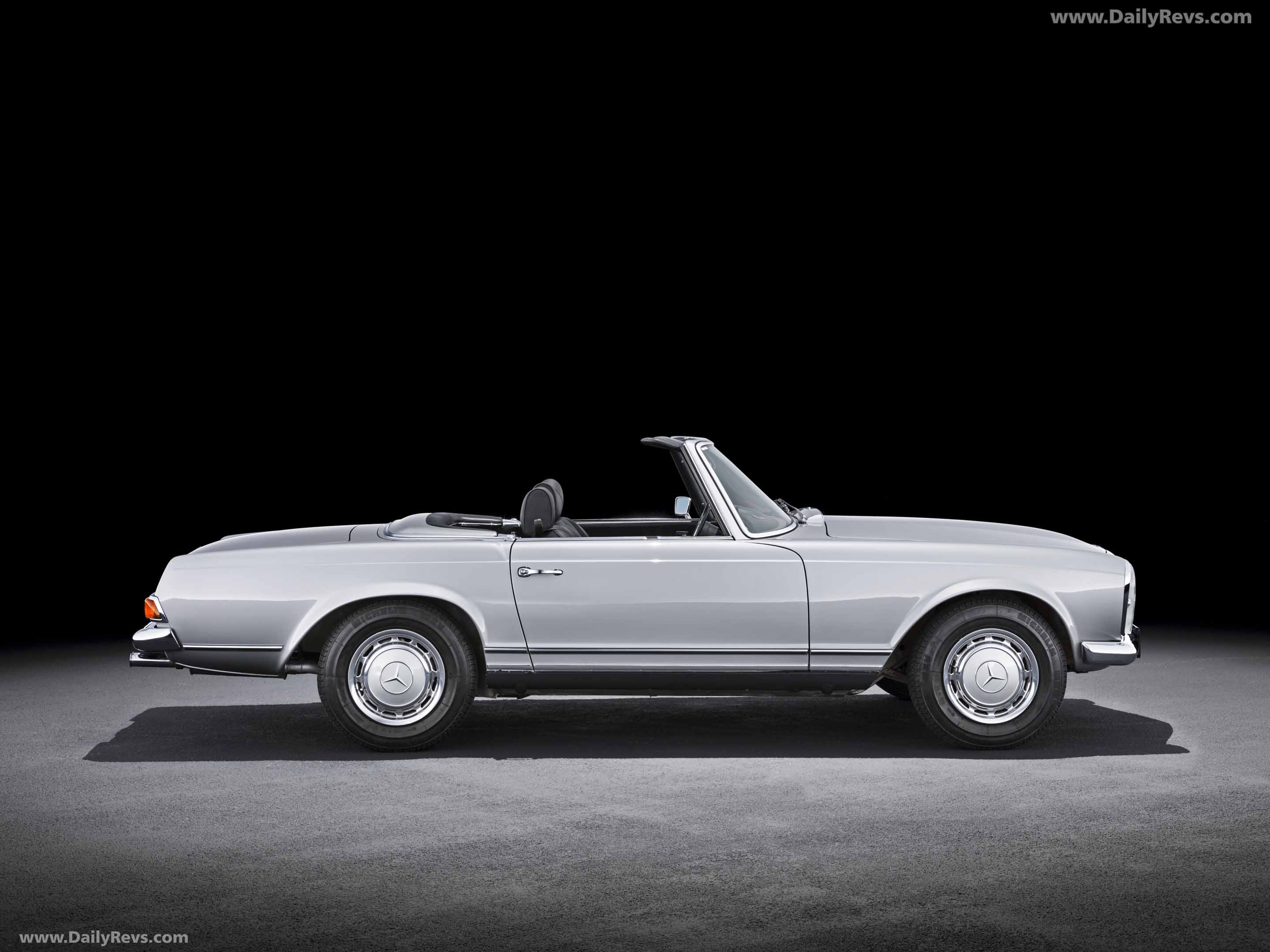
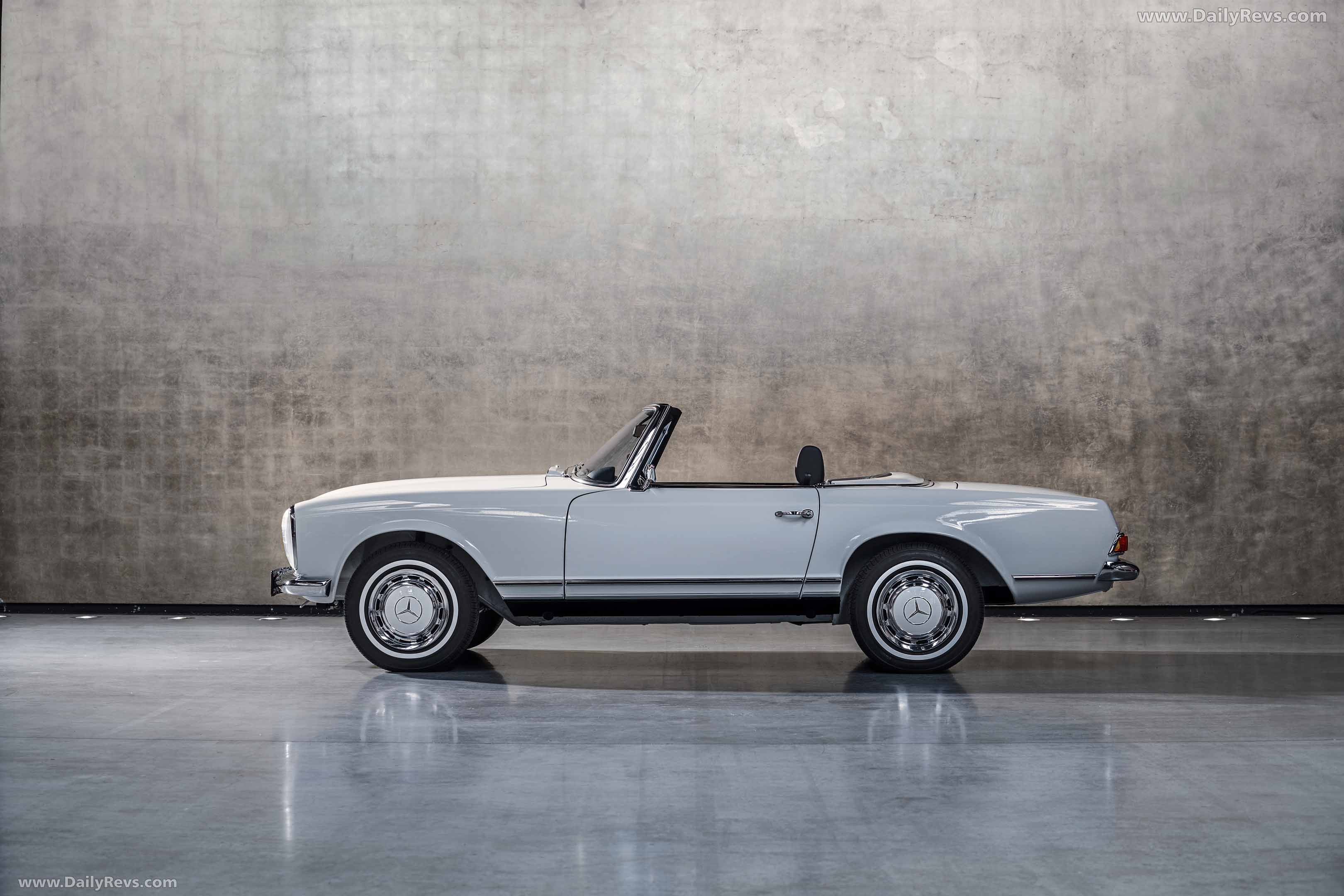
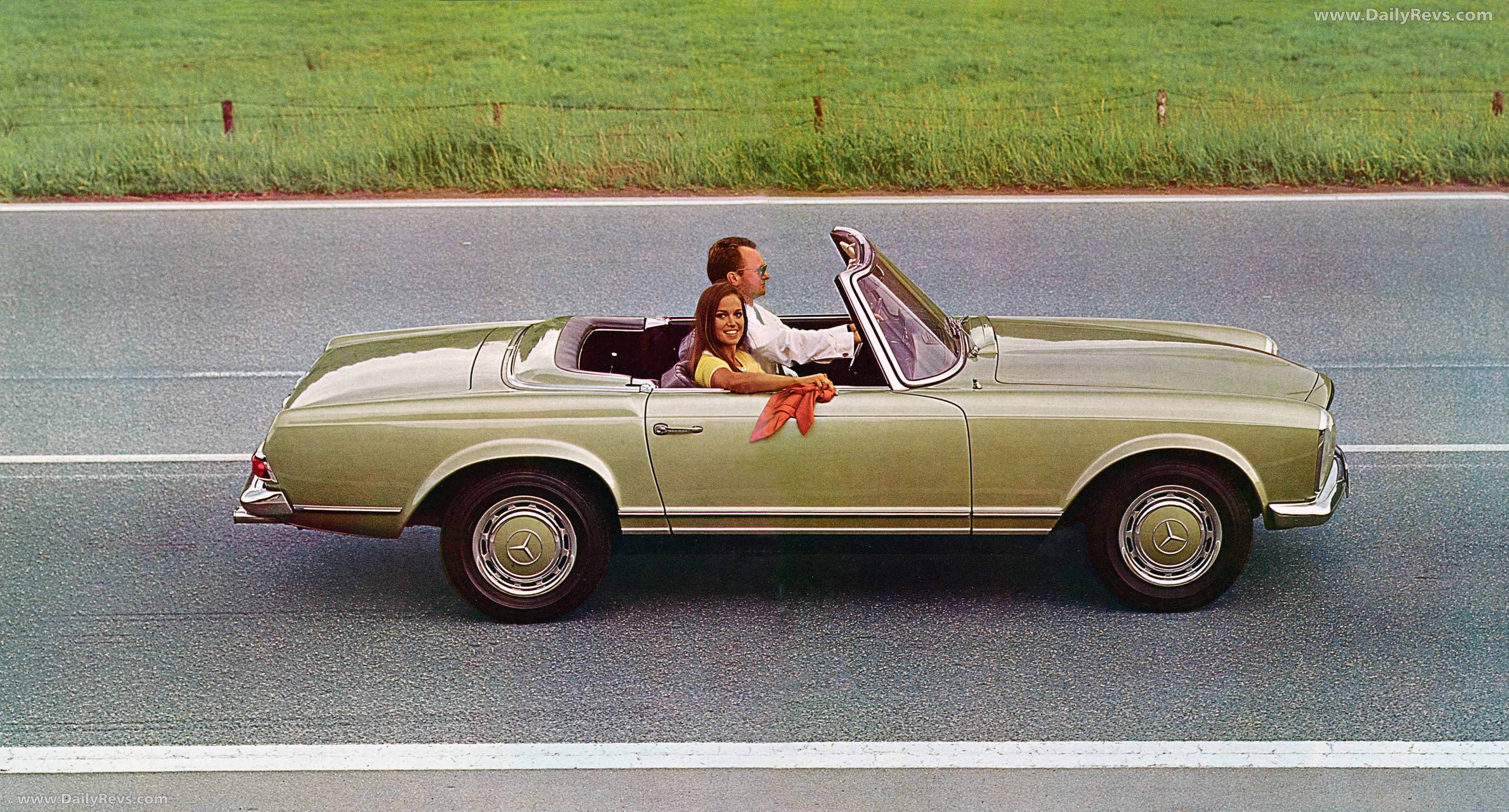
Mercedes didn’t fuss with the SL’s proportions. The design language here wasn’t revolutionary—it was just right. A long hood, tidy rear deck, and an upright greenhouse offered excellent visibility and a kind of spatial honesty that's been largely lost in modern convertibles.
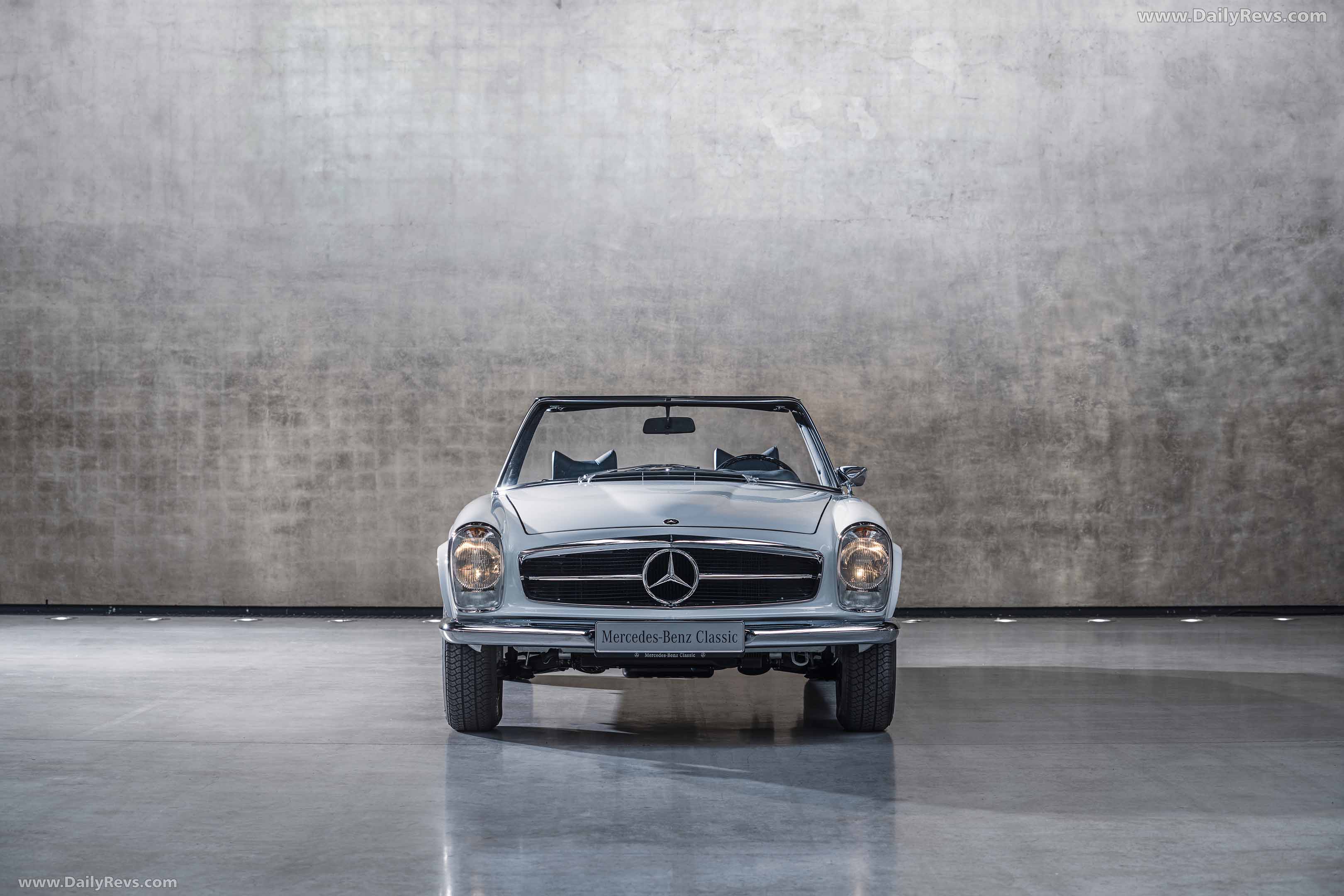
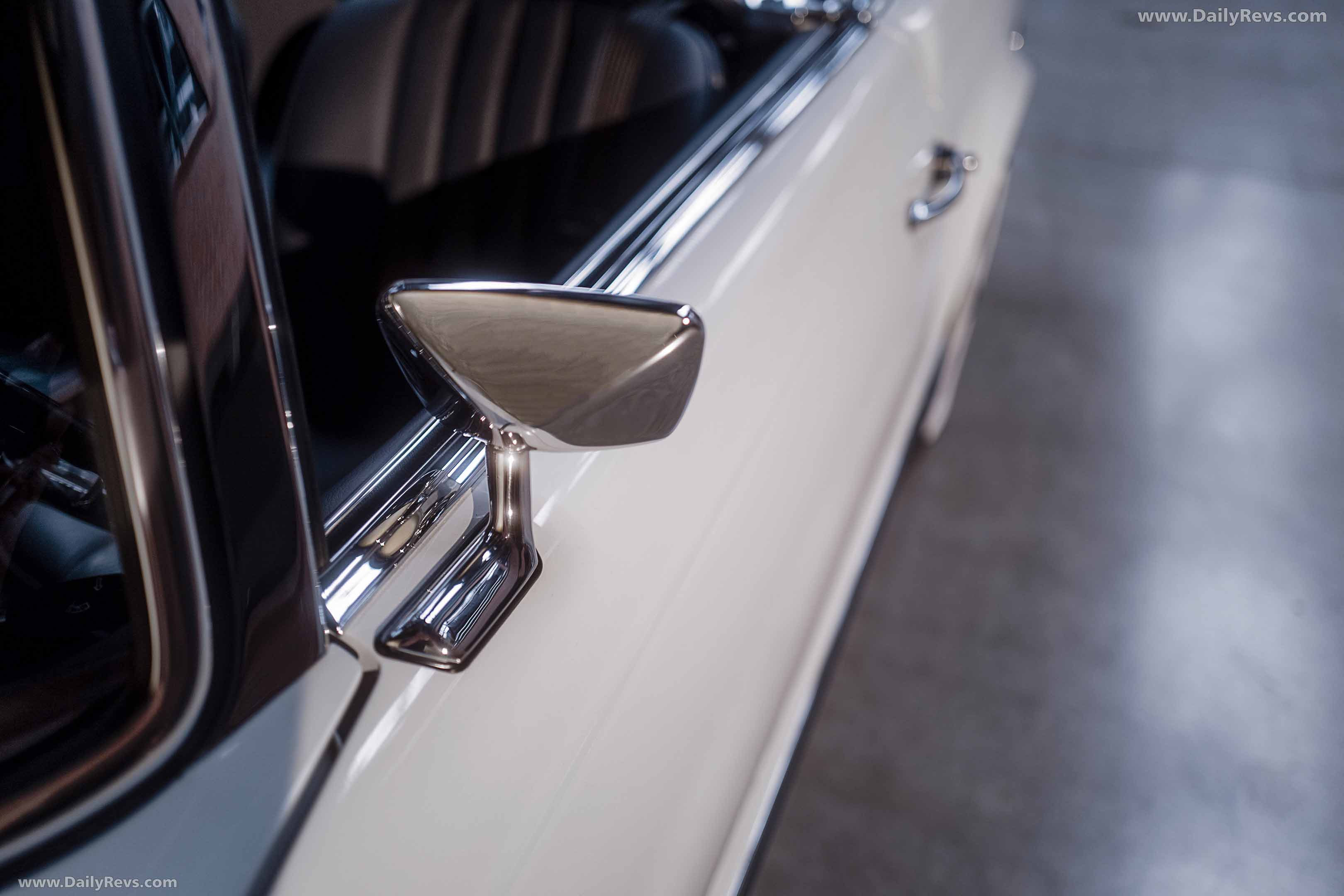
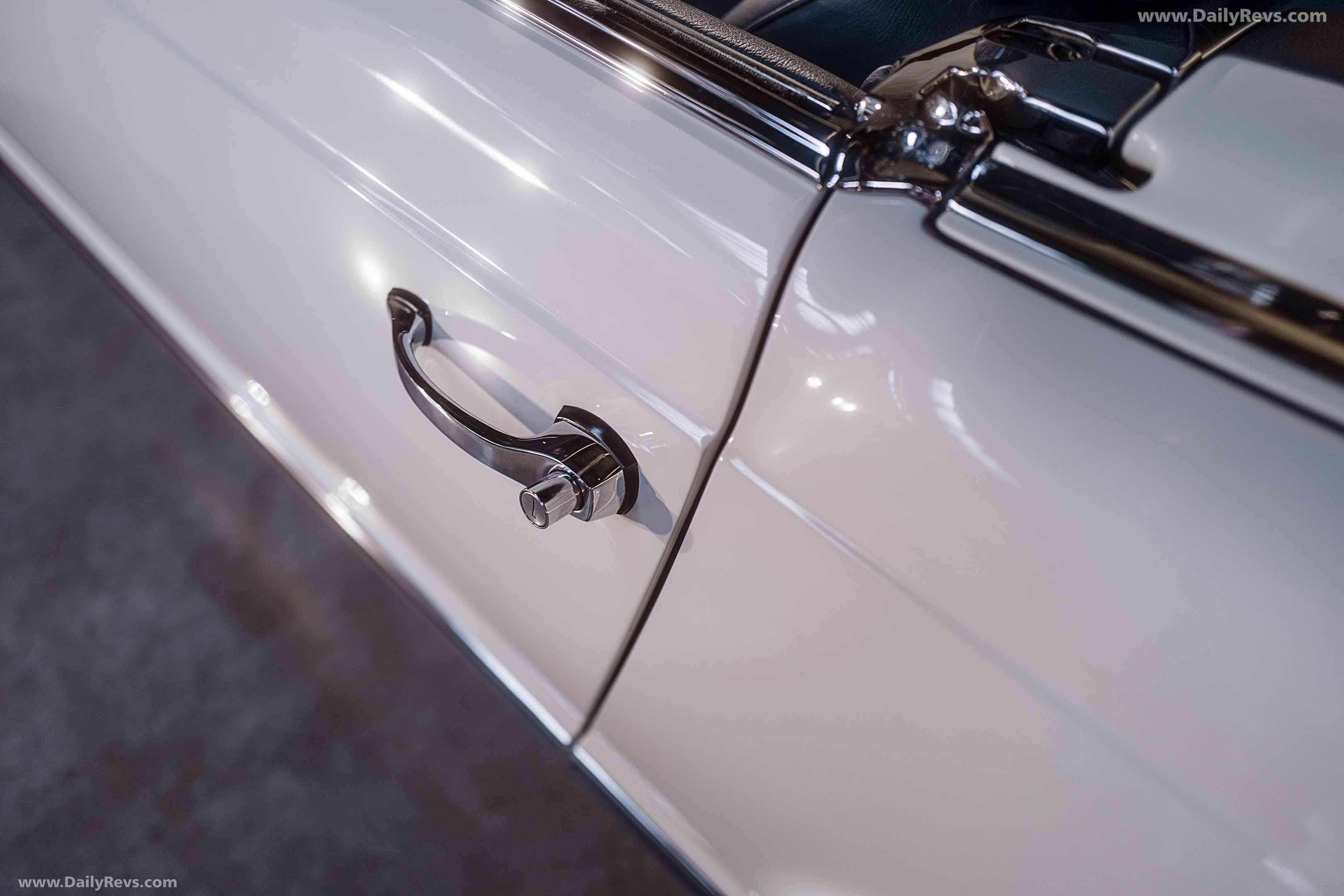
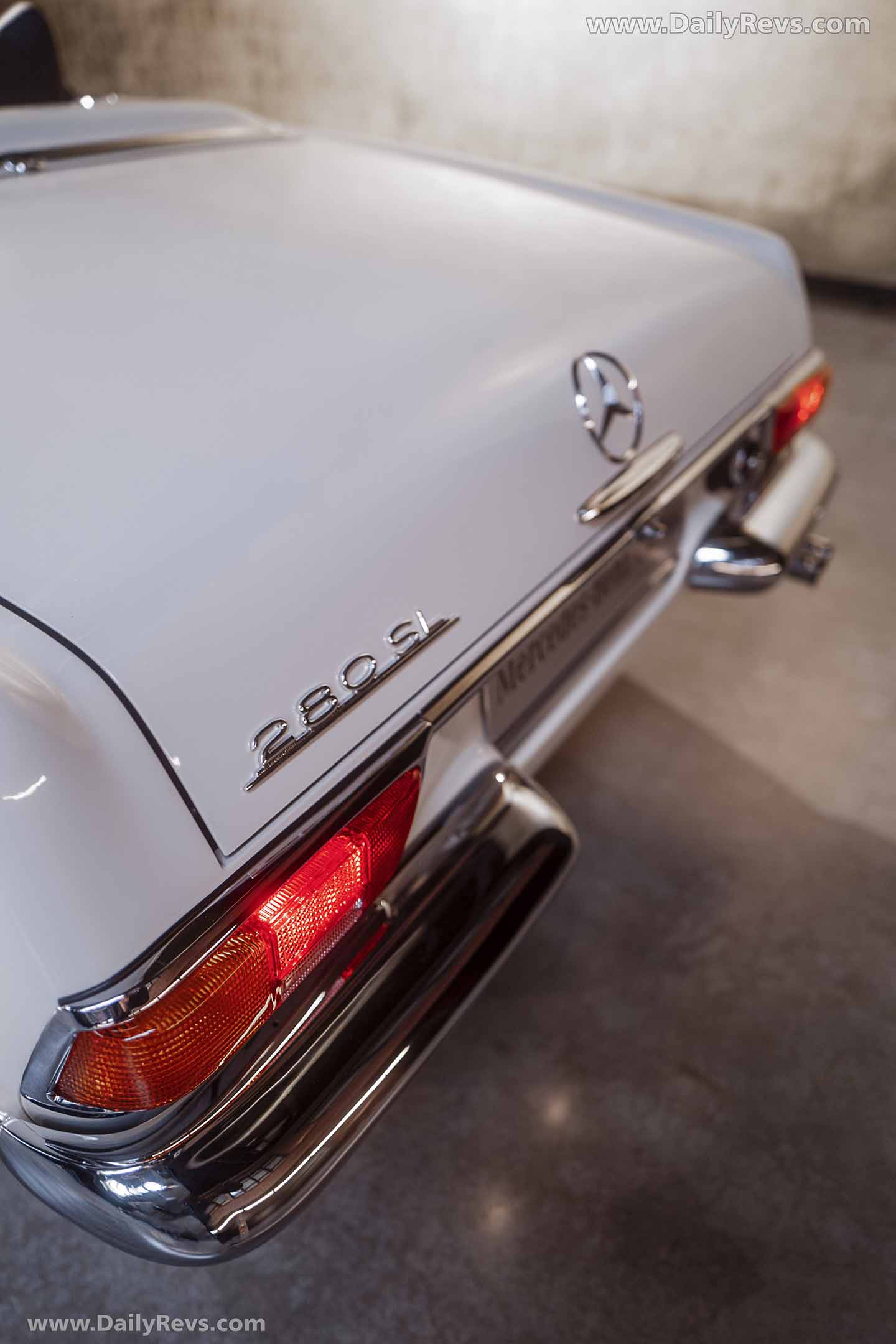
Everything about it was restrained. Chrome, yes—but not too much. Surfacing, clean—but never boring. The front end featured that big three-pointed star floating in a wide grille, flanked by simple round lamps. No drama, just assurance.
Even in profile, it looked grounded and composed. Short overhangs. Solid stance. And with the optional “Pagoda” hardtop on, it struck a balance between roadster lightness and coupe dignity.
The Kind of Power You Use, Not Flaunt
This wasn’t a high-strung sports car. Instead, it was tuned for drivability. The 280 SL could cruise at autobahn speeds all day or amble through coastal towns in third gear without complaint. The Bosch mechanical fuel injection was fussy when cold but settled quickly, rewarding with crisp throttle response.
Buyers could pair it with either a 4-speed manual or an automatic transmission. A 5-speed manual was rare but desirable. It was a car you could live with—quick enough, but never edgy. Rivals like the Jaguar E-Type offered more performance, but few matched the SL’s blend of polish and practicality.
Cabin Comfort, the Stuttgart Way
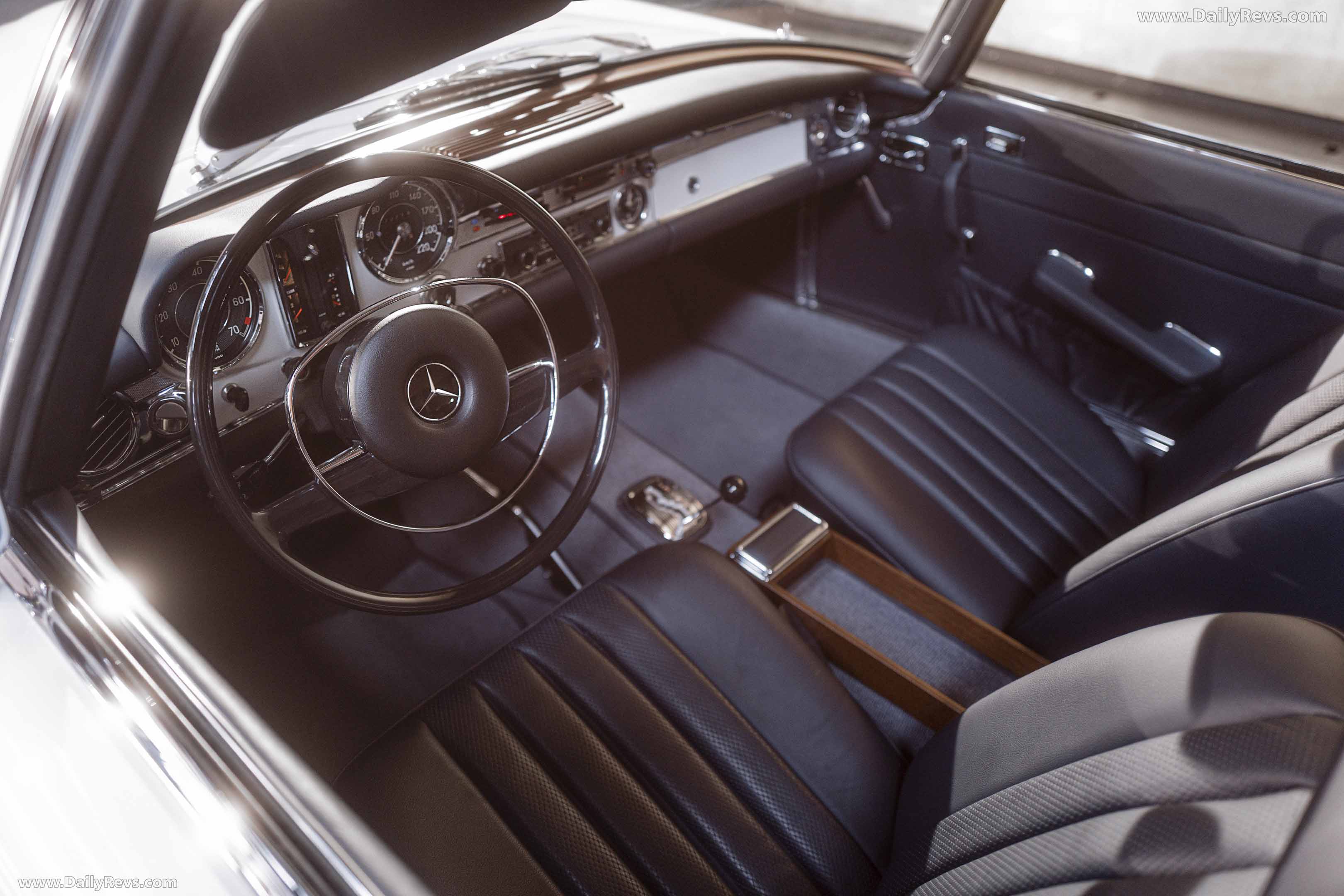
Inside, it was Teutonic charm: wide, white-on-black gauges; a large thin-rimmed wheel; and body-colored dash inserts. Materials felt robust, with solid switchgear and chrome that still gleams decades later.
The driving position was relaxed, visibility excellent, and ergonomics (mostly) intuitive.
Legacy of Restraint
Today, the 1968 Mercedes-Benz 280 SL Pagoda is one of the most desirable classic Mercs. Not because it tried to be loud, but because it was quietly complete. It never overreached. It didn’t need to.
With around 23,885 units of the 280 SL built, it lives on as a masterclass in proportion, poise, and engineering subtlety.
Technical Specification – 1968 Mercedes‑Benz 280 SL Pagoda
-
Performance
-
Power output: ~ 170 hp (125 kW) @ 5,750 rpm
-
Torque: ~ 240 Nm (177 lb‑ft) @ 4,500 rpm
-
Acceleration: ~ 0–100 km/h in 9.0 s (manual); ~ 10.0 s (automatic)
-
Top speed: ~ 200 km/h (124 mph)
-
-
Body Measurements
-
Length: ~ 4,285 mm (168.7 in)
-
Width: ~ 1,760 mm (69.3 in)
-
Height: ~ 1,305 mm (51.4 in)
-
Wheelbase: ~ 2,400 mm (94.5 in)
-
Curb weight: ~ 1,360 kg (2,999 lb)
-
-
Powertrain
-
Engine: 2.8 L M130 inline‑6, SOHC, seven‑main-bearing block
-
Fuel system: Bosch mechanical injection
-
Transmission: 4‑speed manual or optional 4‑speed automatic (ZF 5‑speed manual rare)
-
Drivetrain: Front engine, rear-wheel drive
-
-
Capacities
-
Seating: 2
-
Fuel tank: 82 L (21.6 gal)
-
Brakes: Front & rear discs
-
Suspension: Independent double‑wishbone front, swing‑axle rear
-
Trunk capacity: ~ 340 L (12 cu ft)
-
-
Price (1968‑1971)
-
Original US MSRP: approximately $6,731 (~$7,500 adjusted later)
-