
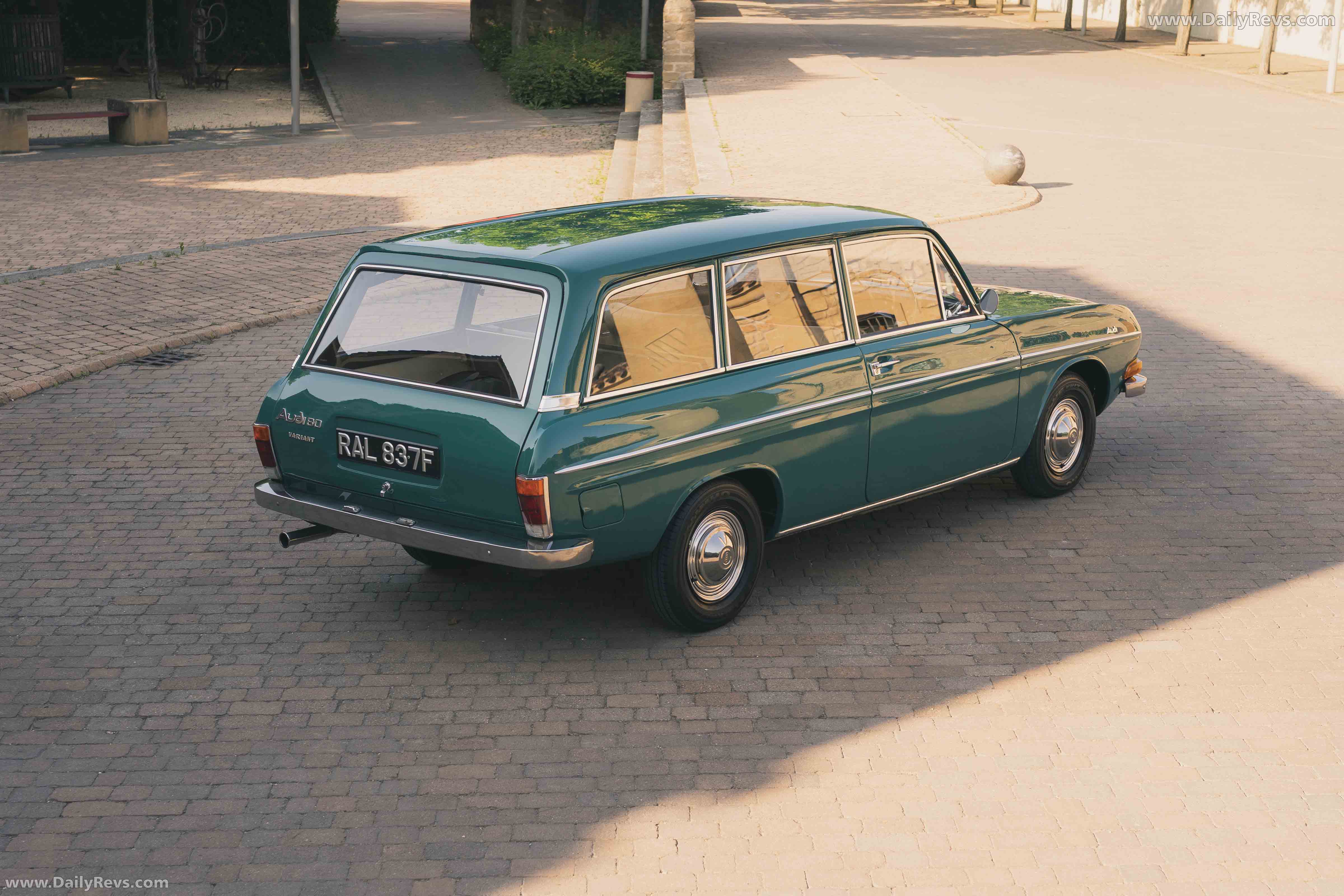
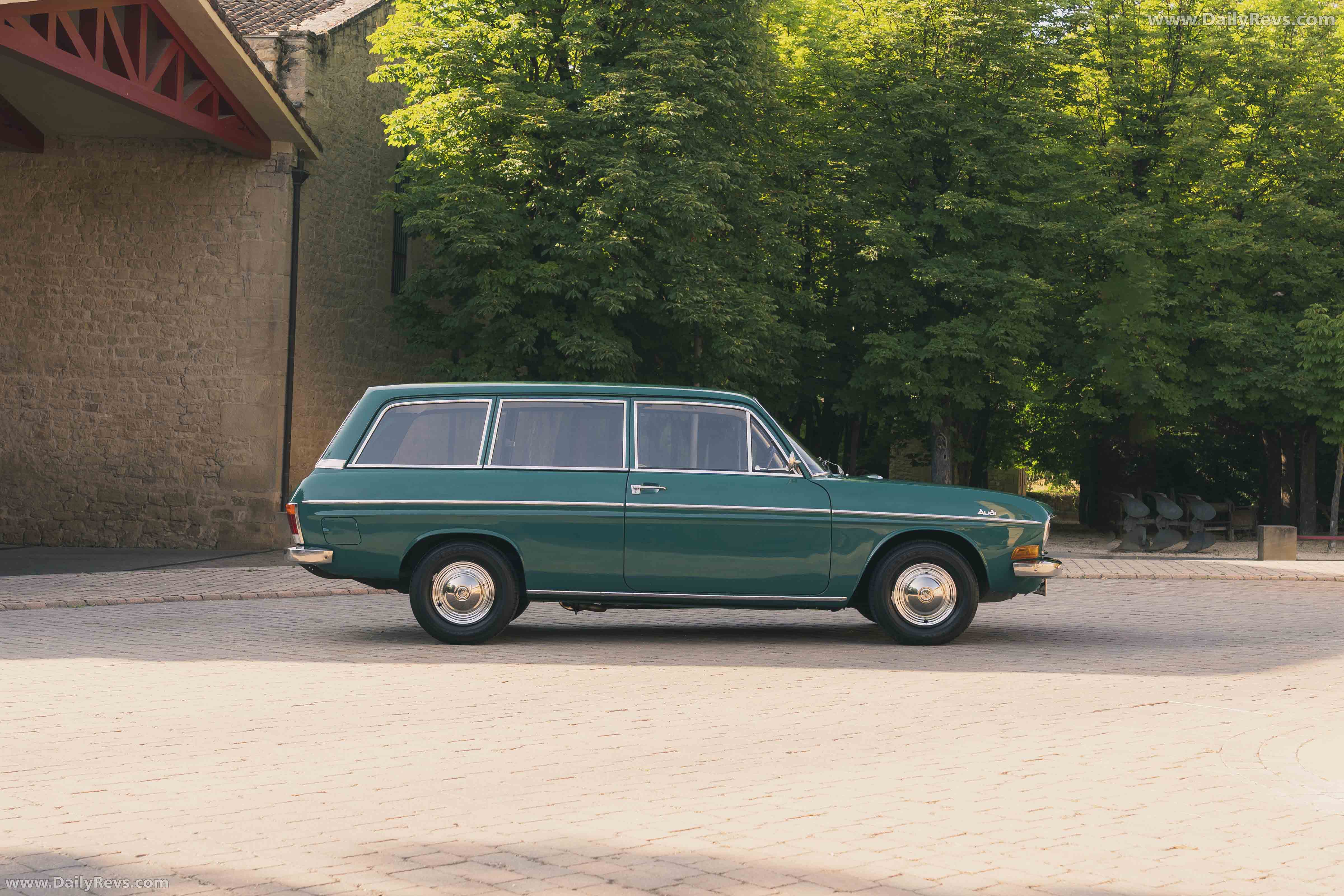
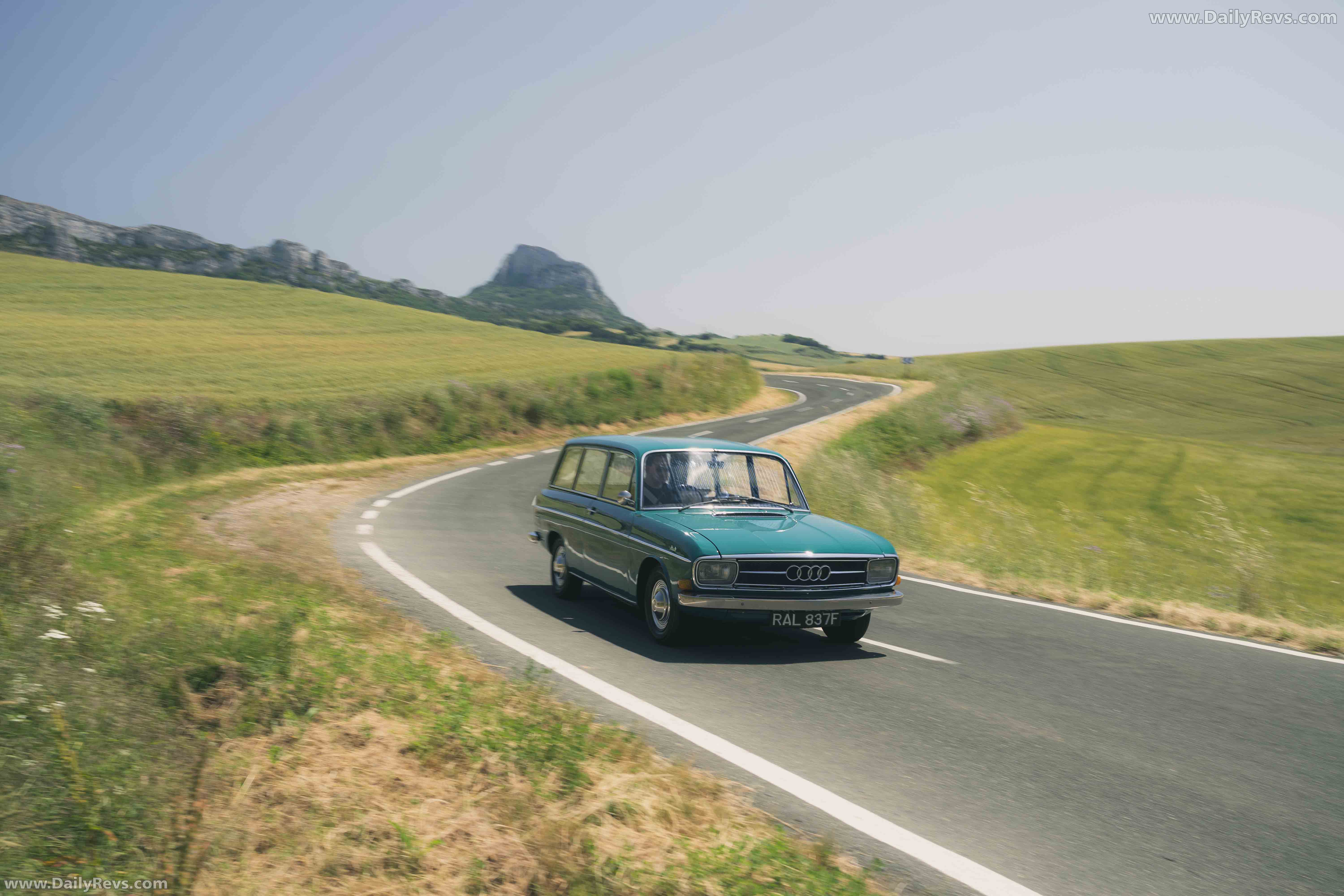
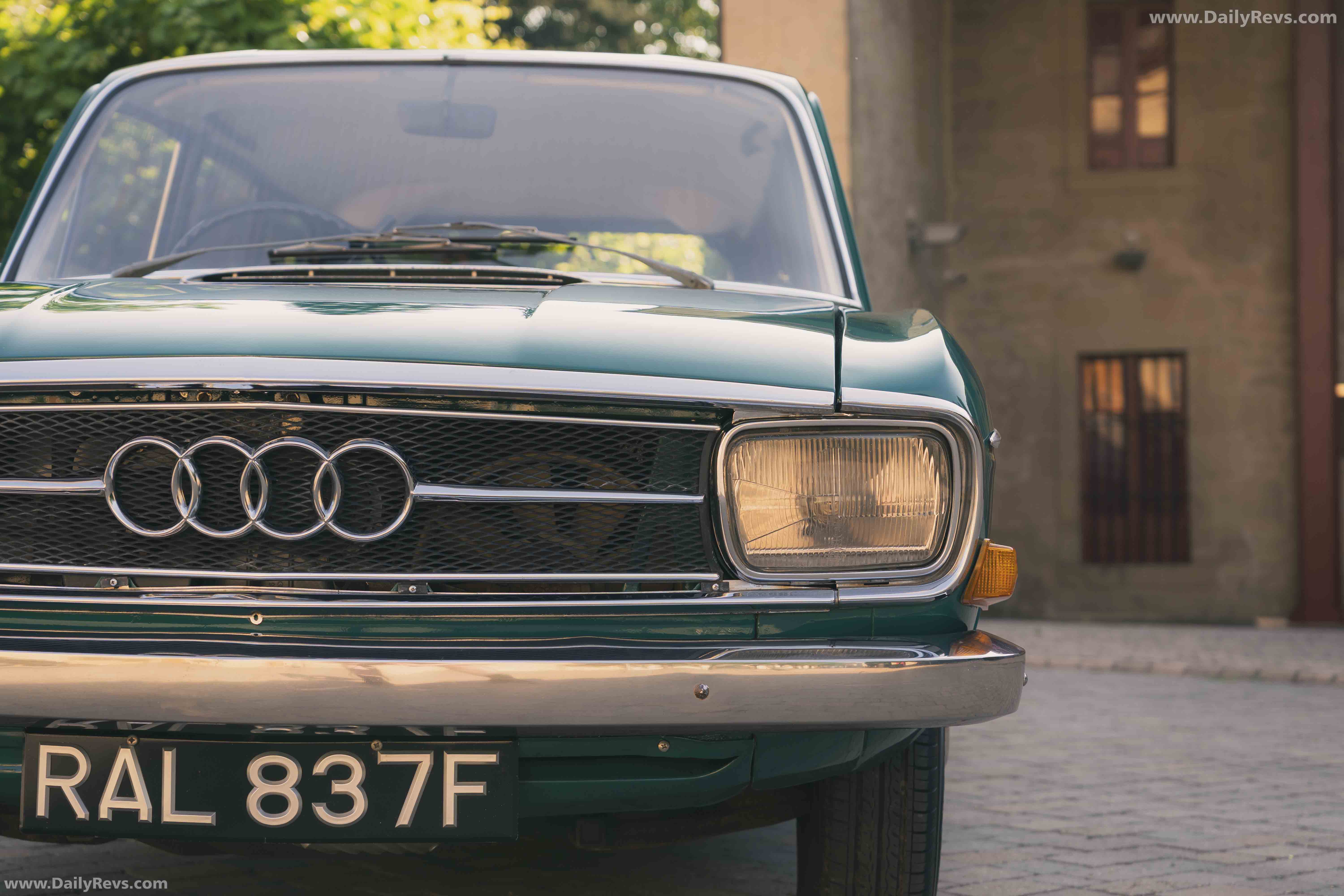
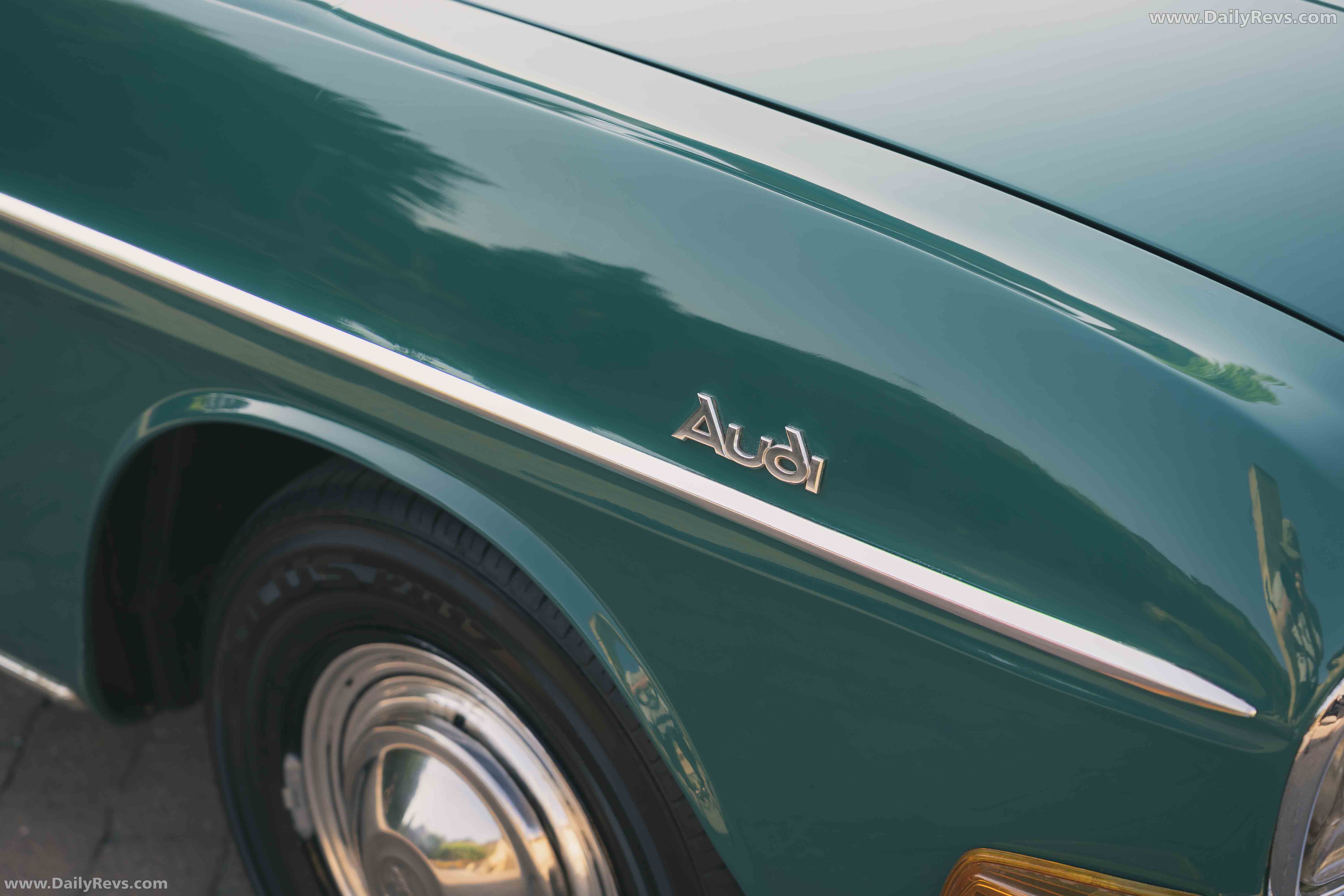
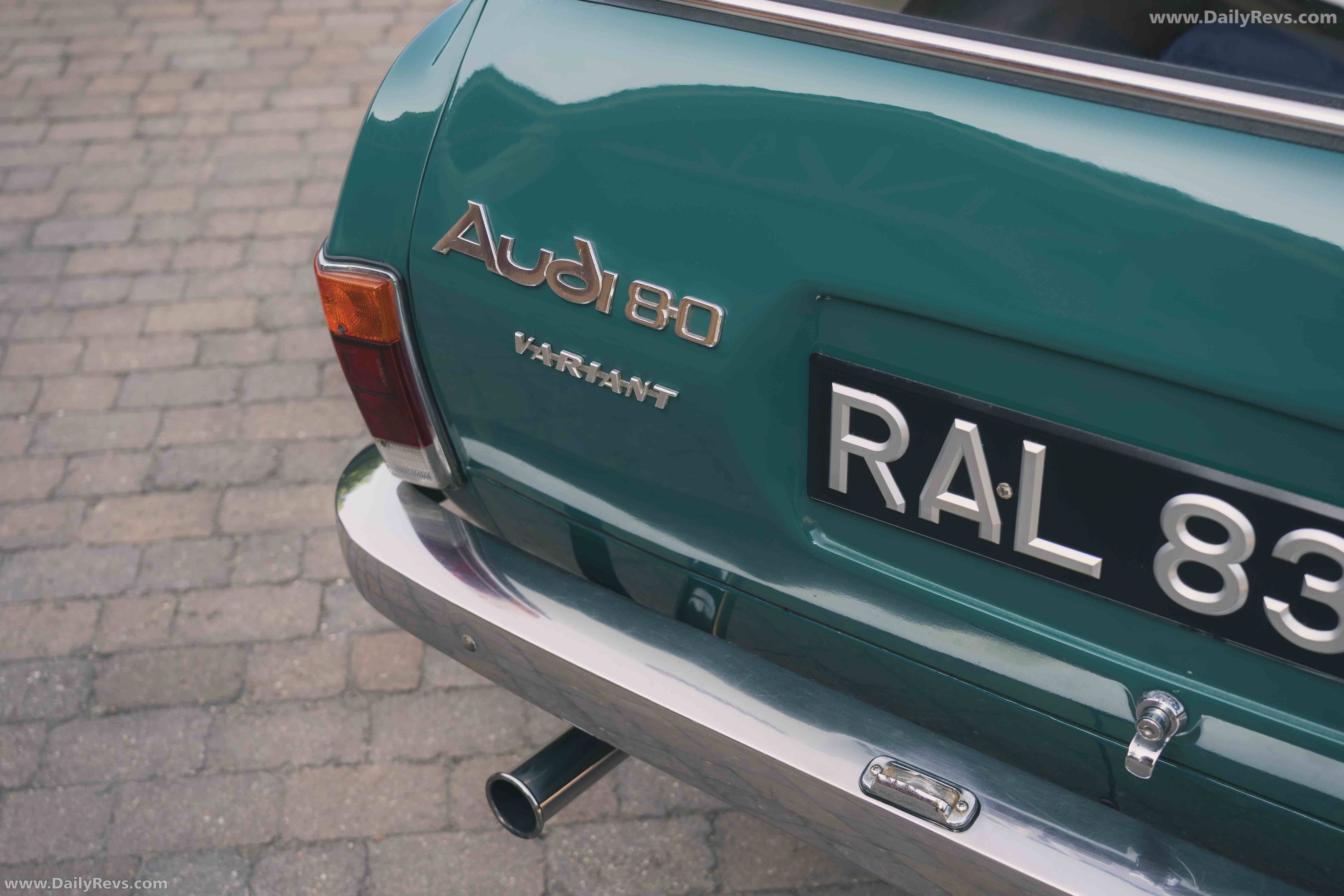
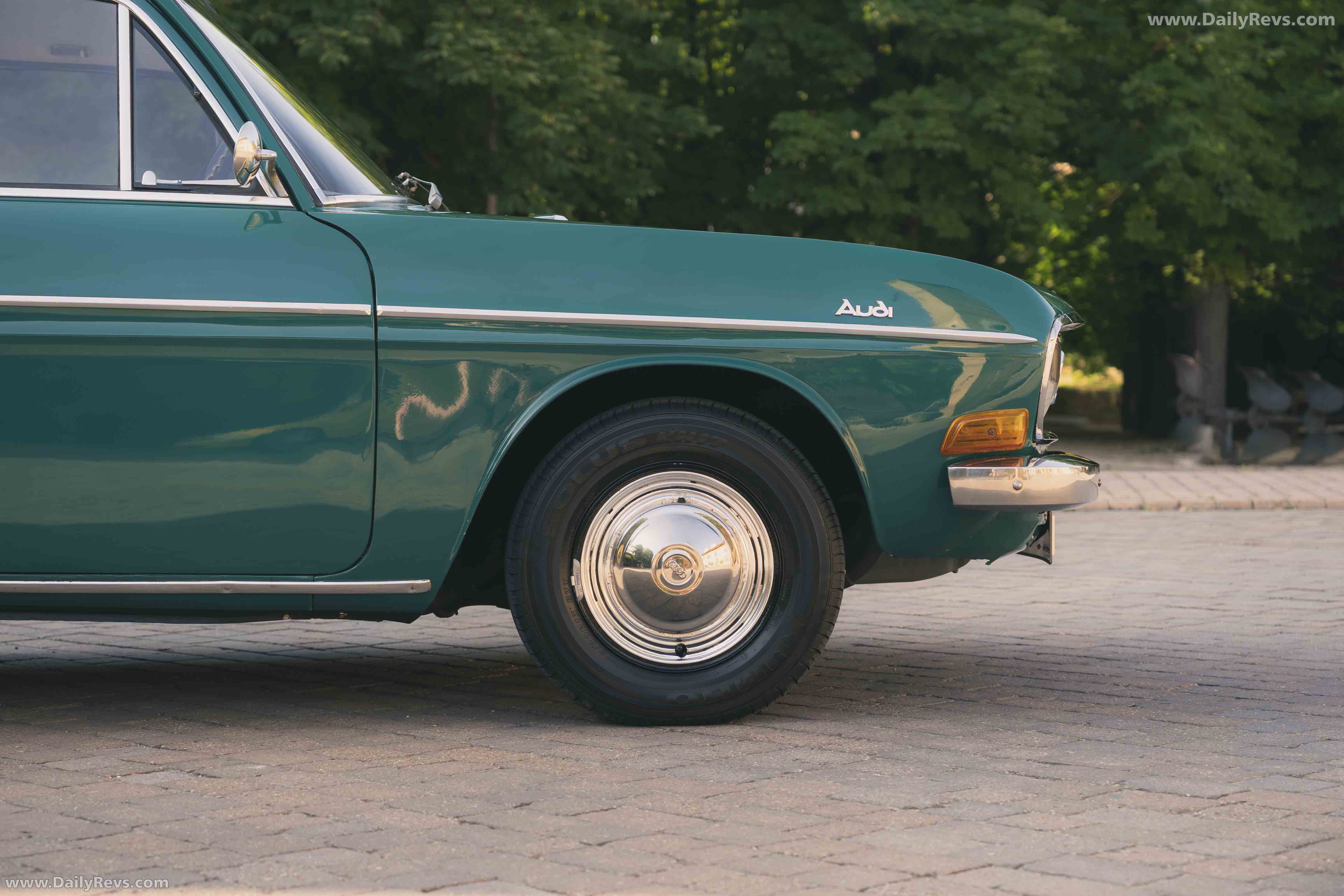
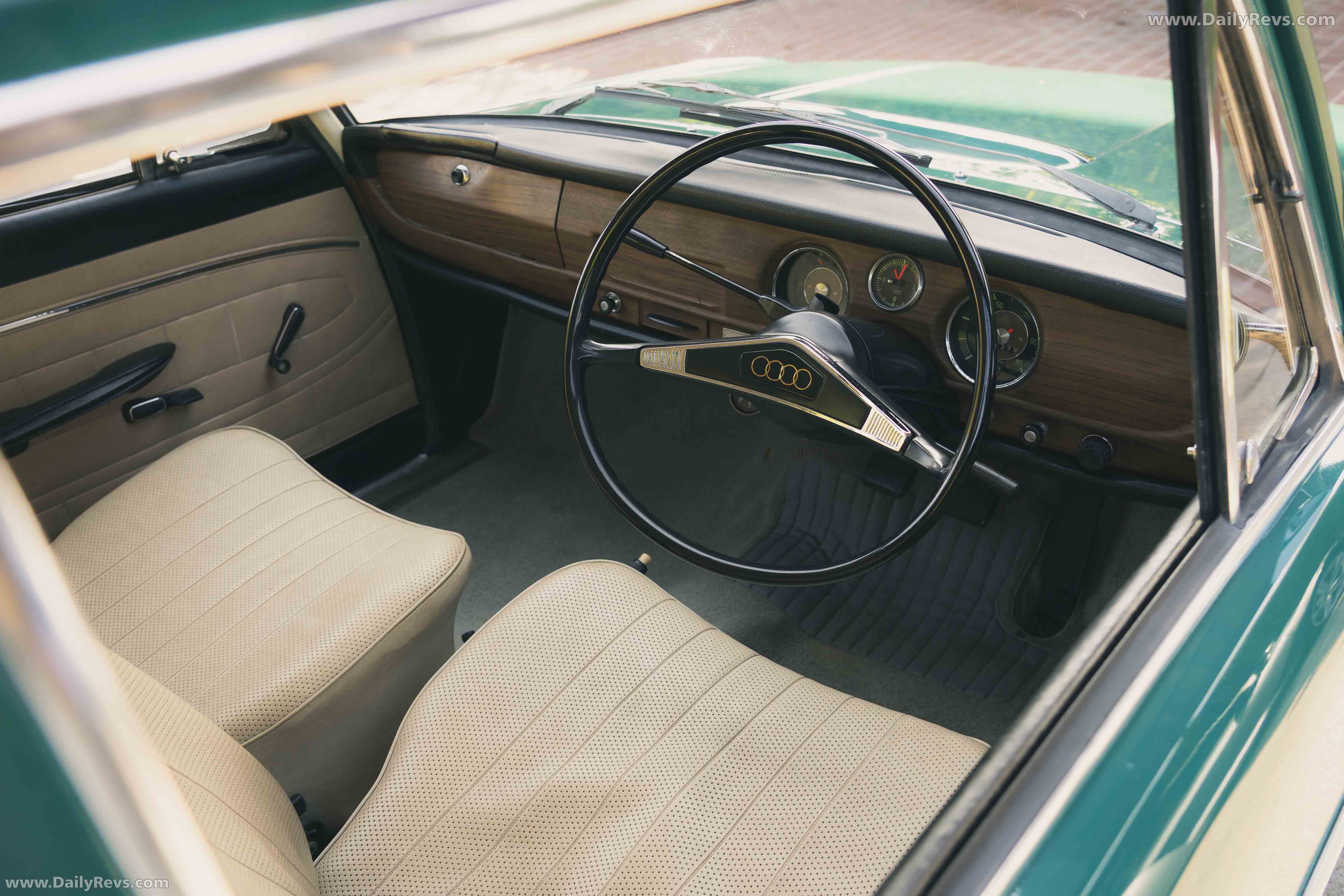
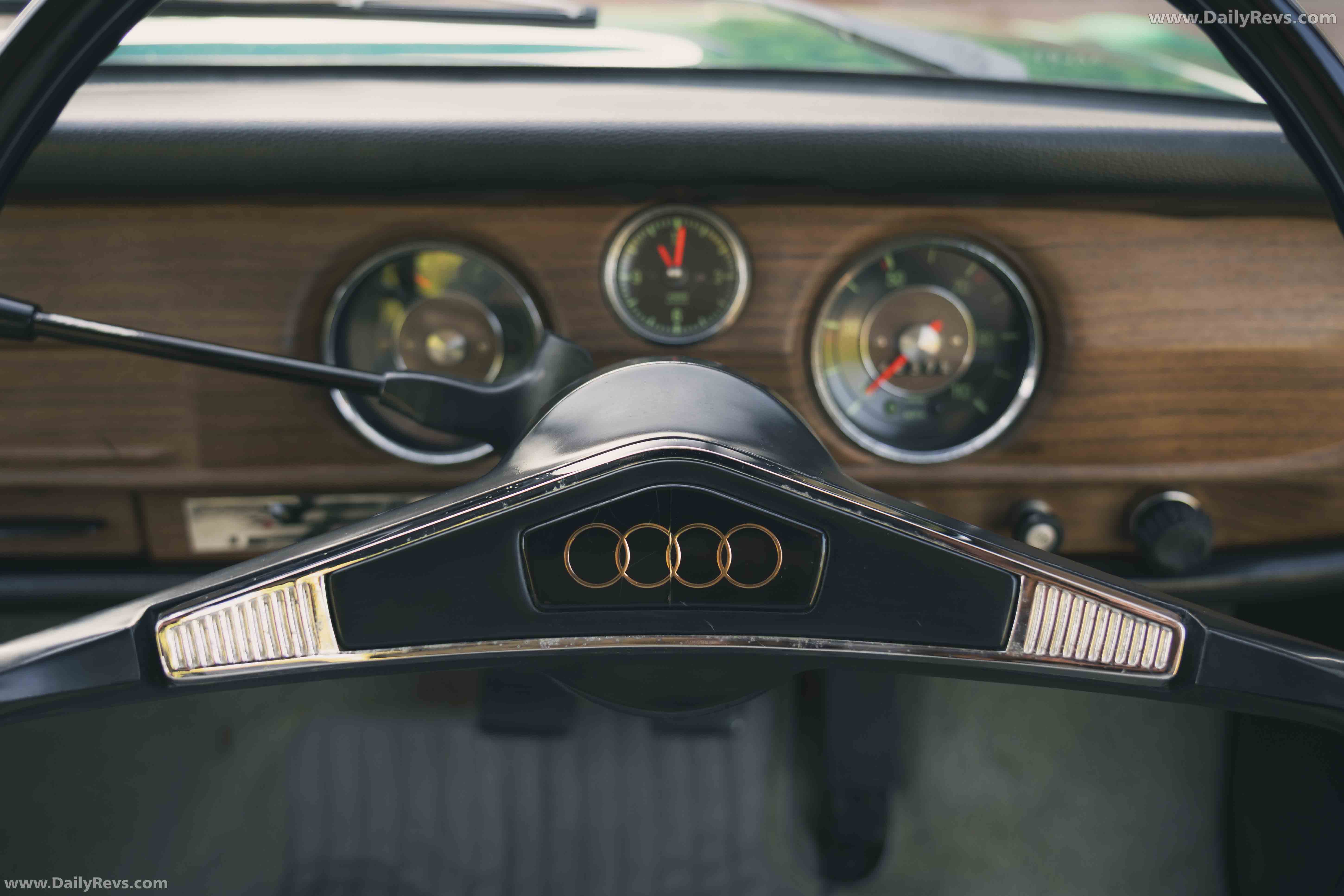
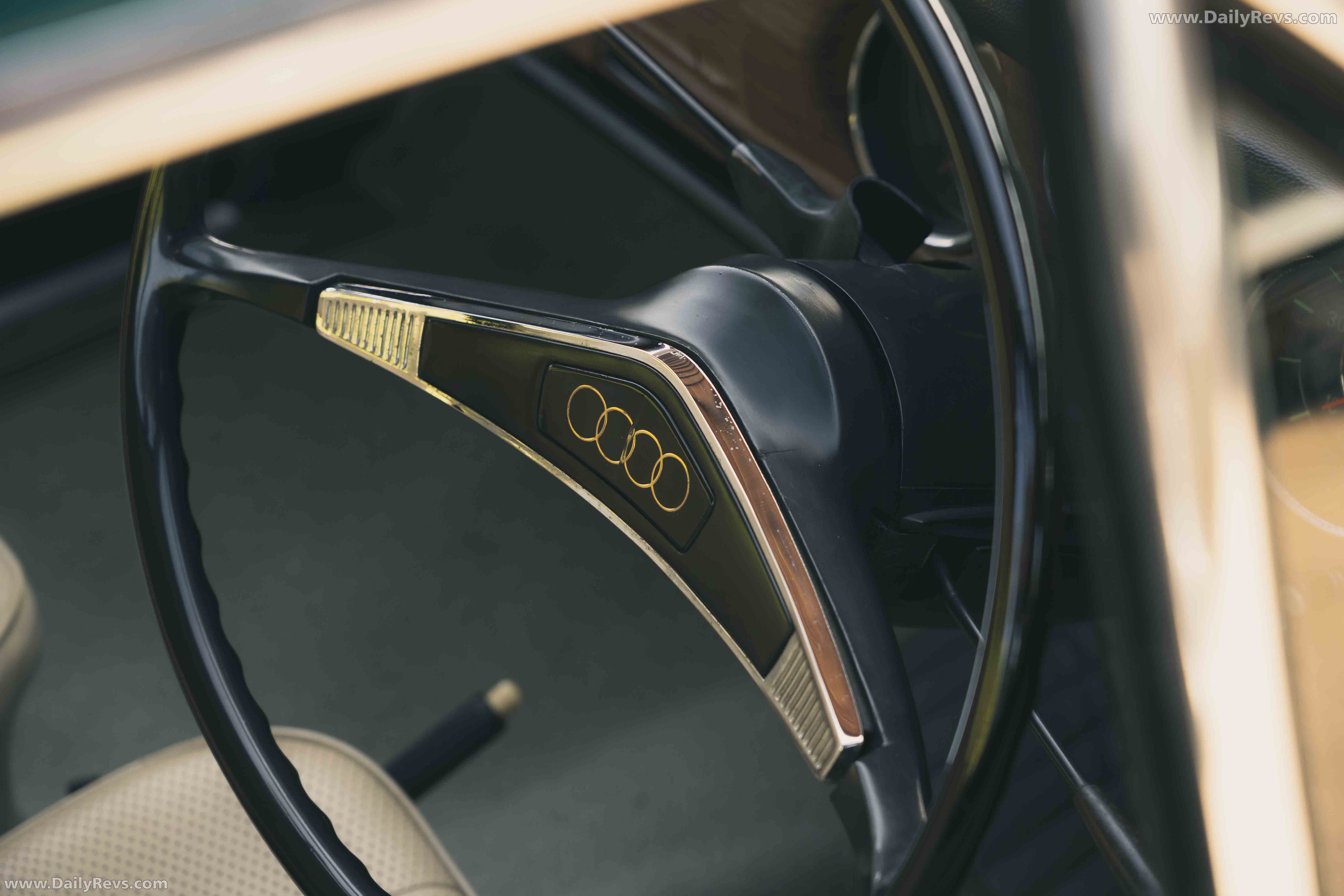
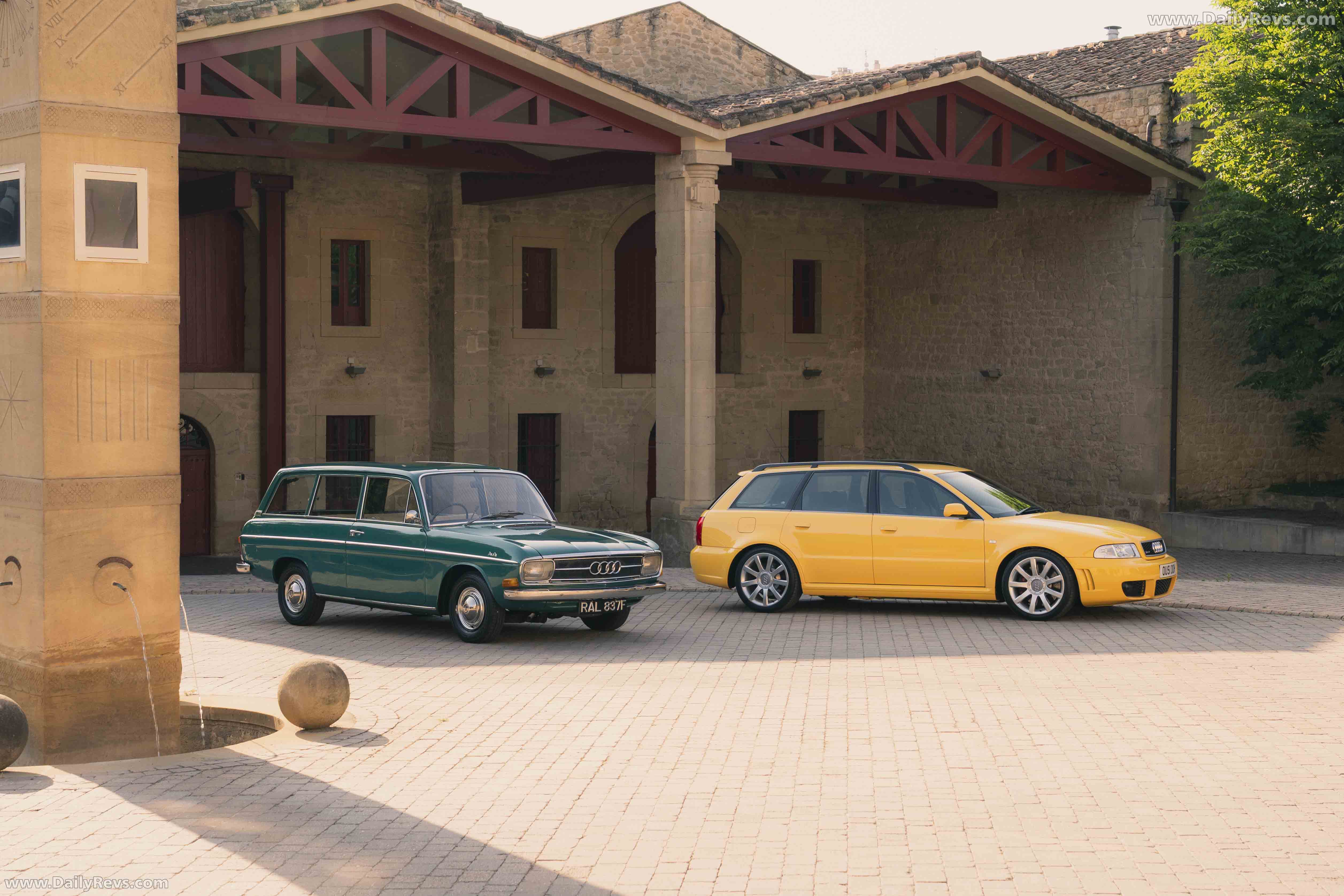
1968 Audi 80 Variant F103
By Lorenzo Bianchi July 3, 1968
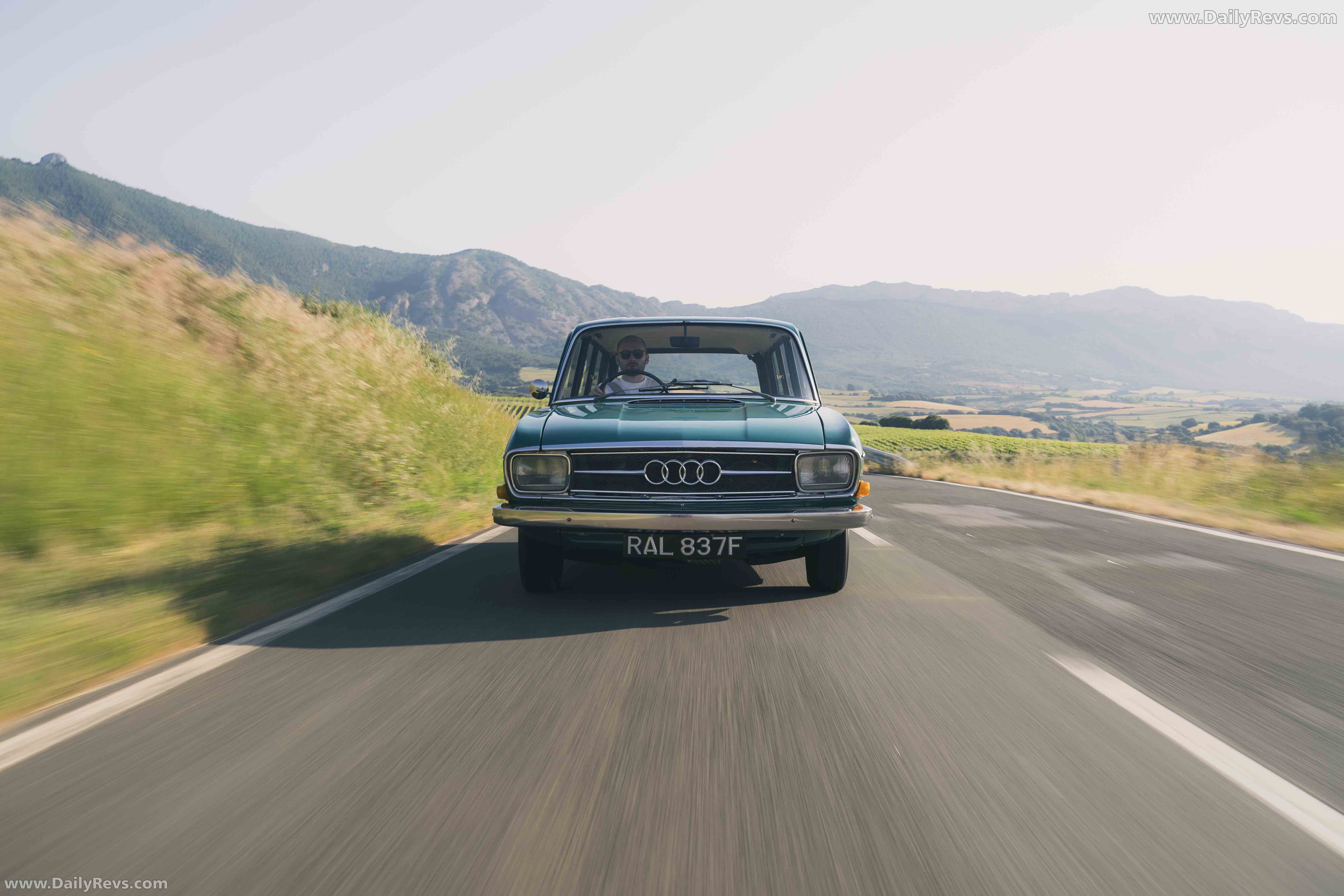
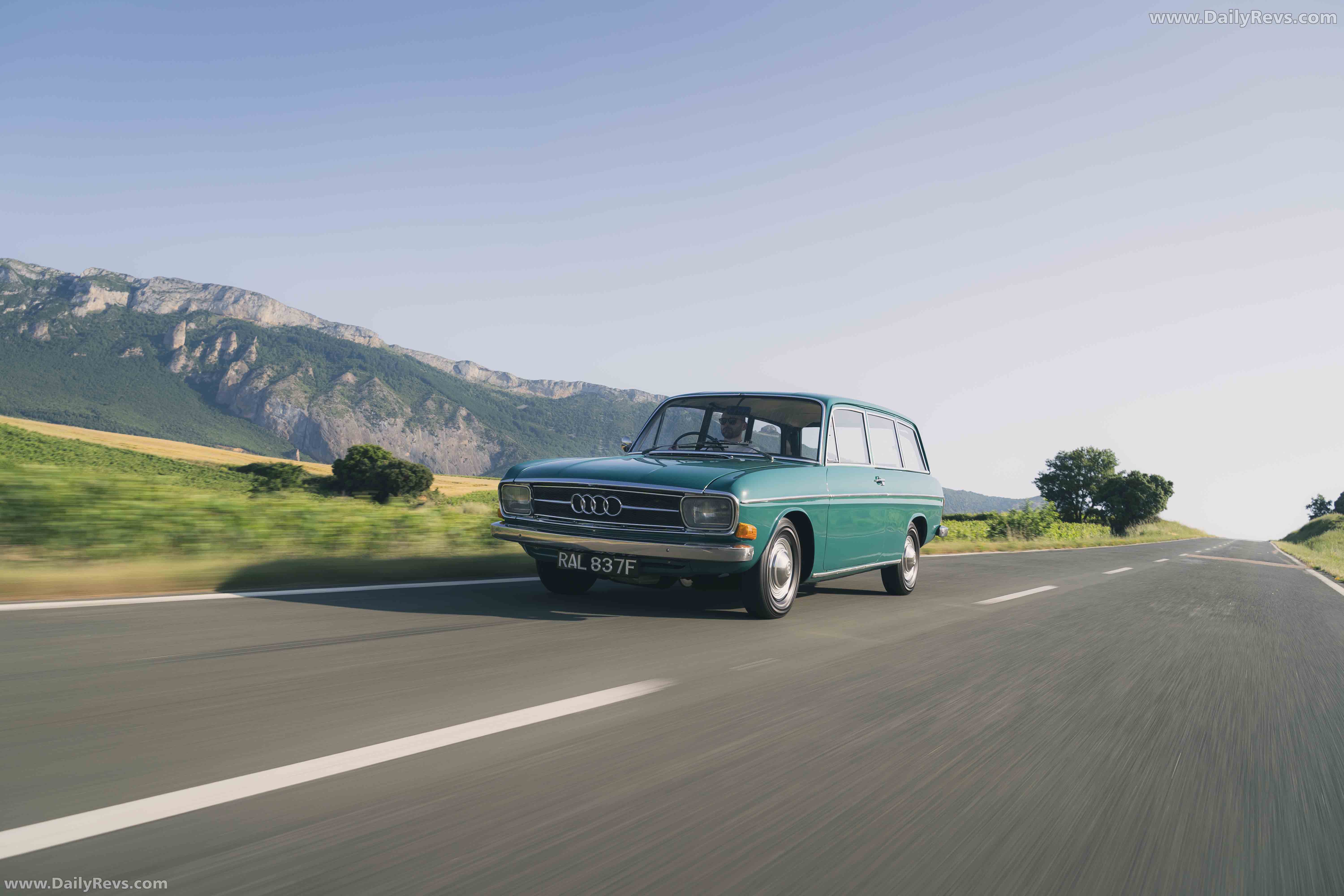
- The 1968 Audi 80 Variant blends estate practicality with early Audi engineering—compact, clean lines, front-wheel-drive simplicity.
- Its 1.7 L inline-four makes about 80 PS (59 kW) and 137 Nm torque—humble but efficient for cruising.
- Weighing around 1,115 kg and stretching ~4.38 m, it offers nimble handling and usable cargo without fuss.
Estate Form, Neat Proportions
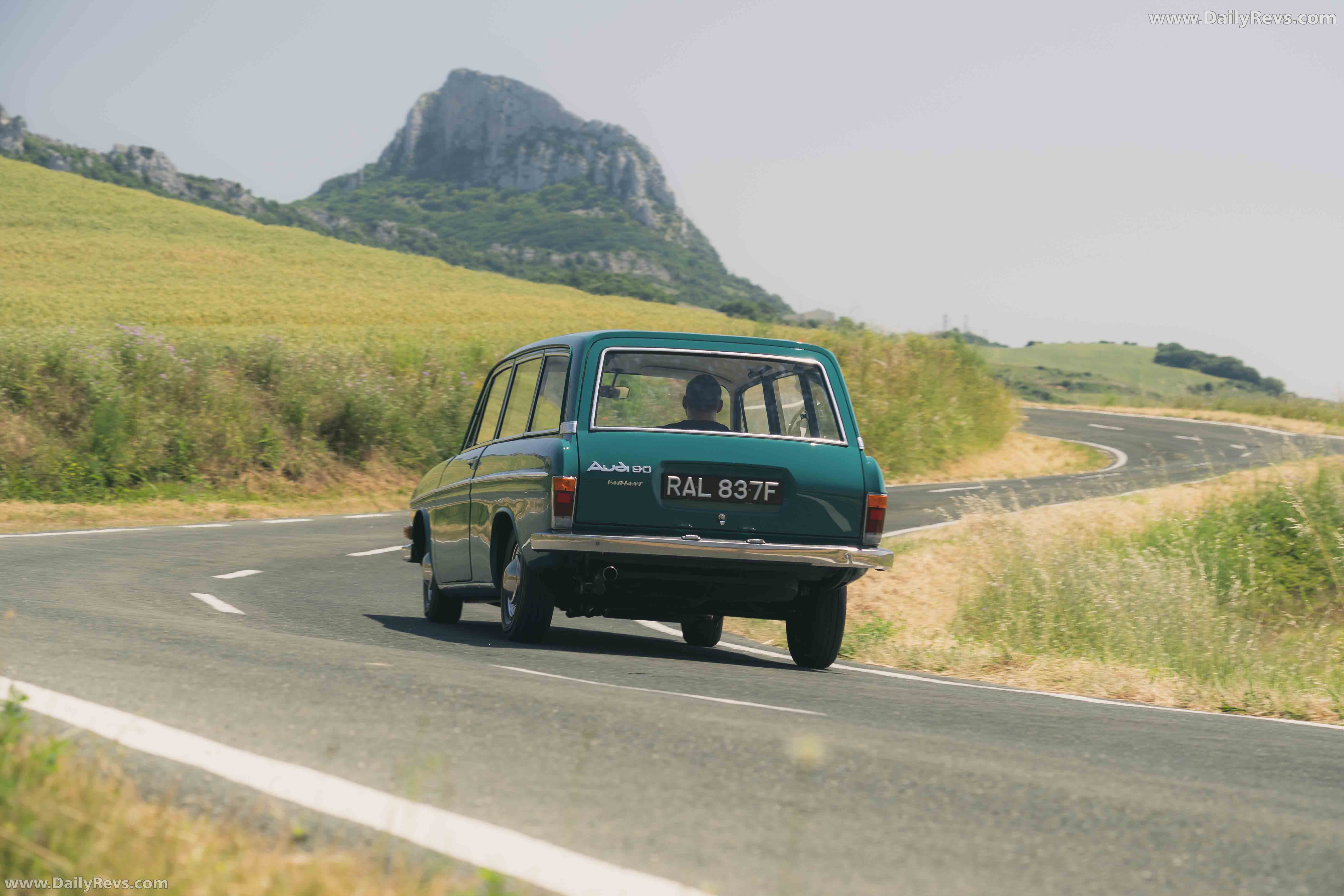
The Audi 80 Variant isn’t loud in design, but it stakes a solid presence. About 4,380 mm long with a 2,490 mm wheelbase, it feels compact yet purposeful. The upright tail and long roof give obvious cargo intent, while that square greenhouse and tight overhangs keep it balanced and keen — no bloated sag.
Understated Performance
Pop the hood, and you find a 1.7 L four making around 80 PS (roughly 59 kW) and 137 Nm torque. Nothing flashy—top speed about 152 km/h and 0–100 km/h in roughly 14.5 seconds— but it’s steady. Weight around 1,115 kg helps it feel spry despite modest power. It’s a car built for calm highway cruising and light hauling, not track blasts.
Compact. Nimble. Practical
Front-wheel drive, pushing through a 4-speed manual gearbox, it’s primed for simple discovery. The suspension’s modest—double wishbone/torsion bar front, beam rear—but airy weight ensures it handles well. Turning circle is tight; usability strong. One estate door, five‑seat layout, and real trunk space make it a practical pick even now.
Peer Context in Perspective
In 1968, this stood apart from larger rivals. More sophisticated than basic family vans but less complex than luxury estates. It delivered solid fit and finish, a smooth 12V electrical system, and disc front brakes—features often missing in peers. Models like Opel Kadett Caravan or Ford Taunus wagons felt bulkier; the Audi 80 was tidy, competent, European charmer.
Technical Specification
Performance
- 1.7 L inline‑4 engine: 80 PS (59 kW) at 5,000 rpm, 130 Nm torque at 3,000 rpm
- Top speed: approx. 152 km/h (94 mph)
- 0–100 km/h: around 14–14.5 seconds
Body Measurements
- Length: 4,380 mm (172.4 in)
- Wheelbase: 2,490 mm (98.0 in)
- Width: ~1,626 mm (64.0 in)
- Height: ~1,451 mm (57.1 in)
- Curb weight: between 960–1,065 kg
Powertrain & Transmission
- Front-engine, front-wheel drive layout
- 1.7 L carburetted inline‑4 engine
- 4-speed manual transmission
- Front independent double-wishbone suspension; rear beam axle with trailing arms and torsion bar
- Front inboard disc brakes; rear drum brakes
Capacities & Equipment
- Fuel tank: 53 L (raised to 55 L after September 1968)
- Seating capacity: 5
- Estate body style with practical cargo space thanks to long roof and tailgate
- 12 V electrical system and dual‑circuit braking for improved safety
Price
- Launch price in Germany: around 8,300 Deutschmarks for the Variant model