
1968 Alfa Romeo Carabo Concept
By Lorenzo Bianchi April 2, 1968
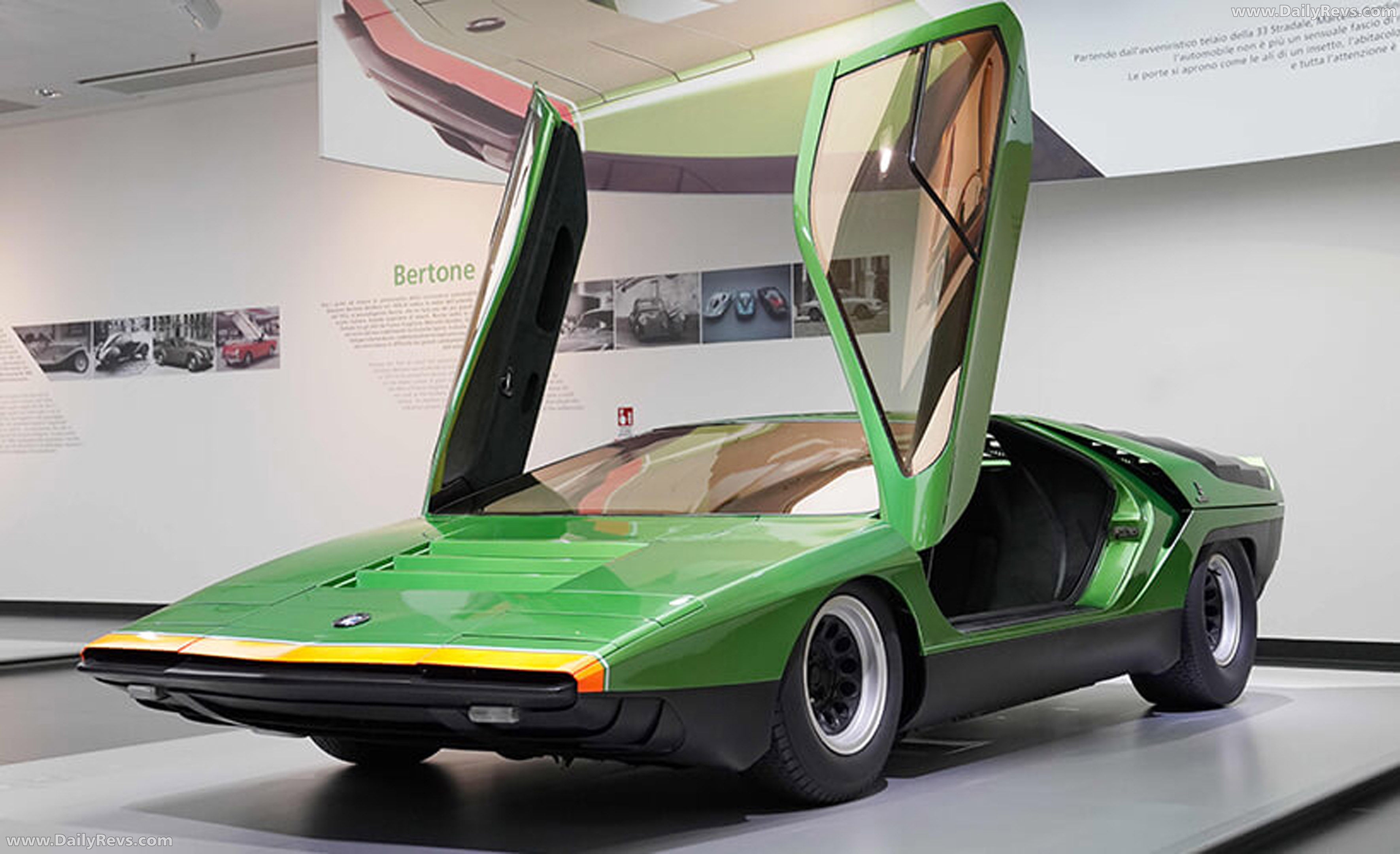
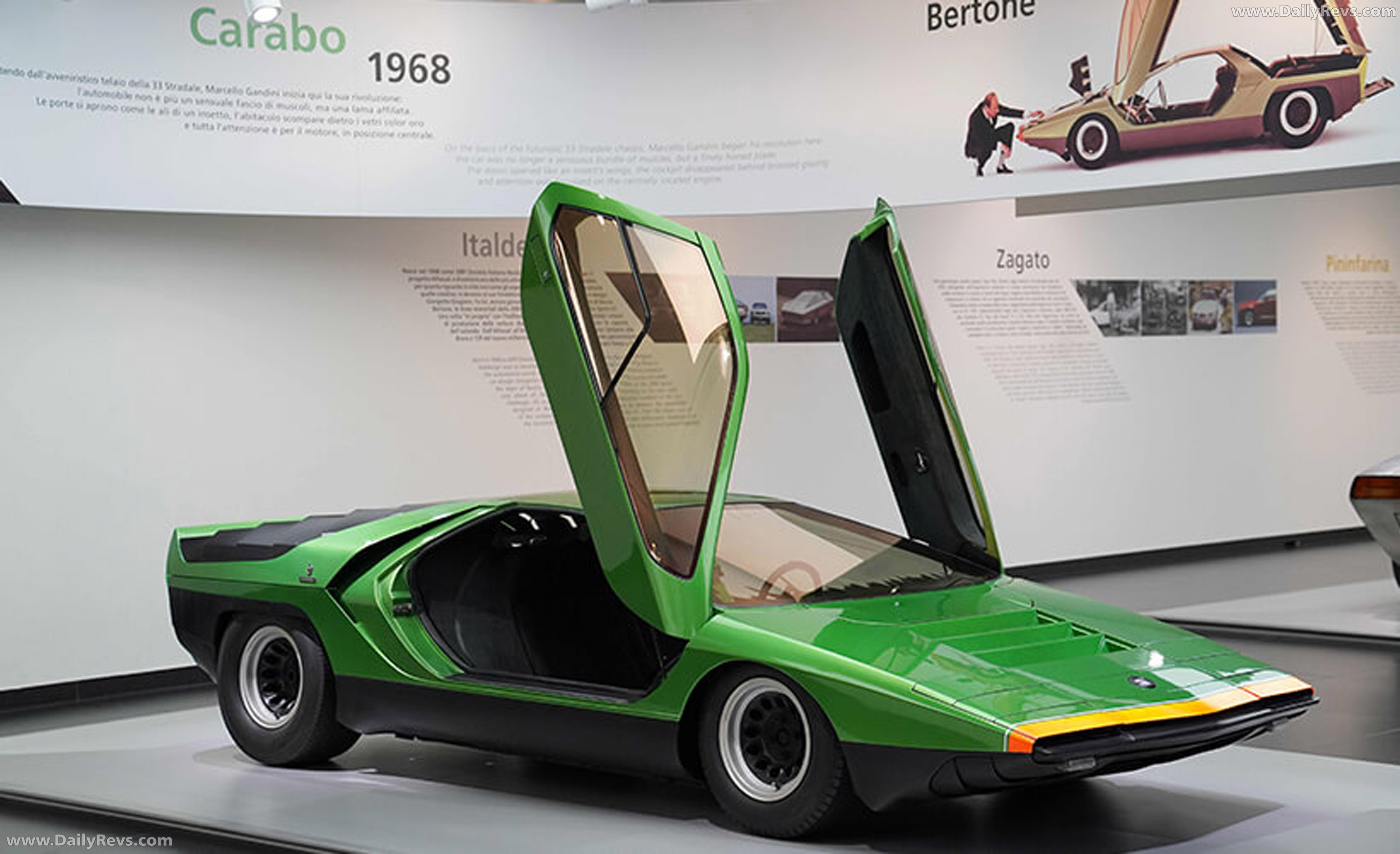
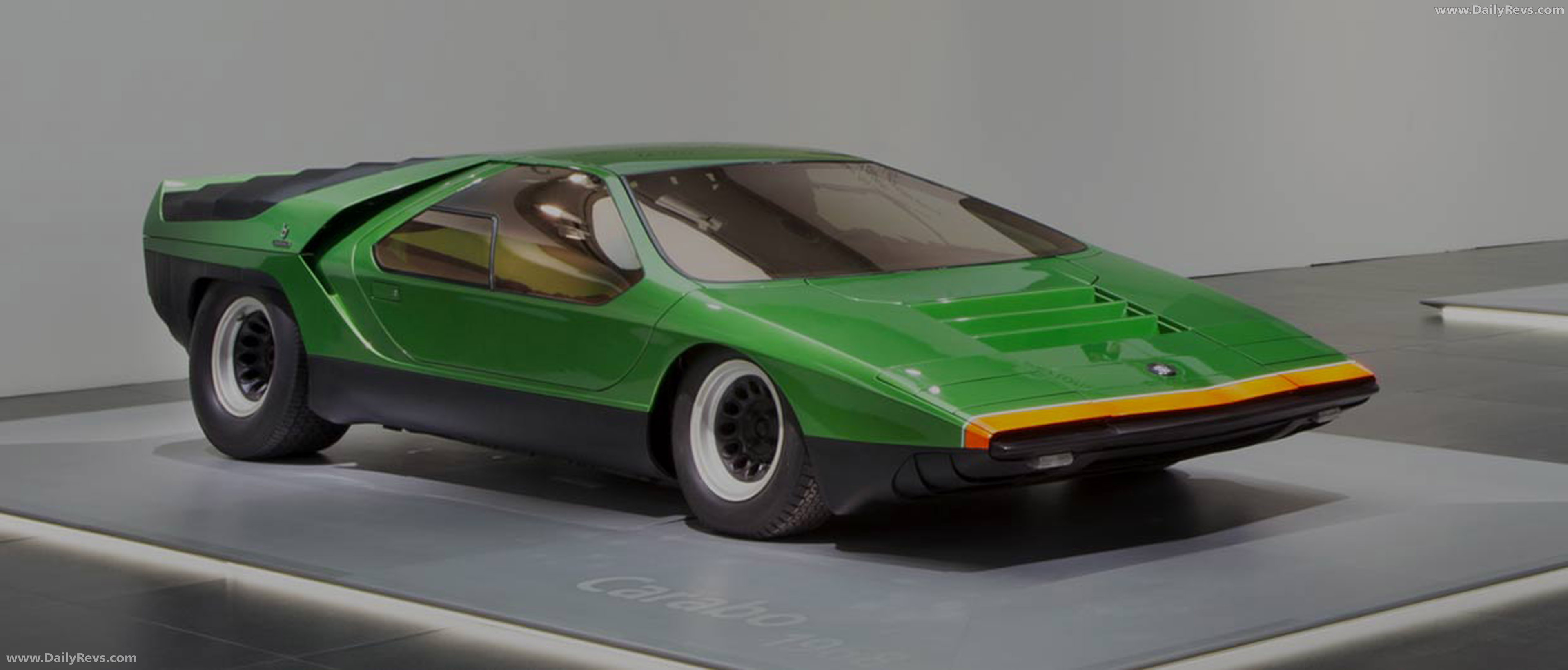
Designed by Marcello Gandini at Bertone with sharp wedge styling.
Based on Alfa Romeo 33 Stradale mid-engine platform.
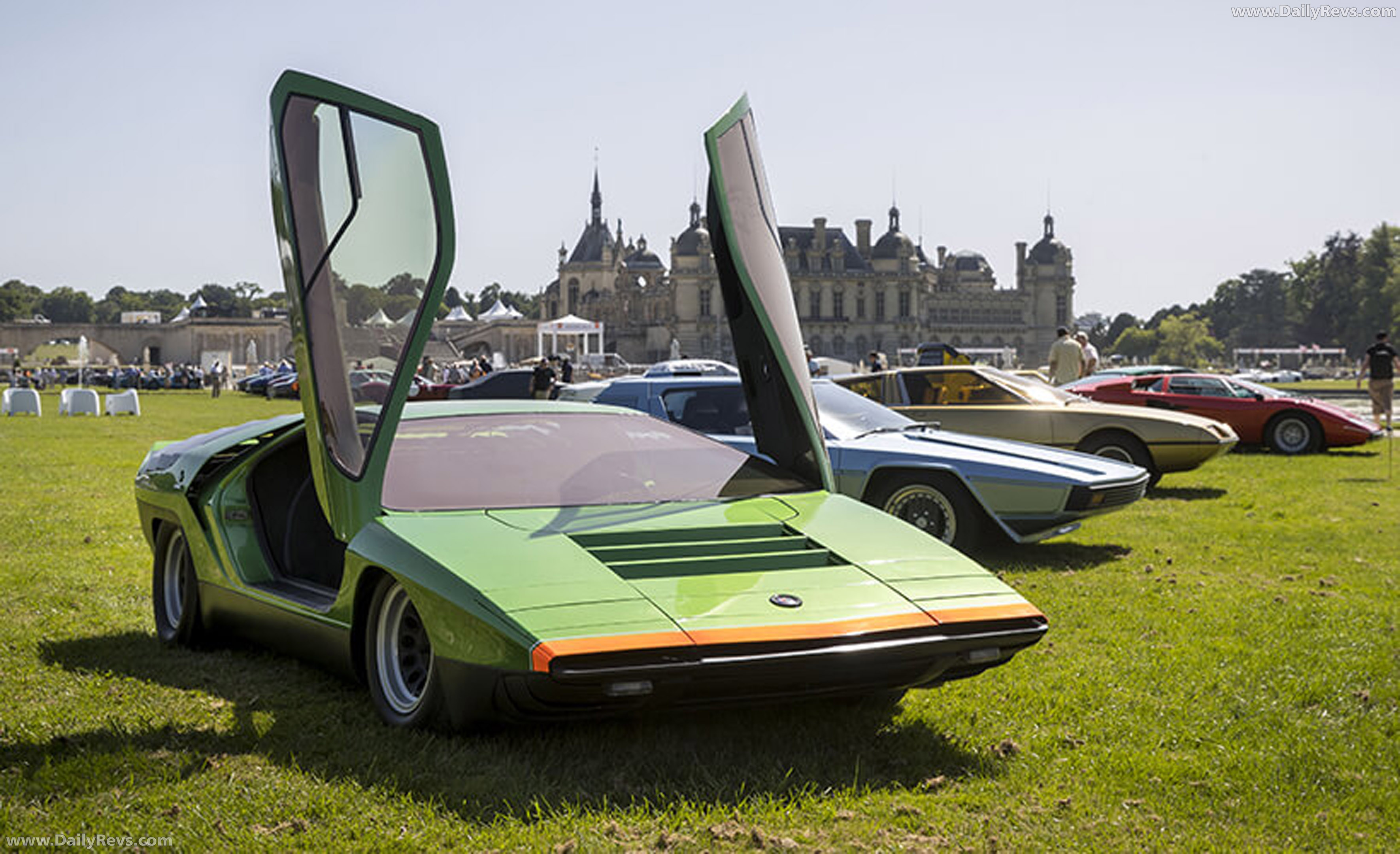
Introduced scissor doors and bold green-orange color theme.
A concept that broke away from curves
The 1968 Alfa Romeo Carabo arrived at a time when car design was starting to shift. Until then, most performance cars still leaned on flowing, rounded shapes.
The Carabo went in the opposite direction.
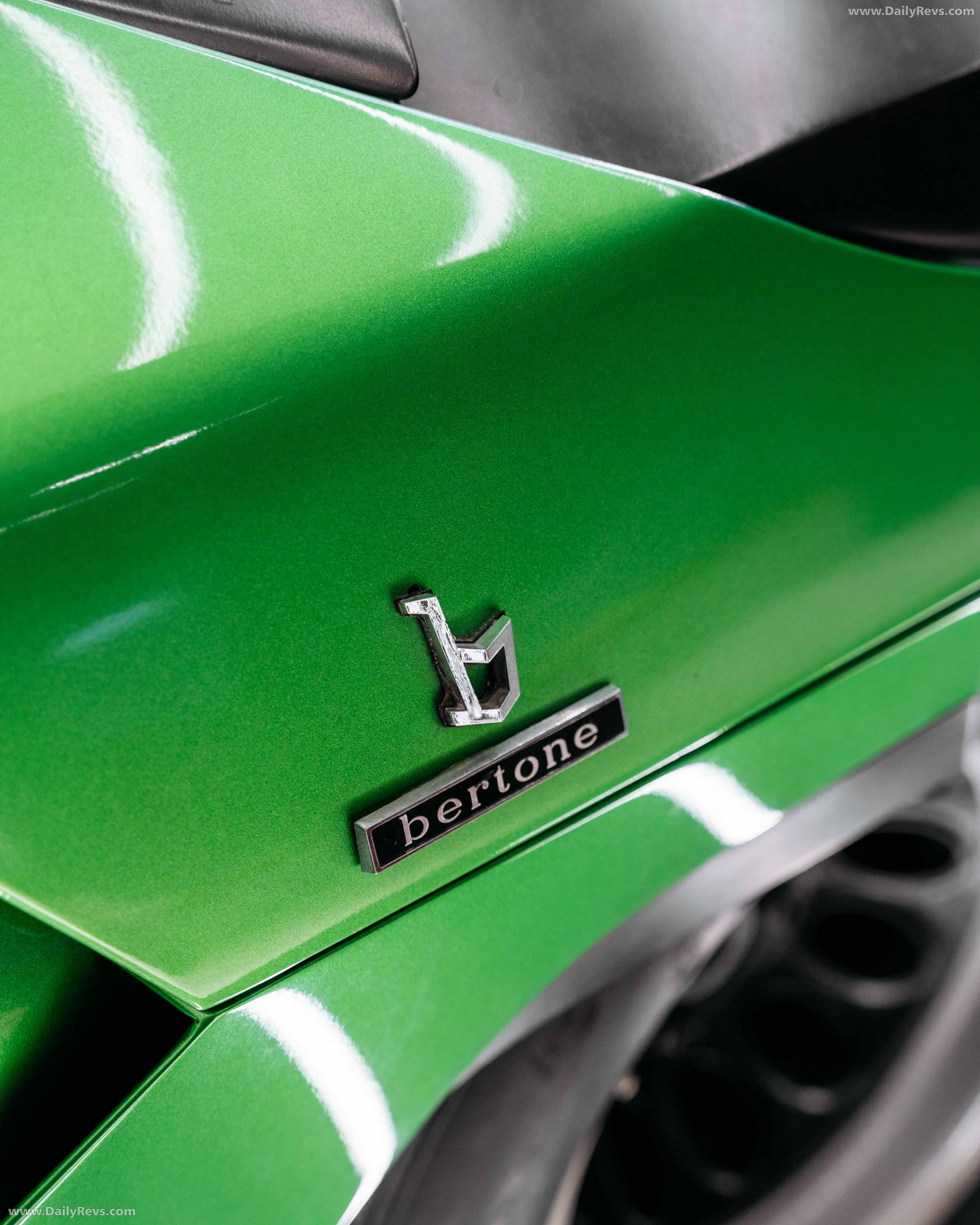
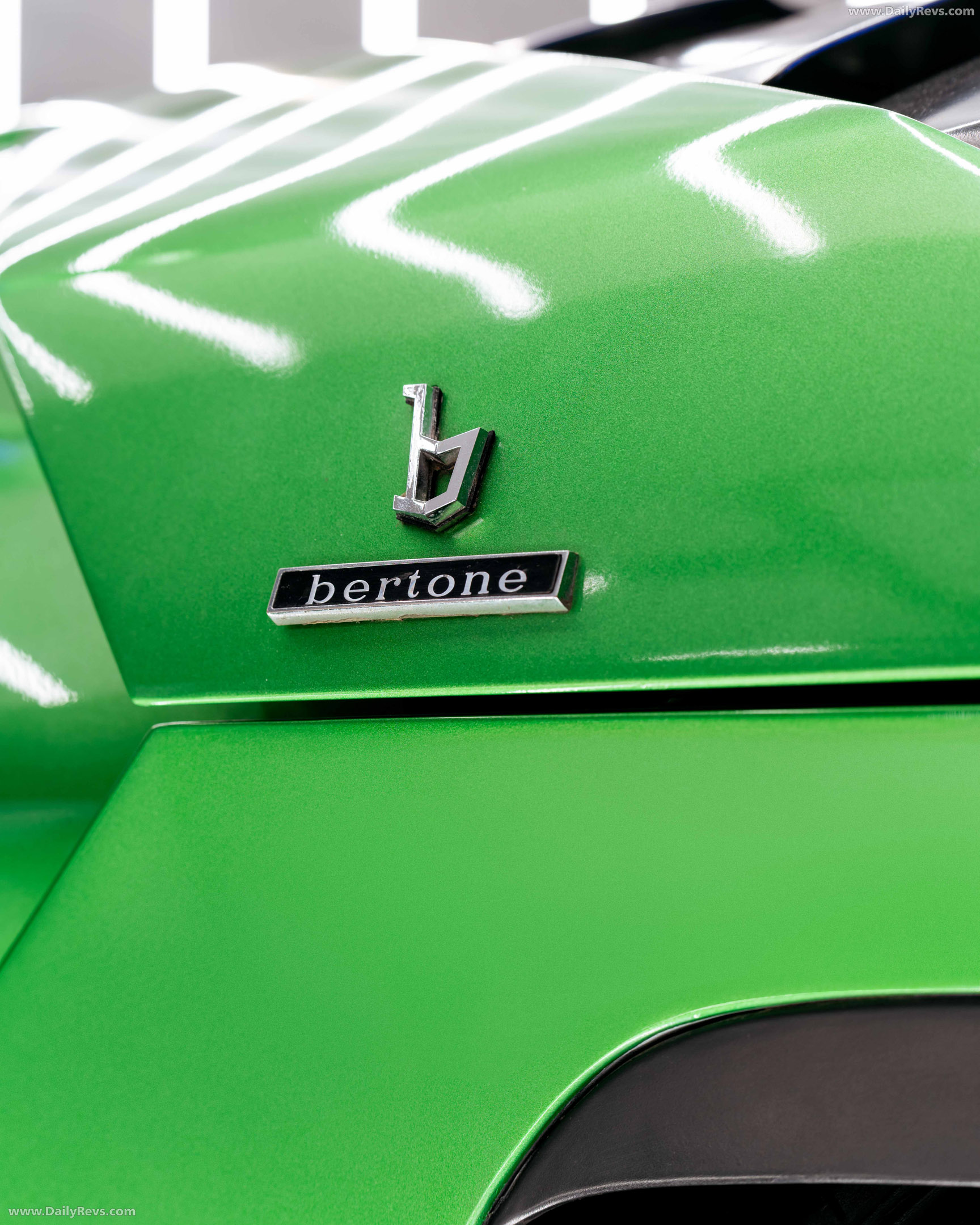
Unveiled at the Paris Motor Show, it was designed by Marcello Gandini at Bertone. At just 30 years old, Gandini delivered something that felt completely detached from what came before.
This wasn’t just a concept. It was a statement about where design could go next.
Sharp lines replace everything familiar
The first thing that stands out is the shape.
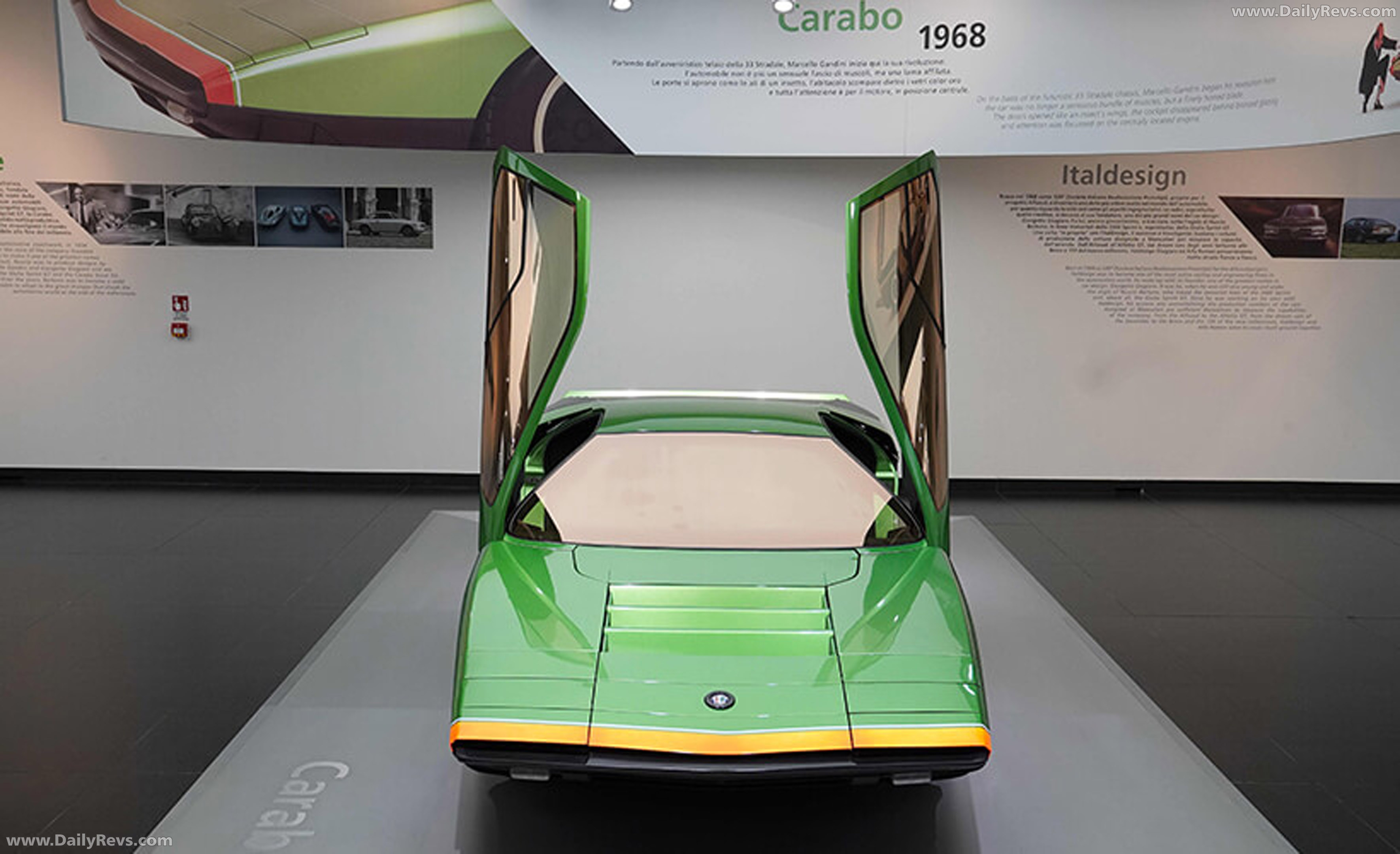
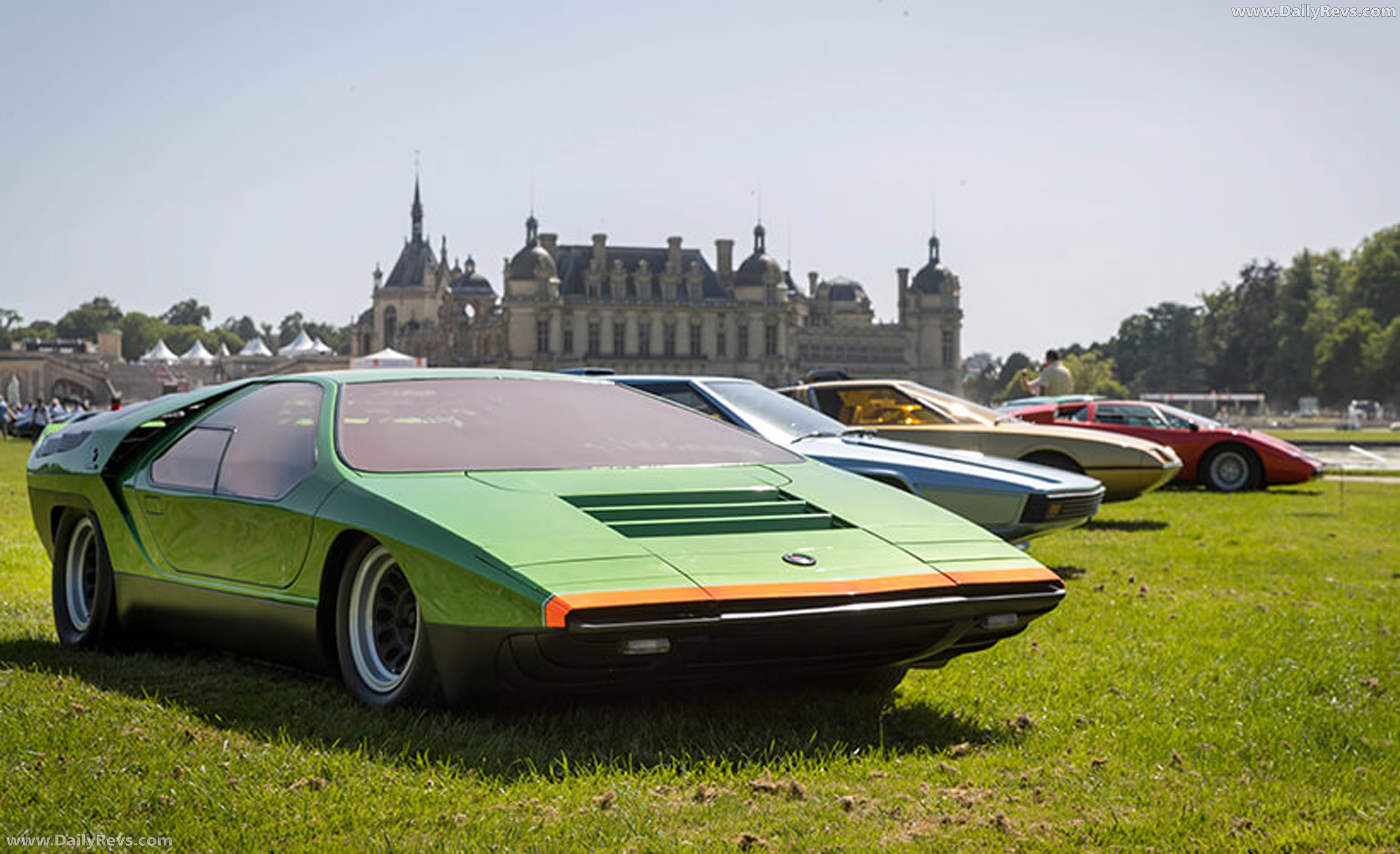
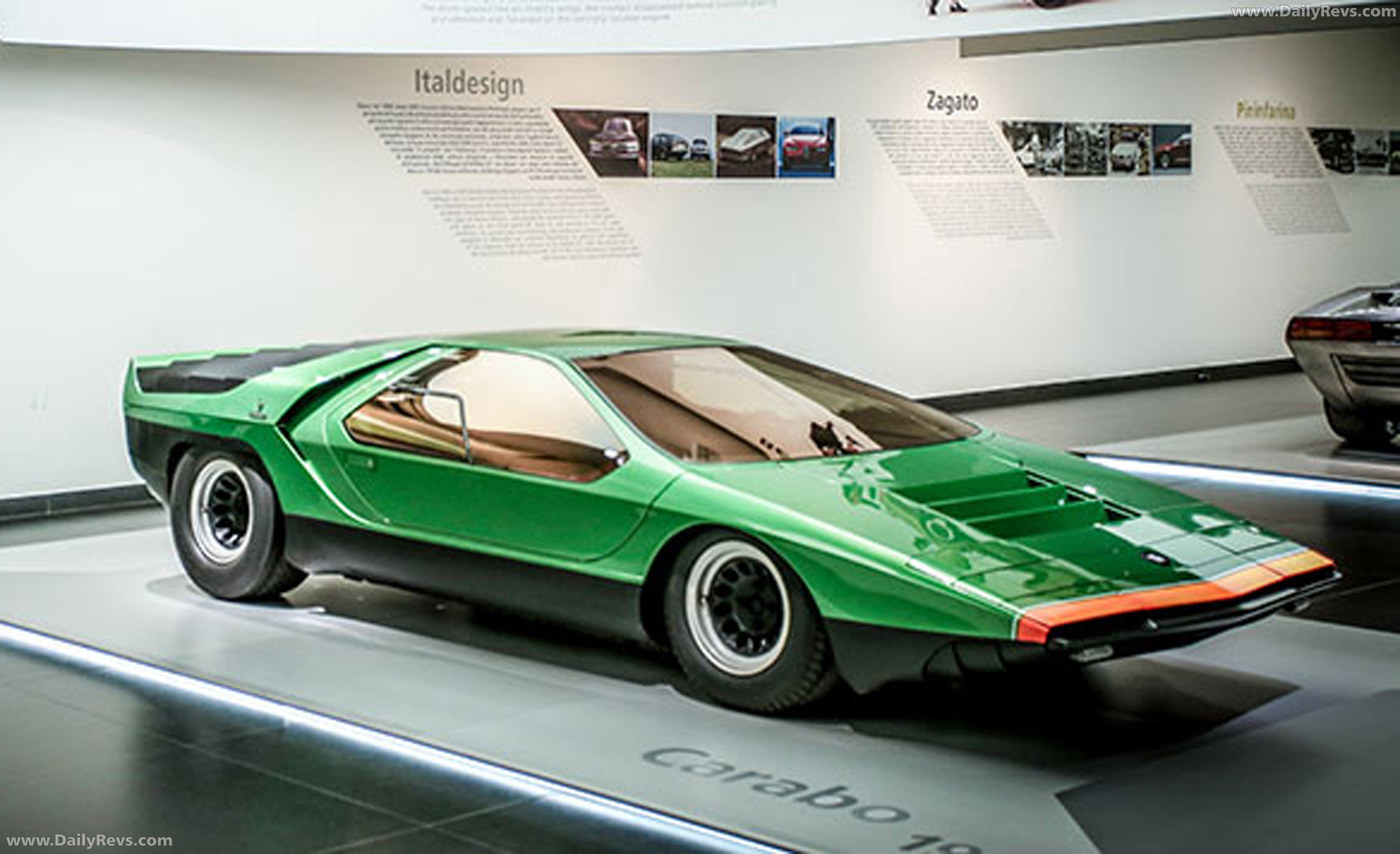
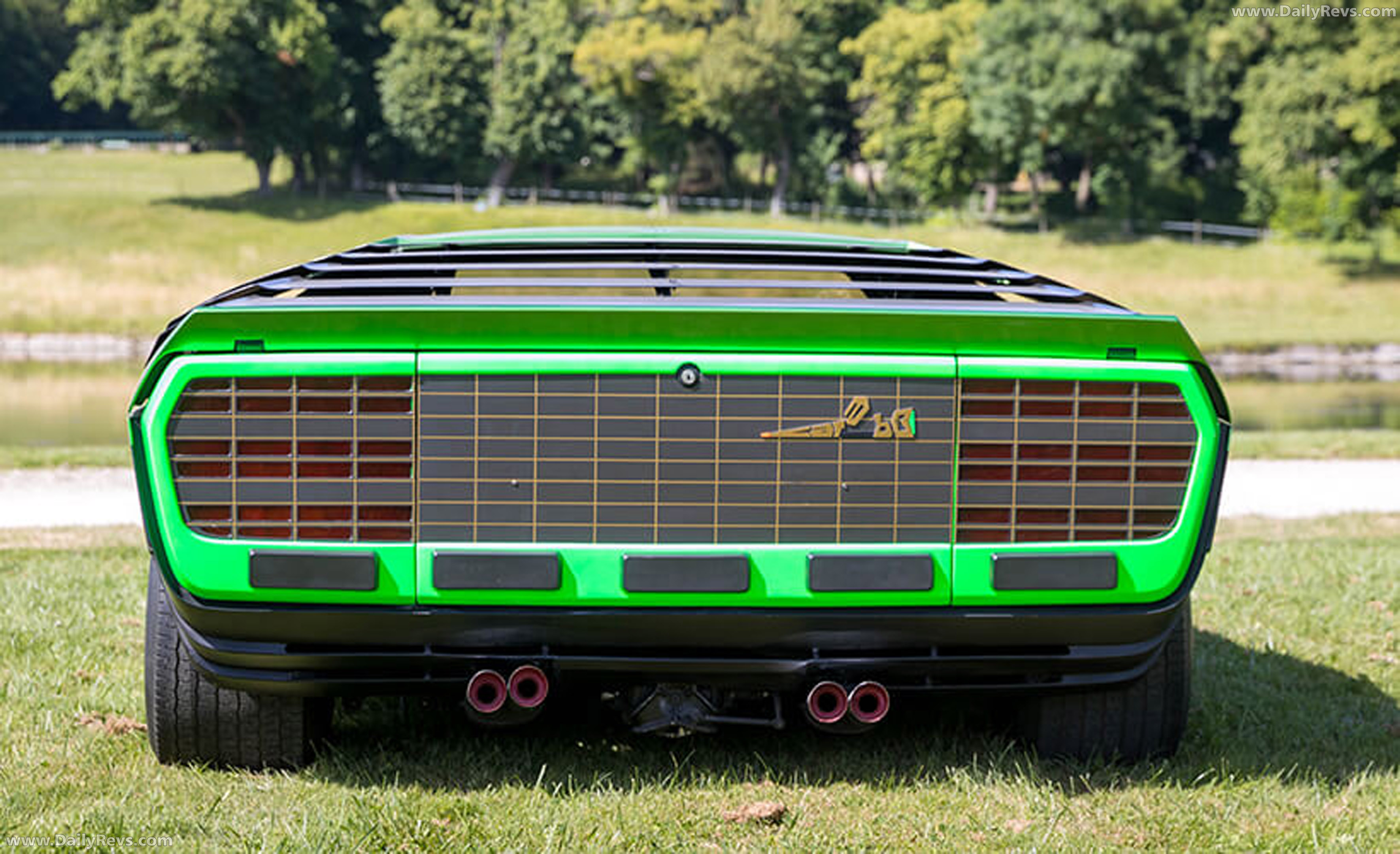
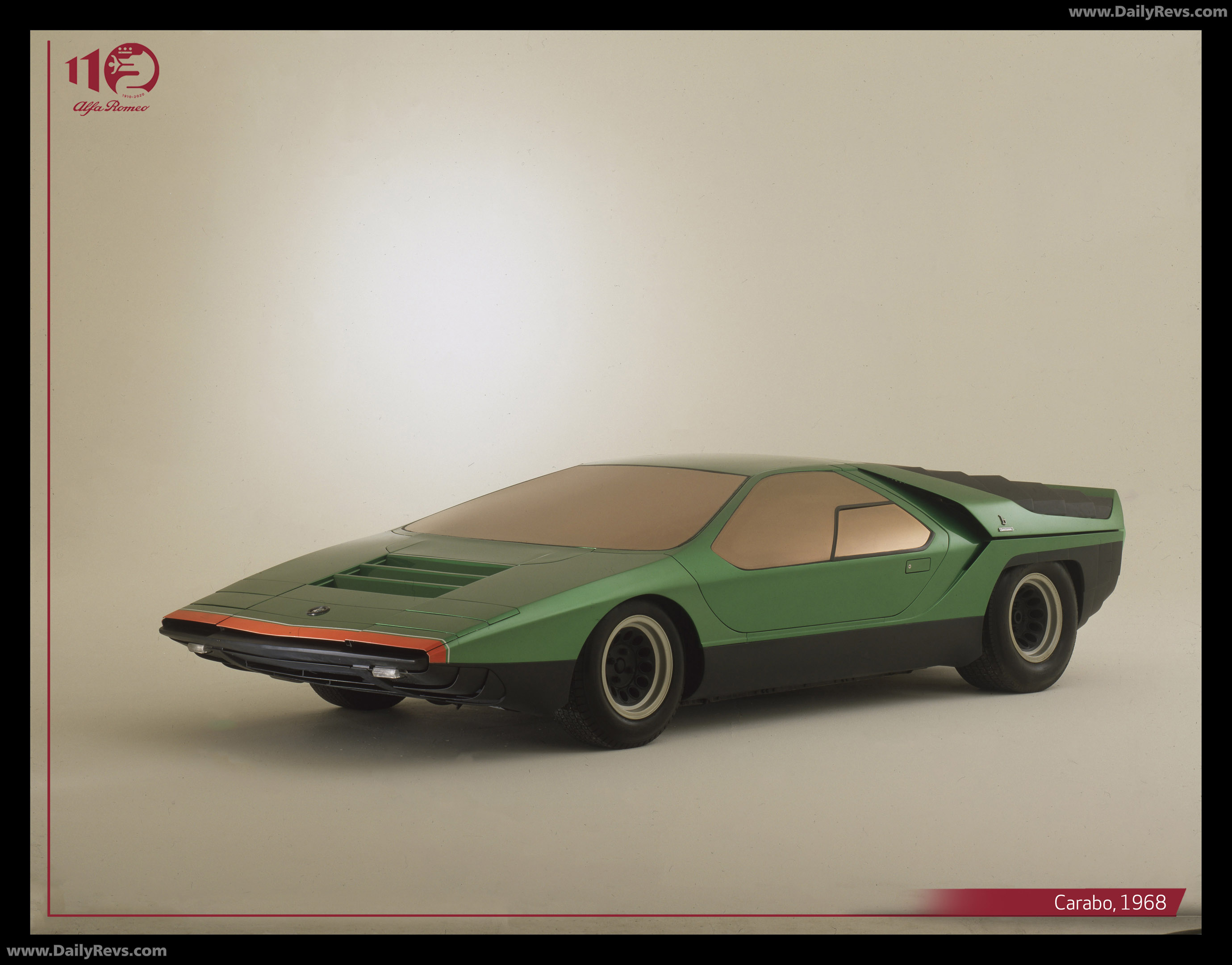
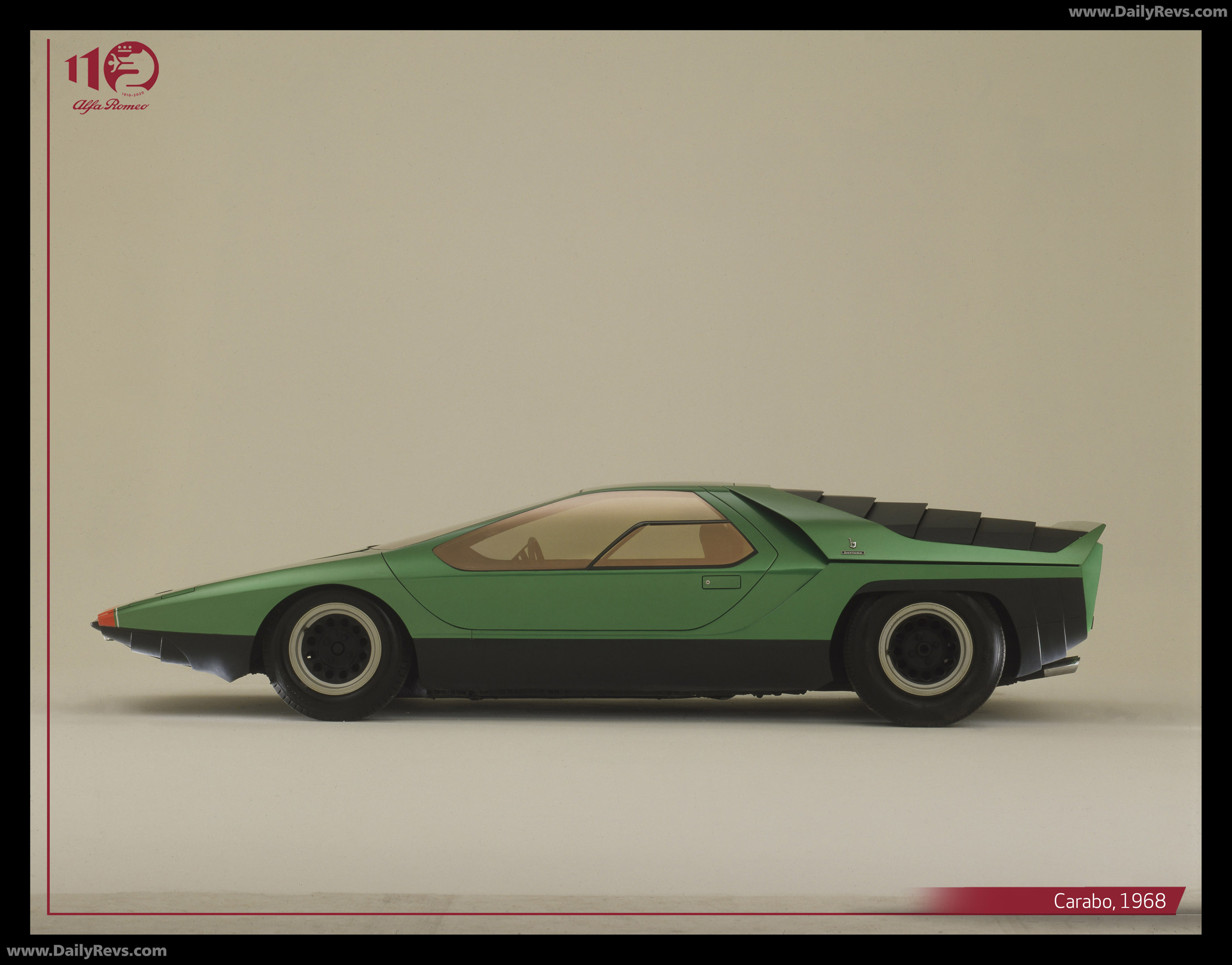
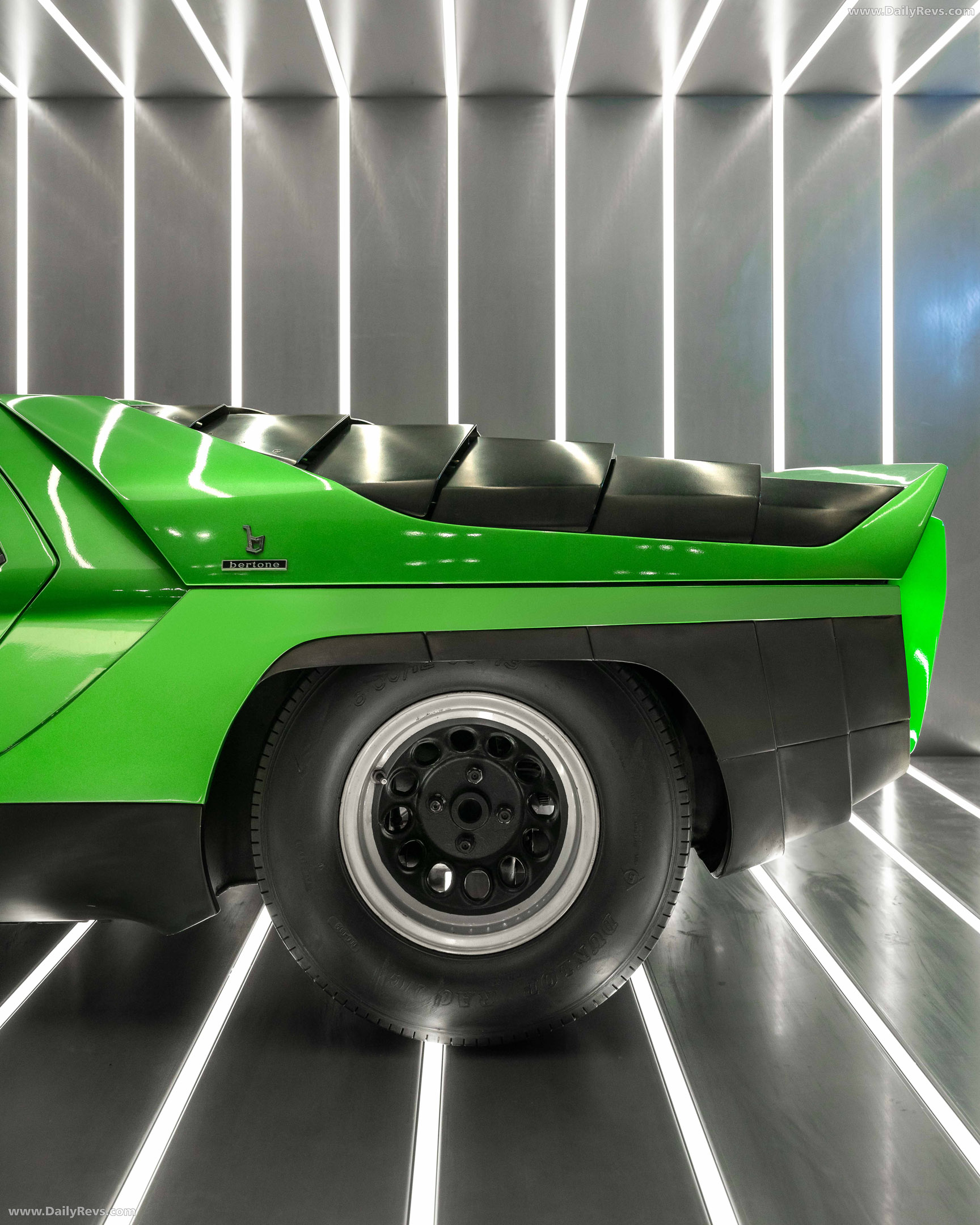
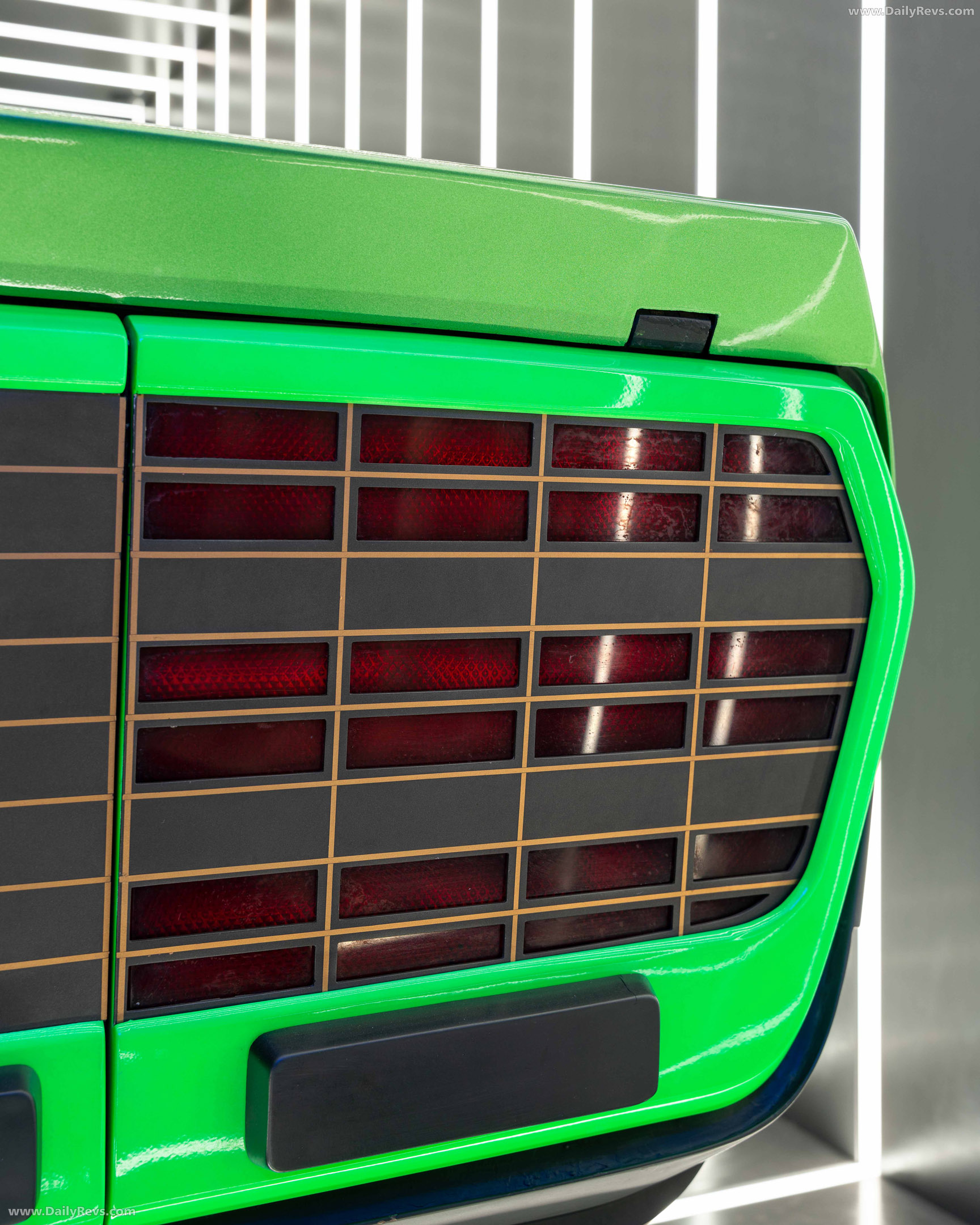
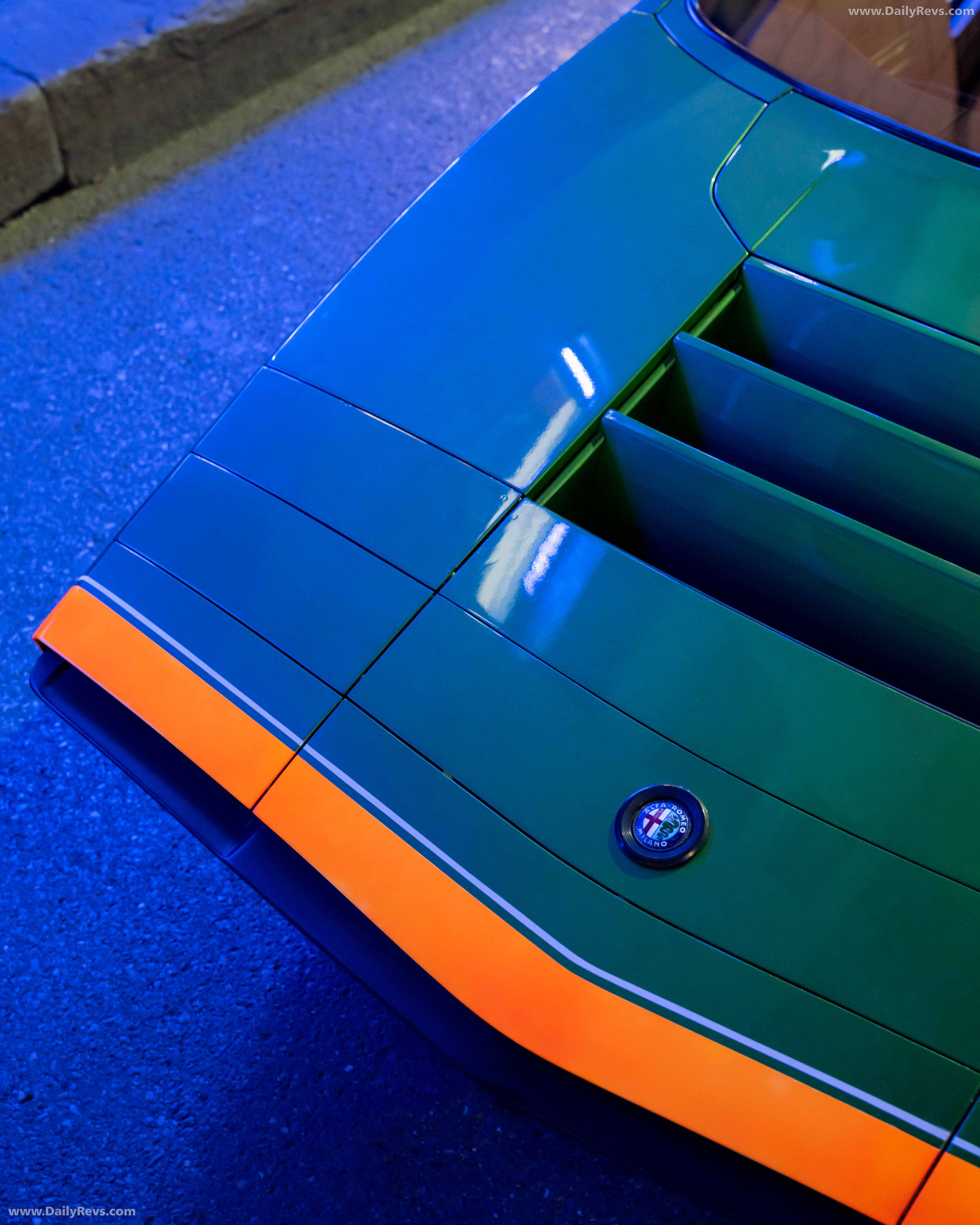
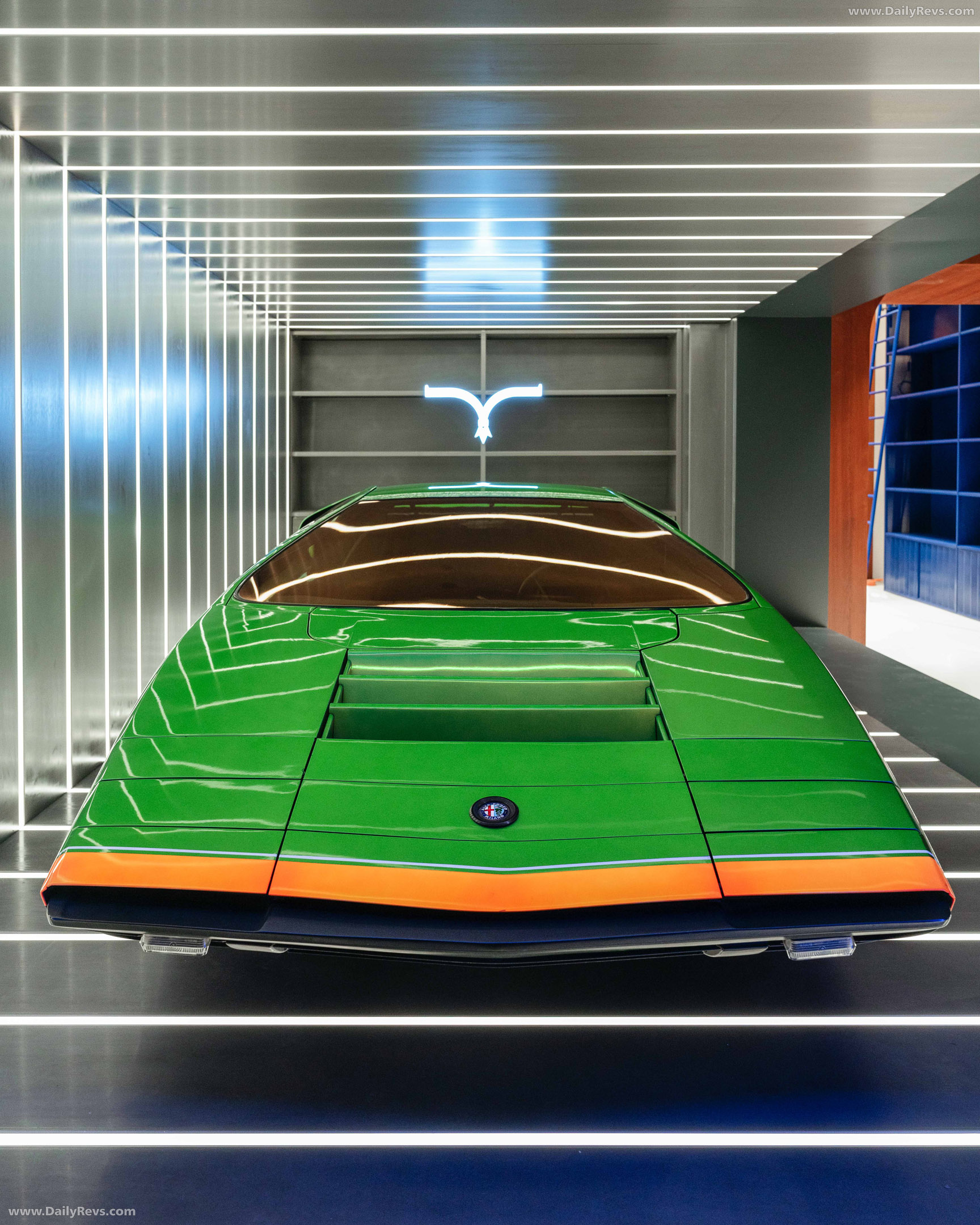
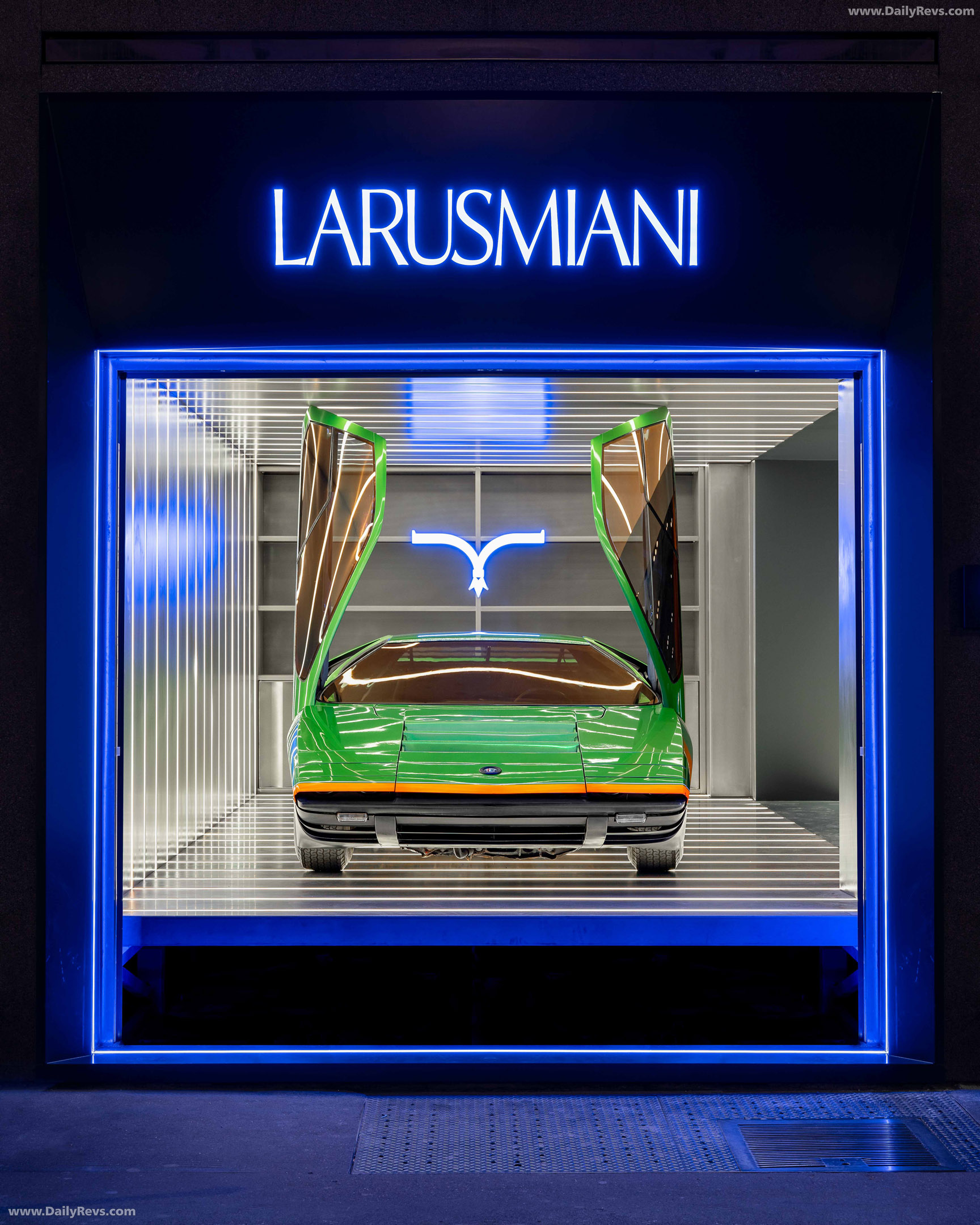
The Carabo is built around a wedge profile. The nose sits extremely low, the roofline barely rises above it, and the rear tapers off cleanly. There are no soft edges here. Everything is cut, straight, and deliberate.
It’s the kind of design that looks simple at first glance, but the proportions are doing most of the work. The car appears almost flat from certain angles, emphasizing how low it sits.
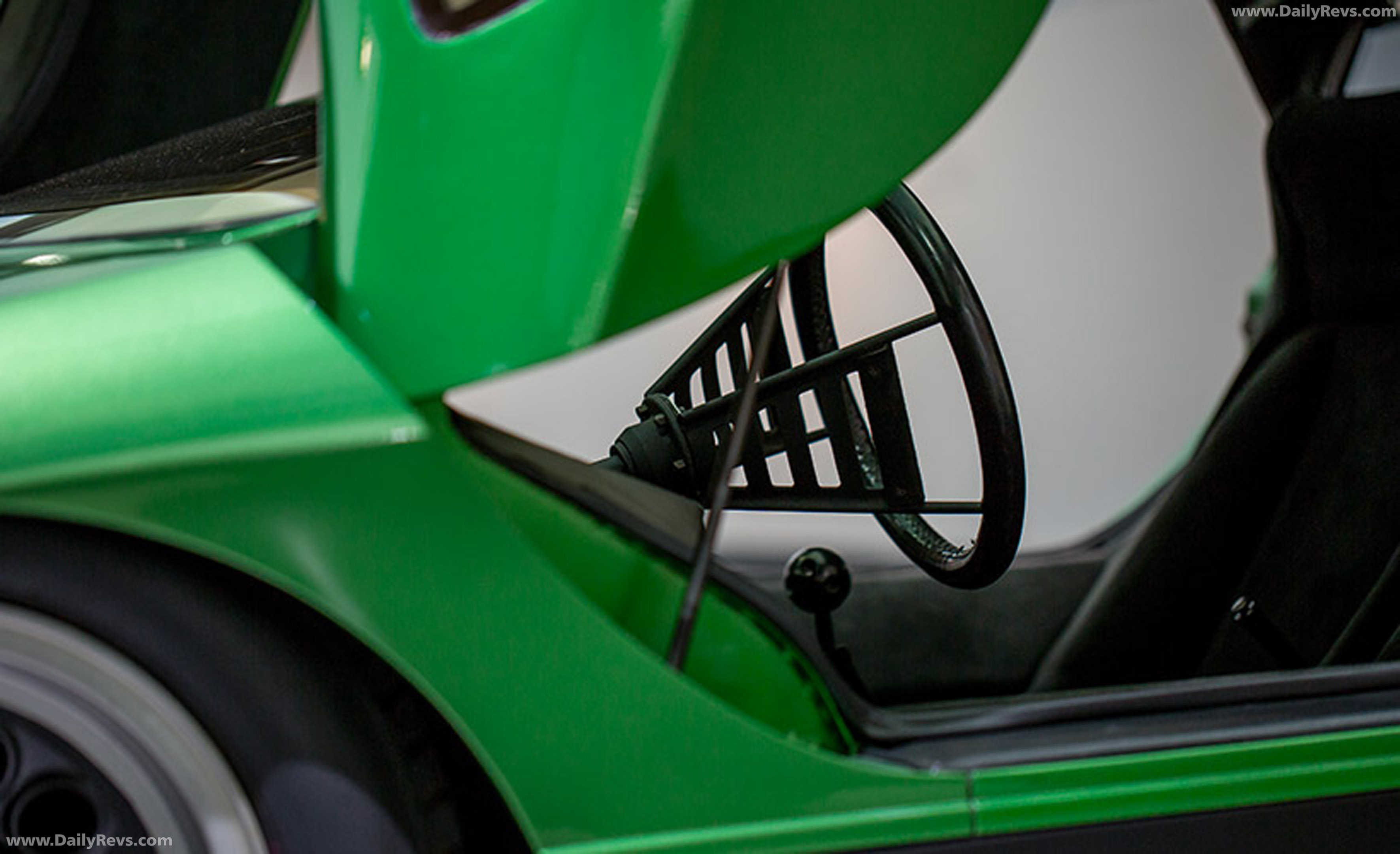
Then there are the doors. The Carabo introduced what would later be known as scissor doors, opening upward rather than outward. At the time, that alone set it apart.
Proportions shaped by a racing foundation
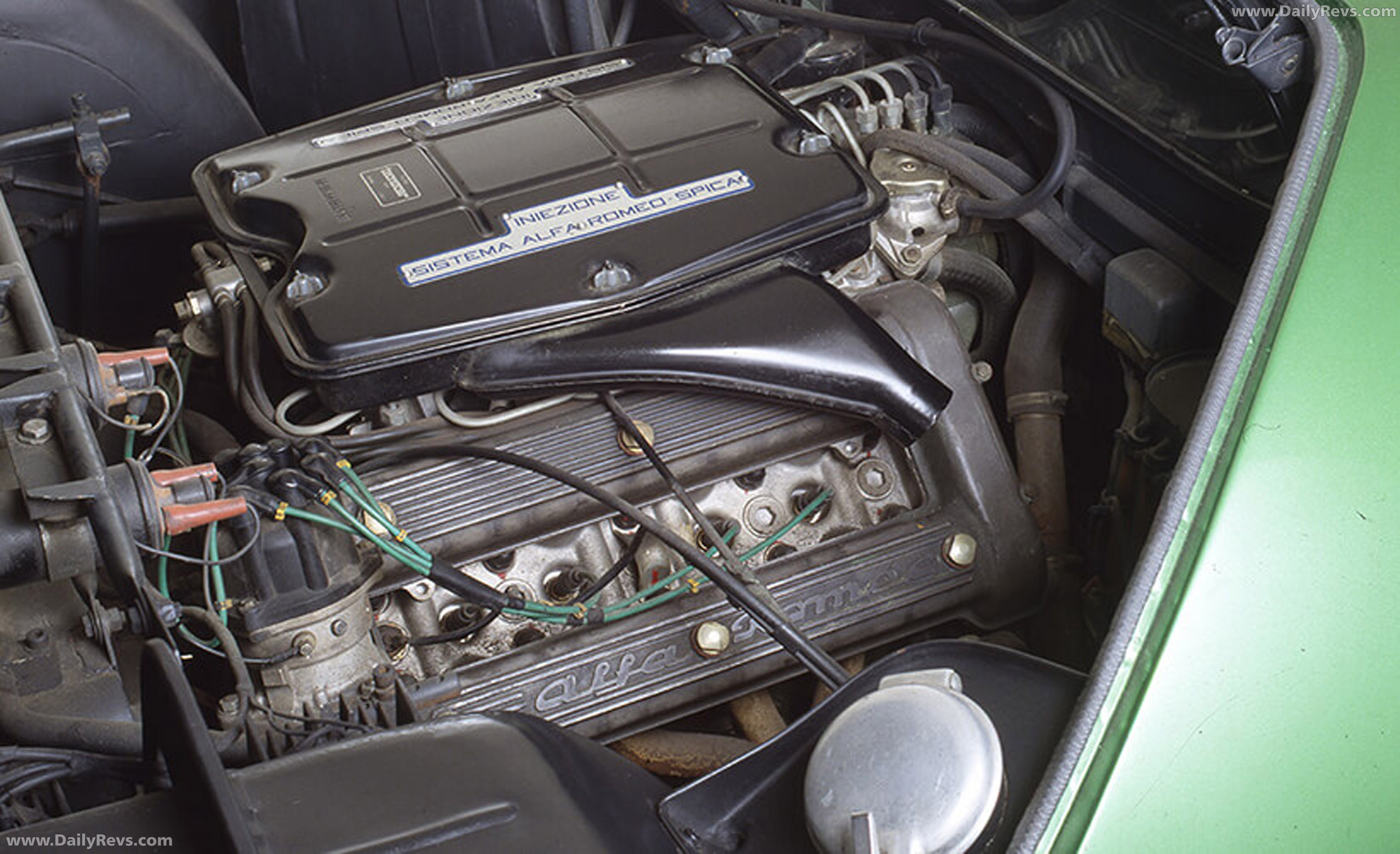
Underneath, the Carabo shares its technical base with the Alfa Romeo 33 Stradale.
That means a mid-engine layout, which defines how the car is proportioned. The cabin is pushed forward, the rear carries more mass, and the overall stance stays low and wide.
Even though it’s a concept, it’s not disconnected from reality. The mechanical foundation was already proven in racing.
That gives the design a certain credibility, even if it never reached production.
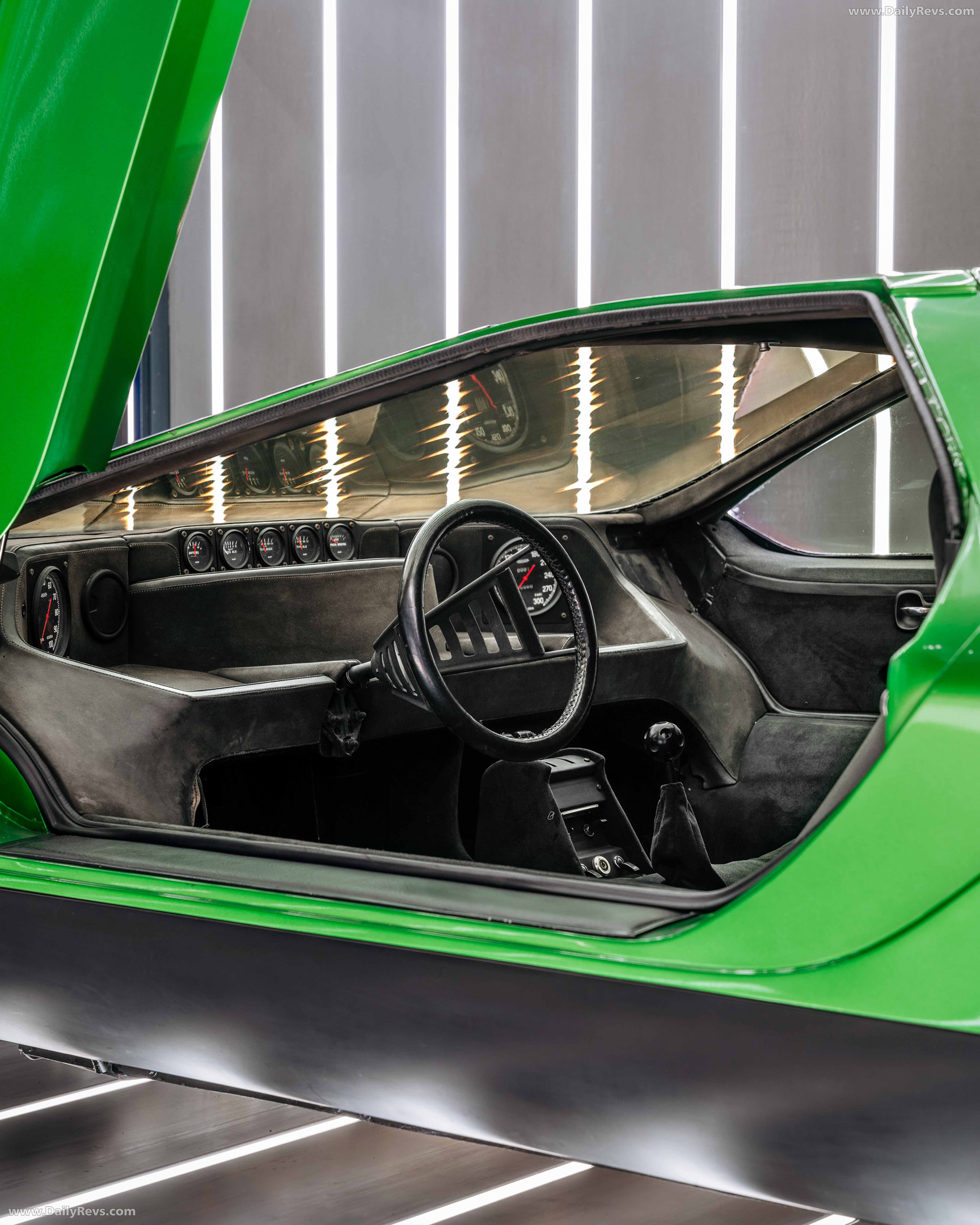
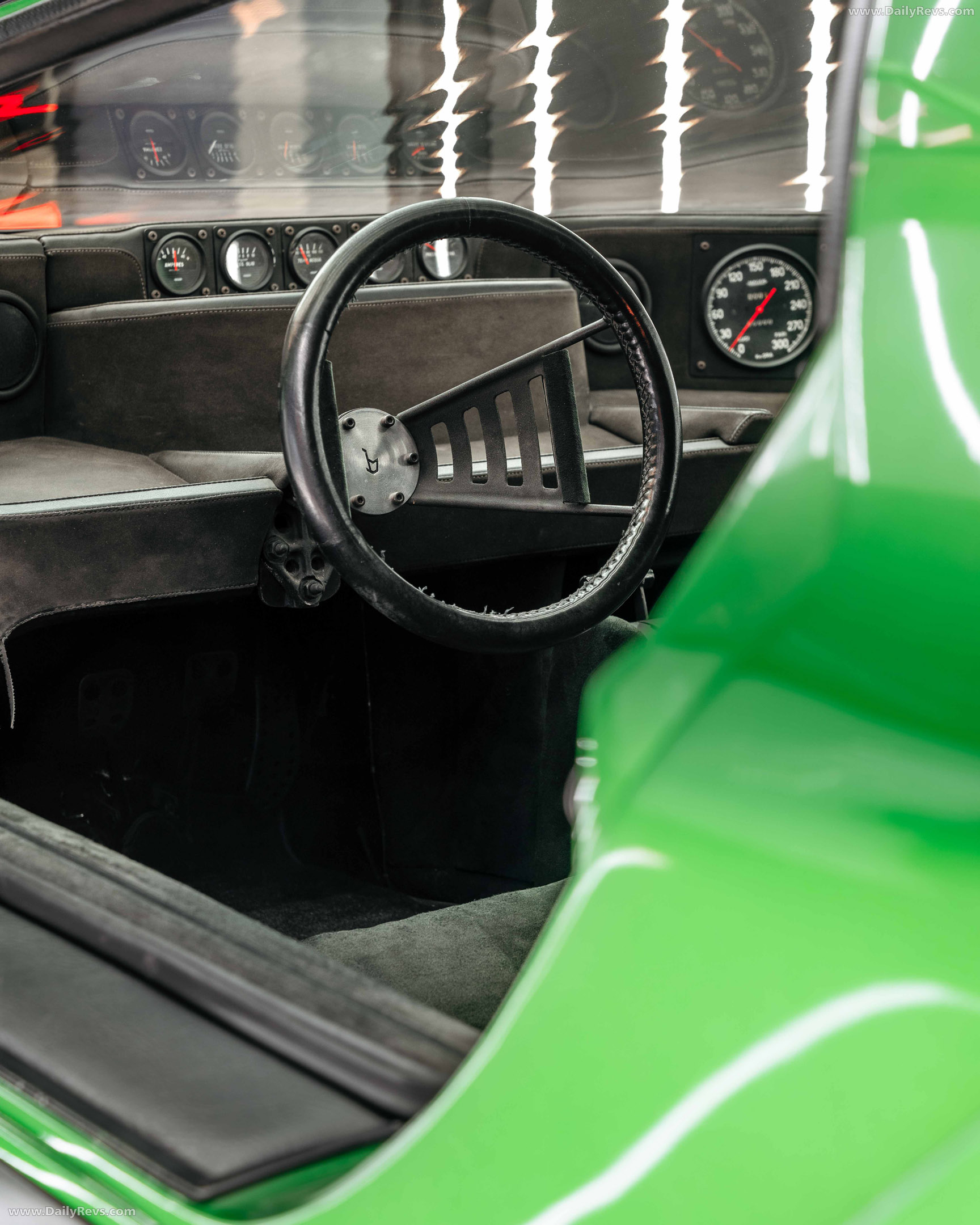
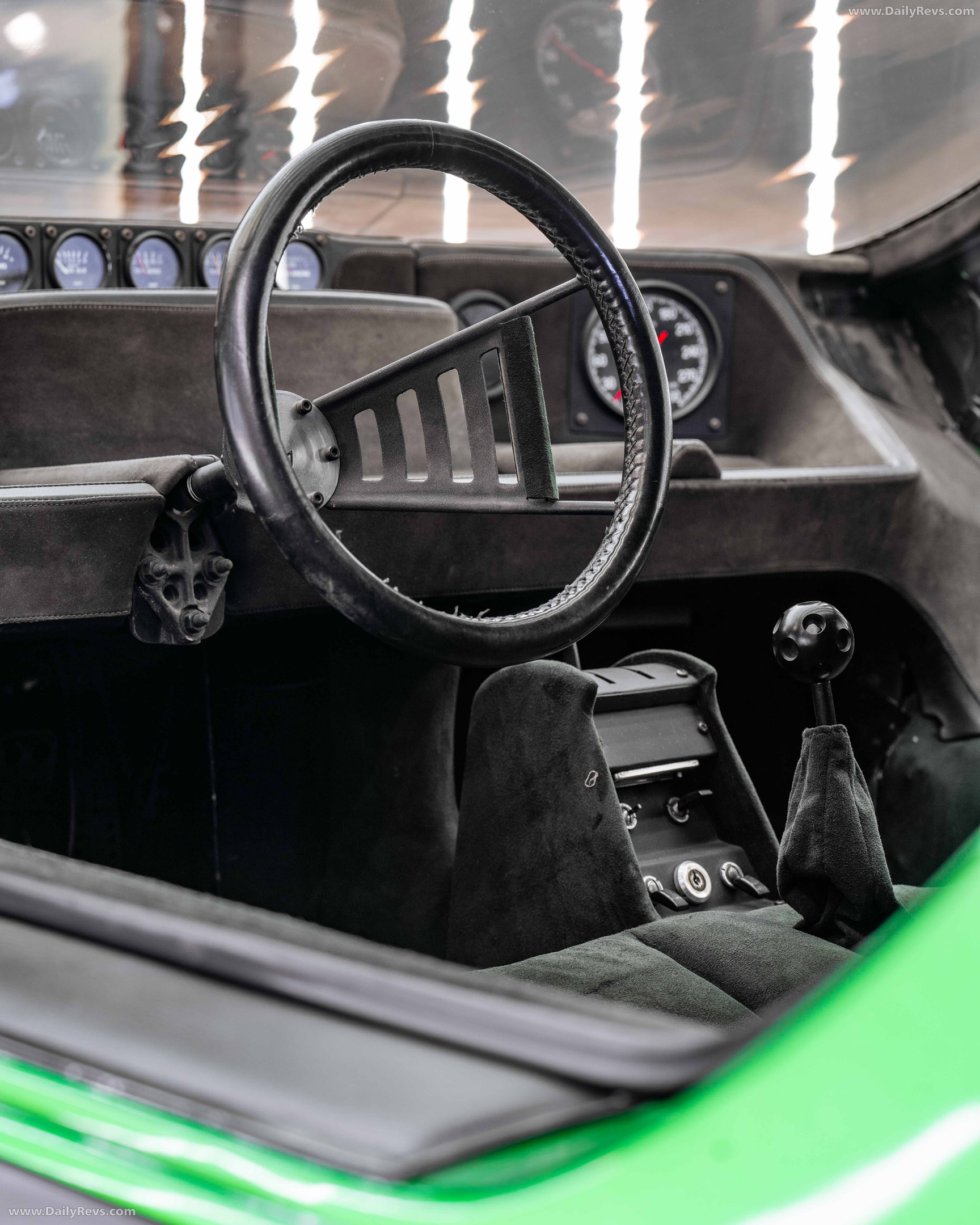
Interior follows the same futuristic direction
Inside, the Carabo continues the same thinking.
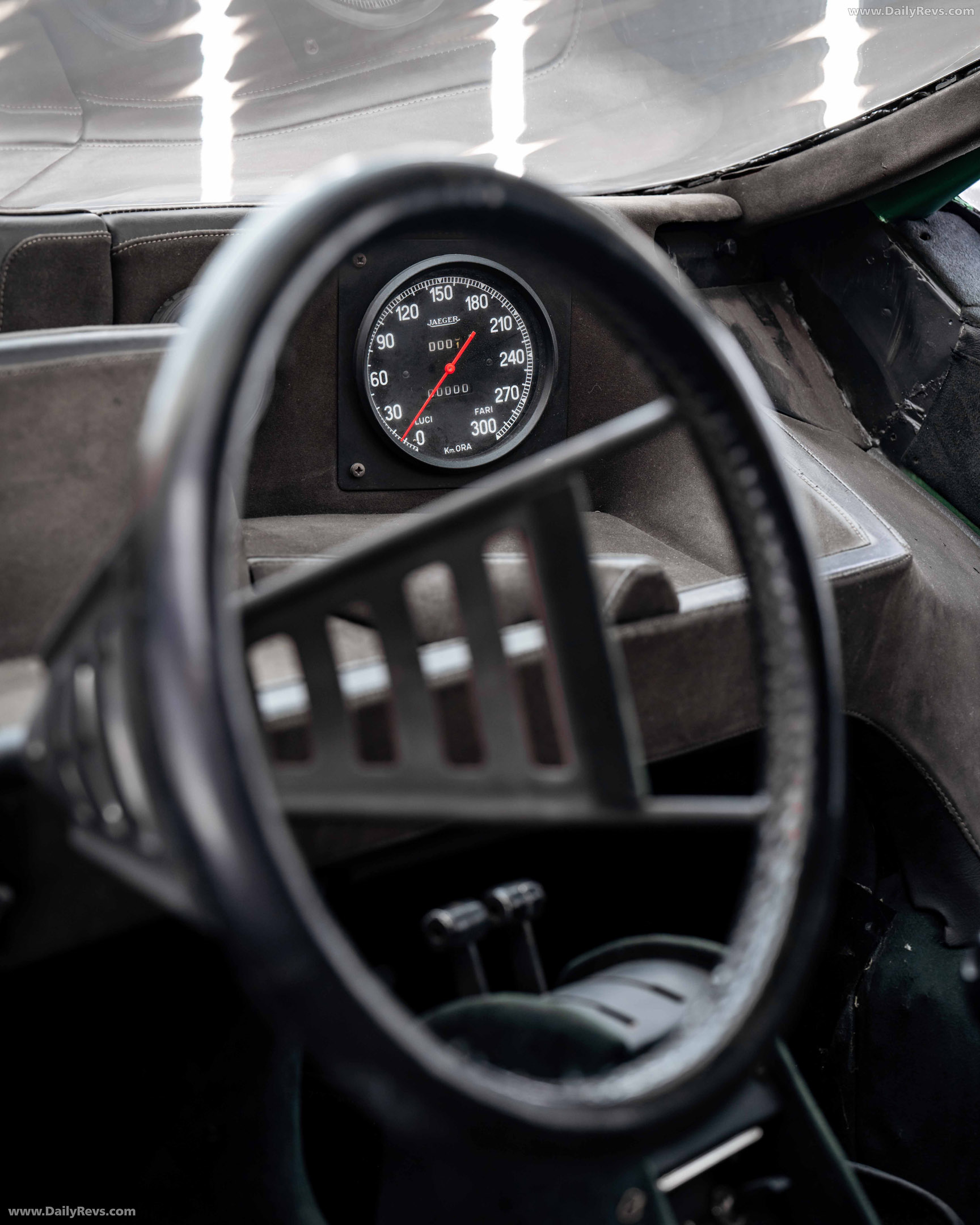
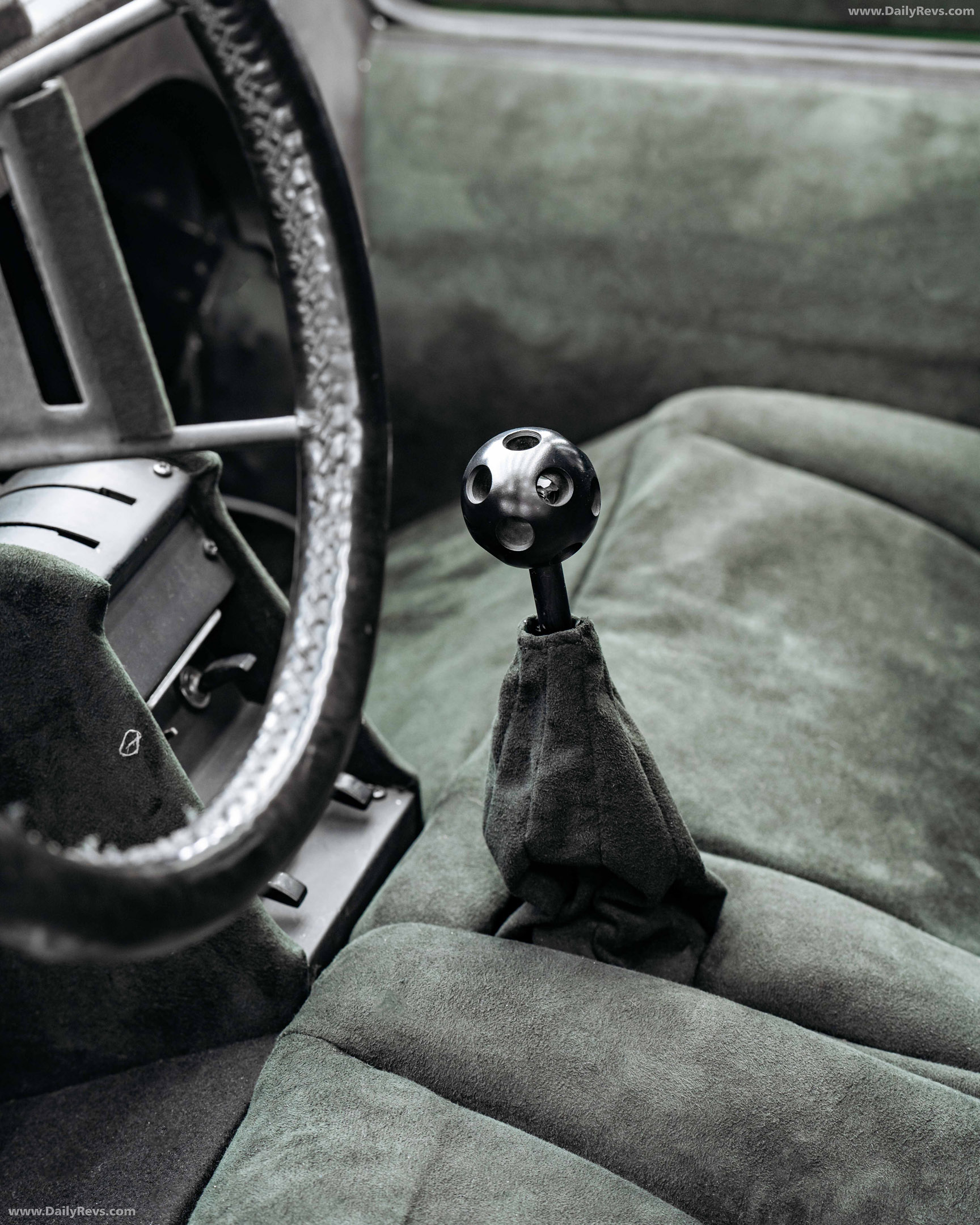
The cabin is low, enclosed, and focused around the driver. There’s no attempt to make it feel spacious or conventional. Instead, it mirrors the exterior — tight, purposeful, and forward-looking.
Details are limited, but the intent is clear. This is not a comfort-focused interior. It’s part of the overall concept.
Color becomes part of the identity
The Carabo isn’t just remembered for its shape.
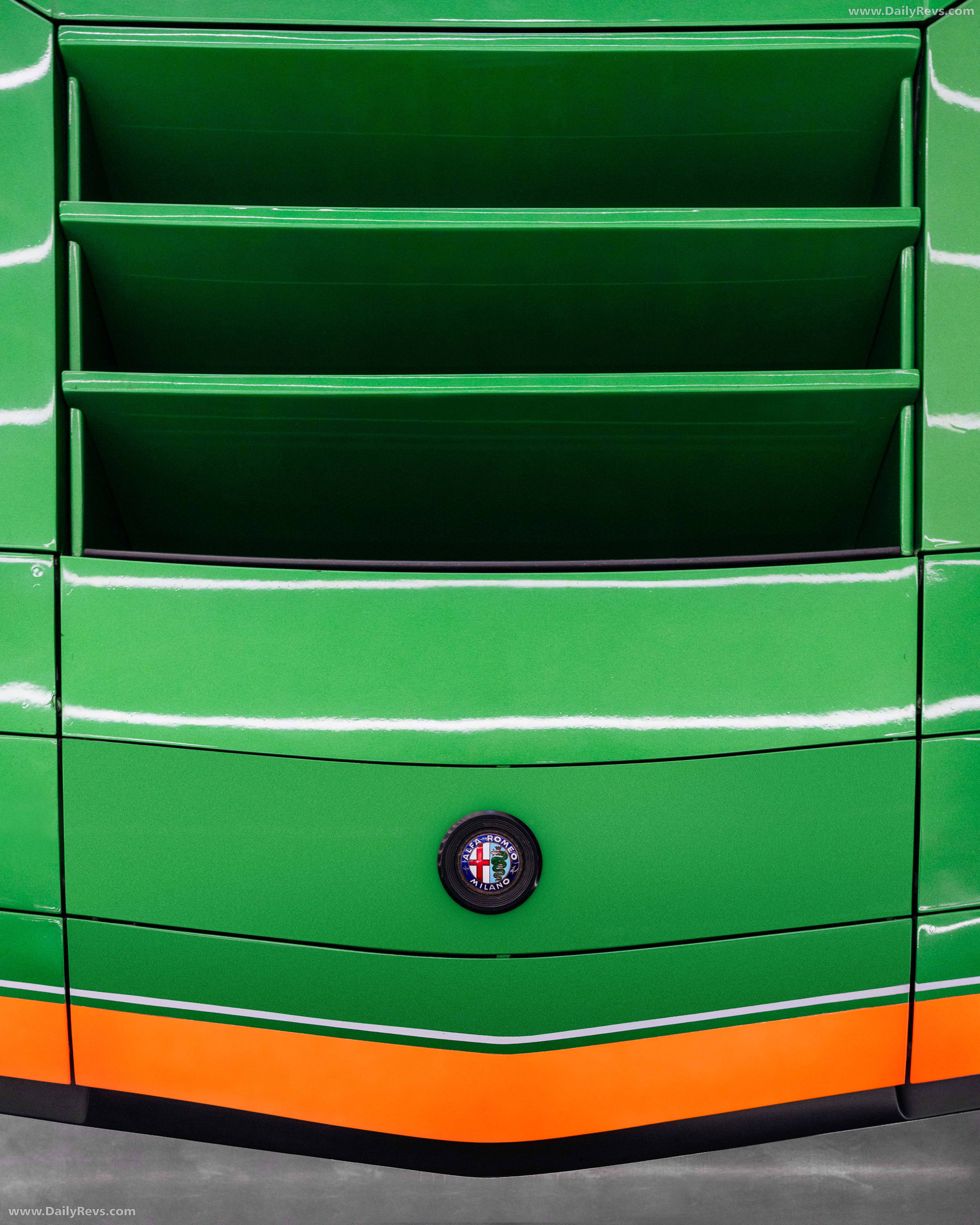
Its color plays a role too. The bright green body, paired with orange accents, was inspired by the metallic tones of a beetle — Carabus auratus.
At the time, that kind of finish wasn’t common. It added another layer to the car’s identity, reinforcing the idea that this was something different.
That approach to color would carry forward into later Alfa Romeo designs.
No production plans, but lasting influence
The Carabo was never intended for production. It was a one-off.
What mattered was its influence. The wedge design, the sharp geometry, and even the door concept all found their way into future supercars.
Designs that followed through the 1970s and 1980s — from various Italian manufacturers — show clear traces of what the Carabo introduced.
A concept that still feels ahead
The 1968 Alfa Romeo Carabo doesn’t feel tied to its era.
Even now, it stands apart. Not because of nostalgia, but because of how far it pushed the idea of what a car could look like.
It didn’t follow trends. It created one.