




1953 Mercedes-Benz 300 SL Prototype
By Lorenzo Bianchi July 3, 1953
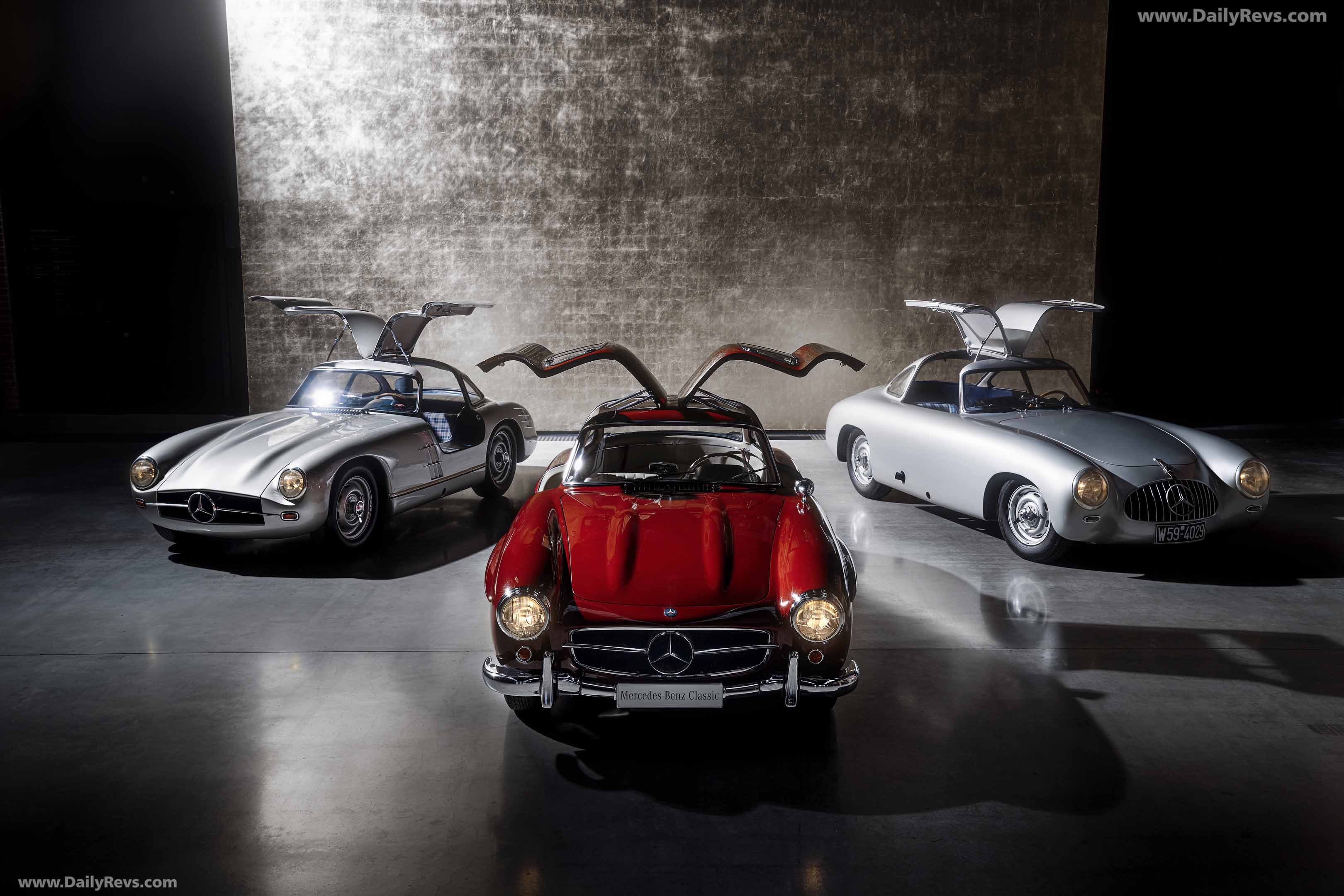
The 1953 Mercedes‑Benz 300 SL Prototype redefined aerodynamics with its sleek, low-slung proportions and pioneering gullwing structure.
Beneath its skin sits a tilted, 50° inline‑6 engine with dry-sump lubrication and about 175 hp—race-bred performance.
More than a pretty face, its Elektron alloy body cut roughly 85 kg, previewing the “Super‑Light” ethos Mercedes would later embrace.
It’s easy to forget how radical the 1953 Mercedes‑Benz 300 SL Prototype looked back then. That moment when the press photos hit—it had this long bonnet, taut cabin, and those sweeping gullwing lines. It felt like a rocket ship doing 200 mph standing still.
Design & Proportions
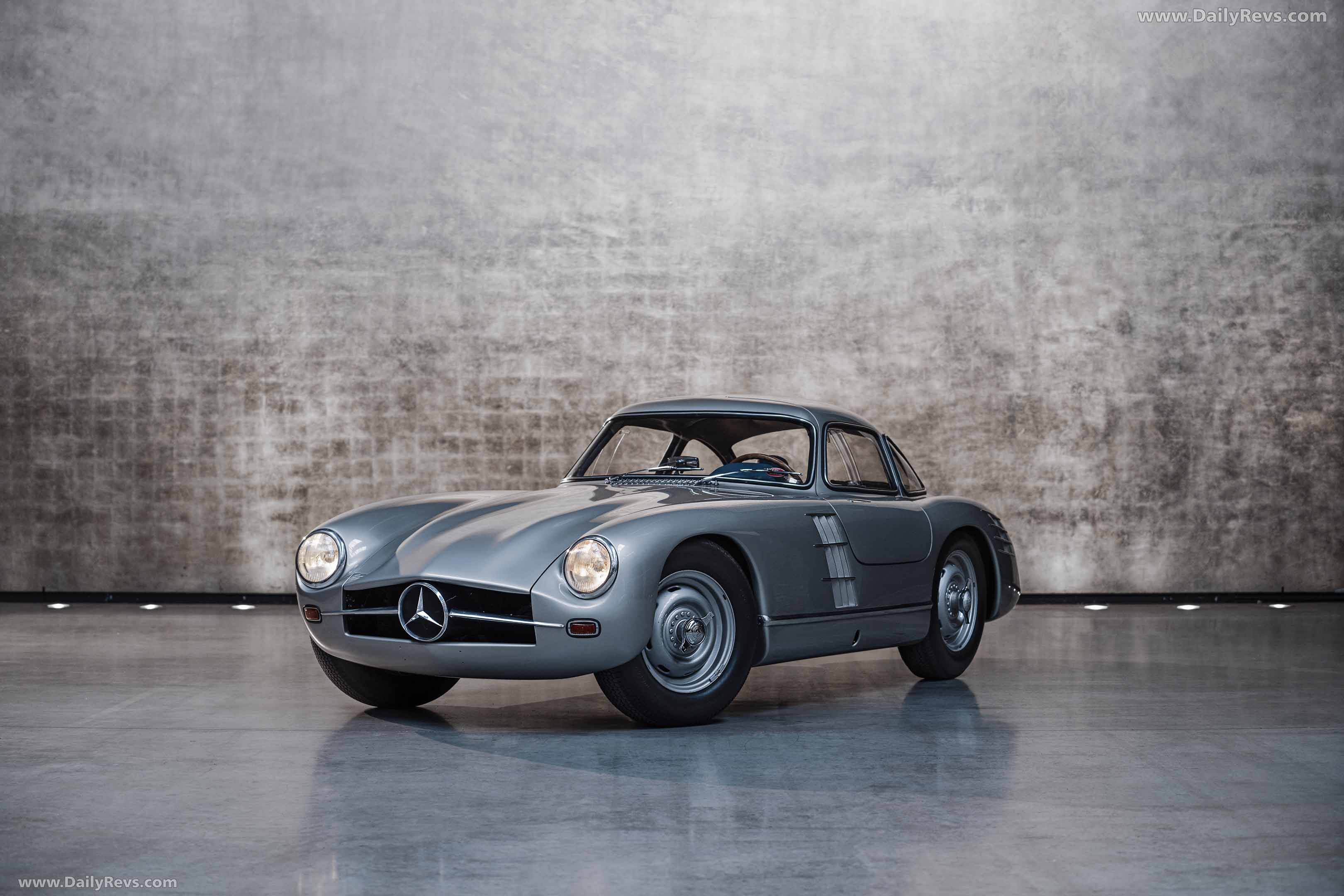
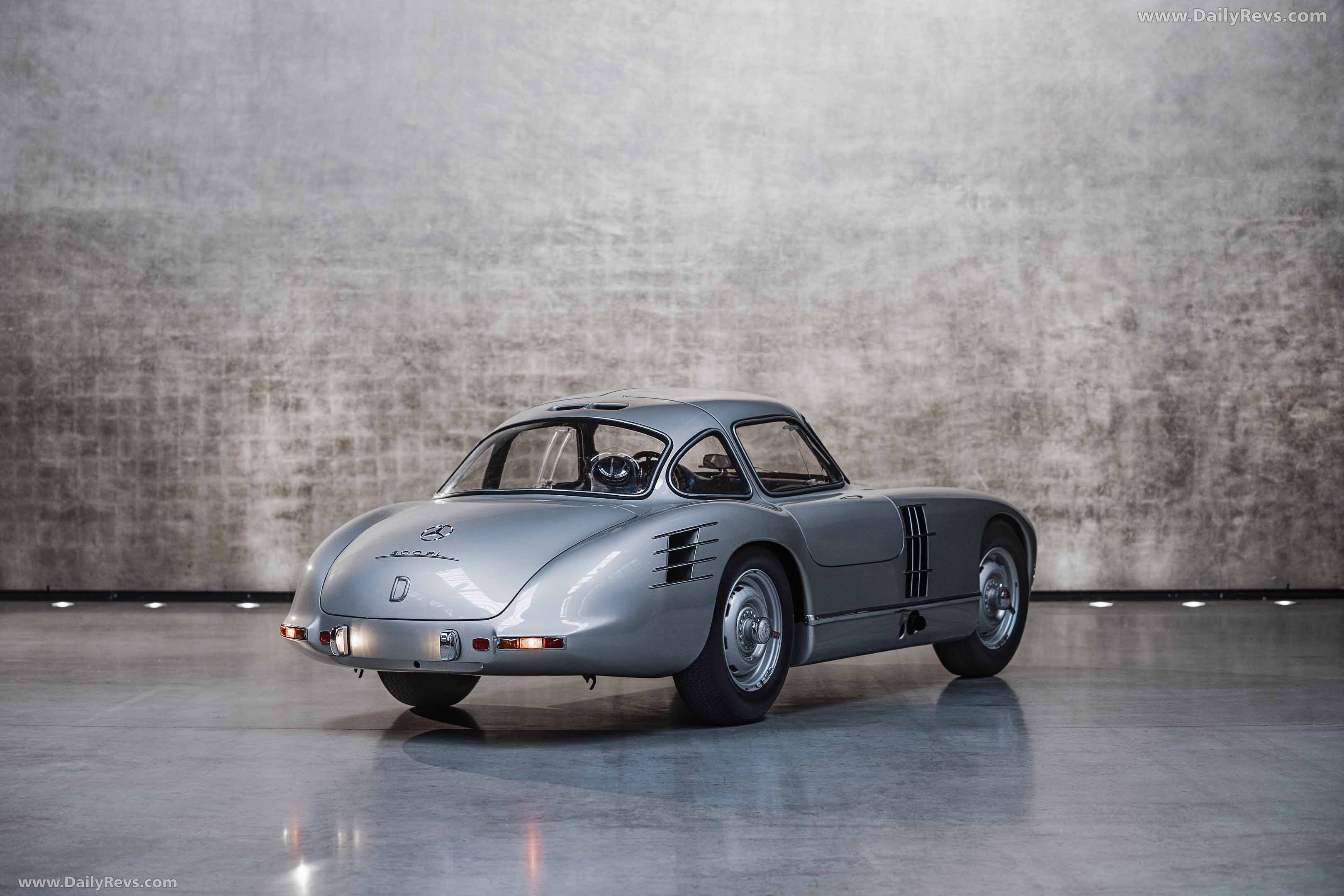
Low, wide stance, and a fastback profile that led up to that iconic roof-hinged door reveal. The body is slimmer than later models, smaller headlamps, and 16‑inch rims tucked into tight arches—Mercedes was chasing drag coefficient like madtopia.
The aluminum-magnesium Elektron shell dropped around 85 kg. You can almost feel the wind slip past the panels in the photos.
Powertrain & Mechanical Ingenuity
Under the hood was a modified M194 inline‑6—tilted 50° to lower the center of gravity, paired with a dry‑sump system, and fed by triple Solex carbs.
It made about 175 bhp (130.5 kW). Nothing jaw-dropping today, but back then, in a sub-1,400 kg car, that meant go‑cart levels of thrill. And that tilt trick defined the car—without it, no gullwing doors.
Chassis & Structural Traits
That tubular frame? Chrome-moly, triangulated, and built by Rudolf Uhlenhaut—it weighed just 82 kg.
No traditional doors could fit on that high sill, so gullwings made logical sense. And it was the prototype that birthed the shape still revered today.
Race-Bred Context
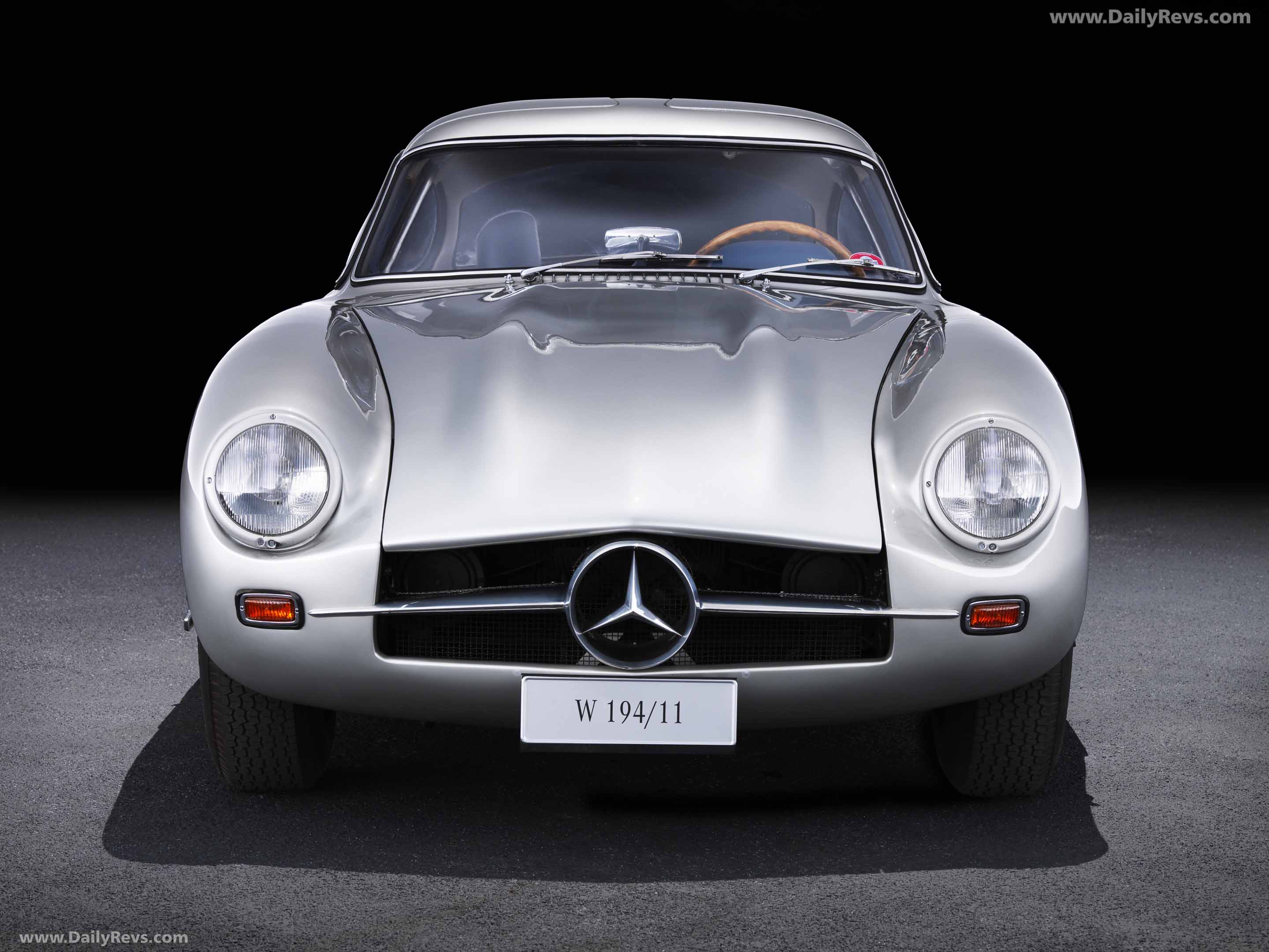
This wasn’t just a show pony. Developed as W194-11, it was meant for endurance racing and road tests, chasing Mille Miglia readiness in ’52.
Only one prototype was built. The lessons from this car went straight into the 1954 production 300 SL Gullwing and even influenced later Grand Prix designs like the W196.
Rivals & Influence
At the time, Ferrari, Jaguar, and Aston Martin were rolling out aggressive race cars. But the 300 SL prototype stood apart—its silent authority, aerodynamic posture, and structural innovation made heads turn. It felt more serious, more forward-looking than its peers. A few years later, it directly sparked the faster, more polished Gullwing and the softer Roadster.
Visuals That Matter
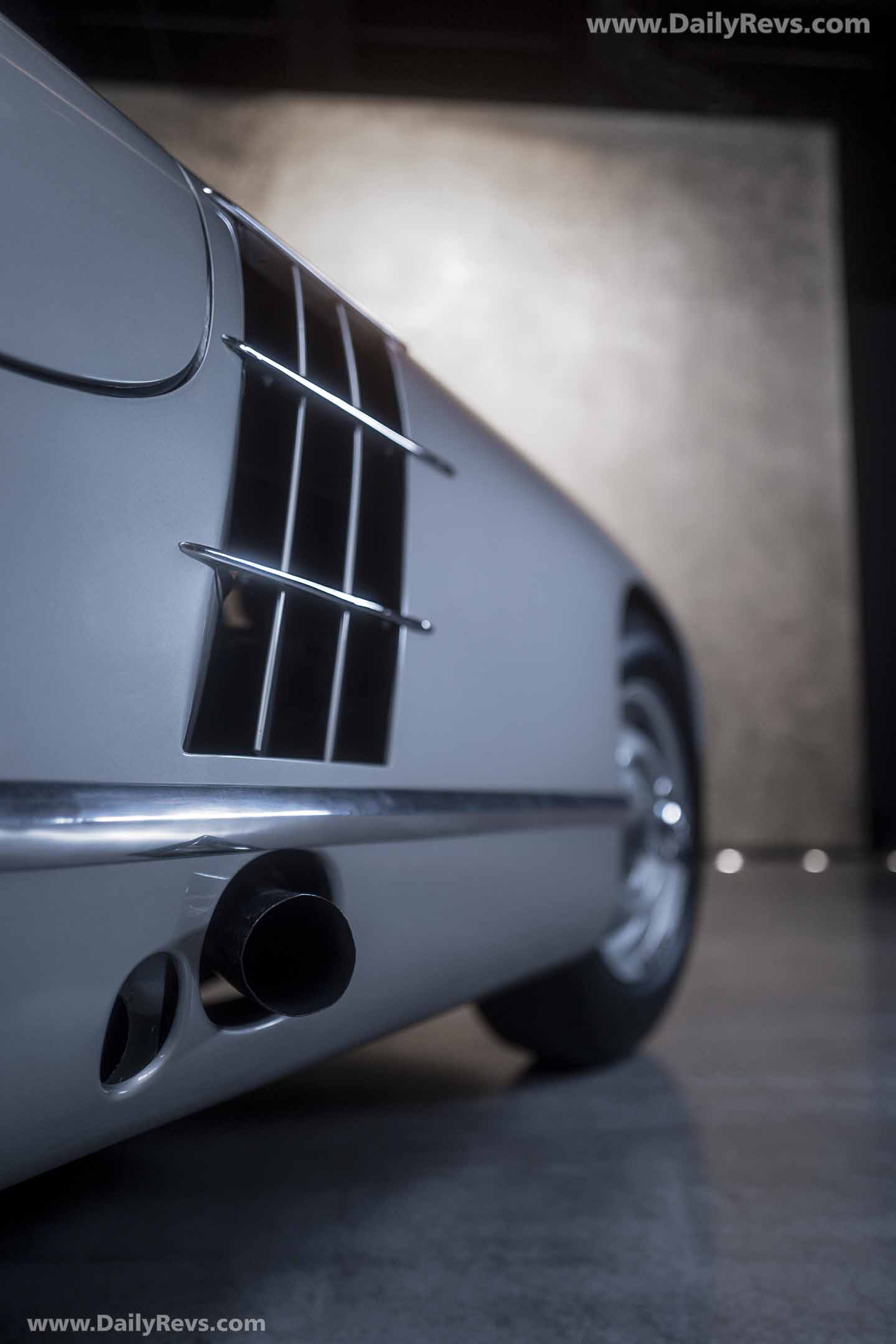
What grabs in the photos? The precision of surfaces—a single crease running from wing to wing. The closed gullwing hints at drama, the side vents and scoops whisper “speed.” It’s about panels and flow, not power figures or dash lights.
Source