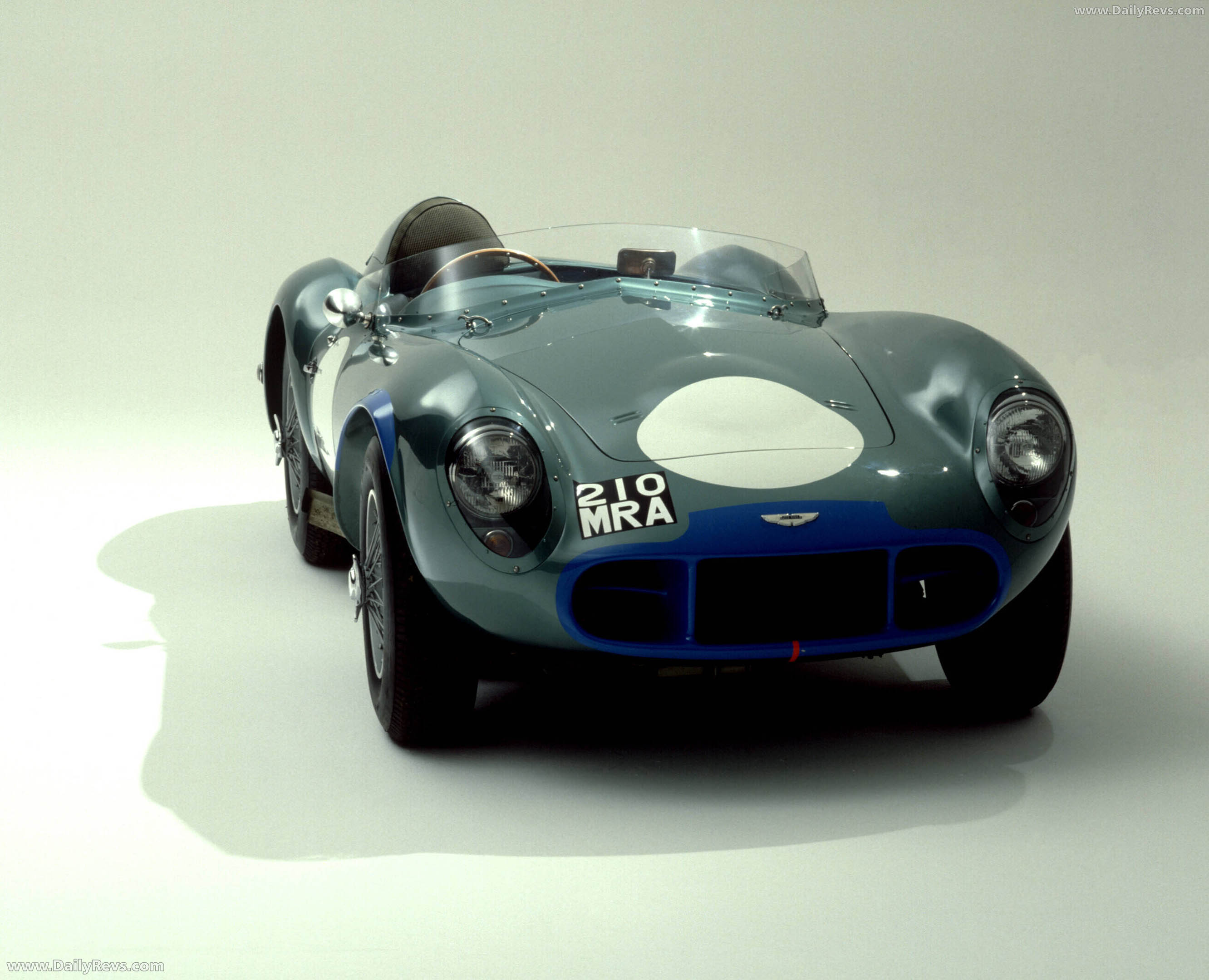
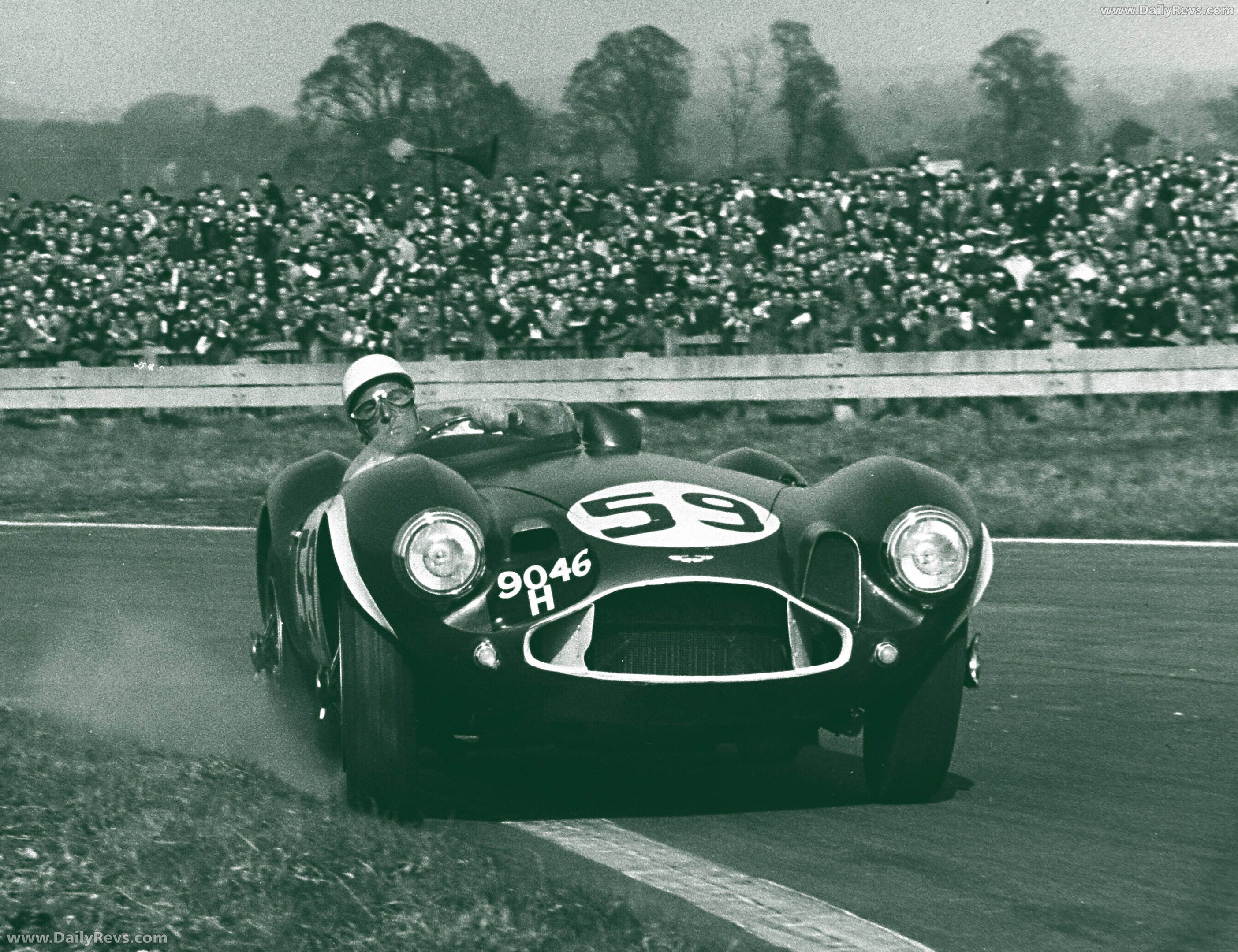
1953 Aston Martin DB3S
By Lorenzo Bianchi November 11, 1953
The 1953 Aston Martin DB3S was introduced as a lighter development of the original DB3, continuing Aston Martin's purpose-built sports racing programme.
Although the DB3 and DB3S shared some components with the road-going DB2, both were designed specifically for competition rather than adapted directly from production models.
The DB3S remained in production until 1956, with two coupe versions constructed before Aston Martin introduced the DBR1.
1953 Aston Martin DB3S Introduces a Lighter Racing Car
The 1953 Aston Martin DB3S marked another stage in Aston Martin's sports car racing programme, introducing a lighter development of the earlier DB3.
Unlike the company's road-going DB2, the DB3 and DB3S were conceived specifically for competition. Although some DB2 components were used, the racing cars followed a substantially different development approach.
The DB3S arrived after the original DB3 had experienced mixed results in international competition.
Aston Martin continued developing the lighter model until 1956, when the DBR1 succeeded it.
Purpose Built Competition Bodywork
The DB3S was developed as a lighter version of the DB3, with reduced weight forming the central distinction identified in the historical documentation.
The original DB3 engineering programme involved former Auto Union engineer Eberan von Eberhorst. Later DB3S development was handled by other engineers, whose names are not specified.
The source does not identify individual changes to the DB3S bodywork, grille, headlights or aerodynamic treatment.
Two coupe versions were also constructed during the model's production period, establishing a separate body configuration within the racing programme.
Lightweight Construction and Chassis Development
Although the DB3S retained a connection to the original DB3, its lighter construction represented an important development.
The DB3 itself had used certain components associated with Aston Martin's DB2, but it was designed for racing rather than conventional road use.
The DB3S continued this competition-focused approach.
Specific chassis materials, suspension arrangements, wheelbase measurements and vehicle weight are not documented.
Racing Cockpit and Driver Equipment
The DB3S was intended for motorsport, placing it outside Aston Martin's conventional production-car range.
However, the available documentation does not describe the cockpit layout, instrument arrangement, seating or driver controls.
Details of the two coupe interiors are also unavailable.
Transmission configuration, steering equipment and other practical features cannot be established from the source.
Engine Development and DB3 Racing Origins
The DB3S followed an earlier racing programme that began in 1951.
The original DB3 initially used a 2.6-litre Lagonda straight-six derived from the DB2 Vantage, producing 133 hp.
In 1952, Aston Martin introduced a larger 2.9-litre engine producing 163 hp.
These figures refer specifically to the DB3 predecessor, not the 1953 DB3S.
Racing History and Replacement by the DBR1
The original DB3 achieved second, third and fourth places at Silverstone in 1952, finishing behind a Jaguar C-Type.
Although the cars retired from Le Mans, the DB3 programme secured victory in the nine-hour race at Goodwood.
The DB3S followed in 1953 and achieved greater competitive success, according to the historical account.
Production continued until 1956, when Aston Martin replaced it with the DBR1.
That successor eventually delivered Aston Martin's Le Mans victory in 1959, completing the progression from the DB3 through the DB3S to the manufacturer's later racing prototype.