





1947 Mercedes-Benz 170 W136
By Lorenzo Bianchi July 19, 1947
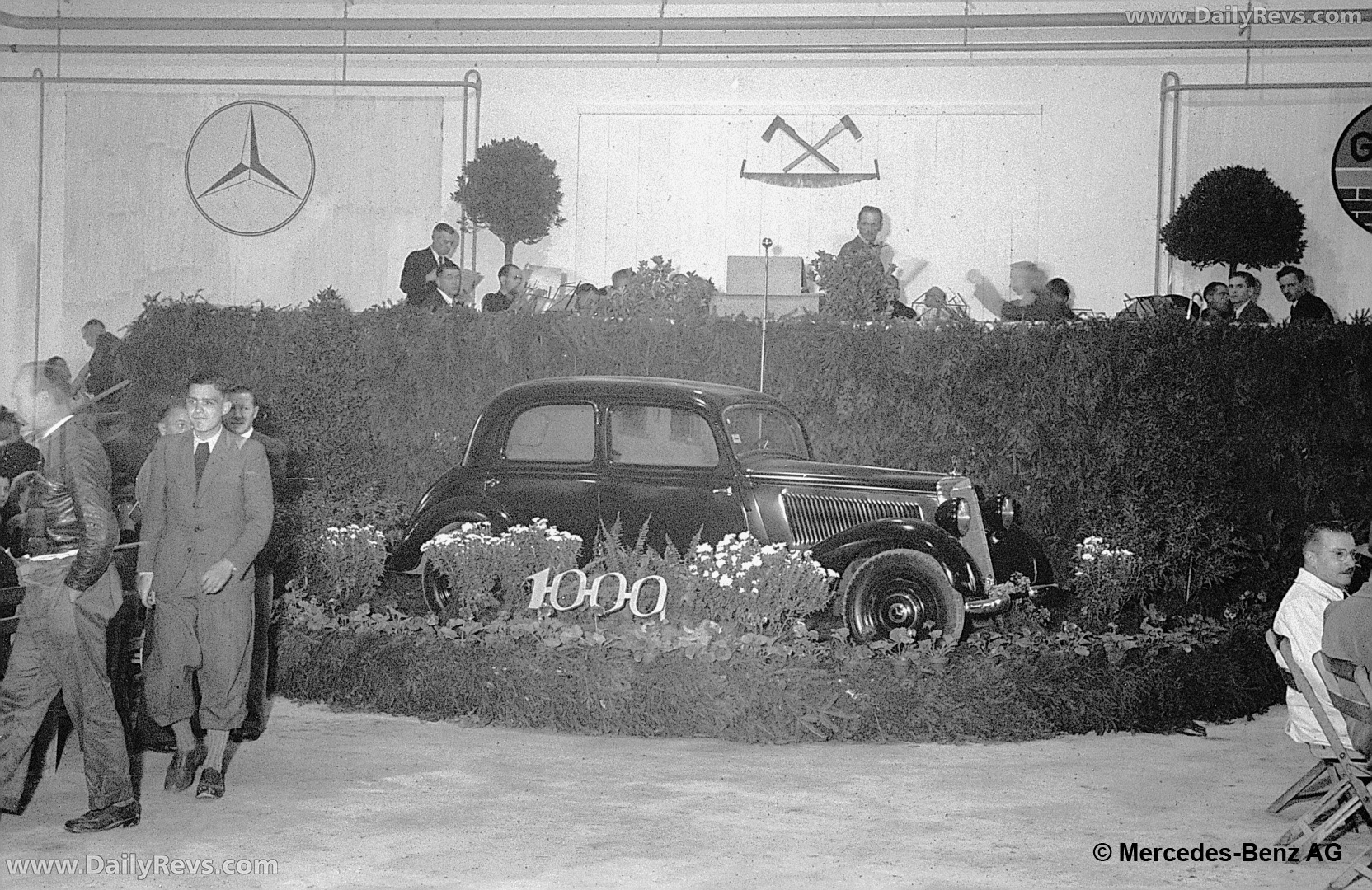
The 1947 Mercedes-Benz 170 marked Germany’s post-war automotive restart.
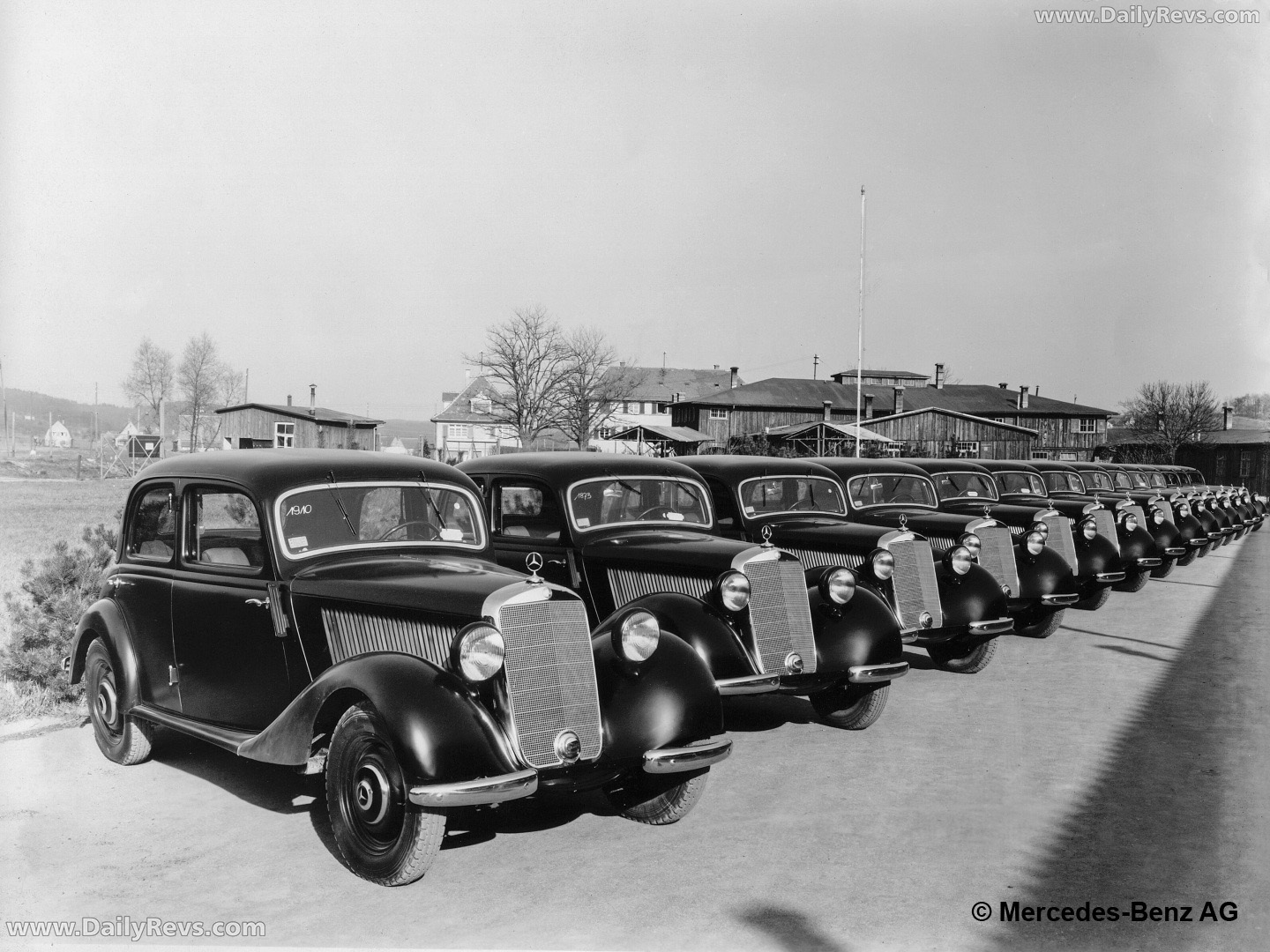
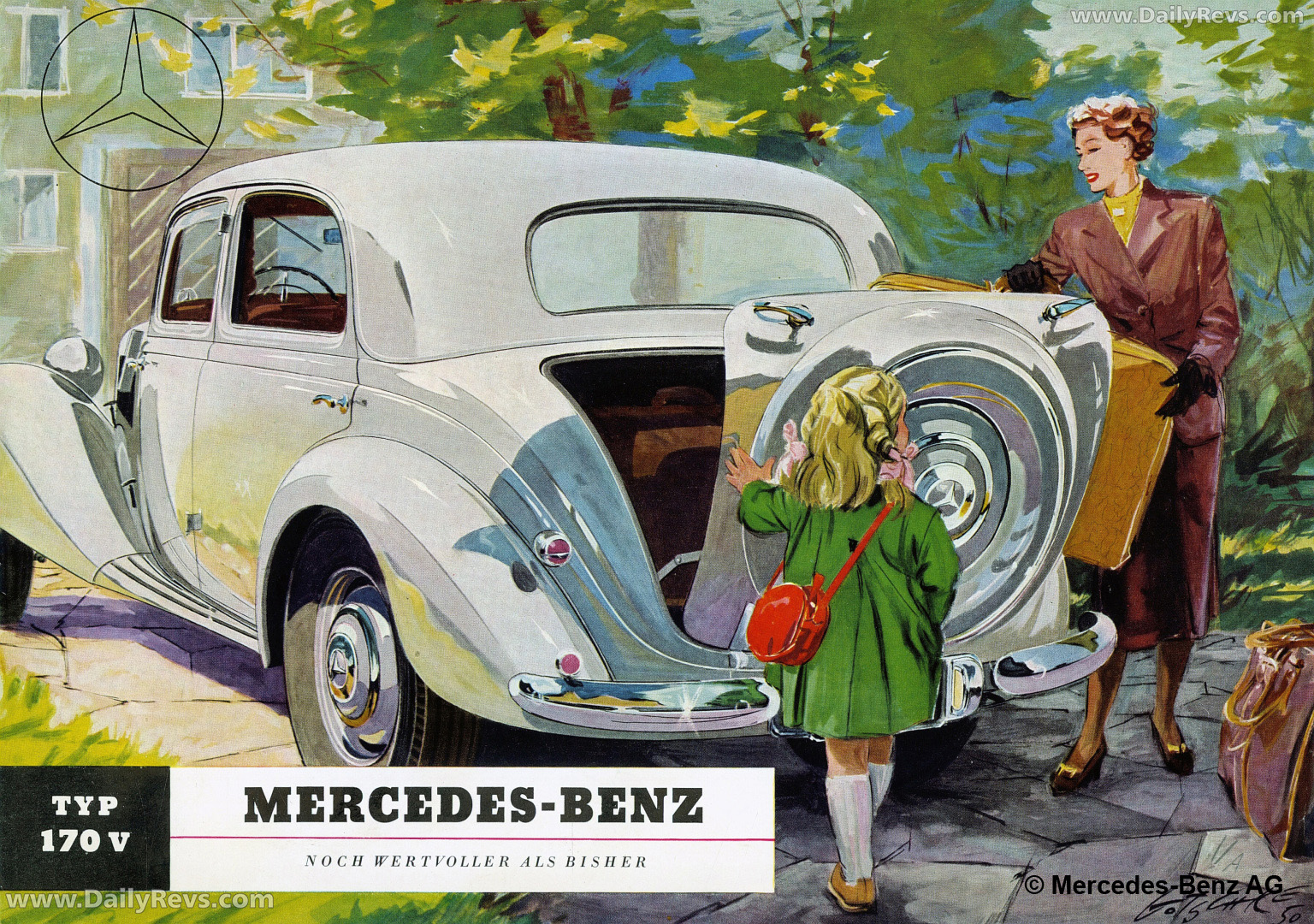
Compact proportions, vertical grille, and rear-hinged doors define its poised stance.
One of the first passenger cars to resume production after WWII, preceding the German economic miracle.
A Car Born from Ruins
It’s hard not to project a little symbolism onto the 1947 Mercedes-Benz 170. The car didn’t just roll out of a factory — it rolled out of the wreckage of a nation. At a glance, it looks modest. Conservative, even. But look again, and you see clarity. Purpose. The kind of car that knew it couldn’t afford to be anything but essential.
Modest Lines, Intentional Design
The keyword here is restraint. The 170 doesn’t stretch or sprawl. It stands. Upright proportions give it a kind of dignity, almost architectural in their balance. That tall, narrow grille — flanked by standalone headlamps — isn’t flashy, but it’s assertive. The front fenders stretch forward like shoulders pulled back, while the short rear overhang keeps everything tight and focused.
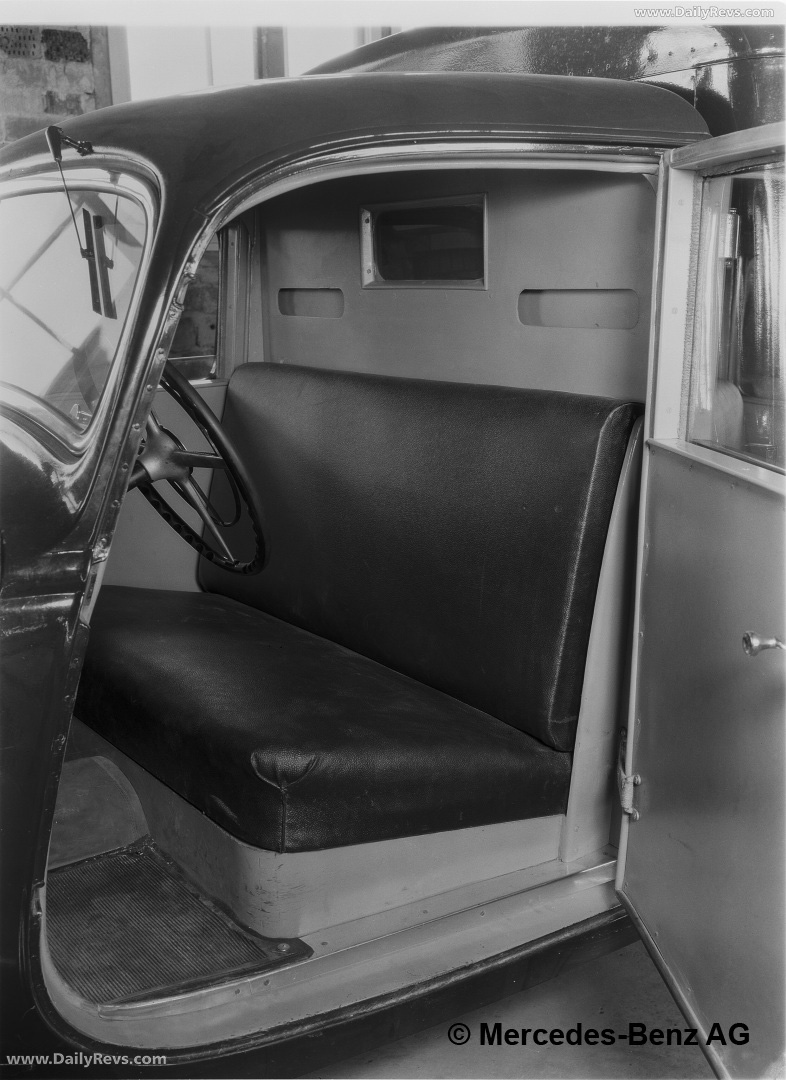
Rear-hinged doors give a small nod to pre-war luxury cues, even if the materials inside are lean. There’s no indulgence here — the dashboard is painted metal, the seats are functional, and the steering wheel seems just a touch too large, like it came from a tractor. But again, nothing is wasted.
Under the Hood: Simple, Functional Power
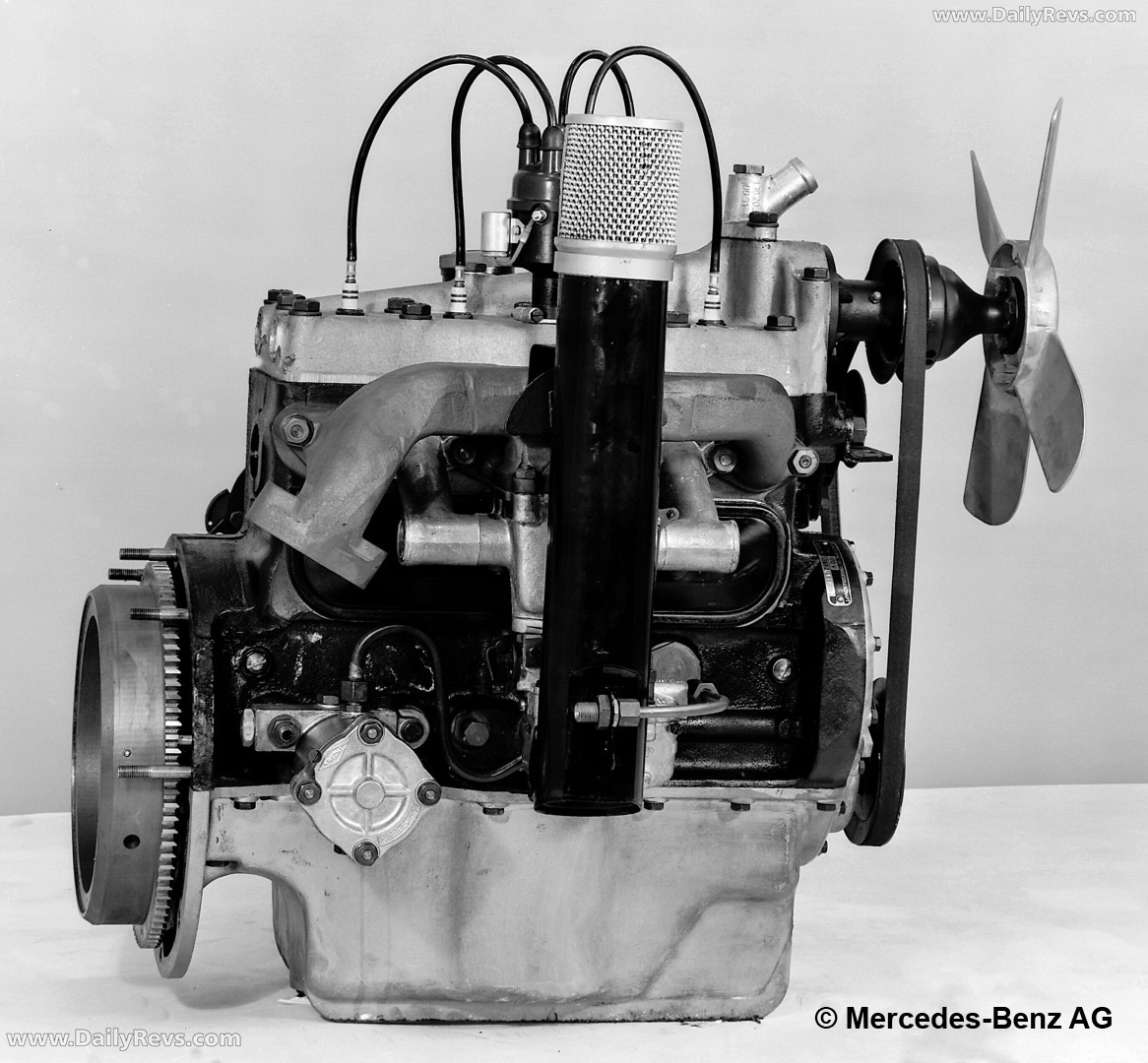
The car was powered by a 1.7-liter four-cylinder engine — 38 horsepower, routed through a four-speed manual gearbox. You don’t really talk about “performance” with this car. You talk about continuity. Mercedes-Benz built the 170 to reestablish itself, to get Germany moving again. This wasn’t a halo car. It was a workhorse. And for many, it was their first car after the war. That matters more than lap times.
Honest Stance, Upright Proportions
Visually, the car wears its age proudly. The body sits high on narrow tires, hinting at the uneven roads it had to conquer. Chrome is used sparingly. Glasshouse proportions are upright and clear — all visibility, no drama. It doesn’t try to seduce; it tries to reassure.
Few Rivals, Bigger Significance
If you’re hunting for rivals, there weren’t many at the time. Opel and Ford Germany were barely restarting, while Fiat was still rebuilding infrastructure. The Volkswagen Beetle was just beginning its rise. In that vacuum, the 1947 Mercedes-Benz 170 wasn’t just a car — it was a signal. That Mercedes was back. That Germany still built cars. That normal life, in some version, could resume.
A Quiet Symbol of Recovery
In the context of today's design language, the 170 looks like a relic. But in 1947, it was a promise. That machines could still be made, that people still needed to move, and that something as ordinary as a sedan could carry the weight of an entire country’s future.
Technical Specification
-
Performance
-
Engine output: 38 hp (28 kW) at 3,600 rpm
-
Torque: ~98 Nm (72 lb-ft) at 1,800 rpm
-
Top speed: Approximately 108–116 km/h (67–72 mph)
-
Acceleration (0–60 mph): Around 36 seconds
-
-
Body Measurements
-
Wheelbase: 2,845 mm (112.0 in)
-
Overall length: 4,270–4,300 mm (168.1–169.3 in)
-
Width: 1,570–1,630 mm (61.8–64.2 in)
-
Height: 1,560–1,650 mm (61.4–64.9 in)
-
Curb weight: ~1,100–1,160 kg (2,425–2,560 lb)
-
-
Powertrain
-
Engine: 1.7-liter inline-4 side-valve (M136)
-
Carburetor: Solex 30 BFLVS updraft
-
Compression ratio: 6.0:1 to 6.5:1 (varied by model year)
-
Transmission: 4-speed manual, synchronized
-
Rear axle ratio: ~4.125:1
-
-
Chassis & Suspension
-
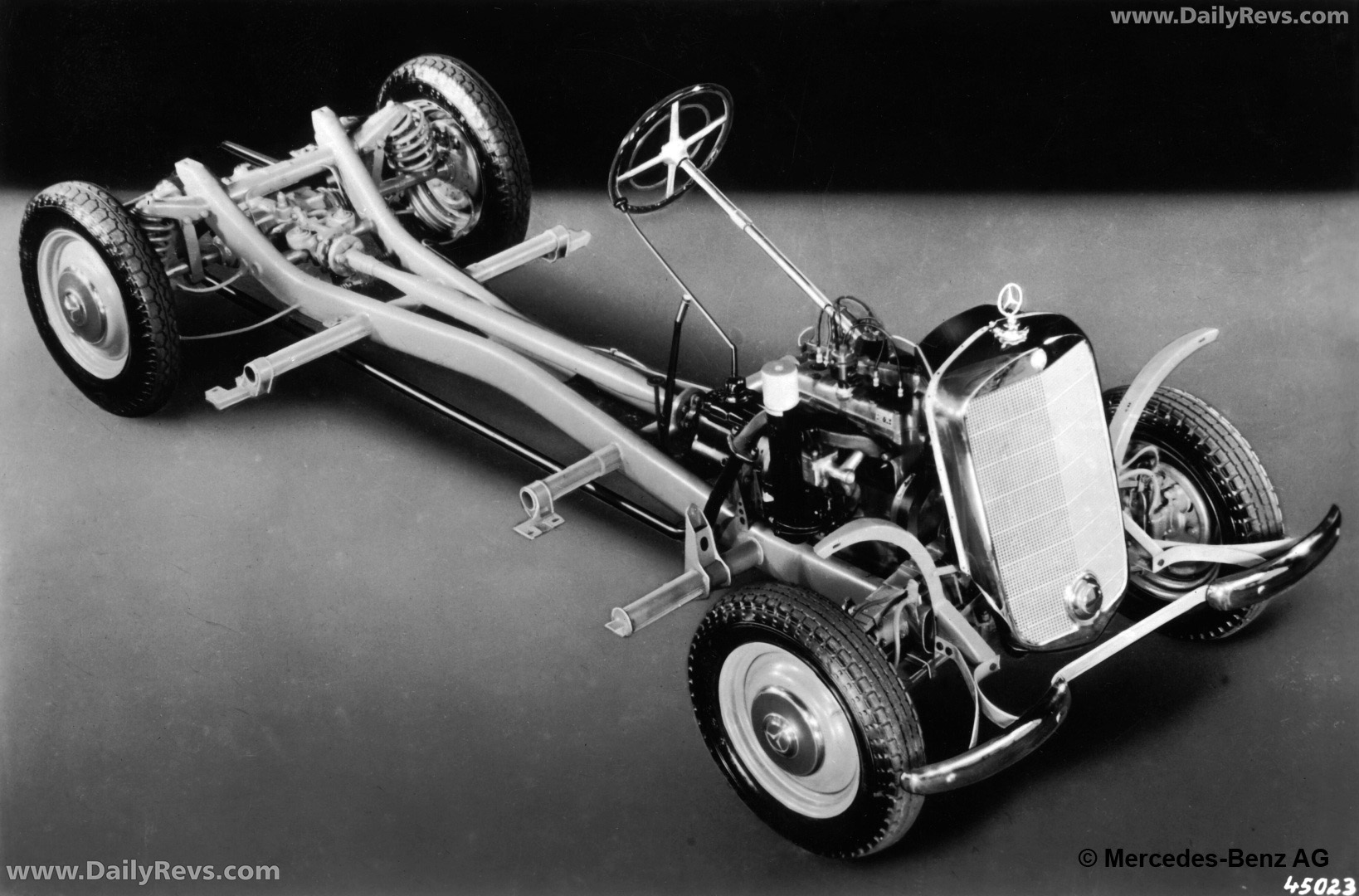
Frame: Oval-tube backbone chassis
-
Front suspension: Independent, transverse leaf springs
-
Rear suspension: Swing axle with coil springs
-
Steering: Worm-and-lever type
-
Brakes: Hydraulic drum brakes (front and rear)
-
-
Capacities & Consumption
-
Fuel tank capacity: 42 liters
-
Estimated fuel consumption: ~11 L/100 km
-
-
Price
-
Chassis only: Approximately 2,850 Reichsmark
-
2-door limousine: ~3,750 Reichsmark
-
4-door limousine or cabrio-limousine: ~3,980 Reichsmark
-