1939 Aston Martin Lagonda V12 Rapide
By Lorenzo Bianchi November 6, 1939
The 1939 Aston Martin Lagonda V12 Rapide was a limited-production sports tourer developed during Lagonda's independent manufacturing period, with just 17 examples built.
Its 4,480cc V12 engine was developed under W.O. Bentley, paired with a four-speed manual transmission and rear-wheel drive.
The Rapide used a shorter chassis with lightweight coachwork, independent front suspension, torsion bars and hydraulic drum brakes.
1939 Aston Martin Lagonda V12 Rapide and Its Prewar Heritage
The 1939 Aston Martin Lagonda V12 Rapide represents the sporting side of one of Britain's most technically ambitious luxury cars of the pre-war period.
Developed during W.O. Bentley's time at Lagonda, the Rapide combined a 4.5-litre twelve-cylinder engine with lighter coachwork and a shorter chassis than the larger V12 touring models.
Only 17 V12 Rapides were built, making it one of the rarest versions of the Lagonda V12 range.
The model was produced before Lagonda became associated with Aston Martin under David Brown's ownership in 1947.
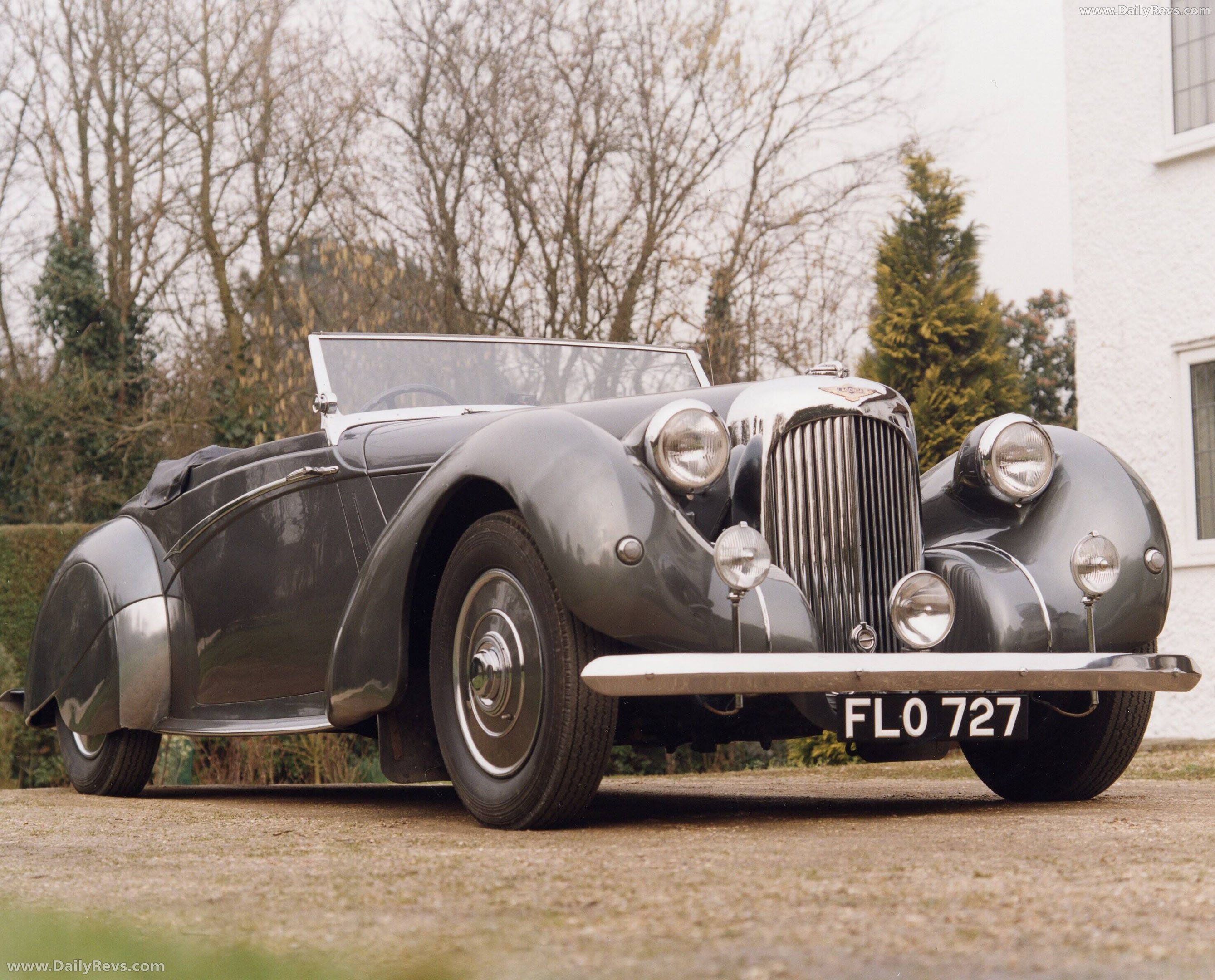
Long Bonnet and Open Sports Tourer Design
The Aston Martin Lagonda V12 Rapide followed the traditional proportions of British sporting automobiles during the late 1930s.
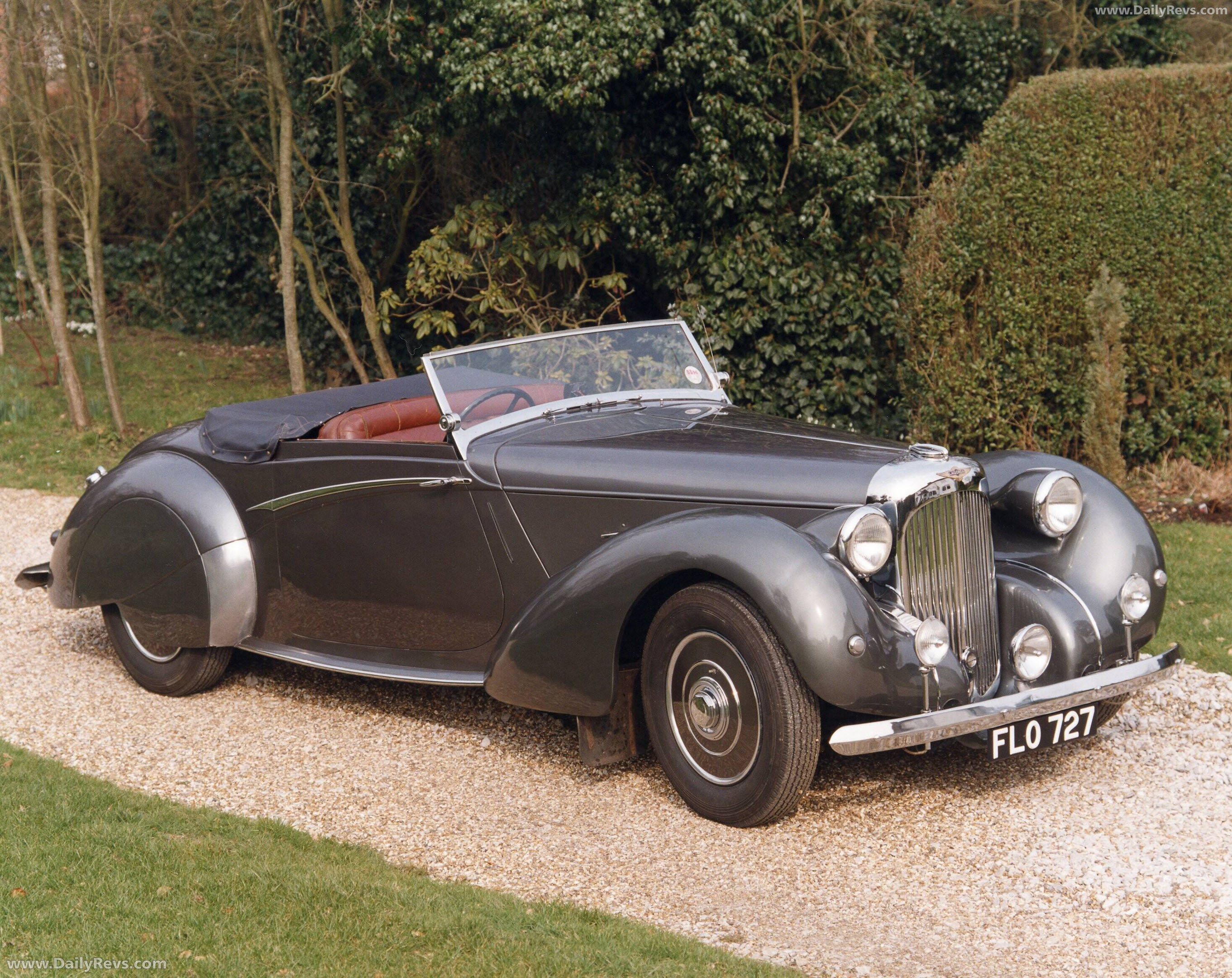
Its long bonnet accommodated the twelve-cylinder engine, while separate flowing front wings and a prominent upright radiator grille defined the nose.
Large round headlamps and polished exterior fittings contributed to its period appearance.
The open coachwork featured a folding roof, allowing the Rapide to operate as a convertible grand tourer.
Factory coachwork was associated with designer Frank Feeley, although individual V12 Rapides also received bodies from specialist coachbuilders, including Vanden Plas.
Short Chassis and Independent Front Suspension
The Rapide was developed around a shorter chassis than Lagonda's larger V12 models.
Its structure combined a steel ladder frame with coachbuilt bodywork.
Independent front suspension used double wishbones and torsion bars, while a live rear axle was supported by semi-elliptic leaf springs.
Hydraulic drum brakes were fitted at all four wheels.
The arrangement reflected Lagonda's move towards improved road holding and greater mechanical refinement under Bentley's engineering direction.
Traditional Interior and Touring Equipment
The V12 Rapide's open cabin retained the character of a high-end British sports tourer.
Surviving examples feature leather upholstery, traditional analogue instruments and polished dashboard trim.
Some cars were also equipped with additional touring accessories, depending on their original specification and subsequent ownership.
The combination of an open passenger compartment, folding hood and substantial engine made the Rapide suitable for sporting journeys and long-distance motoring.
Interior materials and fittings vary between individual coachbuilt examples.
4.5 Litre V12 Engine and Manual Transmission
The Rapide used Lagonda's 4,480cc, 60-degree V12 engine, developed under W.O. Bentley with engineering input from Stuart Tresilian.
The engine featured a single overhead camshaft for each cylinder bank.
Standard V12 output was approximately 175 bhp, with higher figures associated with specially developed engines.
Power reached the rear wheels through a four-speed manual gearbox.
The Rapide's reduced weight and shorter chassis helped distinguish it from the larger Lagonda V12 saloons.
Limited Production and Motorsport Connections
Lagonda's V12 engineering programme also supported its return to the 24 Hours of Le Mans in 1939.
Two specially prepared V12 competition cars finished third and fourth overall.
Although distinct from the roadgoing Rapide, those racing results demonstrated the potential of Bentley's twelve-cylinder design.
Today, the Aston Martin Lagonda V12 Rapide remains a notable example of Lagonda's independent pre-war engineering and coachbuilding history.