





1936 Mercedes-Benz 260D W138
By Lorenzo Bianchi July 19, 1936
The 1936 Mercedes-Benz 260D was the first series‑produced diesel passenger car.
-
Its 2.6 L OM138 diesel engine delivered 45 hp (33 kW) and fuel economy around 9–11 L/100 km.
-
Offered in sedan, Pullman, landaulet, and cabriolet bodies—with rivals like Hanomag and early diesel Fiats emerging.
Observational Release
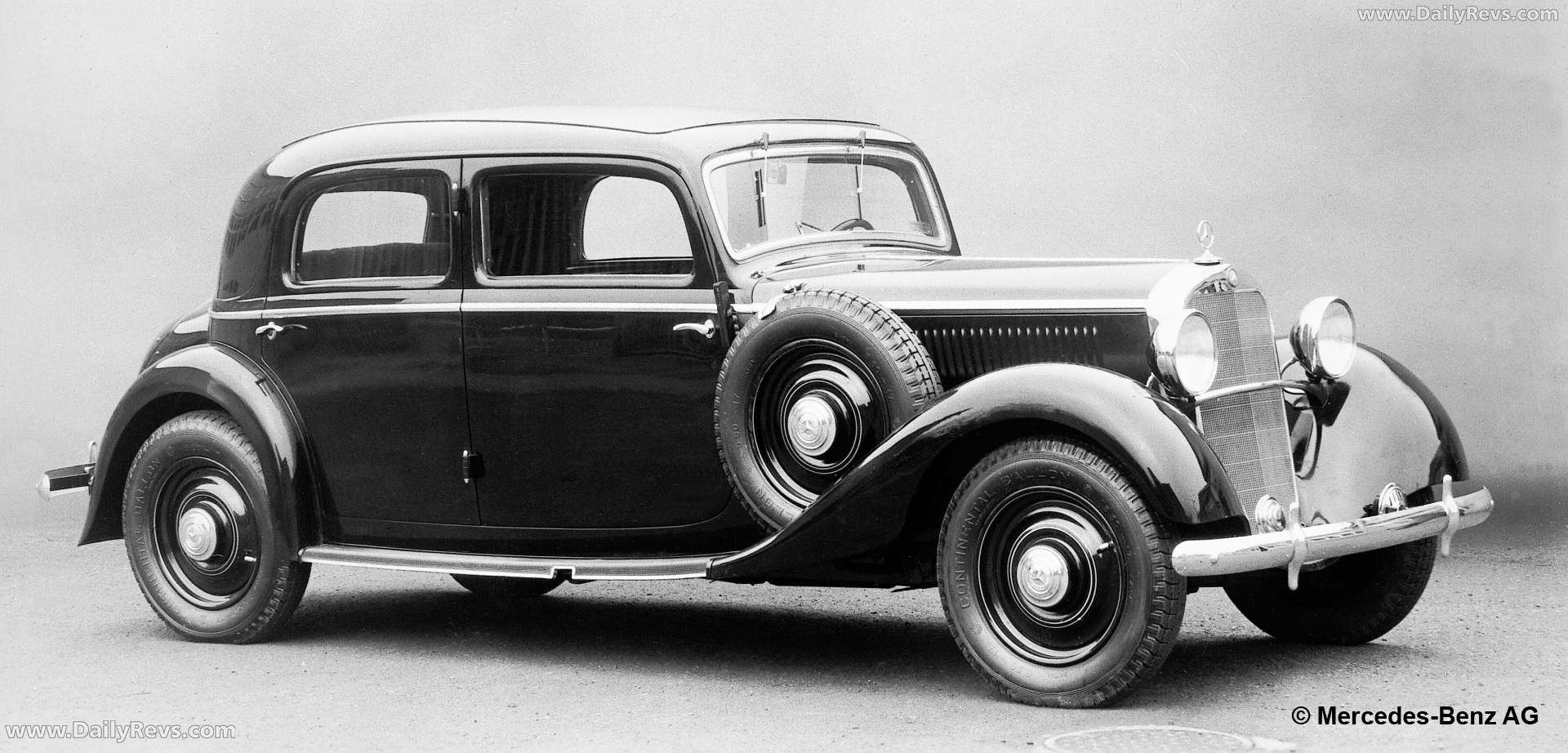
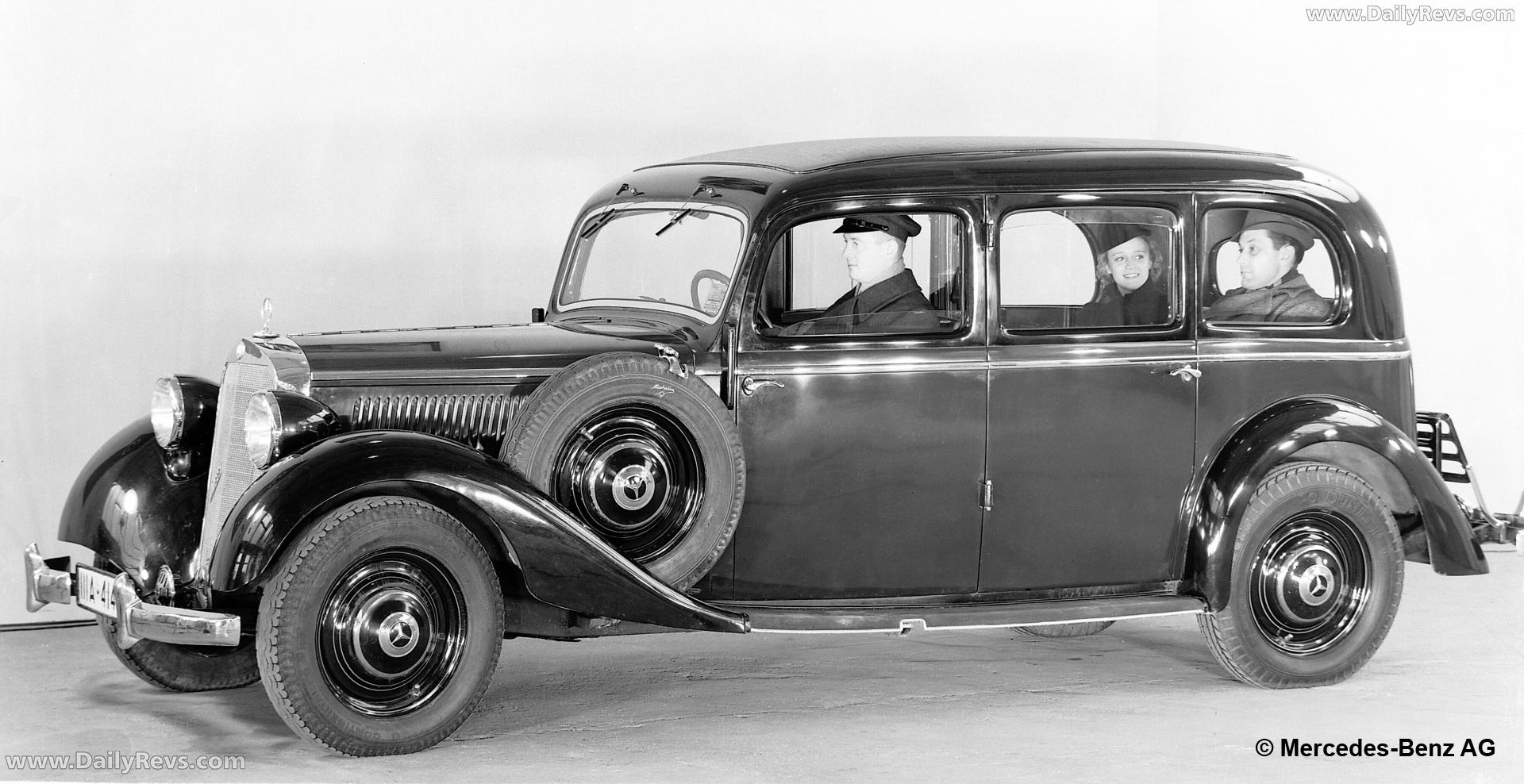
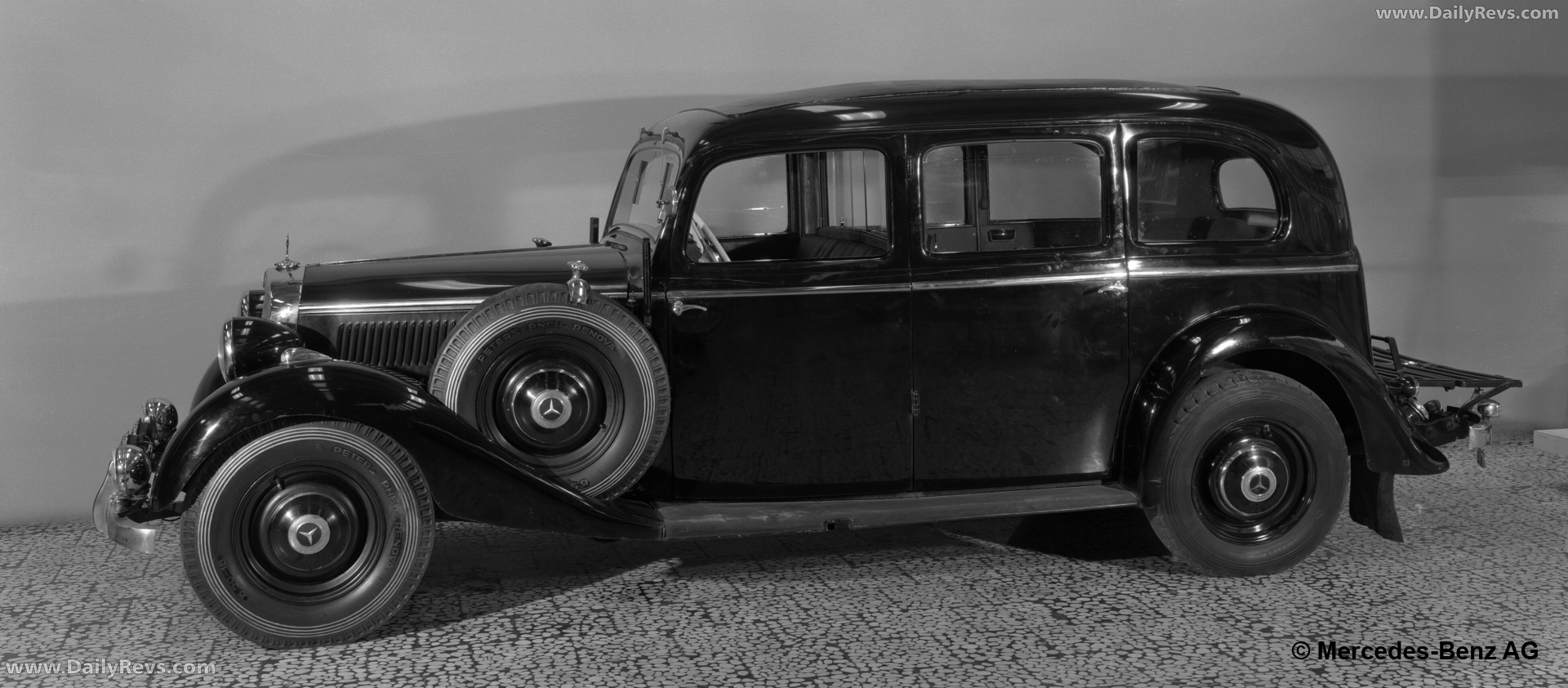
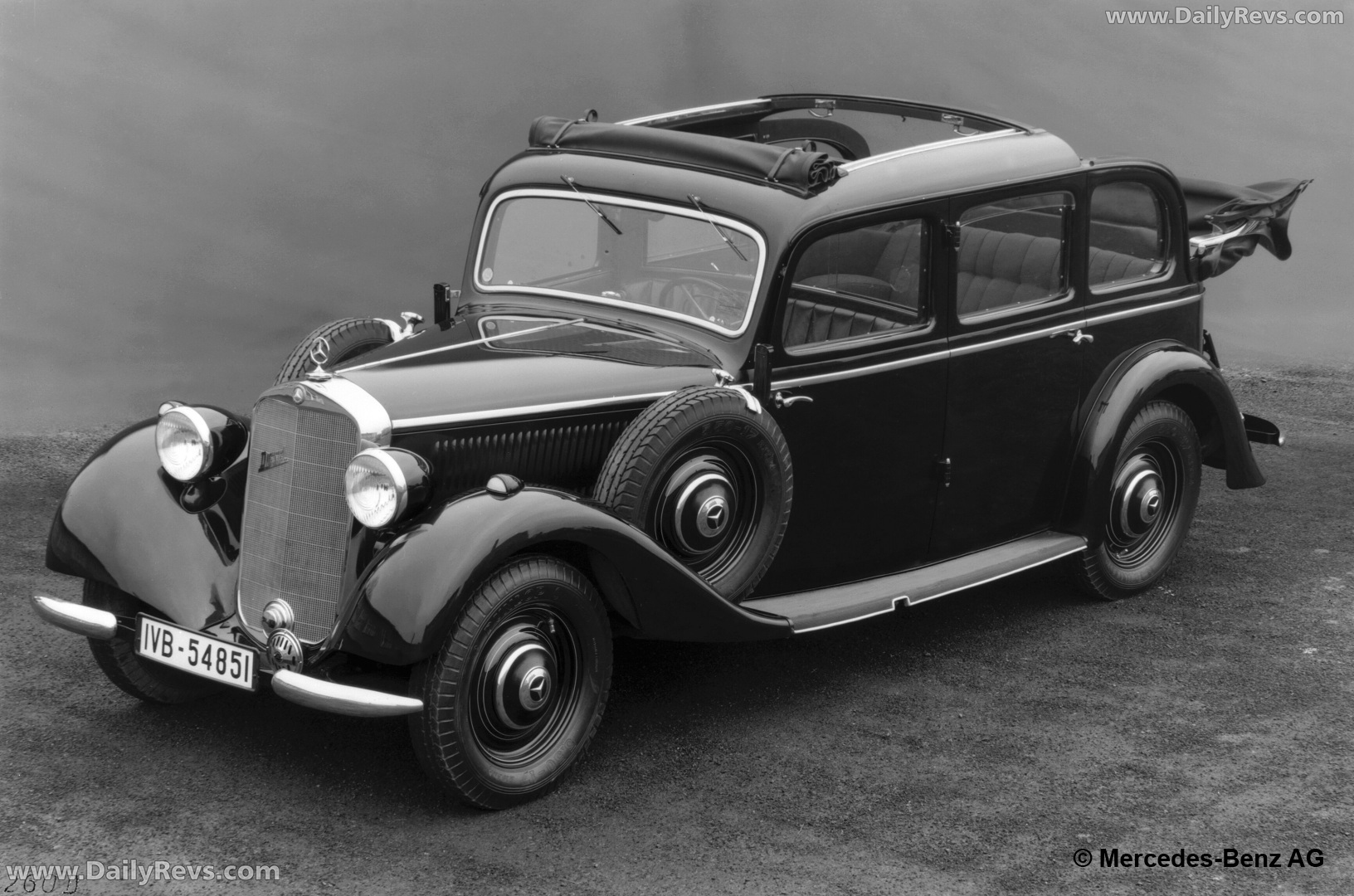
A seasoned journalist spots something unusual in the press photos. The stance is upright—no dramatic slopes or curves. Proportions are balanced but serious: the long wheelbase (3,050 mm) supporting a sober form that hints at purpose, not flair. The narrow grille and enclosed headlamps add a restrained elegance. It’s the kind of thing that feels more functional than fashion‑forward—and that’s the point.
Design Insights
Photographers captured both the Pullman landaulet and the four‑door sedan. The former extends the length to nearly 4,550–4,790 mm, while the sedan sits around 4,390 mm. Surfaces are clean, fenders smooth, glasshouse simple and glare‑free. One can almost hear tires crunching on cobblestones. It’s understated, yet confident.
Powertrain & Performance
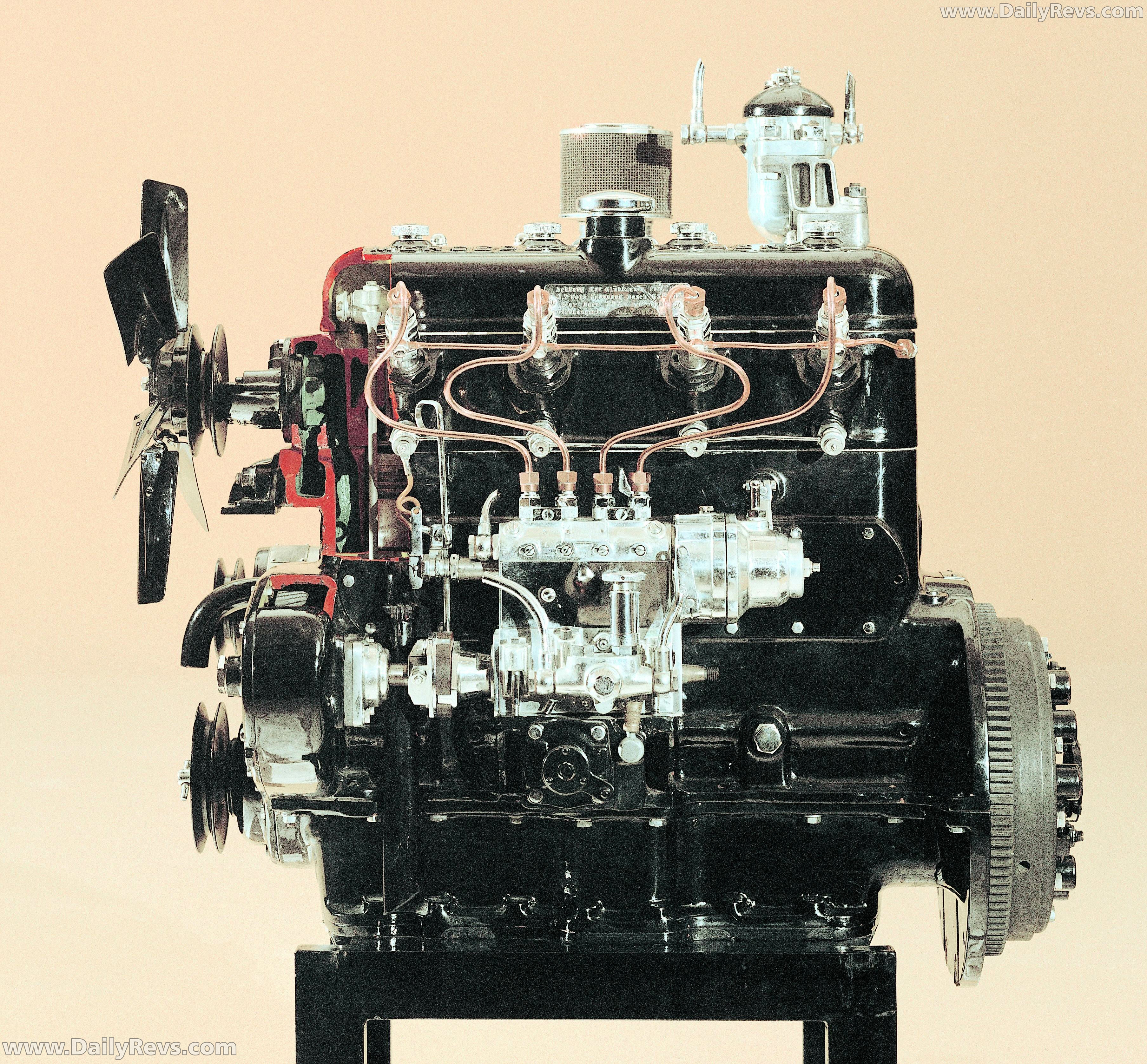
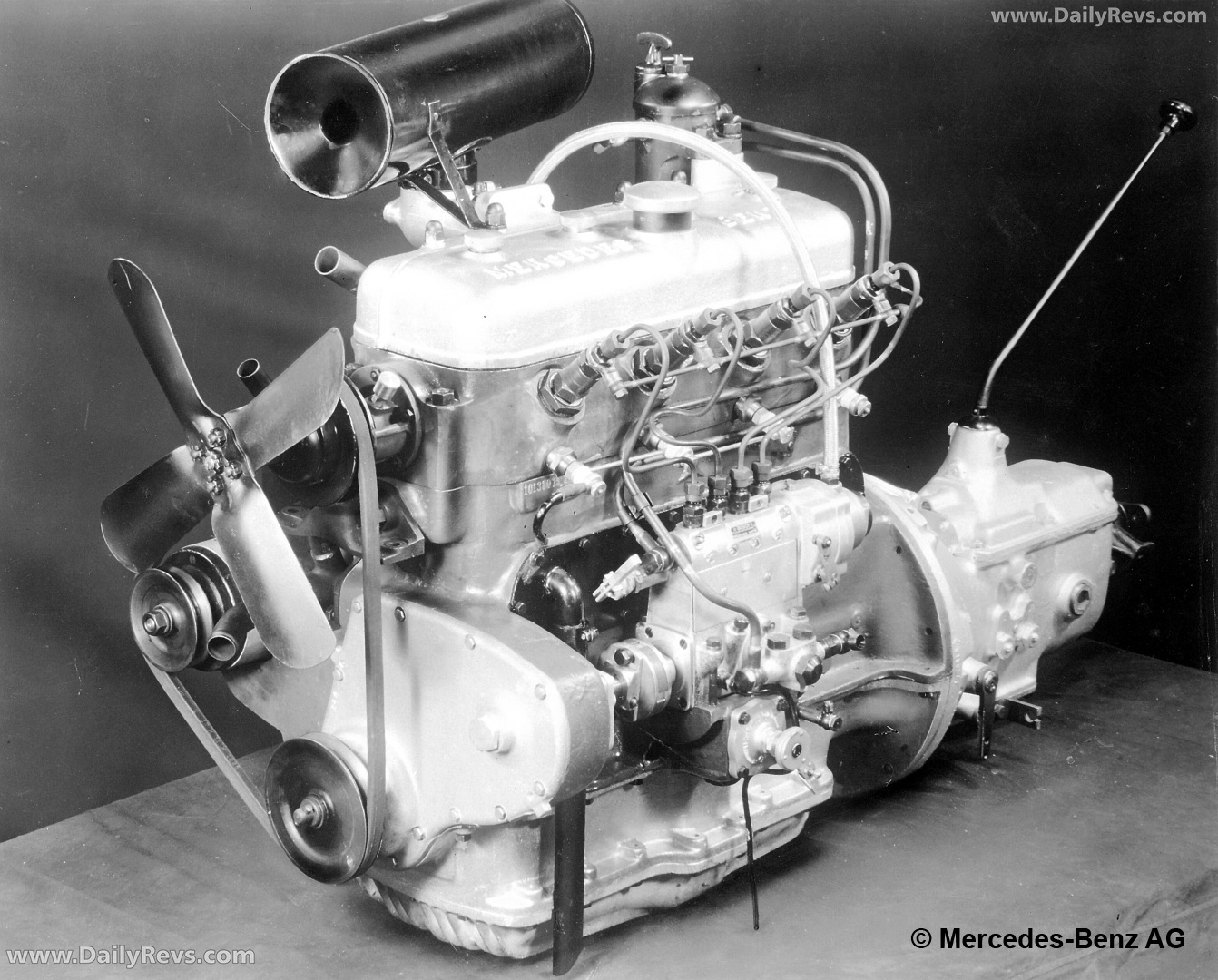
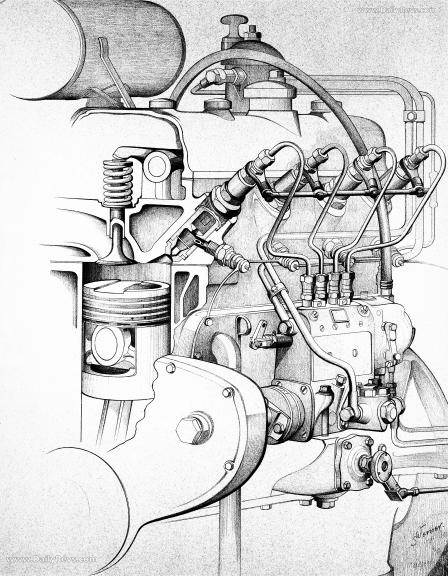
Under that hood sits a 2.6‑liter inline‑4 OM138 engine, delivering 45 hp (33 kW) at 3,000 rpm via Bosch pre‑chamber injection—the sort of fuel system built more for range than speed. With a fuel economy of roughly 9‑11 L/100 km, it easily outpaces petrol siblings that sip 13 L/100 km . Top speed hovers around 90–95 km/h — not quick, but enough. The three‑speed gearbox with overdrive (pre‑1937) and later synchronized four‑speed ensure smooth shifts.
Market Context
In mid‑1930s Europe, diesel was still niche. The Hanomag Rekord diesel came later, and Citroën experimented earlier—but none matched Mercedes‑Benz’s bold announcement. With rivals like Hanomag, early diesel Fiat, and the Beetle in its infancy, the 260D stakes claim not on flash but on foresight.
Visual Tech Notes
There’s no showy infotainment or digital display—just analog gauges and plenty of metal surfaces. That big steering wheel is the centerpiece in every photo. You sense it's built for rugged roads and reliable trips. Light enters through tall, broad windows—visibility seems excellent.
Final Comment
The 1936 Mercedes‑Benz 260D isn’t about ego or glam—it's about getting the job done. Sure, rivals will follow with their own diesels, but none arrive with the Mercedes badge and a global production launch. It’s humble on the outside, but history will show it quietly shifted gears for diesel cars worldwide.
Technical Specification
Performance
- Power output: 45 hp (33 kW) at approximately 3,000 rpm
- Top speed: 90–95 km/h (56–59 mph)
Body Measurements
- Wheelbase: 3,050 mm (120.1 in)
Length:
- Standard sedan: approx. 4,390 mm (172.8 in)
- Pullman version: approx. 4,550–4,580 mm (179–180 in)
- Width: 1,630–1,710 mm (64.2–67.3 in)
- Height: approx. 1,600–1,610 mm (63–63.4 in)
Powertrain
- Engine: 2.545-liter inline-4 OM138 diesel
- Injection: Bosch pre-chamber system
- Bore x Stroke: 90 mm x 100 mm
- Compression ratio: 20.5:1
Transmission:
- 1936–1937 models: 3-speed manual with overdrive
- 1937 onward: 4-speed manual with synchromesh in top three gears
- Drivetrain: Rear-wheel drive
- Brakes: Hydraulic drum brakes front and rear
- Suspension: Independent front with coil springs; swing axle rear
Capacities
Fuel tank capacity:
- Early models: 38 liters (front-mounted)
- Later models: 50 liters (rear-mounted)
- Estimated fuel consumption: 9–11 L/100 km (approximately 21–25 mpg)
Price (period estimates in Reichsmark)
- Chassis only: approx. 5,800 RM
- 4-door limousine: approx. 6,800 RM
- Pullman limousine: approx. 7,600 RM
- Pullman landaulet: approx. 7,900 RM
- Cabriolet B: approx. 8,500 RM
- Cabriolet D: approx. 9,500 RM