



1931 Mercedes-Benz 770 Grand Mercedes Cabriolet W07
By Lorenzo Bianchi July 19, 1931
The 1931 Mercedes-Benz 770 Grand Mercedes Cabriolet was built as a flagship for heads of state and royalty.
It featured a massive 7.7-liter inline-eight engine, available with a supercharger.
The car’s proportions and stance project elegance with undeniable presence.
A Car Measured in Meters and Authority
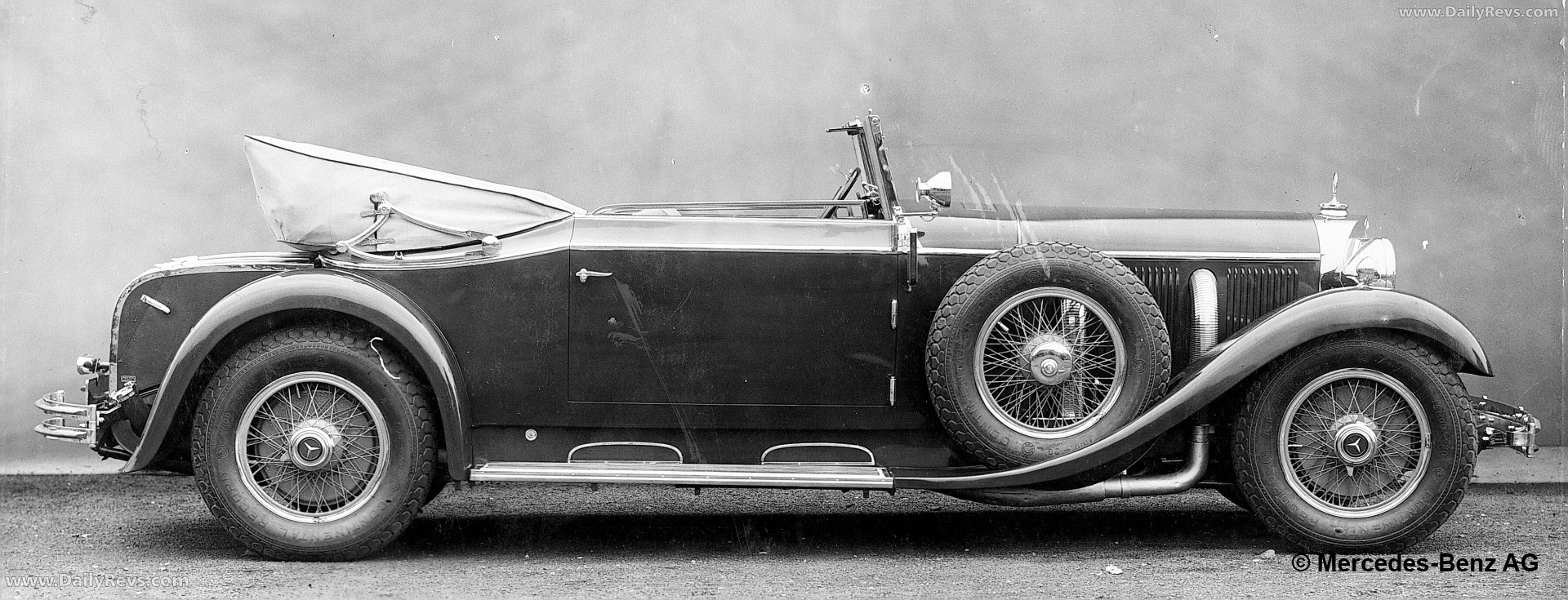
At first glance, it’s the scale that strikes you. The wheelbase alone stretches a commanding 3.75 meters, and with its sweeping fenders and upright grille, the 770 doesn’t exactly slip into the background. This isn’t a vehicle that’s parked—it’s placed, like a sculpture. Everything about it is ceremonial, from the vertical windshield to the long bonnet that practically dares bystanders not to look twice.
In photos, the cabriolet bodywork reveals a layered formality—clean lines, long overhangs, and a roofline that folds back with theatrical flair. The profile sits high, but it’s proportioned. Wide whitewall tires add just enough contrast to the deep gloss of the bodywork. Every detail has the weight of intent.
Under the Hood: A Gentle Giant, or Not So Gentle
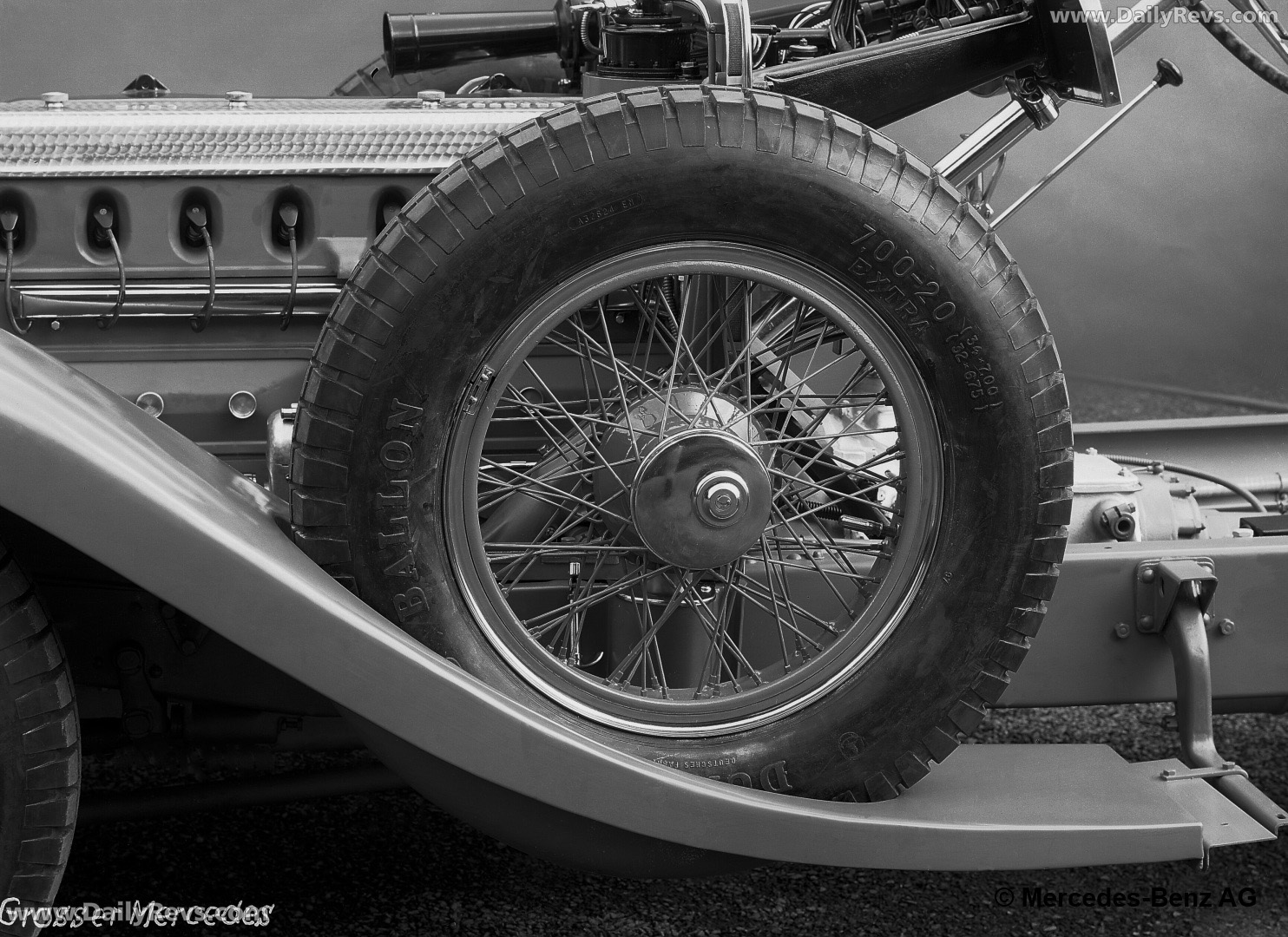
Powering the 1931 Mercedes-Benz 770 Grand Mercedes Cabriolet is a 7.7-liter inline-eight engine, either naturally aspirated or supercharged depending on customer spec. The standard version delivers around 150 horsepower—enough to cruise with composure. Engage the Roots supercharger, and output jumps to 200 horsepower. That might not sound extreme today, but remember: this was 1931. It was a statement.
Top speed ranged from 150 to 160 km/h, which is more than sufficient for a car that, unladen, weighed close to three tons. Mechanical drum brakes, semi-elliptical leaf springs, and a 3-speed manual gearbox complete the driving hardware. It’s all heavy-duty, but purpose-built for dignity, not drama.
A Market of One
There really wasn’t anything else like it. Some Duesenbergs came close in sheer size and bravado, but they felt American—glitzy. This was different. The 770 was more reserved, more calculated. Cadillac had twelve-cylinder engines by then, and Rolls-Royce still had the Phantom II in production, but none carried the austere symbolism that this car did. It looked like it belonged in a procession, not a parking lot.
Final Notes
The 1931 Grand Mercedes Cabriolet wasn’t about fashion. It wasn’t even really about luxury in the way we think of it now. It was about visibility, symbolism, and mass made graceful. In that regard, it delivered something very few vehicles have before or since: the feeling that the car itself is aware of its own importance.
Technical Specification
Performance
- Naturally aspirated engine output: 150 hp (110 kW) at 2,800 rpm
- Supercharged variant output: 200 hp (147 kW) at 2,800 rpm
- Top speed: 150 km/h standard, up to 160 km/h with supercharger
Body Measurements
- Wheelbase: 3,750 mm (147.6 in)
- Overall length: approximately 5,600 mm (220.5 in)
- Width: 1,840 mm (72.4 in)
- Height: approximately 1,830 mm (72 in)
Powertrain
- Engine: 7.7-liter inline-8 (7,665 cc)
- Induction: naturally aspirated or with Roots-type supercharger (select models)
- Carburetion: triple-jet system
- Compression ratio: approximately 4.7:1
- Ignition: dual-spark per cylinder (magneto and battery-coil)
- Transmission: 3-speed manual gearbox; later supercharged models featured overdrive
- Drivetrain: rear-wheel drive
Capacities & Mechanical Systems
- Fuel tank capacity: 120 liters
- Chassis: U-section pressed steel frame with heavy cross-bracing
- Suspension: solid front and rear axles with semi-elliptical leaf springs
- Brakes: mechanically operated drum brakes with vacuum assist (front and rear)
- Curb weight: approximately 2,700 kg
- Gross vehicle weight: around 3,500 kg
Price (Period estimates in Reichsmark)
- Chassis only: 29,500 RM
- Pullman limousine: 38,000 RM
- Touring car: 39,000 RM
- Cabriolet C: 41,500 RM
- Cabriolet B/D/F: 44,500 RM
- Later revised pricing (mid-1930s):
- Chassis: 32,500 RM
- Cabriolet B/D/F: 47,500 RM