

1927 Mercedes-Benz Type S
By Lorenzo Bianchi July 19, 1927
- The 1927 Mercedes-Benz Type S kicked off Daimler-Benz’s legendary S‑Series with supercharged six‑cylinder power.
- About 180 hp, a lowered chassis and elegant proportions gave it a poised, purposeful stance.
- Only 146 built—its performance claimed the first win at the Nürburgring and set the tone for future SS and SSK models.
On‑Deadline Unscripted Take
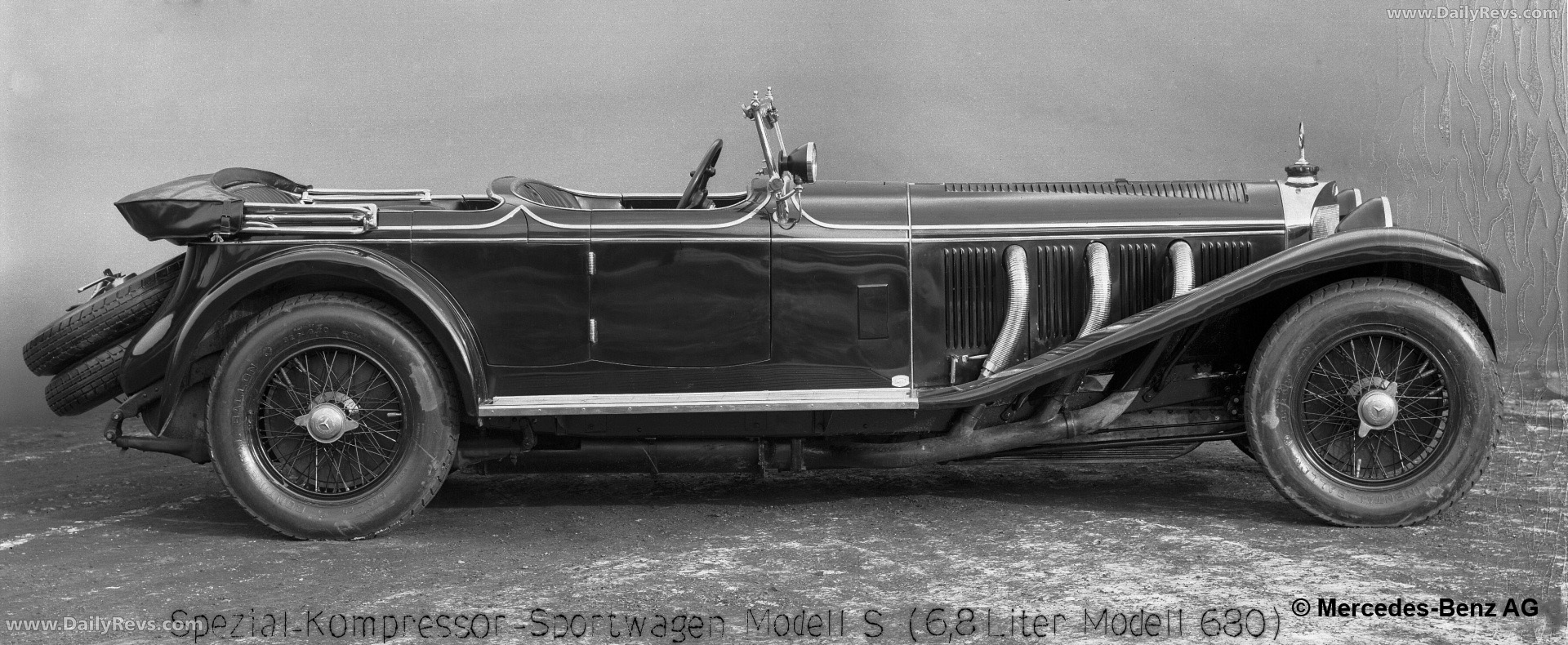
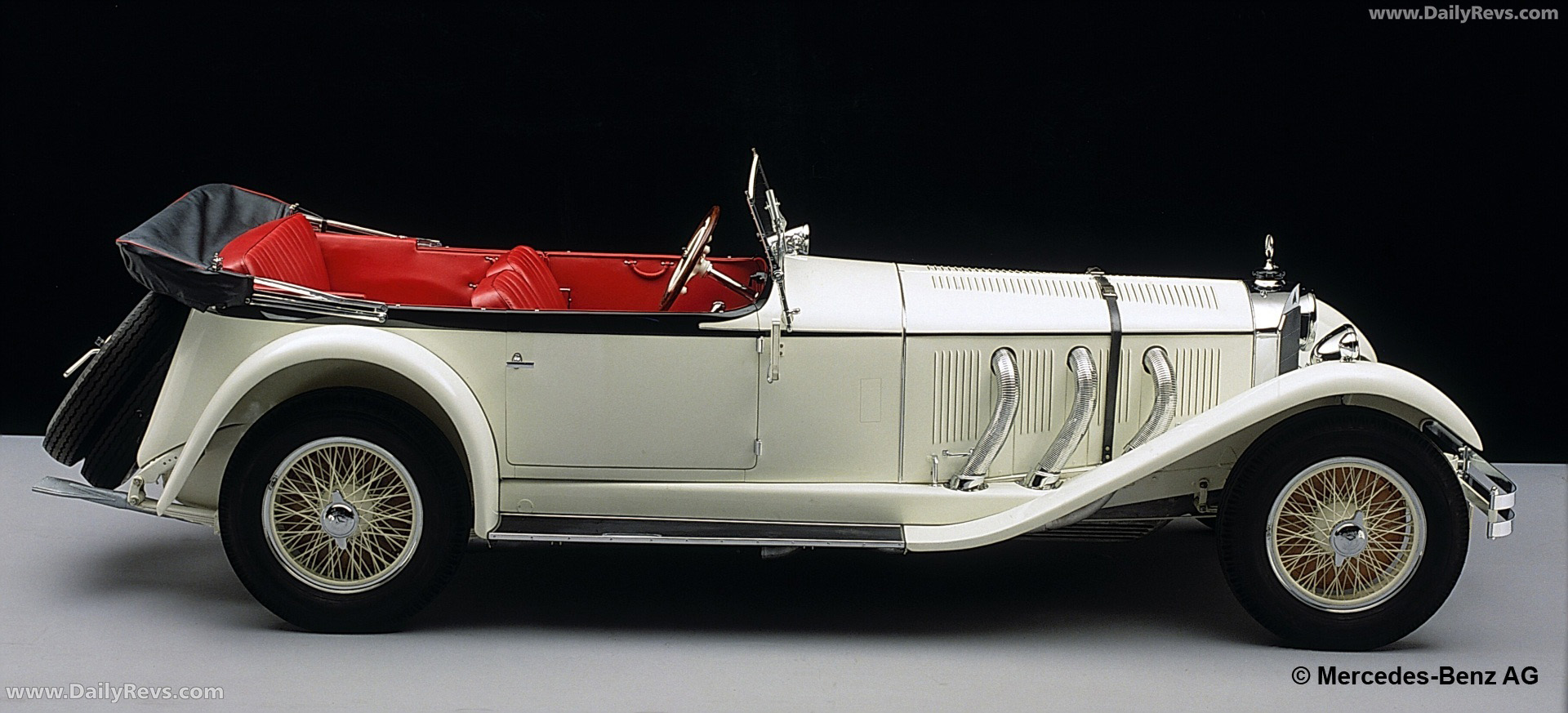
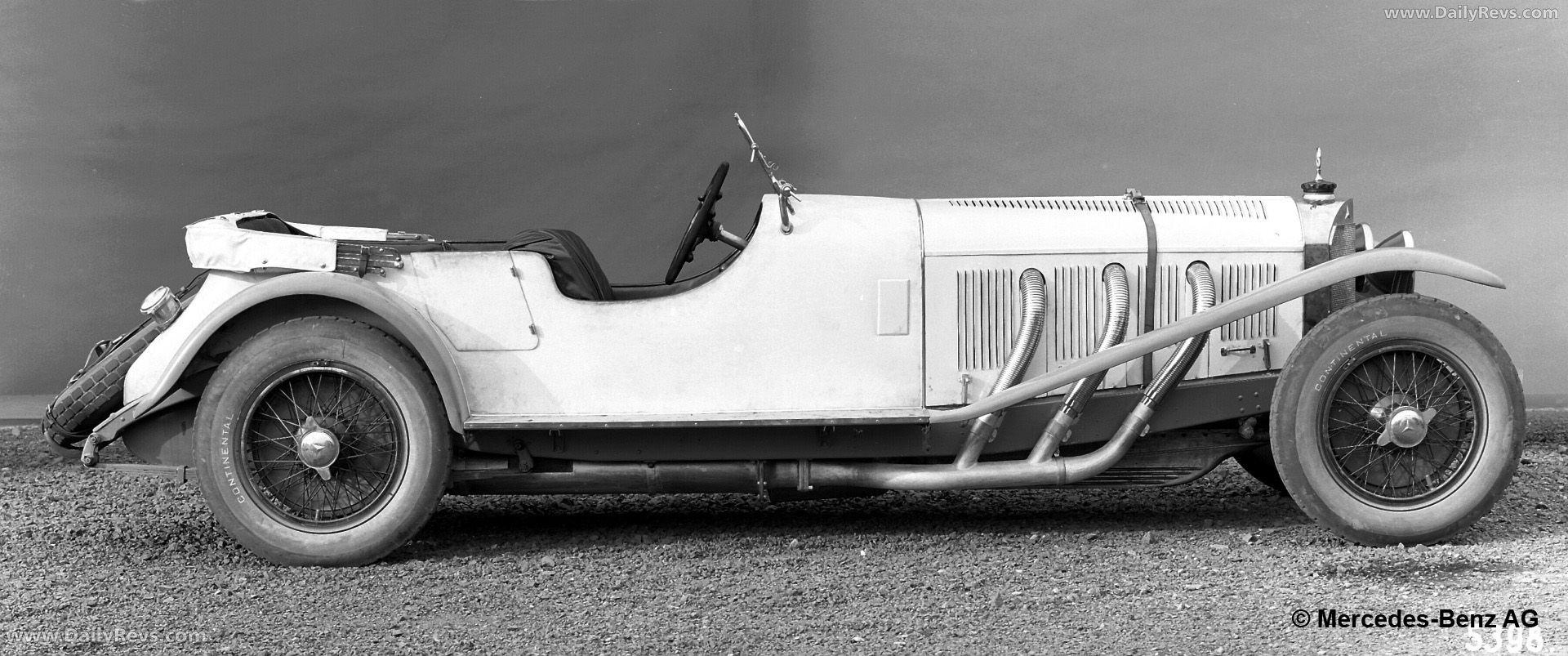
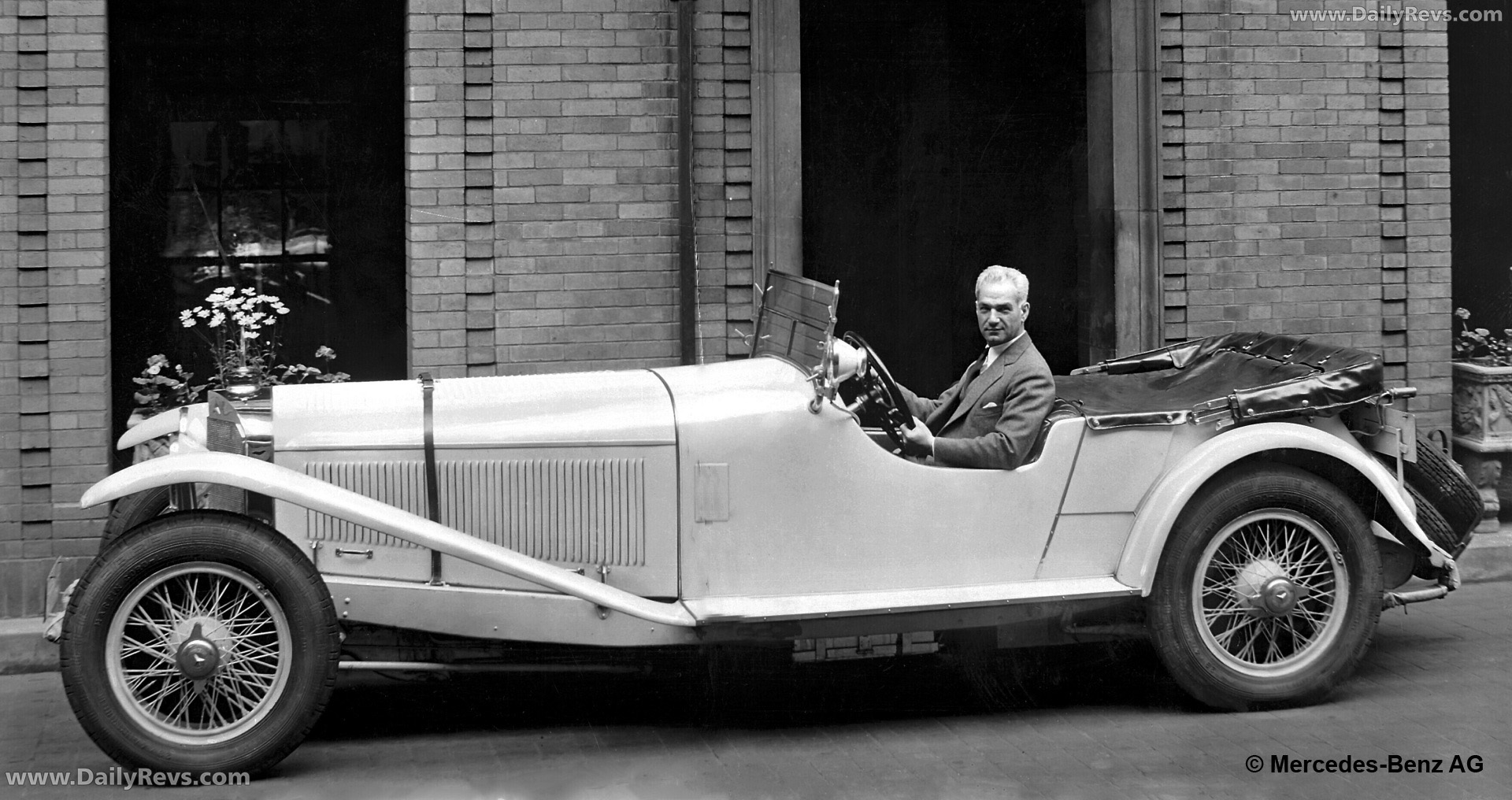
First glance at the press photos: the Type S sits low, purposeful. A bold, lowered chassis—about 30 cm dropped compared to its predecessor—makes it look planted. The long hood dominates. Short tail. All balance. And those narrow wire wheels fill those arches just right.
The stance isn’t flashy. No fire-burst decals or fake vents. Instead, deep, flowing fenders and a smooth beltline suggest quiet intent. The grill is tall and slim, flanked by classic lamps reined in rather than booming out. It’s dignified—but there’s a cheek to it. You sense the over-the-top power lurking just beneath the metal.
A Nod to Power
Open the hood in your mind and you find a supercharged 6.7‑liter inline‑6—about 40 hp more than the naturally aspirated 120 hp. With the compressor engaged, it hits roughly 180 hp. That’s big for 1927. And this engine helped it claim the inaugural Nürburgring 360‑km race and the German Grand Prix in July. A racing pedigree stamped on street‑ready steel.
The chassis feels purposeful too. Designers pushed the engine back, improving balance. That layout shift, born of racing strategy, shows in its clean profile. There's no awkward jut or bump—just elegant flow, from the low nose through the stepped roofline.
Visuals Over Tech
Tech details are there—Roots supercharger, dual spark plugs, four‑speed gearbox—but what's really telling is the visual. That flush side profile. The long bonnet kissing the front wheels. Even a cabriolet variant would look classy with the top down, roof frame low over the shoulders. It's craft, not flash.
A Rival Appears
While contemporaries like the Fiat S76 and Bentley Speed Six chased top speed, the Type S silenced them with elegance and race wins. Its successors, the SS and SSK, ratcheted power and reputation even further. But the Type S holds a special spot: when performance met poise in a post‑merger world finding its footing.
Final Thoughts
In today’s EV‑mad era, the Type S feels like an old‑school legend. But back in ’27, it was a glimpse of what Daimler‑Benz would become: balance, power, and purpose in perfect measure. It's not about loud statements—it was built to win, quietly. And it did, with poise.
Technical Specification
Performance
- Power (naturally aspirated): approx. 120 hp (88 kW) at 2,900 rpm
- Power (with supercharger): approx. 180 hp (132 kW) at 3,000 rpm
- Torque: approximately 431 Nm at 1,850 rpm
Body Measurements
- Wheelbase: 3,750 mm (147.6 in)
- Overall length: approx. 5,600 mm (220.5 in)
- Curb weight: approx. 1,900 kg (4,190 lb)
Powertrain
- Engine: 6.8-liter inline-6 with overhead camshaft
- Supercharging: Roots-type supercharger, manually engaged under throttle
- Bore × Stroke: 98 × 150 mm (3.86 × 5.91 in)
- Valvetrain: SOHC with 12 valves (2 per cylinder)
- Fuel system: Dual carburetors
Transmission:
- 4-speed manual gearbox
Drivetrain:
- Rear-wheel drive
Chassis:
- Steel frame with aluminum body panels
Brakes:
- Drum brakes on all four wheels
Capacities
- Fuel tank capacity: 120 liters