1915 Aston Martin Coal Scuttle
By Lorenzo Bianchi November 6, 1915
The Aston Martin Coal Scuttle was developed in 1914 and registered on March 16, 1915, becoming the first car to carry the Aston Martin name.
The two-seat sports car featured a 1,389cc Coventry Simplex four-cylinder side-valve engine and a purpose-designed chassis.
The Coal Scuttle won a gold medal in the 1919 London to Edinburgh Trial, but its whereabouts remain unknown after more than a century.
1915 Aston Martin Coal Scuttle Marks the Brand's Beginning
The 1915 Aston Martin Coal Scuttle occupies a significant place in British automotive history. Built by Lionel Martin and Robert Bamford, it was the first car developed under the name that would eventually become associated with some of Britain's most recognisable grand tourers.
The project began in 1914, when the founders of Bamford & Martin decided to create a vehicle of their own rather than continue modifying existing cars.
Construction took place in London, with the finished machine officially registered as an Aston Martin on March 16, 1915.
The outbreak of the First World War interrupted its development, delaying the company's early motorsport ambitions.
Simple Two Seat Bodywork and Early Aston Martin Design
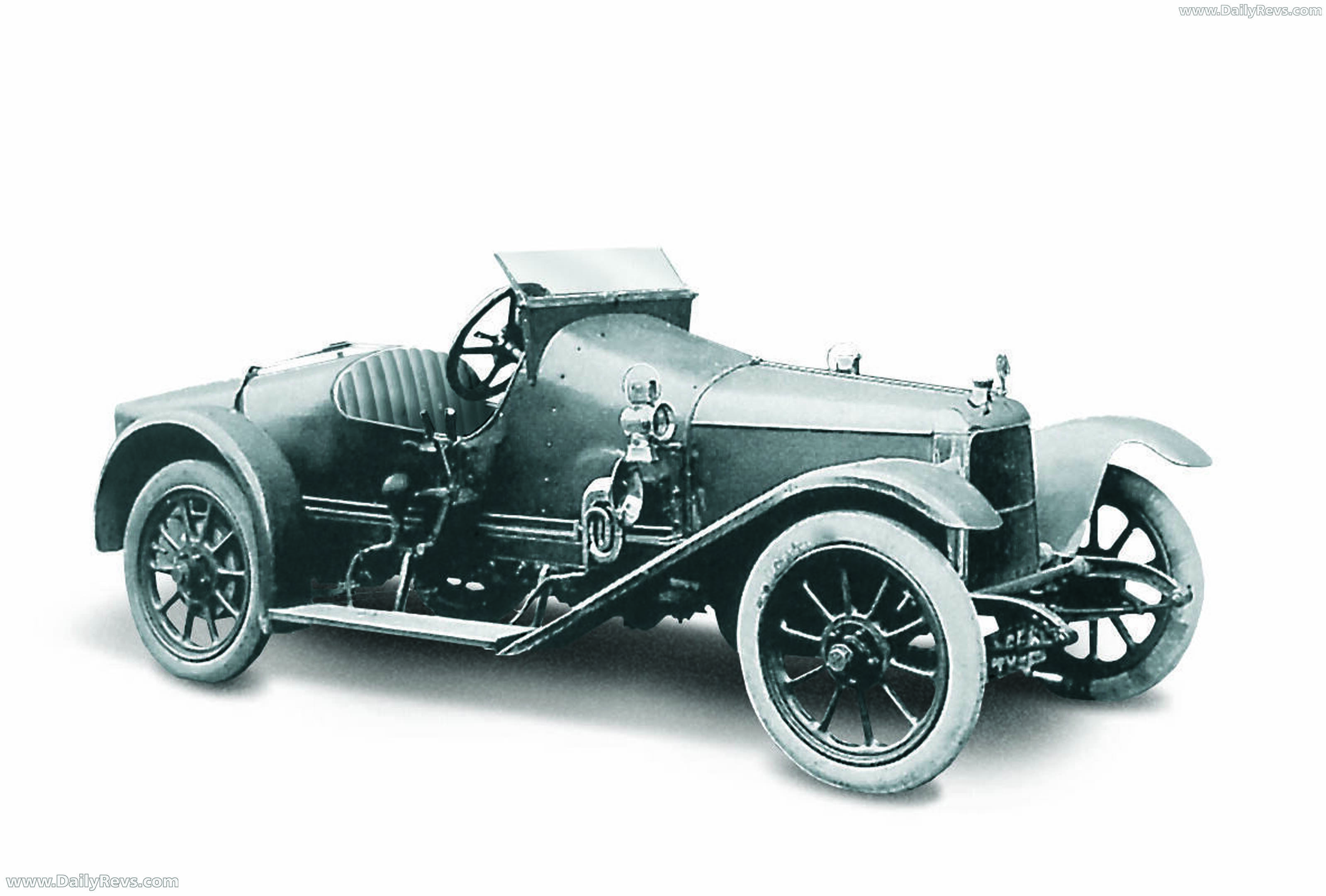
The Coal Scuttle was a compact, open two-seat sports car with a functional body developed around its mechanical components.
Its unusual nickname came from the resemblance between its bodywork and the coal containers commonly found in British households during the period.
Unlike the carefully sculpted bodywork associated with later Aston Martins, the original car reflected the straightforward construction methods of early motoring.
Period photographs show exposed wheels, separate mudguards, a narrow bonnet and an upright driving position.
Its appearance was shaped by the practical requirements of a lightweight sporting machine rather than passenger-car luxury.
Purpose Built Chassis and Mechanical Layout
The founders developed a chassis specifically for their first car, moving beyond the modified vehicles that had formed the basis of their earlier business.
Historical records associate the Coal Scuttle with chassis designation A1.
The car used an open-wheel configuration typical of the period, with its wheels positioned beneath separate curved mudguards.
Its compact construction reflected the company's interest in creating a sporting vehicle capable of competitive use.
1389cc Coventry Simplex Four Cylinder Engine
Power came from a 1,389cc four-cylinder side-valve engine supplied by Coventry Simplex.
The engine was developed for Bamford & Martin, with the founders making further changes to its original design.
Detailed horsepower, torque and acceleration figures are not established in Aston Martin's published historic-model description.
The car's mechanical significance lies in its combination of a specially developed engine and a chassis conceived by the fledgling manufacturer.
Early Motorsport Success and Historical Significance
Following the First World War, the Coal Scuttle began participating in competitive events.
In 1919, it completed the London to Edinburgh Trial and received a gold medal, providing Aston Martin with its first recorded competitive award.
The car also appeared at Brooklands during the company's early racing activities.
Unlike later production Aston Martins, the Coal Scuttle remained a unique founding-era vehicle.
Its subsequent disappearance has made the surviving photographs and historical records particularly important. The original car has not been positively located, leaving its fate unresolved more than a century after its construction.