Nissan X-Trail IKI: A Global SUV Reinterpreted Through a Local Perspective
By Hsin Hsu September 15, 2026

The Nissan X-Trail IKI, developed by Nissan Taiwan in collaboration with automotive design consultancy KO’LAB, shows how a global model can be adapted to reflect the expectations of a specific market without losing its original identity. Global vehicles carry the responsibility of representing a brand consistently across very different markets, yet the same vehicle does not always speak to every market in exactly the same way. Regional editions therefore offer an opportunity to respond more closely to local expectations, preferences, and ways of life.
The Nissan X-Trail IKI was born from exactly such an opportunity, allowing Nissan Taiwan and KO’LAB to reinterpret the established X-Trail SUV through a distinctly local perspective while preserving the fundamental character of Nissan’s global model. The car design project was both a privilege and an exceptional collaborative experience, bringing together product planning, marketing, engineering, and design. As the X-Trail evolved in performance, comfort, and overall driving experience, its exterior design also needed to communicate a stronger and more refined character.
This raised the core design question of the project: how do you meaningfully evolve a product that is already strong, mature, and well resolved?
Unlike the freedom of designing an entirely new vehicle, a regional restyle must work within an established architecture, carry-over components, production requirements, and a clearly recognizable brand identity. The objective was not to disguise what remained or introduce change simply for visual novelty, but to reconsider how the vehicle would be perceived as a whole within its specific market.
What Does IKI Actually Mean?
The name “IKI” comes from the Japanese character 粋, pronounced iki. It describes an effortlessly refined and confident character, sophisticated without ostentation, expressive without excess, and guided by an intuitive sense of what is appropriate. This spirit of restraint, precision, and quiet confidence became the foundation of the design.
In practical terms, iki meant avoiding an unnecessarily dramatic break from the existing X-Trail. Instead, we focused on carefully refining its proportions, surface tension, and individual details. Guided by the thought “Emotion Begins with the Details,” every intervention needed to contribute to the overall character without competing for attention.
Giving the X-Trail More Presence Without Overdoing It
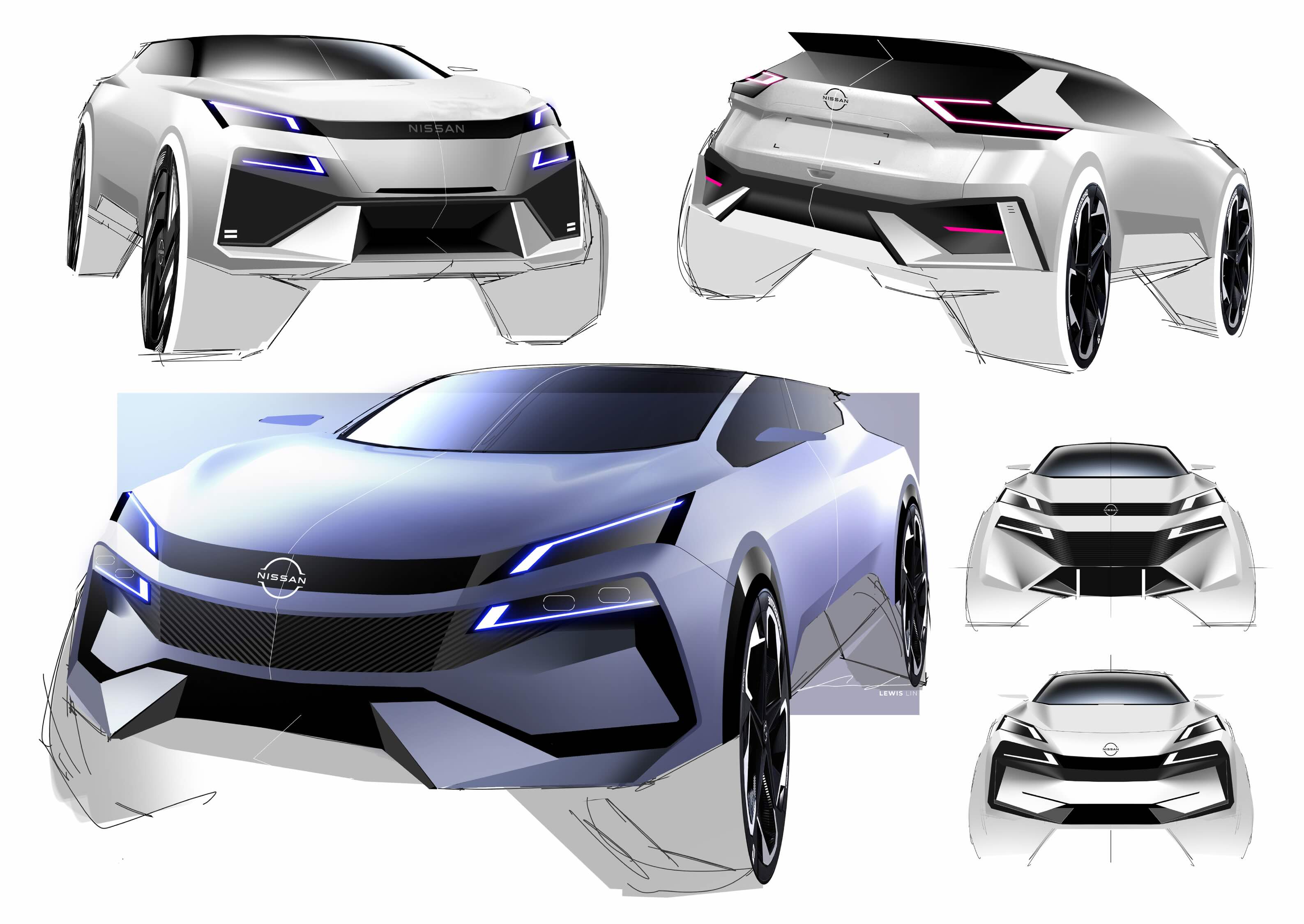
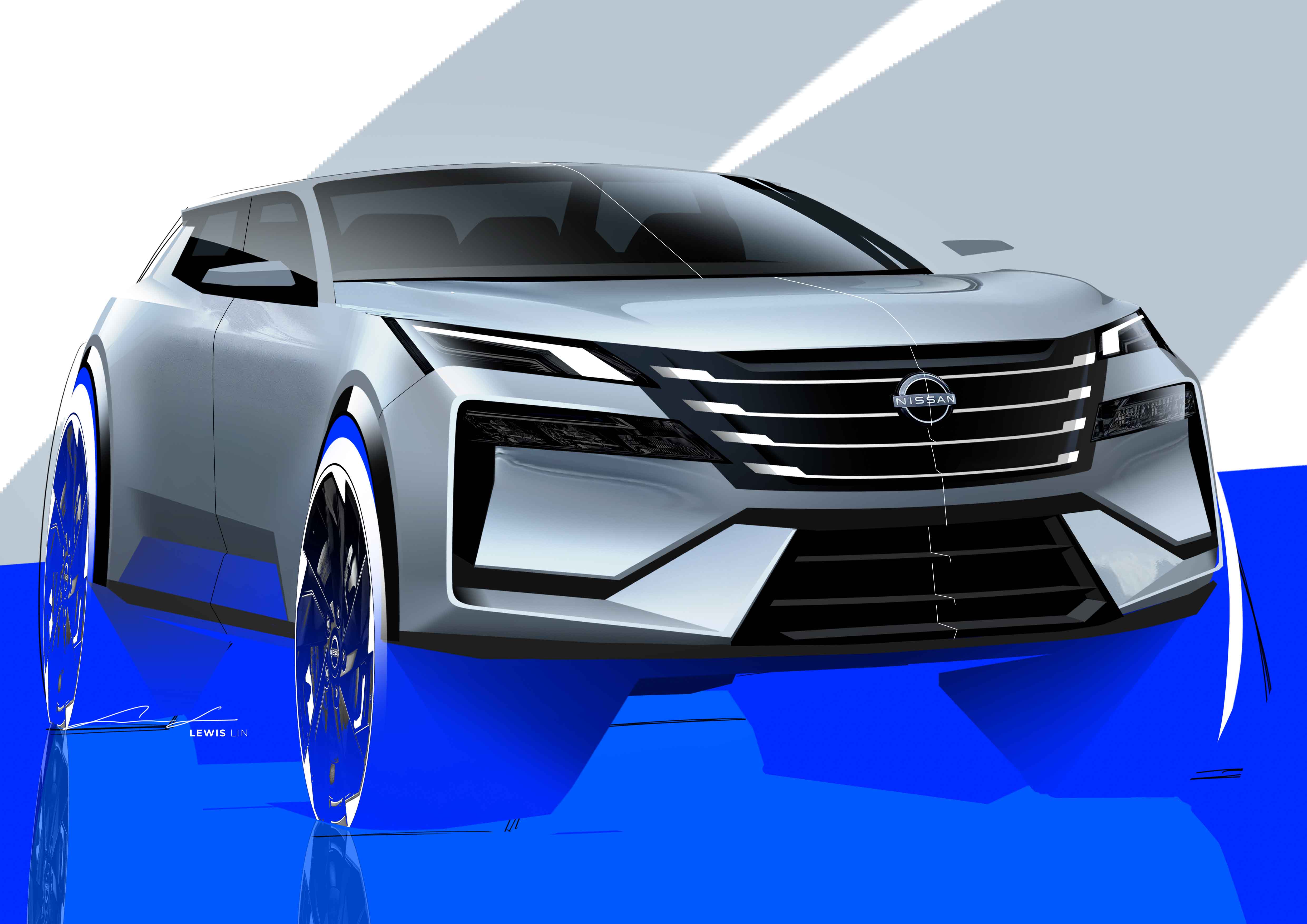
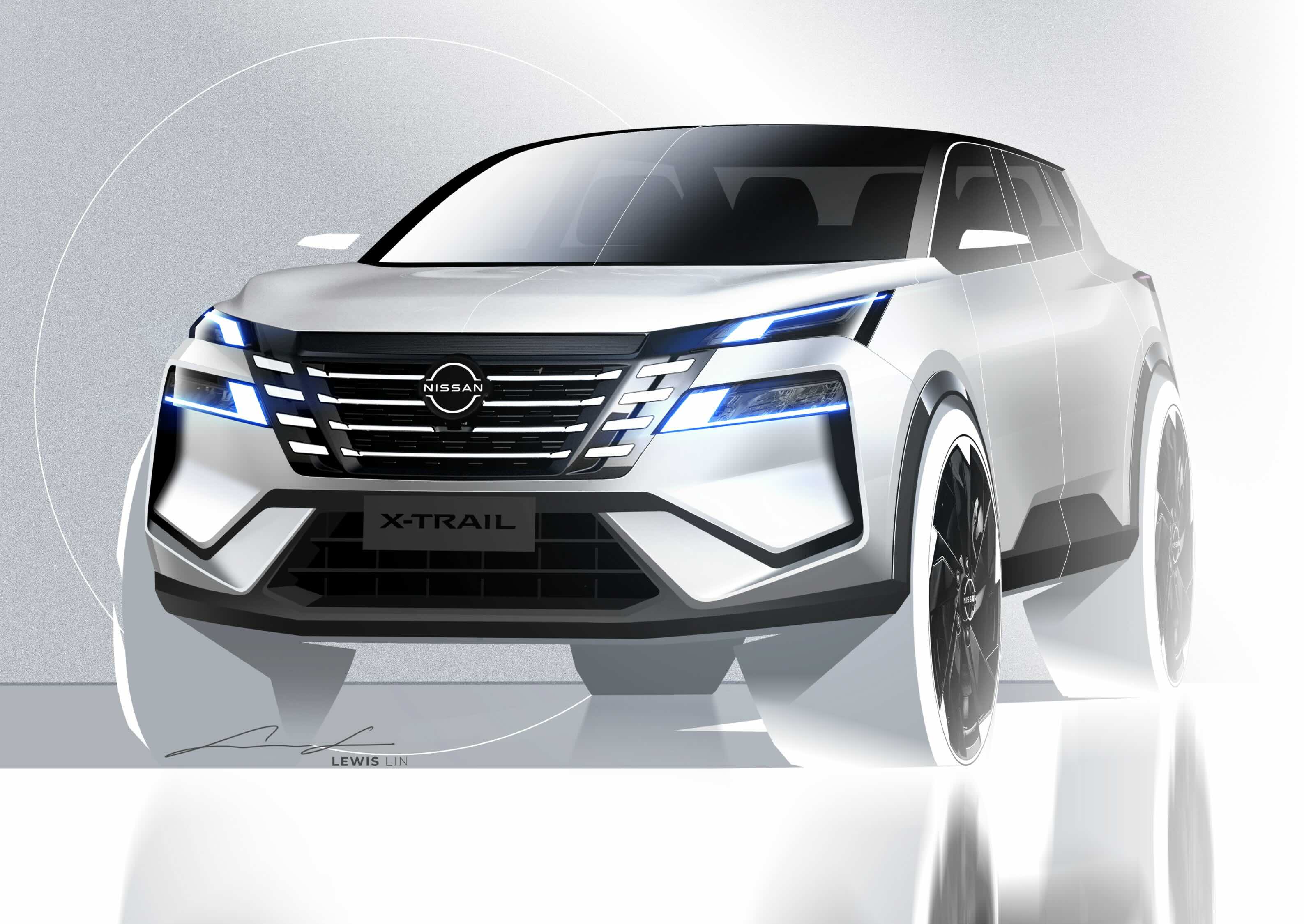
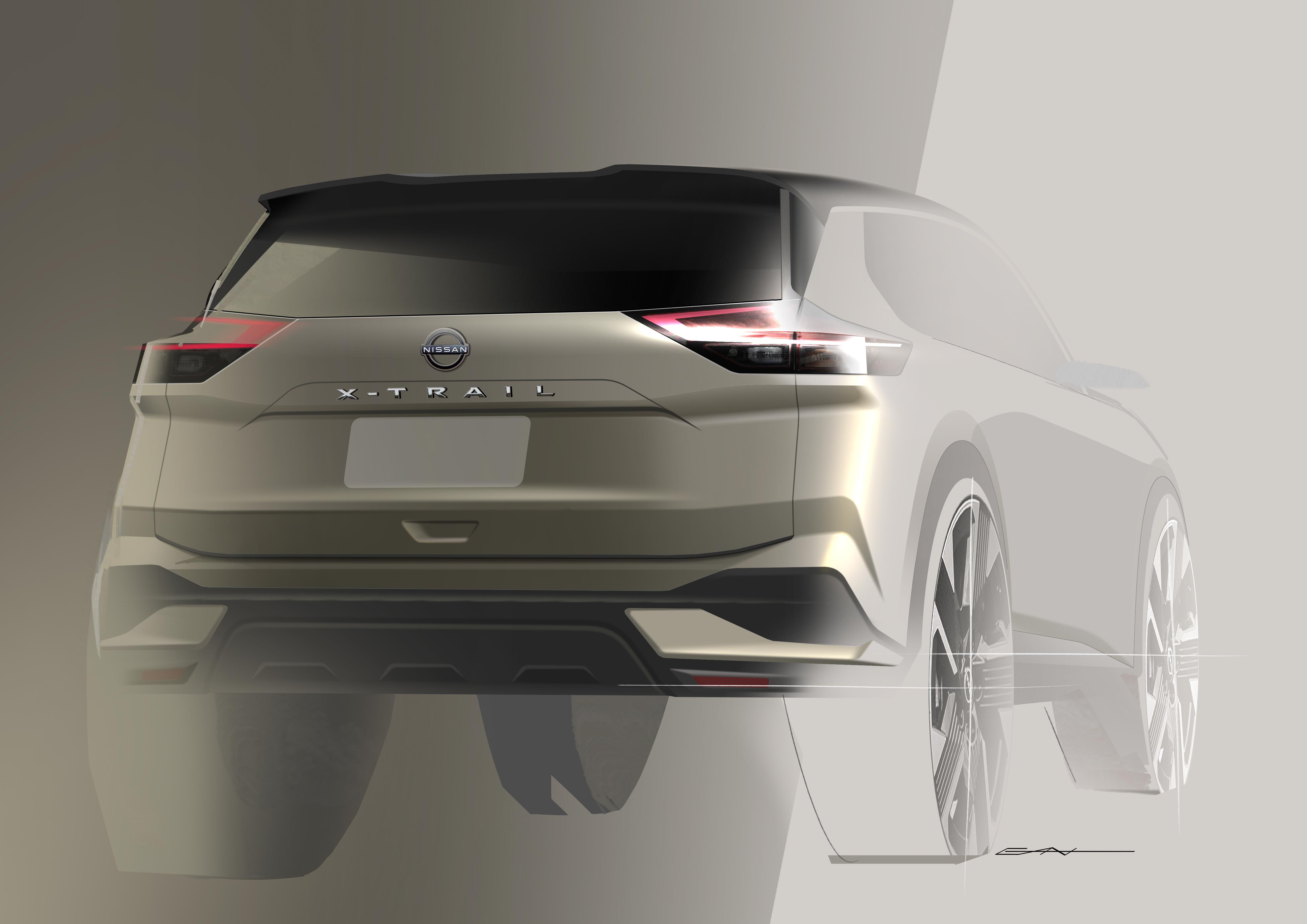
Our research into regional preferences indicated that SUV customers often seek a sense of presence, confidence, and generosity, balanced by finely crafted details. The challenge was to create that impression without making the vehicle feel visually heavy, aggressive, or over-styled. To achieve this, the proportions of the graphic elements were restructured and the surfacing carefully refined to visually broaden both the front and rear. The grille was reshaped to reinforce the vehicle’s perceived width while retaining Nissan’s recognizable V-motion identity. Together, these changes created a more substantial and commanding stance while preserving a sense of motion and sportiness.
The Details Aren’t Supposed to Shout
Many of the most important changes reveal themselves only upon closer inspection. Carefully developed forms and considered CMF treatments within the grille and air intakes introduce a subtler layer of sculptural character, details designed not to demand attention, but to reward it. This balance between presence and restraint reflects the spirit of iki.
Designing Around What Couldn’t Change
Working around carry-over components was not simply a limitation; it became part of the design discipline. These existing elements served not only as fixed reference points around which the new graphic structure and surfacing had to be precisely composed, but also as important carriers of the original design intent. A well-resolved outcome should not feel like a collection of newly added parts. Instead, it should make the entire vehicle appear more coherent, as though its new expression had always belonged there.
Why VR Mattered More Than You Might Think
Digital tools played an important role in achieving this within the project’s compressed development conditions. Gravity Sketch allowed us to explore and refine forms directly in three dimensions, while full-scale VR reviews enabled the team to evaluate stance, proportion, graphic composition, and surface transitions at vehicle scale much earlier in the process. This was particularly valuable in the context of a production facelift. Although the scope of the design intervention was focused, each change could substantially influence how the vehicle was perceived as a whole. Reviewing the design in VR helped us identify styling concerns and potential engineering conflicts earlier, accelerate decision-making, and reduce both downstream Alias modeling time and the need for multiple physical development loops. Physical models could then be used more efficiently for focused styling validation and engineering integration.
When Designers and Engineers Work Side by Side
Equally important was the close collaboration with Nissan Taiwan’s engineering team. Design proposals were continuously evaluated against technical requirements, existing architecture, tooling conditions, and production feasibility. Rather than treating engineering as a constraint to be addressed only at the final stage, the digital workflow allowed it to become an active and continuous part of the design process.
Evolution Doesn’t Have to Mean Reinvention
The X-Trail IKI demonstrates that meaningful design evolution does not always require complete reinvention. It begins with a deeper understanding of the regional and cultural context, followed by an equally careful understanding of what should remain. Only then can the changes that truly matter be identified and developed into an evolution that feels authentic, relevant, and thoughtfully resolved.
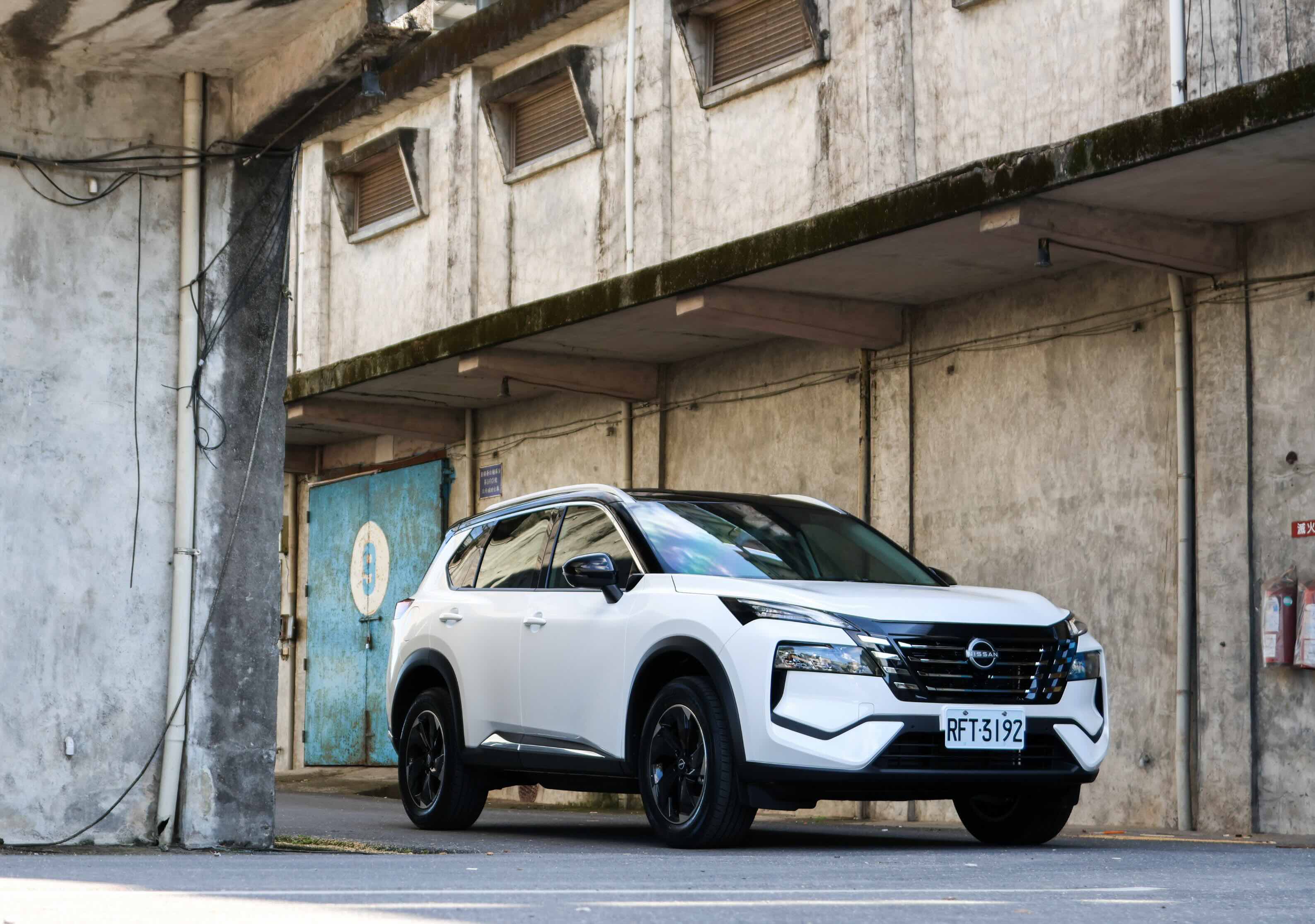
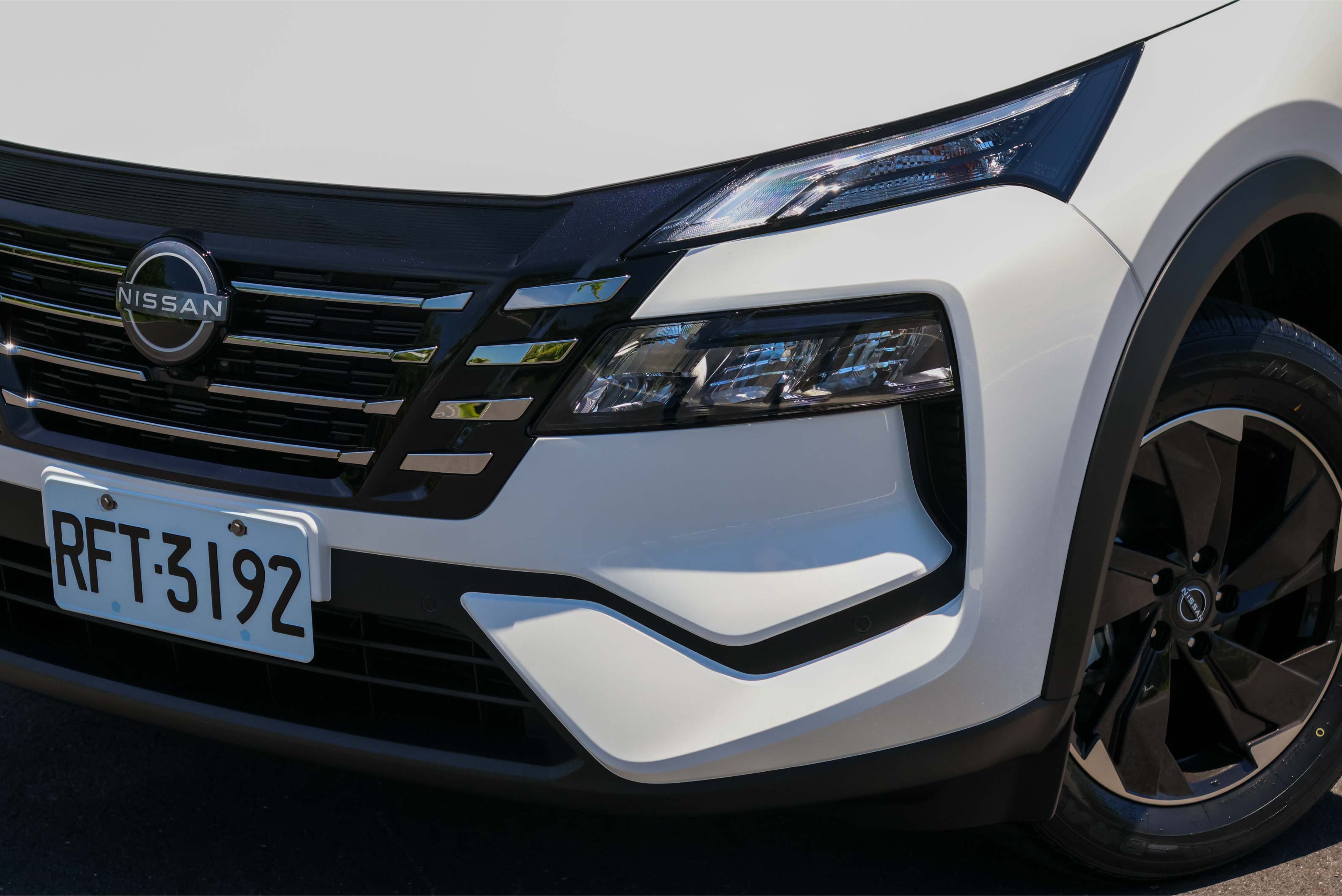
Image courtesy of Nissan Taiwan and Jason Hu
Written by
Hsin HsuI have been working in automotive design since graduating from ArtCenter College of Design in 2010. After gaining experience with Luxgen, Pininfarina, and Yamaha, I founded KO’LAB, an independent automotive and industrial design consultancy based in Taiwan.
Today, we collaborate closely with global technology leaders, automotive companies, and emerging mobility innovators to explore and shape new visions for transportation. Our work spans vehicle styling, digital design development, advanced visualization, physical modeling, and the translation of forward-looking ideas into feasible design solutions.
Through my writing, I hope to share perspectives on evolving design trends, insights from the projects we work on, and observations about the automotive and mobility industries. I would also like to explore how new technologies, cultural shifts, and changing user expectations are reshaping not only the vehicles we design, but the design process itself.